America’s military history is filled with heroes whose names rarely appear in textbooks. Brave soldiers, pilots, and trailblazers changed the course of battles and broke down barriers, yet their stories remain hidden in the shadows.
Their courage and sacrifice deserve to be remembered and celebrated by every generation.
1. Crispus Attucks: The Boston Massacre martyr whose death became a rallying cry
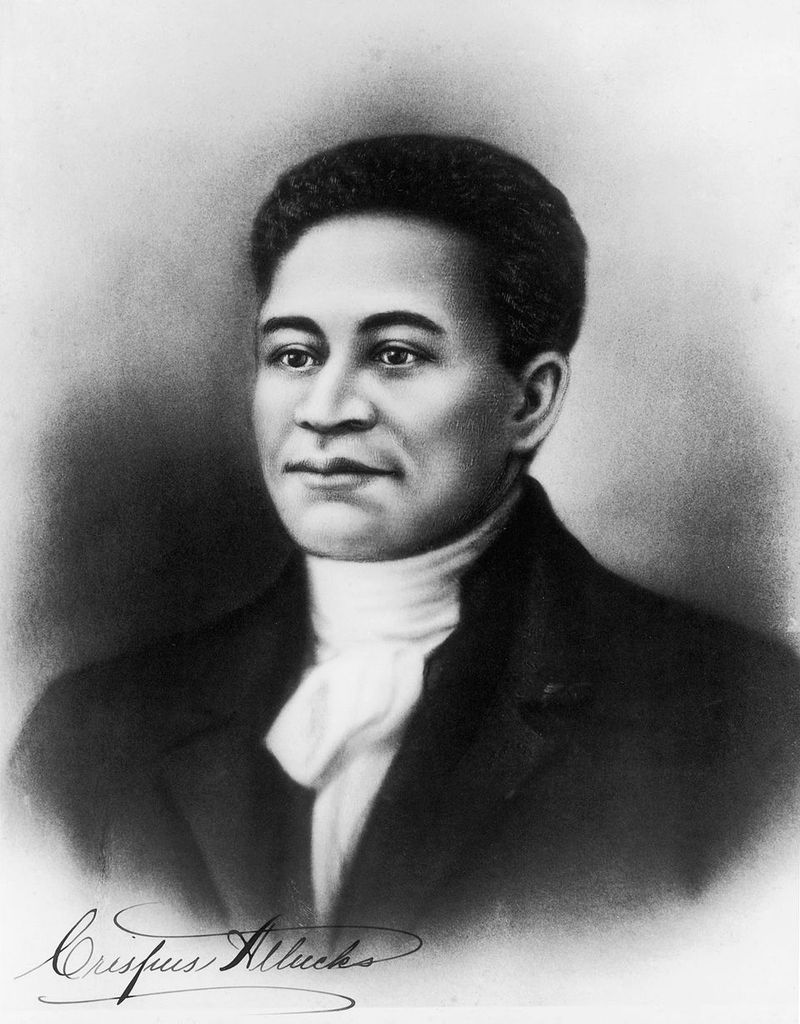
On a cold March night in 1770, a dockworker of African and Native American descent became the first casualty of the American Revolution. Crispus Attucks stood at the front of an angry crowd confronting British soldiers in Boston.
When gunfire erupted, he fell first, his sacrifice igniting colonial fury.
His death transformed him into a powerful symbol of resistance against tyranny. Patriots used his story to rally support for independence, proving that freedom’s fight belonged to everyone, regardless of background or status in society.
2. Deborah Sampson: The Continental Army soldier who enlisted disguised as Robert Shurtliff
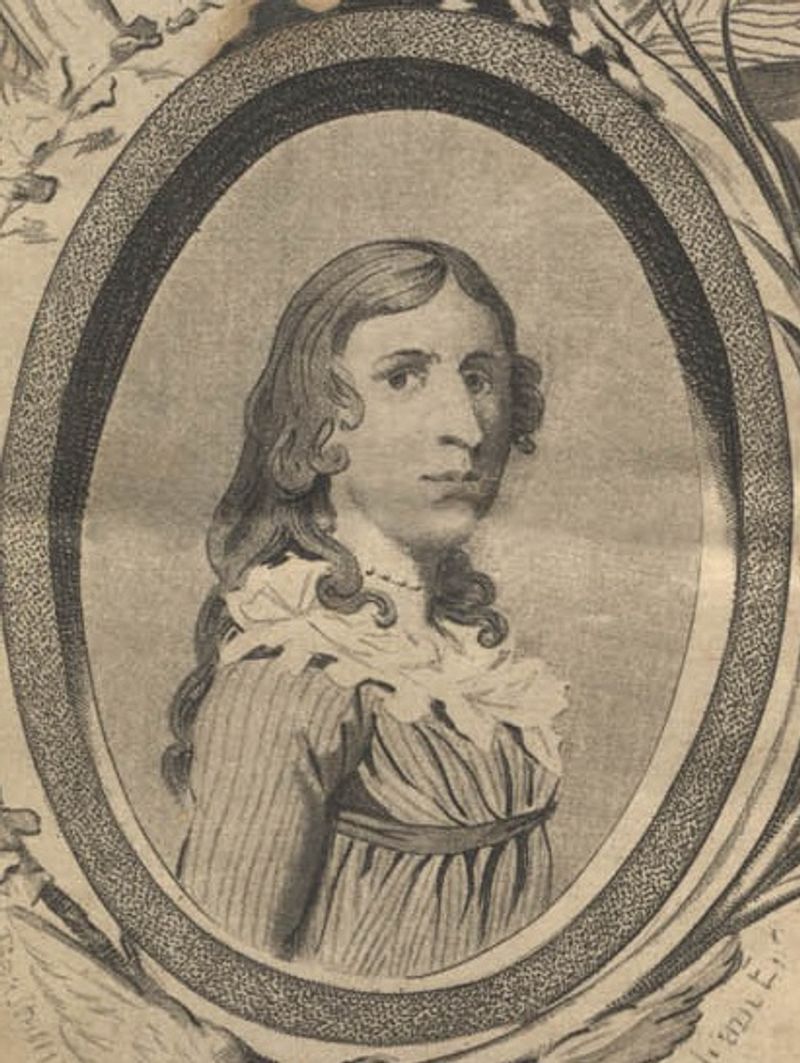
Determined to serve her country, a Massachusetts woman cut her hair, bound her chest, and adopted a male identity in 1782. Deborah Sampson enlisted as Robert Shurtliff, fooling recruiters and fellow soldiers alike.
She fought in multiple battles, earning respect for her courage and skill.
When wounded by a sword and musket ball, she removed the bullet herself to avoid detection. A fever eventually exposed her secret, but by then she had proven women could fight as fiercely as any man in defense of liberty.
3. Cathay Williams: The Buffalo Soldier who enlisted as William Cathay when women couldn’t serve
Born into slavery, this remarkable woman worked as a cook for Union forces during the Civil War, then decided she wanted to be a soldier. In 1866, Cathay Williams disguised herself as a man named William Cathay and enlisted in the 38th Infantry Regiment.
She became the first known female Buffalo Soldier.
For nearly two years, she served on the frontier, marching through harsh conditions and hostile territory. Illness eventually led to her discharge, but her determination opened doors that society had locked tight against women of her time.
4. Henry Johnson: The Harlem Hellfighter who earned the Medal of Honor decades later
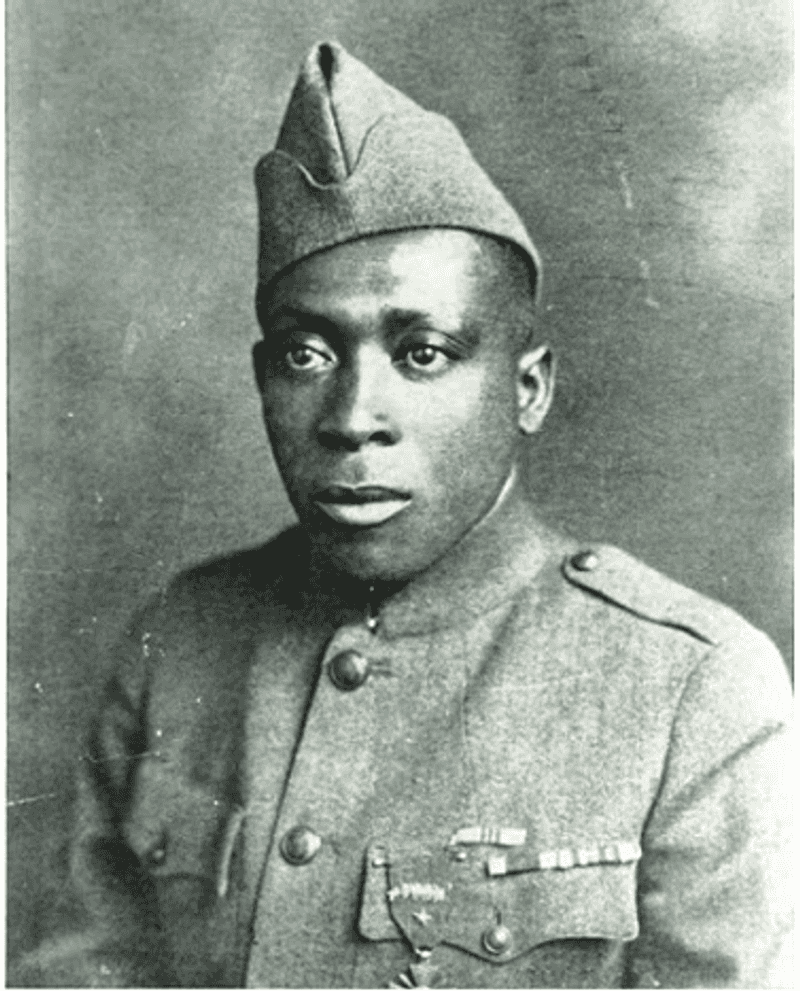
Working as a railroad porter, Henry Johnson enlisted in the 369th Infantry Regiment and shipped off to fight in World War I. On a dark night in May 1918, German raiders attacked his post in France.
Though wounded multiple times, Johnson fought back with grenades, his rifle, and even a knife.
He saved his fellow soldier and prevented enemy capture, becoming a hero in France but facing racism back home. America finally awarded him the Medal of Honor in 2015, nearly a century after his incredible bravery.
5. Eugene Bullard: America-born WWI combat pilot who had to fly for France
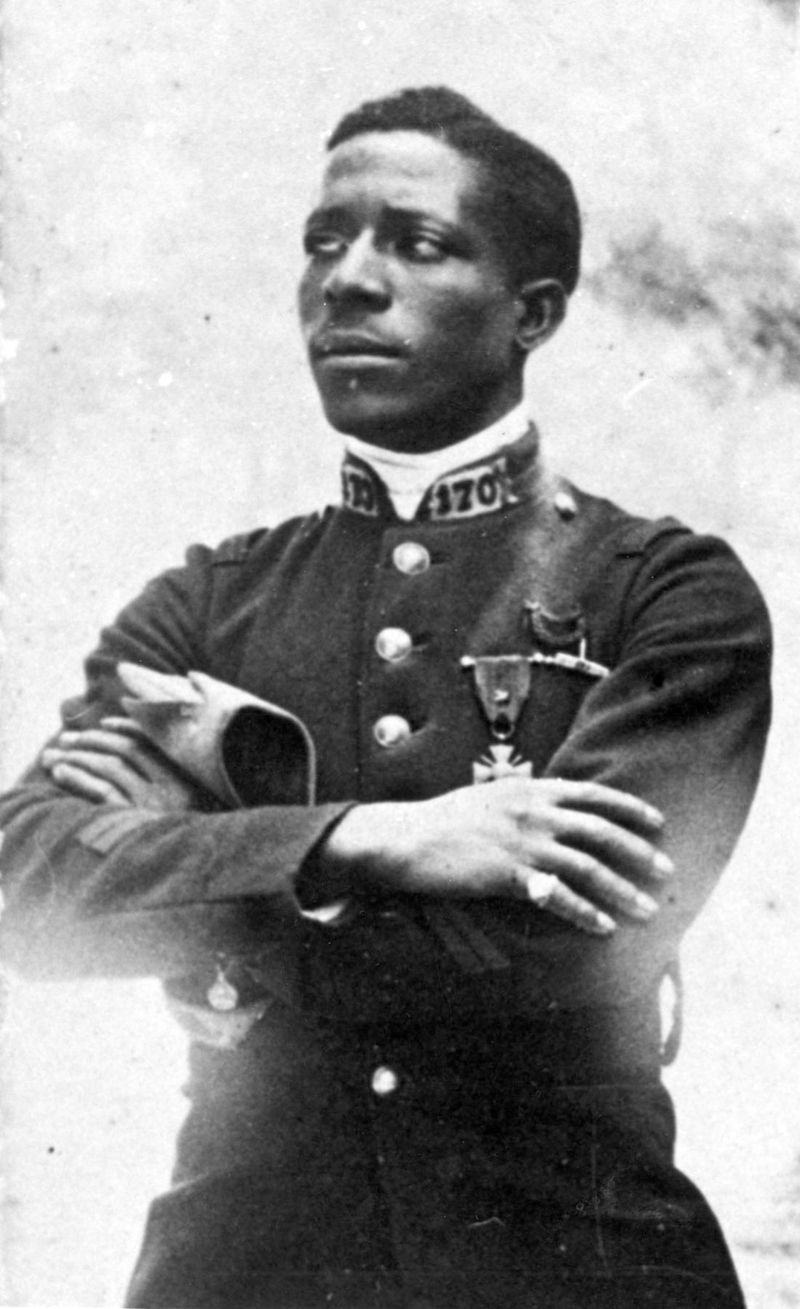
Born in Georgia and fleeing racism, Eugene Bullard made his way to France, where he joined the French Foreign Legion during World War I. His courage in the trenches earned him the chance to become a combat pilot.
He flew dangerous missions, shooting down enemy planes and earning French military honors.
America refused to let Black men fly for the U.S. military, so Bullard became the first African American combat pilot under another nation’s flag. His legacy inspired the Tuskegee Airmen a generation later.
6. Ola Mildred Rexroat: The only Native American known to have served as a WWII WASP
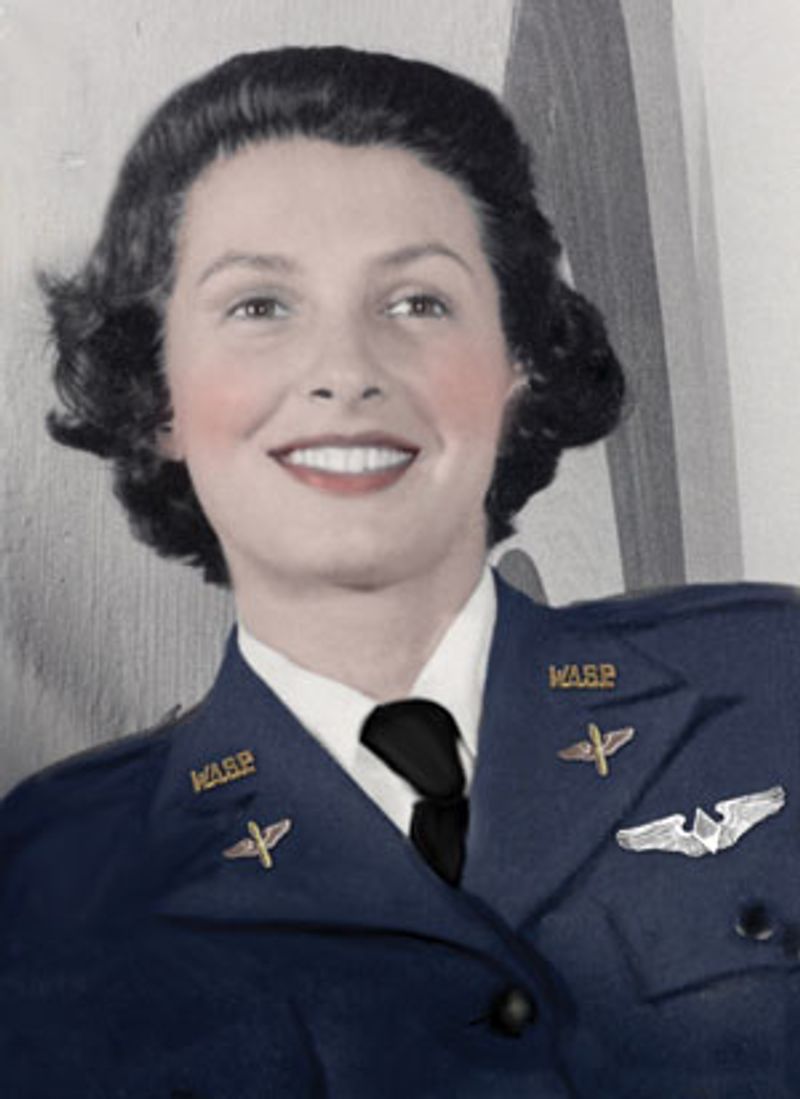
Growing up on an Oglala Lakota reservation in South Dakota, Ola Mildred Rexroat dreamed of flying. When World War II created opportunities for women pilots, she joined the Women Airforce Service Pilots program.
She ferried military aircraft across the country, testing planes and towing targets for gunnery practice.
Rexroat broke barriers as the only known Native American WASP, navigating both gender and racial prejudice. Her skill in the cockpit helped train countless male pilots who went on to fight overseas, making her contribution essential to victory.
7. Doris Dorie Miller: Pearl Harbor hero and the first Black recipient of the Navy Cross
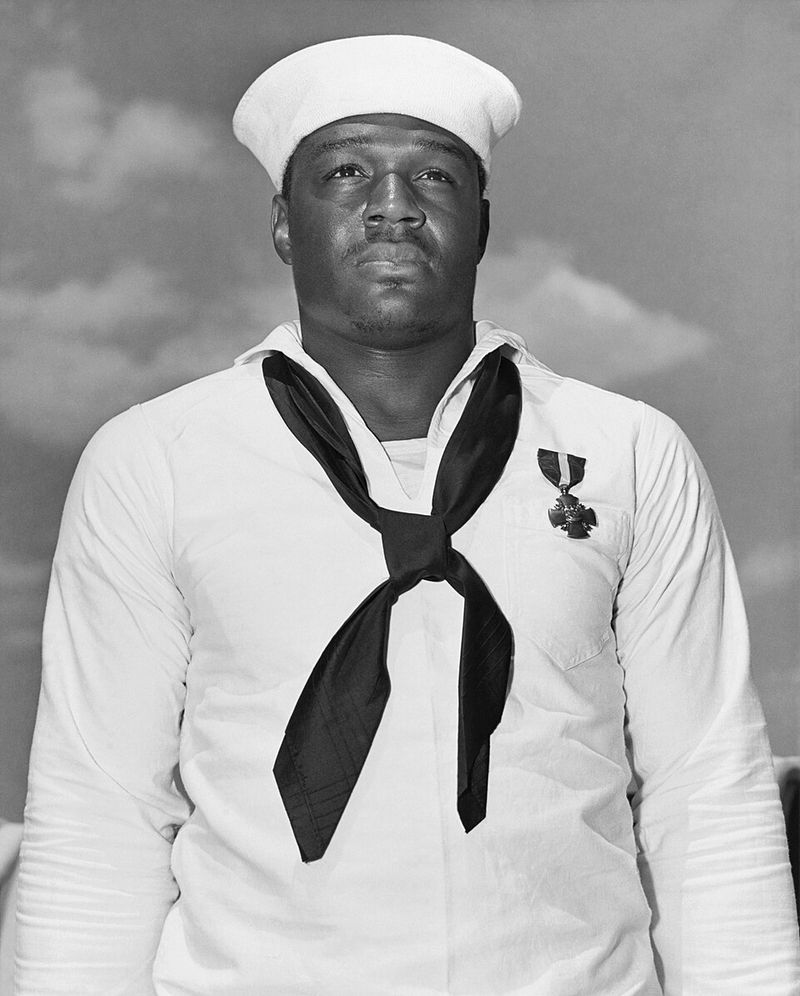
Serving as a mess attendant aboard the USS West Virginia, Doris Miller was collecting laundry when Japanese planes attacked Pearl Harbor on December 7, 1941. Without any formal gunnery training, he rushed to an anti-aircraft gun and began firing at enemy planes.
His quick thinking and bravery helped defend the ship during those chaotic moments.
Miller carried wounded sailors to safety, including his ship’s captain. The Navy awarded him the Navy Cross, making him the first African American to receive this honor and inspiring a nation.
8. Roy Benavidez: The Green Beret whose six-hour Vietnam rescue earned the Medal of Honor
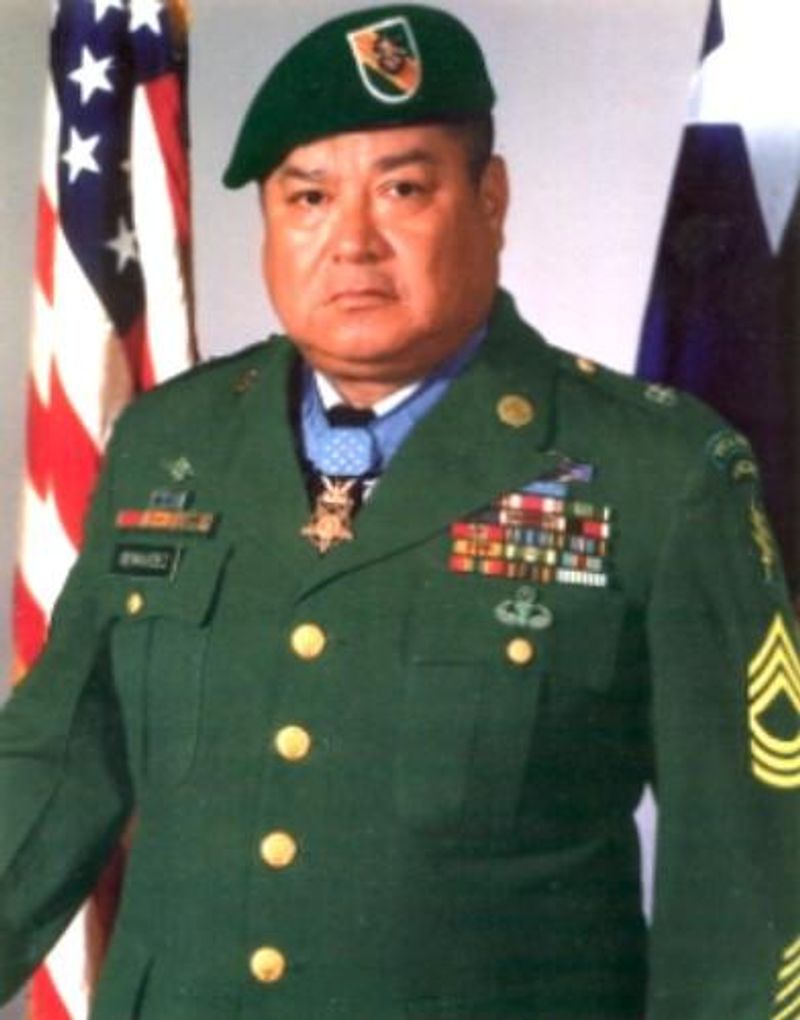
Did you know? Roy Benavidez was pronounced dead at one point during his rescue mission, only to spit in the doctor’s face to prove he was still alive.
On May 2, 1968, this Green Beret heard that his fellow soldiers were trapped and outnumbered in the Vietnamese jungle. Despite being wounded immediately after jumping from the helicopter, he fought for over six hours.
Benavidez saved eight men while sustaining 37 separate wounds. His refusal to give up under impossible odds earned him the Medal of Honor and secured his place among America’s greatest warriors.
9. Hazel Ying Lee: Chinese American WASP pilot who broke barriers in WWII aviation
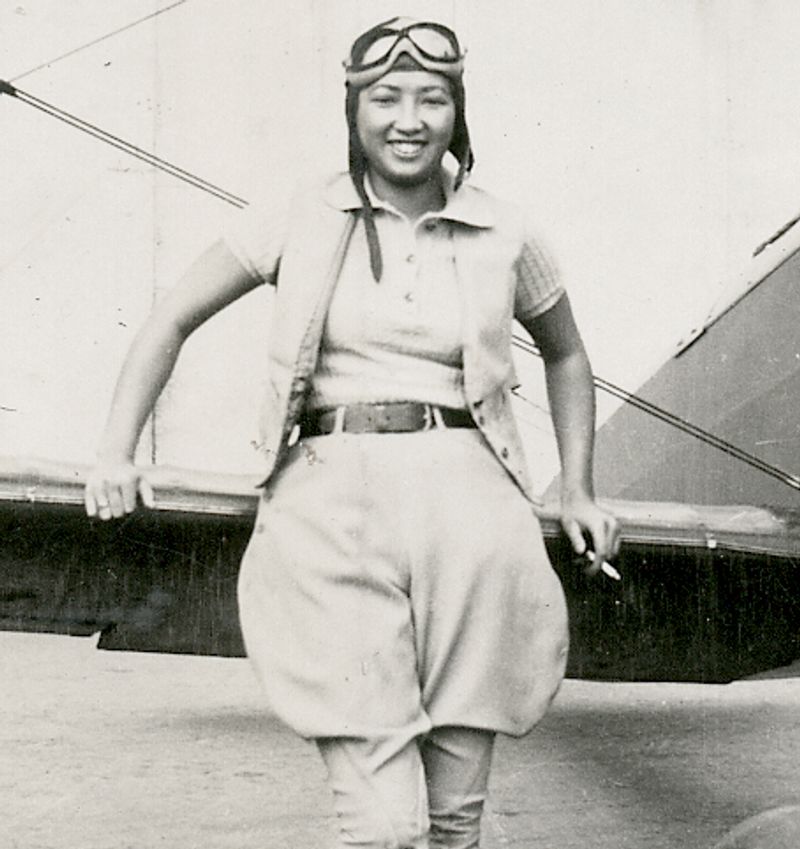
Two Chinese American women defied both gender and racial barriers to become military pilots during World War II. Hazel Ying Lee learned to fly in the 1930s, while Maggie Gee earned her wings as a teenager.
Both joined the Women Airforce Service Pilots program, ferrying everything from trainers to fighter planes across America.
They faced discrimination but never let prejudice ground their dreams. Lee tragically died in a aircraft accident in 1944, but Gee continued advocating for WASP recognition until her death in 2013, ensuring their stories survived.
10. Col. Fred Cherry: Vietnam POW whose survival story exposed racism inside prison camps
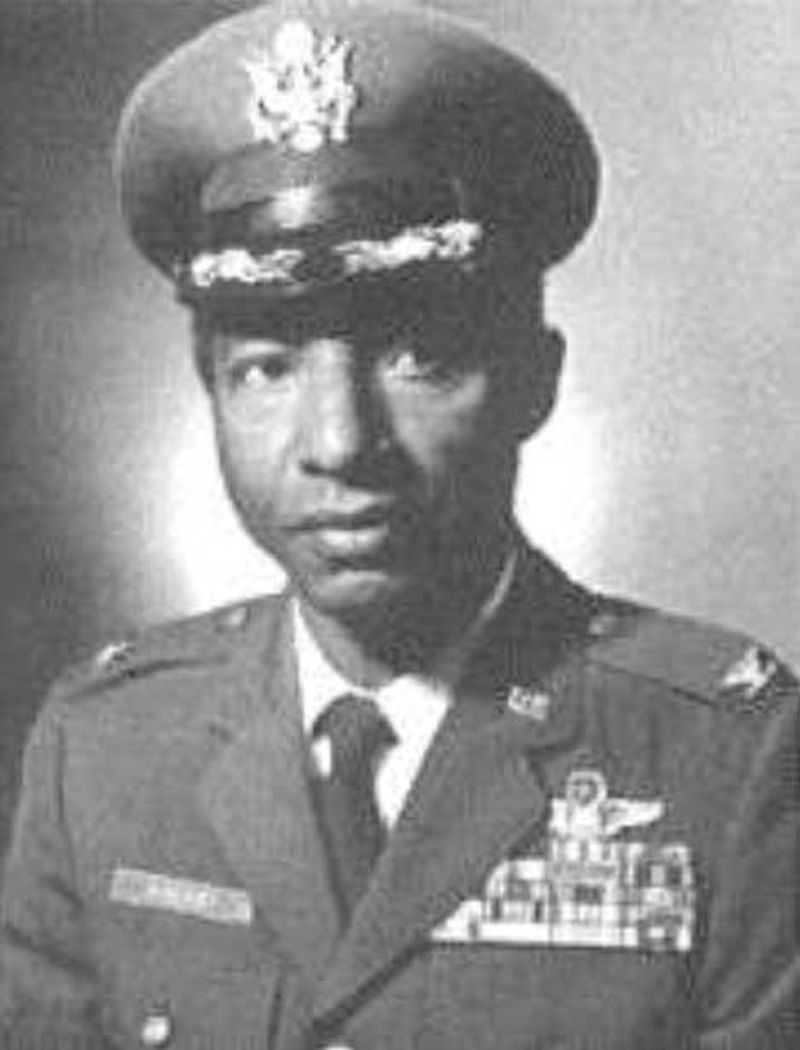
Shot down over North Vietnam in 1965, Air Force pilot Fred Cherry became one of the first Black prisoners of war. His captors tortured him brutally, trying to use his race to turn him against America.
Cherry refused to break, enduring isolation, starvation, and beatings for over seven years.
Fellow POW Porter Halyburton, a white Southerner, became his cellmate and helped nurse him back from near death. Their friendship challenged both men’s prejudices and revealed the reality of racism even within the prison camp system, changing perspectives forever.
11. Martha McSally: A-10 combat pilot who also took on discriminatory military policies
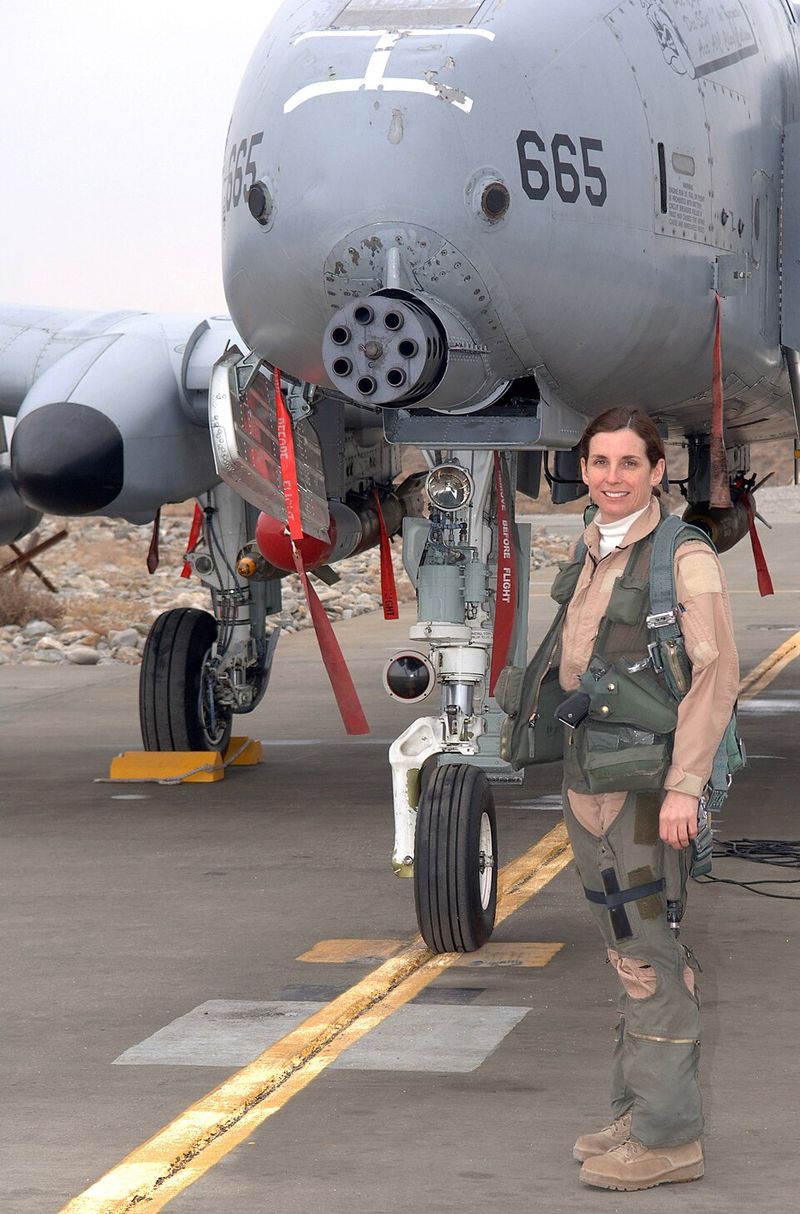
Flying the A-10 Warthog in combat over Iraq and Kuwait, Martha McSally became the first American woman to fly in combat. But her battles did not end in the cockpit.
She challenged a military policy requiring female service members to wear traditional Islamic dress when off base in Saudi Arabia, arguing it violated their rights.
McSally won that fight, changing the policy for all servicewomen. Her courage in combat and willingness to challenge unfair rules made the military more equitable for women serving today.
12. Maj. Gen. Mari K. Eder: The Army leader who helped shape modern strategic communication
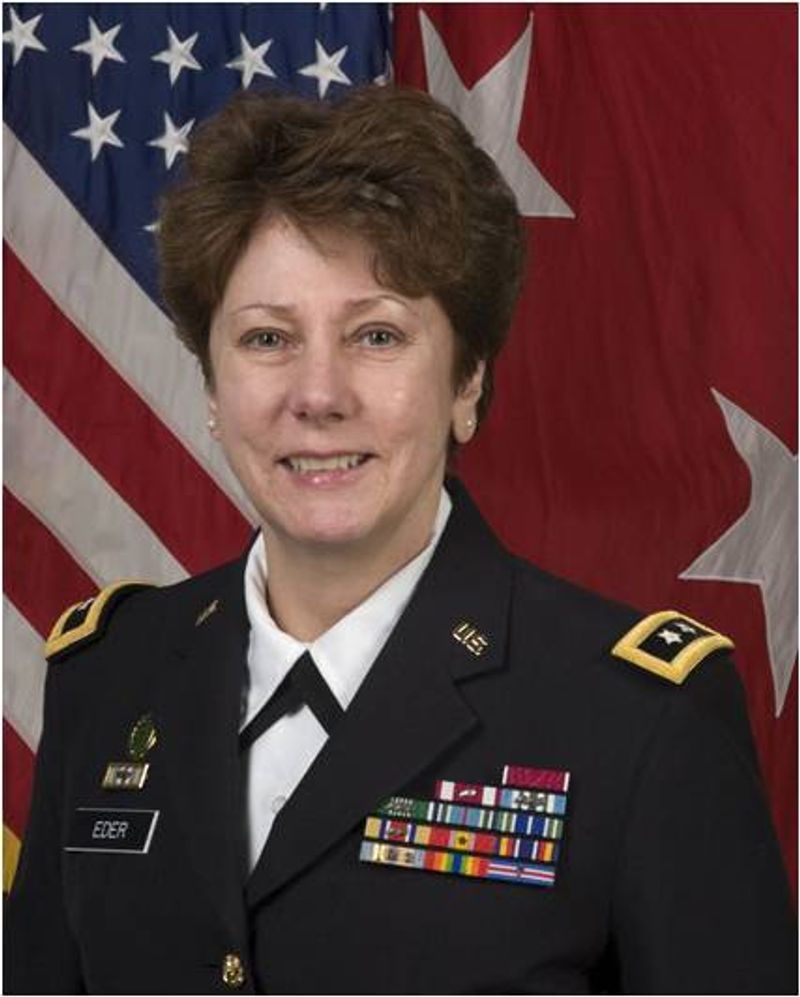
Rising through Army ranks to become a two-star general, Mari K. Eder transformed how the military communicates in the digital age.
She understood that winning hearts and minds requires more than weapons; it demands clear, effective messaging. Eder developed strategies that helped commanders connect with both troops and civilians during complex operations.
Her work in strategic communication influenced military operations worldwide. After retiring, she continued advocating for veterans and military families, using the same communication skills to amplify their voices and ensure their needs were heard.
13. Kristen Griest & Shaye Haver: The first women to graduate U.S. Army Ranger School
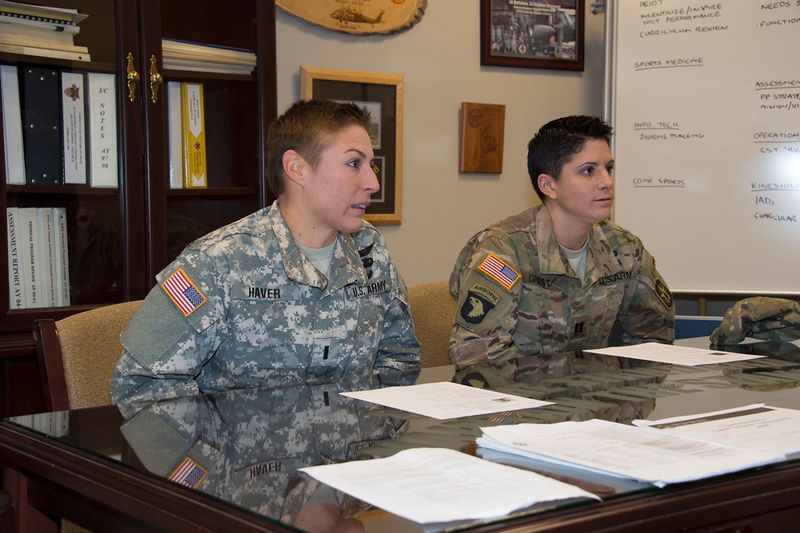
In August 2015, two Army officers made history by completing one of the military’s toughest training programs. Kristen Griest and Shaye Haver endured the same grueling standards as their male counterparts at Ranger School: sleep deprivation, extreme physical challenges, and intense mental pressure.
They proved women could meet every requirement without any modifications.
Their graduation opened combat roles to all qualified women, regardless of gender. Griest and Haver showed that determination and capability matter more than outdated assumptions, changing the face of America’s fighting force forever.
Share this story