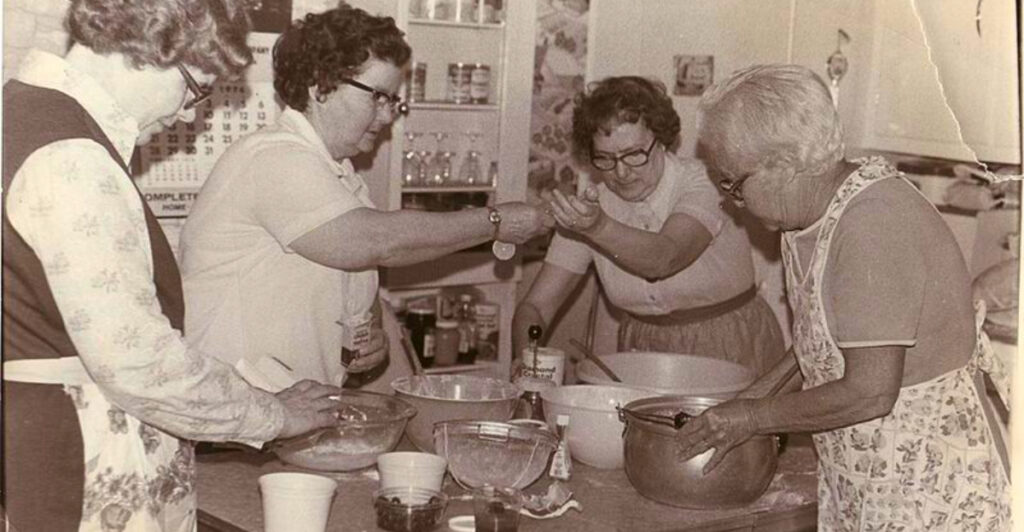
Peek into an old school kitchen and you will see rituals that feel like time capsules. Some are thrifty, some are charming, and a few might make you quietly back away from the fridge.
Gen Z grew up with apps, air fryers, and endless how-to videos, so certain traditions just do not compute. Ready to compare quirks and maybe question a few of your own habits?
1. Hoarding Condiment Packets

That junk drawer full of ketchup, soy sauce, and mystery mustard feels like a scavenger hunt. Older generations saved every packet because you never knew when dinner needed rescuing or money needed stretching.
To you, it looks sticky, dated, and kind of questionable.
Fresh bottles take less fuss, and you care about ingredients and expiration dates. Plus, those tiny packets rarely match your favorite brands or flavor preferences.
Convenience today means clean labels and consistent taste, not rummaging through crinkly plastic for a teaspoon of lukewarm ketchup.
2. Reusing Aluminum Foil

Grandma washed foil like it was heirloom china, smoothing out wrinkles and folding it for another roast. It was thrift, habit, and a nod to less waste.
You see dull, crumpled sheets that tear when you breathe, not exactly confidence-inspiring for leftovers.
Reusing foil can feel unsanitary and frustrating when it breaks mid-cook. With better storage options and affordable rolls, many prefer fresh foil or reusable lids and containers.
Sustainability today often means silicone mats, beeswax wraps, and glass, not resurrected foil.
3. Overcooking Meat
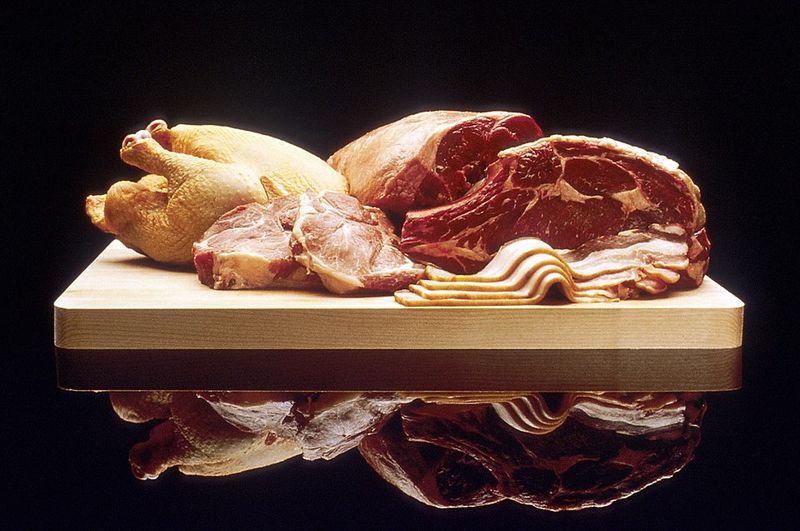
Well-done used to mean safe, full stop. Older cooks chased out every blush of pink, convinced doneness equaled protection.
You likely learned about thermometers, USDA temps, and how medium or medium-rare preserves flavor and tenderness.
Chewy, gray steak screams missed potential when a quick rest and accurate temp transform a meal. Food safety is science, not guesswork.
Juicy burgers and blushing lamb chops can be safe with proper handling and temperatures, and they taste infinitely better.
4. Using Outdated Kitchen Appliances

Manual beaters and clunky mixers once ruled like kitchen royalty. They still work, just slower, heavier, and louder than your compact, multi-function tools.
You grew up expecting speed, precision, and easy cleanup at the push of a button.
Old-school gadgets can feel like arm workouts with mediocre results. When a blender pulverizes ice in seconds and a stick mixer whips soup smooth, cranks and gears lose their charm.
Efficiency matters when you cook between meetings and notifications.
5. Following Recipes Rigidly
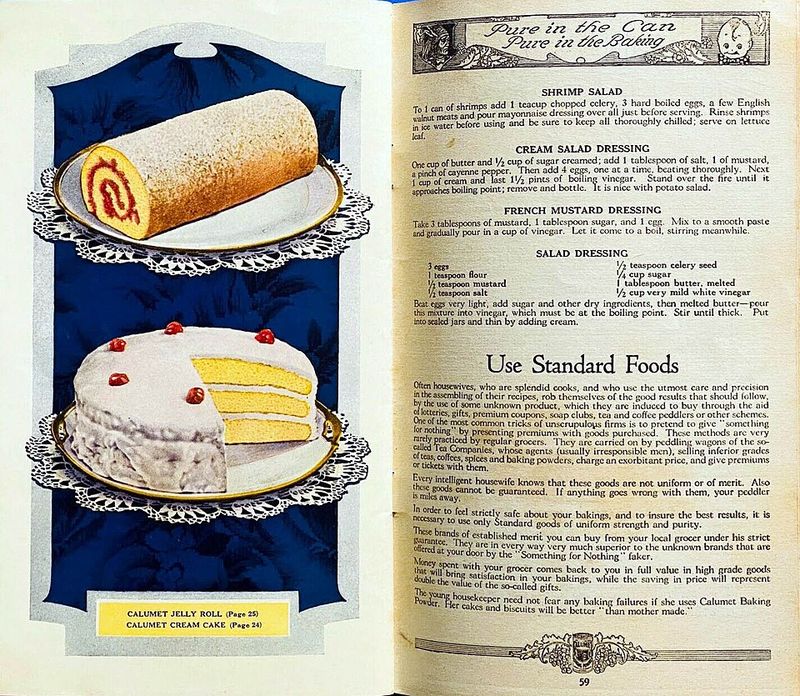
Some kitchens treated recipes like law, measuring every teaspoon as if a judge watched. Older cooks prized consistency because results felt guaranteed.
You probably treat recipes as maps, not contracts, swapping ingredients based on taste, budget, or what is left in the fridge.
Flexibility makes cooking feel creative and personal. You trust flavor, adjust for dietary needs, and riff until it tastes right.
That freedom confuses anyone raised on strict steps and exact times, but it produces food that fits your life.
6. Using Physical Media for Recipes
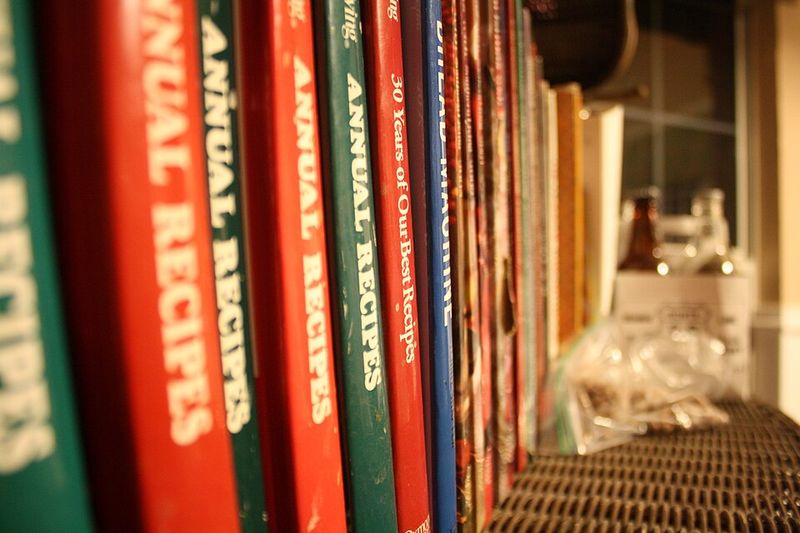
Grease-stained index cards tell family stories in smudged ink. Older generations clipped recipes from magazines and tucked them into plastic sleeves.
You reach for a phone, bookmarked blogs, and saved Reels, then swipe between timers and conversions.
Physical media feels slow, hard to search, and impossible to update on the fly. Digital recipes scale servings, link to tools, and include video steps.
It is convenience without the paper cuts, even if Grandma’s card stock smells like Sunday gravy.
7. Avoiding International Cuisines
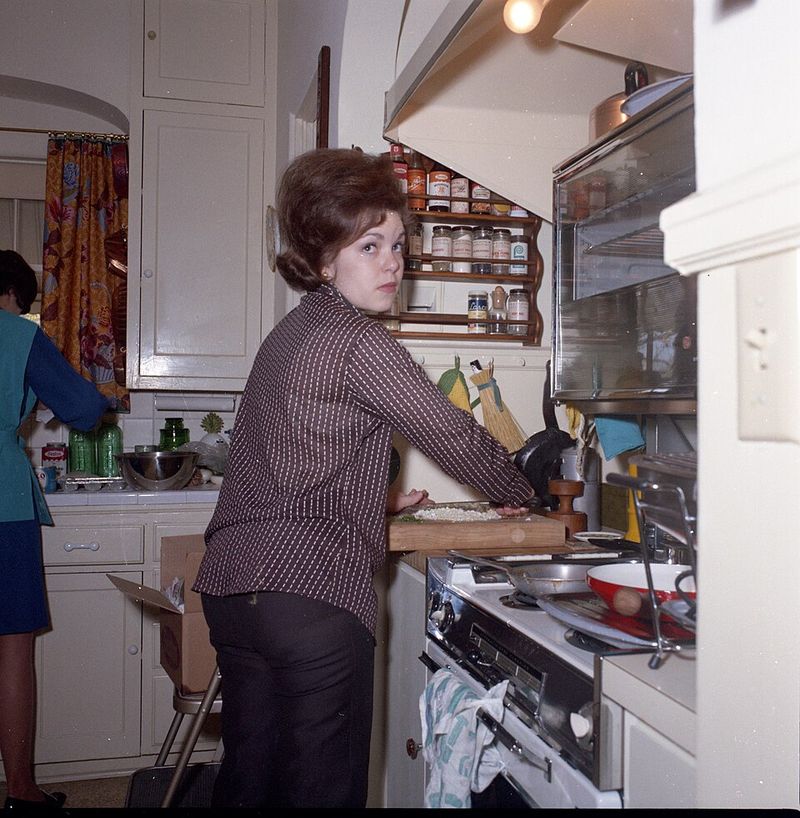
Many households stuck to familiar casseroles and roasts, week after week. Travel was aspirational, not on the plate.
You scroll global recipes nightly, ordering gochujang, tahini, or garam masala like pantry staples.
International flavors feel normal, not adventurous. A Tuesday can be tikka masala or kimchi fried rice without a second thought.
Older cooks sometimes blink at fermented funk or bright heat, but you welcome those flavor shocks because they make Tuesday interesting.
8. Using Salt and Pepper as Primary Seasonings
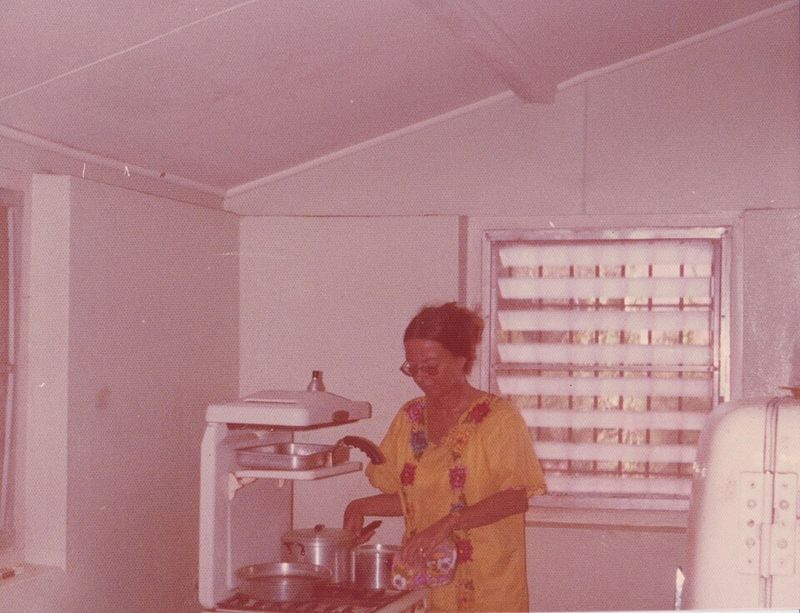
Salt and pepper once played lead roles, with everything else as understudies. Simple seasoning kept flavors familiar and safe.
You stock cumin, smoked paprika, chili crisp, and za’atar because layers make food pop.
When a dish sings with warmth, brightness, and depth, it feels restaurant-level at home. Older habits can taste flat by comparison.
You still respect salt, but it is a foundation, not the whole house.
9. Cooking Three Structured Meals a Day

Breakfast at seven, lunch at noon, dinner at six used to be sacred. Work schedules and school bells dictated bites.
You probably graze when life allows, with smoothies, protein snacks, and late-night leftovers.
Flex eating matches remote work and shifting routines. Meal prep boxes and snacks beat strict bells, even if it looks chaotic to traditionalists.
Nourishment is flexible now, not appointment-only.
10. Using Gas Grills Exclusively

Gas grills signaled serious cookouts, with flare-ups and that signature char. Older cooks swore by control knobs and propane tanks.
You might rotate pellet grills, electric smokers, and countertop air fryers for weeknight ease.
Flavor comes from technique, not only fuel. Techy grills track temps, automate smoke, and deliver repeatable results.
Convenience wins when dinner needs to happen fast without babysitting a flame.
11. Saving Bacon Grease in a Jar
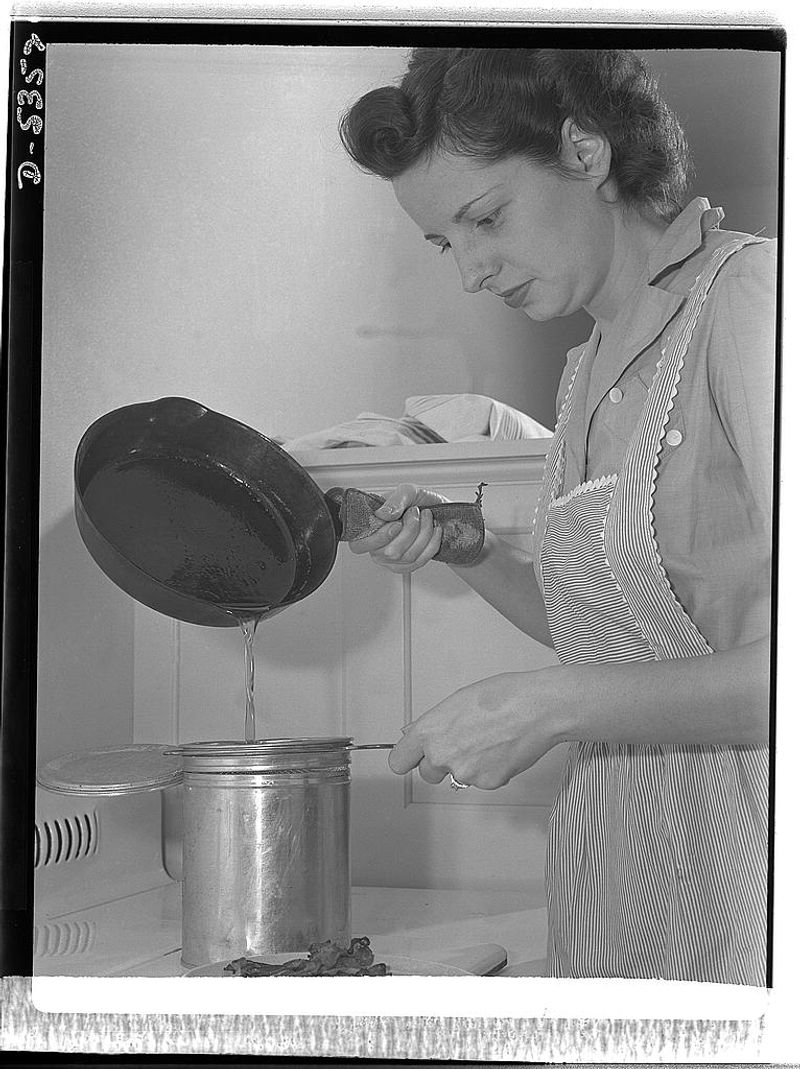
A coffee can of bacon drippings once lived by the stove like family. It flavored cornbread, green beans, and gravies, stretching flavor and budget.
You might side-eye a jar of room-temperature fat and wonder about rancidity.
Flavor hacks now come bottled or plant-based, and storage rules feel stricter. If you do keep drippings, it likely sits in the fridge, sealed and labeled.
Nostalgia meets food safety in a cautious compromise.
12. Boiling Vegetables To Death
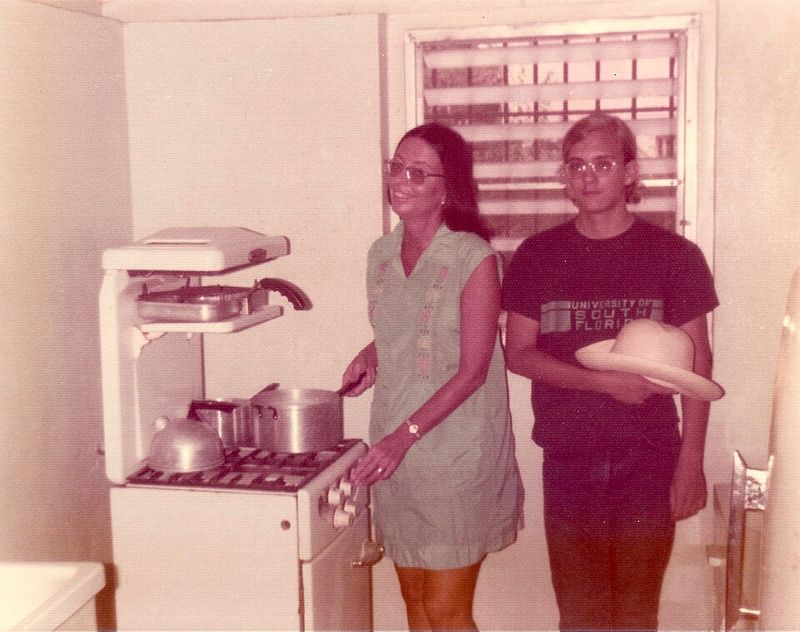
Soft, olive-green beans and mushy carrots were once proof of proper cooking. Older cooks aimed for tenderness and safety, not snap.
You chase bright colors and texture with steaming, roasting, and air-frying.
Vegetables taste sweeter and hold nutrients when they keep some bite. A little char or quick blanch beats a prolonged boil.
Crunch signals care, not undercooking.
13. Keeping Bread In The Fridge

Chilling bread to make it last felt sensible, especially in big households. The fridge slows mold but speeds staling, leaving slices dry and crumbly.
You learned to freeze extras and toast when needed.
Room temperature with a bread box or linen bag preserves texture better for short stretches. Freshness feels like a priority now, not longevity at all costs.
Good bread deserves gentle handling.
14. Microwaving Everything In Plastic Containers
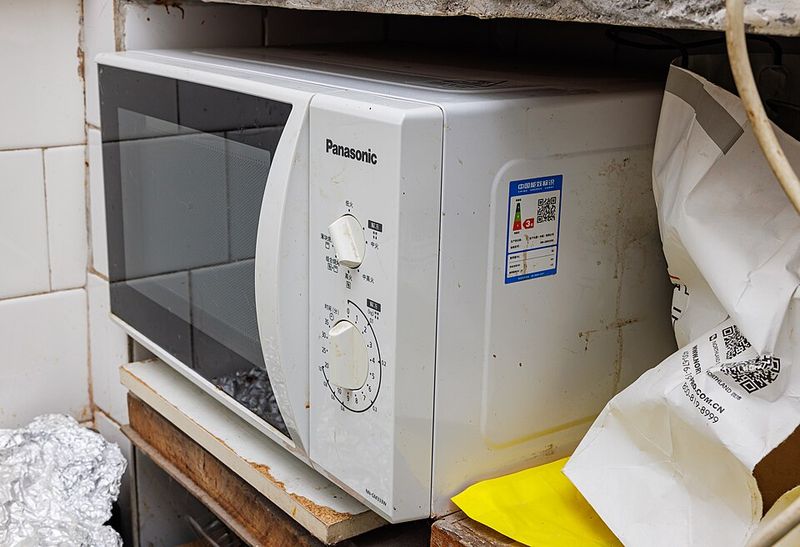
Microwave-safe labels once felt like a green light for any plastic container. Older fridges brimmed with stained tubs destined for reheating.
You probably reach for glass or silicone because it feels cleaner and safer.
Heat can warp plastic and hold odors. Glass handles sauces and high temps without drama, and it looks nicer on the table.
Upgrading storage changed reheating from guesswork to confidence.
15. Measuring By Feel Only
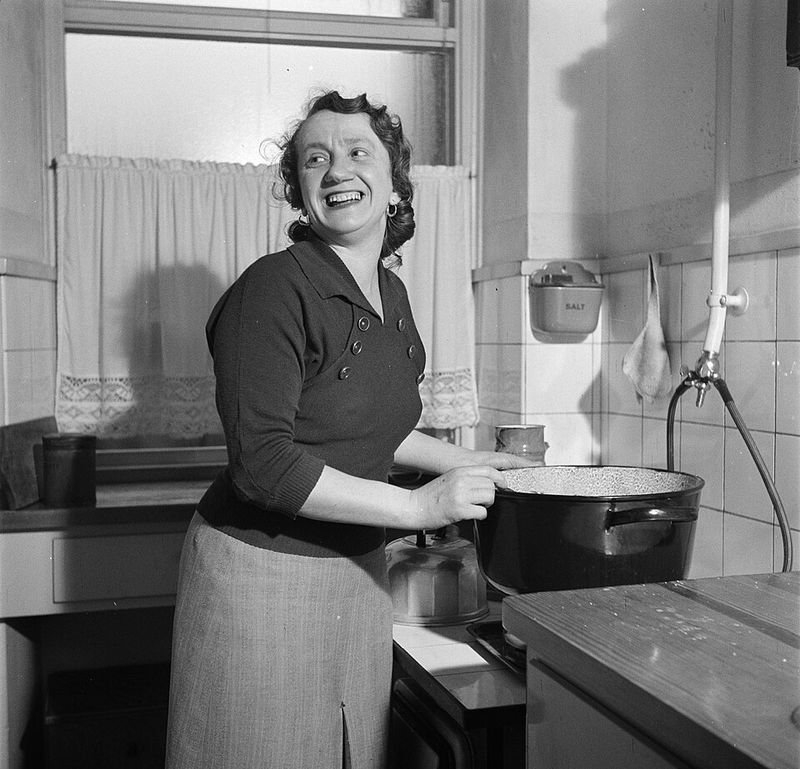
Season with your heart sounded romantic and earned over decades of repetition. Older cooks dialed flavors by memory.
You prefer a digital scale for baking, then freestyle when you know the baseline.
Precision reduces waste, especially with pricey ingredients. Once you learn ratios, improvising gets easier and more delicious.
Feeling and measuring can coexist, but relying on vibes alone frustrates busy weeknights.
16. Canning Everything For The Winter

Pantries once gleamed with jewel-toned jars, insurance against slim winters. Canning required time, gear, and strict technique.
You might prefer small-batch fridge pickles, freezer jams, or store-bought preserves with clean labels.
Home canning still charms, but food safety and schedules push shortcuts. Flexibility wins when produce arrives year-round and delivery is one tap away.
Preservation now feels optional, not survival.
17. Scrubbing Cast Iron With Soap

Soap once meant sacrilege for cast iron, a guaranteed way to strip seasoning. Older cooks swore by salt scrubs and hot water only.
You might use a little soap, dry thoroughly, and re-oil, trusting modern guidance.
A well-seasoned pan is tougher than myth suggests. The real enemy is moisture, not a dab of detergent.
Maintenance is practical now, not ritualistic.
Share this story