Even the greatest names in rock sometimes release albums that leave fans scratching their heads. These are the moments when ambition overreaches, trends mislead, or momentum simply fades.
You will find surprises here, along with cautionary tales about pressure, ego, and the brutal honesty of audiences. Keep reading, because these missteps teach as much as the masterpieces do.
1. The Beach Boys – 15 Big Ones (1976)
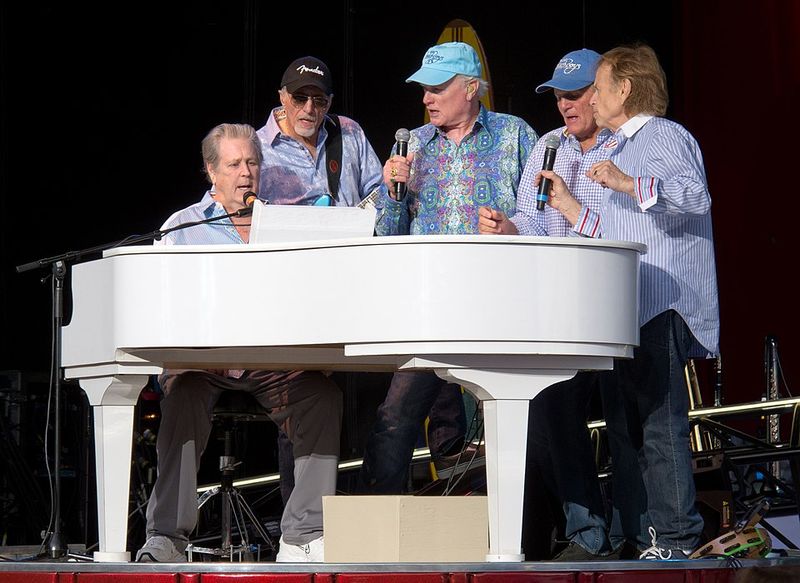
You can hear the strain on nearly every track, like a band trying to be everything at once. The covers feel dutiful instead of joyful, smudging the group’s sunny harmonies into something oddly flat.
Expectations were sky high, but the energy never arrives, leaving a polished shell.
The original songs do not rescue it either, sounding tossed off and strangely tentative. Fans wanted a triumphant return, not karaoke with a legacy tax.
You might find a hook or two, yet the album proves how nostalgia without conviction collapses fast.
2. KISS – Music from “The Elder” (1981)
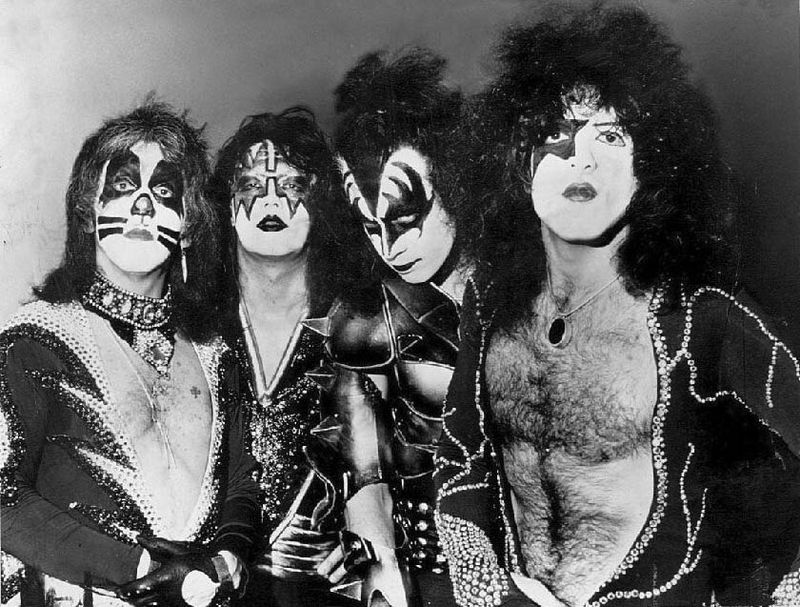
The band swung for grandeur and landed in bewilderment. This concept album trades fire and sleaze for mythic whispers, but the story never coheres.
You keep waiting for the swagger, only to get solemn pronouncements that feel like cosplay without a script.
Even solid hooks are buried under foggy ambition and confusing sequencing. Fans wanted riffs and attitude, not cryptic initiation rites.
Listening today, you respect the risk, yet the execution proves how theatrical scale can smother personality when the heart of the band goes missing.
3. Metallica – St. Anger (2003)
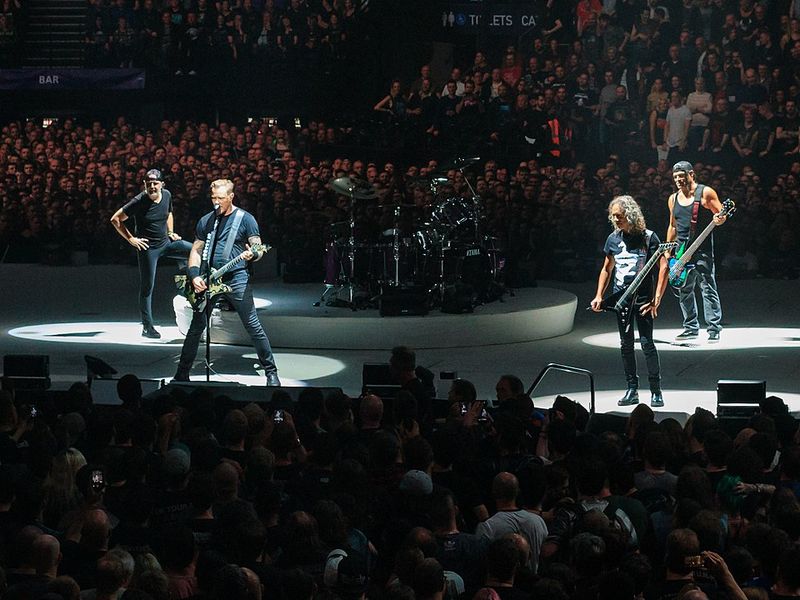
Rawness becomes punishment when songs feel like sketches stretched thin. The infamous snare clangs like sheet metal, swallowing nuance and making every chorus feel smaller.
Riffs pummel without release, trading dynamics for endurance and reducing catharsis to exhaustion.
There is honesty in the rage, but production choices sabotage the message. Without solos or space, the music never breathes.
You admire the vulnerability while reaching for the skip button, a reminder that catharsis needs shape and texture to land, not just volume and grit.
4. The Rolling Stones – Dirty Work (1986)
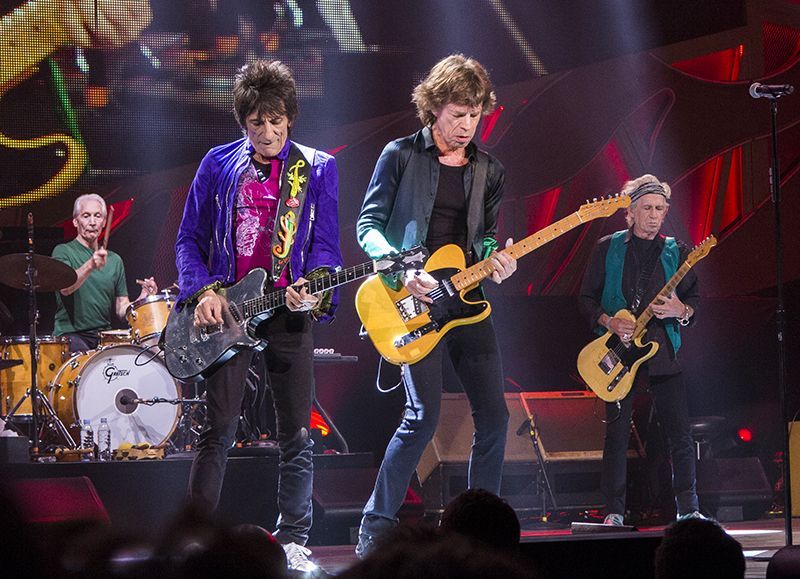
Studio gloss cannot hide the tension oozing between the grooves. The riffs feel competent but strangely lifeless, as if the band is playing through a deadline.
You get flashes of menace, yet the hooks crash into brittle production that dates every chorus.
The songs rarely sound fun, which is the real sin for this band. You hear arguments more than inspiration, a document of survival rather than swagger.
It functions as a time capsule of mid-80s excess, proving chemistry matters more than any fashionable sheen.
5. Lou Reed – Metal Machine Music (1975)
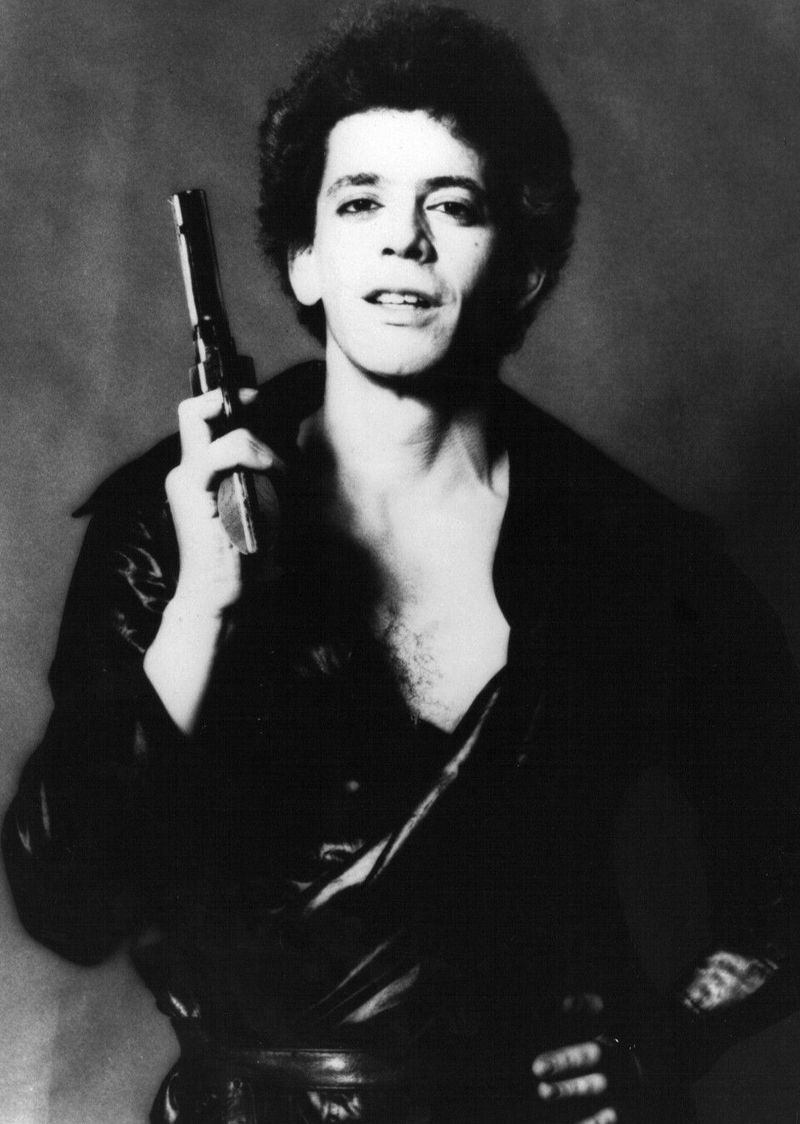
This is not for casual listening, and that is putting it gently. Four sides of feedback obliterate melody, structure, and patience.
You can admire the provocation while also admitting it feels like a dare most listeners will never finish.
Context helps, but endurance tests rarely reward repeat visits. If you search for songs, you will find philosophy instead, humming like a power station.
It is legendary for what it rejects, a statement that risk can become alienation when communication entirely disappears.
6. U2 – Pop (1997)

Big ideas clash with rushed deadlines, and the seams never fully close. The band chases club textures while trying to preach, resulting in grooves that rarely convert.
Some choruses hit, but the album feels like a mood board stapled to a sermon.
There is bravery in chasing trends, yet the songs often sound undercooked. The tour tried to fix perception, not the writing.
You can cherry pick highlights, but as a statement it proves even giants stumble when experimentation outruns editing.
7. Aerosmith – Just Push Play (2001)
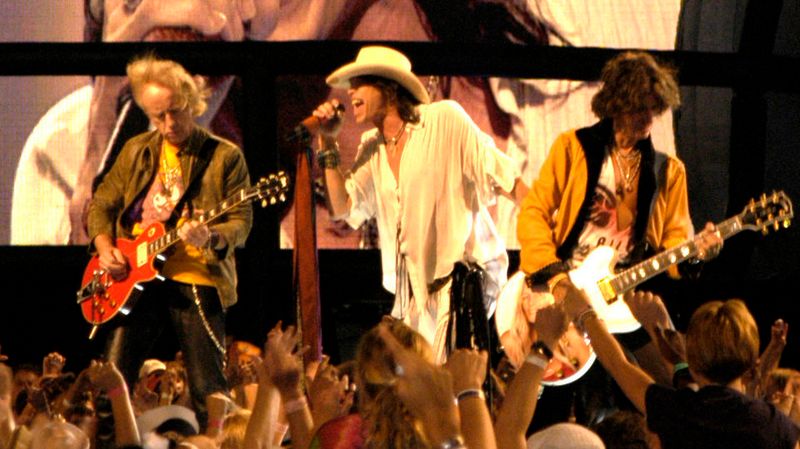
Hooky singles cannot disguise the plastic sheen coating everything. Guitars feel airbrushed, drums quantized into submission, and swagger trimmed for radio.
The band’s personality peeks through sometimes, but it is surrounded by sonic laminate that squeaks instead of swings.
When the choruses land, you still sense a committee shaping every syllable. It is catchy and strangely hollow, like a souvenir replica of something wilder.
You will hum along and then forget it, proof that polish without grit slips right off.
8. The Who – It’s Hard (1982)
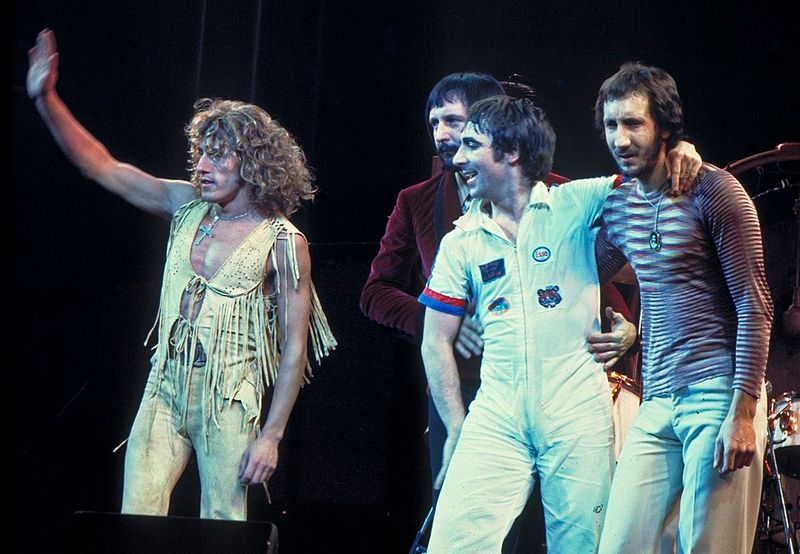
There are moments of defiance, but the spark flickers more than it roars. Synth textures press against aging anger, creating polite anthems that never fully ignite.
You can hear a band negotiating legacy, technology, and fatigue all at once.
Hooks exist, yet they feel administrated rather than discovered. The performances are solid, the feeling is safe.
You respect the craft while missing the danger, a reminder that competence can be the enemy when a legendary band needs combustion.
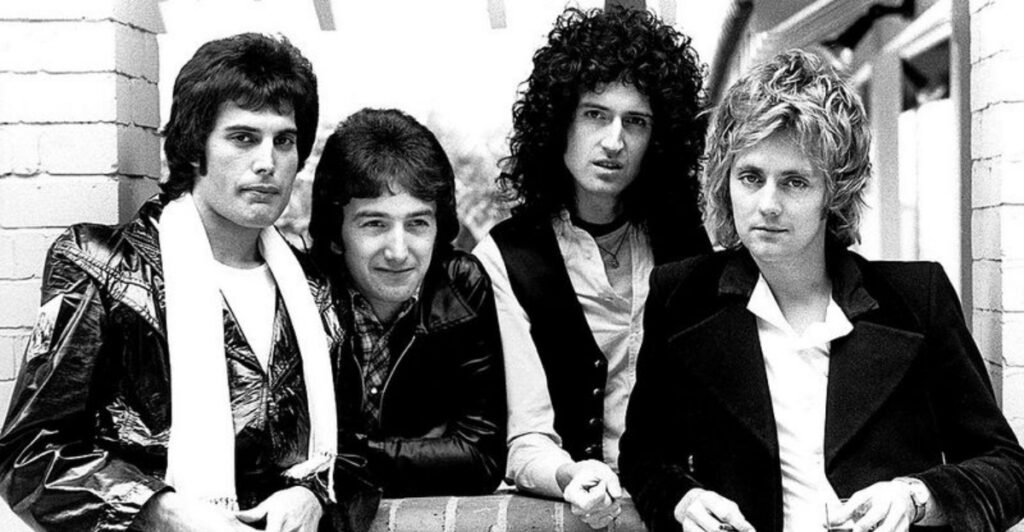
9. Queen – Hot Space (1982)
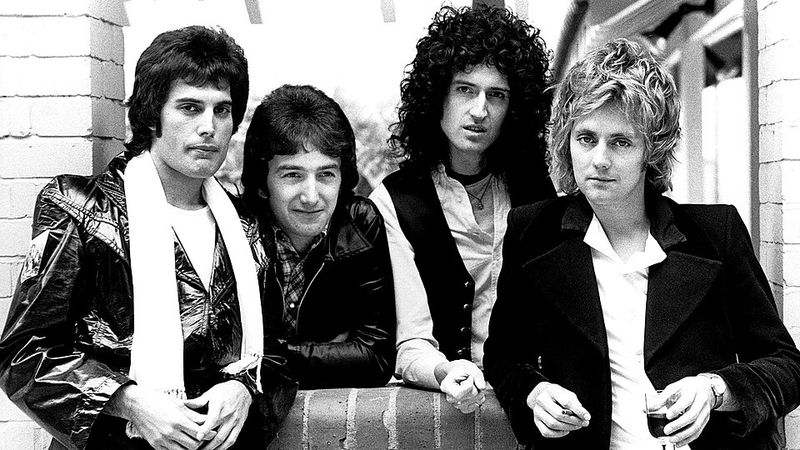
Pivoting toward funk and disco, the band stretches thin between dance floor ambitions and rock expectations. When it clicks, it is sleek and playful.
Too often the grooves feel clinical, with guitars declawed and rhythms sanitized into polite struts.
Fans seeking bombast found cool surfaces instead. The experiment is respectable but uneven, haunted by trends that aged fast.
You can admire the risk and still admit it sidelines their core strengths, an awkward compromise that pleases few while confusing many.
10. Guns N’ Roses – Chinese Democracy (2008)

Expectation crushed this record before the first chord rang out. Years of tinkering yield dense layers that obscure rather than reveal.
There are sparks of brilliance, but the sprawl turns every moment into a debate about process instead of feeling.
Vocals strain to carry vaulting ambitions, and the mix swallows personality under digital lacquer. You hear effort everywhere and intimacy nowhere.
The result is not awful, just exhausting, a reminder that perfectionism without restraint becomes its own trap.
11. David Bowie – Never Let Me Down (1987)

Bowie aimed for accessibility and landed in compromise. The production choices paste a shiny grin over songs that want sharper edges.
Hooks appear, but they feel prefabricated, more TV jingle than timeless art-pop.
Even his charisma strains against the lacquered surfaces. You get echoes of brilliance smothered by drum machines and hurried arrangements.
Later revisions improved it, which says plenty. As released, it shows how a visionary can still misjudge the room when trends steer the wheel.
12. The Clash – Cut the Crap (1985)

Without the full lineup, the band name feels like branding more than spirit. Drum machines and chants drown subtlety, flattening rebellion into slogans.
You strain to hear the songwriting through layers of shouty gloss and managerial control.
There are fragments that hint at former brilliance, but cohesion never arrives. The album’s politics feel staged, its sound oddly corporate.
It stands as a lesson in how identity fractures when chemistry and trust disappear.
13. Van Halen – Van Halen III (1998)

Technical skill cannot fill the void where chemistry should live. The songs wander, arrangements congeal, and the vocals rarely fit the band’s muscular swagger.
You keep waiting for the effortless grin, but the grooves feel laborious and oddly formal.
There is ambition in the longer tracks, yet payoff is scarce. When a brand depends on spark, miscasting colors everything.
The album shows how a great guitarist still needs a foil who lights the fuse, not just a microphone.
14. Oasis – Be Here Now (1997)
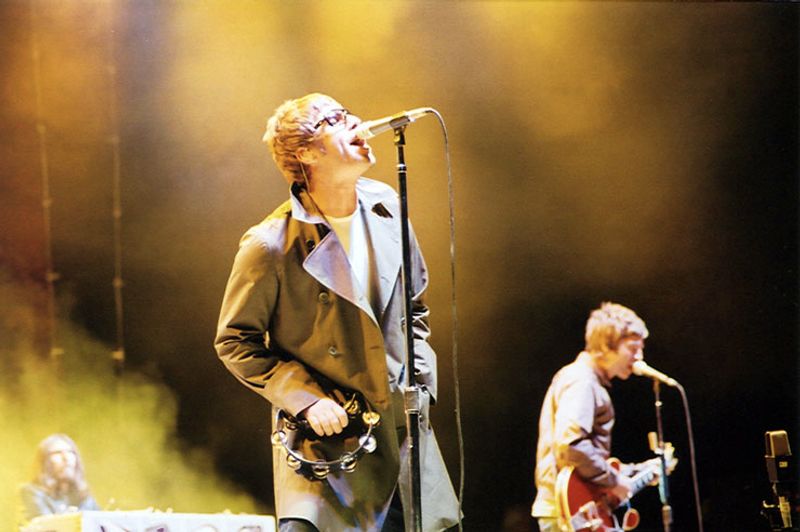
Turn everything up and hope the songs break through the static. They rarely do.
The mixes are so dense that choruses blur into endless cymbals and guitars, burying what once felt sharp and inevitable.
There is swagger, sure, but swagger without restraint becomes noise. Editing could have transformed several tracks, yet indulgence wins every round.
You hear a band celebrating momentum while losing the hooks that made it matter in the first place.
15. Pink Floyd – The Final Cut (1983)
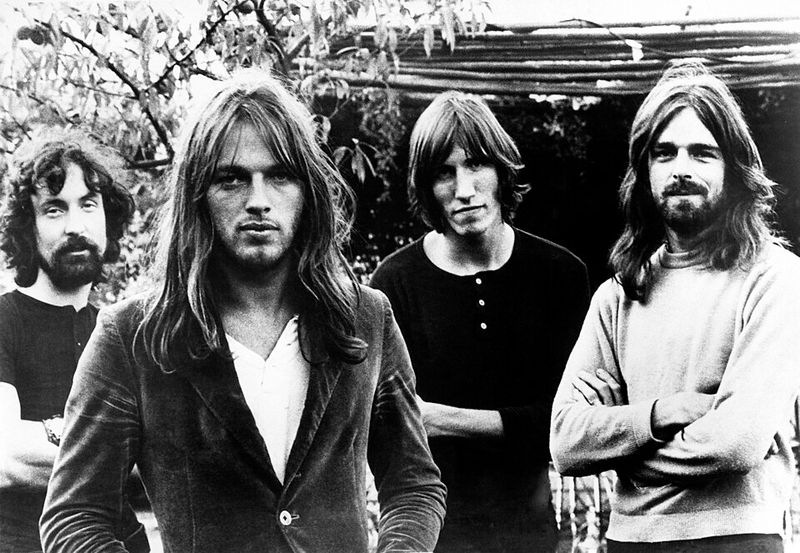
It sounds immaculate and suffocating, a monologue delivered in surround sound. The lyrics cut deep, but the record feels more like a solo project wearing the band’s uniform.
Melodies whisper while the narrative lectures, leaving little room for mystery or play.
The performances are precise and chilly. You admire the craft while longing for camaraderie and surprise.
As a Pink Floyd album, it proves that control without collaboration can turn grandeur into a beautiful cul-de-sac.
16. Yes – Union (1991)

Multiple factions stitched together under one logo creates more meetings than music. Session gloss smooths everything until identity evaporates.
There are skilled performances galore, yet the songs feel like demos from parallel universes forced to shake hands.
Moments glimmer, but cohesion never materializes. You will hear brilliant parts, not a brilliant whole.
The album shows how corporate compromises can mute even virtuosic players when vision splits into too many committees.
Share this story