Throughout history, countless women have shattered barriers and challenged the limits placed on them by society. From science labs to courtrooms, from space shuttles to tennis courts, these trailblazers refused to accept that anything was impossible.
Their courage and determination opened doors not just for themselves, but for millions of women who followed in their footsteps.
1. Rosa Parks: The Arrest That Helped Ignite a Movement
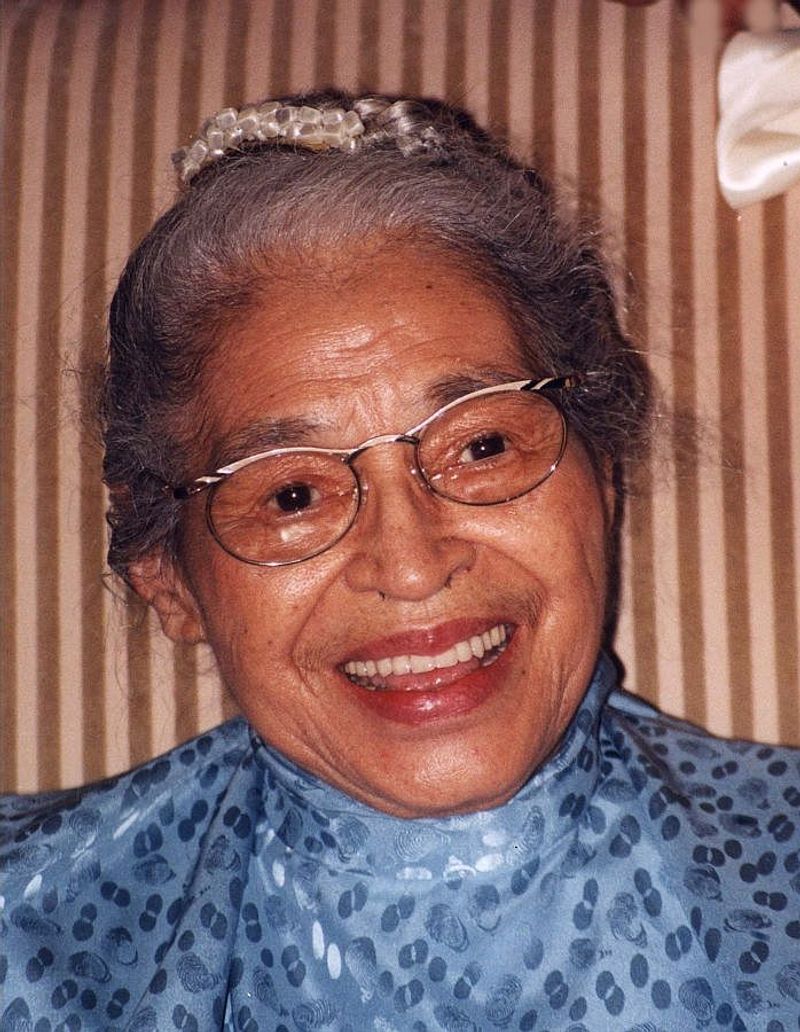
One ordinary bus ride changed American history forever. Parks refused to surrender her seat in Montgomery, Alabama, on December 1, 1955, leading to her arrest.
Her quiet act of defiance sparked the Montgomery Bus Boycott, which lasted over a year. This powerful protest became one of the most important events in the civil rights movement.
Parks showed that one person standing up for justice can inspire thousands to join the fight for equality and fairness.
2. Marie Curie: The Only Woman to Win Nobels in Two Different Sciences
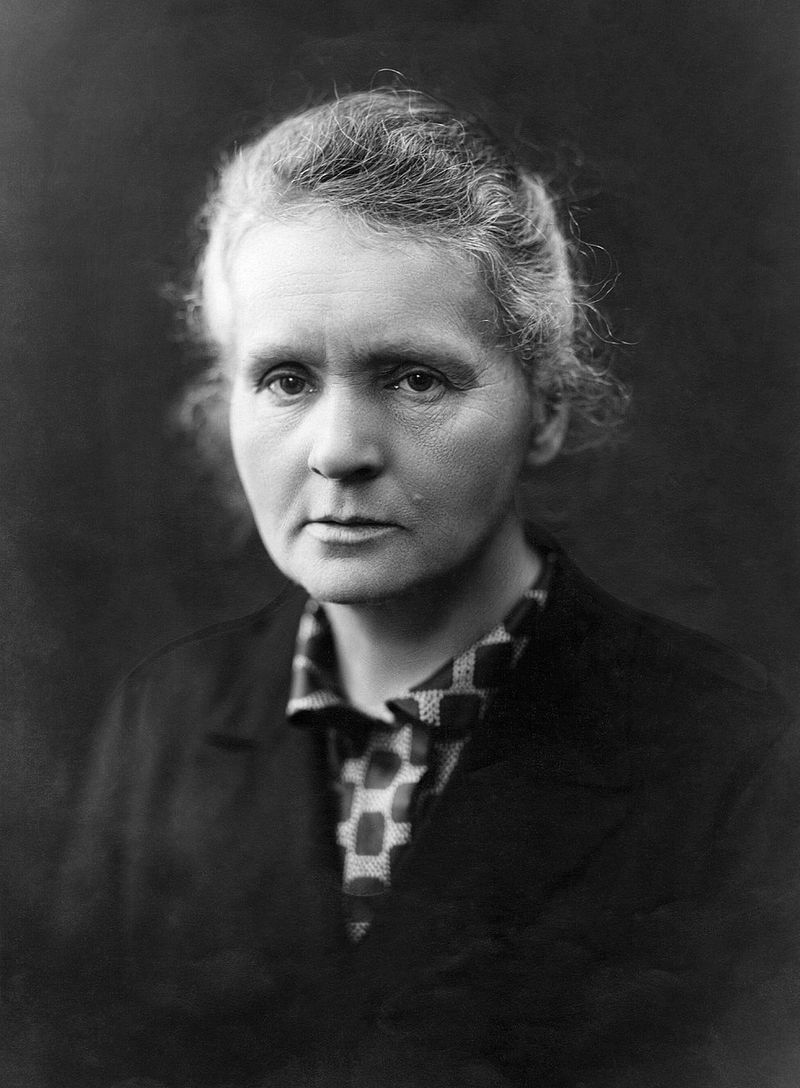
Imagine winning the most prestigious prize in science not once, but twice, in completely different fields. Curie accomplished exactly that, becoming the first woman ever to win a Nobel Prize.
She earned her first Nobel in Physics for her groundbreaking work on radioactivity. Years later, she won again in Chemistry for discovering two new elements: polonium and radium.
Her dedication to science, despite facing discrimination as a woman, paved the way for future female scientists everywhere.
3. Ada Lovelace: The 1843 Pioneer Often Called the First Computer Programmer
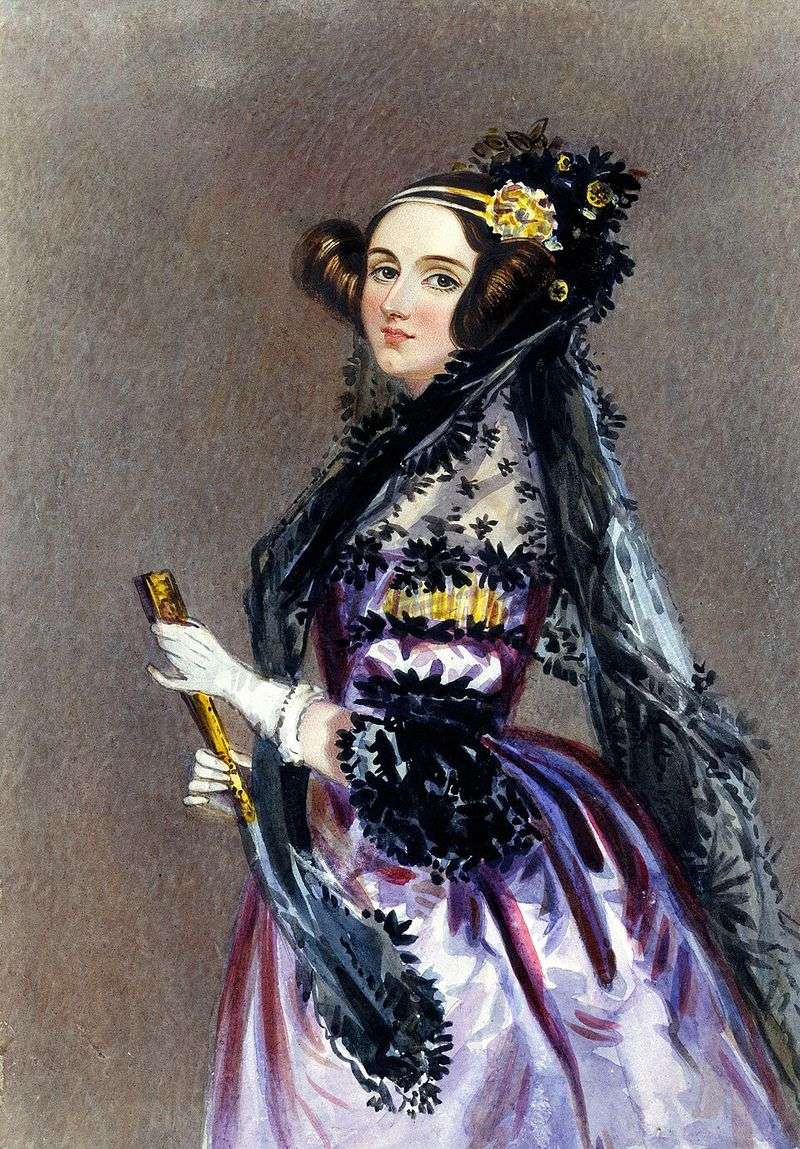
Long before modern computers existed, Lovelace imagined what they could do. Working alongside mathematician Charles Babbage in the 1840s, she studied his theoretical Analytical Engine.
She went beyond simply understanding the machine. Lovelace actually wrote what many consider the first computer program, creating instructions the engine could theoretically follow.
Her visionary work happened nearly 100 years before the first electronic computers were built, making her a true pioneer of computing.
4. Katherine Johnson: The NASA Mathematician Who Helped Send Humans to the Moon
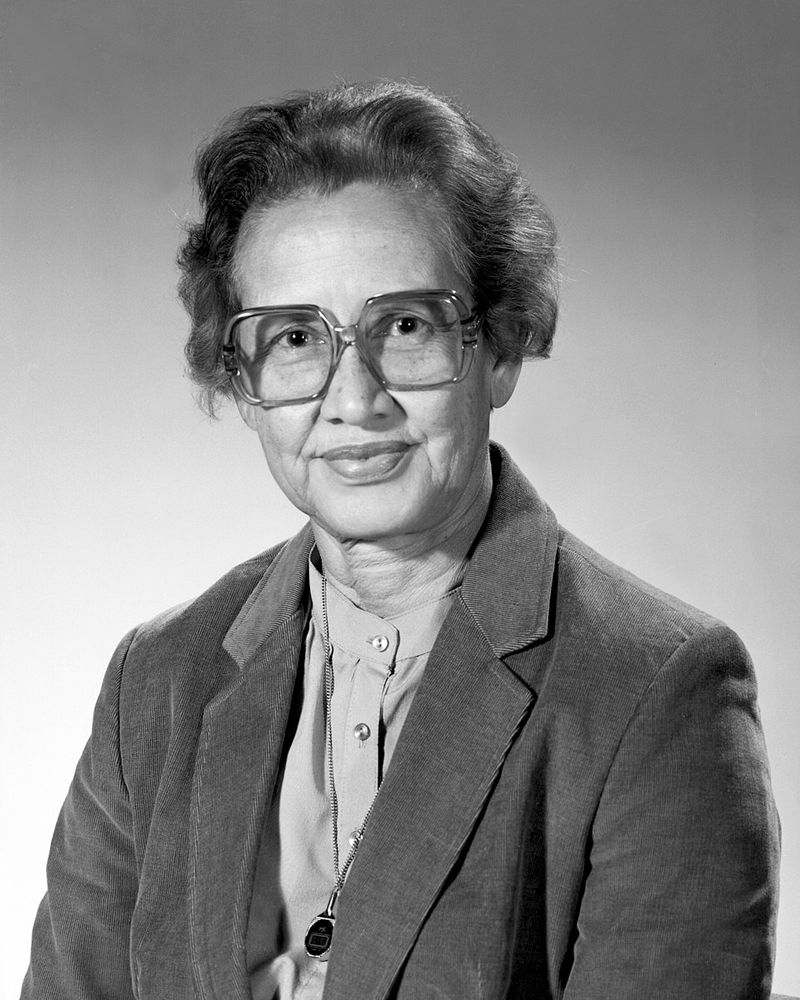
Behind every successful space mission stood brilliant mathematicians calculating complex trajectories. Johnson was one of NASA’s most important human computers, solving equations that guided spacecraft safely through space.
Her precise calculations were crucial for Apollo missions, especially figuring out how to synchronize the Lunar Module with the Command Module orbiting the Moon. Astronauts trusted her numbers with their lives.
Johnson’s work proved that exceptional talent and determination could overcome both racial and gender barriers.
5. Sally Ride: First American Woman in Space
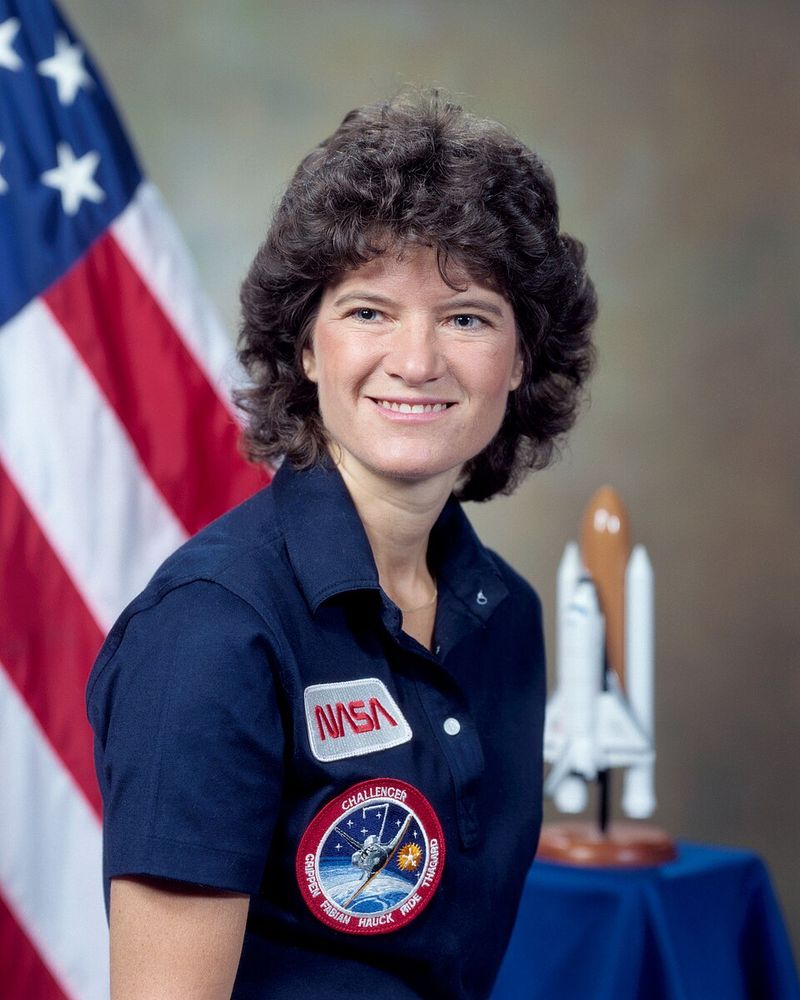
June 18, 1983, marked a historic day for American space exploration. Ride launched aboard Space Shuttle Challenger on mission STS-7, becoming the first American woman to reach space.
As a physicist and astronaut, she helped operate the shuttle’s robotic arm and conducted important scientific experiments in orbit. Her flight lasted six days and orbited Earth 97 times.
Ride’s journey inspired countless young girls to dream of careers in science, technology, engineering, and space exploration.
6. Valentina Tereshkova: First Woman in Space – And Still the Only One to Fly Solo
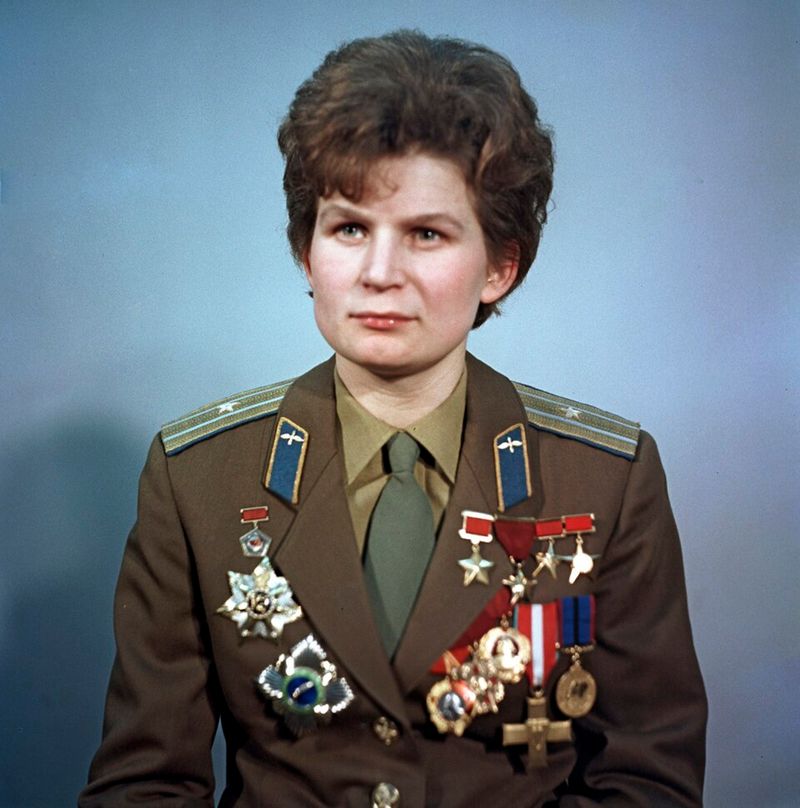
Before any American woman flew to space, a Soviet cosmonaut had already orbited Earth 48 times. Tereshkova launched aboard Vostok 6 on June 16, 1963, becoming the first woman in space.
What makes her achievement even more remarkable? She flew completely alone, piloting her spacecraft solo for nearly three days.
No other woman has since completed a solo spaceflight, making Tereshkova’s record truly unique even after six decades.
7. Amelia Earhart: First Woman to Fly Solo Across the Atlantic
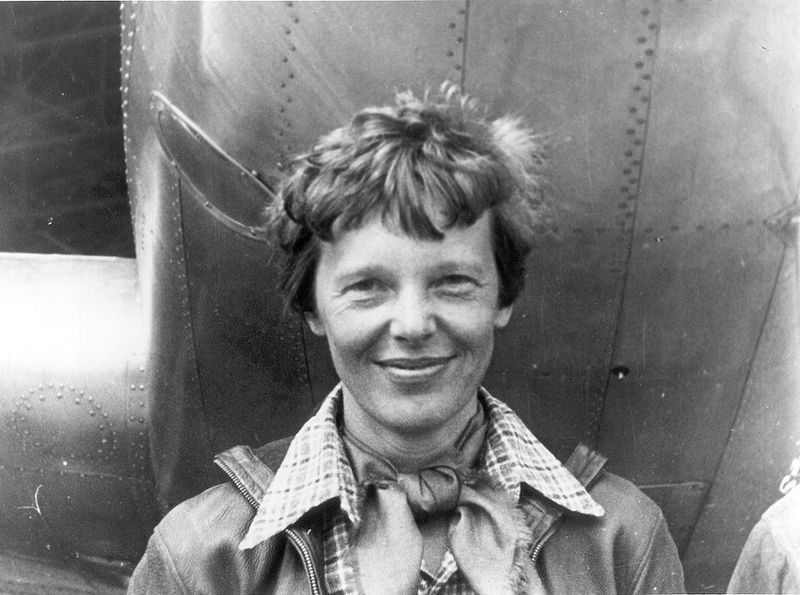
Flying solo across the vast Atlantic Ocean required extraordinary courage and skill. In 1932, Earhart accomplished this dangerous feat, becoming the first woman to do so.
She battled mechanical problems, icy conditions, and fatigue during her historic flight from Newfoundland to Ireland. The journey took nearly 15 hours in her single-engine plane.
Earhart became an international celebrity and symbol of what women could achieve when given the chance to pursue their passions fearlessly.
8. Malala Yousafzai: The Teen Activist Who Became the Youngest Nobel Laureate
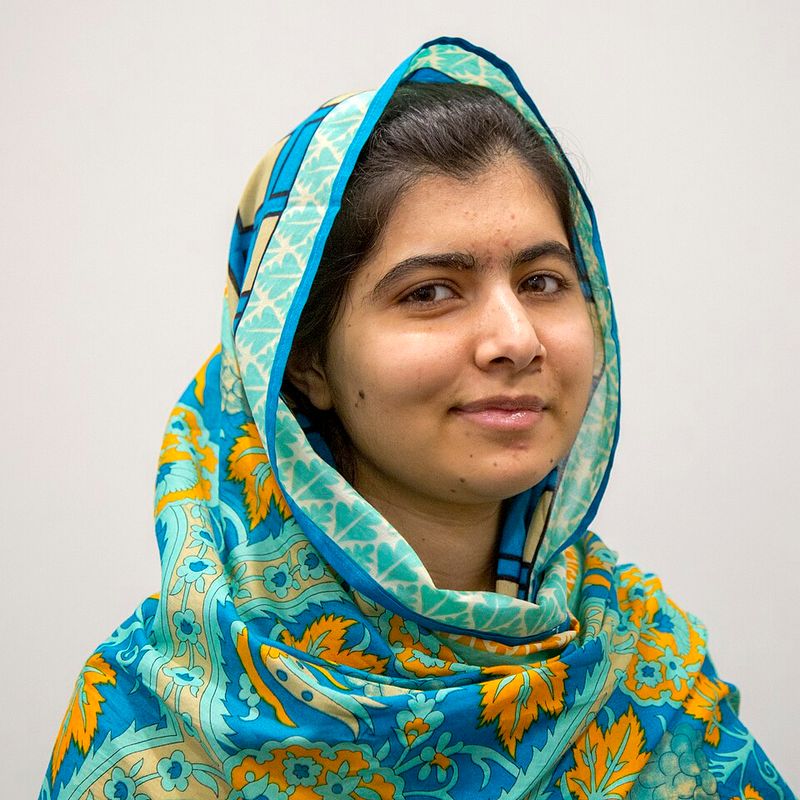
Speaking up for girls’ education nearly cost Malala her life when she was just 15 years old. After surviving an assassination attempt, she continued advocating even more passionately for educational rights.
Her courage earned global recognition. In 2014, at age 17, she became the youngest person ever to receive the Nobel Peace Prize.
Malala’s story reminds us that age doesn’t limit your ability to create meaningful change and stand up for what’s right.
9. Wangari Maathai: The First African Woman to Receive the Nobel Peace Prize
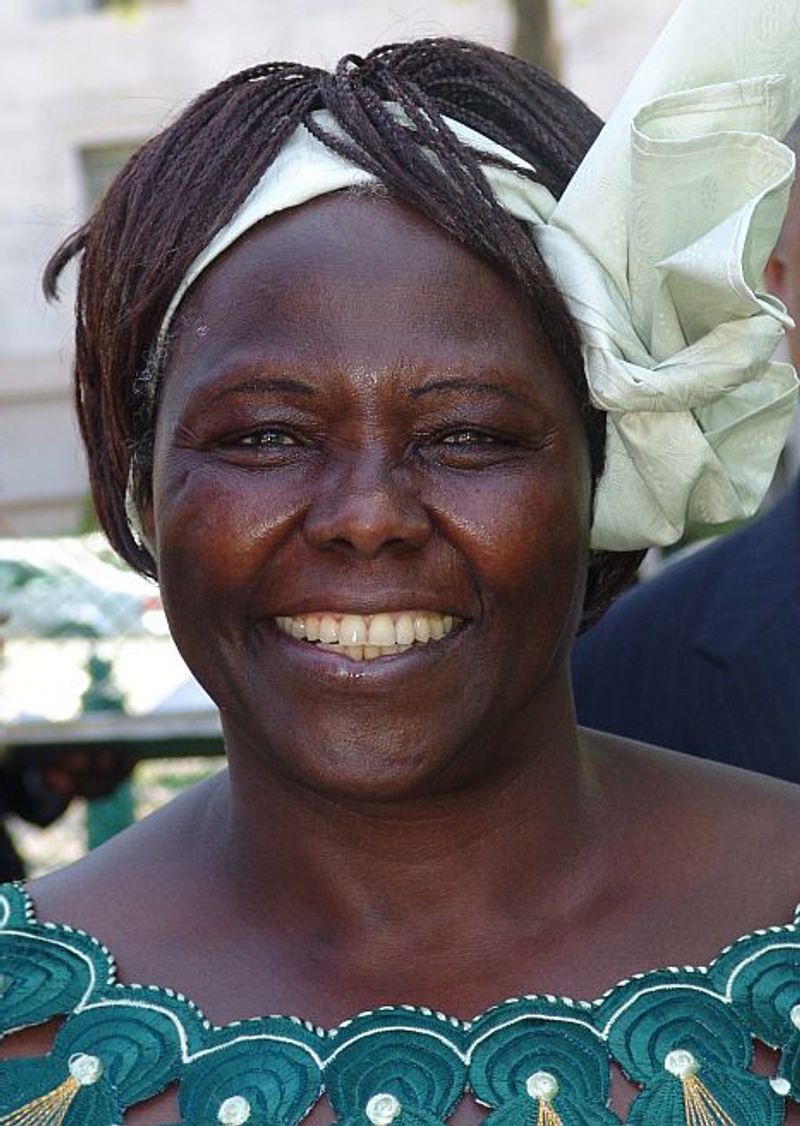
Planting trees might not seem like a path to the Nobel Prize, but Maathai showed how environmental action connects to democracy and peace. She founded the Green Belt Movement in Kenya, which planted over 30 million trees.
Her work empowered women and communities while fighting deforestation. In 2004, she became the first African woman awarded the Nobel Peace Prize.
Maathai proved that caring for the environment and fighting for human rights are deeply interconnected struggles.
10. Ellen Johnson Sirleaf: Africa’s First Elected Female Head of State
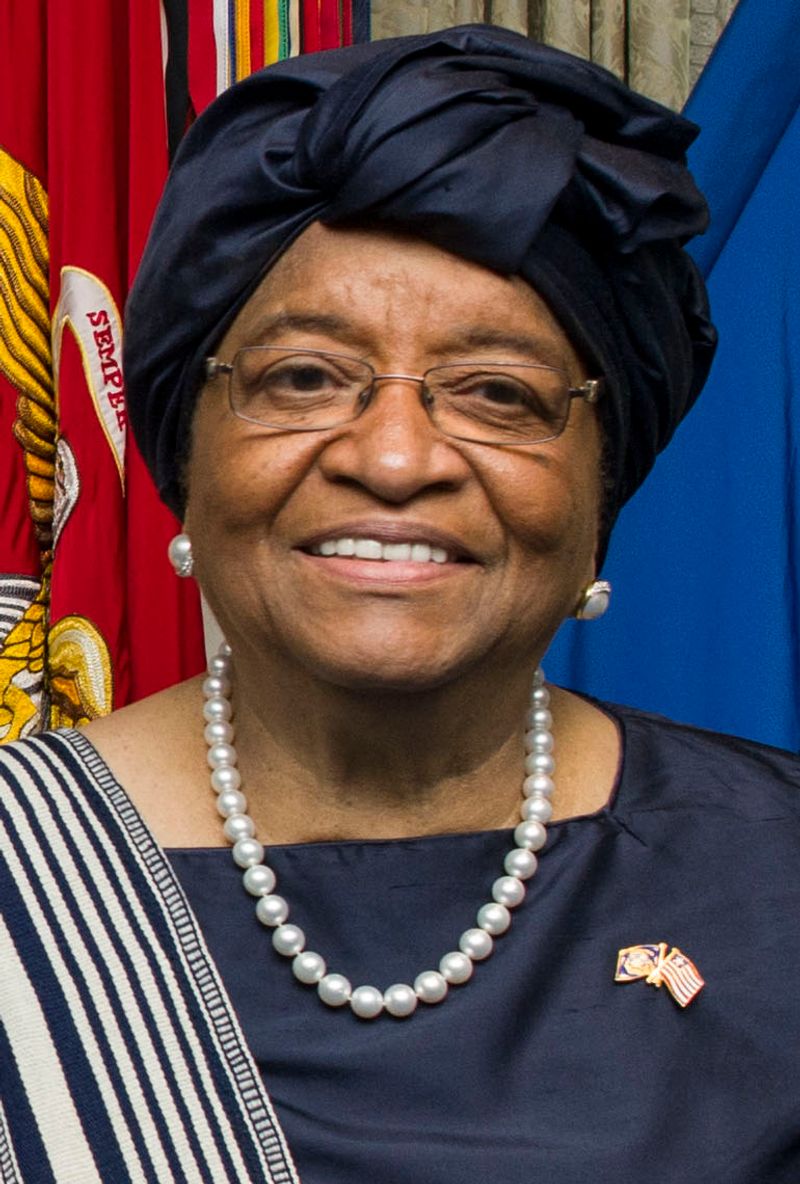
Leading a nation requires vision, strength, and dedication. Sirleaf made history in 2006 when she became the first woman elected as head of state of an African country, serving as Liberia’s president.
She inherited a nation recovering from devastating civil war. During her 12 years in office, she worked to rebuild infrastructure, fight corruption, and promote economic growth.
Sirleaf’s leadership demonstrated that women could successfully guide nations through their most challenging periods.
11. Sandra Day O’Connor: The First Woman on the U.S. Supreme Court
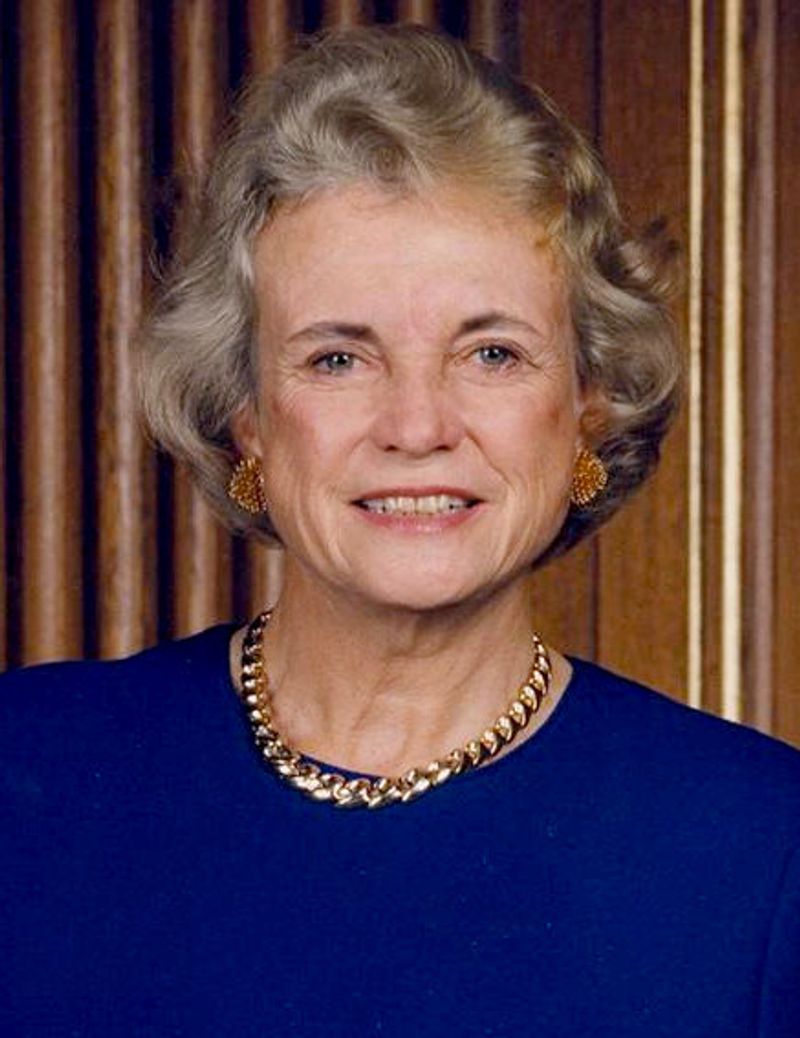
For nearly 200 years, every Supreme Court justice had been male. That changed in 1981 when President Reagan nominated O’Connor to the nation’s highest court.
As a justice, she became known for her careful, moderate approach to complex legal questions. Her opinions influenced American law for over two decades.
O’Connor’s appointment opened the door for other women to serve on the Supreme Court, forever changing the face of American justice.
12. Ruth Bader Ginsburg: A Defining Voice as the Court’s Second Woman Justice
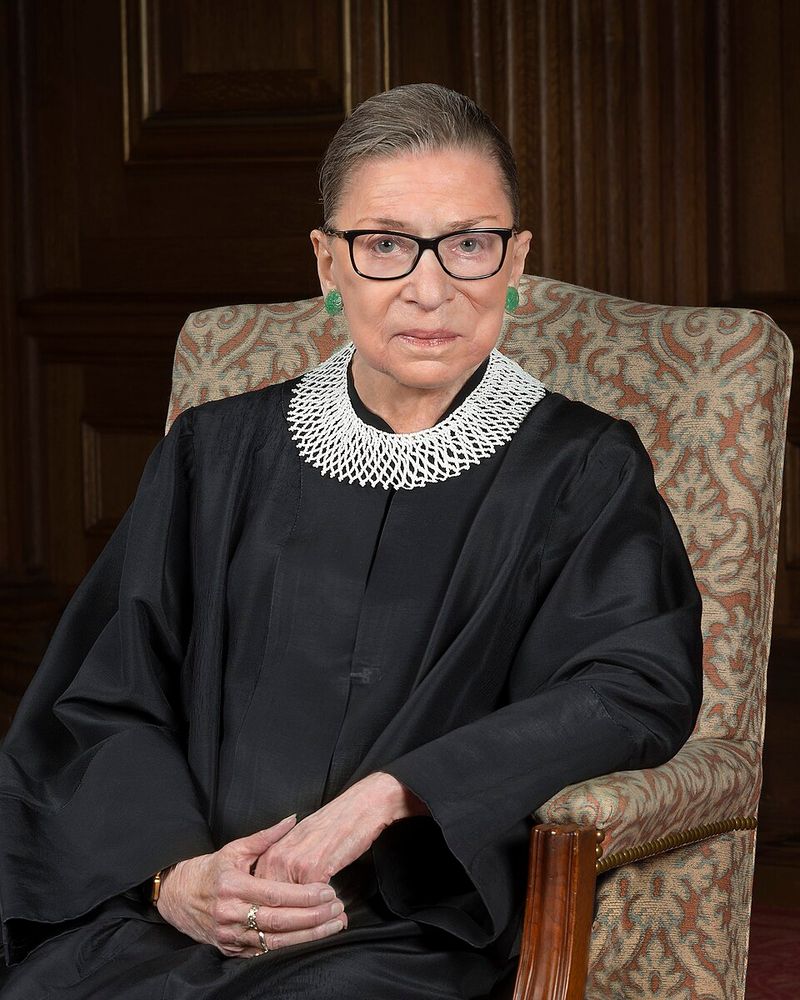
Following O’Connor’s groundbreaking appointment, Ginsburg became the second woman on the Supreme Court in 1993. Before joining the Court, she had already fought landmark cases for gender equality as a lawyer.
During her 27 years as a justice, she became famous for her powerful dissenting opinions and advocacy for women’s rights. Her influence extended far beyond the courtroom.
Ginsburg showed how persistence and brilliant legal reasoning can reshape society’s understanding of equality under the law.
13. Shirley Chisholm: First Black Woman Elected to the U.S. Congress
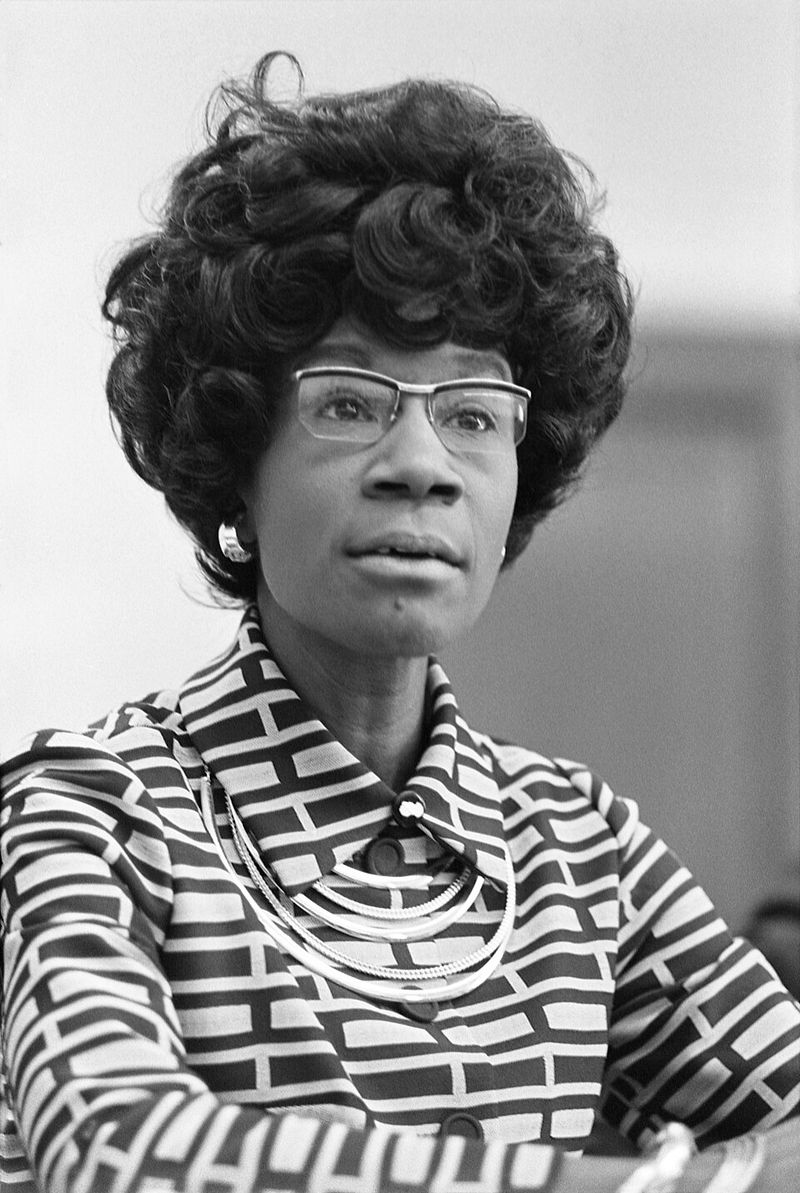
Breaking barriers wasn’t enough for Chisholm. She smashed through them.
In 1968, she became the first African American woman elected to the United States Congress, representing New York.
Four years later, she made history again by running for the Democratic presidential nomination. Her campaign slogan, “Unbought and Unbossed,” reflected her independent spirit.
Chisholm’s political courage showed that women of color could claim their rightful place in American politics and leadership.
14. Jane Addams: The Settlement-House Trailblazer Who Won the Nobel Peace Prize
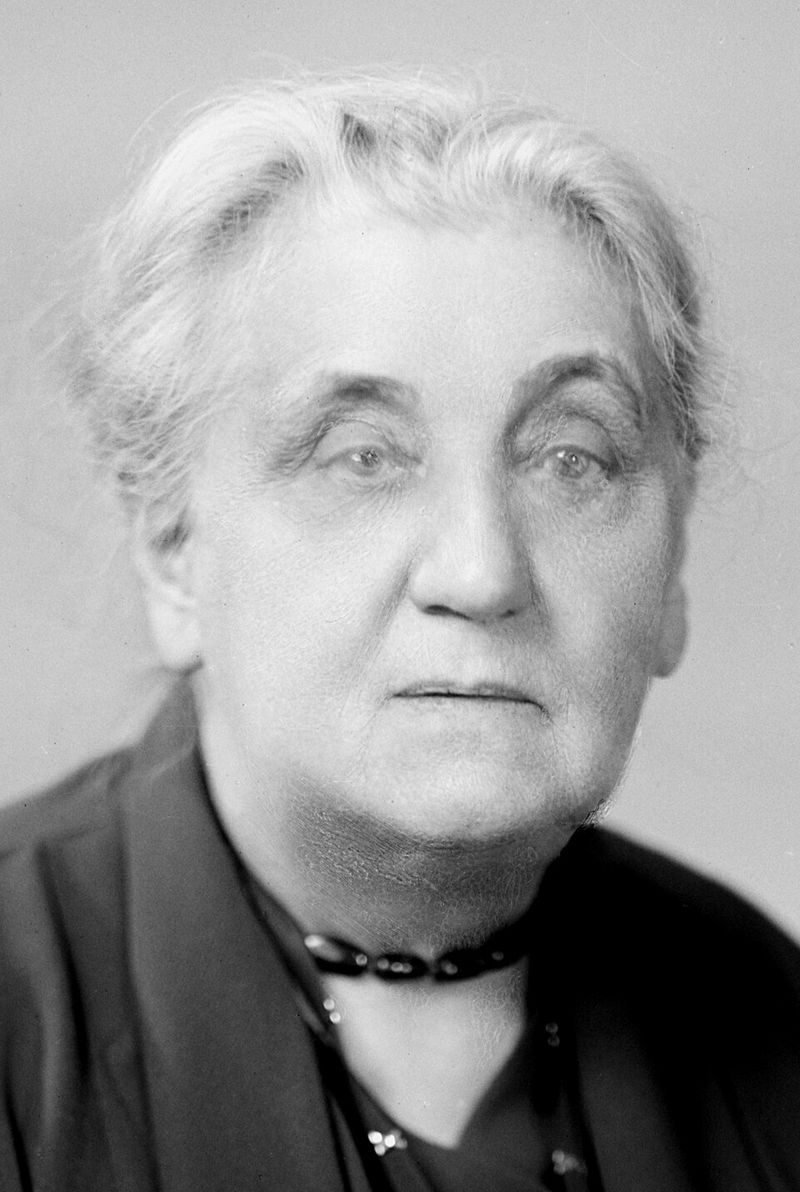
Did you know that helping your community could lead to a Nobel Prize? Addams cofounded Hull House in Chicago in 1889, creating a place where immigrants and poor families could find support, education, and community.
Her social reform work expanded beyond Chicago, addressing child labor, women’s rights, and international peace. In 1931, she became the first American woman to win the Nobel Peace Prize.
Addams proved that compassionate action combined with determination could transform entire communities.
15. Althea Gibson: The First Black Champion at Tennis’s Biggest Stages
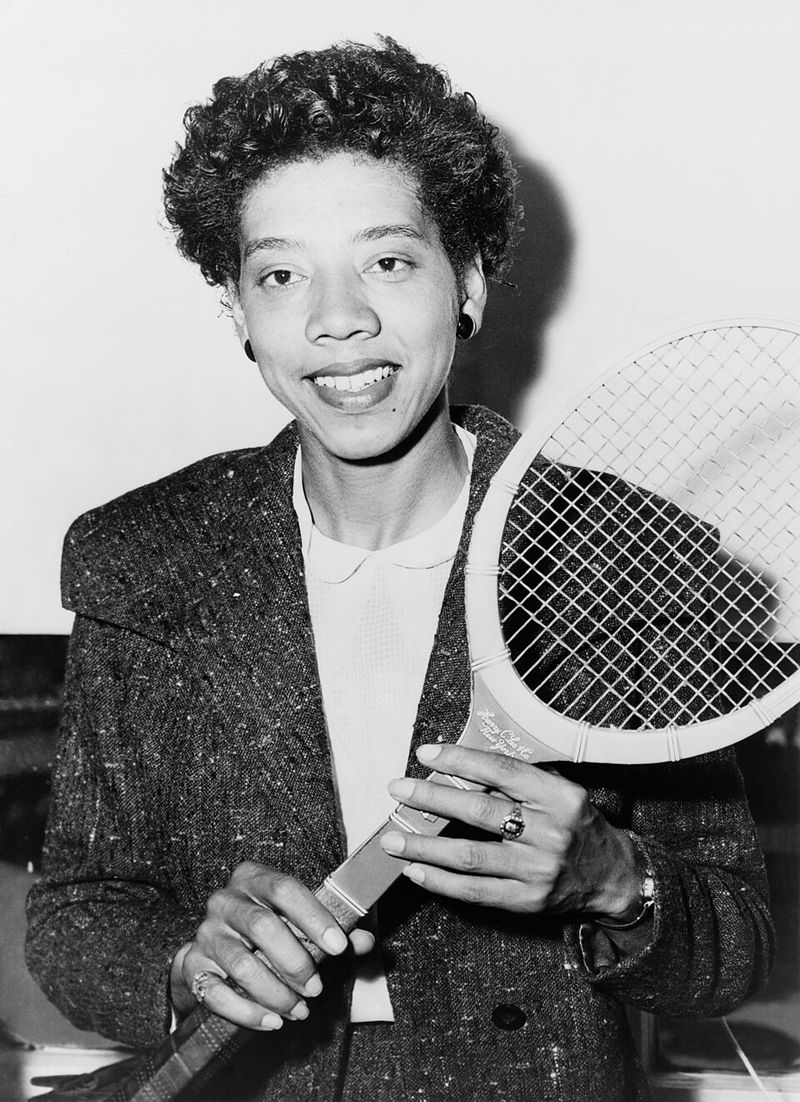
Tennis’s most prestigious tournaments had never crowned a Black champion until Gibson changed everything. In 1956, she won the French Open, breaking through racial barriers in professional tennis.
She didn’t stop there. Gibson went on to win Wimbledon and the U.S. championships in both 1957 and 1958, dominating the sport.
Her athletic excellence forced tennis to confront its racism and opened opportunities for future champions like Serena and Venus Williams.
16. Billie Jean King: The Match That Became a Statement
Sometimes a single sporting event can change cultural attitudes. King’s 1973 tennis match against Bobby Riggs became known as the “Battle of the Sexes” and captured worldwide attention.
Riggs had claimed women’s tennis was inferior. King defeated him decisively in front of 90 million television viewers, proving women athletes deserved equal respect and pay.
Her victory became a powerful symbol in the fight for gender equality in sports and beyond, inspiring generations of female athletes.
17. Tu Youyou: The Breakthrough That Helped Change the Fight Against Malaria
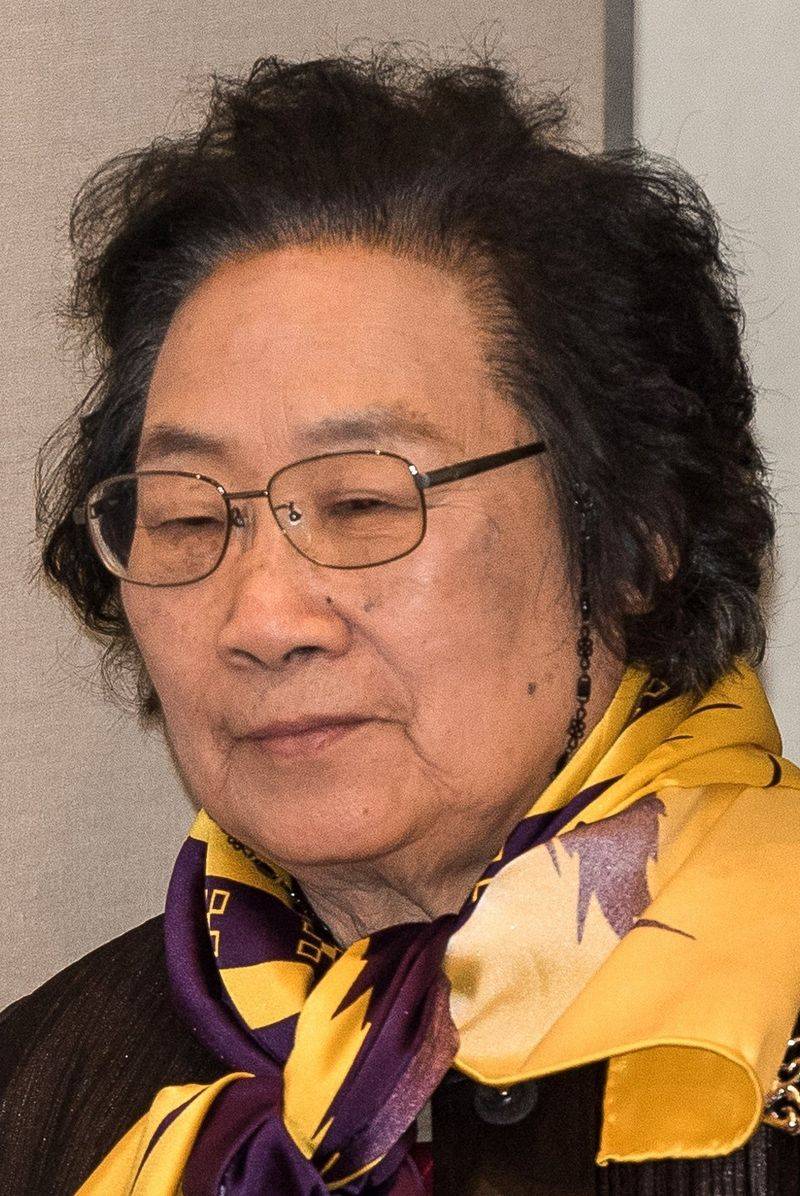
Ancient Chinese medicine held secrets that modern science had overlooked. Tu studied traditional remedies and isolated a compound called artemisinin from sweet wormwood plants.
Her discovery revolutionized malaria treatment, saving millions of lives worldwide, especially in developing countries. In 2015, she won the Nobel Prize in Physiology or Medicine.
Tu’s work demonstrates how combining traditional knowledge with modern scientific methods can lead to groundbreaking medical advances that benefit all humanity.
18. Chien-Shiung Wu: The Physicist Who Proved a Rule of Nature Was Wrong
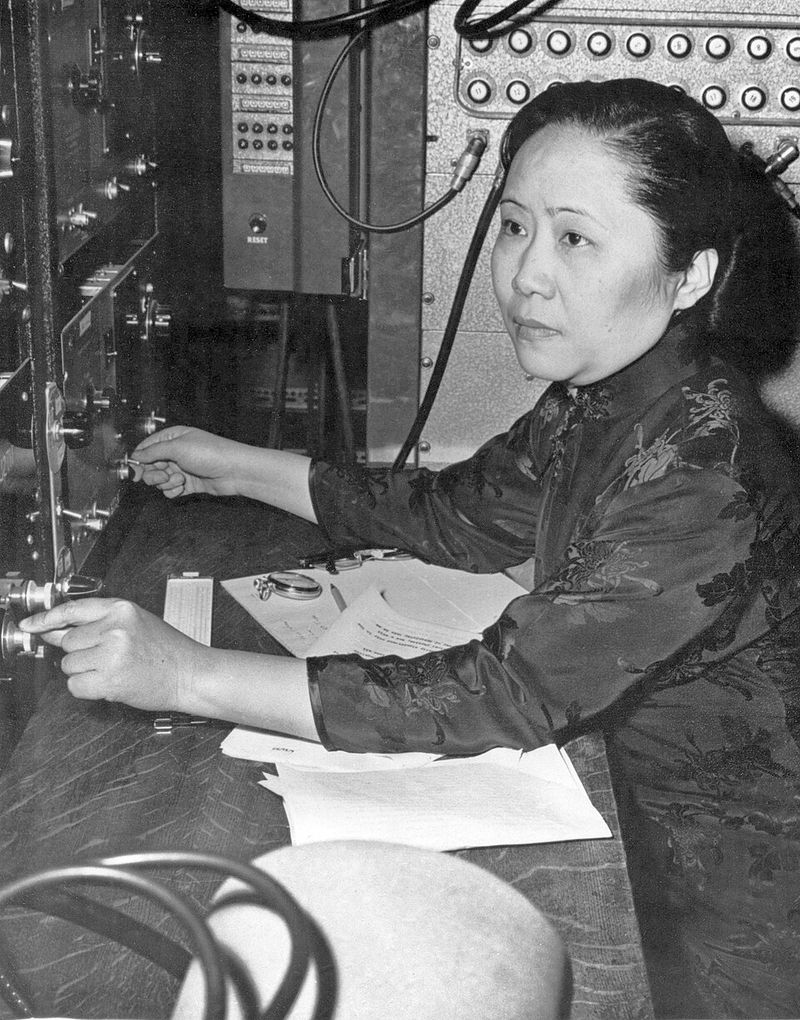
For years, physicists believed in a fundamental rule called parity conservation. Wu designed an elegant experiment that shattered this assumption, proving the rule didn’t apply to weak nuclear forces.
Her 1956 experiment changed physics forever, yet two male colleagues who theorized about parity violation won the Nobel Prize while her experimental work was overlooked.
Despite this injustice, Wu’s contributions to physics remain undeniable, and she’s now recognized as one of history’s most important experimental physicists.
19. Bessie Coleman: First African American Woman to Earn a Pilot’s License
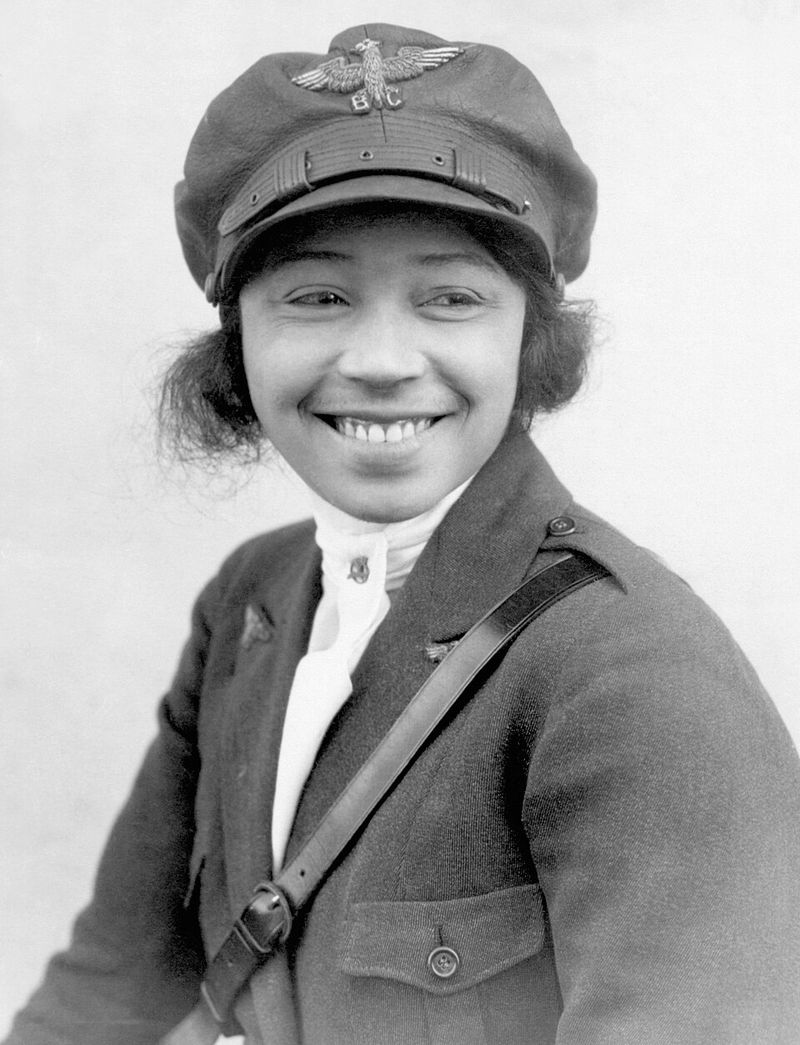
When American flight schools refused to teach her because of her race and gender, Coleman refused to give up her dream. She traveled to France, learned French, and earned her international pilot’s license in 1921.
Returning to America, she became a celebrated stunt pilot, performing daring aerial shows across the country. She inspired countless African Americans to pursue aviation careers.
Coleman’s determination in the face of discrimination showed that dreams are worth fighting for, no matter the obstacles.
20. Hedy Lamarr: The Hollywood Star Who Co-Invented Frequency Hopping
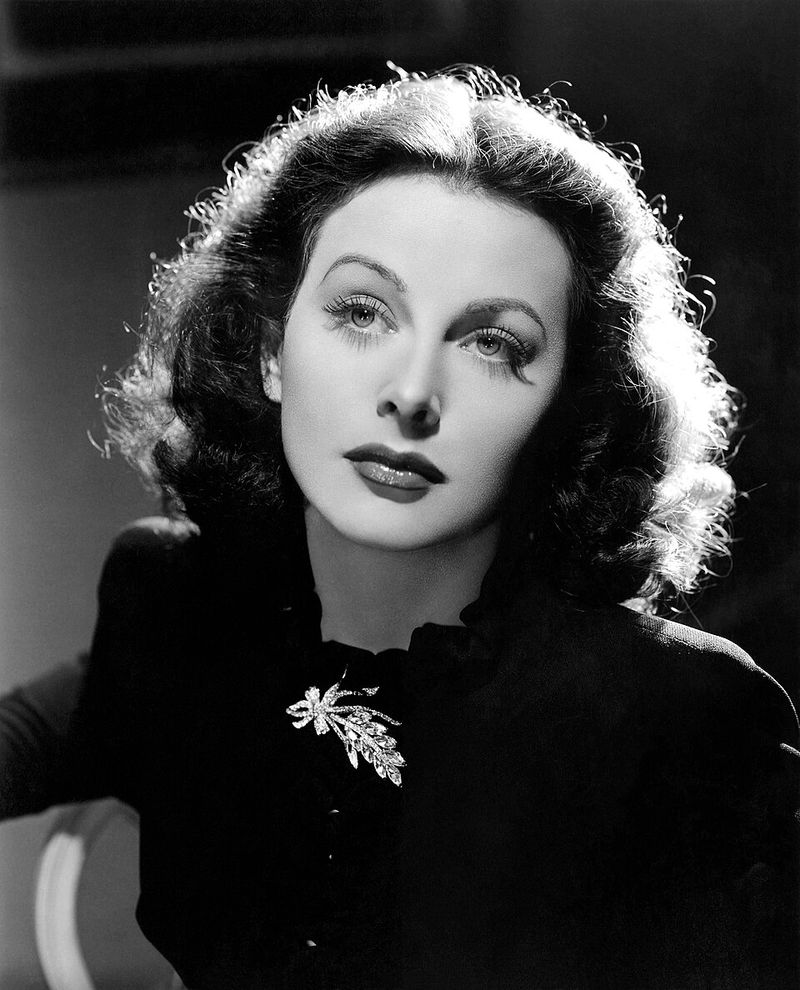
Most people knew Lamarr as a glamorous Hollywood actress, but few realized she was also a brilliant inventor. During World War II, she and composer George Antheil developed a frequency-hopping communication system.
Their 1942 patent was designed to prevent enemies from jamming torpedo guidance signals. Though not used during the war, their technology became foundational for modern WiFi, Bluetooth, and GPS.
Lamarr’s story reminds us never to judge people by appearances or assume their talents fit in just one category.
Share this story