Some songs blast onto the scene, rewrite the rules, and then disappear like fireworks at midnight. From glittering discos to neon-lit MTV and late-90s club floors, these one-hit wonders captured global attention and refused to let go. Each track left a cultural imprint bigger than the artists’ charts ever suggested.
Hit play in the mind and the memories come rushing back.
Starland Vocal Band — “Afternoon Delight” (1976)
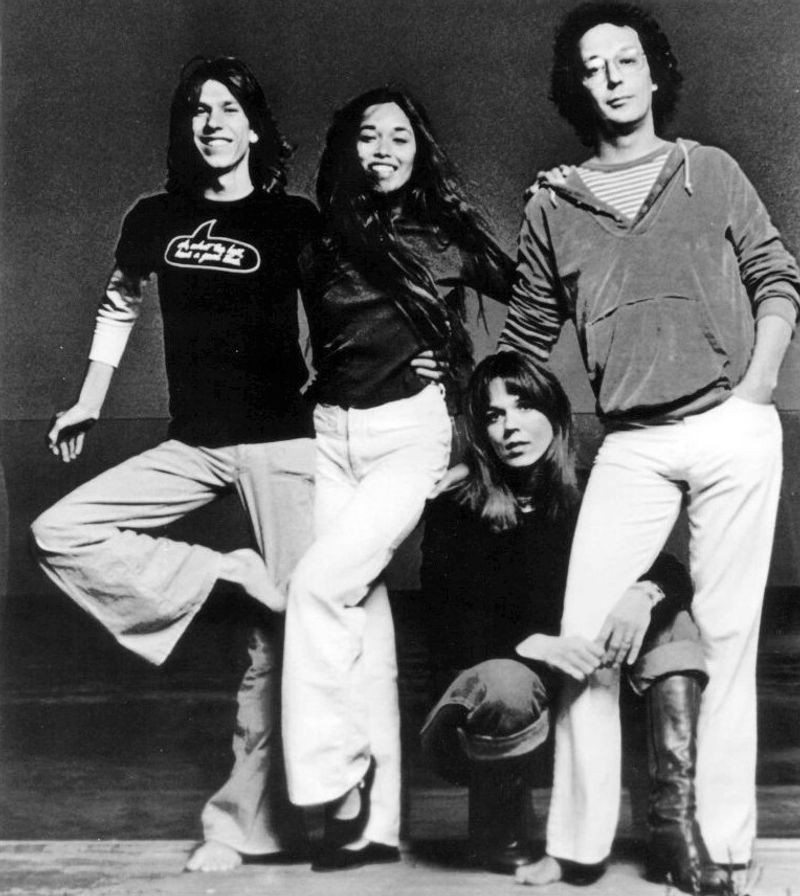
Afternoon Delight arrived like a sunbeam in 1976, sugary harmonies floating over a feather-light groove. Its wink-and-smile double entendre was wrapped in soft rock innocence, turning a playful theme into a national singalong. The chorus lilted, and listeners followed with knowing grins.
The single rocketed to No. 1, gold-certified and omnipresent through that bicentennial summer. Sweetly arranged vocals and strummed guitars balanced wholesome sparkle with sly suggestion. It became a shorthand for carefree afternoons and mischievous smiles.
While the band’s other releases never repeated the magic, this track refused to fade. It resurfaces in comedies, nostalgia playlists, and late-night karaoke. Afternoon Delight endures as a quintessential one-hit wonder, remembered as much for its cheek as for its irresistible glow.
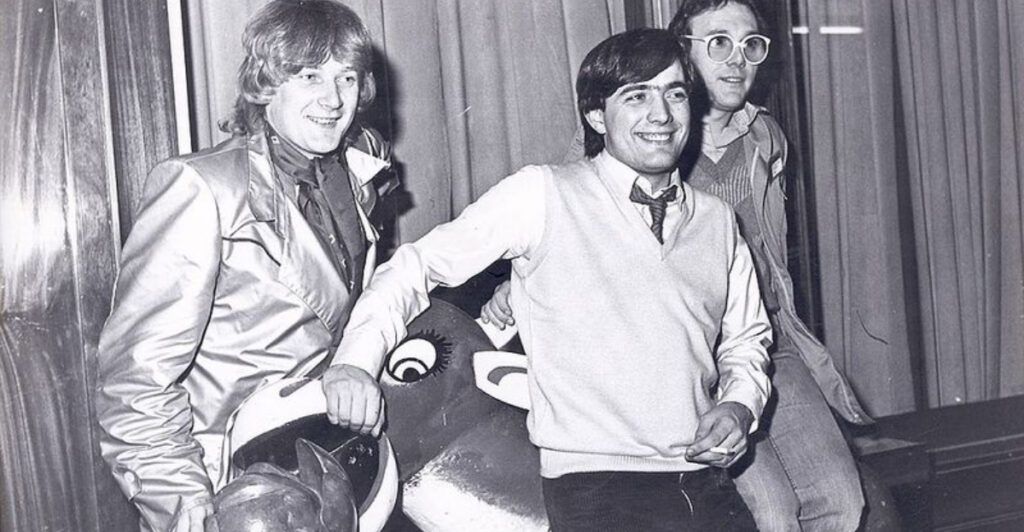
The Buggles — “Video Killed the Radio Star” (1979)
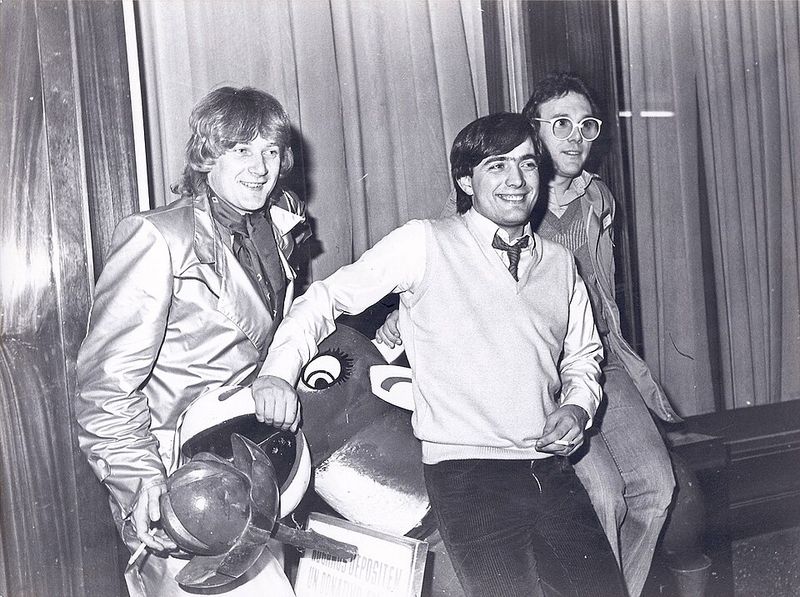
Video Killed the Radio Star felt prophetic the moment it blipped into the world. Synths shimmered like chrome, while wistful vocals mourned a fading era. Its melody moved with a clockwork elegance that made technological anxiety sound strangely romantic.
When MTV launched, the video kicked off the channel’s history and sealed the song’s legend. Pop met media theory, and a catchy hook became cultural commentary. The Buggles captured a hinge moment between audio dreams and visual stardom.
Chart success spanned continents, but follow-ups never matched the phenomenon. The title became a catchphrase for disruption from music to journalism. A single track wrote itself into media lore, proving one hit can echo longer than many careers.
Devo — “Whip It” (1980)
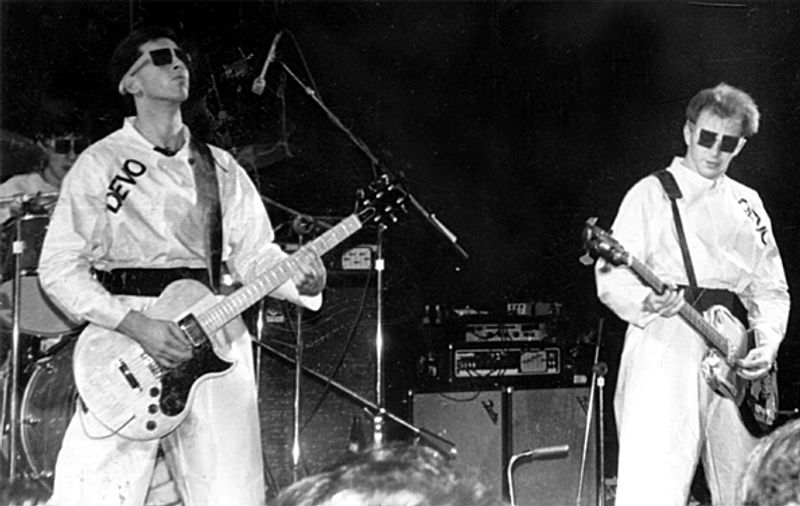
Whip It snapped into 1980 with metronomic drums, twitchy synths, and deadpan bravado. Devo’s de-evolution ethos turned conformity on its head, making absurdity feel like clarity. The hook sliced through radio noise with a smirk and a bullwhip crack.
MTV amplified the strangeness, pairing rubbery riffs with unforgettable visuals and hats. The song’s taut arrangement left no wasted motion, every note a nudge and wink. It sounded alien yet instantly memorable, a perfect new wave postcard.
Though the band built a deep cult catalog, mainstream charts crowned this their moment. Whip It became shorthand for subversive pop intelligence. One hit, countless references, and a lasting place in music’s eccentric hall of fame.
Dexys Midnight Runners — “Come On Eileen” (1982)
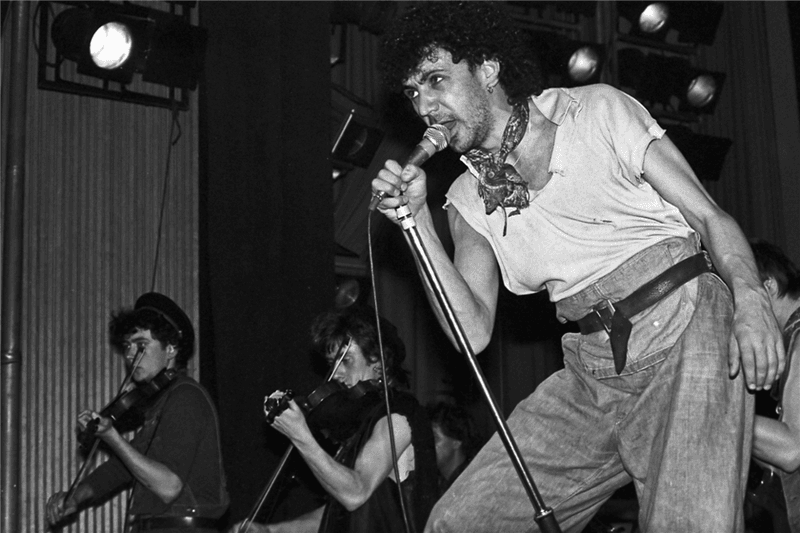
Come On Eileen storms in with fiddles, stomps, and a heart-on-sleeve crescendo. The arrangement swells from street-corner shuffle to festival roar, carrying a chorus built for arm-in-arm shouts. It knocked giants off the charts and claimed a singular moment.
Folk textures rubbed shoulders with pop drive, creating a timeless pub anthem. The performance glows with earnest urgency, breathless and defiant. Every breakdown reloads the celebration, and the final surge feels unstoppable.
Despite U.K. successes, this became the band’s lone U.S. smash. Weddings, bars, and radio nostalgia keep it evergreen, forever a communal ignition. One dazzling burst, endlessly replayed, forever ready to lift the room.
A-ha — “Take On Me” (1985)
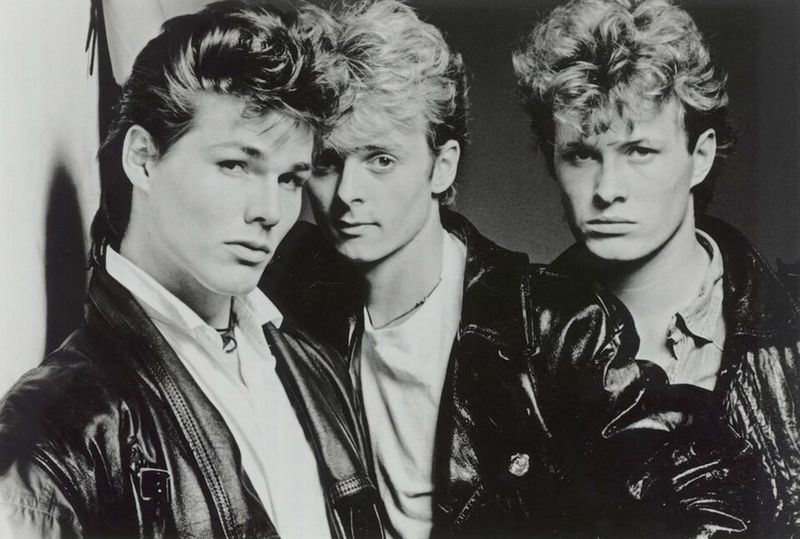
Take On Me pairs sky-high vocals with a synth line that sprints like adrenaline. The melody hits instantly, then soars into a chorus that feels weightless. It is sleek, aerodynamic pop engineered for replay.
The video’s rotoscope magic fused comic fantasy with real-world romance, defining the MTV imagination. Every frame looked iconic, every cut a hook of its own. The song and image locked together and blasted worldwide.
Though regional success continued, this stood as the singular U.S. giant. Commercials, films, and memes keep it shimmering in collective memory. A-ha’s masterpiece remains a one-hit wonder in name, a global classic in truth.
Toni Basil — “Mickey” (1982)
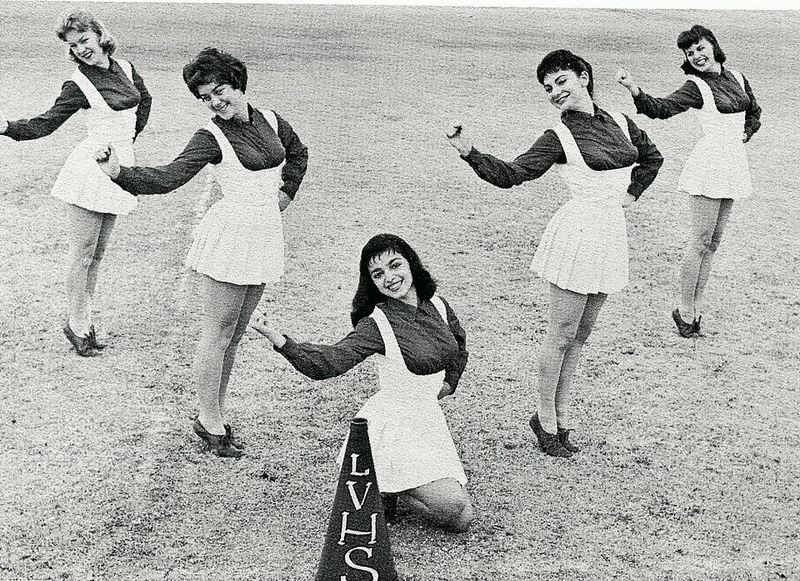
Mickey arrives with a drumline stomp and a cheer squad’s grin. Toni Basil flips chant into hook, turning sideline energy into pop attack. The first “Oh Mickey” lands and the room snaps to attention.
MTV’s visual era was the perfect runway for its kinetic charisma. The choreography, bows, and bowsprit hair cemented image and sound together. It was simple, loud, catchy, and impossible to ignore.
Though Basil’s creative career spanned choreography and film, charts crowned this single. Stadiums, movies, and commercials still borrow its bounce for instant hype. Mickey is the triumphant definition of a one-hit wonder with megaphone flair.
Nena — “99 Luftballons” (1983)

99 Luftballons drifts upward with bright synths and a bittersweet pulse. A playful image turns ominous as balloons travel into geopolitical crossfire. Melodic urgency carries a pointed anti-war message that transcended language boundaries.
The track rocketed through international charts, with German and English versions circulating widely. Its chorus lodged in memory even for listeners outside the new wave scene. It felt like a postcard from the Cold War, stamped in neon.
While the band’s broader catalog thrived in Europe, this was the sole American juggernaut. The song remains a classroom reference, a club favorite, and a cultural time capsule. One glittering pop missile with a conscience still soaring overhead.
Haddaway — “What Is Love” (1993)
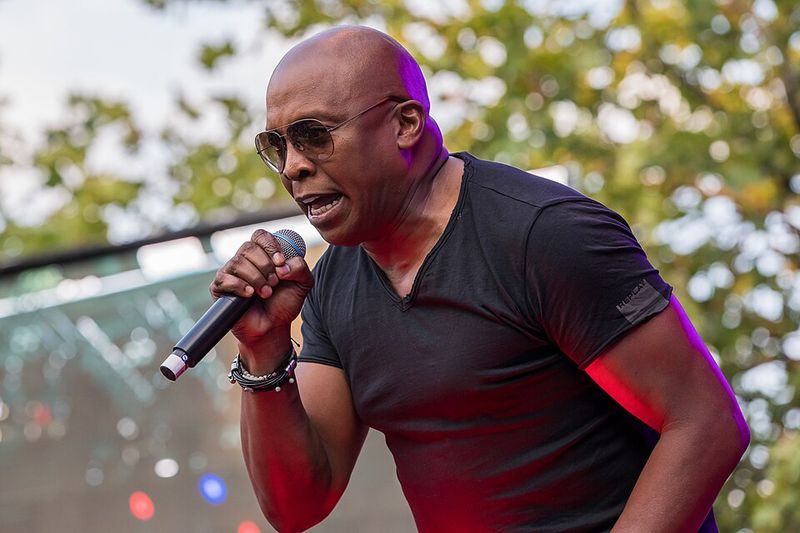
What Is Love pounds forward with a kickdrum heartbeat and pleading vocal. Synth stabs sparkle like chrome confetti, framing a hook that begs a universal question. It is club catharsis distilled into radio perfection.
The single stormed charts around the world, turning head-bob skits into pop folklore. Remixes multiplied, and the chorus became a meme before memes had names. Its emotion cut through language and genre lines effortlessly.
Although later releases charted modestly, none matched the first blast. The track remains a pillar of 90s dance nostalgia and party ignition. One irresistible question, endlessly asked, forever answered on the dance floor.
Chumbawamba — “Tubthumping” (1997)

Tubthumping is a rally cry disguised as a pop chant. Brass blasts, stomping drums, and gang vocals turn resilience into a pint-clinking celebration. The hook lands like a team anthem anyone can borrow.
In 1997 it exploded globally, vaulting an anarcho-punk collective into mainstream glare. Folk threads stitched to pop punch gave the chorus widescreen reach. It felt built for stadiums and living rooms alike.
Though the catalog kept challenging norms, charts crowned this as the moment. Sports highlights, karaoke nights, and commercials keep the chorus immortal. One jubilant surge that refuses to stay down, bouncing back forever.
Sixpence None the Richer — “Kiss Me” (1998)

Kiss Me drifts in on chiming guitars and a gentle waltz of romance. Leigh Nash’s airy vocal sketches fireflies and footbridges with tender precision. The melody floats like a polaroid developing in slow magic.
Teen soundtracks and TV placements turned the song into a cultural crush. Its sweetness carried sincerity without syrup, a delicate balance rarely matched. The chorus lands softly yet lingers long after silence returns.
While later singles found fans, this became the signature bloom. Weddings, nostalgia nights, and coffeehouse playlists keep it in season. One perfect sigh of late-90s pop, forever ready to blush again.
Lou Bega — “Mambo No. 5 (A Little Bit of…)” (1999)

Mambo No. 5 bursts in with horn stabs and a grin as wide as the dance floor. The playful roll call of names turns novelty into contagious charm. Percussion rattles, trumpets sparkle, and hips immediately follow orders.
At century’s end, it topped charts across continents and revived vintage flair. The production polished mambo tradition into pop candy without losing swing. It felt like a themed party that never needed an invitation.
Subsequent releases could not catch the same lightning, but the party never ended. Weddings, retro nights, and sports arenas keep the groove alive. One unforgettable shimmy that made the whole world mambo once more.
Share this story