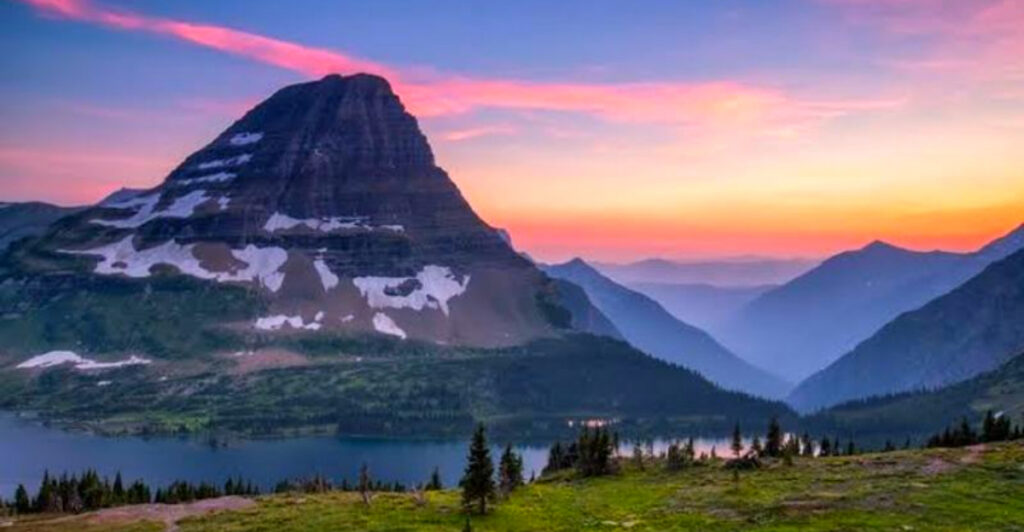
Montana has always been defined by wide-open land, rugged beauty, and a way of life that values space and independence. For generations, it felt like a place set apart from the pressures reshaping much of the country.
Lately, that sense of permanence is being tested. An influx of new residents, rising costs, and rapid development are changing the look and feel of many communities.
Longtime locals are starting to ask whether growth and tradition can truly coexist.
These 15 signs show why the Treasure State now finds itself at a crossroads – and what may be at stake for its future.
1. Skyrocketing Home Prices in Mountain Towns
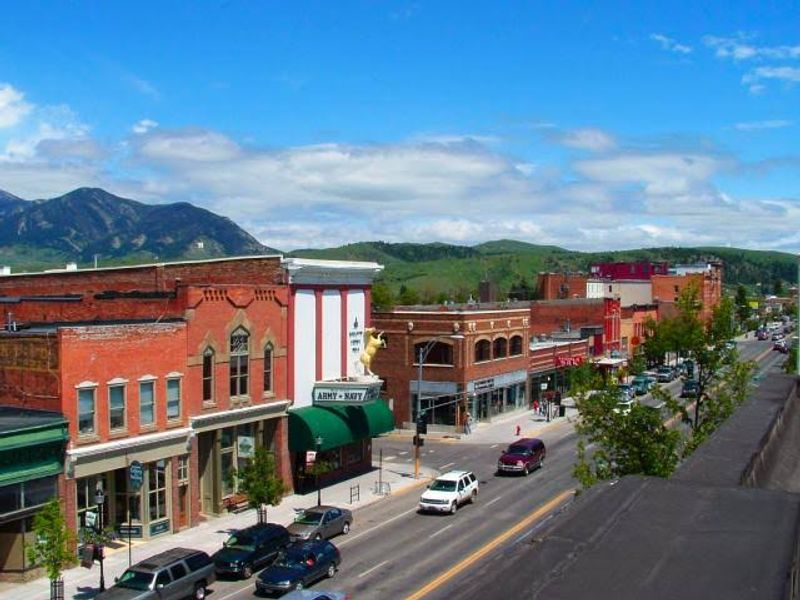
Bozeman, Whitefish, and Big Sky used to be places where teachers, nurses, and shopkeepers could afford a home and settle down for life. Now, average home prices have doubled or even tripled in just a few years.
Families who have lived in these towns for generations are being pushed out by skyrocketing costs.
When a three-bedroom house costs over a million dollars, who can afford to stay? Service workers, firefighters, and school staff are moving hours away just to keep their jobs.
The heart of these communities is being hollowed out.
This isn’t just about money. It’s about identity.
When the people who make a town run can no longer live there, something fundamental is lost. Montana’s mountain towns are at risk of becoming playgrounds for the wealthy instead of homes for working families.
2. Big Sky’s Resort Boom
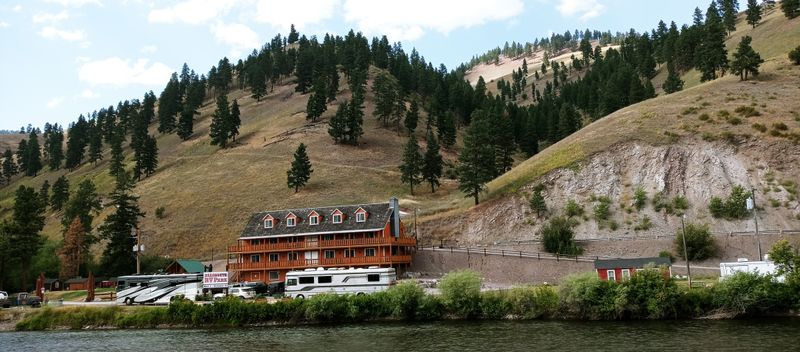
Big Sky was once a quiet ski area where locals could escape the crowds. Today, it’s transforming into a luxury destination with private clubs, high-end restaurants, and million-dollar condos lining the slopes.
The comparisons to Aspen are no longer far-fetched.
Developers are pouring money into the area, building resorts that cater to wealthy out-of-state visitors. Helicopter skiing, spa treatments, and gourmet dining have replaced the simple ski lodge vibe.
Big Sky is quickly becoming a symbol of Montana’s identity crisis.
For some, this growth means jobs and economic opportunity. For others, it represents the loss of what made Montana special in the first place.
The question isn’t whether Big Sky will grow, but whether it can grow without losing its soul in the process.
3. Second Homes Sitting Empty
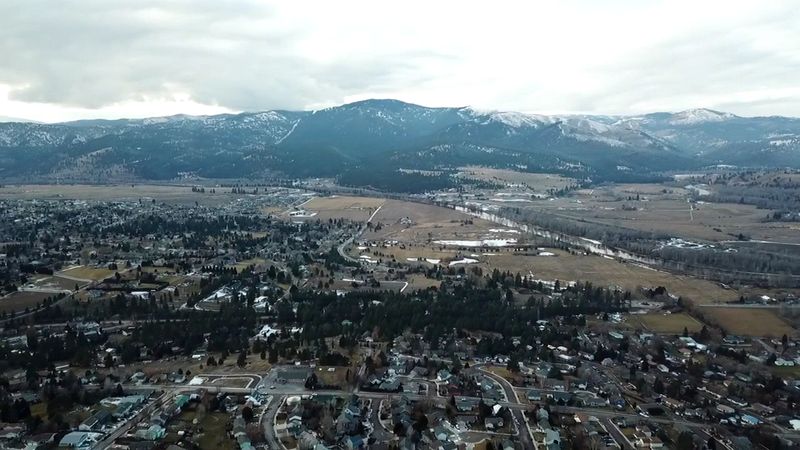
Walk through certain neighborhoods in Montana’s resort towns and you’ll notice something eerie. Lights stay off for months at a time.
Driveways remain empty. These aren’t abandoned homes, they’re second residences owned by people who visit a few weeks each year.
When homes sit vacant, communities lose their rhythm. There are fewer kids in schools, fewer customers at local cafes, and fewer neighbors to shovel your walk when it snows.
The sense of connection that defines small-town life starts to fade.
Some towns are trying to address this with vacancy taxes or regulations, but the trend continues. Montana is becoming a place people visit rather than a place they live.
That shift changes everything, from local culture to the economy to the feeling of belonging that once defined these places.
4. Strain on Local Infrastructure
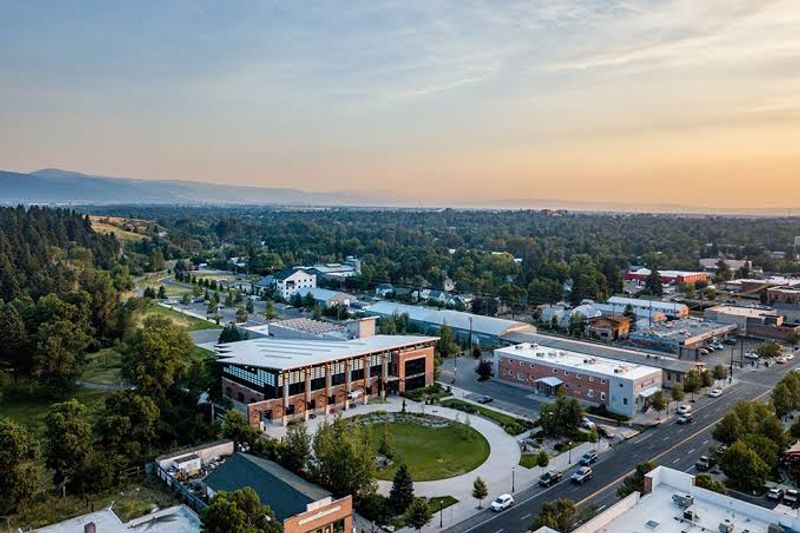
Montana’s infrastructure was built for smaller, slower-growing populations. Roads weren’t designed for rush hour traffic.
Water systems weren’t planned for thousands of new homes. Schools are suddenly overcrowded, and emergency services are stretched thin across vast rural distances.
In places like Gallatin County, the population has exploded faster than budgets can keep up. Fire departments struggle to respond quickly.
Septic systems fail. Roads crack and crumble under increased use.
The bones of these communities are creaking under the weight of rapid change.
Fixing infrastructure takes time and money, both of which are in short supply. Residents worry that their quality of life is declining even as their property taxes rise.
Growth without planning creates chaos, and Montana is learning that lesson the hard way right now.
5. Disappearing Working Ranchland
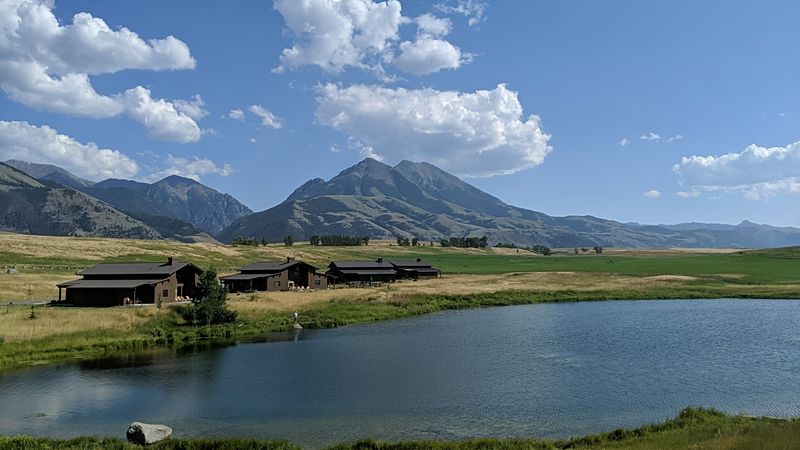
Ranching has been the backbone of Montana’s economy and culture for over a century. But when land values soar, many ranching families face an impossible choice: sell the land or struggle to keep it.
More often than not, they sell. Once sold, that land is subdivided into luxury home sites.
Every ranch that disappears takes with it a piece of Montana’s heritage. Wildlife corridors are interrupted.
Open space vanishes. The agricultural economy shrinks.
What was once productive land becomes private estates with gates and no trespassing signs.
Some families are working with land trusts to protect their ranches through conservation easements. But the pressure is enormous.
Losing working ranchland doesn’t just change the landscape, it changes Montana’s identity and its connection to the land that built it.
6. Wages vs. Cost of Living Gap

Rent for a one-bedroom apartment in Bozeman can easily top fifteen hundred dollars a month. Meanwhile, many jobs in town pay twelve to fifteen dollars an hour.
The math simply doesn’t work. Workers are being priced out of the communities they serve.
Some people are commuting an hour or more each way just to afford rent. Others are doubling up in apartments or living in RVs.
A few have left Montana altogether, heartbroken but out of options. The gap between wages and living costs is widening every year.
Businesses are struggling too. Restaurants can’t find cooks.
Hotels can’t find housekeepers. When workers can’t afford to live nearby, the entire economy suffers.
Montana needs solutions fast, or it risks losing the people who keep its towns running every single day.
7. Tourism Pressure on Wild Places
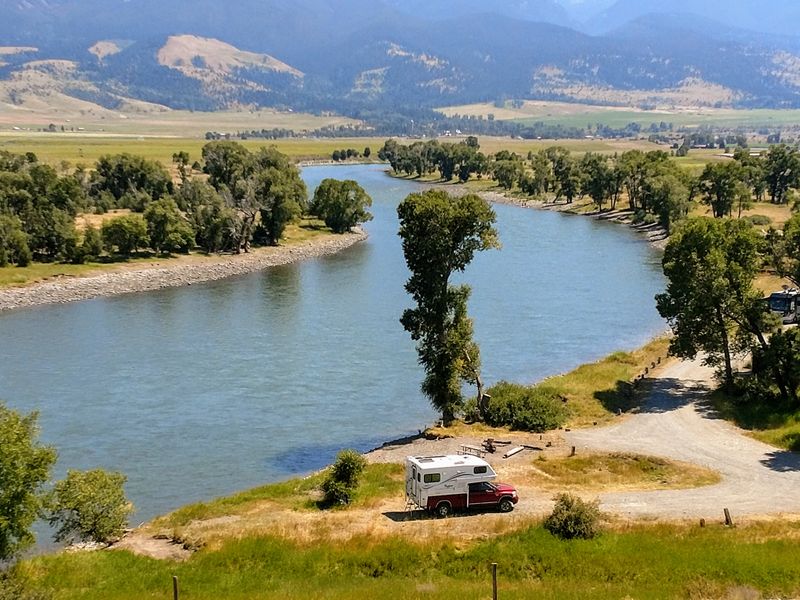
Glacier National Park, Yellowstone, and Montana’s rivers are seeing visitor numbers that would have been unthinkable a decade ago. Trails are eroding from overuse.
Campsites are booked months in advance. Wildlife is stressed by constant human presence.
The wild places that define Montana are being loved to death.
More tourists mean more traffic, more trash, and more conflict over access. Locals who once enjoyed quiet fishing spots or hiking trails now find them crowded with out-of-state visitors.
The experience that drew people to Montana in the first place is fading.
Park managers and conservationists are scrambling to manage the surge. Permit systems, seasonal closures, and education campaigns are all being tried.
But the challenge is enormous. Montana’s wild beauty is its greatest asset, and protecting it while sharing it is a delicate, ongoing balancing act.
8. Cultural Shift in Small Towns
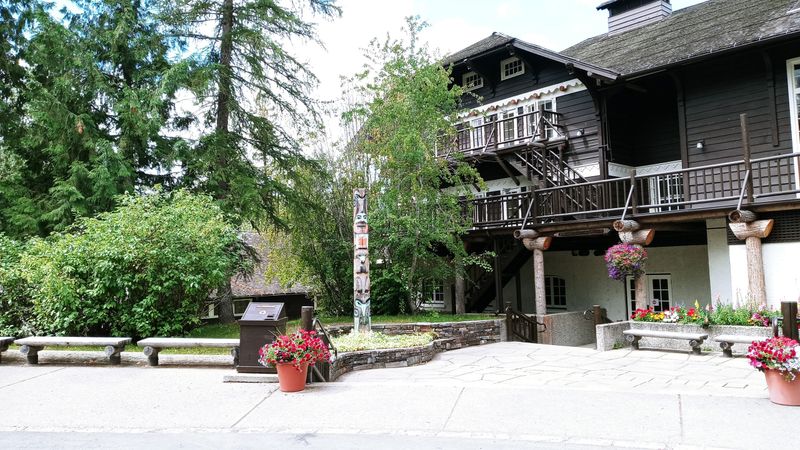
Long-time Montanans often talk about how their towns used to feel. Neighbors knew each other.
People helped out without being asked. There was a shared understanding of how things worked.
That feeling is fading in many places, replaced by something more distant and impersonal.
As populations grow quickly, the social fabric stretches thin. Newcomers bring different expectations and lifestyles.
Longtime residents feel like strangers in their own hometowns. Conversations that used to happen naturally now feel awkward or forced.
The sense of community is eroding.
This isn’t about blaming anyone. Change is hard, especially when it happens fast.
But culture matters. It’s what makes a place feel like home.
Montana’s small towns are struggling to adapt to rapid growth while holding onto the neighborly spirit that defined them for generations.
9. Conservation as a Counterbalance
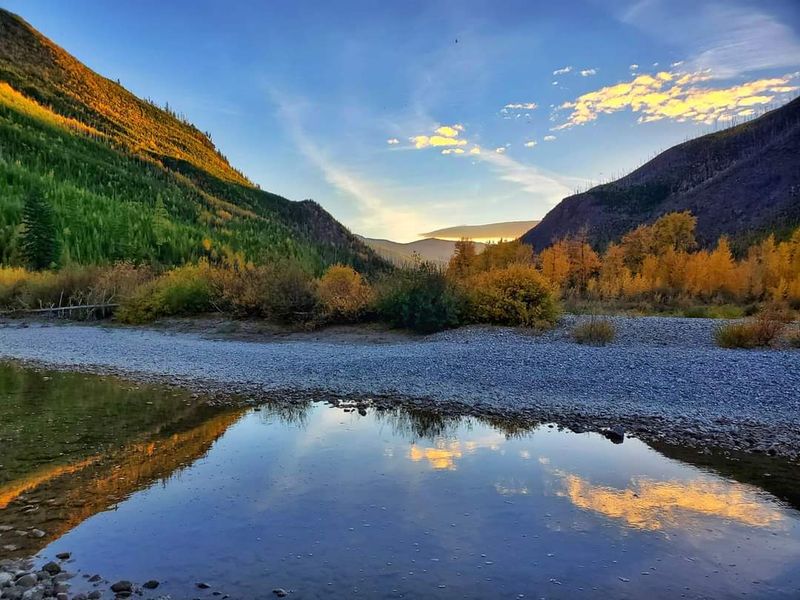
Not all the news is grim. Land trusts and conservation groups are working harder than ever to protect Montana’s open spaces.
Through conservation easements, ranchers can keep their land in agriculture while ensuring it will never be subdivided. Thousands of acres have been preserved this way.
Organizations like the Montana Land Reliance and local trusts are partnering with landowners who want to protect their property for future generations. These easements maintain wildlife habitat, protect water quality, and preserve the landscapes that make Montana special.
It’s a powerful tool.
Conservation isn’t just about stopping development. It’s about making thoughtful choices.
When done right, it allows Montana to grow while keeping its character intact. These efforts offer hope that the state can find a balance between progress and preservation, between welcoming newcomers and protecting what matters most.
10. Pushback Against Short-Term Rentals
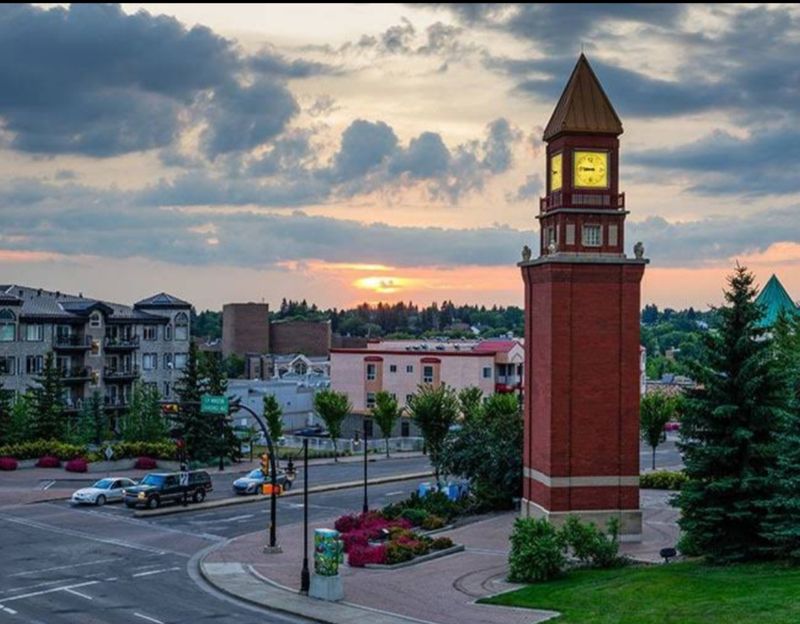
Airbnb and VRBO have transformed how people vacation, but they’ve also transformed local housing markets. In Montana towns, homes that once housed families are now short-term rentals catering to tourists.
This shrinks the housing supply and drives up prices for everyone else.
Some communities are fighting back. Whitefish, Red Lodge, and other towns have passed regulations limiting short-term rentals in residential neighborhoods.
The goal is to preserve housing for people who actually live and work there. It’s a contentious issue with strong opinions on both sides.
Property owners argue they should be free to use their homes as they wish. Residents argue that their communities are being hollowed out.
Finding the right balance is tough, but more towns are deciding that housing for full-time residents has to come first if they want to survive as real communities.
11. Montana’s Deep Skepticism of Elitism

Montana culture has always been grounded in work, not wealth. Ranchers, loggers, miners, and guides built this state with their hands.
There’s a deep respect for people who earn their living outdoors and a suspicion of flashy displays of money. That ethos runs strong, even today.
Unlike Aspen or Jackson Hole, where luxury is celebrated, Montana tends to look down on excess. Driving a beat-up truck is a badge of honor.
Wearing designer clothes to the hardware store will get you strange looks. Humility and toughness are valued over status and style.
This cultural bedrock is one reason many Montanans resist the changes happening around them. They worry that their state is being remade in the image of places they never wanted to become.
Whether that skepticism can hold back the tide of wealth and development remains to be seen.
12. Local Businesses vs. Luxury Brands
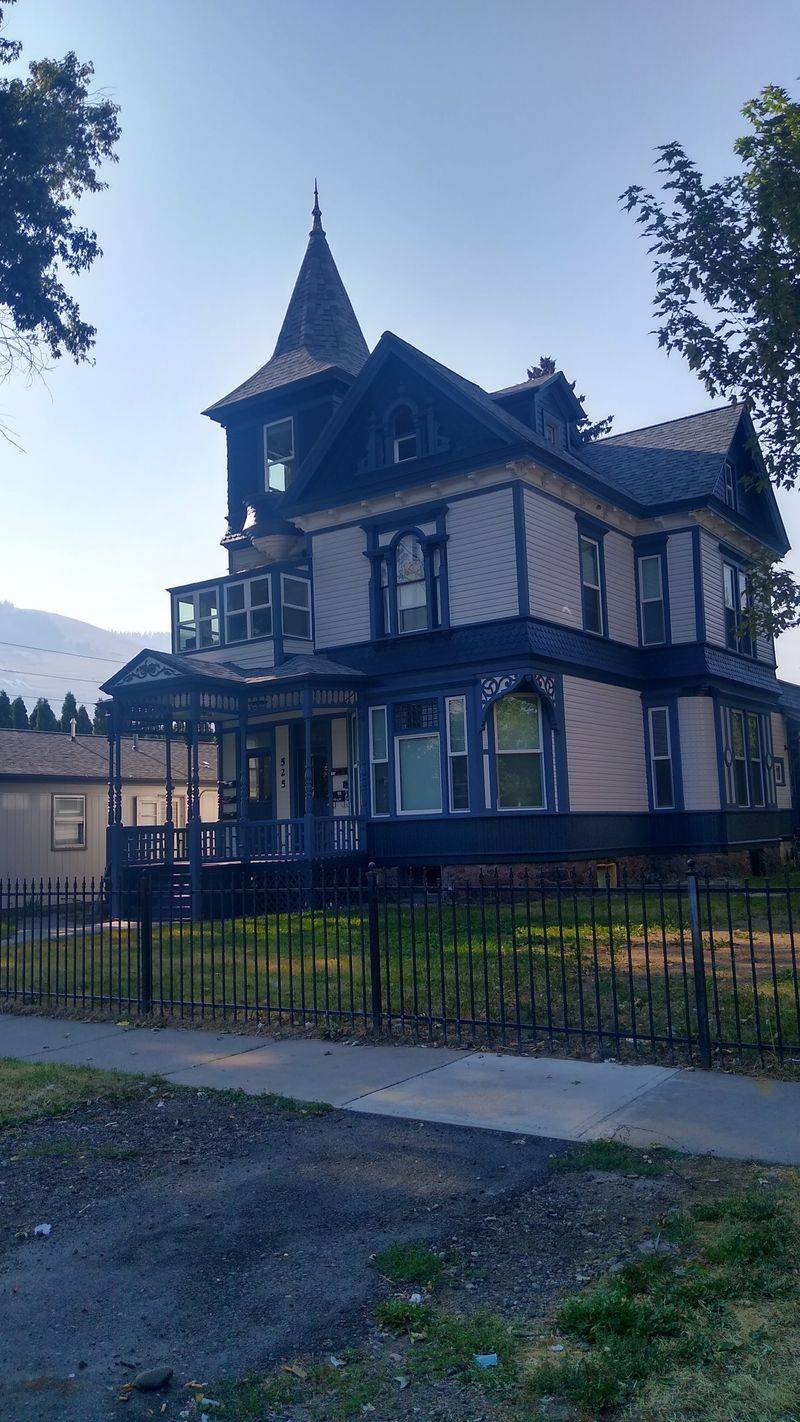
Main streets across Montana are changing. The family-run diner where you knew everyone’s name is closing.
The local hardware store is struggling to compete. In their place, upscale boutiques, high-end galleries, and resort-style shops are moving in, catering to a wealthier, more transient clientele.
This shift isn’t just economic, it’s cultural. Local businesses are owned by people who live in the community, sponsor Little League teams, and know your kids by name.
Chain stores and luxury brands don’t have those roots. When local businesses disappear, so does a piece of the town’s identity.
Some communities are fighting to support local shops through buy-local campaigns and zoning protections. But the pressure is real.
As demographics shift and spending power concentrates among newcomers, Montana’s main streets risk becoming unrecognizable to the people who built them.
13. Wildlife Still Shapes Daily Life
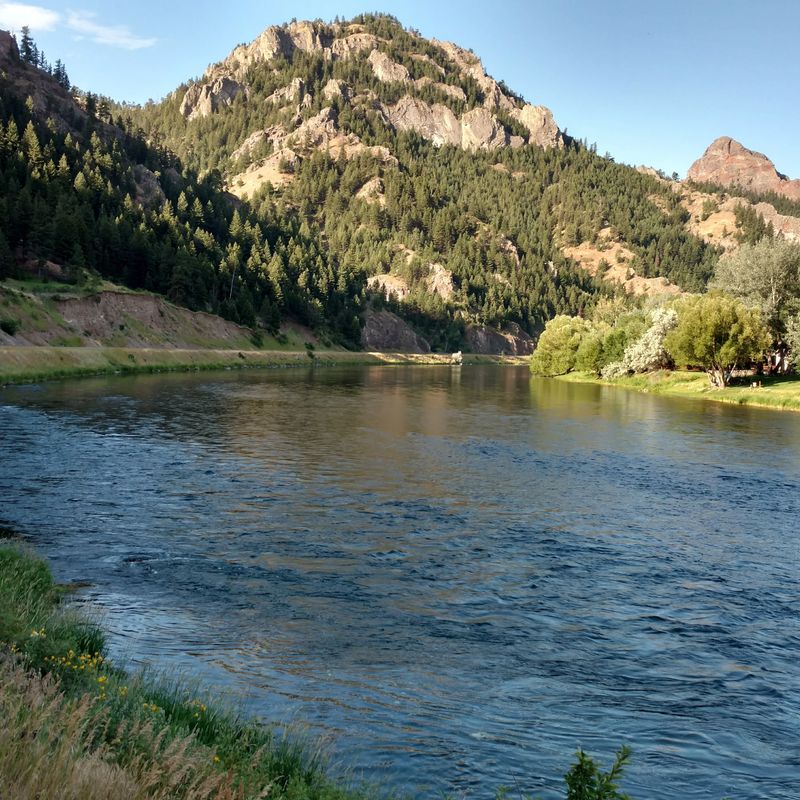
In Montana, wildlife isn’t just something you see on vacation. It’s part of everyday life.
Elk cross highways. Bears raid garbage cans.
Wolves howl in the distance. These encounters remind residents that they share the land with creatures that were here first.
It’s humbling and real.
Unlike resort towns where nature is managed and controlled, Montana’s wild systems still impose limits. You can’t build wherever you want without thinking about grizzly habitat.
You can’t leave food out without consequences. The land and its animals demand respect and adaptation.
This wildness is one of Montana’s defining features, and it’s something that can’t be fully tamed or packaged for tourists. It keeps the state grounded.
As long as wildlife shapes daily life, Montana will retain a piece of its soul that no amount of development can erase.
14. Newcomers Learning (or Ignoring) Local Norms
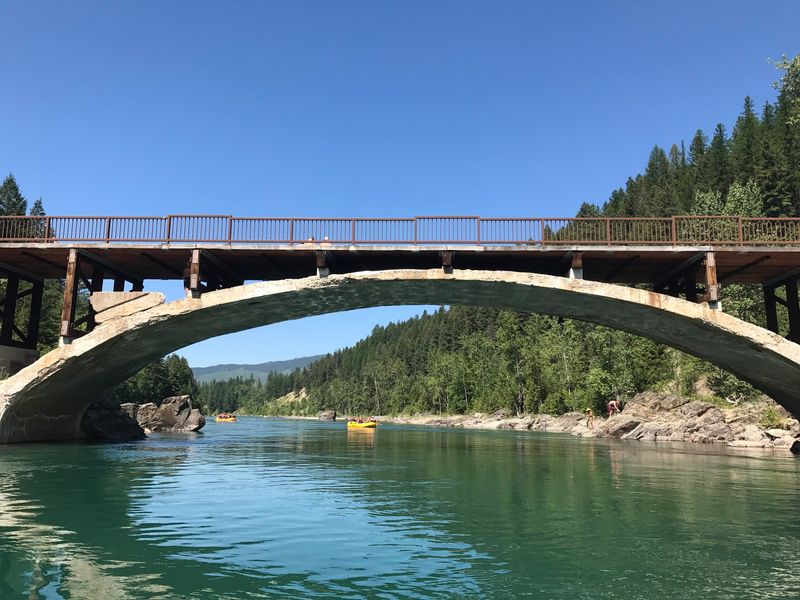
Every new resident brings their own expectations. Some take the time to learn Montana’s unwritten rules: respect private property, close gates behind you, wave to other drivers on backroads.
They listen to longtime residents and adapt. These newcomers are welcomed and become part of the community over time.
Others arrive expecting the conveniences of city life in a rural setting. They complain about dirt roads, demand services the county can’t afford, and ignore local customs.
This creates friction and resentment. Locals feel disrespected, and newcomers feel unwelcome.
The divide grows.
Integration takes effort on both sides. Longtime residents need to be patient and welcoming.
Newcomers need to be humble and curious. When both groups make that effort, communities thrive.
When they don’t, towns fracture into insiders and outsiders, and everyone loses something valuable.
15. A State Still Defining Its Future
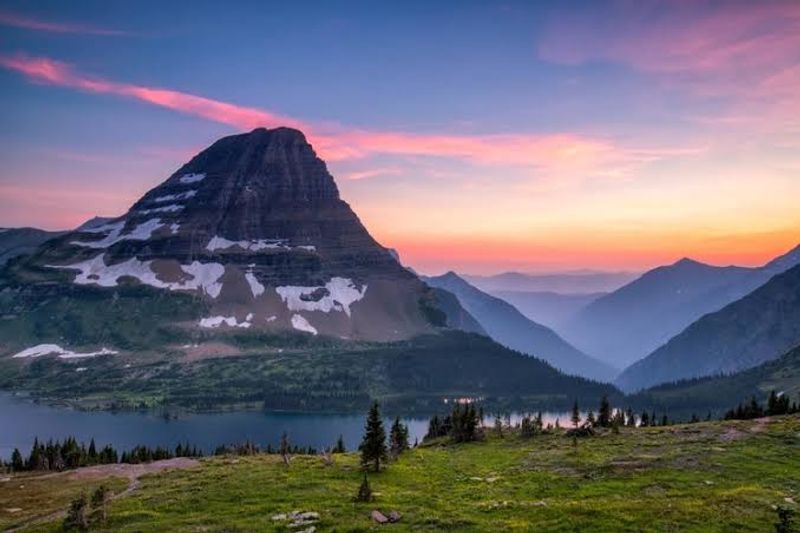
Montana stands at a crossroads. The decisions made today about land use, housing policy, conservation, and community will shape the state for generations.
Will Montana become another Aspen, a playground for the wealthy? Or will it find a way to grow while keeping its soul intact?
There are no easy answers. Growth brings opportunity but also risk.
Development creates jobs but can destroy what makes a place special. Montanans are fiercely independent and protective of their way of life, but they also recognize that change is inevitable.
The question is how to manage it.
The future isn’t written yet. Montana still has time to choose its path.
With thoughtful planning, strong community voices, and a commitment to the values that built the state, it’s possible to welcome newcomers without losing identity. The Treasure State’s soul is worth fighting for, and that fight is happening right now.
Share this story