There is something electric about brothers and sisters chasing the same melody. Rivalries spark, harmonies lock, and entire genres shift when family chemistry hits the stage. These bands did not just share last names, they shared rehearsal rooms, parents’ garages, and the kind of telepathy that only comes from growing up together.
Dive into the stories where bloodlines powered hooks, riffs, and reinventions that still echo today.
The Kinks
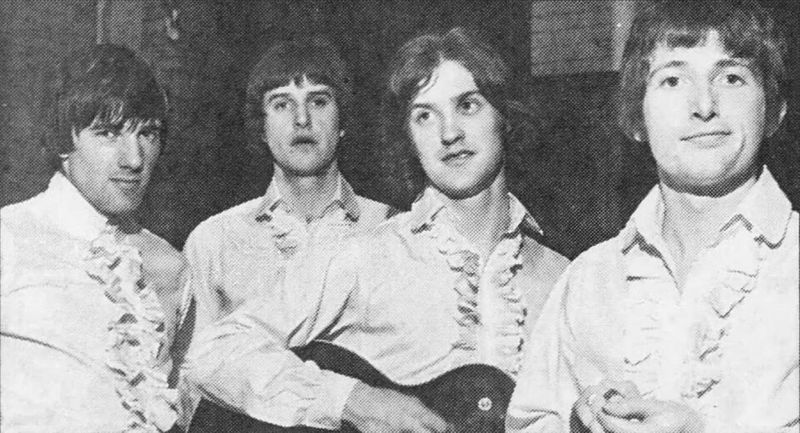
Ray and Dave Davies wrote suburbia like it was cinema, with riffs that snapped like shutters. One watched the world, pen in hand, while the other plugged in a razor wire guitar tone that sliced through the smoke. Together, they framed scenes that felt crooked, clever, and deeply human.
You Really Got Me cracked open distortion’s future, while Lola bent narratives with charm and nerve. Their catalog read like postcards from British life, equal parts satire and tenderness. Sibling sparks flew, but the songs stayed resilient, even playful.
Inside the studio, wit met mischief, and the band turned tiny observations into towering hooks. The brothers’ friction was a strange glue, pulling vulnerability and bravado into the same breath. Across decades, The Kinks left a blueprint for punchy, literate rock that never forgot the pulse of the street.
Radiohead
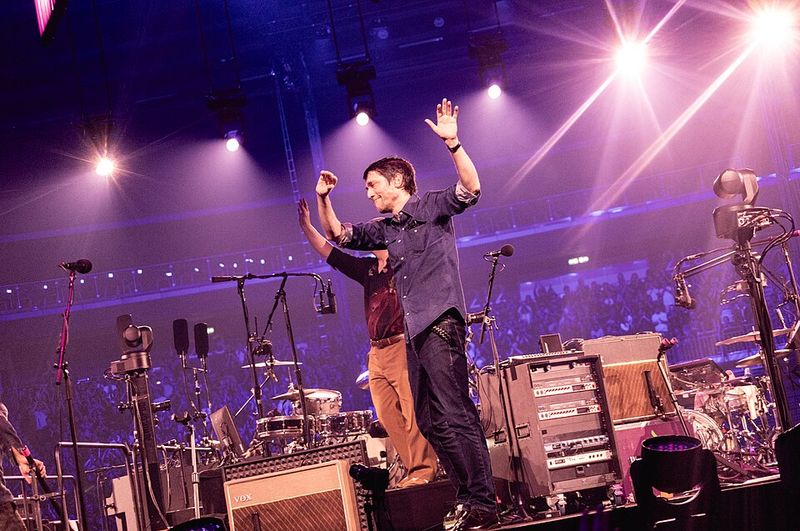
Colin and Jonny Greenwood do not dominate interviews, yet their bond steadies Radiohead’s shape shifting heartbeat. Bass threads a pulse under shapeless anxiety, while guitar and keys fracture, shimmer, then bloom. Their lines converse like siblings finishing thoughts mid sentence.
From OK Computer’s claustrophobic lift to Kid A’s glacial glow, the Greenwood dialogue remains precise and empathetic. One grounds, one destabilizes, and both listen intensely. The result feels inevitable, even when songs lurch into unfamiliar terrain.
They treat space like an instrument, leaving room for breath and dread. Texture replaces flash, but technique hides in plain sight, serving emotion first. Radiohead’s evolution reads as brave, yet its courage rests on a familial trust that lets risk feel safe.
Heart
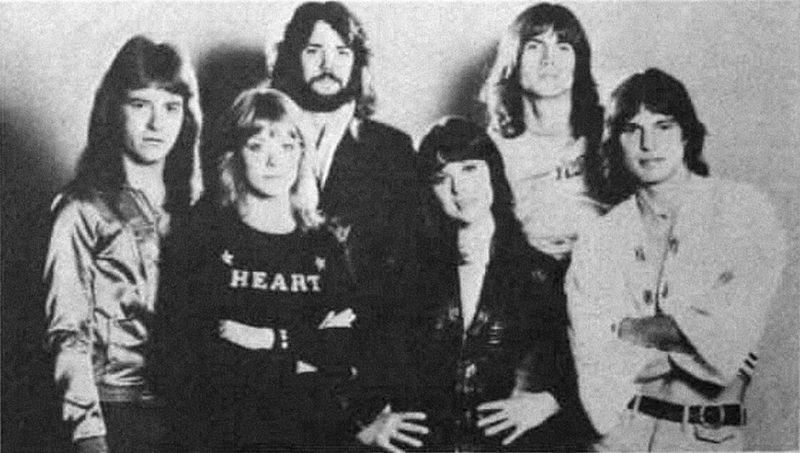
Ann Wilson’s voice could level a mountain, and Nancy’s guitar could set it alight. Together, the Wilson sisters turned hard rock into something muscular and romantic. Barracuda snarled, Magic Man shimmered, and both carried a defiant grace.
On tour buses and in studios, sisterly intuition made quick work of second guessing. A glance could shift a bridge, a breath could cue a crescendo. Their bond kept the center steady while trends swung wildly.
Heart’s legacy sits at the crossroads of virtuosity and vulnerability. The songs feel big but never hollow, intimate yet built for arenas. Decades on, their presence remains a beacon for bands chasing both thunder and heart.
Oasis
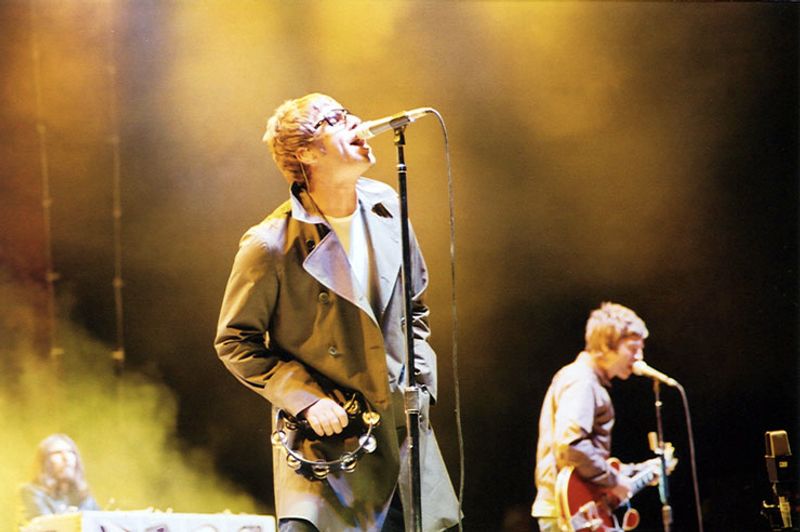
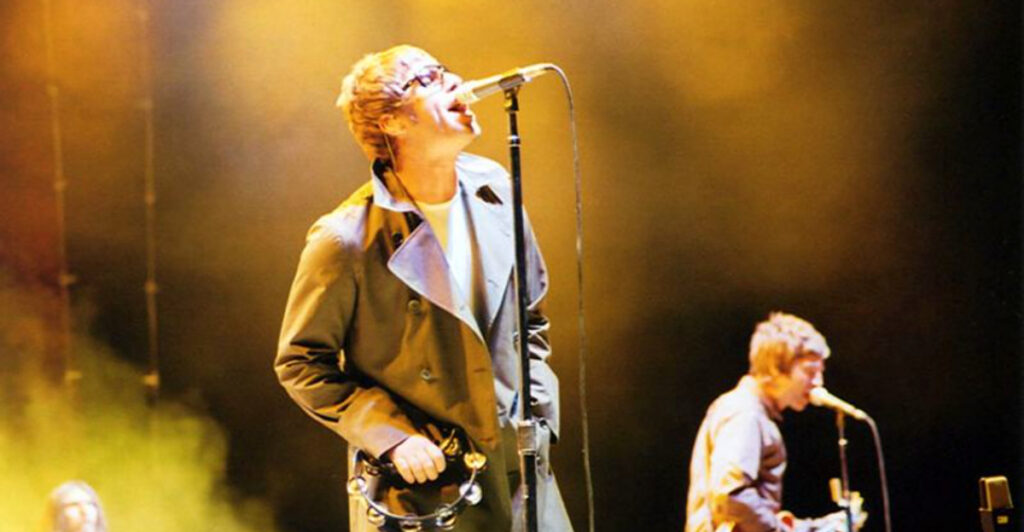
Gallagher friction burned as bright as arena lights, turning Oasis into a combustible spectacle and a hit machine. Noel’s sharp, sky-scraping choruses met Liam’s sneer and swagger, creating anthems that felt both intimate and massive. That tension, never hidden, kept songs like Wonderwall and Don’t Look Back in Anger humming through bedrooms and terraces.
On stage, their push-pull shaped the band’s gait, from ragged edges to triumphant singalongs. Off stage, press conferences doubled as soap operas, amplifying myth as records flew off shelves. Britpop had many faces, but Oasis carried a working class romance that felt unvarnished and real.
Even when breaks widened into chasms and lineups shifted, the core story remained two brothers arguing about how big a chorus should be. That argument, strangely, was the engine. It made risk feel routine, swagger feel earned, and vulnerability feel stadium sized.
The world sang along.
AC/DC

Angus and Malcolm Young carved riffs like granite, then rolled them downhill. One danced the spotlight in a schoolboy suit, the other locked rhythms with locomotive precision. Together, they made blues based hard rock feel immortal and unpretentious.
Back in Black hits like steel, Highway to Hell grins through the flame, and the groove never apologizes. There is swing inside the crunch, a barroom lilt beneath the thunder. That balance is the brothers’ fingerprint.
Studio takes chased feel over fuss, placing electricity above ornament. The songs are simple only until the body moves. AC/DC’s endurance rests on family telepathy that turns three chords into a power station.
Van Halen
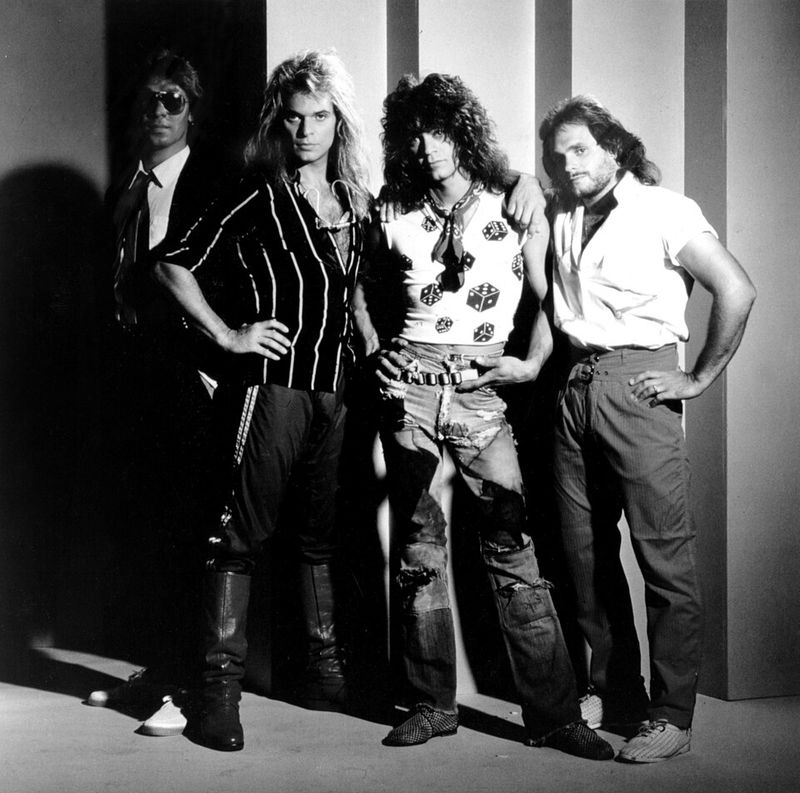
Eddie and Alex Van Halen spoke fluent rhythm together, even while pushing different frontiers. Guitar reinvented flash as vocabulary, drums answered with artillery that danced. The brothers built a trampoline for singers to soar, then flipped the show themselves.
Jump sparkled, Panama roared, and solos became stories told at warp speed. Beneath the spectacle, tightness ruled. Their parts clicked like gears, turning complexity into joy.
In the studio, tones mattered as much as notes, with invention treated like routine. The family bond gave permission to chase impossible ideas until they felt obvious. Van Halen changed what audiences expected from rock, and made it sound effortless.
The Beach Boys
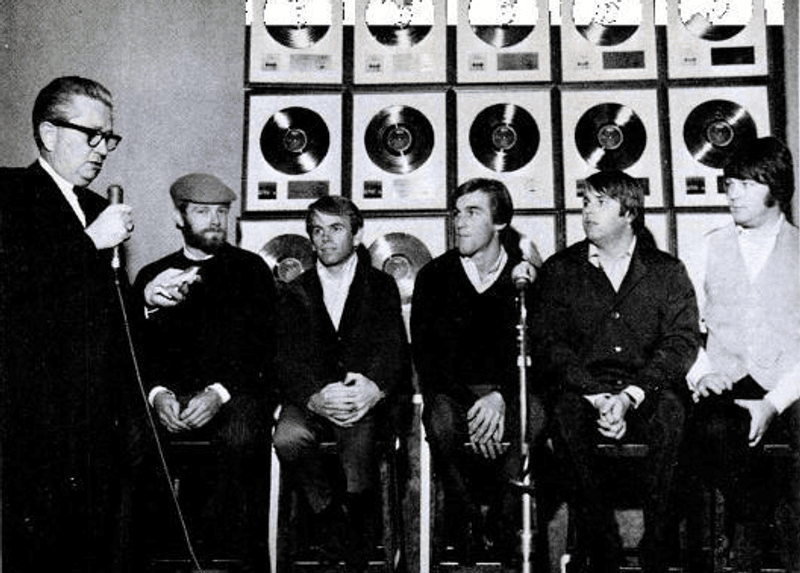
Brian, Dennis, and Carl Wilson stacked harmonies like stained glass, letting light pour through. Surf dreams gave way to aching introspection, and family voices carried both. Pet Sounds turned the studio into a playground and a cathedral.
Arrangements curled like waves, then broke with startling tenderness. Rhythm sections nodded to the shore, while chords wandered into bittersweet cities. The brothers’ blend made melancholy sound buoyant.
Their story runs on genius and fragility, often at the same time. The music holds it gently, with patience and wonder. Generations learned that pop could be both sunshine and prayer, in the same breath.
The Corrs

Andrea, Sharon, Caroline, and Jim Corr folded Celtic textures into radio bright pop. Fiddles danced with glossy guitars, and family harmonies glowed at the center. The blend felt modern yet rooted, like a hometown street lit for a festival.
Breathless shimmered, Runaway sighed, and rhythm sections leaned forward with gentle urgency. Arrangements left space for air, so melodies could float without drifting. It sounded effortless, because trust did the heavy lifting.
Onstage, glances directed turns the way hand signals steer traffic. In the studio, tradition nudged hooks toward something timeless. The Corrs proved crossover could honor heritage without turning it into costume.
Echosmith

Sydney, Noah, Graham, and Jamie Sierota began as a full sibling set, sketching youthful portraits in bright, chiming tones. Cool Kids captured a quiet ache behind glossy surfaces, giving outsiders a singalong to carry. Their interplay made songs click like shared memories.
As lineups shifted, that core language stayed conversational and warm. Guitars and synths wrapped vocals with a light touch, never crowding the message. The band favored clean lines and late night reflections.
What started as teenage momentum matured into steady, open hearted pop rock. Confidence grew, shine stayed, and empathy led. Echosmith’s sibling roots make every chorus feel like a secret kept kindly.
The Cowsills
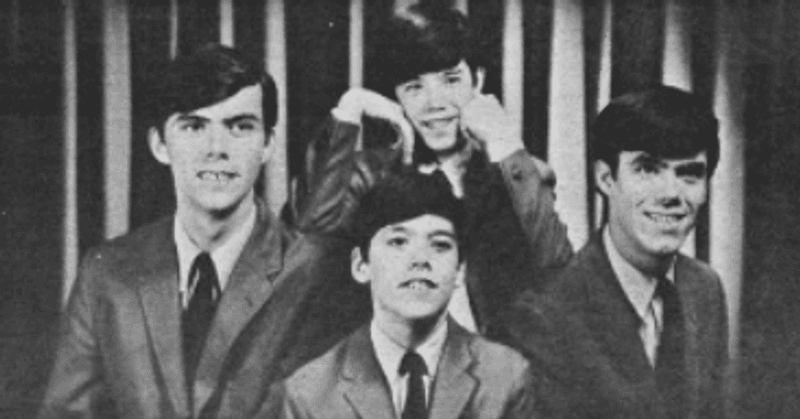
The Cowsills turned family rehearsal into national television with cheerful precision. Harmonies clustered like birds taking flight, simple and contagious. Their pop brightness left a trail many later bands would trace.
Hair and The Rain offered optimism that felt unforced, even when arrangements were carefully built. Multiple siblings onstage created a chorus of personalities. The showbiz polish never fully erased living room warmth.
Rock historians sometimes file them under novelty, but influence lingers in every family band that followed. They proved crowds lean in when voices share DNA. The Cowsills’ legacy is proof that joy can be meticulously arranged and still feel spontaneous.
The Osmonds
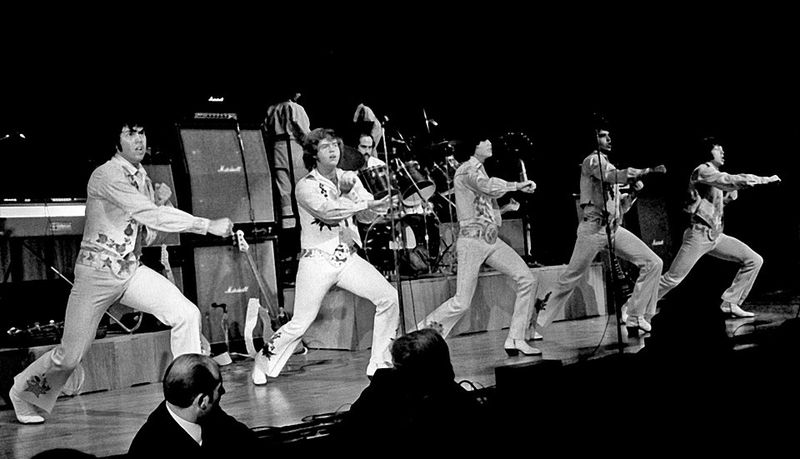
The Osmonds blended harmony stacks with gleaming showmanship, scaling from TV favorites to arena dominators. Alan, Merrill, Jay, Wayne, Donny, and Jimmy moved as one, then broke formation to spotlight skill. Pop sugar met rock crunch in carefully balanced doses.
As trends shifted, they adjusted, keeping precision as the compass. Tight parts, tight smiles, and tighter grooves anchored longevity. The family engine made reinvention a group habit.
What could have been a teen idol footnote instead became a decades long chapter. Craft met discipline, and spectacle met sincerity. The Osmonds’ sibling synergy turned a brand into a band with real staying power.
The Black Crowes
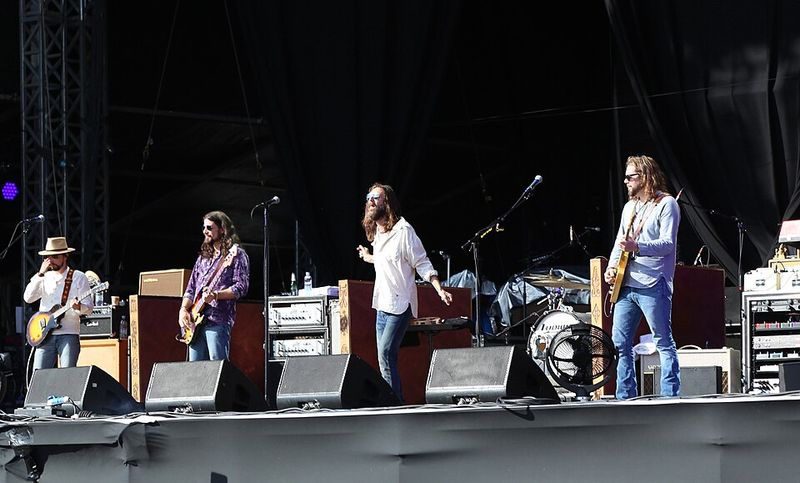
Chris and Rich Robinson collided blues grit with ragged beauty, reviving a barroom spirit at arena scale. Shake Your Money Maker strutted with swagger, while jangling acoustics softened the edges. Brotherly friction colored every chorus and guitar break.
The live show felt like a sermon and a brawl, often in the same verse. Voices rasped, strings barked, and grooves sprawled with purpose. Tension did not derail the band, it powered the wheels.
Across splits and reunions, their chemistry kept pulling songs into focus. Soul influences darkened the shine, country dust warmed the corners. The Black Crowes carried classic rock’s torch without turning it into museum glass.
Kings of Leon
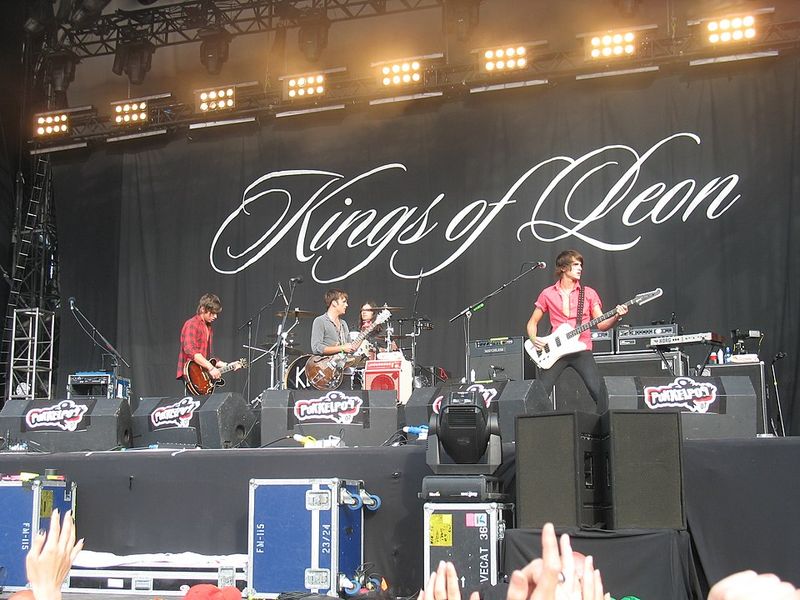
Caleb, Nathan, and Jared Followill shaped a family code into taut, nervy rock. Early records twitched with garage grit, then widened into widescreen hooks. Southern twang lingered like smoke over neon.
Use Somebody and Sex on Fire brought a global chorus to small town roots. The rhythm section carried muscle and restraint, letting melodies climb. Sibling rapport made tight turns feel easy.
Fame’s heat tested tempers, but songs stayed centered on pulse and release. The band learned to stretch without snapping. Kings of Leon grew up publicly, and the bloodline helped keep the frame steady.
Haim

Este, Danielle, and Alana Haim treat a stage like a family living room with better monitors. Instruments rotate, harmonies snap into place, and grooves sit deep with Californian ease. Pop polish meets guitar bite, all in service of feel.
Their albums braid rock, R and B, and songwriter intimacy without crowding the lanes. Space becomes rhythm, and rhythm becomes hook. Chemistry makes minimal parts feel complete.
On the road and in sessions, unspoken cues steer dynamics with precision. The result is modern, warm, and unafraid of quiet. Haim’s sisterhood turns craft into conversation the audience can join.
INXS

The Farriss brothers gave INXS a spine of rhythm and hooks, sleek enough to slide across radio dials worldwide. Andrew stitched keys and guitar into nimble frameworks, Jon and Tim locked motion with snap and flair. The foundation let melodies swagger and sway.
Need You Tonight and New Sensation rode that lattice with feline confidence. Even as styles shifted, the pulse stayed aerodynamic and lean. Family cohesion made tight corners smooth at speed.
Beyond singles, albums carried a designer’s attention to texture and space. The band felt cosmopolitan without losing sweat. INXS proved that a sibling engine can drive elegance and heat at once.
Share this story