Cortina d’Ampezzo sits high in Italy’s Dolomite Mountains, blending alpine charm with a touch of Italian glamour. This storied resort town hosted the 1956 Winter Olympics and will welcome the world again in 2026 as a co-host city.
Whether you crave dramatic peaks, wartime history, or simply a beautiful pedestrian street lined with cafes, Cortina delivers year-round adventure and culture in equal measure.
1. Walk Corso Italia (the town’s main pedestrian drag)
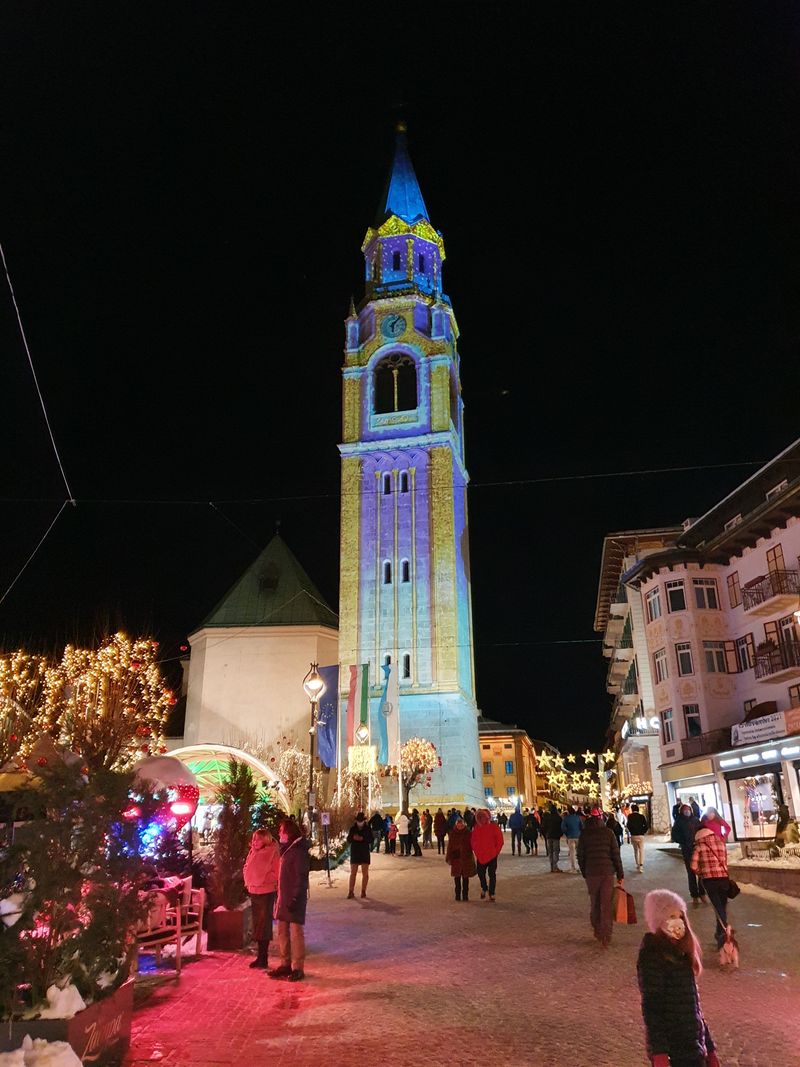
Corso Italia runs straight through the heart of Cortina, offering a relaxed stroll past boutiques, gelaterias, and outdoor-gear shops. You’ll spot locals sipping espresso at sidewalk tables and tourists window-shopping for everything from designer ski jackets to handmade wooden carvings.
The vibe is famously cosmopolitan yet cozy—think Italian elegance meeting mountain practicality. It’s the perfect spot to people-watch, grab lunch, or simply soak up the festive buzz that defines this alpine resort.
2. Skate at the historic Olympic Ice Stadium
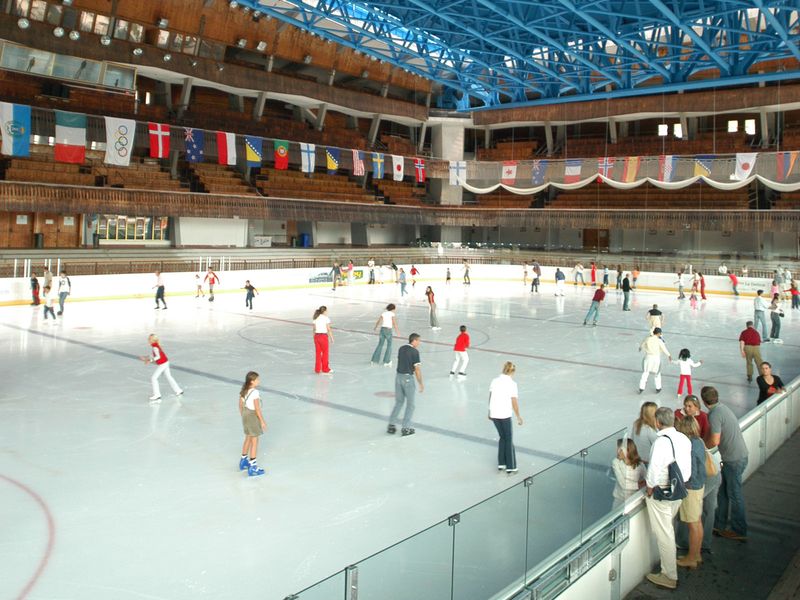
Built for the 1956 Winter Games, the Stadio Olimpico del Ghiaccio remains a living piece of Olympic history. Public skating sessions let visitors glide across the same ice where legends once competed, though schedules shift with the season.
The rink’s classic architecture and mountain setting create an unforgettable backdrop. Whether you’re a confident skater or a wobbly beginner, stepping onto this ice connects you to decades of winter-sports tradition in one of Europe’s most celebrated resort towns.
3. Ride the Tofana Freccia nel Cielo for huge Dolomite views
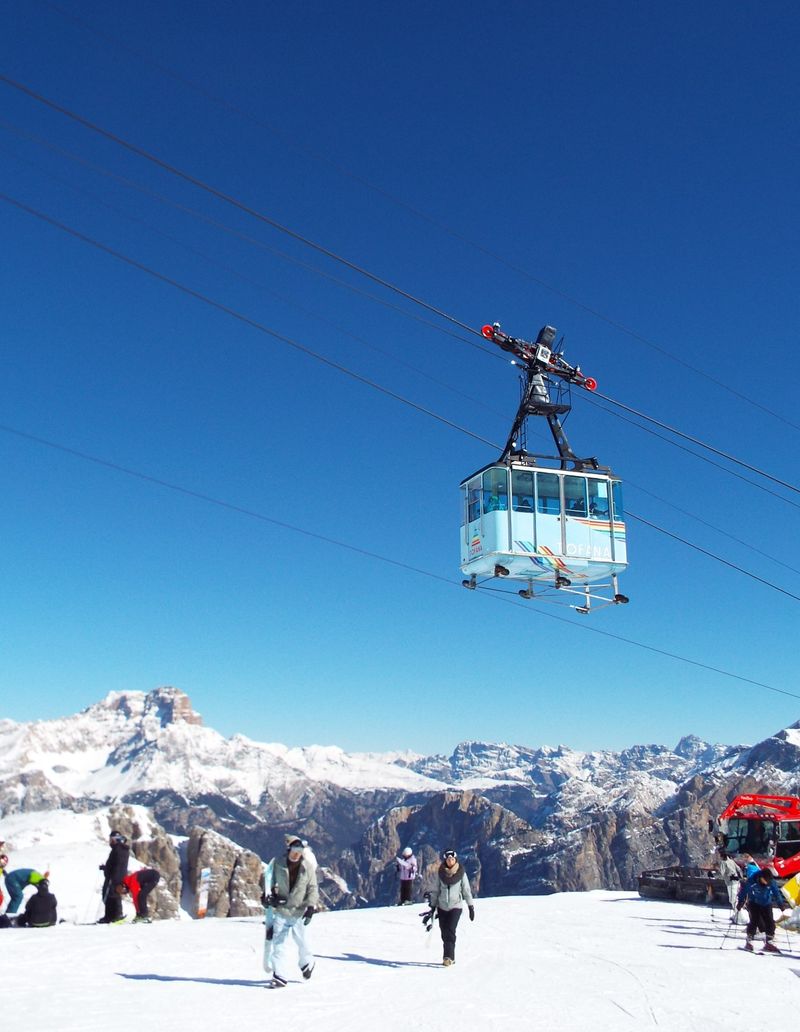
Freccia nel Cielo translates to “Arrow in the Sky,” and this lift lives up to the name by whisking riders high onto the Tofana massif. Panoramas stretch across jagged peaks, alpine meadows, and the valley floor far below.
For the 2025/26 season, it opens December 5 and runs until April 12, but closes January 27 through March 15 for Olympic and Paralympic events. Plan around those dates to catch one of Cortina’s most iconic lift experiences and unforgettable Dolomite vistas.
4. Take the Faloria cable car straight from town
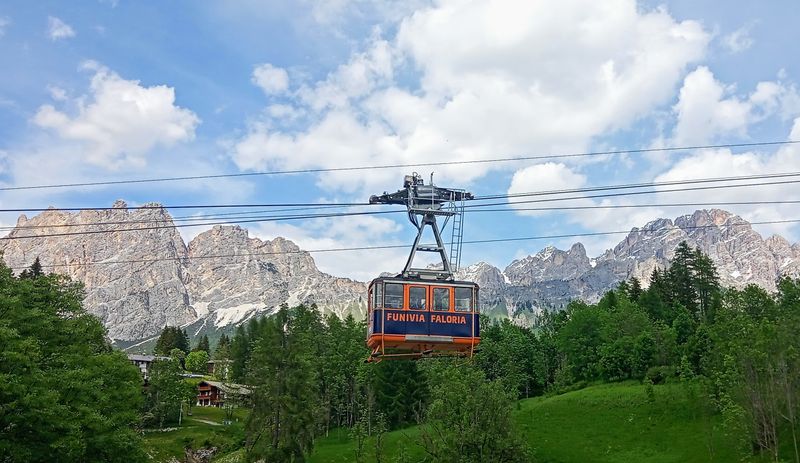
Starting right in Cortina’s center, the Faloria cable car climbs swiftly to high-altitude terrain without requiring a car or shuttle. Within minutes you trade cobblestone streets for sweeping views of the Ampezzo valley and surrounding ridges.
It’s an ideal option for families, photographers, or anyone craving quick access to alpine scenery. The upper station opens onto trails, restaurants, and observation points, making it easy to spend a few hours exploring or simply enjoying lunch with a panorama that feels like a postcard come to life.
5. Use the Cortina Skyline gondola to hop between ski areas
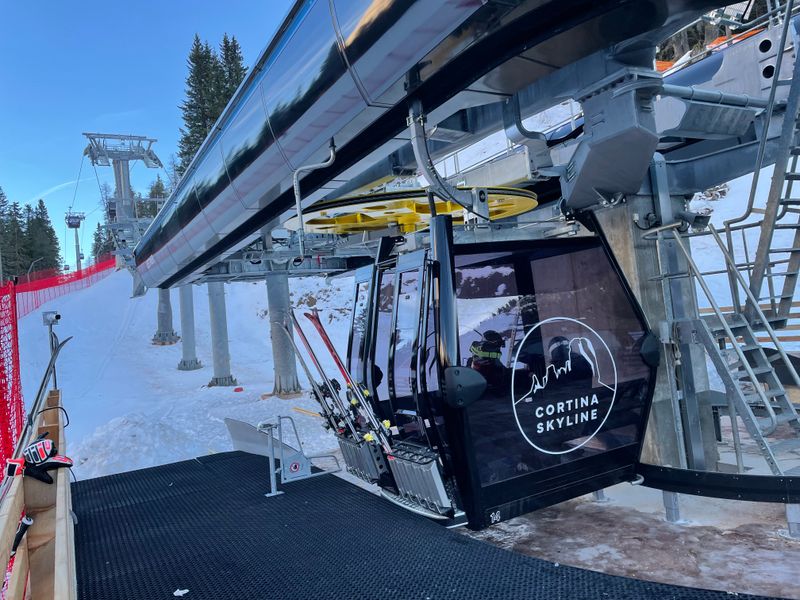
Opened in 2021, the Cortina Skyline gondola bridges the Tofane slopes with the 5 Torri zone, eliminating the need to drive or shuttle between two of Cortina’s signature ski areas. It’s a smooth, scenic link that keeps you in the mountains all day.
Winter 2025/26 operating dates are published on the operator’s site, so check ahead if you’re planning a multi-area ski tour. Even non-skiers enjoy the ride for its sweeping views and the convenience of exploring different valleys without backtracking through town.
6. Visit Cinque Torri (Five Towers) for hiking, snowshoeing, and climbing scenery
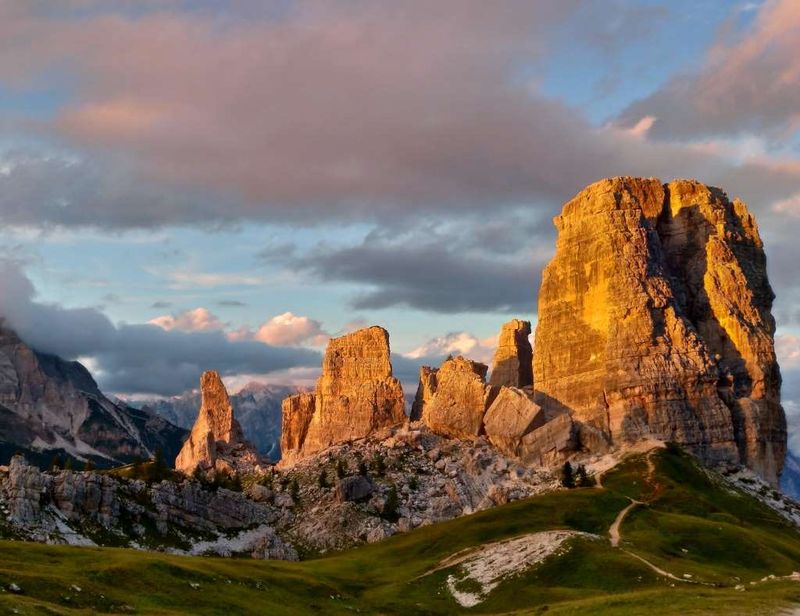
Five jagged rock spires rise from a high plateau, creating one of the Dolomites’ most recognizable silhouettes. Cinque Torri draws hikers in summer, snowshoers in winter, and climbers year-round, all captivated by the dramatic stone pillars and surrounding meadows.
Trails wind between the towers, offering close-up views and photo opportunities at every turn. Conditions vary by season, so check local reports before heading out.
Whether you’re after a gentle walk or a more challenging scramble, this landscape delivers natural beauty that feels both wild and accessible.
7. Step into WWI history at the Cinque Torri open-air museum
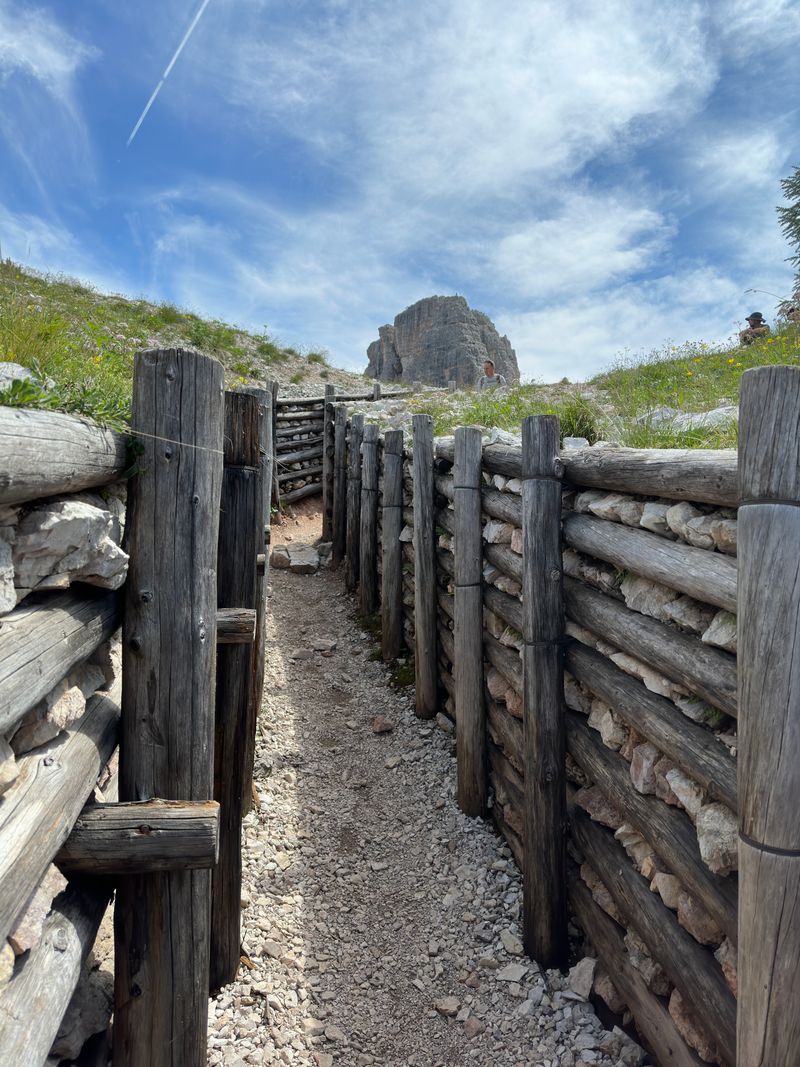
Trenches, tunnels, and wartime shelters remain preserved across the Cinque Torri plateau, offering a haunting glimpse into the mountain warfare of World War I. The open-air museum lets visitors walk through reconstructed positions where Italian and Austro-Hungarian forces faced off in brutal alpine conditions.
Reach the site via the 5 Torri chairlift, then follow marked paths among the ruins. Interpretive signs explain the history, and the setting itself—stone towers looming overhead—adds a powerful sense of place to the stories of soldiers who endured winters at altitude.
8. Ride the Lagazuoi cable car for one of the best viewpoints in the Dolomites
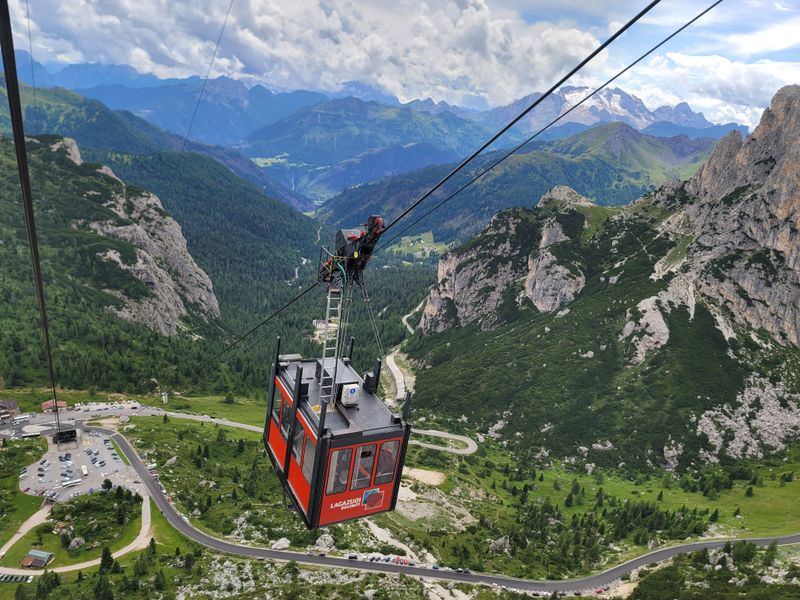
Lagazuoi’s summit station perches at over 2,700 meters, delivering a 360-degree panorama that rivals any viewpoint in the Alps. On a clear day you’ll see wave after wave of limestone peaks stretching to the horizon, each ridge catching the light in shades of gray, gold, and rose.
The cable car publishes seasonal schedules—including Winter 2025/26 details—so confirm operating dates before you visit. Once at the top, a short walk or rifugio lunch lets you linger and absorb one of the Dolomites’ most celebrated vistas.
9. Do the Great War / Lagazuoi–5 Torri circuit (winter or summer style)
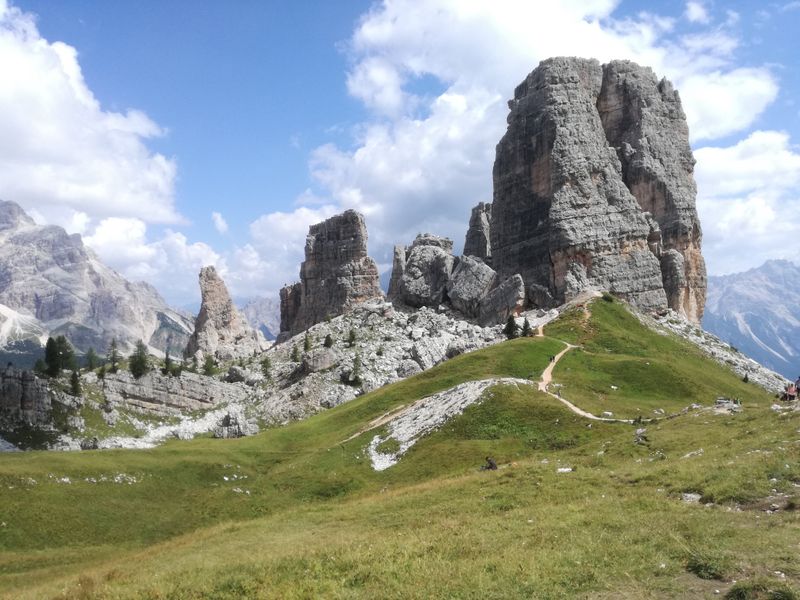
This multi-stage route connects Lagazuoi, 5 Torri, and Passo Giau via a network of lifts, trails, and historic sites tied to World War I. You can tackle it as a full-day hike in summer or a ski/snowshoe tour in winter, depending on conditions and your comfort level.
Official area websites list lift schedules and timetable context, so plan ahead to coordinate connections. The circuit rewards effort with sweeping views, open-air museums, and a real sense of traversing the high Dolomites on a route steeped in both natural beauty and human history.
10. Cross-country ski at Fiames Sport Nordic Center
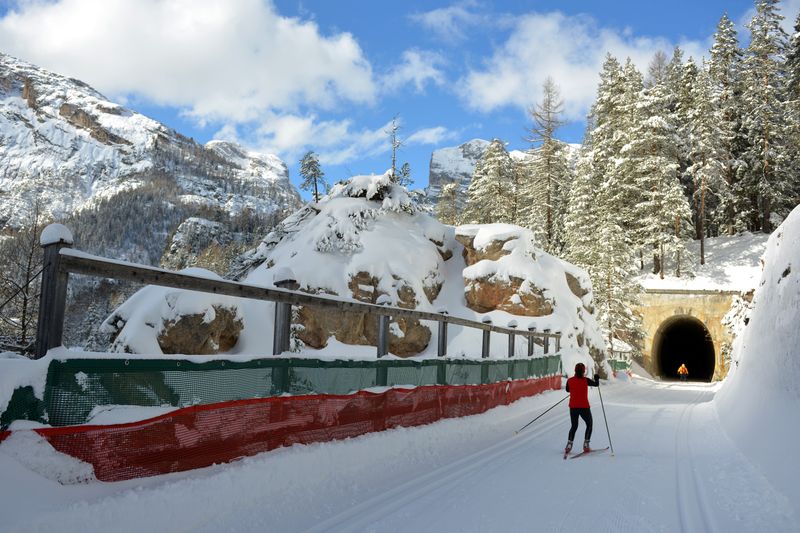
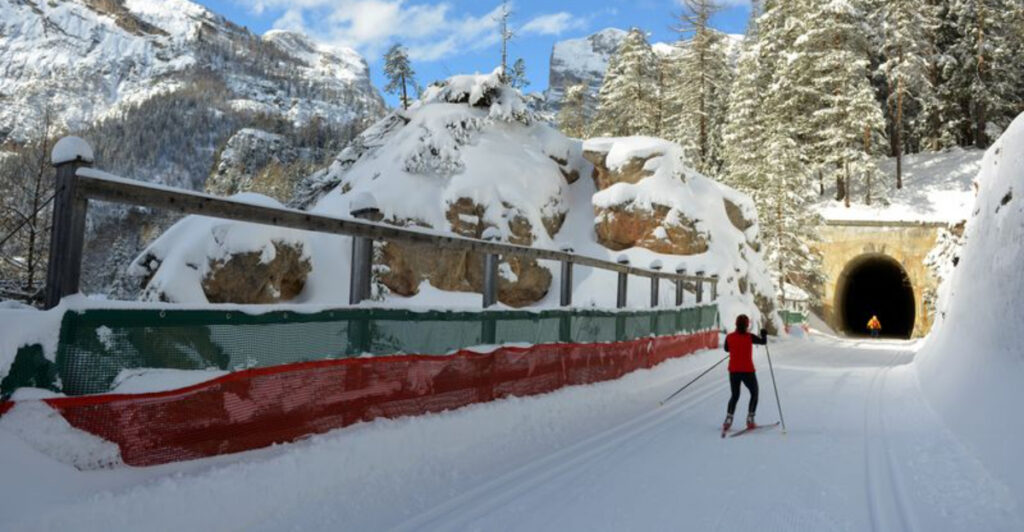
Fiames serves as Cortina’s dedicated cross-country hub, with groomed loops threading through the Natural Park’s forests and meadows. Beginners appreciate the gentle terrain, while experienced skiers can log serious kilometers on longer circuits.
Snow conditions and center operations vary by season, so check ahead if you’re planning a specific date. The setting feels quieter than the downhill slopes, offering a meditative rhythm and close-up views of the valley’s natural side.
Rentals and lessons are typically available on-site for those new to Nordic skiing.
11. Explore the Natural Park of the Ampezzo Dolomites
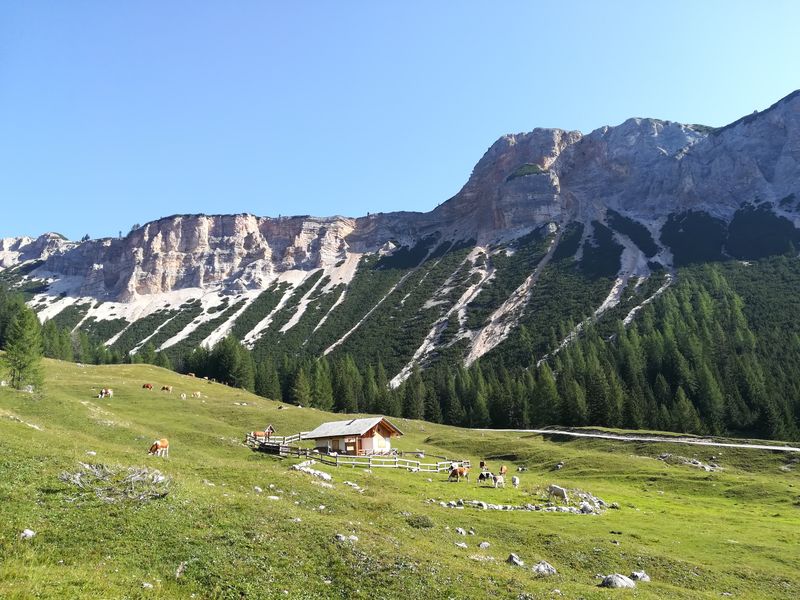
Managed locally, this protected area wraps around Cortina and safeguards forests, wetlands, and alpine meadows that define the valley’s ecological identity. Trails range from easy riverside walks to more demanding ridge hikes, all within a short drive or even a bike ride from town.
Wildlife sightings—deer, chamois, and a variety of birds—are common, especially in quieter morning hours. The park offers a welcome contrast to the busier ski zones, giving visitors a chance to experience the Dolomites’ gentler, more contemplative side without venturing far from Cortina’s amenities.
12. Hike to Lago di Sorapis (summer/fall) from Passo Tre Croci
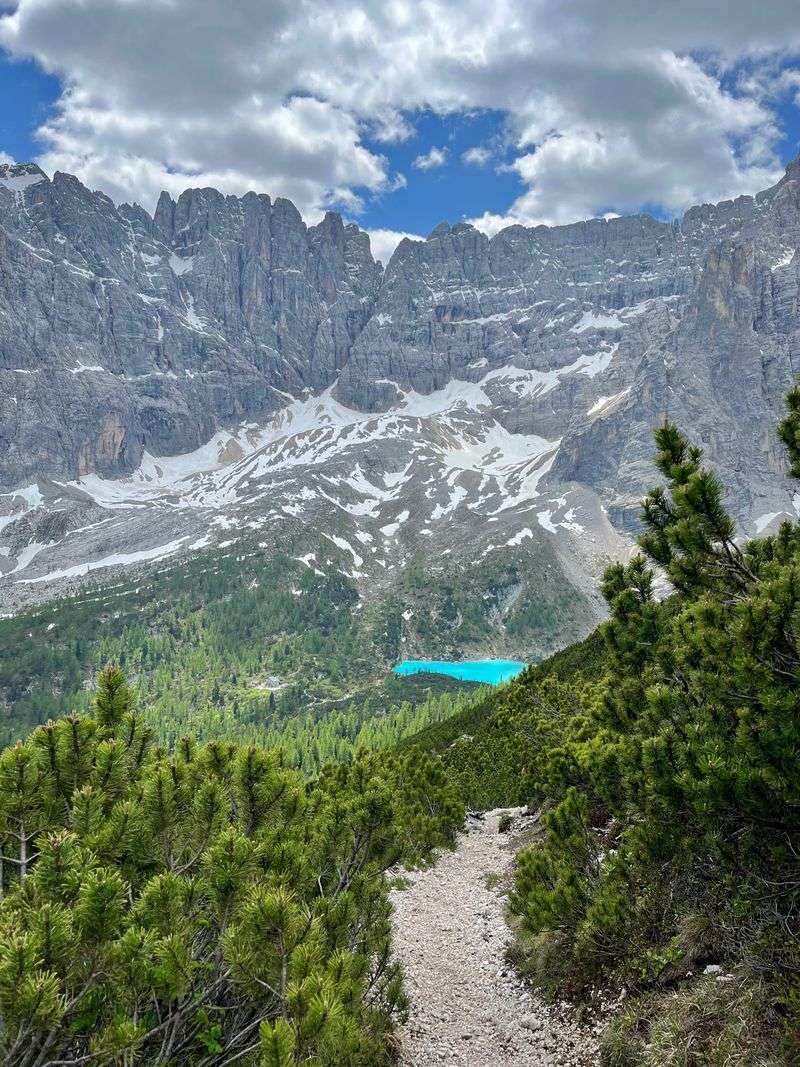
Trail 215 departs from Passo Tre Croci and winds upward through forest and rock before revealing Lago di Sorapis, a glacial lake famous for its vivid turquoise water. The color comes from glacial flour suspended in the meltwater, creating a hue that photographs can barely capture.
Plan for a few hours round-trip and wear sturdy shoes—sections can be steep and exposed. Summer and early fall offer the best conditions, with snowmelt feeding the lake and trails mostly clear.
It’s one of Cortina’s standout day hikes, rewarding effort with scenery that feels almost otherworldly.
13. Go to Passo Giau for classic Dolomites postcard views
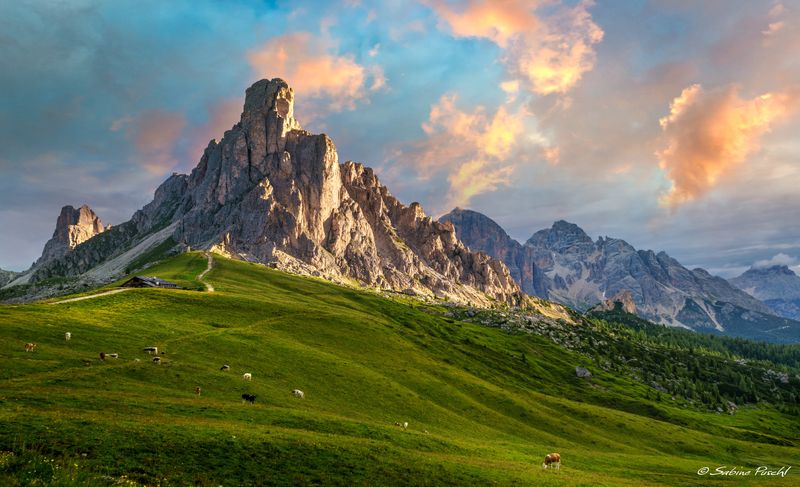
Wide meadows, a ring of limestone peaks, and a winding road that begs to be photographed—Passo Giau delivers the quintessential Dolomite scene. Sunrise and sunset paint the rock faces in warm tones, making early or late visits especially rewarding.
Short walks from the parking area lead to even better vantage points, and cyclists love the climb for its steady grade and payoff views. Whether you stop for ten minutes or spend an hour exploring, Giau offers an easy win for anyone seeking that iconic alpine postcard shot without a long hike.
14. Bike the Lunga Via delle Dolomiti (old railway route) toward Cimabanche
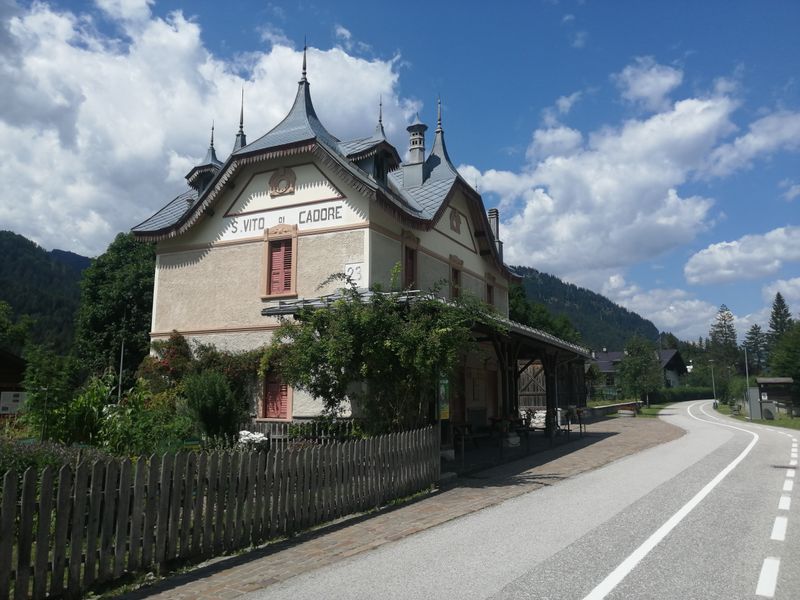
Following the bed of a former railway line, this bike path rolls gently north from Cortina through valleys and forests, offering a scenic, low-stress ride suitable for families and casual cyclists. The route traces history while delivering mountain views without the steep climbs of most Dolomite roads.
Cimabanche marks a natural turnaround or rest stop, where you can grab a snack before heading back. It’s one of the area’s most approachable bike outings, combining natural beauty, cultural heritage, and the simple pleasure of pedaling through quiet alpine scenery at your own pace.
15. Do two quick culture stops in the center: the Basilica and Regole museums
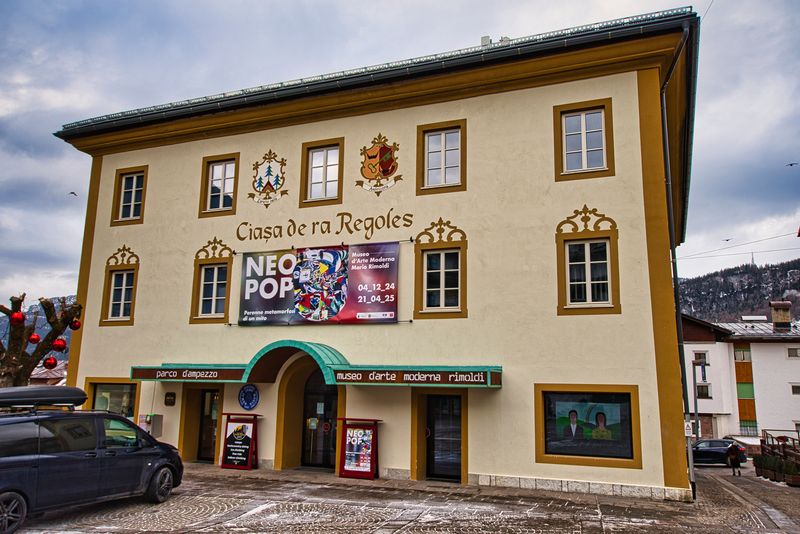
Basilica Minore dei Santi Filippo e Giacomo anchors Cortina’s town center with its bell tower and frescoed interior, offering a quiet moment of reflection amid the resort buzz. A few blocks away, the Regole d’Ampezzo museums—Mario Rimoldi Modern Art Museum and the Ethnographic Museum—dive into local art and mountain traditions.
Both are compact, making them ideal for a short cultural interlude between outdoor adventures. Together they reveal layers of Cortina’s identity beyond skiing: faith, artistic heritage, and the unique governance system that has shaped the valley for centuries.
Share this story