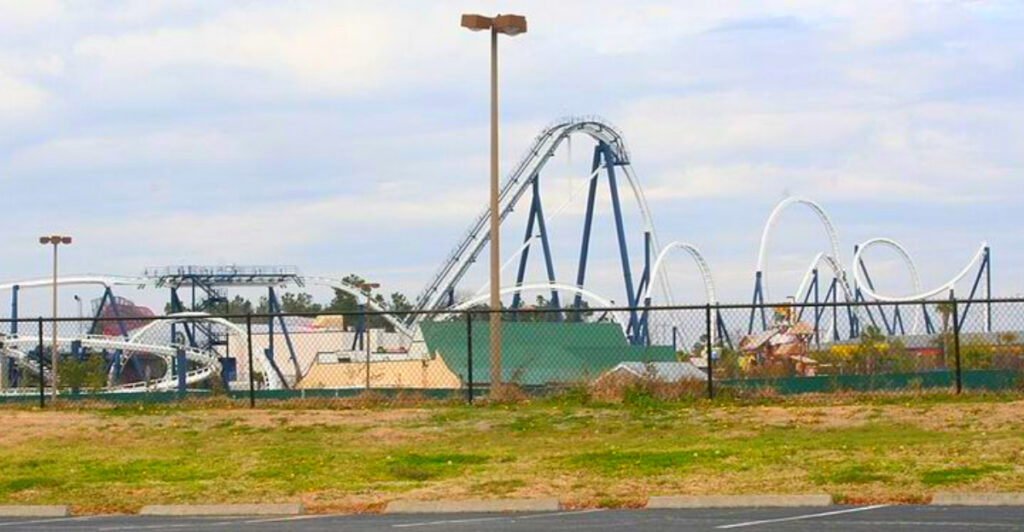
Some amusement parks do not just disappear, they linger in memory like the echo of a roller coaster cresting its final hill. These once beloved destinations shaped summers, first dates, and family traditions across the country.
You can almost smell the cotton candy and hear the click of lift chains if you close your eyes. Let’s revisit 10 legendary parks Americans loved, each now gone but never forgotten.
1. Joyland Amusement Park (Wichita, Kansas)
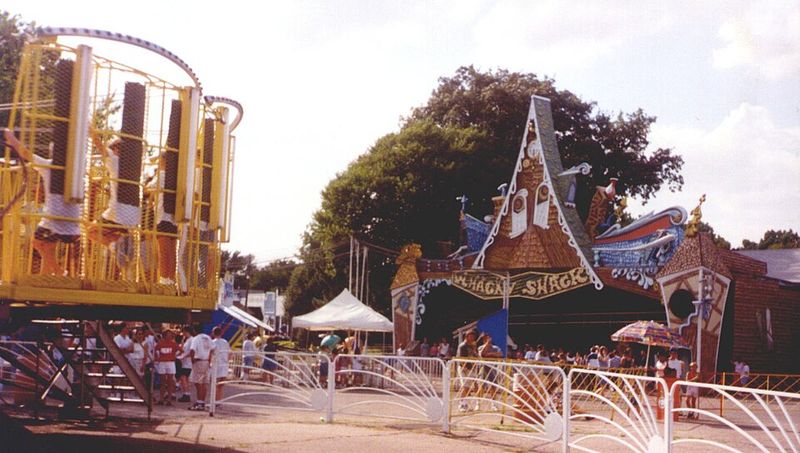
Joyland was the place where summer felt endless, and the carousel music seemed to follow you home. Central Kansas’ largest theme park grew from humble roots in 1949 into a beloved mid century destination, mixing wooden coasters, a classic dark ride, and that unforgettable Wurlitzer organ.
You remember the tilt a whirl spins, the creak of boards underfoot, and the way the lights flickered on at dusk like fireflies.
By the 1990s, rising costs and aging rides made every season a challenge. Attendance slipped, maintenance mounted, and closures stretched longer.
After sporadic reopenings, 2006 marked the end, with the iconic clown at the organ becoming a bittersweet symbol.
For Wichita locals, Joyland was not just rides but rites of passage, where first roller coaster fears turned into bragging rights. Photographs are all that remain, yet the soundtrack lives on in memory.
2. Whalom Park (Lunenburg, Massachusetts)
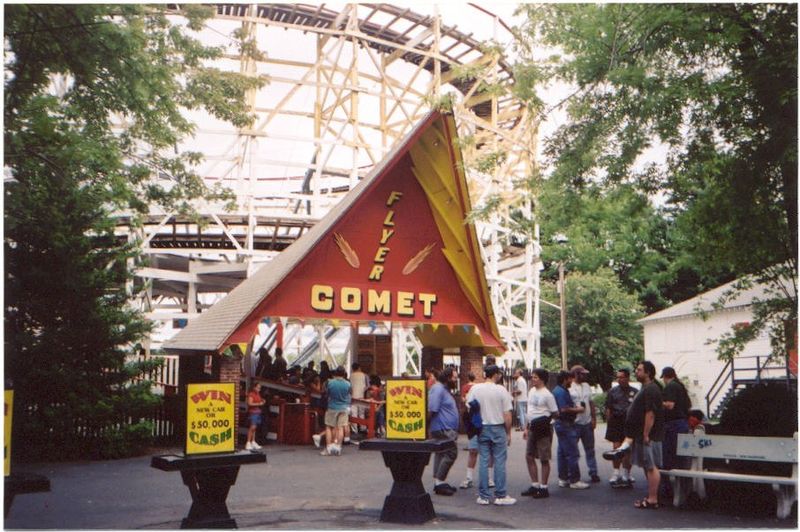
Set beside Lake Whalom, this Massachusetts treasure carried generations from 1893 through a final bow in 2000. The Comet coaster rattled with character, its white latticework carving against blue sky while the lake breeze cooled summer afternoons.
You could grab saltwater taffy, watch the lights ripple on the water, and feel time slow to the rhythm of an old trolley park.
Whalom endured fires, storms, and changing tastes, reinventing itself through dance halls and rides that bridged centuries. But suburban sprawl, bigger regional parks, and modernization costs crowded its margins.
When the gates closed, it felt like a family album snapped shut mid page.
Locals still trade stories about first dates, seasonal jobs, and the Comet’s final plunge. Even without tracks, the shoreline seems to hum with echoes.
Whalom’s legacy is proof that charm and community can rival the flashiest thrill rides.
3. Freestyle Music Park (Myrtle Beach, SC)
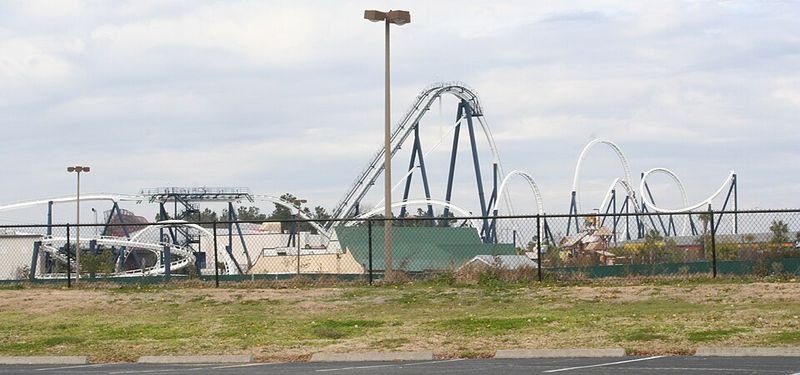
Freestyle Music Park opened with high hopes and a backbeat, inheriting the bones of the short lived Hard Rock Park. Imagine coasters choreographed to riffs, theatrical stage sets, and references to every genre from classic rock to pop anthems.
You could stroll past oversized instruments, then strap in for a looping chorus of adrenaline.
But the mood shifted quickly when finances fell out of tune. Licensing, construction costs, and a crowded Myrtle Beach market strained the budget.
After a brief burst of applause, 2009 closed the curtain.
For visitors, the park was a catchy single that never became an album. The ideas were bold, the theming specific, and the timing unlucky.
When you hear a summer anthem, it is easy to picture those bright pathways and wonder how the encore might have sounded if the amplifiers had stayed on.
4. Chippewa Lake Park (Ohio)
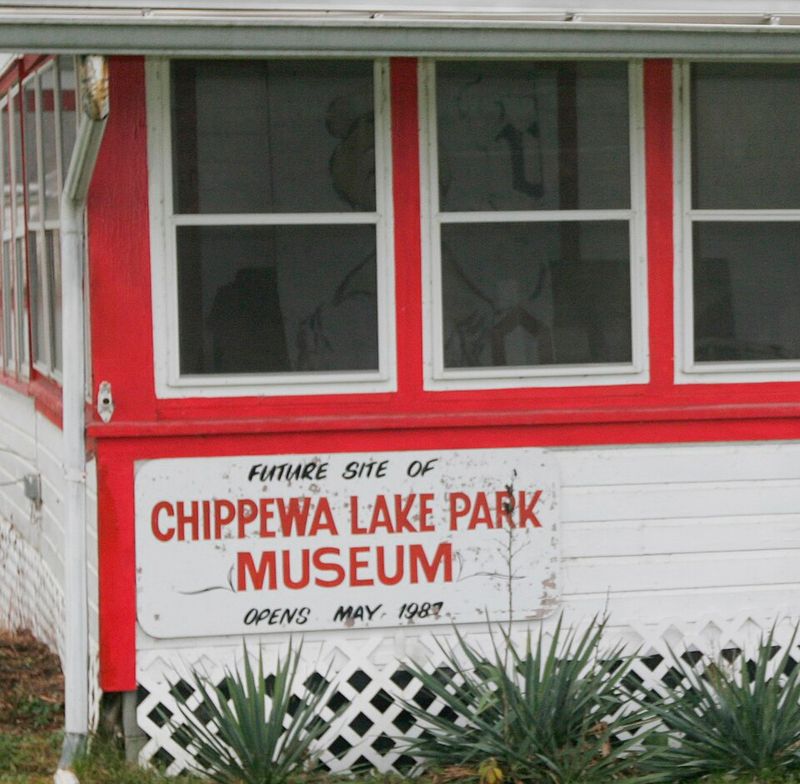
Chippewa Lake Park carried a lineage dating to 1878, when picnic groves and dance pavilions defined a day’s entertainment. Over time, wooden coasters and a lakeside midway filled with laughter, fireworks, and the swing of brass band music.
You can picture the pier lights twinkling as rowboats nudged the shoreline.
When it closed in 1978, the rides did not leave. They lingered in silence, swallowed slowly by vines and seasons.
Photographers found poetry in peeling paint, while locals told stories of ghost trains and the last ring toss.
Decades of abandonment turned the park into a time capsule of American leisure. Even as redevelopment plans emerged, the haunting images endured.
If you ever wandered those paths, you remember the creak of wood under moss and a strange feeling that the park still waited for music to start again.
5. Santa’s Village (Scotts Valley, California)
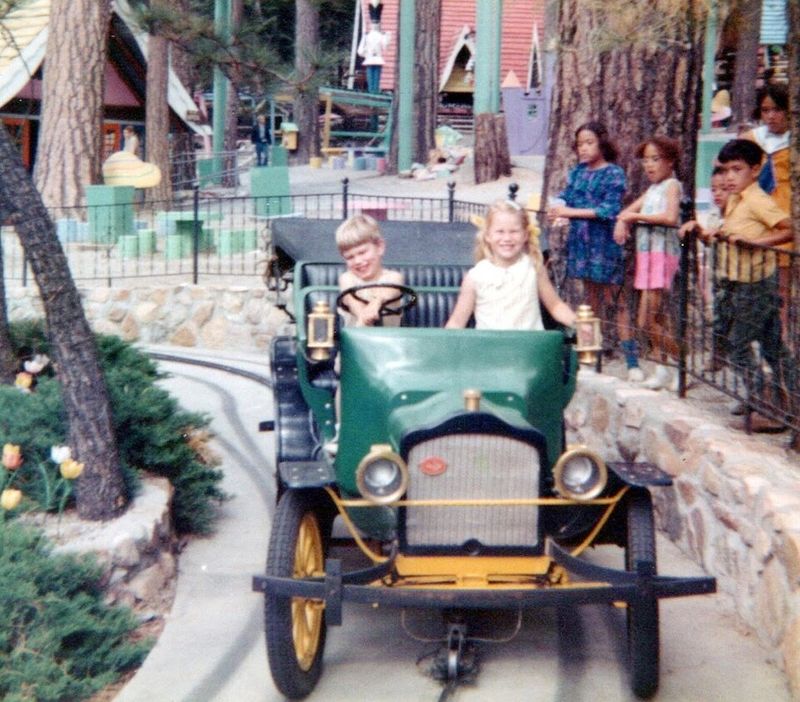
Santa’s Village brought December cheer to the California coast all year, opening in 1957 with peppermint striped whimsy tucked among redwoods. You could mail a letter at the North Pole post office, snack on gingerbread, and ride small attractions trimmed like toys.
It felt like stepping into a storybook that forgot the calendar.
The magic met reality as costs rose and tastes shifted. By 1979, the gates closed, leaving candy canes fading under sun and fog.
Locals still remember the smell of pine mixing with cinnamon and the squeal of children spotting Santa.
What made it special was sincerity, not spectacle. The park believed in simple moments and decorations that made everyday life sparkle.
When you drive Highway 17 today, it is easy to imagine snowflakes drifting through redwood shade and a train chugging past gumdrop cottages one more time.
6. Geauga Lake (Aurora, Ohio)
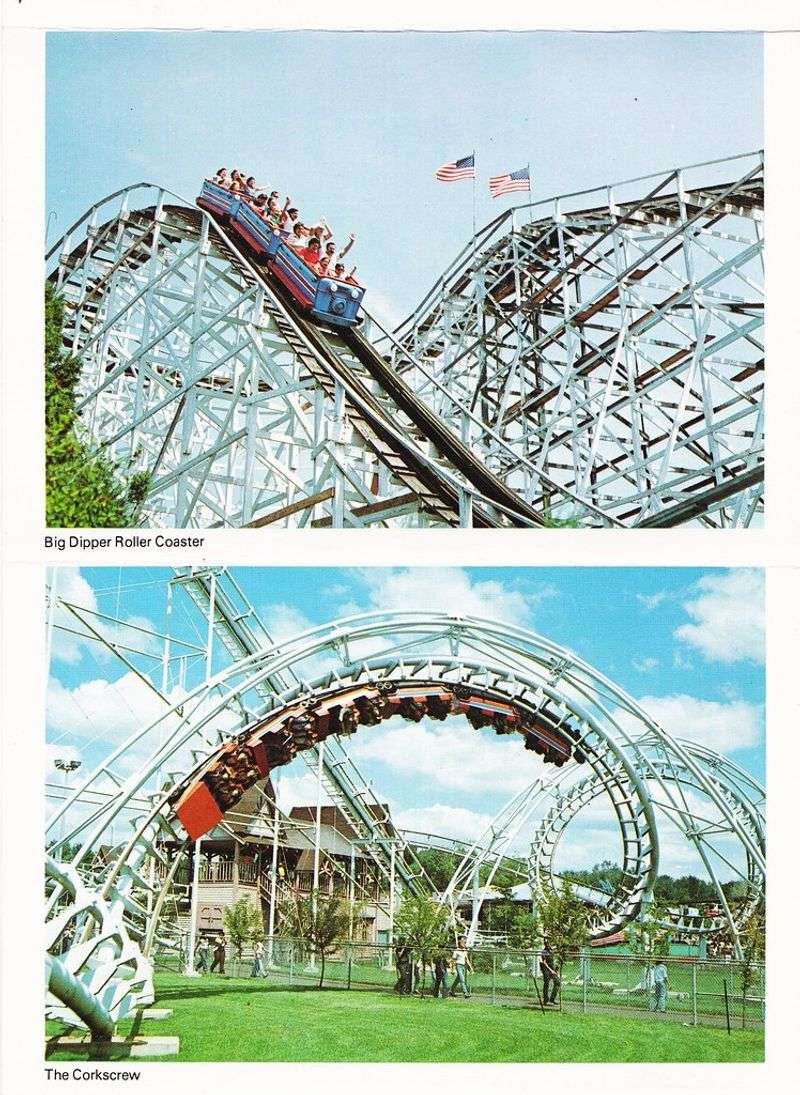
Geauga Lake traced its origins to the 19th century, a lakeside escape that grew into a heavyweight of Midwest thrills. You could watch new steel giants rise beside old carousels, hear the slap of water against docks, and feel the park’s layered history in every queue.
Families returned for decades, stitching traditions around fireworks and funnel cakes.
Corporate handoffs and shifting strategies turned momentum into uncertainty. Competing parks siphoned attention while operations split between rides and the adjacent water park.
In the 2000s, attendance slipped and the final season arrived.
The land transformed, but memories persist like ripples across the lake. If you rode Big Dipper or gazed across the water at dusk, you know why Geauga Lake mattered.
It proved that nostalgia and innovation can coexist, at least for a while, before economics change the storyline.
7. Dogpatch USA (Arkansas)
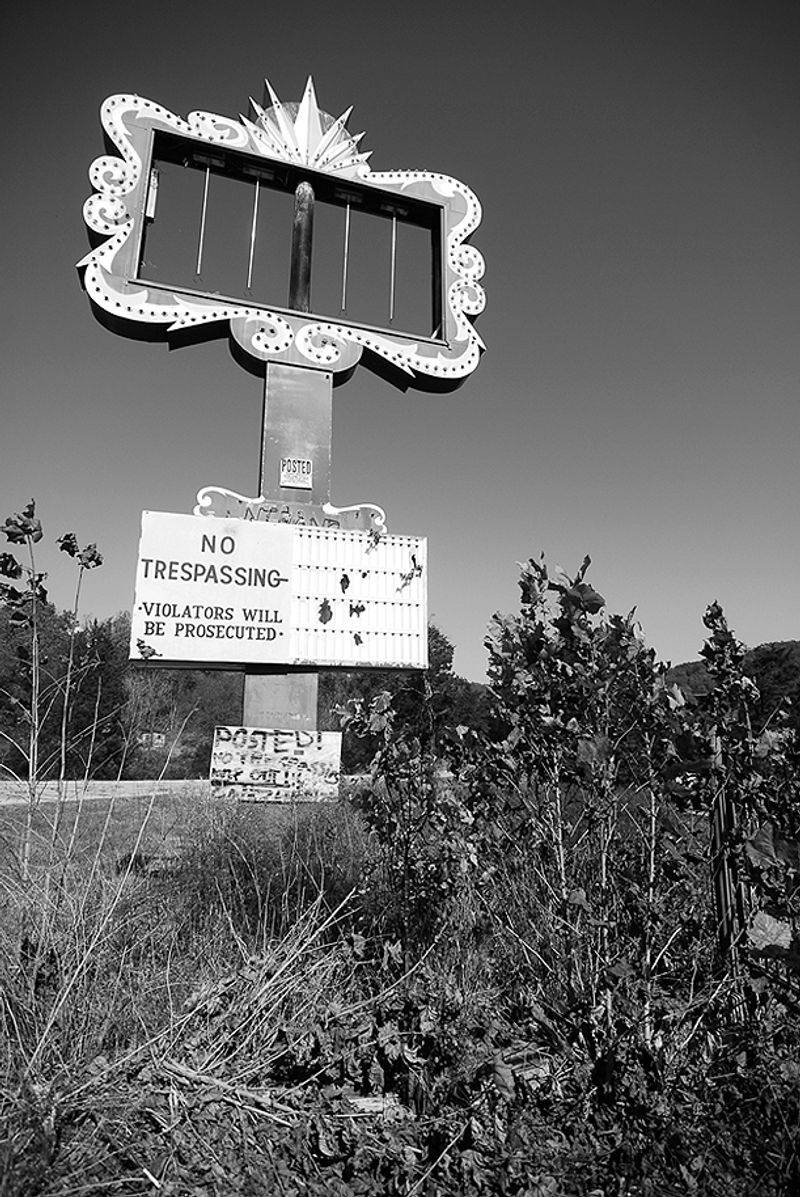
Dogpatch USA brought Li’l Abner’s world to life in the Ozarks, with rustic storefronts, jug band humor, and scenery so green it looked painted. You could ride a homemade style coaster, meet comic characters, and wander past trout pools and waterfalls.
It was quirky, proud of it, and fun in a front porch way.
Opened in 1968, the park battled distance, seasonal swings, and the cost of keeping a niche theme fresh. By 1993, the lights dimmed, leaving buildings to weather and legends to grow.
Photographers and explorers later found a melancholic charm among the shuttered facades.
For families, Dogpatch was proof that personality can outshine polish. The jokes were corny, the scenery spectacular, and the hospitality genuine.
When you think of it now, you hear fiddles, taste kettle corn, and see Ozark mist rising beyond the old mill wheel.
8. Dinosaur World (John Agar’s Land of Kong and Farwell’s Dinosaur Park, Beaver, Arkansas)
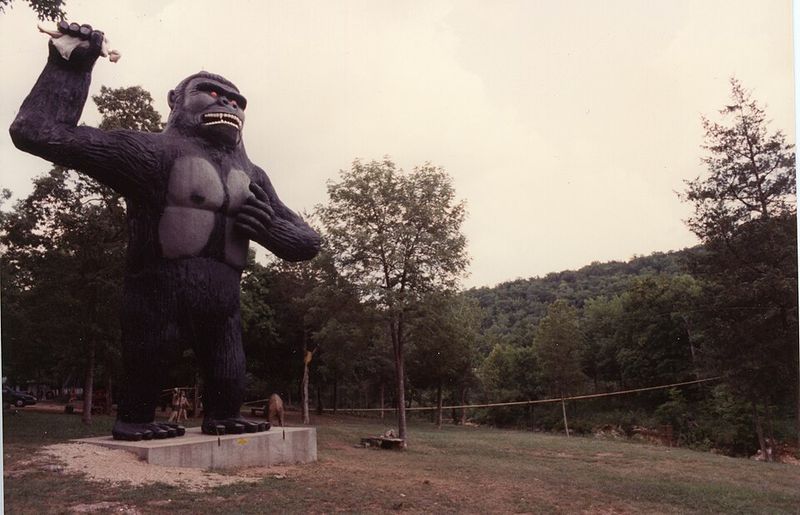
Dinosaur World in Beaver filled a hillside with towering concrete sauropods, toothy tyrannosaurs, and a roadside sense of wonder. You could walk beneath giant jaws, pose by a brontosaurus, and feel that perfect mix of kitsch and awe.
The Ozark backdrop made every snapshot look like a lost world.
Opening in 1967, it survived on whimsy and road trip curiosity more than high tech thrills. Maintenance on massive sculptures proved tough, and by 2005 the park bowed out.
The statues lingered in various states, attracting urban legends and nostalgia tours.
What sticks is the simple promise: see dinosaurs, smile big, repeat. Kids left believing footprints could still press into the red dirt.
If you ever pulled off the highway there, you remember sun baked concrete, cicada buzz, and the feeling that imagination built something larger than life for everyone.
9. Beverly Park (Los Angeles, California)
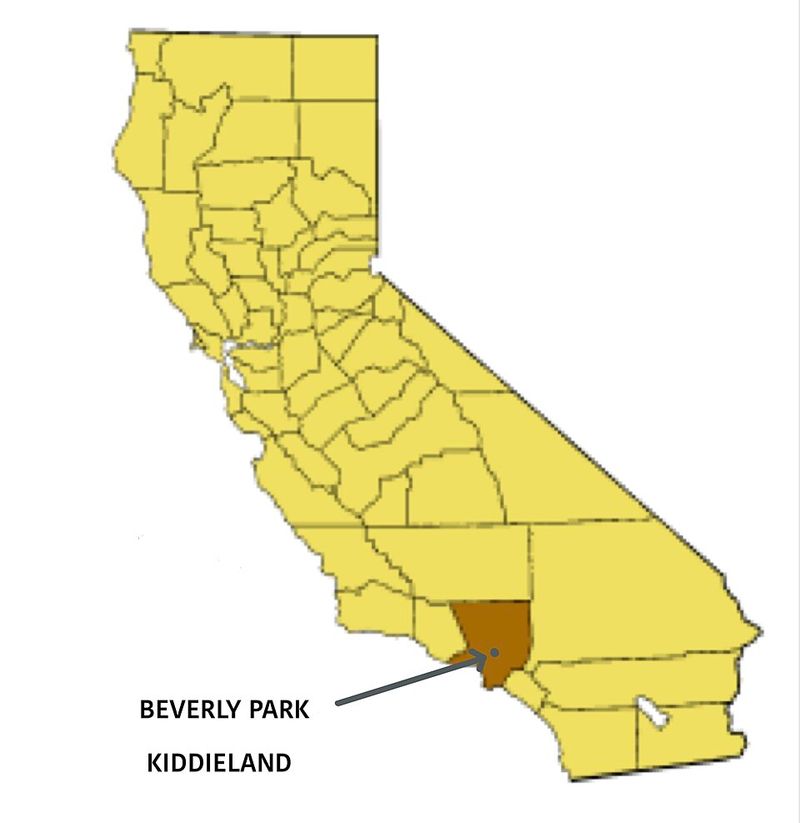
Beverly Park, affectionately called Kiddieland, sat quietly in Los Angeles but hosted the city’s biggest little smiles. From 1943 to 1974, it offered pint sized rides, pastel cars, and birthday parties that felt cinematic.
You could spot future stars in stroller lines and hear laughter echo under palm fronds.
The park’s magic was intimacy, not intensity. Rides spun just fast enough, cotton candy stuck to cheeks, and every operator knew regulars by name.
As development pressures grew, the land’s value eclipsed the carousel’s charm.
When Beverly Park closed, a chapter of Hollywood family life ended with it. Yet the blueprint for child focused spaces lived on in countless malls and mini parks.
If you ever rode the tiny train, you remember the warmth of California light and the way ordinary weekends felt like premieres.
10. Pirates World (Dania, Florida)
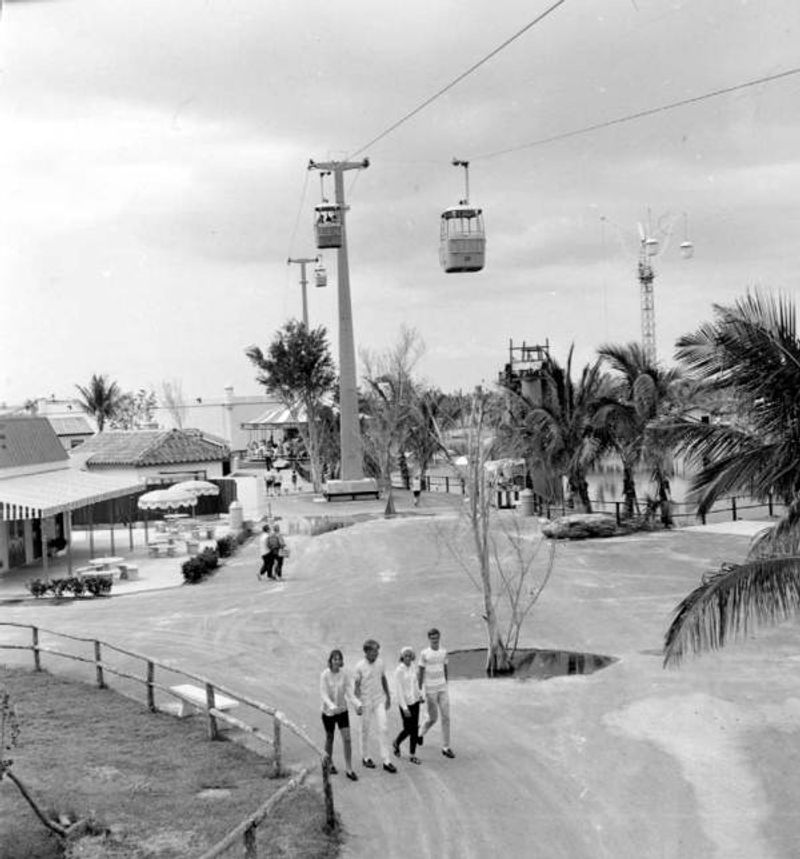
Pirates World sailed into Dania in 1967 with galleons, treasure maps, and swashbuckling shows that captured Florida’s imagination. You could duck into a fort, ride family attractions, and watch parrots squawk above palm shaded paths.
It felt like a seaside fairytale, half theme park, half tropical daydream.
Then Disney opened up the road and changed the gravity of Florida tourism. Attendance ebbed, and by the early 1970s the tide went out for good.
The pirate ships became memories, their cannons replaced by construction noise.
Still, Pirates World left a bright mark. Locals remember concerts, costume days, and the thrill of stepping into a story.
If you close your eyes, you can hear a drumroll, taste salt on the breeze, and picture a sunlit lagoon reflecting the flutter of Jolly Roger flags.
Share this story