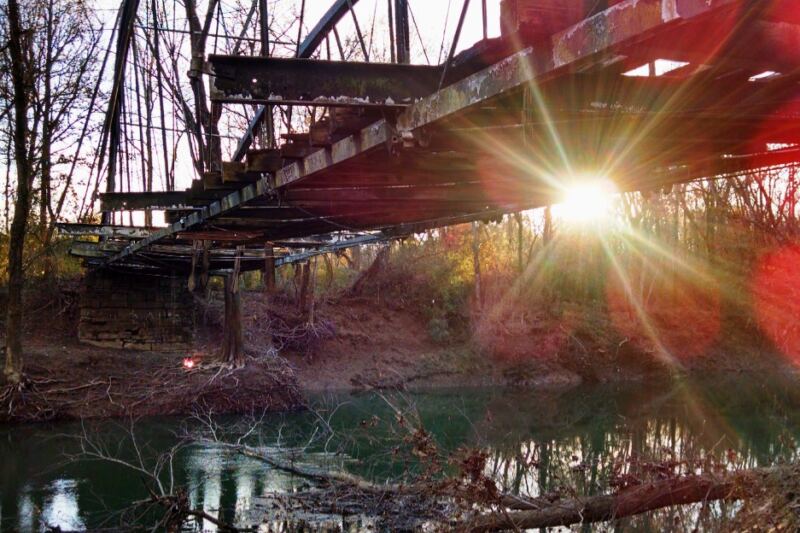
Hot Springs National Park sits tucked into the scenic Ouachita Mountains of Arkansas, where thermal waters have bubbled up from deep underground for thousands of years. This unique park blends historic architecture, natural hot springs, and outdoor adventure into one compact destination that welcomes millions of visitors each year.
Whether you want to soak in thermal baths like people did a century ago, hike mountain trails with sweeping views, or simply explore the charming bathhouses that line Central Avenue, this park offers something for everyone.
1. Stroll Bathhouse Row (and admire the architecture)

Walking along Bathhouse Row feels like stepping back in time to the golden age of American spa culture. Eight magnificent bathhouses stand shoulder to shoulder along Central Avenue, their facades showcasing Spanish Renaissance, Italian Renaissance, and other architectural styles from the early 1900s.
Even if you never plan to take a bath, the buildings themselves tell stories of an era when people traveled cross-country seeking healing waters.
The Row stretches less than a mile, making it an easy stroll for all ages. You can snap photos of ornate details like stained glass windows, terracotta roofing, and decorative stonework.
Many visitors say this walk is the heart of their Hot Springs experience, and it costs absolutely nothing to enjoy.
2. Tour the Fordyce Bathhouse Visitor Center & Museum (free)

Fordyce Bathhouse stands as the crown jewel of the Row, and stepping inside reveals why it earned that reputation. This beautifully restored building now serves as both the park visitor center and a fascinating museum that takes you through three floors of bathhouse history.
You can wander through rooms filled with vintage equipment, elegant stained glass, marble fountains, and original fixtures that wealthy guests once enjoyed.
The self-guided tour is completely free and takes about 45 minutes to an hour if you read all the exhibits. Rangers are available to answer questions and share stories about the heyday of thermal bathing.
Kids especially love seeing the old exercise equipment and imagining what a spa day looked like a hundred years ago.
3. Book a classic thermal-bathing ritual at Buckstaff Bathhouse

Buckstaff Bathhouse has operated continuously since 1912, making it one of the last places where you can experience old-school thermal bathing exactly as visitors did generations ago. The traditional bathing package includes soaking in thermal mineral water, a sitz bath, hot packs, and a needle shower that feels surprisingly invigorating.
Attendants guide you through each step of the ritual in private rooms, maintaining the formal atmosphere that defined spa culture a century back.
Reservations are strongly recommended, especially during peak seasons and weekends. The experience lasts about an hour and costs a reasonable fee compared to modern spas.
Many guests describe it as therapeutic and nostalgic, offering a genuine connection to the park’s healing-water heritage that you simply cannot find anywhere else today.
4. Soak in the thermal pools at Quapaw Baths & Spa

Quapaw Baths & Spa offers a more modern, social bathing experience compared to Buckstaff, with communal thermal pools where visitors can relax and chat. Four indoor pools range from warm to very hot, plus there are cold plunge pools to refresh between soaks.
The atmosphere feels casual and welcoming, perfect for families or friends who want to enjoy the thermal waters together rather than in private treatment rooms.
Beyond the pools, Quapaw also offers spa services like massages, facials, and body treatments if you want to upgrade your visit. No reservation is needed for the thermal pools, though spa services should be booked ahead.
Many visitors love spending a few hours here after hiking, letting the mineral-rich water ease tired muscles while enjoying the Art Deco tile work and relaxed vibe.
5. Visit the Display Springs + the Hot Water Cascade (the most photogenic thermal features)
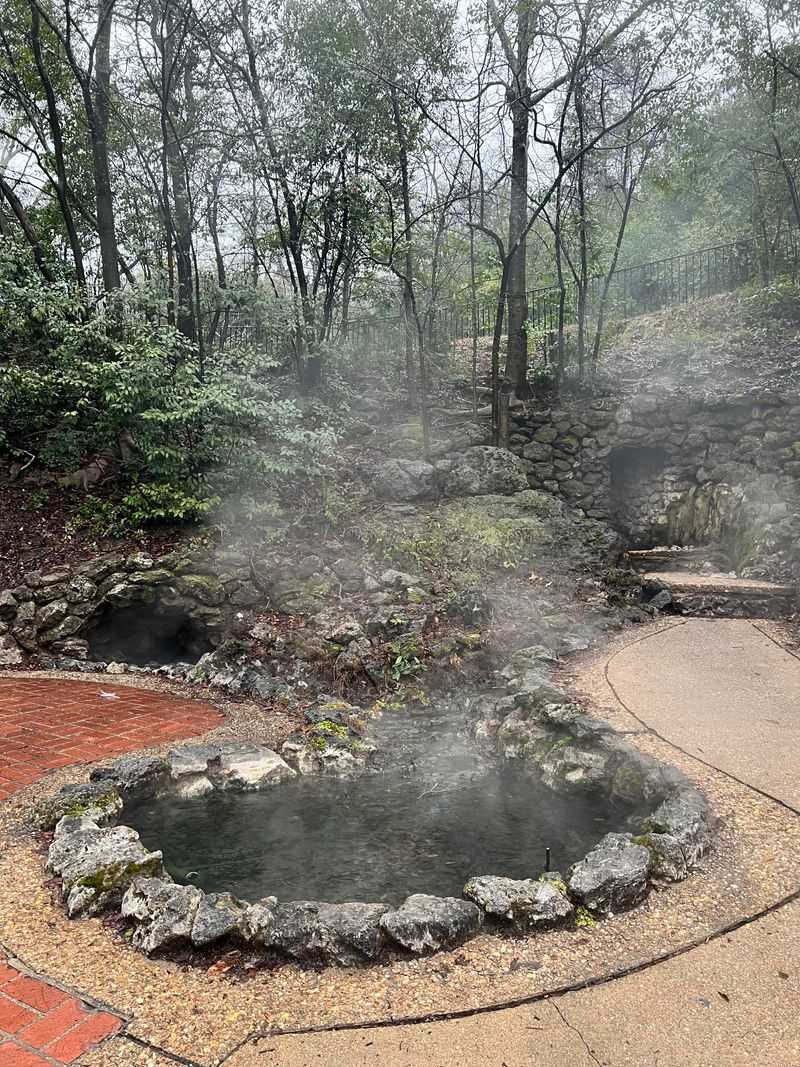
Want to actually see hot spring water bubbling and flowing in real time? Head to two must-visit spots that showcase the thermal features in action.
Display Springs offers a rare open-air view where you can watch steaming water emerge from the earth, protected by glass enclosures that let you observe without disturbing the delicate ecosystem. The steam rising from the springs creates an almost mystical atmosphere, especially on cool mornings.
Then walk over to the Hot Water Cascade on Arlington Lawn, where the park channels thermal water down a decorative rock cascade that serves as the largest visible spring feature in the park. Both spots are incredibly photogenic and help you understand that these are not just historic buildings but active natural springs that continue flowing today just as they have for millennia.
6. Walk the Grand Promenade (easy, scenic, and right behind Bathhouse Row)

The Grand Promenade is a beautiful half-mile brick pathway that runs directly behind Bathhouse Row, offering an easy stroll with mountain views and zero strenuous effort required. This National Recreation Trail was built in the 1930s and features benches, interpretive signs, and overlooks where you can pause to enjoy the scenery or snap photos.
The brick walkway winds gently along the hillside, providing a peaceful escape from the busier Central Avenue below.
Families with young children, seniors, and anyone looking for a low-impact walk will appreciate the smooth, accessible surface and short distance. The Promenade connects to other trails if you want to extend your adventure, but it also works perfectly as a standalone activity.
Many visitors walk it in the early morning or late afternoon when the light filters beautifully through the trees and the temperature feels just right.
7. Ride to the top of Hot Springs Mountain Tower for sweeping views
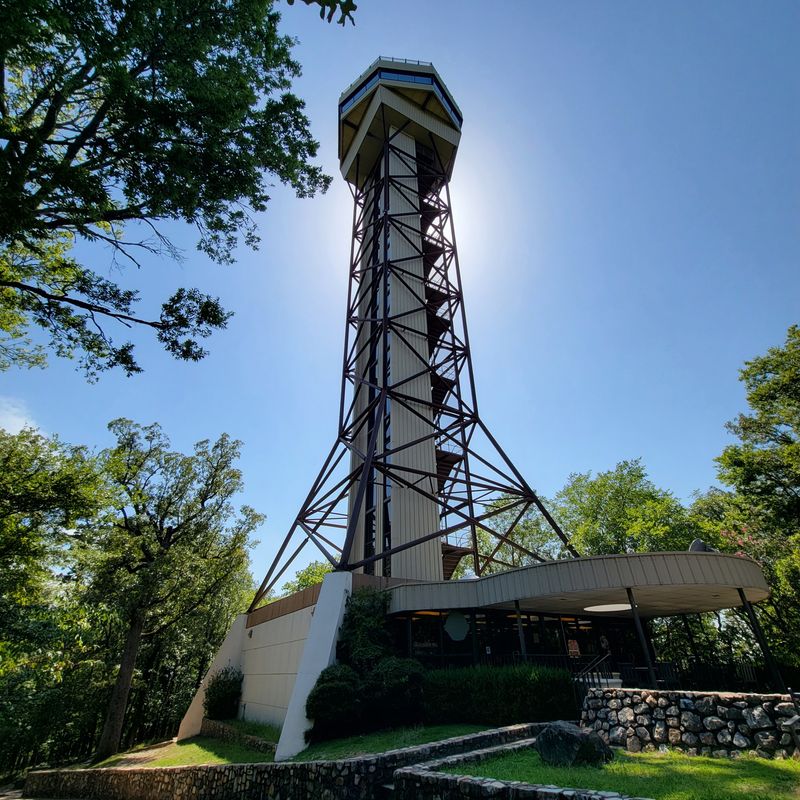
Hot Springs Mountain Tower rises 216 feet above the summit, and an elevator whisks you to the observation deck without any hiking required. From the top, you get 360-degree panoramic views of the Ouachita Mountains, the city of Hot Springs, and the surrounding valleys stretching into the distance.
On clear days, the vistas extend for miles, making it one of the best spots in the park for photography and simply soaking in the landscape.
The tower is operated as a park concession, so there is an admission fee to ride the elevator and access the deck. A small gift shop at the base sells snacks and souvenirs if you want to grab a cold drink before or after your visit.
Sunset and sunrise are especially popular times, though the tower can get crowded during peak tourist seasons and weekends.
8. Take the scenic drives and hop out at the overlooks

Hot Springs National Park features scenic mountain drives that wind through forested hillsides and connect six different overlooks, each offering unique perspectives of the landscape. You can drive the routes at your own pace, pulling off whenever a viewpoint catches your eye or you want to stretch your legs.
The overlooks are especially stunning during sunrise, sunset, and fall when the leaves turn brilliant shades of red, orange, and gold.
These drives require no hiking and work perfectly for visitors with limited mobility, families with small children, or anyone who prefers to enjoy nature from the comfort of their vehicle. Bring your camera and take your time at each stop.
The combination of winding roads, mountain vistas, and convenient pull-offs makes this one of the most relaxing ways to experience the park without breaking a sweat.
9. Hike to Goat Rock Overlook (short hike, big payoff)

Goat Rock Trail delivers spectacular Ouachita Mountain views without requiring an all-day commitment or advanced hiking skills. The trail is relatively short but does include some elevation gain, rewarding your effort with a stunning overlook that showcases the forested ridges and valleys below.
Along the way, interpretive signs explain how this area functions as part of the thermal springs recharge zone, where rainwater slowly filters down through the earth before emerging heated at Bathhouse Row.
The trail is well-maintained and clearly marked, making it accessible for families with older children and moderately active adults. Bring water, wear sturdy shoes, and plan for about an hour round trip depending on your pace.
Many hikers say the view from Goat Rock is one of the best in the park, offering a perfect spot to rest, take photos, and appreciate the natural beauty surrounding Hot Springs.
10. Tackle part (or all) of the Sunset Trail loop
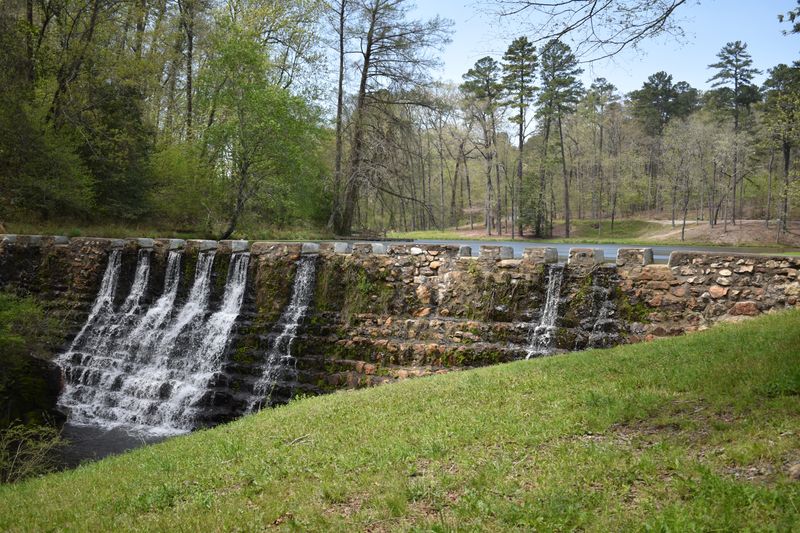
Sunset Trail is a park classic that offers flexibility depending on your ambition and fitness level. You can hike a short section for a taste of the forest, or commit to a longer adventure by combining it with connecting trails to form a strenuous 15 to 17-mile loop.
The trail winds through hardwood forests, crosses streams, and provides quiet solitude away from the busier areas near Bathhouse Row.
National Park Service information notes that the full loop is challenging and best suited for experienced hikers with proper preparation and supplies. However, you do not have to complete the entire circuit to enjoy this trail.
Many visitors hike an out-and-back section, enjoying the peaceful woods and occasional wildlife sightings before turning around. Check trail maps and conditions before you go, and always carry plenty of water and snacks for longer hikes.
11. Descend (and climb!) the Gulpha Gorge Trail
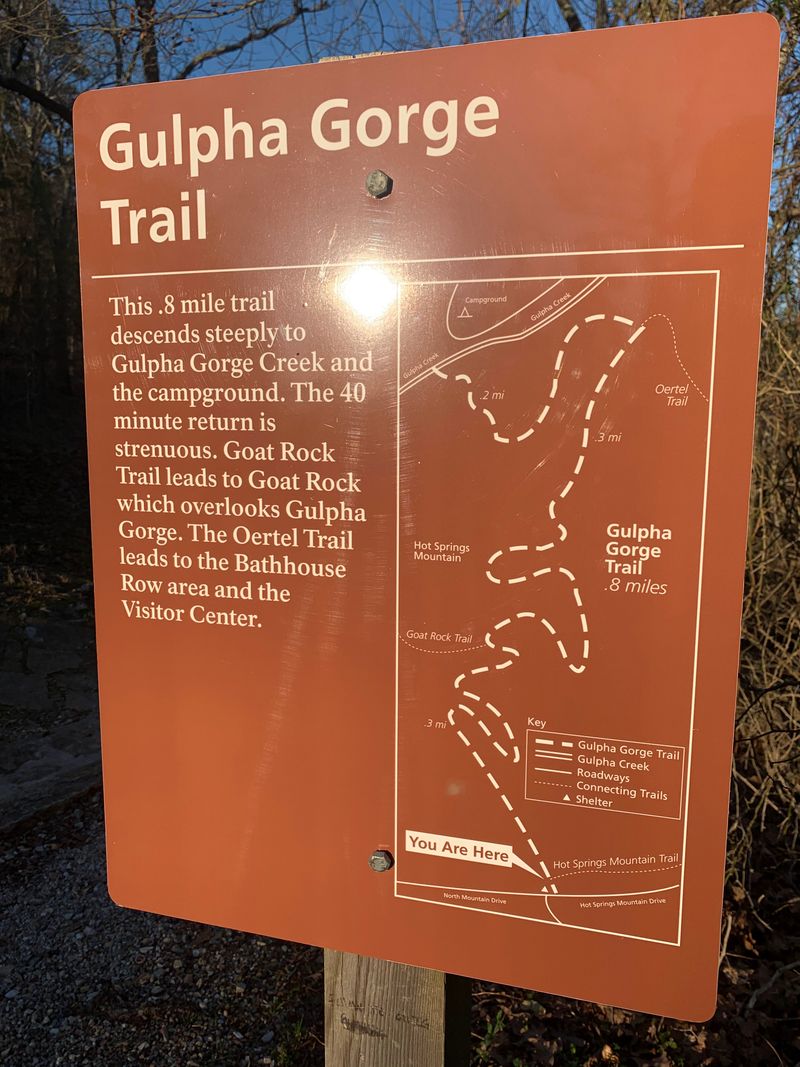
Gulpha Gorge Trail may be short at just 0.6 miles one way, but it packs a punch with steep elevation changes that will get your heart pumping. The trail connects the Gulpha Gorge Campground area to other park trails, making it a popular route for campers and day hikers alike.
Despite its brevity, the steep descent (and corresponding climb back up) means you should come prepared with good shoes and a willingness to work a little.
The trail follows a pretty creek through a shaded gorge, offering a cooler microclimate on hot summer days. Wildflowers bloom along the path in spring, and the sound of flowing water creates a peaceful soundtrack for your hike.
National Park Service descriptions list it as short but steep, so pace yourself and take breaks as needed. Many hikers use this trail as a connector to explore longer routes deeper into the park network.
Share this story