Long before Columbus sailed the ocean blue, Viking explorers had already set foot on North American soil. These brave Norse adventurers left behind fascinating clues about their journeys, from ancient settlements to legendary sagas.
Their story reveals surprising truths about courage, exploration, and the very first European footprint in the Americas.
1. Settlement in L’Anse aux Meadows (Newfoundland, Canada)
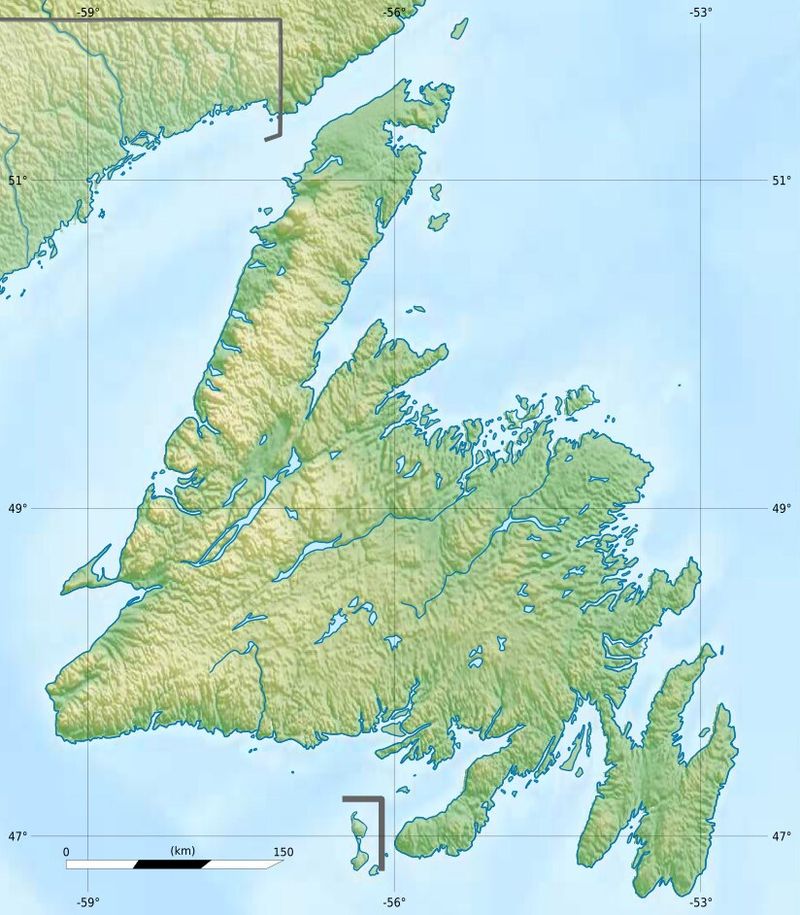
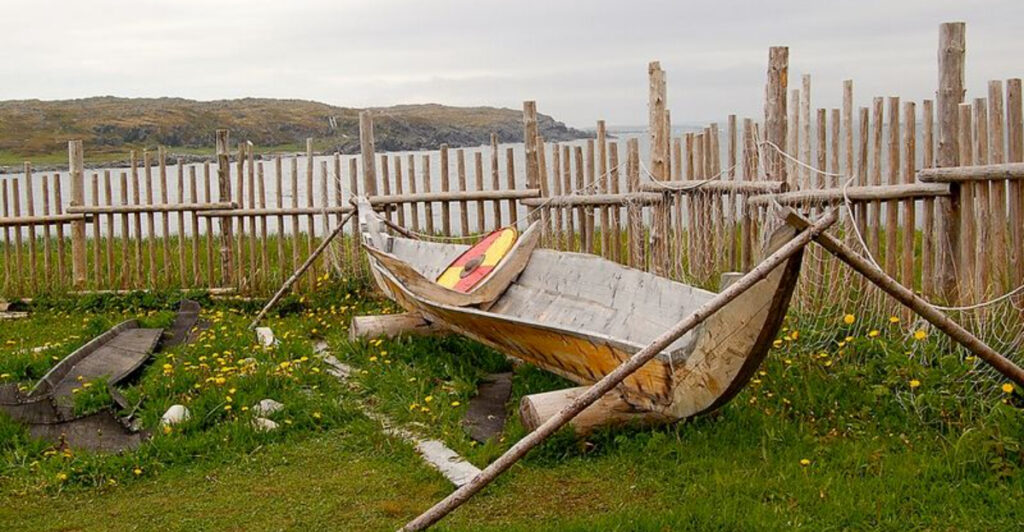
Nestled on the northern tip of Newfoundland, L’Anse aux Meadows stands as proof that Vikings reached North America around AD 1000. Archaeologists discovered Viking-style longhouses and workshops here, confirming it as the earliest known European settlement on the continent.
Visitors today can walk among reconstructed Norse buildings and imagine life as a Viking explorer. The site, though small, served as a crucial base camp for further adventures into unknown lands.
Recognized as a UNESCO World Heritage site, it preserves the incredible legacy of these fearless seafarers who dared to cross the Atlantic centuries before others.
2. Vinland, Markland, and Helluland
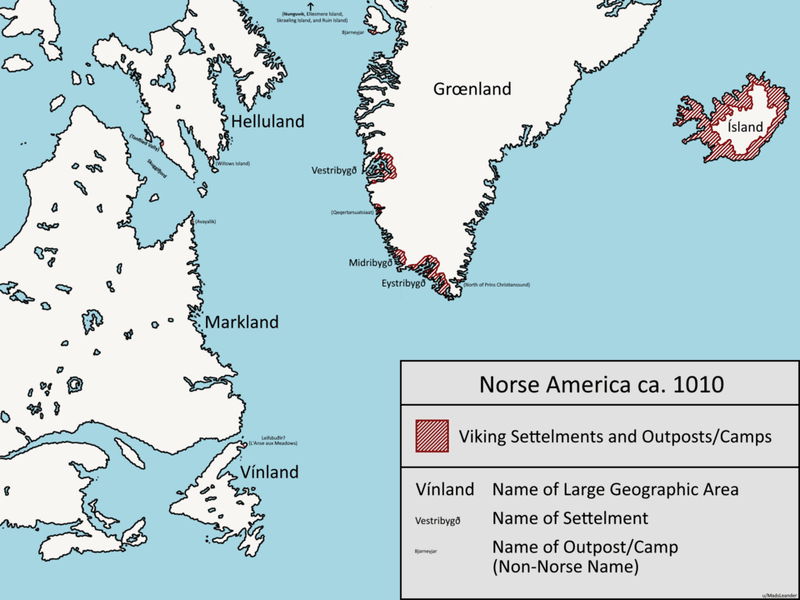
Ancient Icelandic Sagas paint vivid pictures of three mysterious lands: Vinland with its wild grapes and mild weather, Markland blessed with towering forests, and Helluland featuring flat, rocky terrain. These tales guided Vikings on their westward journeys across dangerous seas.
Scholars believe Vinland might be Newfoundland, Markland could be Labrador, and Helluland possibly Baffin Island. Each location offered different resources that Vikings desperately needed, from timber to fresh water.
Though partially legendary, these sagas blend fact with folklore, helping modern researchers piece together the puzzle of Norse exploration in North America.
3. First Europeans in the New World (Before Columbus)

Around the year 1000, roughly 500 years before Columbus, Norse sailors had already planted their boots on American shores. Their expeditions represent the earliest documented European contact with the New World, challenging what many history books once taught.
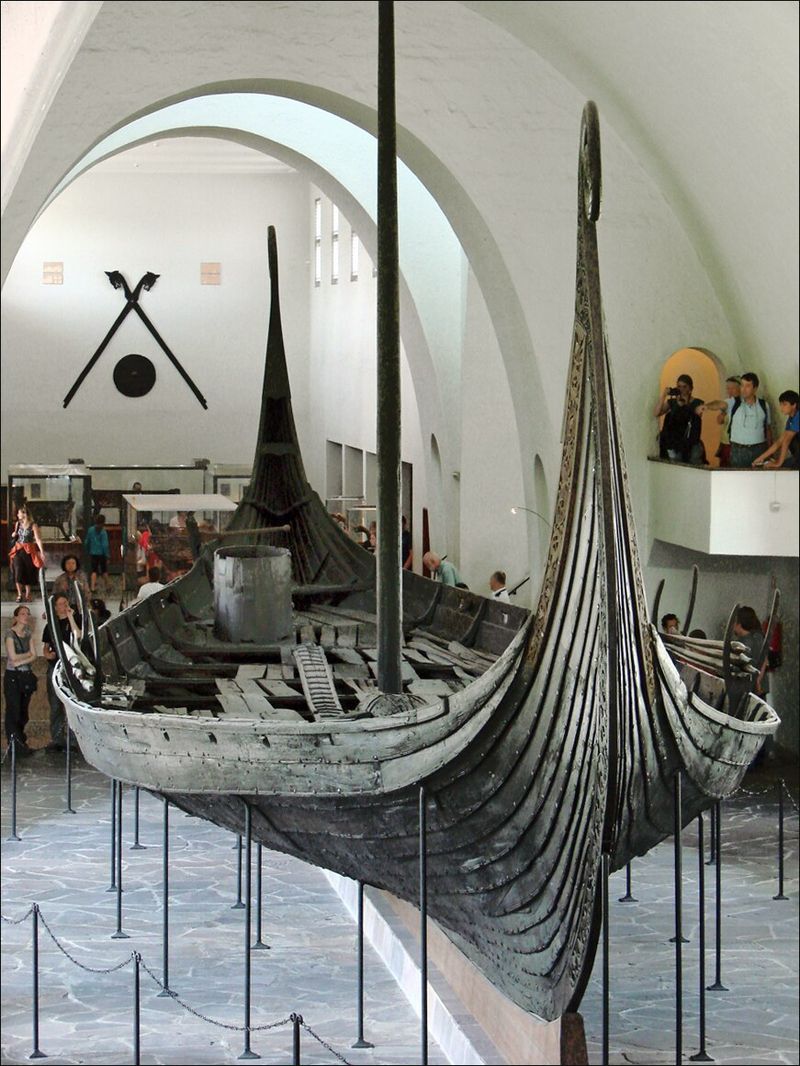
While their settlements proved temporary, the Vikings demonstrated extraordinary navigation skills and unmatched bravery. They crossed the treacherous North Atlantic in open wooden boats, guided only by stars and ocean currents.
Their pioneering spirit paved the way for all future transatlantic exploration, though their achievements remained largely forgotten until modern archaeology brought them back to light.
4. Archaeological Evidence at L’Anse aux Meadows
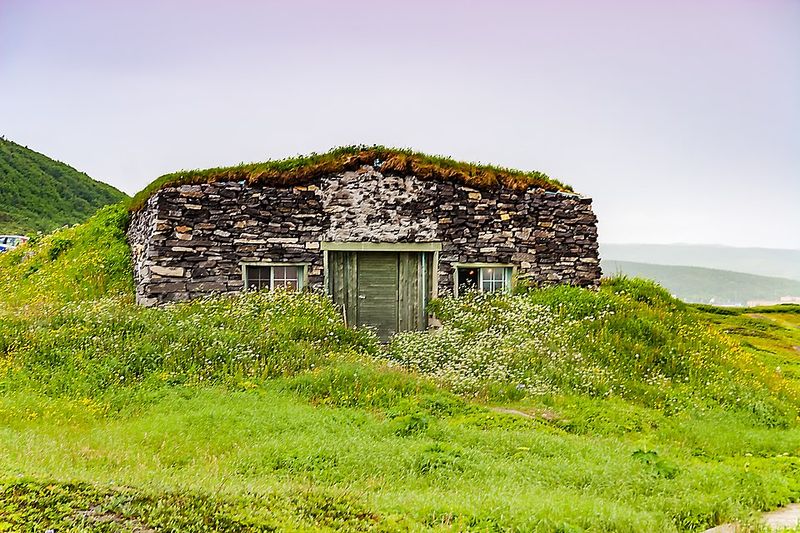
Excavations at L’Anse aux Meadows uncovered undeniable proof of Viking presence: iron-working facilities, a bronze ringed pin, and Norse-style building foundations. These artifacts tell stories of skilled craftspeople who brought their metalworking expertise across the ocean.
The discovery of iron slag proves Vikings smelted metal here, essential for creating tools, nails, and weapons. Such evidence matches perfectly with descriptions found in ancient sagas.
Today, historians and visitors can examine these preserved treasures firsthand, connecting directly with people who lived over a thousand years ago in this remote corner of the world.
5. Short-Lived Occupation
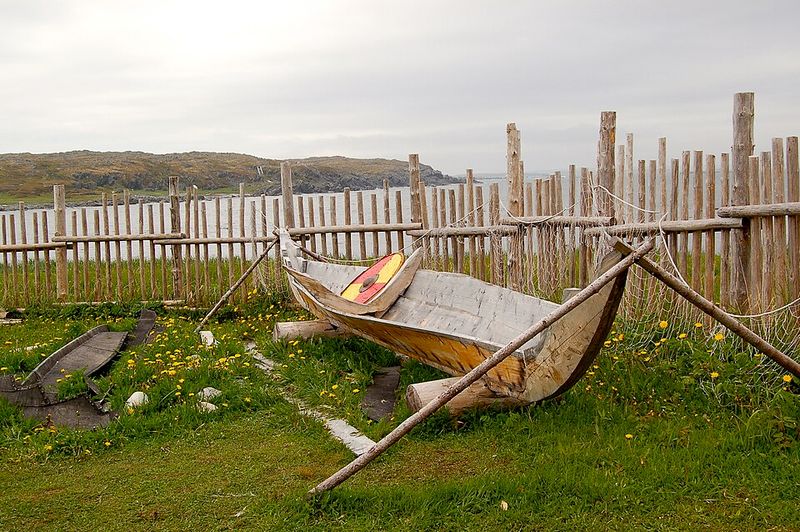
Vikings occupied L’Anse aux Meadows for only a decade or two, using it more as a seasonal outpost than a permanent colony. The modest structures suggest a small community focused on exploration and resource gathering rather than long-term settlement.
Several factors likely drove their departure: difficulty maintaining supply lines from Greenland, conflicts with Indigenous peoples, and challenges adapting to the unfamiliar environment. The settlement simply proved too isolated and demanding to sustain.
Despite its brief existence, this foothold allowed Vikings to explore further south, leaving an enduring mark on history that archaeologists continue studying today.
6. Contact with Indigenous Peoples
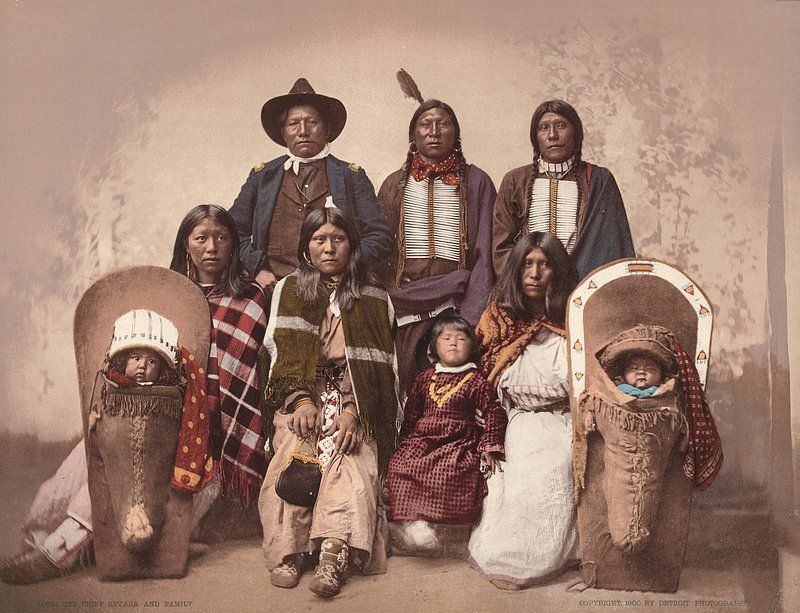
The sagas describe encounters between Vikings and Indigenous peoples, whom the Norse called Skrælings. These meetings mixed curiosity with caution, as both groups attempted trade while navigating cultural misunderstandings.
Initial exchanges of goods sometimes gave way to violent clashes, creating tensions that likely influenced Viking decisions to abandon their settlements. The Norse found themselves outnumbered in an unfamiliar land with unpredictable relationships.
These interactions, though brief, marked significant moments of cross-cultural contact. They reveal the complex realities Vikings faced when venturing into territories already inhabited by thriving native communities with their own traditions.
7. Limited Expansion Southward
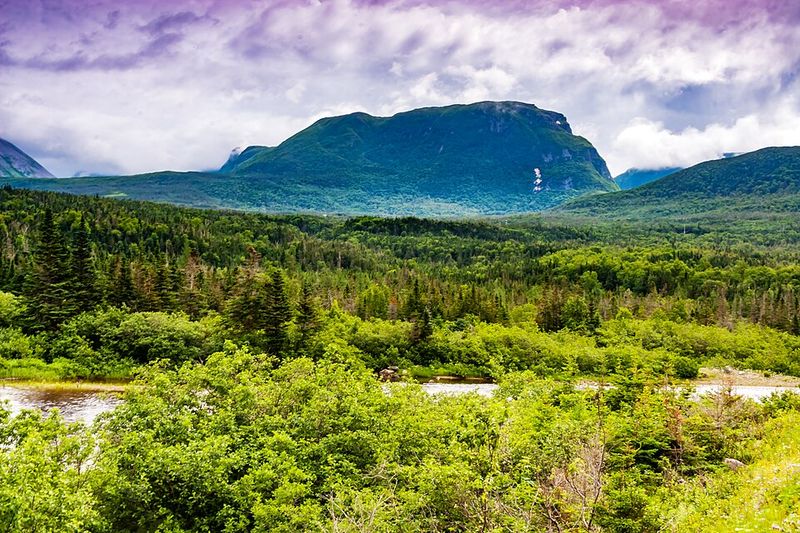
Despite tantalizing descriptions of Vinland’s mild climate and fertile lands, Vikings never established confirmed settlements south of Newfoundland. Archaeological searches have turned up empty, leaving many questions about how far they actually traveled.
The challenges proved immense: maintaining supply chains across vast distances, navigating hostile relations with native populations, and surviving in unfamiliar territory. These obstacles likely discouraged permanent expansion beyond their initial foothold.
The Vikings’ cautious approach highlights their practical mindset. They weighed risks against rewards, ultimately deciding that the difficulties outweighed the benefits of pushing further into the unknown continent.
8. The Role of the Sagas
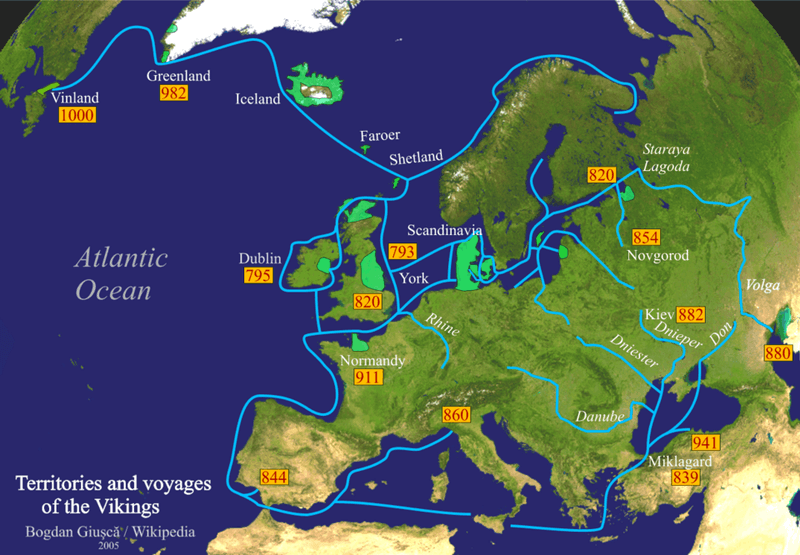
The Vinland Sagas, though woven with legendary elements, provide invaluable clues about Norse voyages to America. These ancient narratives describe routes, timing, and challenges faced by explorers, offering historians a roadmap for archaeological research.
When cross-referenced with physical evidence like L’Anse aux Meadows, the sagas prove surprisingly accurate in many details. They capture the adventurous spirit and determination that drove Vikings across treacherous seas.
These stories bridge the gap between history and folklore, preserving memories of exploration that might otherwise have been lost forever. They continue inspiring researchers searching for additional Viking sites today.
9. Mystery of Markland and Helluland
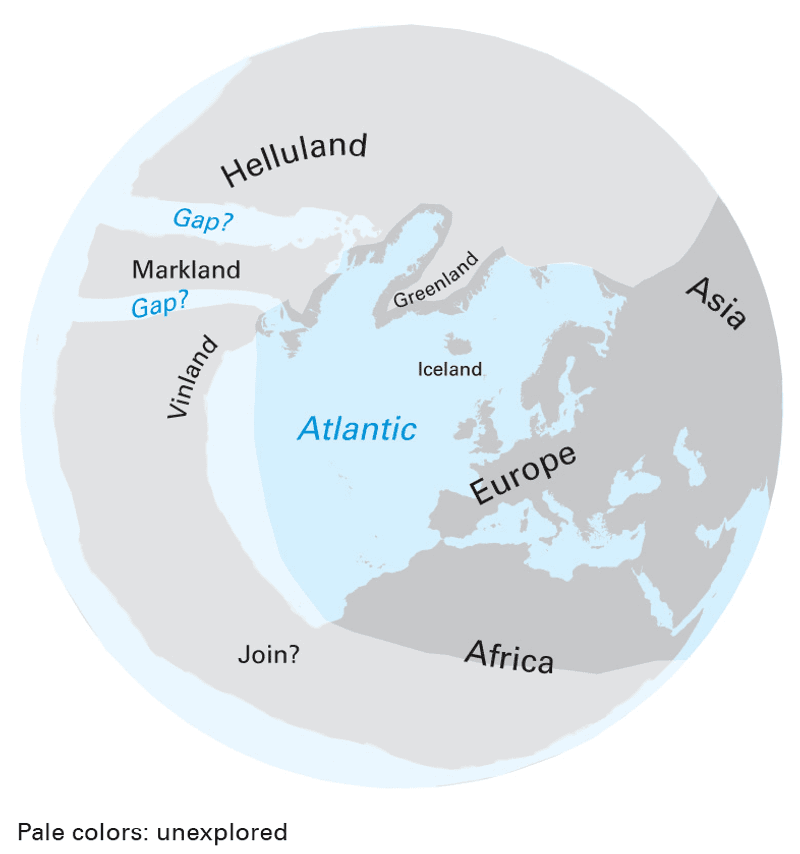
Markland and Helluland remain enigmatic lands mentioned in sagas but lacking confirmed archaeological sites. Scholars believe Markland corresponds to Labrador with its abundant forests, while Helluland matches Baffin Island’s stark, icy landscape.
Vikings likely harvested timber from Markland and explored Helluland’s forbidding terrain, yet no permanent settlements have been discovered. These regions may have served as resource-gathering stops rather than places to establish communities.
The mystery continues captivating historians and adventurers alike. Each new expedition hopes to uncover evidence that will finally solve the puzzle of these legendary Norse territories in North America.
10. The Kensington Runestone and Other Controversies
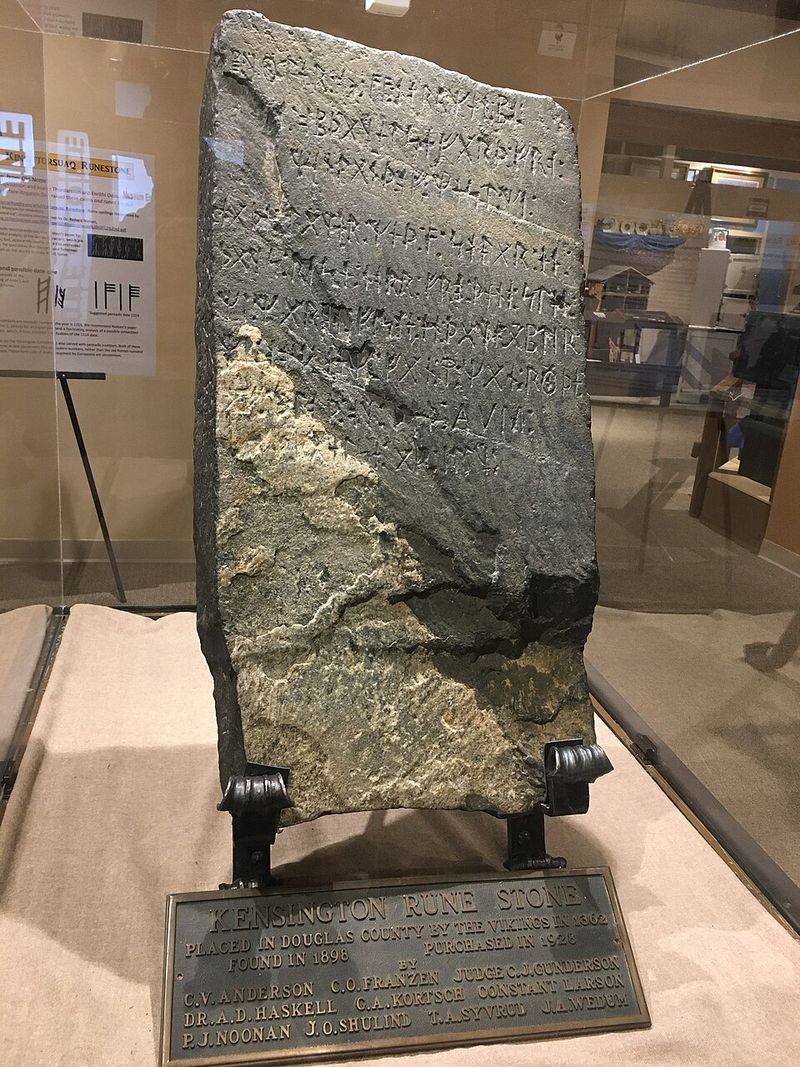
Found in Minnesota in 1898, the Kensington Runestone bears runic inscriptions that some claim prove Vikings traveled deep into North America. The stone describes a journey in 1362, centuries after L’Anse aux Meadows was abandoned.
Most mainstream scholars dismiss it as a hoax or misinterpretation, citing linguistic inconsistencies and suspicious circumstances surrounding its discovery. Yet the debate persists, with enthusiasts arguing for its authenticity.
Such controversies highlight the enduring fascination with Viking history. Whether genuine or fake, these artifacts spark important conversations about verifying historical claims and the limits of archaeological evidence.
11. Greenland’s Importance
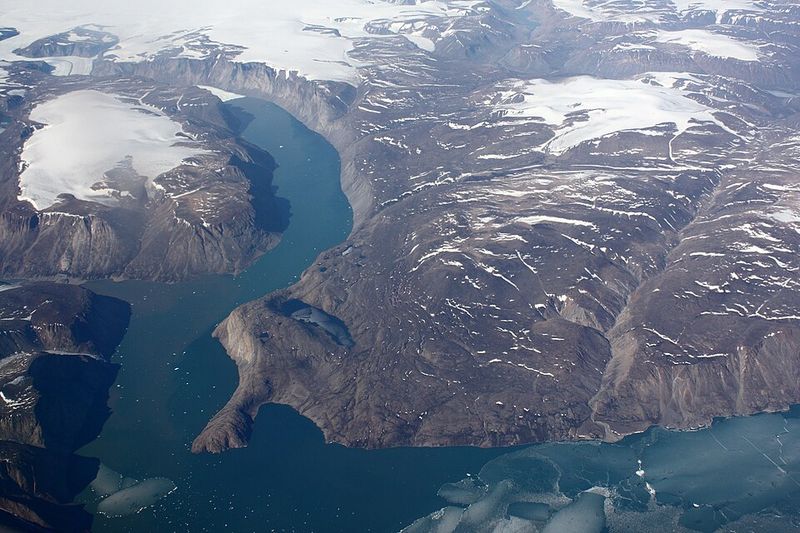
Greenland served as the essential launching pad for Viking expeditions to North America. Norse settlements there, though struggling with harsh climates, provided the closest base for Atlantic crossings to the west.
The desperate need for timber, scarce in icy Greenland but abundant in North America, drove exploration efforts. Vikings required wood for building ships, homes, and tools, making westward voyages a necessity for survival.
From Greenland’s forbidding shores, brave sailors embarked on journeys that would forever change history. The island’s strategic location made all subsequent Norse adventures in America possible.
12. End of the Norse in the Americas
Multiple pressures forced Vikings to abandon their American settlements: hostile encounters with Indigenous peoples, scarce resources, and impossibly long supply lines from Greenland. The challenges simply became too great to overcome.
Maintaining a colony thousands of miles from home, across dangerous seas, proved unsustainable for the relatively small Norse population. Practical considerations eventually won over dreams of westward expansion.
Yet their brief presence left a lasting legacy. The Norse demonstrated that transatlantic travel was possible, inspiring future generations of explorers who would follow their wake centuries later with better resources and technology.
Share this story