Country music holds a mirror to ordinary lives, turning heartache, faith, grit, and joy into unforgettable melodies. These songs defined decades, sparked singalongs, and traveled far beyond small towns and big stages. Every track here changed the genre in its own way, blending storytelling with voices that feel etched in memory.
Press play in the mind and feel each chorus rise like a front-porch sunrise.
He Stopped Loving Her Today — George Jones
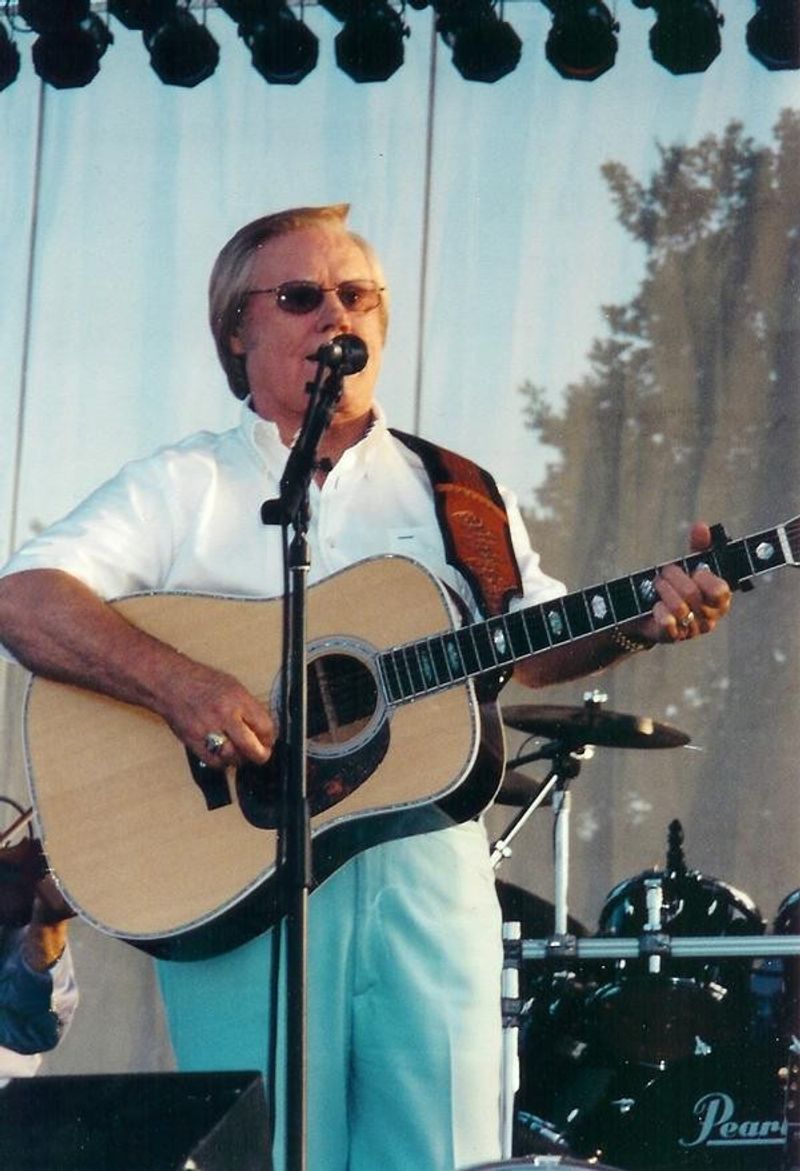
George Jones delivers a heartbreak epic that unfolds like a short story, each verse deepening the ache. The arrangement is spare yet cinematic, with strings and gentle guitar supporting the tremor in his voice. The twist ending lands softly and devastatingly, revealing loyalty so strong it outlasts life itself.
Released in 1980, the song revived Jones’s career and cemented his legacy as country’s most emotive interpreter. Its plainspoken language makes every line feel lived-in, as if overheard at a graveside or quiet kitchen table. Critics called it a masterpiece for good reason, and listeners kept returning for the catharsis it offers.
The track’s precision is remarkable, each phrase deliberate without sounding stiff. It honors classic country tradition while avoiding sentimentality through stark details and restraint. Generations recognized themselves in its portrait of stubborn love, ensuring preservation, accolades, and enduring chart echoes.
Take Me Home, Country Roads — John Denver
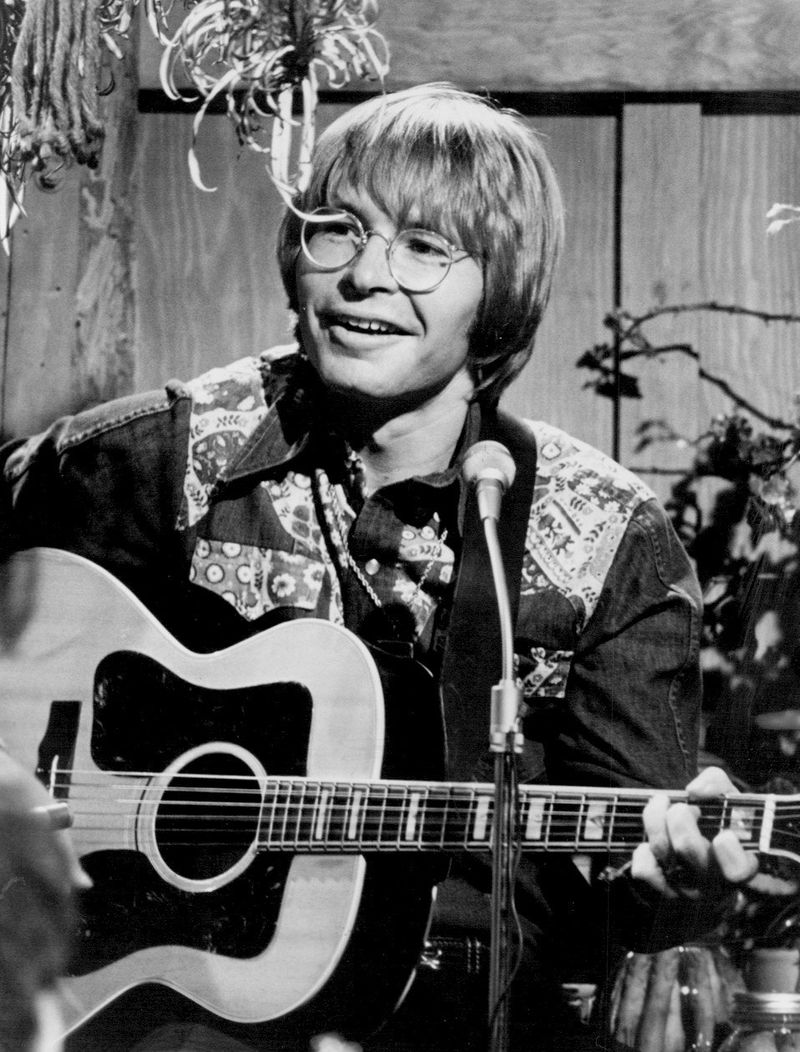
This 1971 anthem paints rolling hills, winding rivers, and sunlit valleys with postcard clarity. John Denver’s warm tenor feels like a campfire welcome, inviting harmonies to gather around the chorus. The melody lifts gently, turning nostalgia into a map folded inside the heart.
Though rooted in West Virginia imagery, its longing for belonging speaks universally. Acoustic strums, steady percussion, and bittersweet fiddle lines sketch a road that always leads back. It became a communal singalong, as comfortable in stadiums as in living rooms around the world.
The song’s simplicity is its durability, holding emotion without fuss. It threads place and memory, suggesting home is both destination and direction. Decades later, it remains a rite of passage for road trips, bonfires, and moments that need a chorus.
I Walk the Line — Johnny Cash
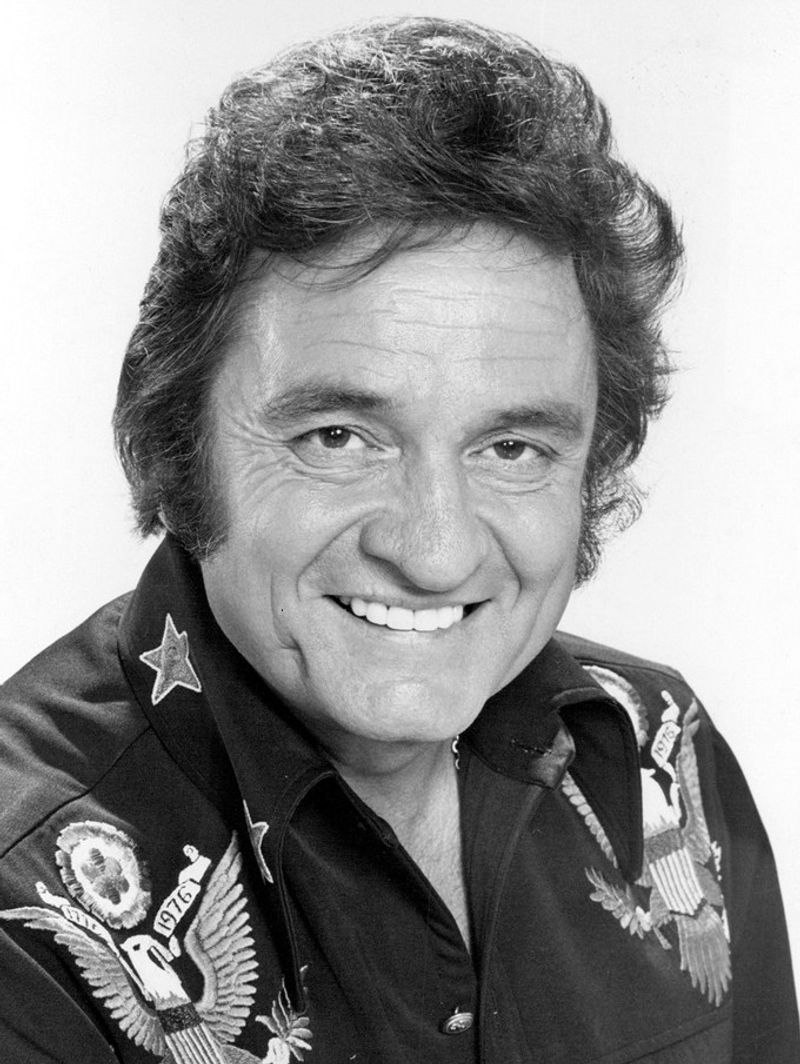
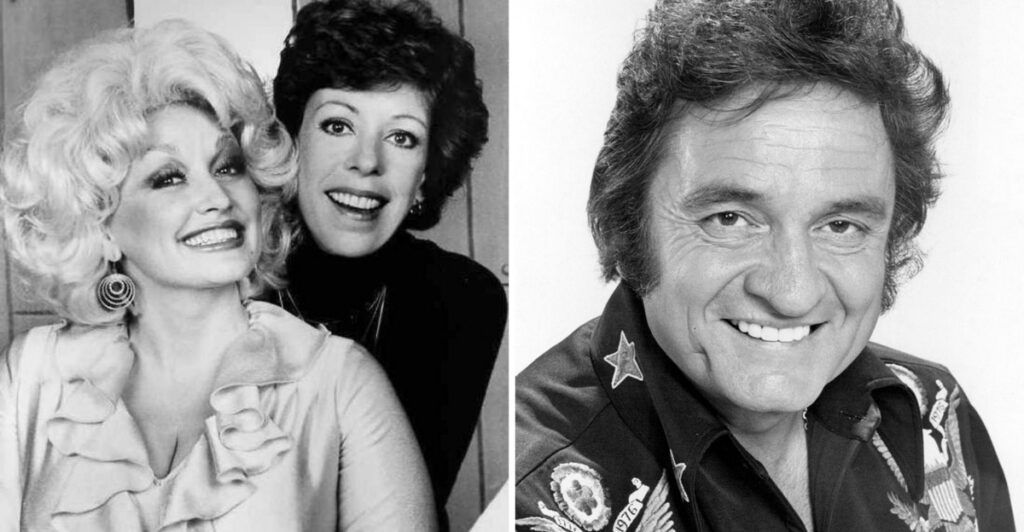
Johnny Cash turns devotion into rhythm, a boom-chicka pulse that marches like a vow kept daily. His baritone rides the beat with unshowy authority, bending notes as if tightening a belt. The key changes feel like checkpoints, affirmations renewed with every verse.
Part country, part gospel, part early rock, it crossed borders without losing plainspoken grit. The production is lean, leaving space for the heartbeat thump and Cash’s steady presence. Fidelity becomes a lived practice, not a sermon, making the message grip harder.
The song’s economy is its signature, proof that sparse elements can build an iron spine. It mapped a path for crossover success while keeping boots planted in sawdust floors. Decades on, that metronome of purpose still clicks in the mind like resolve.
Jolene — Dolly Parton
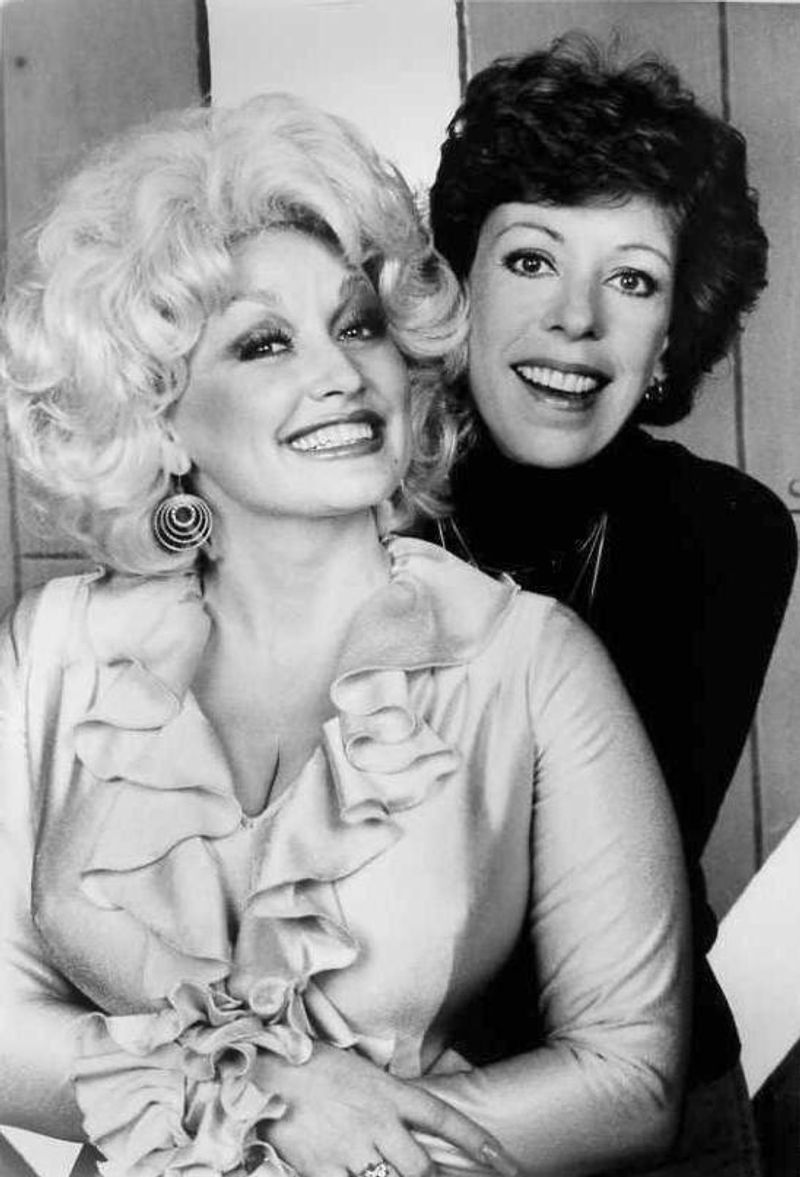
Dolly Parton’s plea is urgent, intimate, and haunting, a conversation whispered across a trembling melody. Jolene’s beauty becomes a drumbeat name, circling the chorus like a warning siren. The guitar’s chime keeps tension taut, never letting the singer’s breath fully settle.
Its genius is vulnerability delivered without self-pity, courage framed as confession. The lyric sketches both women sharply, respecting the rival while defending fragile love. Parton’s distinctive tone glows like lantern light, turning fear into incandescent storytelling that lingers after silence.
Released in 1973, it traveled through covers and generations, always sounding newly immediate. Minimal instrumentation leaves the emotion naked, a brave choice that amplifies the stakes. Few songs make a single name feel like fate itself the way this does.
Ring of Fire — Johnny Cash

Trumpets blaze like warning flares, stitching mariachi color into a country heartbeat. Johnny Cash steps into love’s blaze knowingly, voice steady against the flare. The circular melody traps the listener, mirroring obsession’s loop with elegant inevitability.
Co-written by June Carter and Merle Kilgore, it welds cultural textures without gimmickry. The horn lines lift the chorus skyward while the rhythm pounds like footsteps toward fate. Love burns here, not as metaphor alone, but as a sensation the arrangement embodies.
The record moves fast yet feels grounded, a bonfire controlled by sheer will. Cash’s delivery suggests danger can be cherished, provided truth is faced squarely. It remains a radio lightning strike, forever igniting hips, memories, and singalong sparks.
Friends in Low Places — Garth Brooks

This barstool anthem turns heartbreak into a full-room chorus with boots on chairs. Garth Brooks leans into the grin, letting swagger soften the sting of rejection. The verses paint a busted-up scene, while the chorus kicks doors open wide.
It captured 1990s country at maximum crowd energy, mixing honky-tonk stomp with pop polish. The arrangement invites call-and-response, building camaraderie out of spilled drinks and pride. Beneath the laughter sits resilience, a reminder that dignity can come dressed casually.
Brooks performs it like a friend tossing an arm around the shoulders. The bridge raises the roof just enough to reset the room’s mood. Decades later, it still guarantees noise, a democratic anthem for nights that needed relief.
Crazy — Patsy Cline
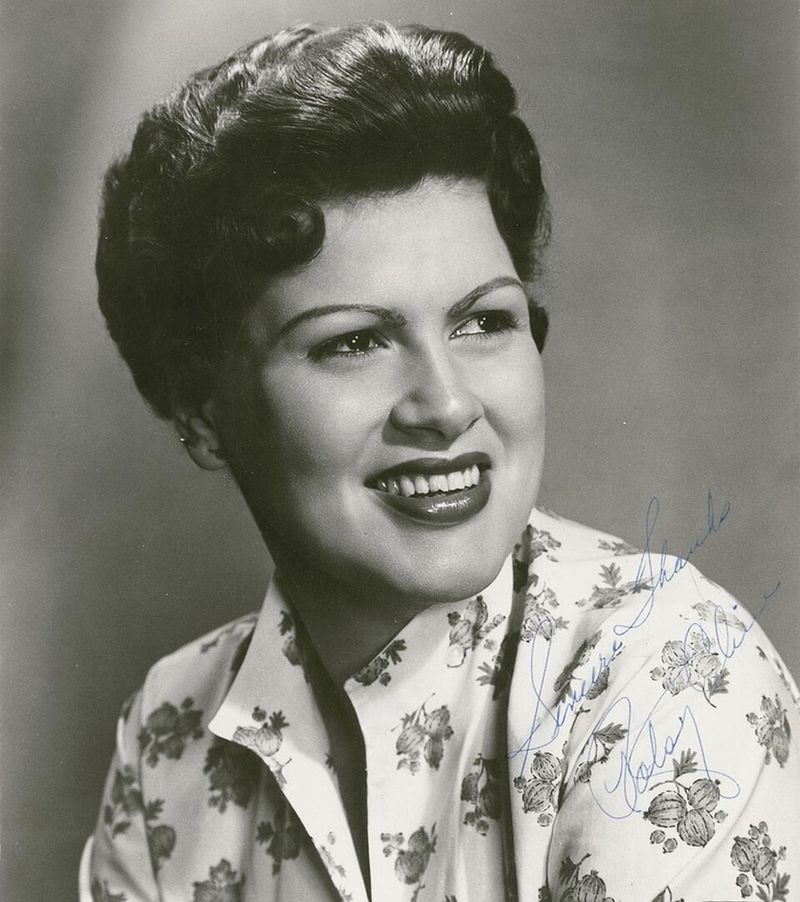
Patsy Cline floats over Willie Nelson’s velvet melody with regal ache and perfect poise. Every note bends like a sigh held too long, then released gracefully. The arrangement glows with piano, brushed drums, and gentle guitar, framing that luxuriant voice.
It is heartbreak as fine art, a torch song draped in rhinestone restraint. Cline stretches syllables until they shimmer, turning hurt into chandelier light. The lyric is simple, but performance layers make it feel bottomless, endlessly replayable.
As a crossover triumph, it broadened country’s palette without sacrificing soul or sincerity. The tempo’s unhurried elegance allows feelings to bloom right on the line. Few records teach patience and polish quite like this unforgettable slow spin.
The Devil Went Down to Georgia — Charlie Daniels Band
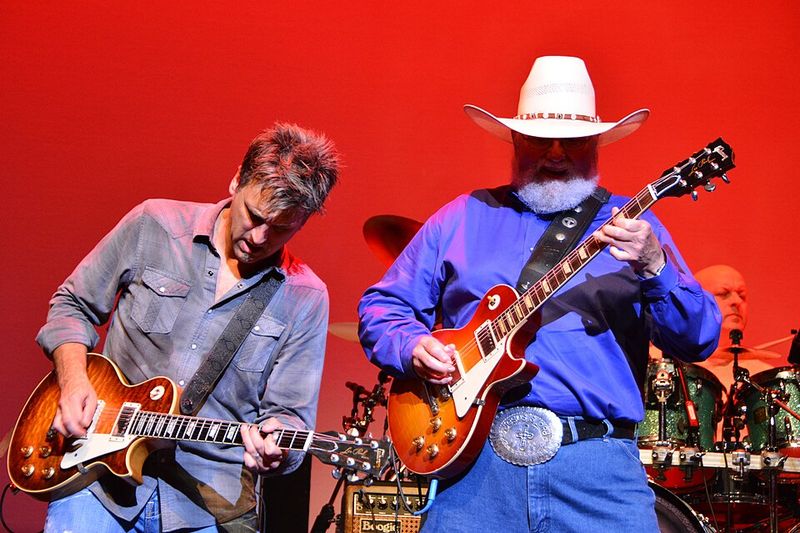
Fiddle fires blaze across a showdown tale where stakes rise with each lick. The band snaps like a coiled rope, trading heat and humor in quick bursts. Johnny’s defiance isn’t swagger alone, it is practice meeting temptation at tempo.
The narrative structure is classic folk duel, but arrangement thrusts it into rock velocity. Call-and-response solos feel cinematic, a barn dance turning into a lightning contest. The devil is theatrical, yet the human wins through craft, not bragging.
Its appeal crosses genre lines because virtuosity and story arrive as one. The track educates while it thrills, proving skill can be joyous spectacle. It remains a gateway song that sends listeners chasing more fiddle-smoked horizons.
On the Road Again — Willie Nelson

Willie Nelson sings travel like a friendly ritual, every mile a verse in motion. The melody hops along with a smile, harmonica and guitar keeping easy pace. Companionship turns highways into home, a caravan stitched by rhythm and routine.
The lyric celebrates work as joy, a rare portrait of labor that feels light. Nothing is forced, and that looseness becomes the secret engine of charm. Verses tumble into the chorus like suitcases rolling toward the bus door.
It captures the musician’s loop without romantic fog, just affection and practical grace. The tune’s simplicity lets audiences step aboard with zero baggage checks. Decades later, the ignition still turns, and the open road waves back.
Forever and Ever, Amen — Randy Travis

Randy Travis sings commitment with a calm that sounds like a handshake kept forever. The baritone sits deep and steady, carrying endearing jokes about hair turning gray. Steel guitar and gentle drums turn promises into polished oak, warm and sturdy.
The writing marries classic imagery with modern clarity, avoiding syrup through clean phrasing. It became a wedding staple because sincerity arrives wrapped in everyday detail. The chorus feels like a vow practiced in the mirror until it fit perfectly.
As a modern traditionalist landmark, it re-centered country on roots without feeling dusty. The production respects space, letting breath and resonance do soft heavy lifting. It endures because tenderness, plainly spoken, never goes out of style.
Coal Miner’s Daughter — Loretta Lynn
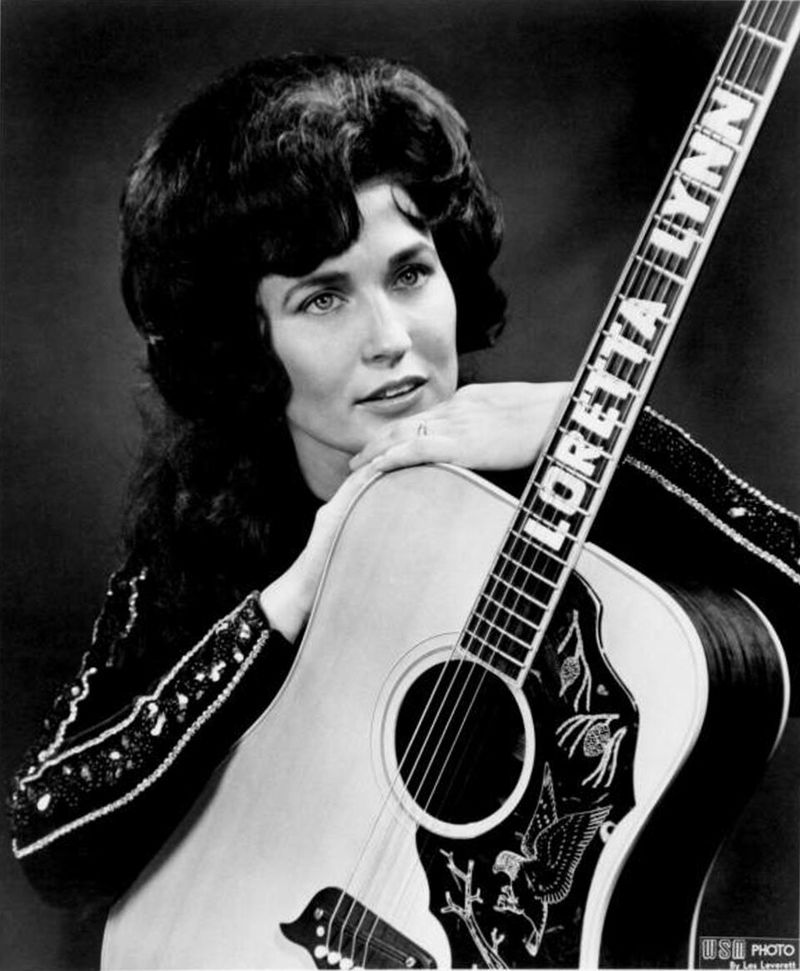
Loretta Lynn writes autobiography in plain language, honoring hardscrabble roots with proud clarity. The verses stack details like lunch pails, coal dust, and hand-me-down dreams. Her voice cuts bright, balancing tenderness with flint, never begging for sympathy.
The arrangement steps lightly, letting the story’s weight carry itself without orchestral push. It becomes a family album set to melody, framed by Appalachian cadence and grit. Pride, labor, and love share one table, each bite reminding where strength began.
As an anthem, it gave working-class stories a national microphone without translation. The film and legacy amplified that signal, but the record remains the core. It is proof that specificity invites everyone in when truth stands tall.
Stand By Your Man — Tammy Wynette

Tammy Wynette delivers devotion with a vibrato that trembles yet refuses to break. The lyric sparked debate, but the performance radiates agency wrapped in compassion. Strings bloom around the vocal like curtains opening on a difficult truth.
It captures a moment when love meant endurance, however imperfect the partner might be. The melody rises with a grace that complicates any simple reading of loyalty. Wynette’s phrasing carries steel under satin, suggesting boundaries alongside forgiveness.
As a cultural lightning rod, it secured a permanent place in country’s conversation. The recording’s polish does not blur the ache, it focuses it. Decades later, the chorus still challenges listeners to define what standing means.
Blue Eyes Crying in the Rain — Willie Nelson

Willie Nelson pares heartbreak down to breath, guitar, and a melody that drifts like smoke. The tempo is unhurried, giving space for silence to speak between lines. Each word lands gentle but final, like footsteps fading down a gravel path.
The recording’s intimacy feels almost private, as if caught at midnight by accident. Sparse arrangement becomes strength, framing the lyric’s memory with candlelit restraint. It is a ballad that trusts listeners to fill the gaps with their own echoes.
As a signature hit, it reshaped Nelson’s trajectory and broadened country’s quiet palette. The song proves smallness can be expansive when honesty leads. It lingers after the last chord, a soft ache that refuses to leave.
Take It Easy — Eagles
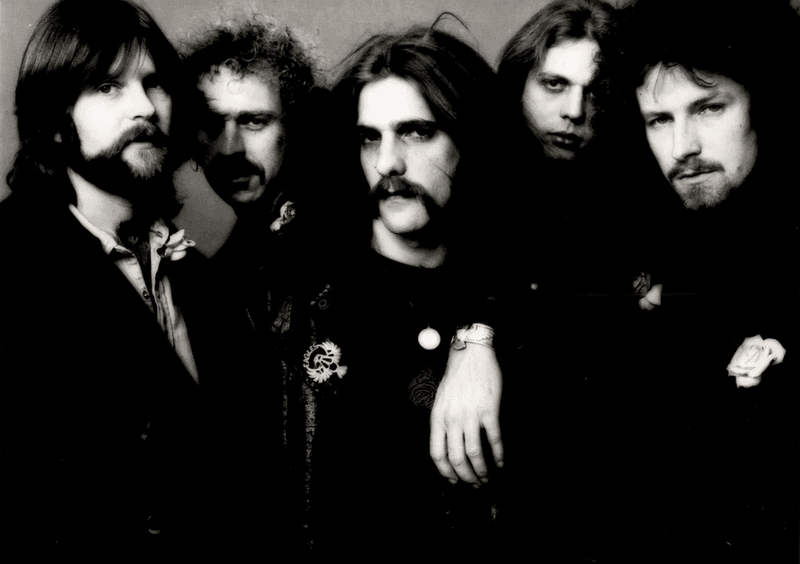
Open-road ease meets country-rock glide, where jangling guitars wash worry into sunlight. The groove is laid-back but locked, a highway rhythm with windows down. Harmonies lift like desert thermals, helping troubles feel lighter by the mile.
Its verses sketch scenes in snapshots, from corner girls to flatbed escapes. The chorus’ friendly advice sounds earned, not preachy, a wink toward survival. Country threads are clear in the twang and two-step pull beneath the polish.
As a crossover cornerstone, it showed radio that genres could comfortably share lanes. The song’s mood is a posture: loosen shoulders, breathe, keep rolling. When the tape flips in memory, the first strum still feels like freedom.
He’s Got the Whole World in His Hands — Loretta Lynn/Traditional Influence
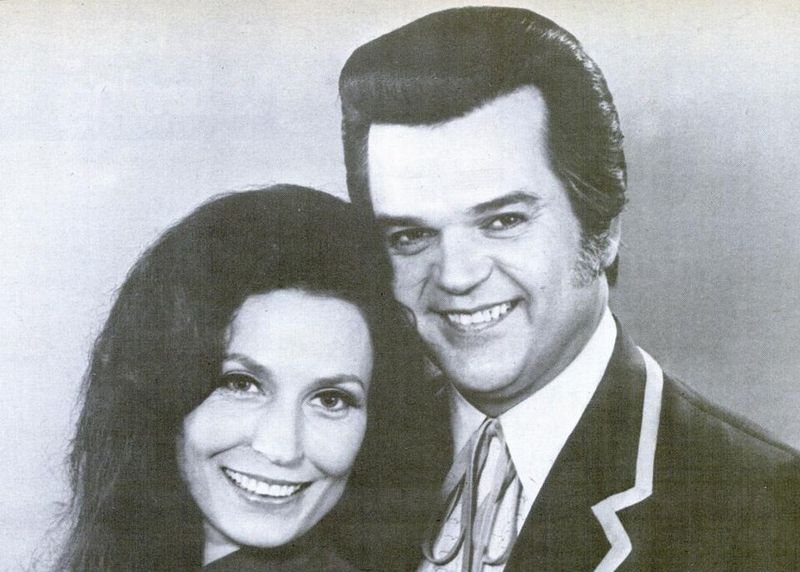
This spiritual standard enters country spaces through porch harmonies and gentle gospel sway. Loretta Lynn’s versions fold faith into everyday language, where comfort sounds like kin. Simplicity grants the chorus a cradle quality, rocking worries into smaller shapes.
The song’s roots run through community singing, where shared voices stitch hope together. Acoustic guitar, organ, or a handclap can carry it with equal grace. In country contexts, it links Sunday morning to weekday labor without seams showing.
Its endurance rests on reassurance delivered plain, neither ornate nor scolding. Performers bring personal inflection, yet the message remains sturdy as oak. When the final line lands, it leaves quiet space that feels safely held.
Share this story