Country music has shaped American culture for generations, giving voice to stories of heartbreak, resilience, and everyday life. From honky-tonk pioneers to modern crossover stars, certain artists have changed the genre forever with their groundbreaking sounds and fearless creativity. These trailblazers didn’t just follow the rules—they rewrote them, opening doors for countless musicians and connecting with millions of fans worldwide.
Johnny Cash — The Man in Black
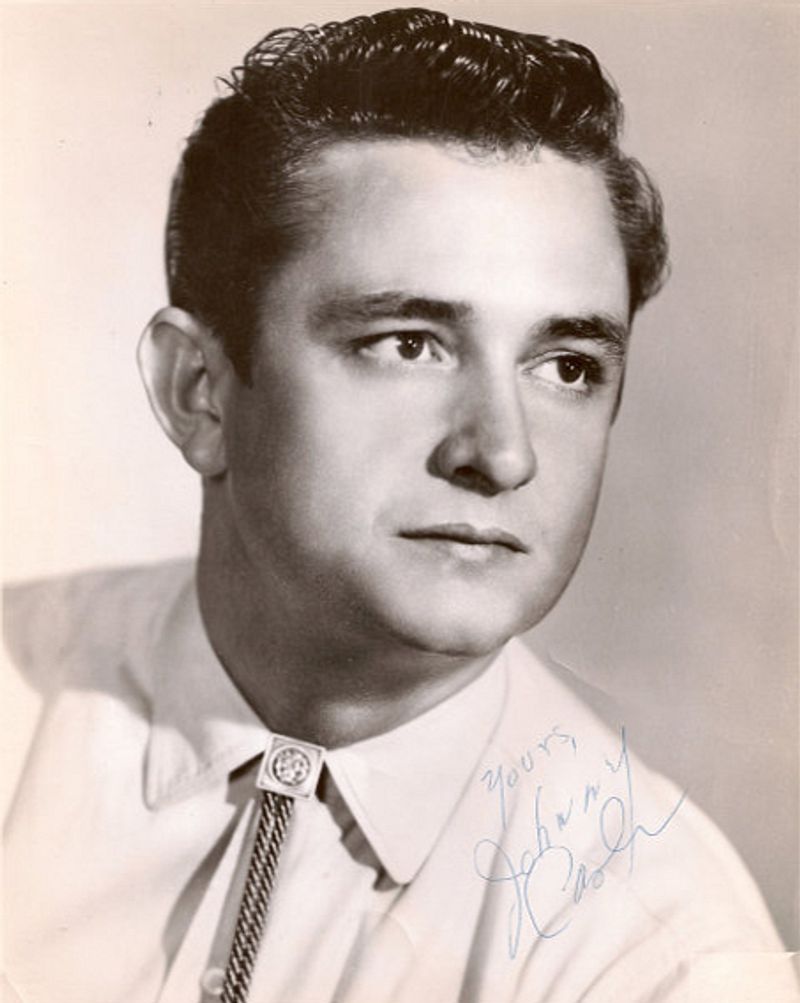
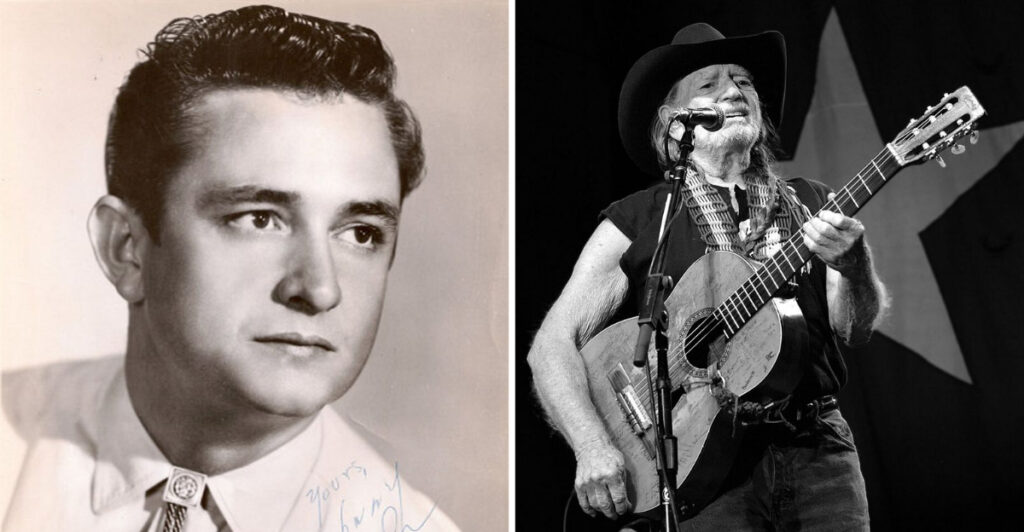
Johnny Cash stood apart from the Nashville crowd with his signature black wardrobe and a voice that rumbled like distant thunder. His deep baritone carried stories of prisoners, outlaws, and ordinary people struggling to find their way, making him a hero to anyone who ever felt like an outsider. Songs like “I Walk the Line” and “Ring of Fire” became anthems that crossed musical boundaries, blending country with rock, folk, and gospel in ways nobody had heard before.
Cash’s rebellious image wasn’t just for show—he genuinely cared about people society had forgotten. His legendary prison concerts at Folsom and San Quentin showed inmates that someone understood their pain and struggles. That empathy gave his music a raw honesty that still resonates decades after his passing.
Beyond his musical innovations, Cash proved that country artists could be cultural icons who spoke truth to power. His willingness to stand up for the marginalized and challenge conventions inspired generations of musicians to use their platforms for more than just entertainment. Whether performing at the White House or a maximum-security prison, the Man in Black remained authentic, creating a legacy that transcends genre and continues influencing artists across all musical styles today.
Dolly Parton — Queen of Country
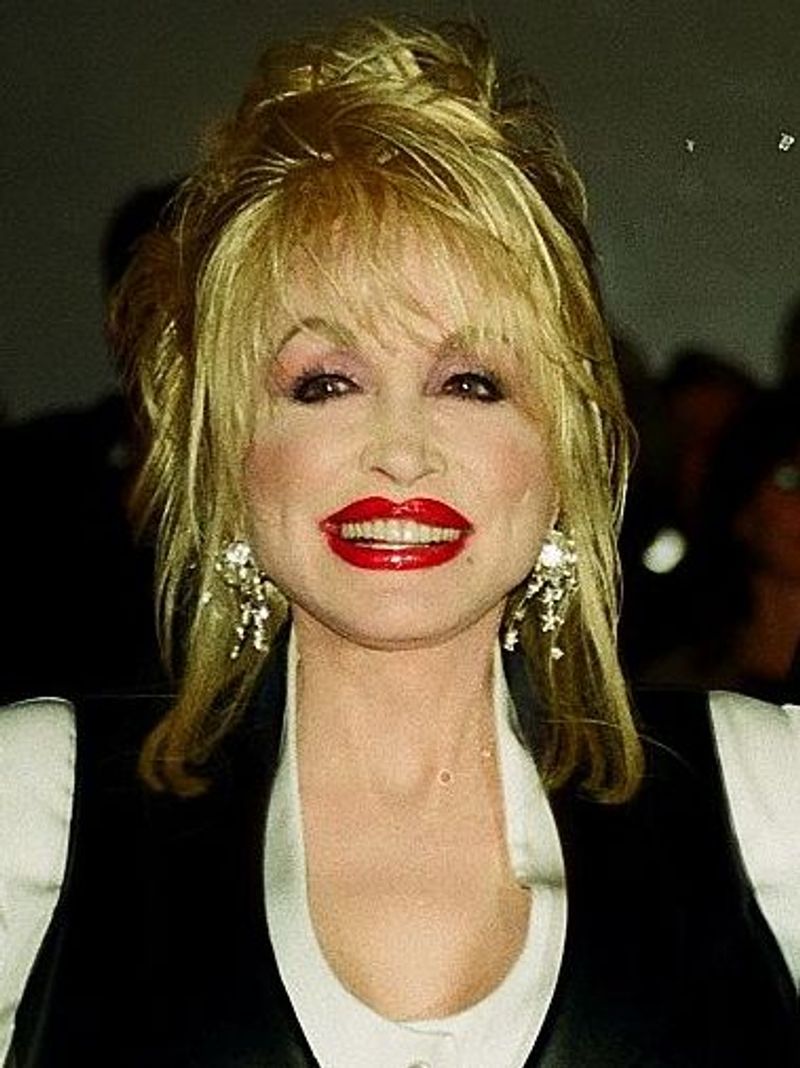
With a voice as bright as her sequined outfits, Dolly Parton transformed country music into a worldwide phenomenon while never forgetting her Tennessee mountain roots. Her songwriting genius shines through classics like “Jolene” and “I Will Always Love You,” compositions so powerful they’ve been covered by artists in every genre imaginable. But Parton’s influence reaches far beyond the recording studio—she’s built an entertainment empire while maintaining the down-home charm that first won hearts in the 1960s.
Parton broke through barriers when few women could claim equal footing in country music’s male-dominated world. She wrote her own songs, produced her own records, and made business decisions that established her as more than just a pretty voice. Her crossover hit “9 to 5” brought country storytelling to pop radio, proving the genre’s themes could resonate with everyone.
What makes Parton truly special is how she’s used success to lift others up. Her Imagination Library has given millions of books to children, showing that stardom comes with responsibility. She remains a living legend who balances glamour with genuine kindness, inspiring artists to stay true to themselves while reaching for the stars.
Hank Williams — Country’s Foundational Voice
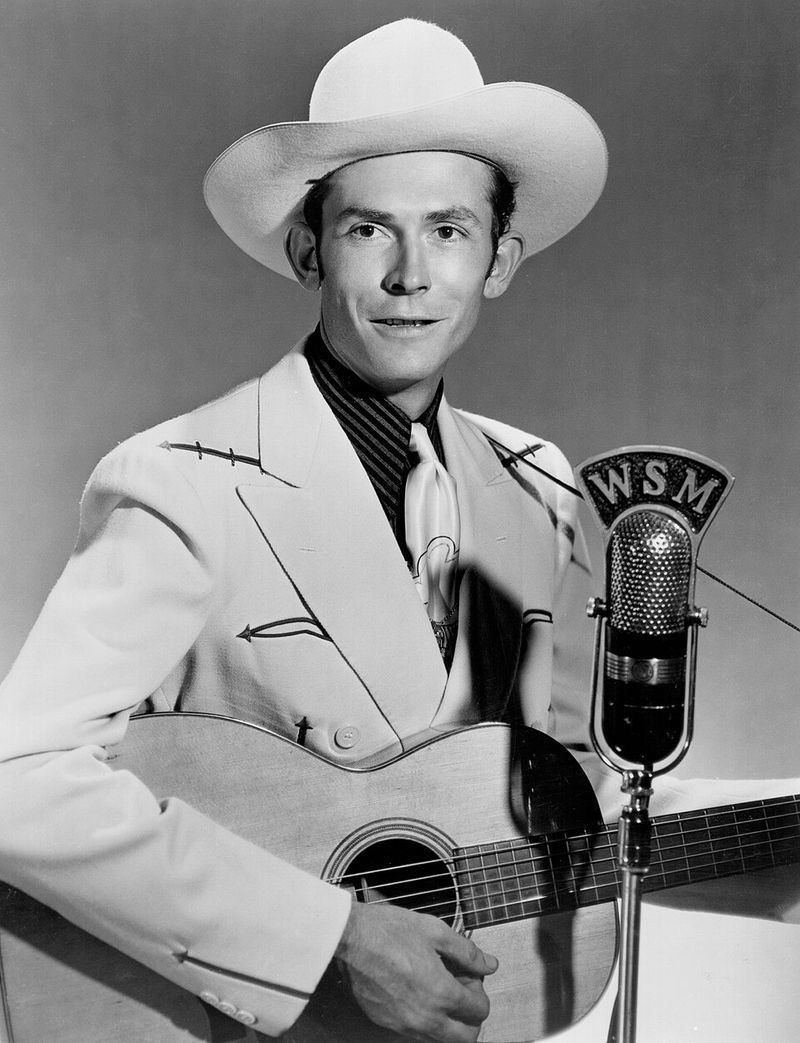
Before rock and roll changed everything, Hank Williams was writing songs that captured the human heart with devastating simplicity. His brief but brilliant career laid the foundation for modern country music, establishing emotional honesty as the genre’s most important quality. Williams sang about heartbreak, loneliness, and longing in ways that made listeners feel less alone in their own struggles.
“Your Cheatin’ Heart” and “I’m So Lonesome I Could Cry” remain masterclasses in country songwriting—direct, powerful, and achingly beautiful. Williams didn’t need fancy production or elaborate arrangements because his words and melodies carried all the emotional weight necessary. Each song felt like a conversation with someone who truly understood life’s hardships and joys.
Tragically, Williams died at just 29 years old, but his influence has only grown stronger with time. Every country artist who sings about real feelings and authentic experiences owes something to Hank Williams. His template for country storytelling—honest lyrics paired with memorable melodies—became the blueprint countless musicians still follow today.
Though he left this world far too soon, his songs continue teaching new generations what country music can achieve when it comes straight from the soul.
Willie Nelson — Outlaw and Innovator
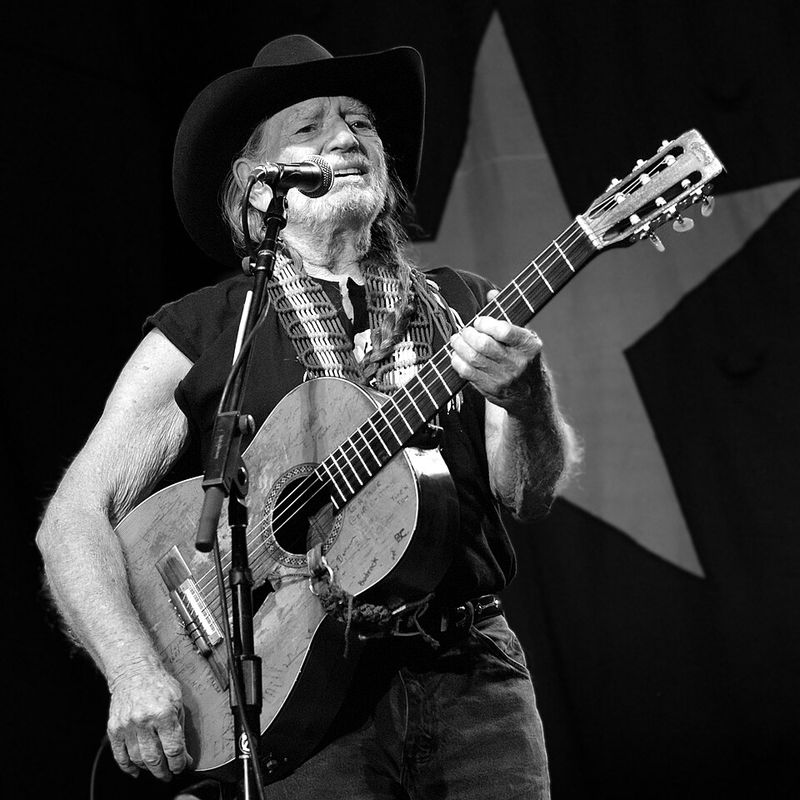
Willie Nelson’s worn guitar and unmistakable voice became symbols of freedom when Nashville’s slick production threatened to squeeze the soul out of country music. As a key figure in the outlaw country movement, Nelson showed artists they didn’t have to follow the established rules to make great records. His relaxed, behind-the-beat singing style and jazz-influenced phrasing set him apart from the polished Nashville sound dominating country radio in the 1970s.
“On the Road Again” perfectly captures Nelson’s free-spirited approach to life and music—always moving, always creating, never settling into comfortable patterns. His willingness to blend country with jazz, folk, rock, and even reggae proved the genre could stretch far beyond its traditional boundaries. Nelson’s songwriting gifts shine through compositions recorded by artists across multiple genres, demonstrating that great songs transcend labels.
Beyond music, Nelson became an advocate for causes he believes in, from farm aid to environmental protection. His annual Farm Aid concerts have raised millions while keeping attention focused on struggling family farmers. Now in his 90s, Nelson continues touring and recording, proving that authentic artistry never goes out of style and that country music’s rebellious spirit remains alive and well.
Loretta Lynn — First Lady of Country

Growing up in a Kentucky coal mining town, Loretta Lynn lived the hardships she sang about, giving her music an authenticity that couldn’t be manufactured. She fearlessly wrote songs about topics other female country singers avoided—birth control, divorce, and the double standards women faced in relationships. Her breakthrough hit “Coal Miner’s Daughter” told her life story with pride rather than shame, celebrating working-class roots when others might have hidden them.
Lynn’s willingness to tackle controversial subjects made her a voice for women who felt country music wasn’t speaking to their real experiences. Songs like “The Pill” and “Fist City” showed women standing up for themselves, challenging the submissive female stereotypes common in country music at the time. Radio stations sometimes banned her records, but fans loved her honesty and bought her albums anyway.
Her partnership with Conway Twitty produced some of country music’s greatest duets, while her solo work established her as one of the genre’s most important songwriters. Lynn proved that country music could address serious social issues while remaining entertaining and commercially successful. Her autobiography and the film based on it introduced her story to millions beyond country music’s traditional audience, cementing her status as a true American original.
Patsy Cline — The Voice That Crossed Genres
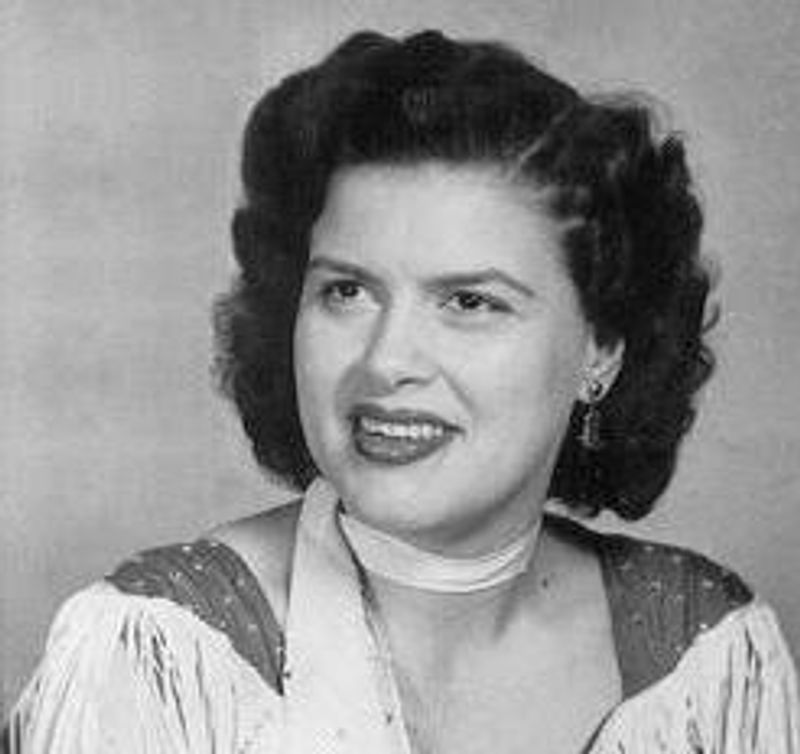
Patsy Cline possessed one of the most beautiful voices ever recorded, a rich contralto that could break hearts with a single note. Her emotional delivery brought country music into mainstream pop consciousness during the early 1960s, proving the genre could compete with any other style for sheer vocal power and sophistication. When she sang “Crazy,” written by a then-unknown Willie Nelson, she transformed it into a timeless standard that transcended country music’s traditional boundaries.
Cline’s success came at a time when female country singers rarely received the respect or opportunities given to their male counterparts. She fought for better pay, more creative control, and recognition as a serious artist rather than just another pretty voice. Her determination opened doors for countless women who followed, showing that talent and persistence could overcome industry barriers.
Tragically, a plane crash took Cline’s life when she was just 30 years old, leaving fans to wonder what heights she might have reached. Despite her short career, she left behind a catalog of recordings that still sound fresh and emotionally powerful decades later. Her influence extends far beyond country music—pop, rock, and jazz singers all study her phrasing and emotional delivery, recognizing a master at work.
Kitty Wells — Female Pioneer
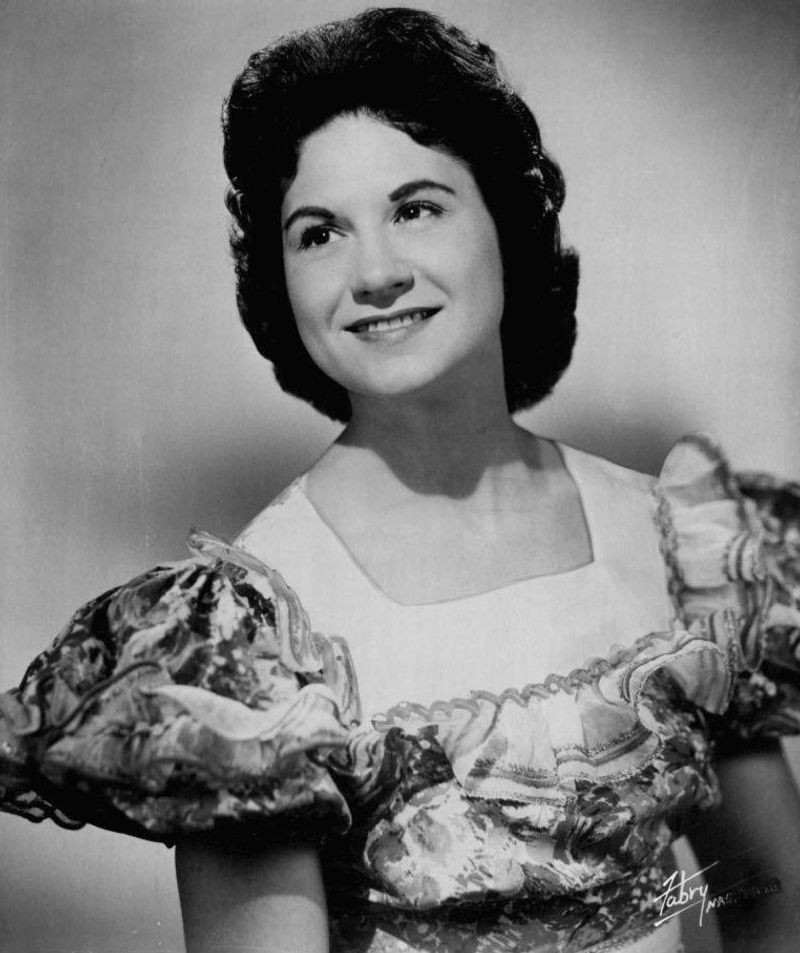
Before Kitty Wells, female country singers were mostly viewed as novelty acts or backup singers for male stars. That changed in 1952 when Wells topped the country charts with “It Wasn’t God Who Made Honky Tonk Angels,” a response song that challenged the male perspective dominating country music. Her success proved that women could be major stars and that female listeners wanted to hear their own stories reflected in country songs.
Wells’ hit sparked controversy because it dared to suggest that women’s behavior might be shaped by men’s actions—a radical idea for 1950s country radio. Some stations refused to play it, but the song’s popularity couldn’t be denied. Fans, especially women, embraced Wells’ message that female perspectives deserved equal time in country music’s ongoing conversation about relationships and life.
Her groundbreaking chart success opened the industry to female artists in ways that hadn’t existed before. Wells maintained her career for decades, becoming known as the Queen of Country Music long before anyone dreamed of challenging that title. Her dignified stage presence and consistent hit records established a template for female country stardom.
Every woman who has topped the country charts since owes a debt to Kitty Wells for proving it was possible in the first place.
George Strait — The King of Country

When country music was experimenting with pop crossovers and rock influences in the 1980s, George Strait stuck with traditional honky-tonk sounds and became the genre’s biggest star anyway. His straightforward approach—great songs, honest delivery, no gimmicks—proved that classic country could still dominate the charts. With over 60 number-one hits spanning multiple decades, Strait’s consistency is unmatched in country music history.
Strait’s smooth baritone and understated stage presence let the songs do the talking. He didn’t need flashy costumes or elaborate stage shows because his music was strong enough to hold audiences on its own. This no-nonsense approach influenced countless artists who saw that substance could triumph over style, that traditional country sounds still resonated with modern audiences.
His influence on country music’s modern sound cannot be overstated—he kept traditional country alive during eras when it might have disappeared completely. Strait proved that honoring the genre’s roots didn’t mean being stuck in the past, that classic country sounds could evolve while maintaining their essential character. His farewell tour broke attendance records, demonstrating the deep connection he built with fans over four decades.
Even in semi-retirement, the King of Country remains royalty, with newer artists citing him as a primary influence.
Merle Haggard — Voice of the Heartland
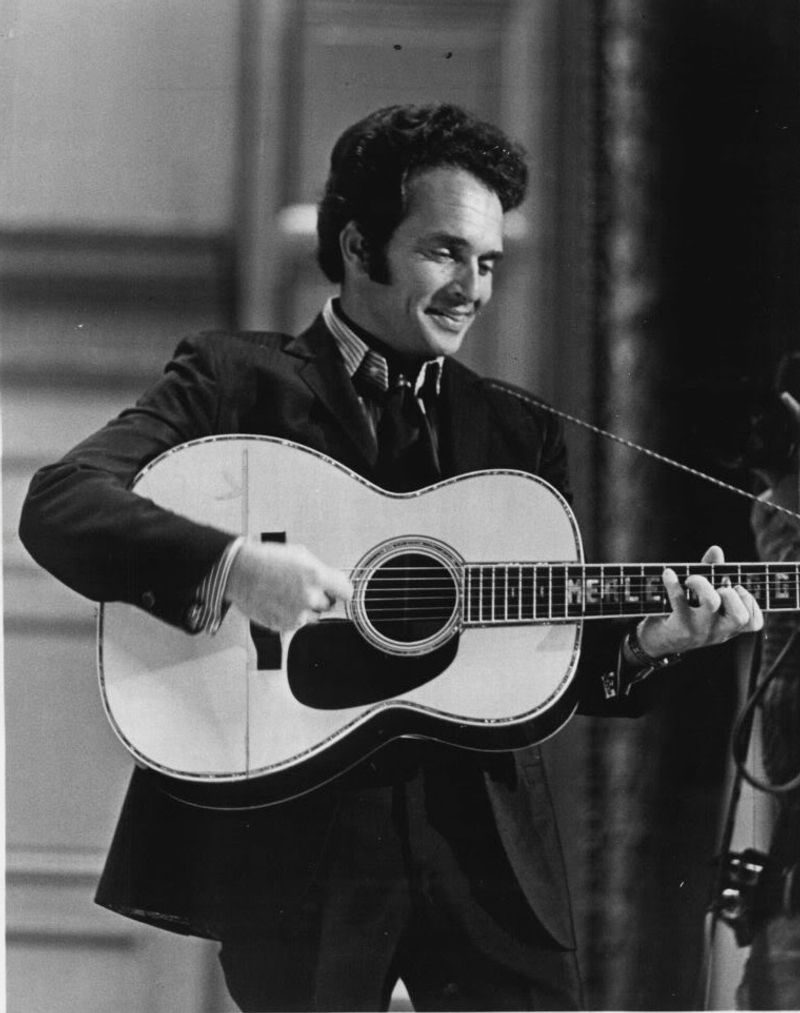
Merle Haggard didn’t just sing about working-class life—he lived it, spending time in prison before turning his life around through music. That authentic experience gave his songs a gritty realism that resonated with listeners who felt country music was becoming too polished and disconnected from everyday struggles. His songs celebrated blue-collar values while acknowledging the hardships that came with that life, creating a body of work that spoke for millions of Americans.
“Okie from Muskogee” and “The Fightin’ Side of Me” became anthems for a particular worldview, though Haggard’s politics were more nuanced than those songs suggested. His later work showed a thoughtful artist grappling with complex issues, someone who could write a prison reform song as easily as a patriotic anthem. This depth made him one of country music’s most important songwriters, capable of capturing multiple perspectives on the American experience.
Haggard’s influence on country music’s storytelling tradition is immeasurable. He showed that songs could be both personal and universal, that specific details from one person’s life could illuminate truths about the human condition. His passing in 2016 marked the end of an era, but his songs continue teaching new generations about honest songwriting and emotional depth in country music.
Garth Brooks — Arena and Crossover Superstar
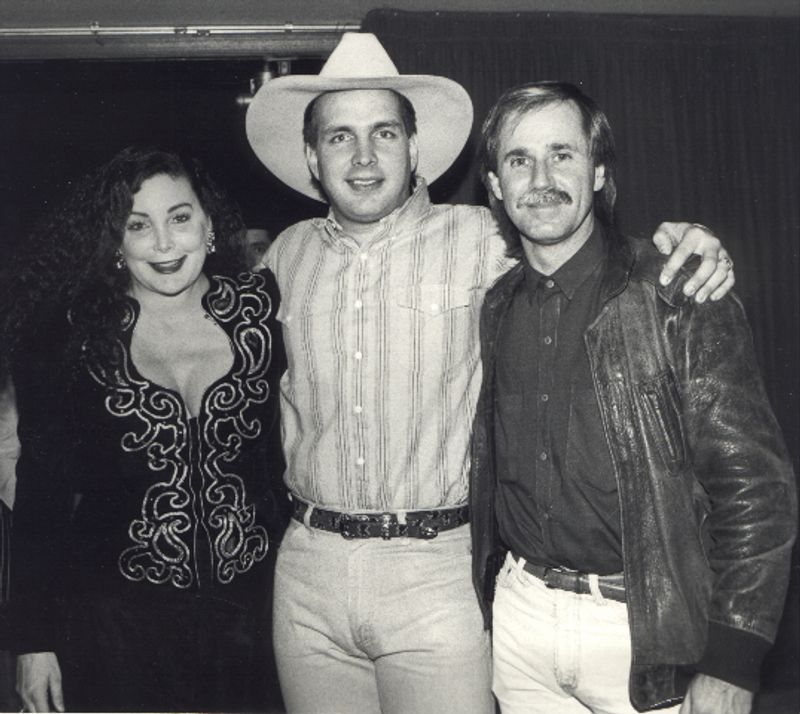
Nobody expected a country singer to sell out stadiums like a rock star, but Garth Brooks changed everything about what country artists could achieve. His high-energy concerts featured wireless microphones, theatrical lighting, and rock-style staging that brought country music to arena-sized audiences. Brooks didn’t just perform songs—he created experiences, connecting with fans in ways that made each concert feel like a personal event rather than a distant show.
Hits like “Friends in Low Places” became singalong anthems that transcended country music’s traditional audience. Brooks’ willingness to incorporate rock and pop influences into his sound helped country reach listeners who might never have tuned into country radio. His albums sold in numbers previously unimaginable for country artists, proving the genre could compete commercially with any other style of music.
Brooks’ marketing savvy matched his musical talents—he understood how to build a brand while maintaining artistic credibility. His temporary retirement to focus on family showed that success didn’t have to mean sacrificing personal values. When he returned to touring, fans welcomed him back enthusiastically, demonstrating the lasting connection he’d built.
Brooks redefined what country superstardom could look like, opening doors for artists who dreamed of reaching audiences beyond country music’s traditional boundaries.
Reba McEntire — Lady of Country
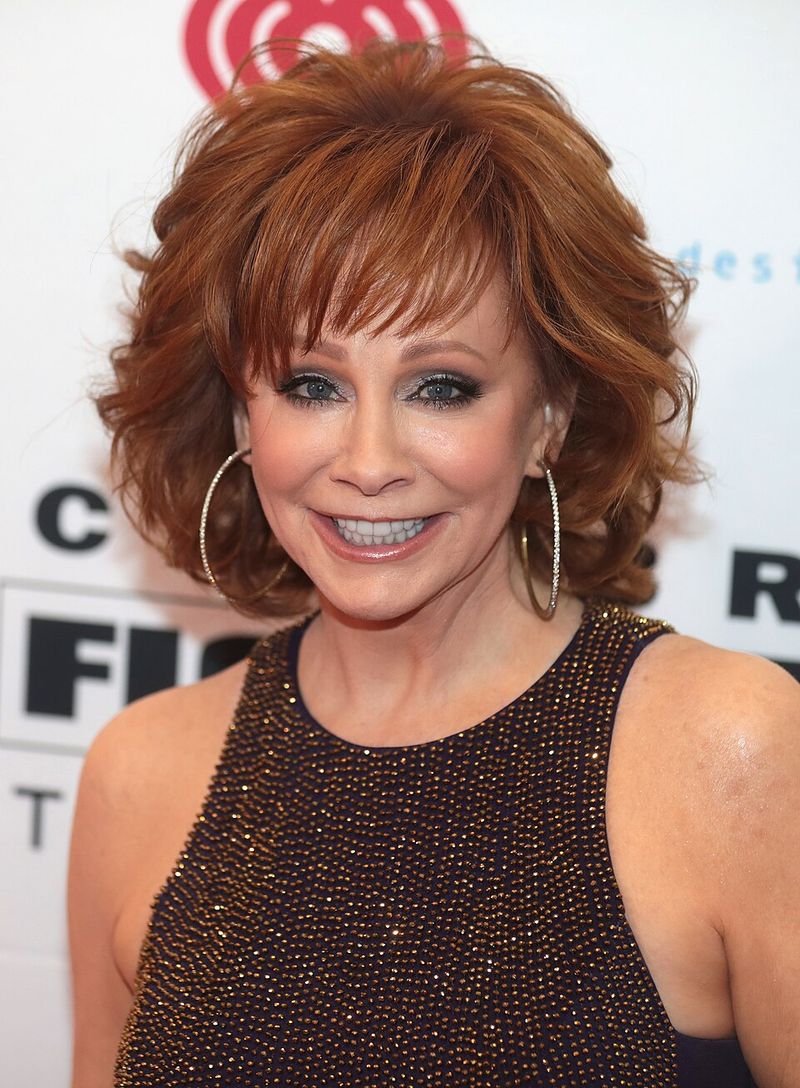
Reba McEntire’s powerful voice and dramatic delivery made her one of country music’s most distinctive performers, someone whose records demanded attention from the first note. Starting in the late 1970s, she evolved from traditional country sounds to a more contemporary style without losing the emotional core that made her special. Her ability to inhabit a song, to make listeners believe every word she sang, set her apart in an era filled with talented female vocalists.
McEntire’s business acumen matched her artistic talents—she built an entertainment empire that included acting, producing, and entrepreneurship while maintaining her music career. Her sitcom brought her to audiences who might never have heard her records, expanding country music’s cultural reach. She proved that country artists could succeed in multiple entertainment fields without abandoning the genre that made them famous.
Her willingness to tackle challenging material, including songs about difficult relationships and life’s hardships, showed that commercial country could still have substance. McEntire bridged traditional country themes with contemporary production values, helping the genre evolve while respecting its roots. After decades in the spotlight, she remains relevant, mentoring younger artists and continuing to record music that connects with fans across generations.
Her influence on female country artists is profound, showing them paths to long-term success in a notoriously difficult industry.
Carrie Underwood — Modern Country Powerhouse
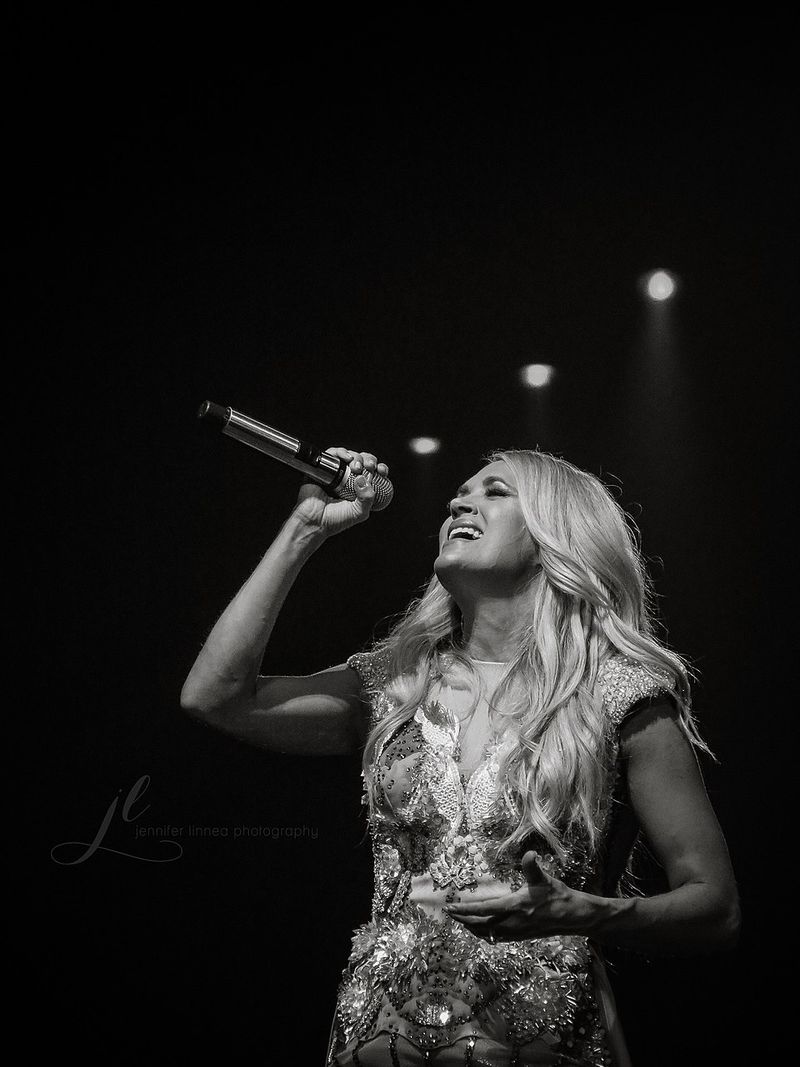
Winning American Idol in 2005 launched Carrie Underwood into superstardom, but her powerful voice and smart song choices have kept her there for nearly two decades. Her debut single “Jesus, Take the Wheel” announced a major talent, someone who could deliver both emotional depth and vocal fireworks. Underwood quickly proved she was no reality show novelty, building a career that rivals any country artist of her generation.
Underwood’s music blends traditional country storytelling with contemporary production values, creating a sound that appeals to both longtime country fans and newer listeners. Songs like “Before He Cheats” became cultural moments, anthems that transcended country radio to become part of the broader pop culture conversation. Her ability to choose material that resonates with modern audiences while respecting country traditions has made her one of the genre’s most successful artists.
Beyond commercial success, Underwood has earned respect from country music’s establishment, winning numerous awards and recognition as a serious artist. Her vocal abilities are undeniable—she can handle anything from tender ballads to powerful up-tempo numbers with equal skill. As country music continues evolving, Underwood represents a bridge between generations, honoring the past while helping shape the genre’s future.
Her success has inspired countless young singers to pursue country music careers, showing that talent and hard work still matter.
Kenny Rogers — Country Crossover Legend
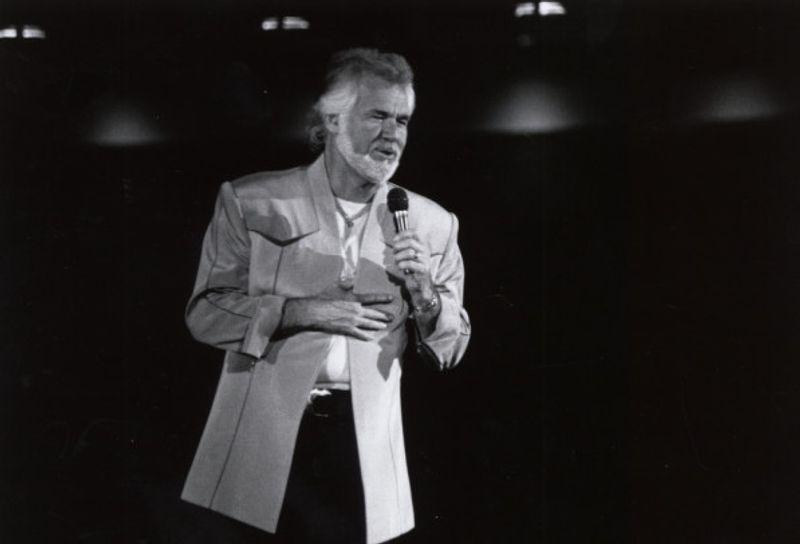
Kenny Rogers’ smooth voice and story-driven songs made him a bridge between country and pop audiences, achieving success in both worlds when few artists could manage either. His narrative songs like “The Gambler” and “Coward of the County” told complete stories with memorable characters, turning country singles into mini-movies for the ears. Rogers understood that great songs transcend genre labels, that compelling storytelling could reach listeners regardless of their usual musical preferences.
His crossover appeal helped country music reach international audiences in unprecedented ways. Rogers’ records sold in countries where country music had barely registered before, expanding the genre’s global footprint. His collaborations with artists from other genres, including his legendary duets with Dolly Parton, showed that country artists could work across musical boundaries while maintaining their core identity.
Rogers’ success in photography, business ventures, and acting demonstrated that country stardom could be a launching pad for broader entertainment careers. His chicken restaurant chain became a pop culture phenomenon, showing his entrepreneurial spirit extended beyond music. Even as musical trends changed, Rogers remained relevant by focusing on quality songs and genuine connection with audiences.
His passing in 2020 marked the end of an era, but his recordings continue introducing new listeners to country music’s storytelling tradition.
Shania Twain — Country Pop Innovator

Shania Twain didn’t ask permission to reinvent country music—she just did it, blending rock production with country themes to create something fresh and exciting. Her 1997 album “Come On Over” became the best-selling country album of all time, proving that country music could dominate global pop markets without abandoning its storytelling roots. Twain’s confidence and charisma made her a superstar, someone who could fill arenas worldwide with fans singing along to every word.
Working with rock producer Robert John “Mutt” Lange, Twain created a polished sound that appealed to pop radio while maintaining enough country flavor to satisfy traditional fans. Songs like “Man! I Feel Like a Woman!” became anthems of female empowerment, celebrating confidence and independence in ways that resonated far beyond country music’s typical audience.
Her music videos brought glamour and high production values to country music, changing how the genre presented itself visually.
Twain’s success opened doors for female artists who wanted to push country music’s boundaries. Her willingness to experiment with sounds and styles showed that innovation and commercial success could coexist. After battling health issues that threatened her voice, Twain’s comeback demonstrated her resilience and the lasting connection she’d built with fans.
She remains an inspiration to artists seeking to expand country music’s possibilities while respecting its foundations.
Mickey Guyton — Breaking Barriers in Modern Country
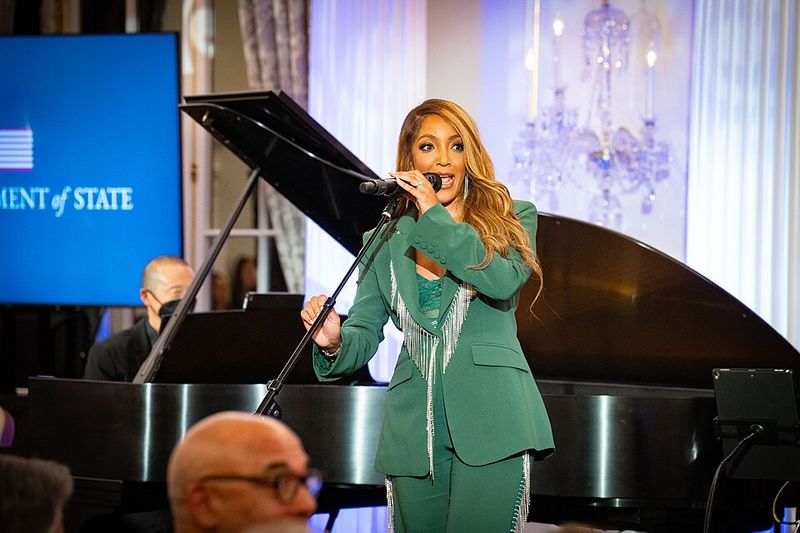
Mickey Guyton’s journey in country music hasn’t been easy, but her perseverance is reshaping the genre’s future. As one of the few Black women to achieve major recognition in contemporary country music, Guyton has faced obstacles that shouldn’t exist in the 21st century. Rather than staying silent about these challenges, she’s addressed them directly through her music, particularly in the powerful song “Black Like Me,” which confronted racism with emotional honesty rarely heard on country radio.
Guyton’s voice blends country purity with R&B influences, creating a sound that feels both familiar and fresh. Her willingness to incorporate different musical traditions into country music reflects the genre’s actual history—country has always borrowed from blues, gospel, and other styles, even when those contributions weren’t properly acknowledged. By embracing these influences openly, Guyton is helping country music tell a more complete story about its roots.
Her historic performance at the Academy of Country Music Awards and Grammy nomination for Best Country Solo Performance marked important milestones, but Guyton’s real impact goes deeper. She’s opening doors for artists who don’t fit traditional country music stereotypes, showing that the genre can embrace diversity while maintaining its essential character. As country music continues evolving, Guyton represents a future where talent matters more than fitting predetermined images of what country artists should look like.
Share this story