History is full of everyday habits that now make us do a double take. Some were spiritual, some were stylish, and some were simply brutal, yet people once accepted them as normal.
As you read, you will recognize how beliefs, tech, and power shaped choices that seem wild now. Get ready to be amazed, unsettled, and maybe a little grateful for modern life.
1. Human sacrifice in Mesoamerican ball games
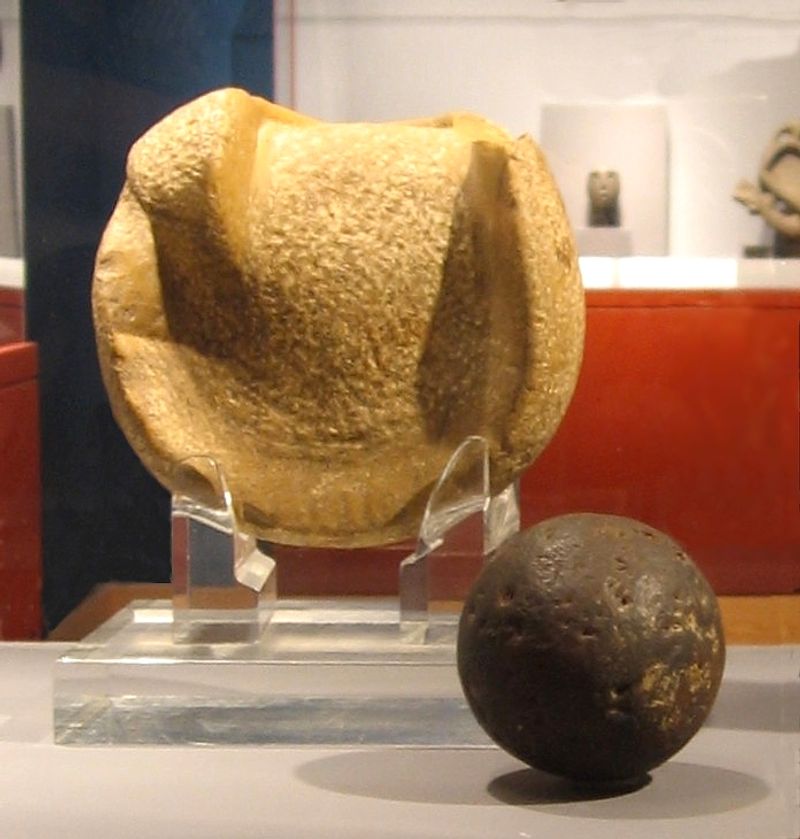
Mesoamerican ball games blended sport, ritual, and cosmology. On carved courts, players struck a heavy rubber ball without hands, echoing celestial cycles.
Some ceremonies ended with human sacrifice, believed to nourish gods and keep cosmic balance.
It sounds unthinkable, yet within that worldview, sacrifice sustained life itself. Murals, court markers, and Spanish chronicles describe decapitation, offerings, and grand pageantry.
You can still visit courts in Mexico and Guatemala, feeling the stone geometry hum with history. The game survives today as a cultural revival, stripped of blood yet full of symbolic echoes.
2. The hobble skirt fashion hazard
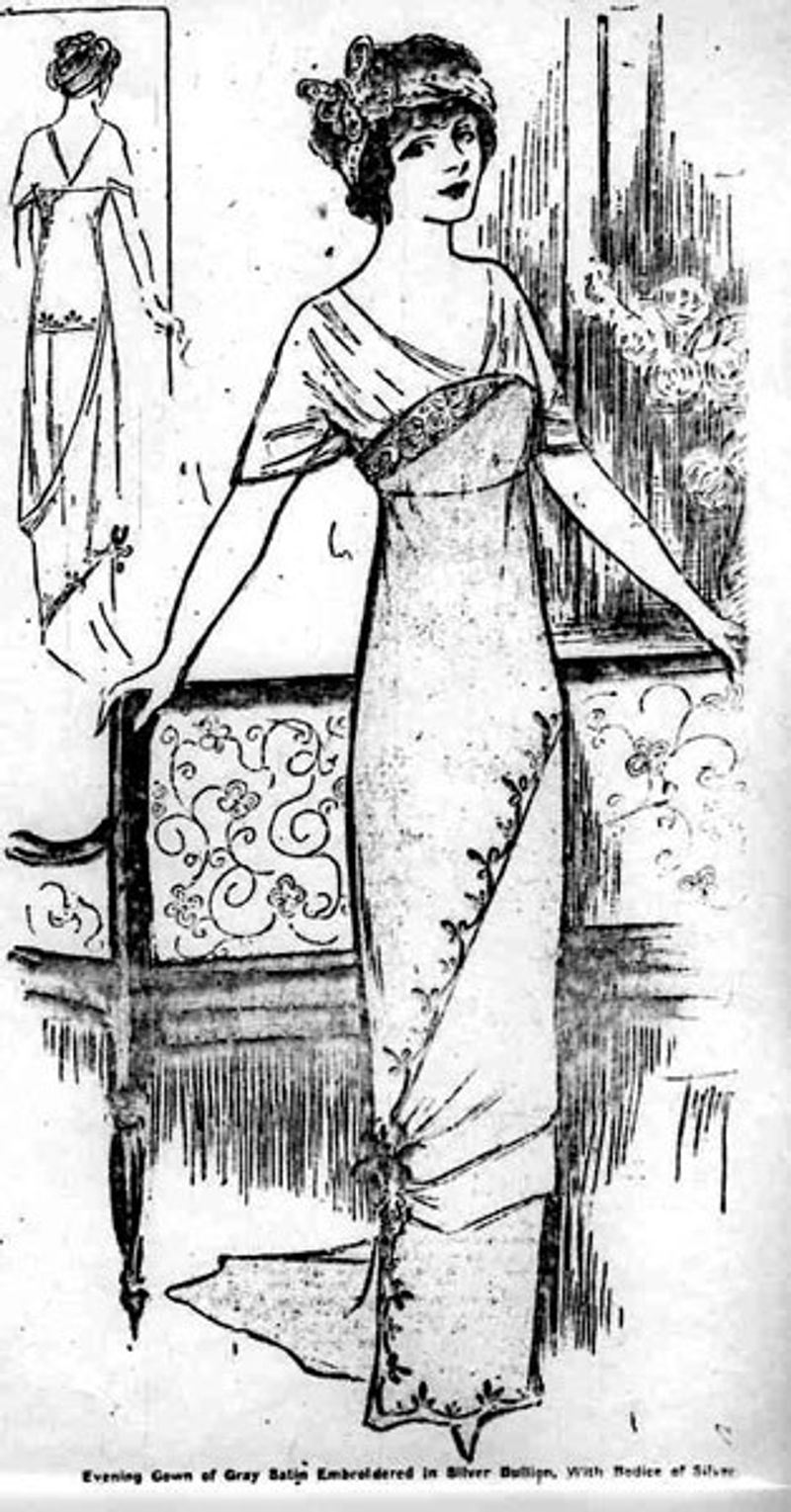
In the 1910s, the hobble skirt restricted steps so narrowly that women shuffled more than walked. Designer Paul Poiret celebrated freedom from corsets, yet traded it for dangerous hemlines.
Stairs, streetcars, and wind became hazards, with reports of falls and even fatalities.
If shoes can be impractical, imagine a skirt that traps your stride. Newspapers mocked and marveled, while pattern companies sold the look anyway.
The fad faded as mobility and work needs rose. Today, photos show elegance and absurdity side by side, reminding you fashion can frame freedom or cage it.
3. Hermits for hire on estates
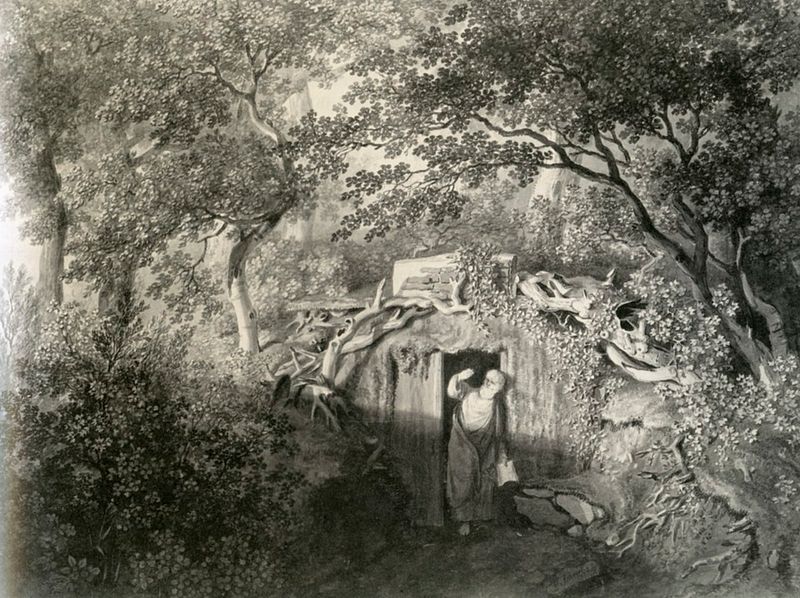
Georgian Britain loved picturesque landscapes so much that wealthy owners hired ornamental hermits. These men lived in artificial grottoes or hermitages, growing hair and nails, avoiding baths, and appearing occasionally as living curiosities.
Contracts even specified silence, costume, and years of seclusion.
You might picture influencer culture, but slower and stranger. Guests wandered gardens to glimpse a philosopher in rags, pondering nature and mortality.
Many hermits broke their terms or staged appearances, blending theater and status. The fad passed as tastes shifted, leaving quirky contracts and mossy follies behind.
4. Elephants used as executioners
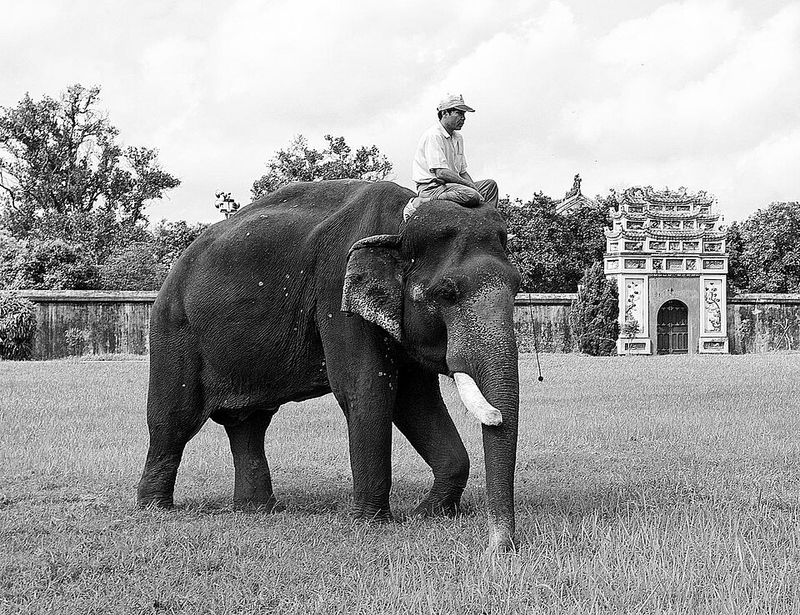
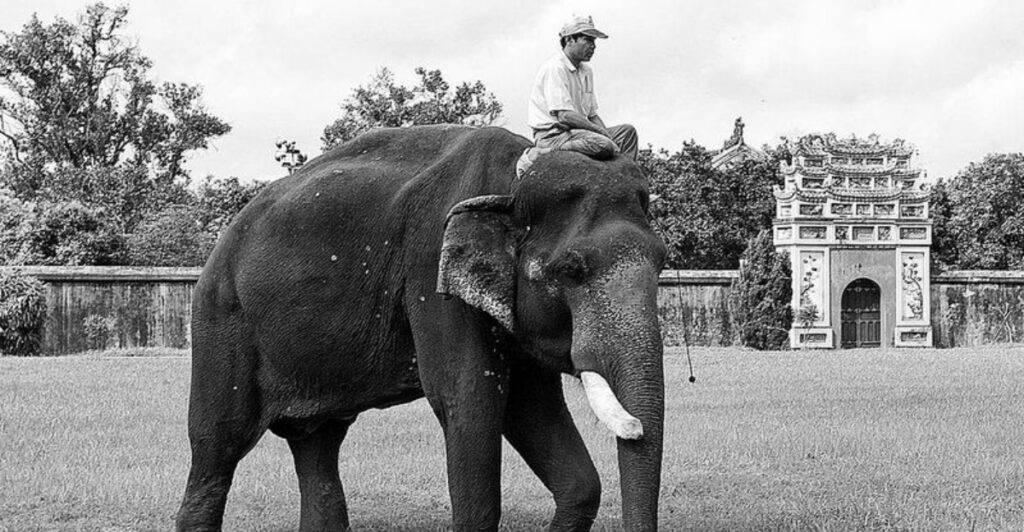
In parts of South and Southeast Asia, rulers used trained elephants to execute criminals. The animals could crush, dismember, or prolong suffering on command, demonstrating absolute royal power.
Public spectacles warned onlookers that justice, wealth, and nature bowed to the throne.
It is hard to imagine seeing justice carried out by an animal today. Yet then, it communicated order in a language everyone understood.
Accounts describe handlers carefully directing the elephant, sometimes granting mercy. The practice faded with colonial rule and modern penal reforms, surviving now in chronicles and uneasy illustrations.
5. The codpiece fashion statement
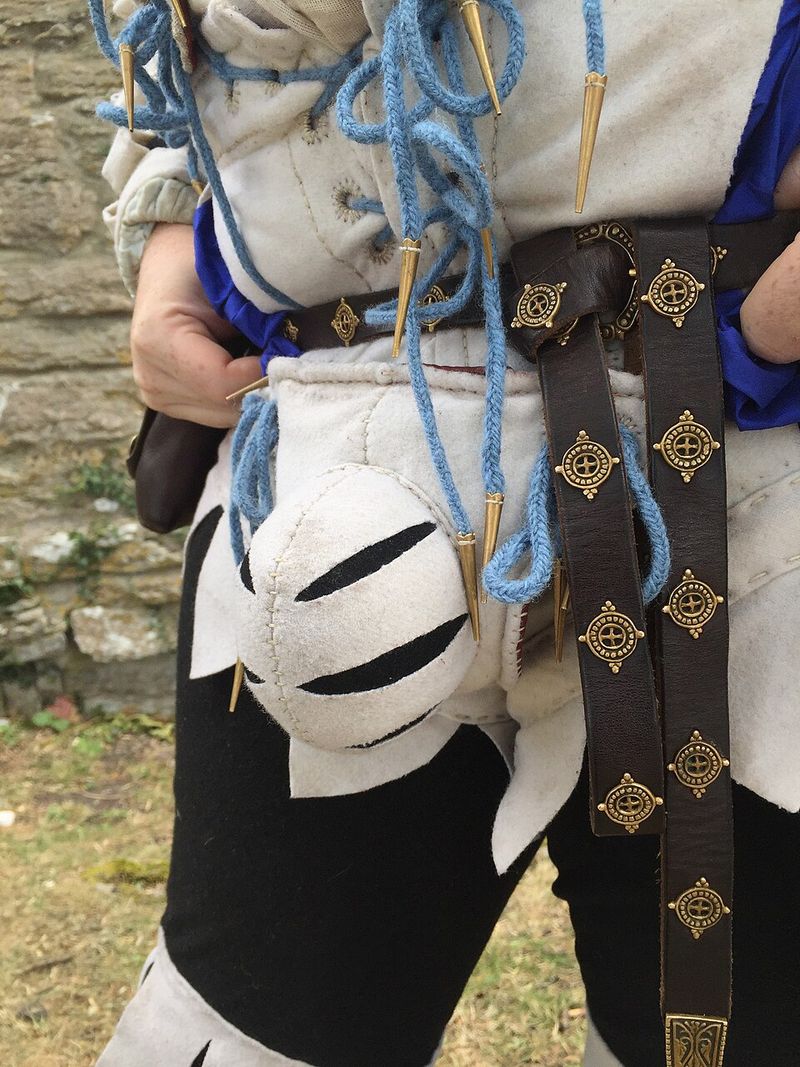
Renaissance wardrobes featured codpieces, padded pouches covering and flaunting the groin. Tailors coordinated fabrics with doublets and hose, sometimes adding embroidery, slashing, or metal.
Beyond bravado, they provided practical coverage as men shifted from long tunics to fitted hose.
To modern eyes, it looks comic. Yet courts signaled fertility, virility, and status through exaggerated silhouettes.
Armor even included steel codpieces, both protective and symbolic. Portraits of Henry VIII immortalize the trend.
As styles changed, codpieces shrank and vanished, leaving museum visitors smirking while curators explain context.
6. Trial by ordeal in medieval justice
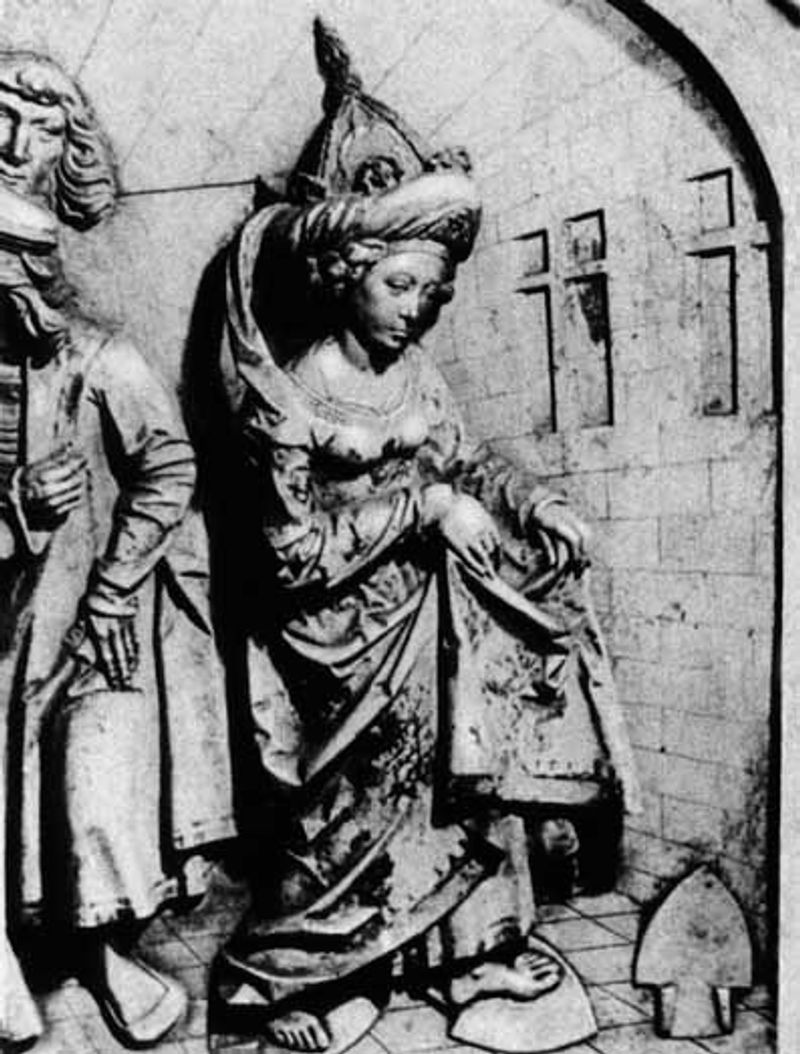
When evidence was scarce, communities turned to ordeal. Accused people grasped hot iron, were bound and thrown into water, or endured fire, trusting divine judgment to reveal truth.
Priests oversaw rituals, and healing outcomes signaled innocence.
Sometimes clergy quietly manipulated results to protect reputations or restore peace. Church councils later discouraged ordeals, and legal procedures professionalized.
Yet the idea that innocence carries protection lingers in stories. Modern courts demand proof, not miracles, a shift built on many burned hands.
7. The ducking stool public punishment
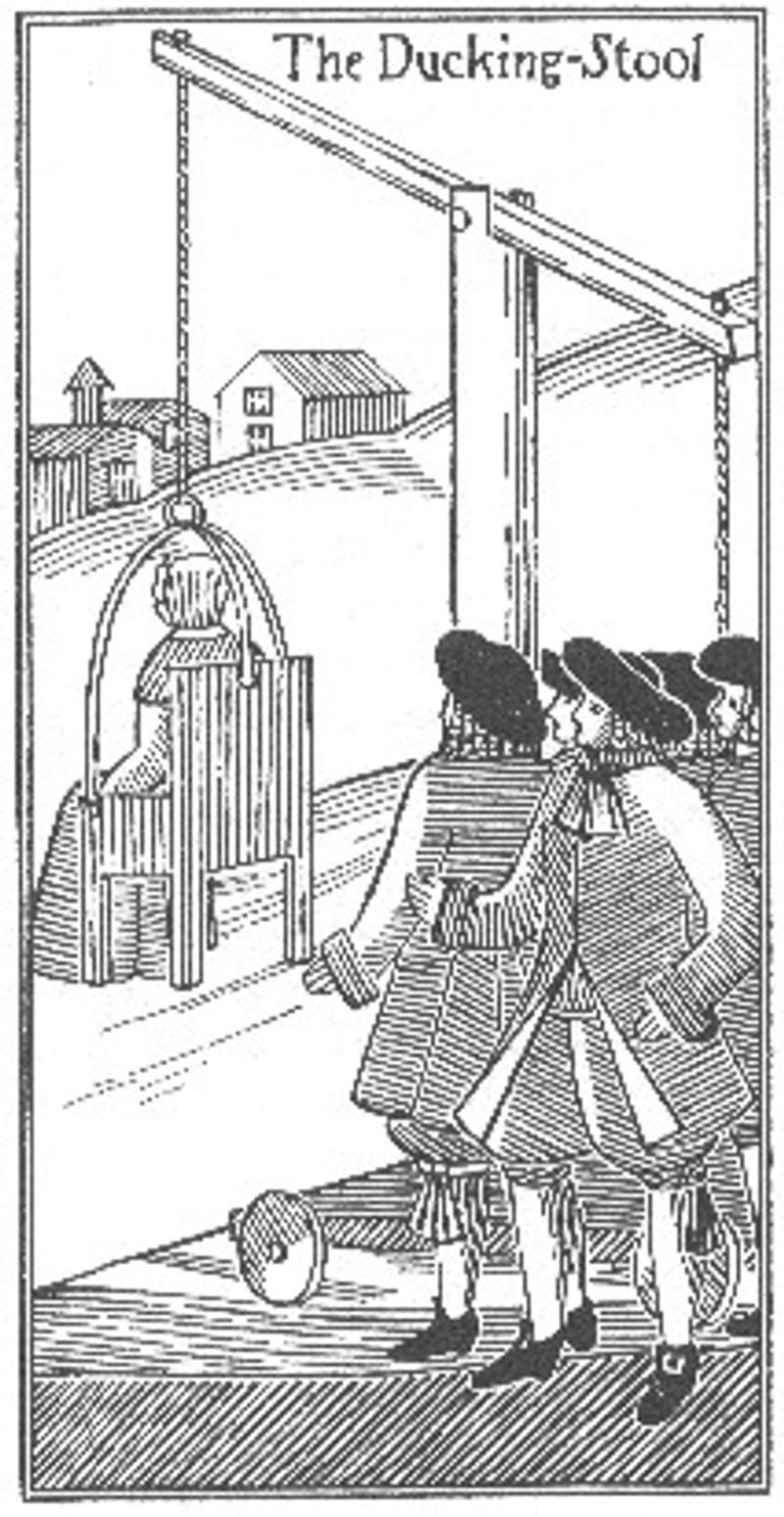
Across early modern Europe and colonial America, ducking stools punished so called scolds, gossips, and suspected witches. Officials strapped victims to a chair on a beam, dunking them into rivers repeatedly.
The spectacle humiliated more than harmed, though drownings occurred.
You can almost hear the crowd and creaking timber. Gendered control sat at its core, policing speech and conformity.
Reformers later condemned such punishments as barbaric, replacing them with fines or courts. Today, replica stools sit by quiet streams, picturesque yet chilling reminders of how public shame once passed for justice.
8. Self mummification by Buddhist monks
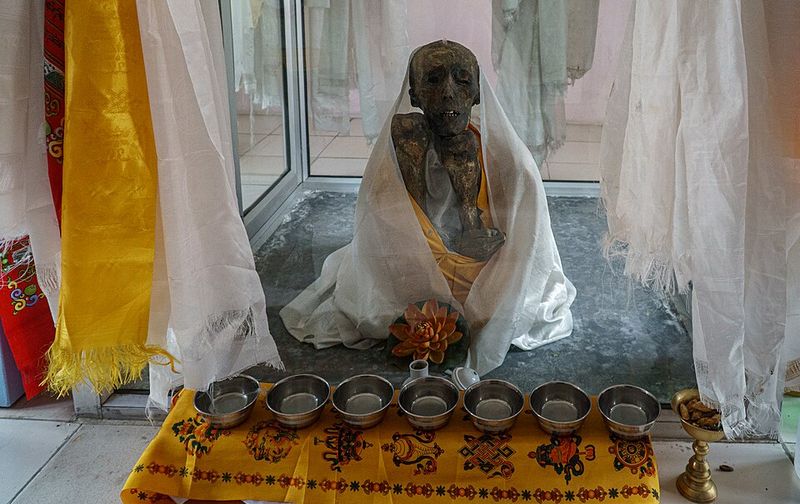
In northern Japan, certain ascetic monks pursued sokushinbutsu, self mummification as a path to enlightenment. They followed a grueling diet stripping fat, then consumed toxic lacquer tree tea to deter decay.
Finally, they meditated in stone chambers until death, hoping their preserved bodies proved spiritual triumph.
You might shudder at the discipline required, yet it reflected deep devotion and community reverence. Villagers later enshrined the remains, believing they protected the region.
Today, preserved monks displayed in temples feel surreal, a stark reminder of faith carried to unimaginable extremes.
9. Lobotomy as medical treatment
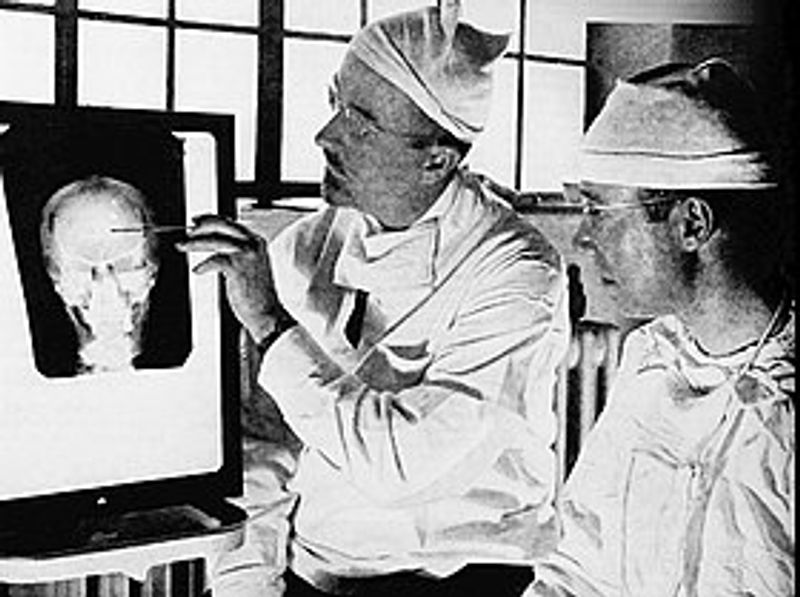
Mid twentieth century psychiatry embraced lobotomy, severing brain connections to calm severe symptoms. Surgeons sometimes used ice pick like tools through the eye socket, a quick office procedure.
Patients often lost initiative, emotion, or independence, marketed then as relief.
It is haunting to imagine hope turning to quieted personality. Families and doctors wanted solutions before modern meds existed.
As evidence of harm mounted, the practice declined, replaced by antipsychotics and better ethics. You can trace the lesson clearly: desperate times invite drastic answers, but consent and data must lead.
10. Vibrating belt weight loss machines
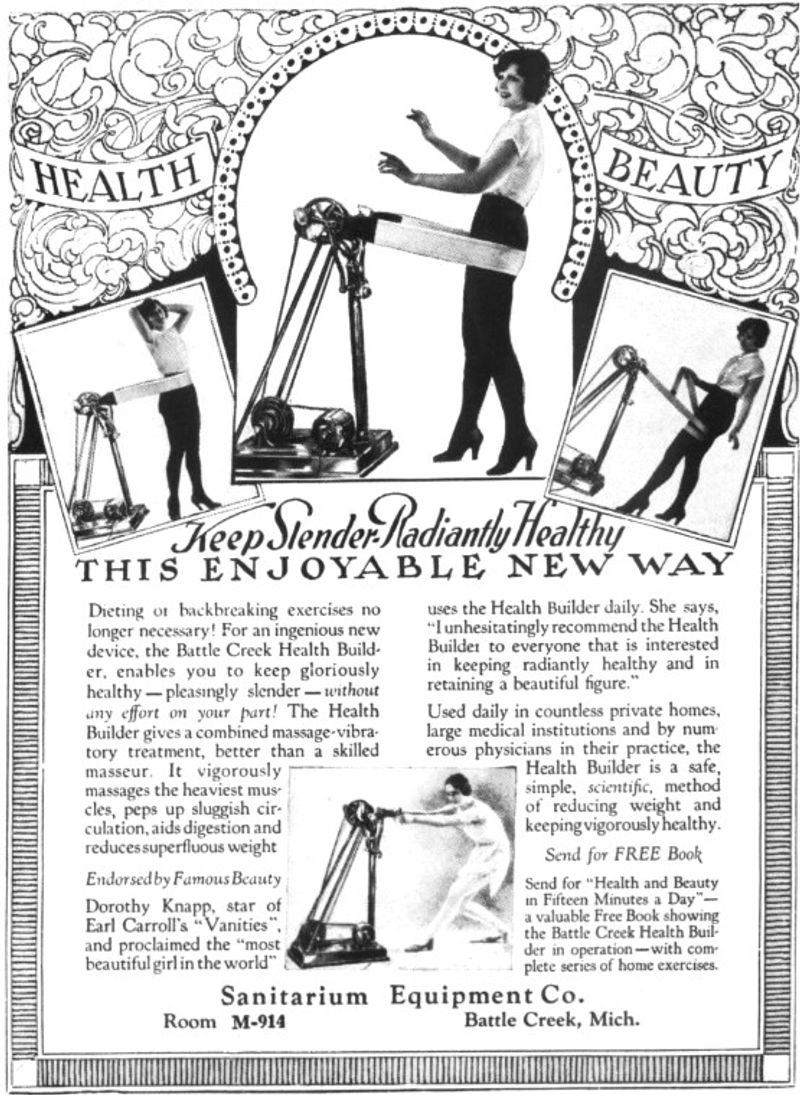
For decades, gyms and salons showcased belt vibrators promising effortless slimming. You stood there while a motor jiggled your midsection, supposedly melting fat.
Ads showed smiling users and lab coats, a scientific vibe masking wishful thinking.
If you have ever chased easy results, you recognize the appeal. Even early studies doubted benefits, but the spectacle sold memberships.
Eventually, modern fitness shifted toward training and nutrition. Old photos make you grin, yet they echo contemporary fads too.
Technology changes, human hopes stay similar.
11. Foot binding in imperial China
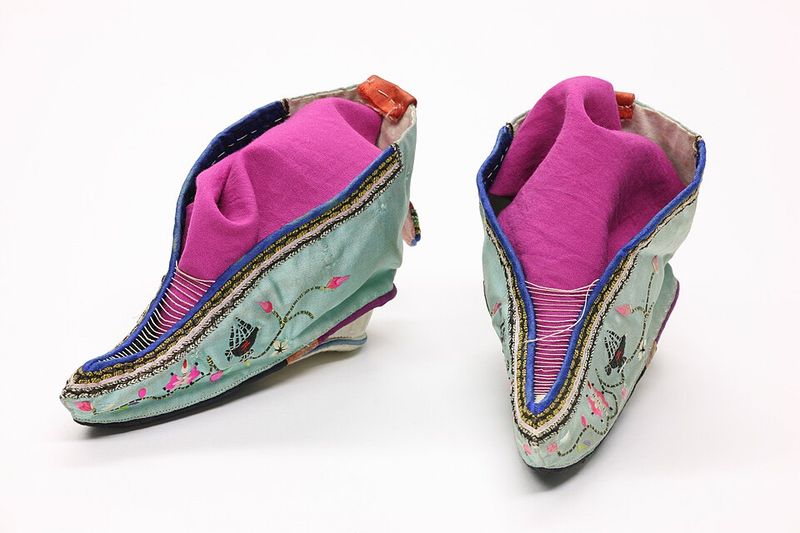
For centuries, elite families bound young girls feet into lotus shapes, breaking arches to create tiny soles. The painful process signaled status, beauty, and marriage prospects.
Women endured lifelong disability, walking with mincing steps praised as delicate.
Reading accounts is heartbreaking. Reformers, missionaries, and Chinese activists campaigned against the custom, forming anti foot binding societies.
As modernity and shifting tastes spread, families stopped binding, and laws condemned it. Museums preserve embroidered shoes, exquisite and tragic.
You can admire craftsmanship while rejecting the harm it hid.
12. Victorian post mortem photography
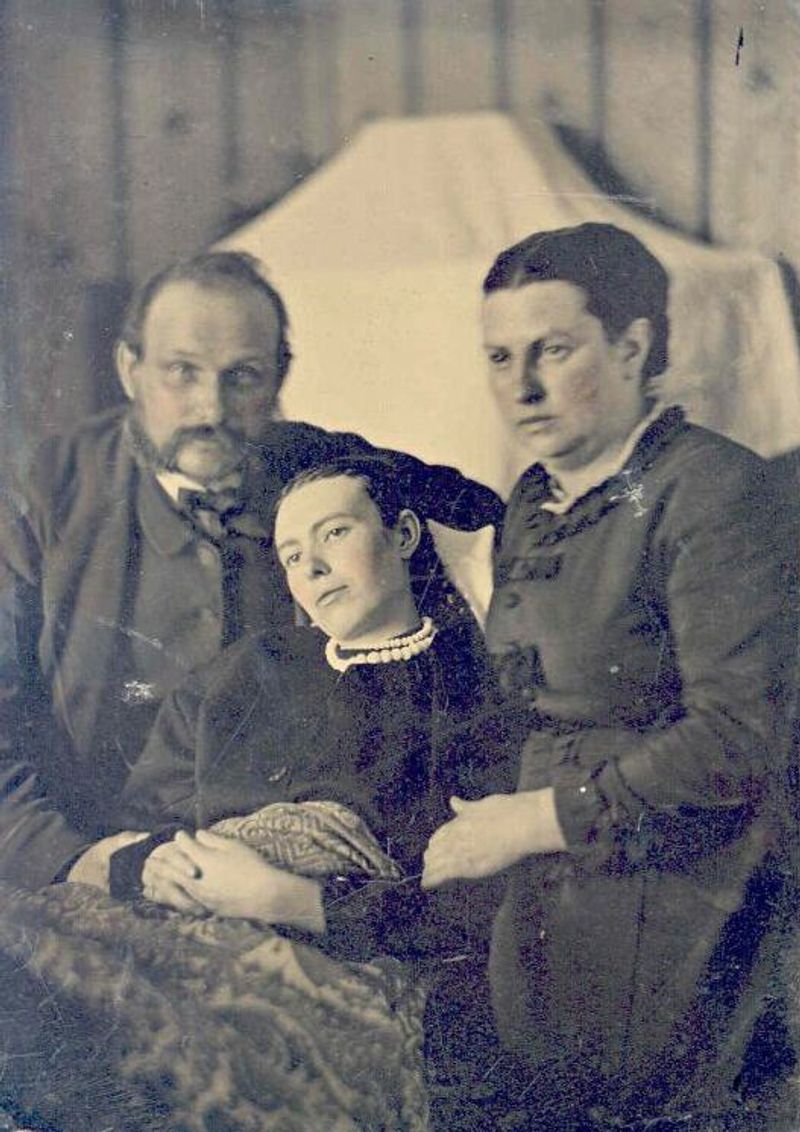
Grief met technology in the Victorian era through memorial portraits of the dead. Families posed loved ones as if sleeping, sometimes with siblings or props.
Photographs served as the only lasting image many households could afford.
It feels eerie now, yet it honored memory when death was common. Photographers used stands, careful lighting, and retouching to create serenity.
Albums kept these images alongside weddings and births. Today, you might light a candle or post online.
They framed loss with ritual and craft, seeking comfort in stillness.
13. Geophagy and medicinal earth eating

Across cultures, people have eaten clay or soil for health, ritual, or survival. From West African kaolin to antebellum American South, geophagy soothed nausea, supplemented minerals, or symbolized community.
Doctors alternately condemned and studied it, noting both risks and benefits.
If you have craved chalky textures, pregnancy pica has company in history. Industrial pollutants later complicated safety.
Today, some wellness trends revive clay, while medicine urges caution. The custom shows how bodies seek balance using local resources, even when science debates the method.
14. Sin eating at funerals
In parts of Britain and Wales, families hired a sin eater to consume bread and ale over a corpse. The ritual symbolically transferred the dead person’s sins to the eater, granting peace.
Practitioners lived on social margins, both needed and shunned.
It sounds like folklore, yet parish records and travelers mention it. The act blended Christian language with older folk beliefs.
As church doctrine tightened and modern burial practices spread, the custom vanished. Still, you feel the poignancy: communities trying to tidy souls with a shared meal when certainty was scarce.
15. Mourning hair jewelry
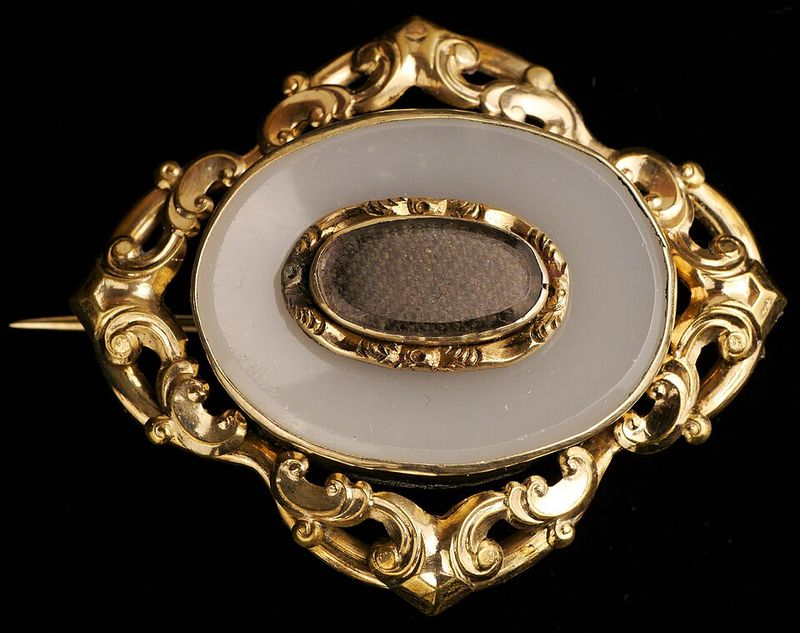
Nineteenth century mourners wove hair from loved ones into brooches, rings, and wreaths. Intricate plaits and curls formed flowers, anchors, and initials sealed under glass.
It kept the person literally close, a tangible relic in an age before mass photos.
To modern tastes, it can feel intimate, even unsettling. Yet it fit a culture of sentimental keepsakes and visible grief.
Manuals taught patterns, and businesses sold kits. Today, museums display shimmering brown coils that still catch light.
You might see tenderness where others see oddity, both reactions understandable.
16. Trepanation to release spirits
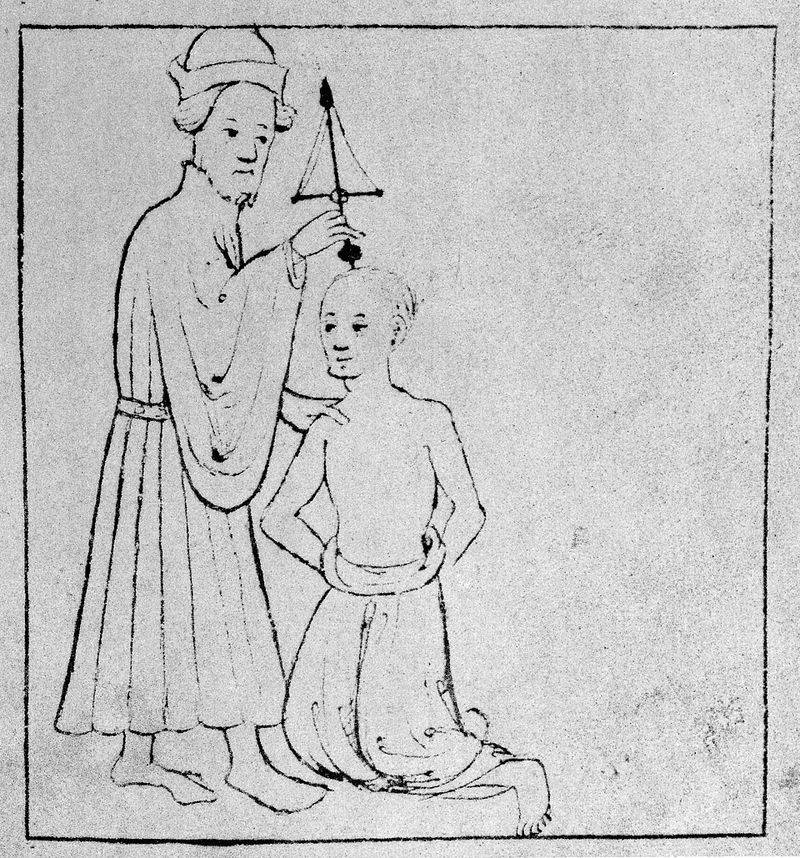
For millennia, healers drilled or scraped skulls to treat headaches, seizures, or spiritual afflictions. Archaeological skulls show healed edges, meaning patients sometimes survived.
The idea framed pain as pressure or invasion that needed an exit.
From your chair, it sounds terrifying without anesthesia or germ theory. Yet within limited tools, it seemed rational.
Modern neurosurgery owes distant roots to those daring openings, now refined by imaging and sterile technique. Ancient trepanned skulls in museums radiate both ingenuity and risk, a delicate line between help and harm.
17. Culinary poisoning as beauty regimen
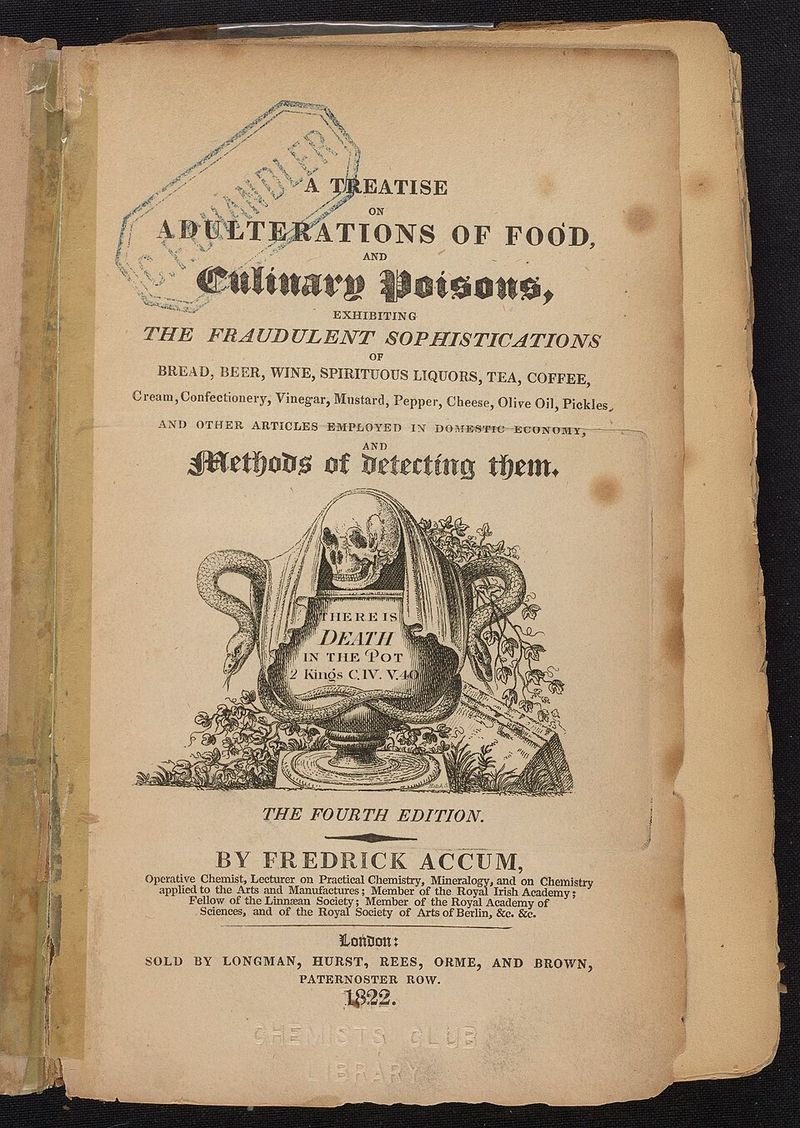
Renaissance cosmetics used lead white, arsenic wafers, and mercury to craft pale complexions. People knowingly risked sores and organ damage for fashionable radiance.
Recipes promised smooth skin while quietly stealing health.
If a label worries you now, imagine bottles with skulls being normal. Physicians warned, but court trends overruled caution.
Over time, regulations, chemistry, and scandals pushed toxins out of beauty jars. The lesson endures whenever a miracle cream sidesteps safety.
Style without harm is the standard hard won.
18. Child chimney sweeps
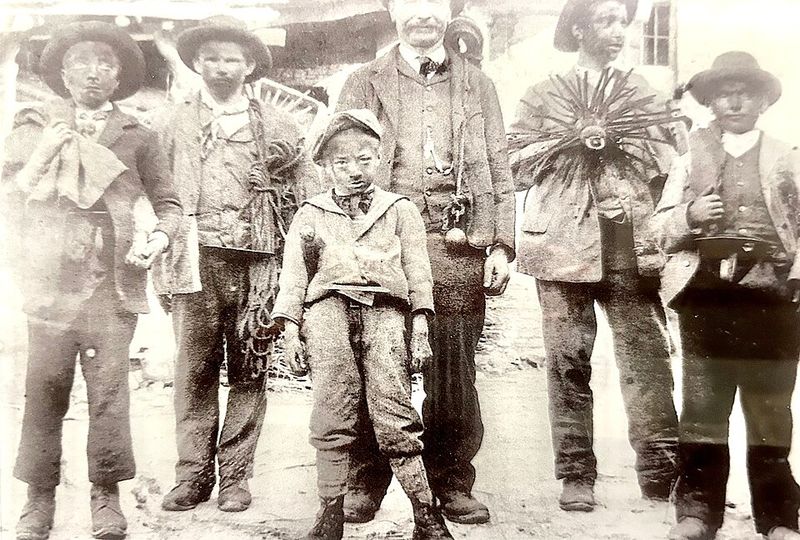
Early industrial cities sent small boys into narrow chimneys to scrape soot. They developed deformed limbs, burns, and cancers, earning pennies while masters profited.
Fires and suffocation were constant threats in cramped flues.
You can almost taste the soot imagining that crawl. Campaigners like Lord Shaftesbury pushed reforms, and mechanical brushes finally replaced tiny bodies.
Laws arrived late for many lungs, but they reset expectations around child labor. When you hear debates about work and age today, remember the rooftops where kids once disappeared.
Share this story