Halfway to the North Pole, a steel door gleams from a mountain and quietly guards our planet’s next chapter. This is where countries store backup seeds so food can be replanted after disaster.
You cannot go inside, but the idea alone pulls you closer, like a promise whispered through Arctic wind. Keep reading to see how this remote vault became humanity’s biological insurance policy.
Global Backup for Seeds
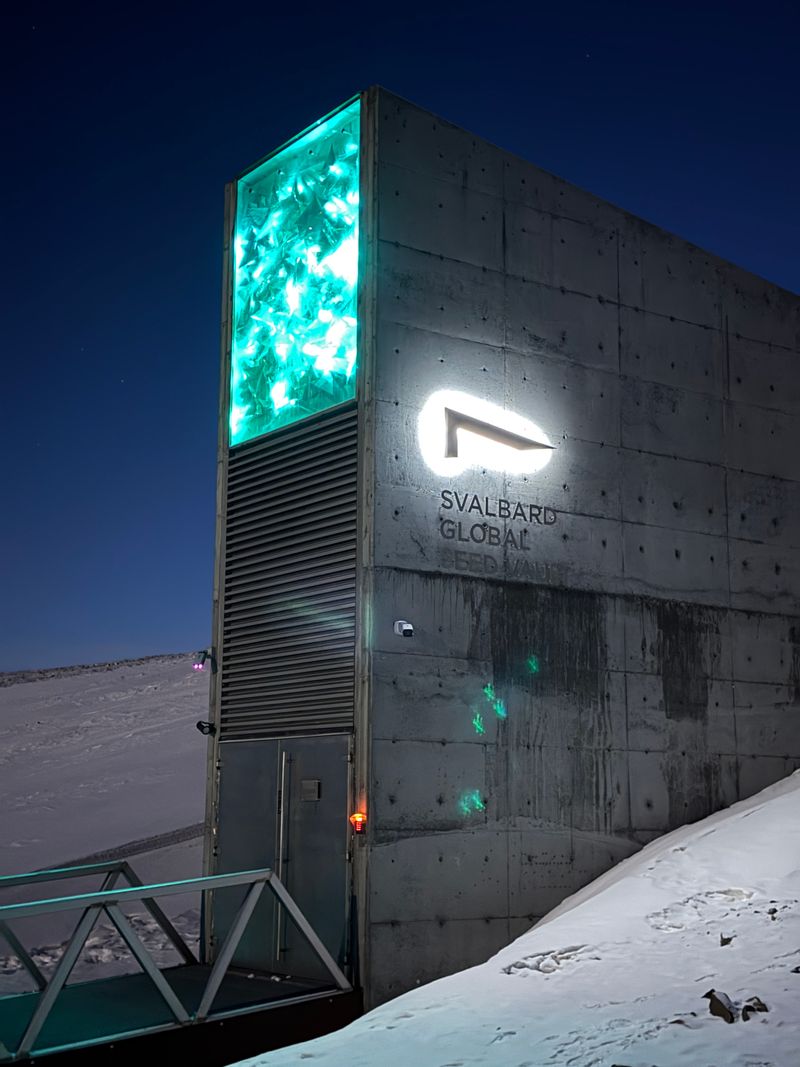
Picture a library for life, tucked into an Arctic mountain where cold and darkness work in our favor. The Svalbard Global Seed Vault exists to safeguard duplicates of the world’s crop seeds, a quiet backup that could restart harvests after catastrophe.
If a regional genebank fails, seeds stored here give humanity another chance to plant, adapt, and recover.
You do not see the shelves or sealed packets, but their presence reshapes how you think about breakfast, bread, and rice paddies far away. This backup is not abstract insurance, it is food security you can touch, label, and freeze.
When storms, wars, or pests erase fields, the vault keeps options alive for farmers and future scientists.
Every deposit is a vote for tomorrow. Every returned box could rewrite a region’s menu.
In a fragile world, redundancy feels wise, almost calming.
Opened in 2008
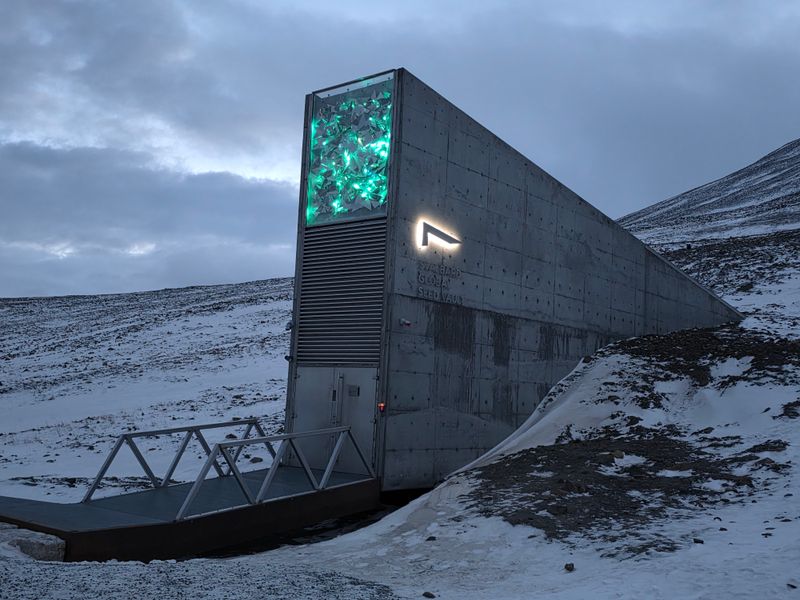
The vault officially opened on 26 February 2008, after construction that began in June 2006. That timing matters because it reflects a growing urgency about climate risks and food security.
You are looking at an early, decisive bet on resilience, built before some crises escalated into headlines.
Think back to 2008, when global shocks began reshaping supply chains and prices. The vault’s inauguration marked a new kind of infrastructure, not roads or phones, but genetic options for food.
Its first years were about building trust, standardizing shipments, and proving the concept worked across borders.
Today, that 2008 door still signals a living commitment. It frames each new deposit in a story that began nearly two decades ago.
If you visit, imagine the arc from blueprint to frost-bitten ribbon cutting to the steady rhythm of seed arrivals.
Remote Arctic Location
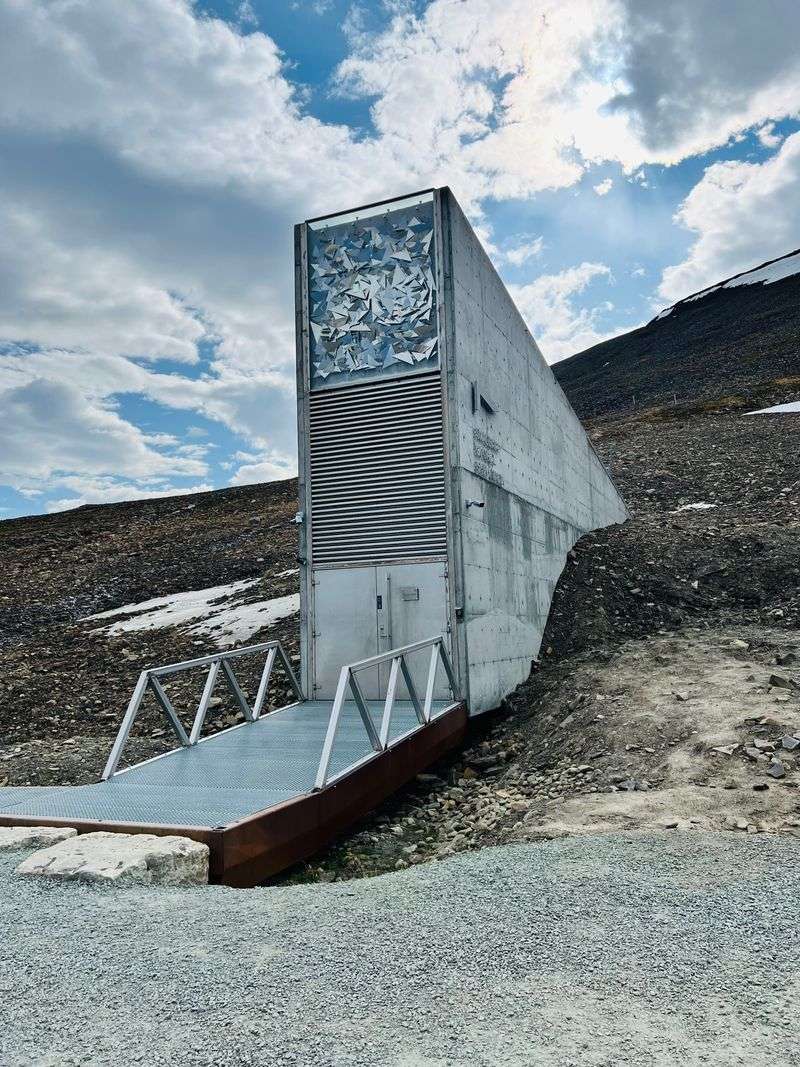
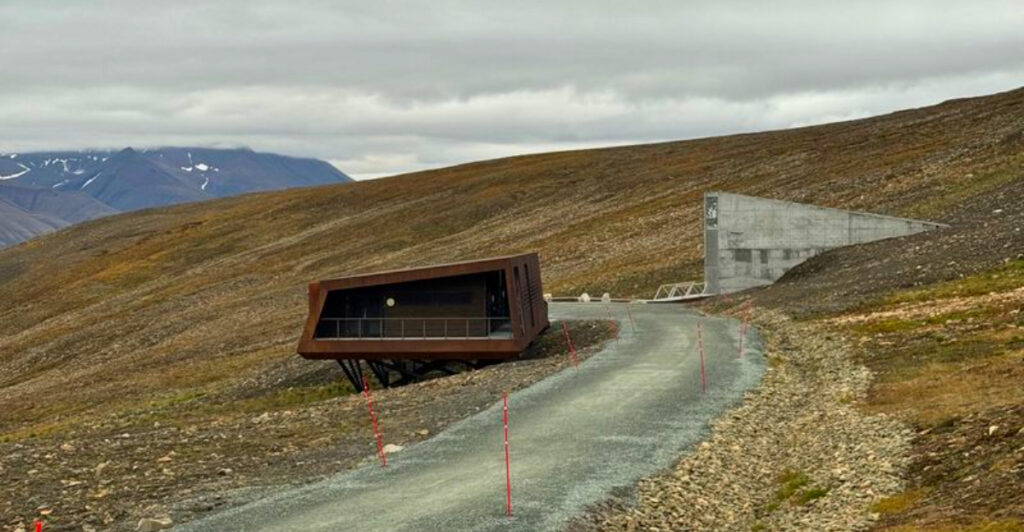
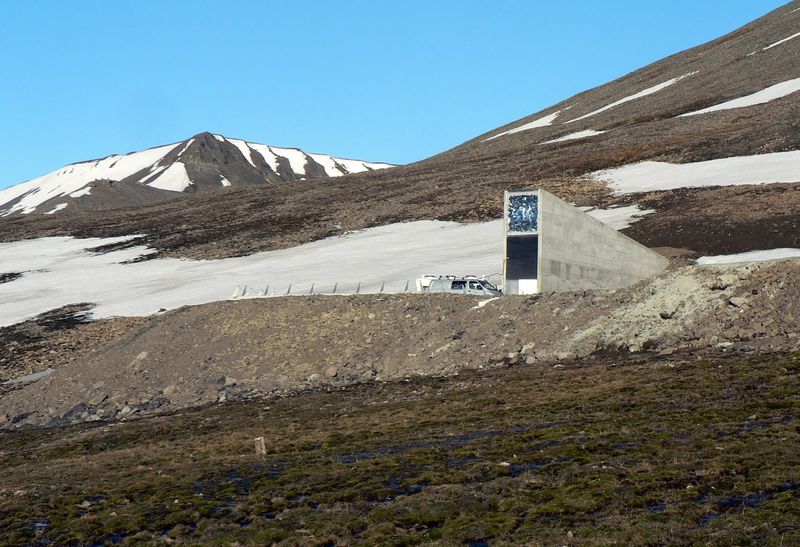
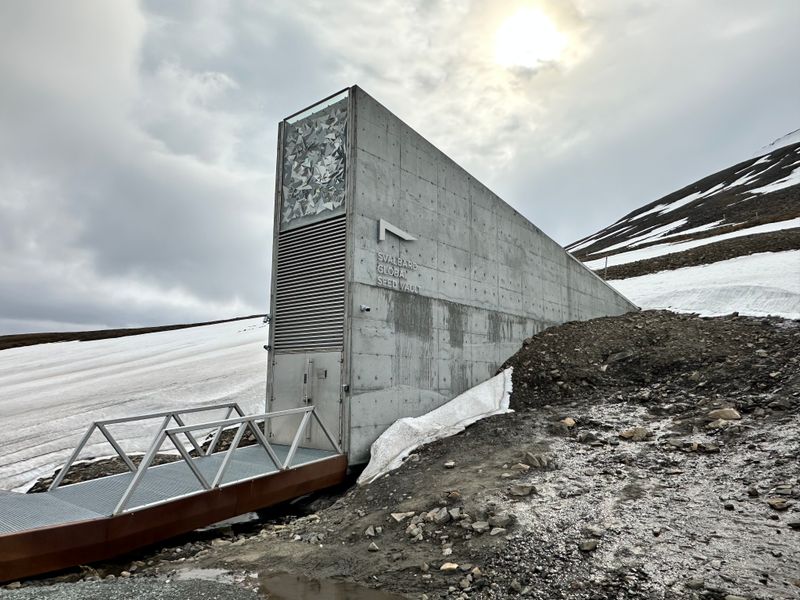
The vault sits inside a mountain on Spitsbergen in the Svalbard archipelago, about halfway between mainland Norway and the North Pole. Standing outside, you feel the remoteness in your bones, the kind that makes noise feel smaller and horizons wider.
That isolation is part of the design, a buffer from conflict, pests, and accidents.
Cold air drifts down the slope while the entrance glows faint blue. You might arrive by guided trip or rental car, passing warning signs about polar bears.
There are no restrooms, no gift shop, just wind, snow, and a door that looks like science fiction.
Being so far north limits temperature swings and human interference. It also makes the place feel solemn, like a lighthouse for biodiversity.
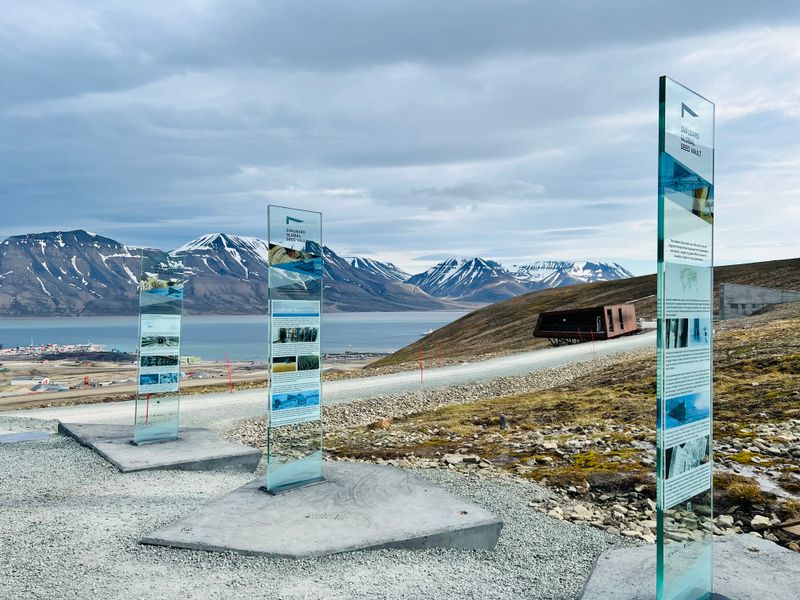
You read the infoboards, look at the hills, and realize distance can be protective.
Built Into Rock and Permafrost
Seed rooms are carved more than 100 meters into solid rock, surrounded by permafrost that acts like nature’s backup generator. If cooling fails, the mountain and frozen ground help keep temperatures low.
You are looking at engineering that borrows from geology, not just machinery.
The rock walls and permafrost create layers of security against heat, water, and time. It is a clever marriage of passive and active systems that reduces risk.
This design choice recognizes that power grids can fail, but the Arctic remains cold.
Knowing seeds rest behind meters of stone makes the entrance feel deceptively small. The real vault is invisible, down long corridors where frost lingers on concrete.
You walk away thinking about how stability can be built by respecting a place’s natural strengths, not fighting them.
Cold Storage Conditions
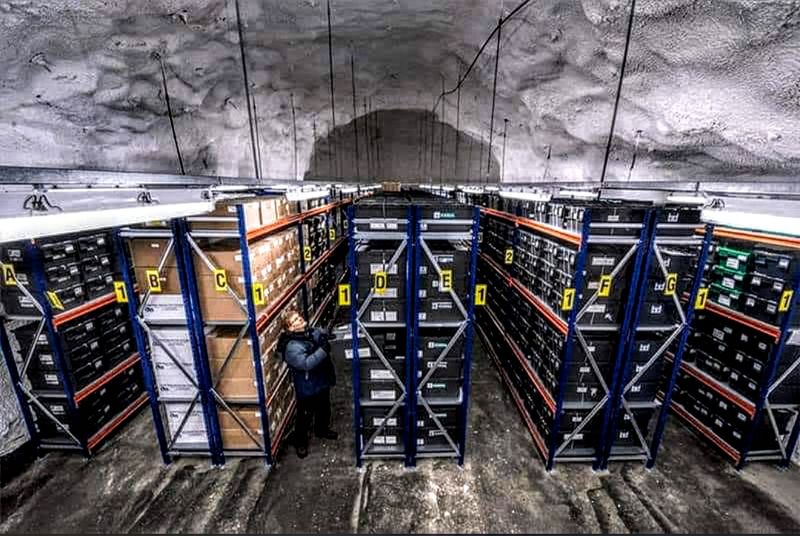
Inside, seeds rest at around minus 18 degrees Celsius, far colder than the surrounding permafrost. That temperature slows metabolic processes and extends viability, buying time for future replanting.
You can almost feel the dry, crisp air in your lungs just imagining the storage rooms.
Every detail aims to protect life by pausing it. Packaging, labeling, and inventory systems keep samples traceable across decades.
The cold is not just chill, it is preservation science tuned for longevity.
If you have ever frozen leftovers to stretch a week, this is that idea scaled to civilization. The difference is precision and discipline, with humidity control and strict standards.
In those conditions, seeds become time travelers waiting for the moment they are needed.
Massive Capacity
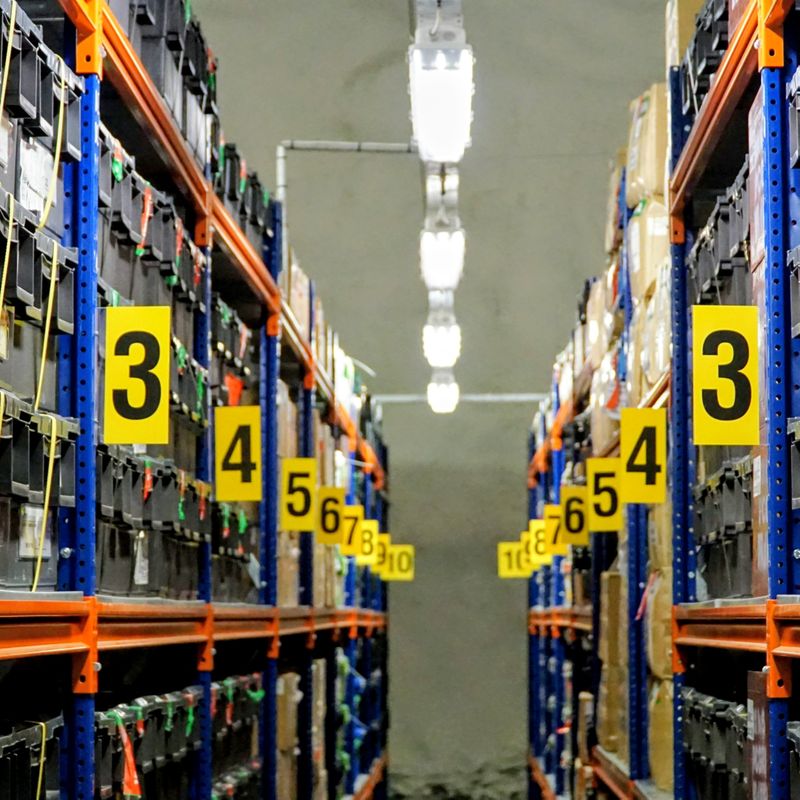
The vault can hold up to 4.5 million seed samples, representing potentially billions of individual seeds. That scale matters because diversity is not a slogan, it is a toolkit for survival.
You want many varieties, from drought tolerant wheat to aromatic rices and hardy pulses.
Each sealed box is a story about climate, cuisine, and culture. Together, they form a library of traits that can rescue harvests after disease or drought.
Capacity is not about bigness, it is about options when conditions turn unpredictable.
Walking past the entrance, you sense the weight of what lies inside. It is abundance made quiet, frozen potential stacked floor to ceiling.
The shelves wait patiently, holding future meals for people you may never meet.
Free Storage for Countries
Countries and genebanks can deposit seeds free of charge, and they retain ownership of their samples. That policy encourages participation from every corner of the world, not just wealthy institutions.
You are seeing equity designed into infrastructure, which is rare and powerful.
Free storage helps small nations protect local crops that rarely make headlines but feed communities. Ownership stays with depositors, so sovereignty and trust remain intact.
The vault becomes a custodian rather than a collector.
When you read the placards outside, this principle stands out. It is a simple rule with outsized impact on cooperation and representation.
In practice, it means a farmer’s cherished bean from a remote valley can sit alongside global staples.
Over a Million Deposits
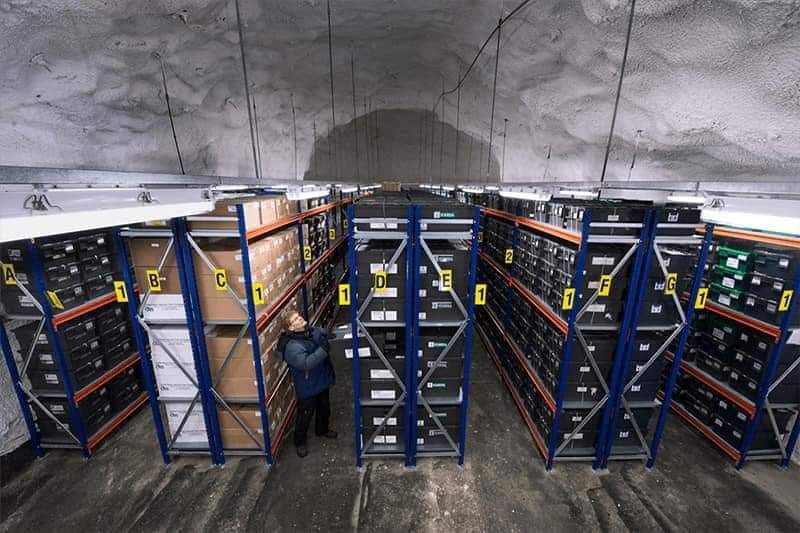
As of mid 2025, the vault holds more than 1.3 million seed samples from almost every country. That number tells you trust has turned into action.
Depositors keep returning with new collections, updates, and safety duplicates.
When you stand at the entrance, the statistics feel personal. Somewhere inside are seeds that match the bread you ate this morning and the spices in your cupboard.
The vault’s growth curves map directly onto kitchens and markets around the world.
More deposits mean more resilience. They also mean better chances of finding the right trait when climate throws a curveball.
You can think of each shipment as another stitch in a global safety net.
Thousands of Species
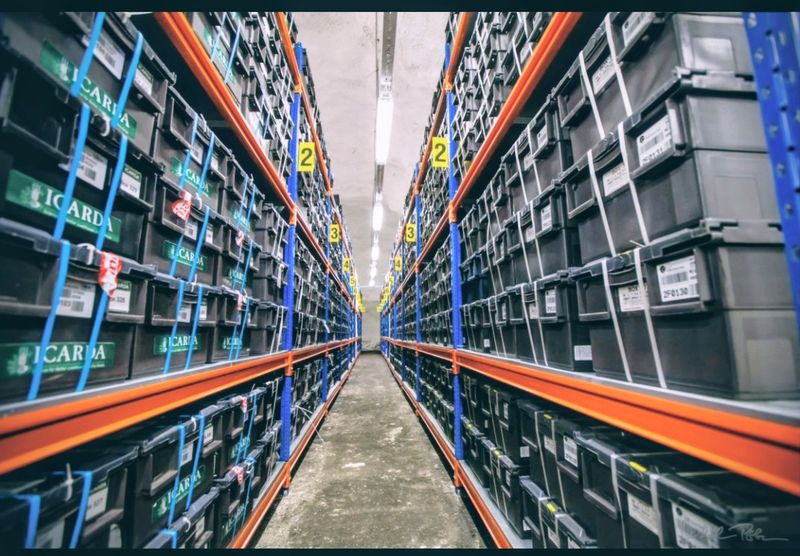
Inside those boxes sit thousands of species and countless varieties, mostly crops central to human diets. Wheat, rice, maize, pulses, and millets share shelf space with regionally beloved grains and vegetables.
You may never taste many of them, but their genes could save the ones you do.
Diversity means options when pests adapt or rainfall shifts. Breeders can cross varieties, revive landraces, and reintroduce traits like drought tolerance or disease resistance.
The vault preserves more than calories, it preserves flavor, culture, and resilience.
Imagine future farmers searching for a salt tolerant bean or a heat resilient barley. This frozen catalog gives them a head start.
It is a pantry for the planet, stocked carefully for unknown recipes ahead.
Backup for Gene Banks
Collections stored in national and regional genebanks have duplicates here, making Svalbard the ultimate backup copy. If a freezer fails or a conflict erupts, the original institution can request its own seeds back.
You are looking at the offsite mirror that every IT team dreams of.
Backups only matter when they work under stress. Svalbard’s systems are built for reliability, from packaging to inventory, to access protocols.
The vault does not replace local genebanks, it strengthens them.
Think of it as an ecosystem of guardianship. Each bank curates, regenerates, and researches, while Svalbard quietly holds the safety duplicate.
Together, they form a resilient chain that keeps crop diversity alive.
First Use in 2015
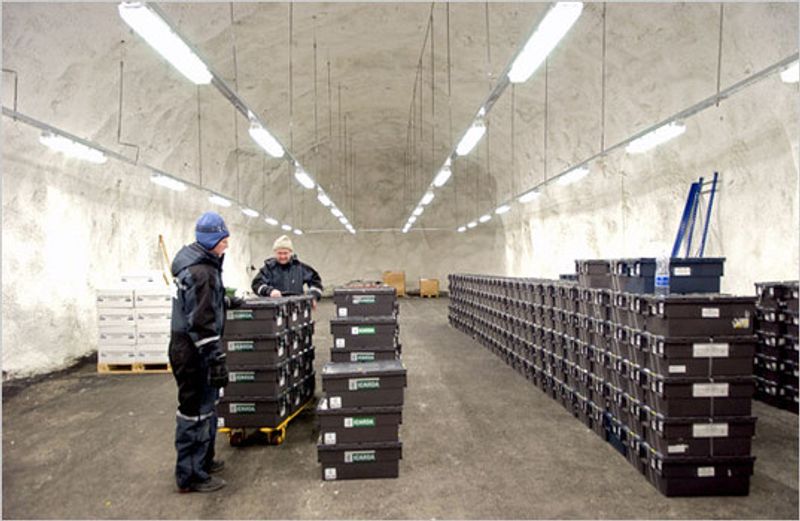
The vault’s first withdrawal happened in 2015, when ICARDA requested seeds after war damaged collections in Syria. Those crates traveled out, were grown elsewhere, and later returned as fresh duplicates.
You can trace a line from conflict to recovery, with seeds bridging the gap.
That moment proved the vault’s purpose in the real world, not just in theory. Insurance became action you could measure in harvests and restored genebanks.
It showed that backups can seed hope, literally and figuratively.
Hearing that story while standing in the polar wind hits hard. The cold feels less harsh when you know resilience can travel.
It is a reminder that preparedness is not pessimism, it is compassion with logistics.
Black Box System
Access follows a black box arrangement. Only the original depositor can open and request their seeds, preserving ownership and confidentiality.
You get a system that is simple, predictable, and respectful of national sovereignty.
Boxes arrive sealed, are stored sealed, and leave sealed unless the depositor orders otherwise. Staff manage conditions and records without inspecting contents.
That separation builds trust across cultures and politics.
When you read the rules outside, the logic clicks. Privacy reduces friction and encourages participation.
In a world where data and resources are contested, this quiet protocol keeps the focus on preservation.
Global Cooperation
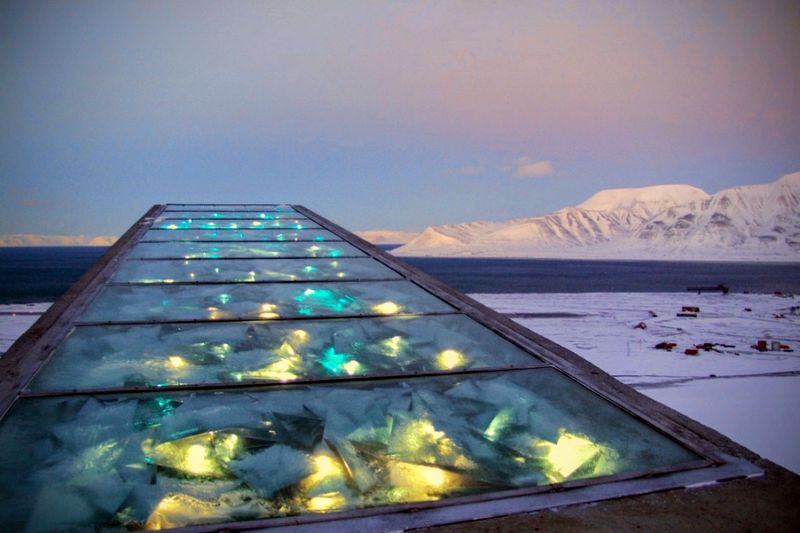
The vault operates through partnership among Norway’s government, the Global Crop Diversity Trust, and NordGen. That trio blends stewardship, funding, and scientific curation.
You can feel the teamwork in how consistently deposits arrive and records stay clean.
International cooperation is not easy, yet here it feels practical and steady. The Arctic location belongs to Norway, the mission belongs to everyone.
This balance keeps politics from eclipsing the purpose.
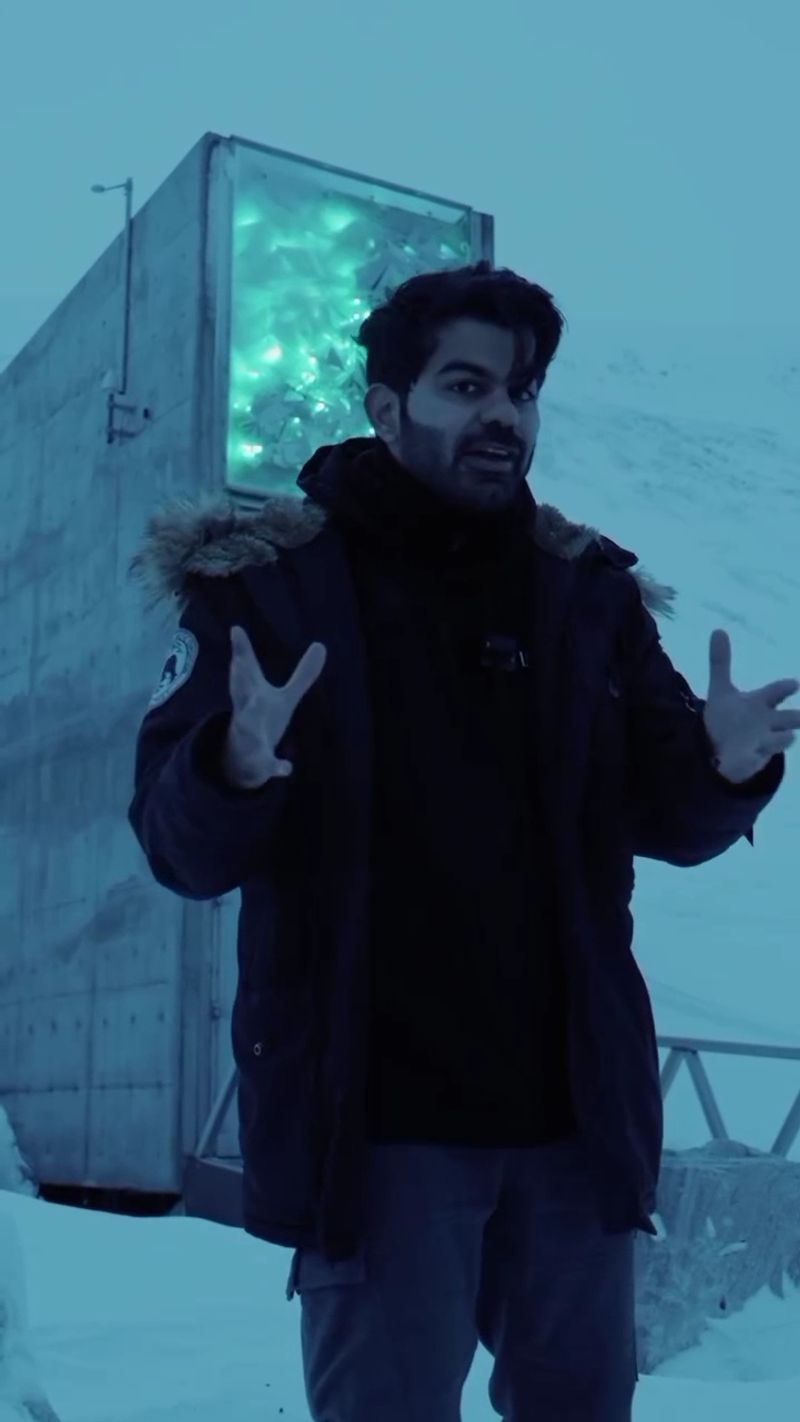
When you stand by the illuminated door, it feels like a handshake extended to the world. The message is not flashy, just reliable.
Bring your seeds, keep your rights, and let the cold do the rest.
TIME Recognition in 2008
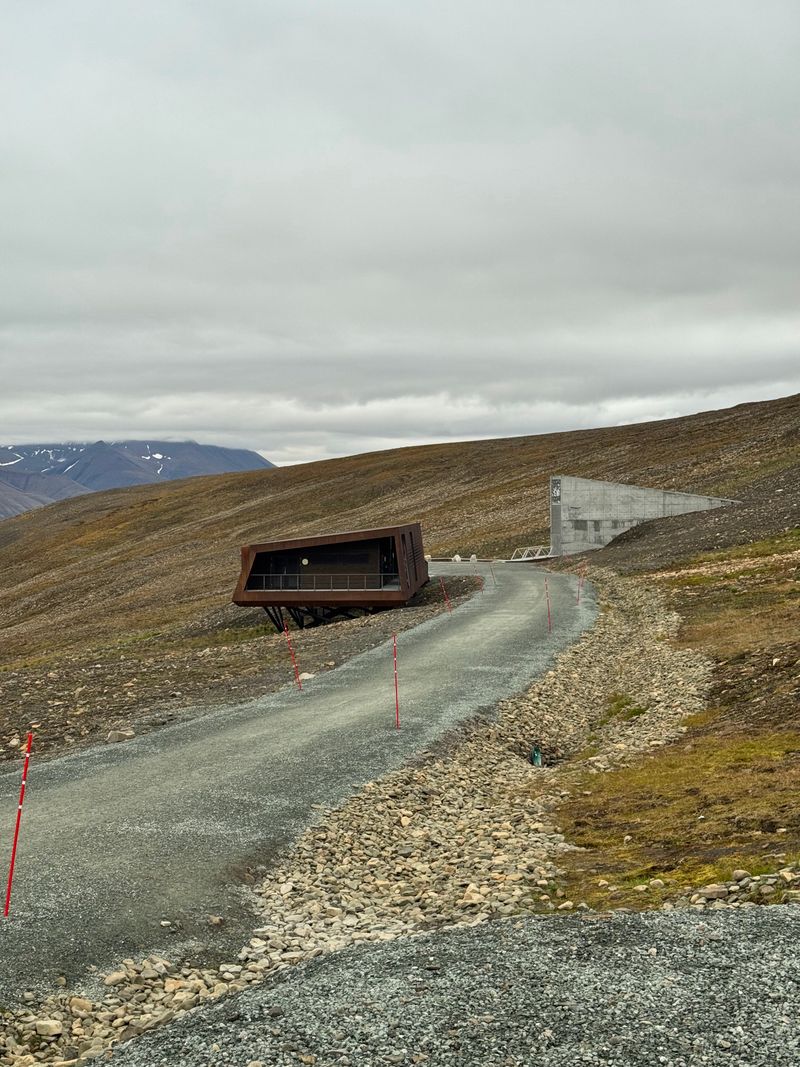
In 2008, TIME named the Seed Vault among the Best Inventions of the Year. Recognition like that might seem cosmetic, but it changed how people talk about crop diversity.
Suddenly, a cold room of seeds became a mainstream idea about resilience.
You might remember the photos of the glowing entrance, surreal against snow and night. Those images traveled farther because of the award, turning a remote site into a symbol.
Visibility helps fundraising, policy, and public understanding.
When technology lists include a quiet infrastructure for biodiversity, priorities shift. It tells you innovation is not only apps and rockets.
Sometimes it is a locked door that protects tomorrow’s bread.
Insurance Against Disaster
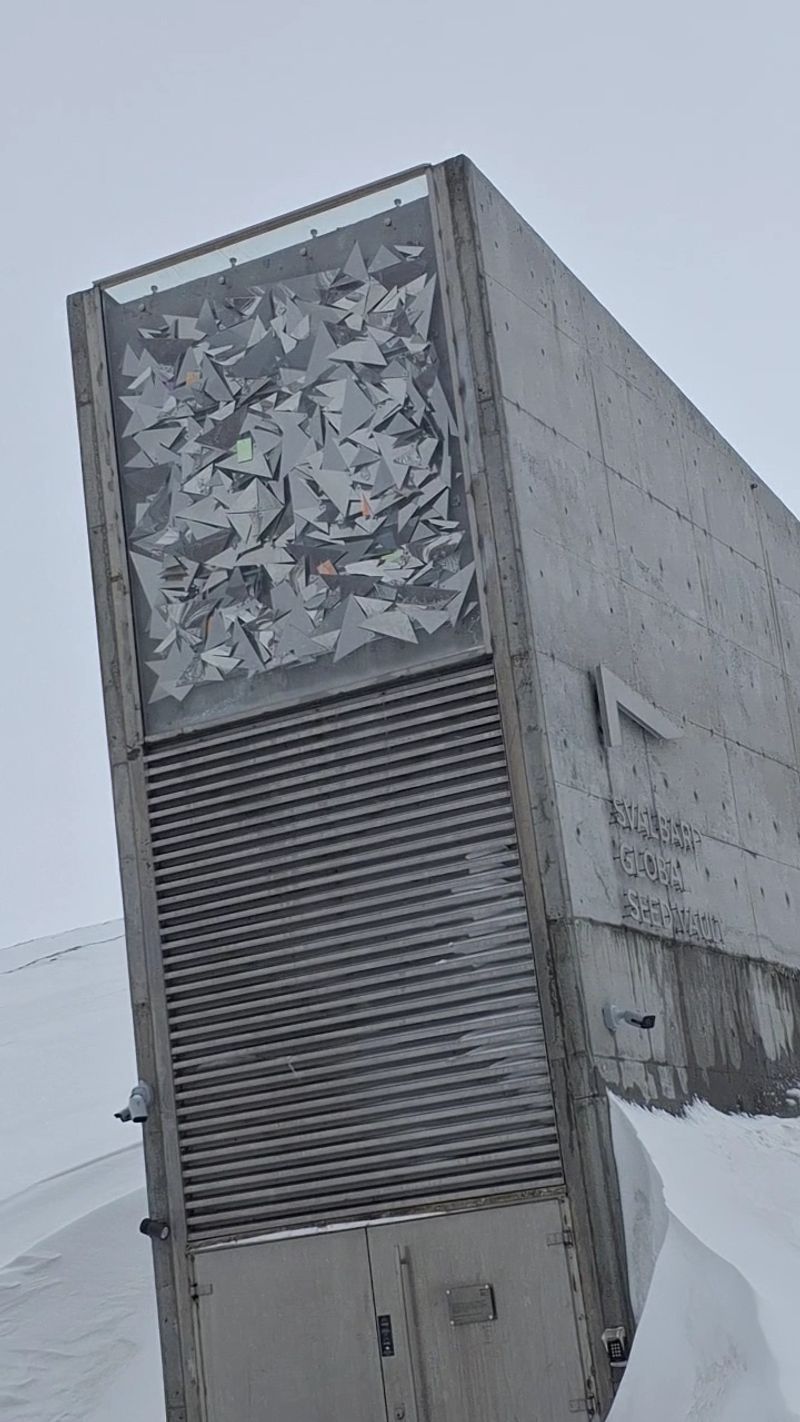
The mission is simple: protect crop diversity against war, disease, climate change, natural disasters, and genebank failures. Think of it as a biological insurance policy for the food supply.
You hope to never claim it, yet you are grateful it exists.
Disasters erase fields quickly, but recovery takes seasons. Seeds stored safely let countries restart breeding and planting without starting from zero.
That speed can stabilize communities and markets when everything else wobbles.
Standing there, you feel the quiet courage of planning for the worst. The vault is not dramatic in person, but its purpose is immense.
It holds a patient promise to feed whoever comes after us.
Visitor Experience Outside Only
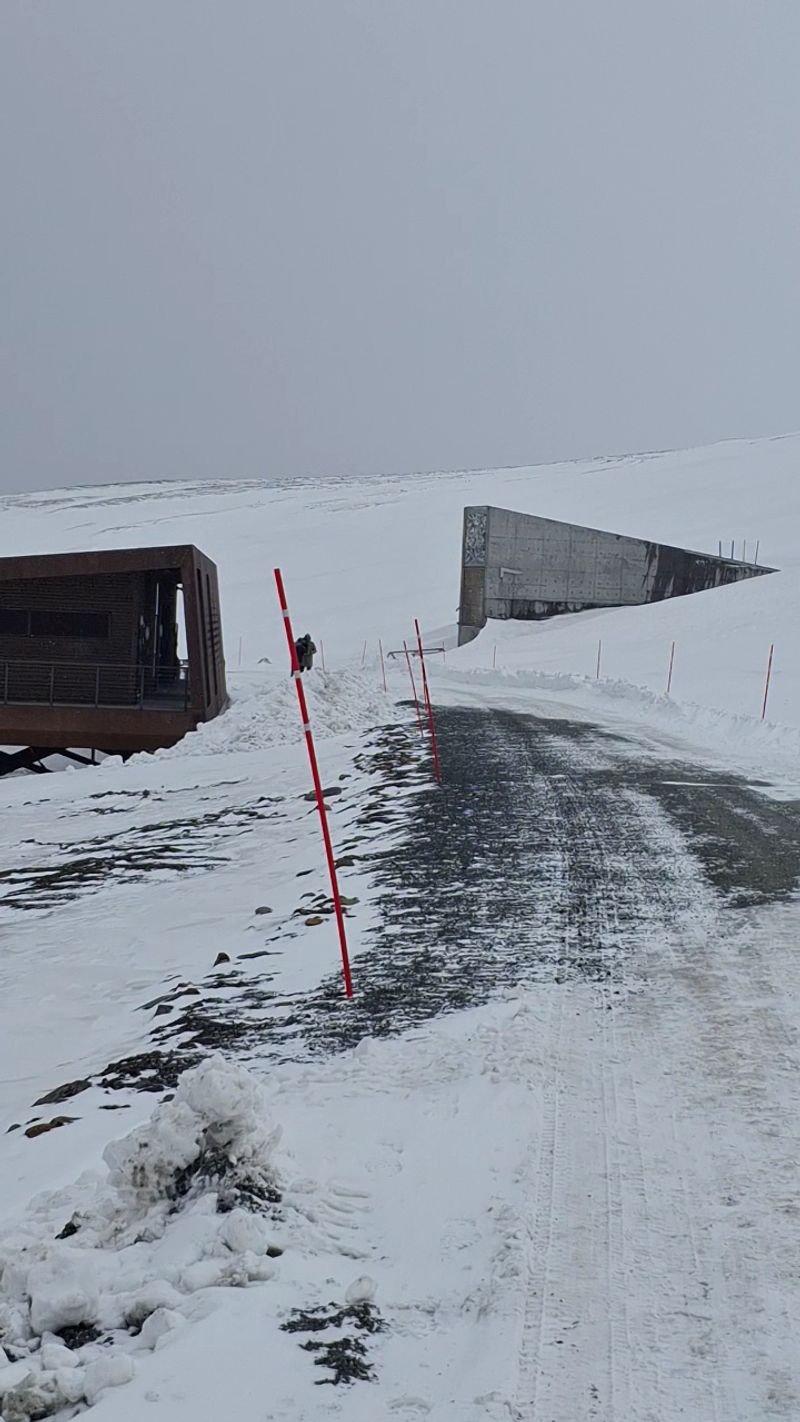
You cannot go inside, so the visit is about the exterior door, the artful facade, and a few information panels. Plan for cold, no restrooms, and guided transport if polar bears are a risk.
At night, the entrance glows and the hill offers wide views.
It is a short drive from Longyearbyen, and you may walk partway with proper precautions. There is not much to do, yet the feeling lingers.
You are looking at a symbol that means more than its concrete and steel.
Read the infographics, take a photo, and imagine the tunnels hidden in rock and permafrost. The minimalism is intentional.
The real experience is understanding why the door must stay shut.
Share this story