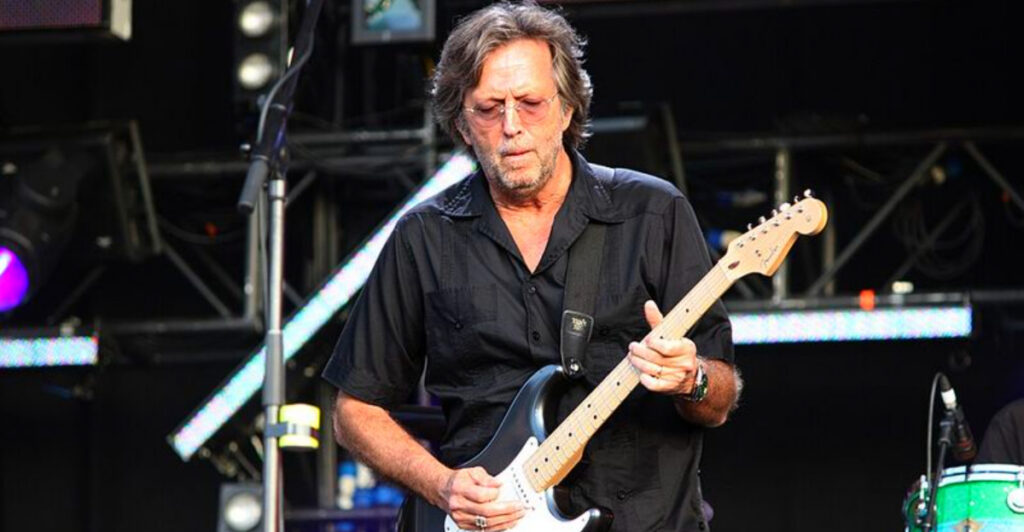
Guitar legends have shaped the sound of modern music in ways few other instruments can match. From blues pioneers to rock revolutionaries, these artists didn’t just play their instruments, they transformed them into voices that spoke to millions.
Whether bending strings with raw emotion or crafting riffs that defined entire generations, the greatest guitarists pushed boundaries and inspired countless musicians to pick up six strings and dream.
15. Steve Vai / Joe Satriani (tie)
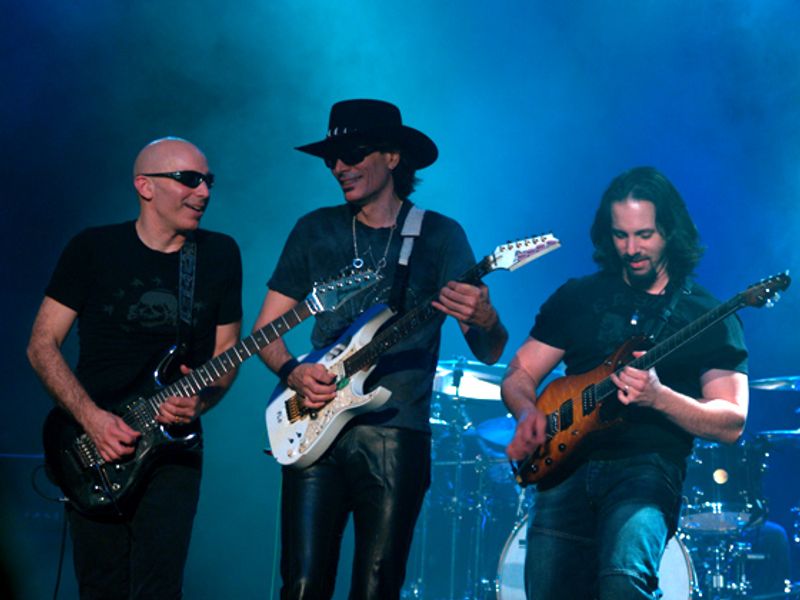
Both Vai and Satriani emerged from the same musical lineage, with Satriani actually teaching Vai early in his career. Their technical mastery transformed what audiences expected from instrumental rock guitar.
Satriani’s 1987 album Surfing with the Alien proved that guitar music without vocals could achieve mainstream success and critical acclaim.
Vai took theatricality and technique to new heights with his work in David Lee Roth’s band and his solo career. His seven-string guitars and whammy bar acrobatics created sounds that seemed impossible.
Together, these two players inspired a generation of shredders and proved that virtuosity could coexist with genuine musical expression.
Their influence extends beyond rock into fusion, progressive metal, and modern instrumental music. Students worldwide still study their exercises and techniques.
Both continue performing and teaching, passing their knowledge to future guitar heroes.
14. Robert Johnson
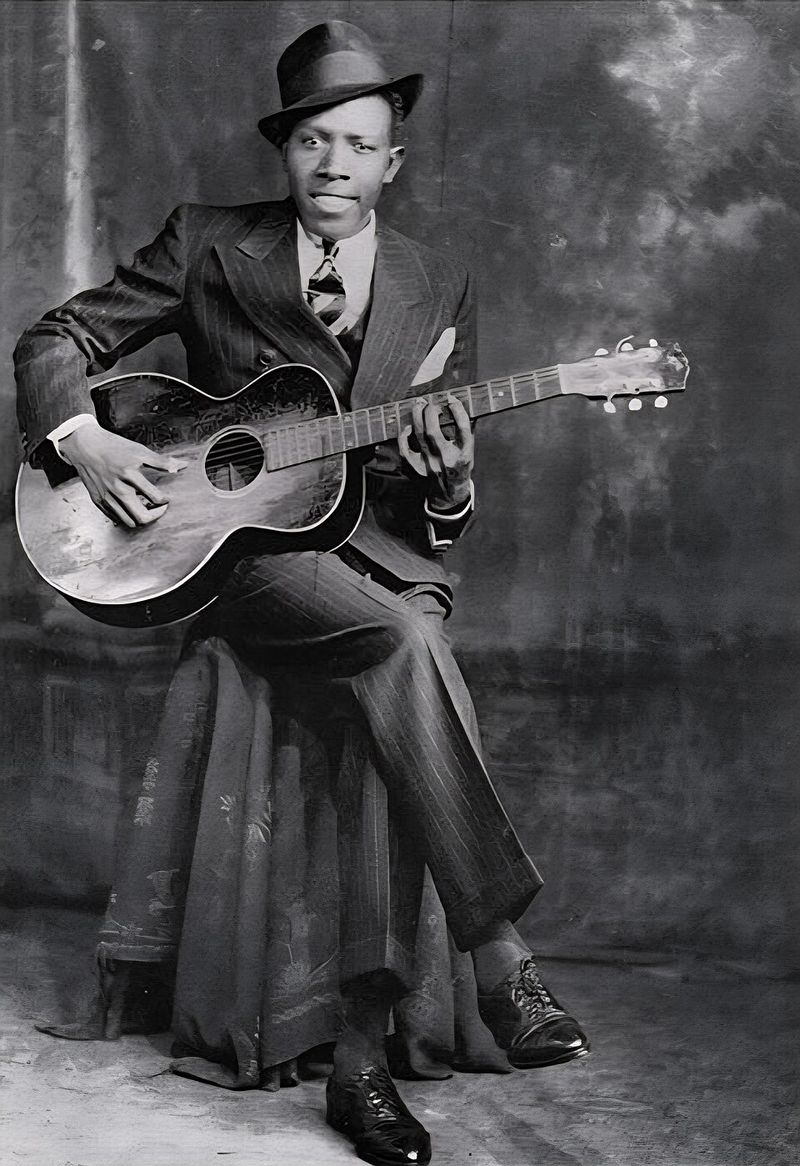
Legend surrounds Robert Johnson like smoke around a Delta campfire. Stories claim he sold his soul at a Mississippi crossroads to gain his otherworldly guitar abilities.
While myths may exaggerate, his 29 recorded songs between 1936 and 1937 genuinely changed music history forever.
Johnson’s fingerpicking style created the illusion of multiple guitars playing simultaneously. His songs like Cross Road Blues and Sweet Home Chicago became templates that rock musicians would revisit for decades.
The emotional intensity in his voice and guitar work captured something raw and essential about the blues.
He died at just 27 years old under mysterious circumstances, adding to his mystique. Eric Clapton, Keith Richards, and countless others have cited Johnson as a primary influence.
His recordings remain studied and revered, proving that true artistry transcends time and technology.
13. Les Paul
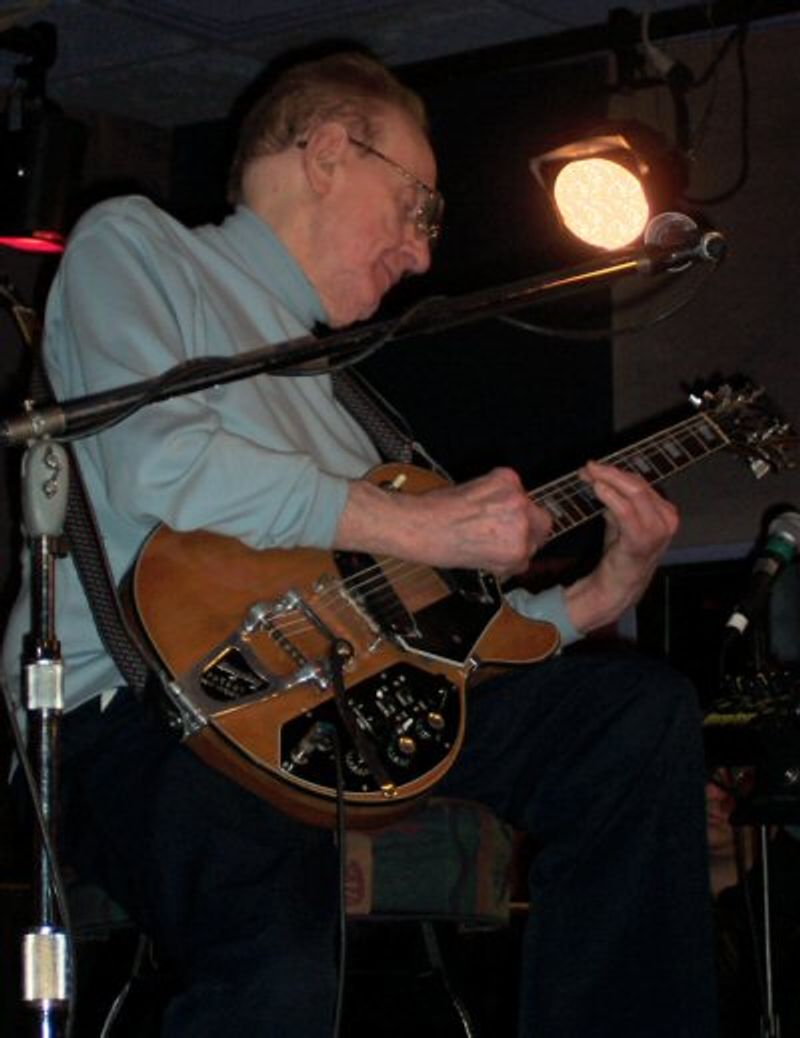
Before Les Paul, electric guitars were hollow-bodied instruments prone to feedback and limited sustain. His invention of the solid-body electric guitar in the early 1940s literally built the foundation for rock and roll.
Gibson’s Les Paul model, introduced in 1952, remains one of the most iconic guitar designs ever created.
Beyond instrument design, Paul pioneered multitrack recording, overdubbing, and delay effects that became studio standards. His technical innovations with wife Mary Ford produced hits like How High the Moon that showcased these groundbreaking techniques.
He essentially invented much of modern recording as we know it today.
Paul continued performing into his 90s at his regular Monday night gig in New York City. His contributions earned him spots in multiple halls of fame and a Grammy Trustees Award.
Without his inventions, modern music would sound completely different.
12. Stevie Ray Vaughan
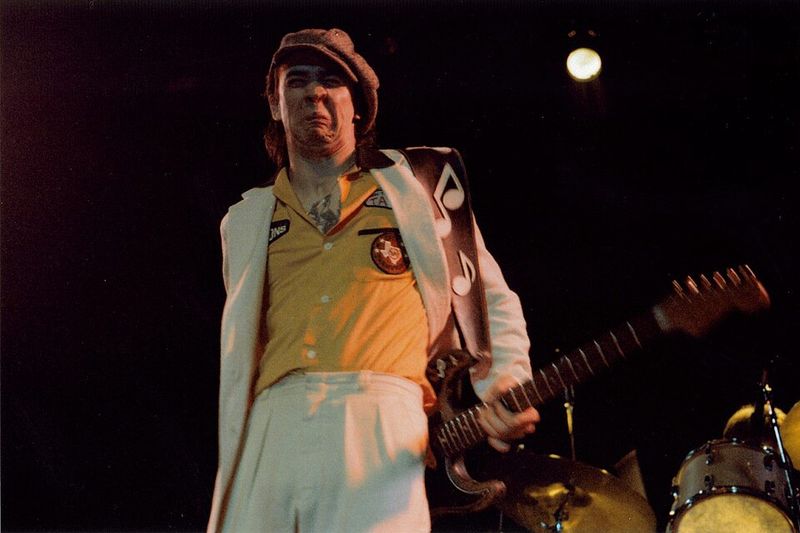
Texas Flood hit the music world like lightning in 1983, announcing that blues-rock had found its new champion. Vaughan played with a ferocity that seemed to channel every blues master who came before him, yet his style remained distinctly his own.
His Fender Stratocaster, nicknamed Number One, became nearly as famous as he was.
Vaughan battled personal demons throughout his career, struggling with substance abuse that nearly destroyed him. After getting sober in 1986, his playing reached even greater emotional depths.
Songs like Lenny and Riviera Paradise showcased his tender, melodic side alongside his explosive power.
His tragic death in a helicopter crash in 1990 robbed the world of a talent just hitting his creative peak. He was only 35 years old.
His influence continues through countless blues-rock players who cite him as their primary inspiration.
11. Tony Iommi
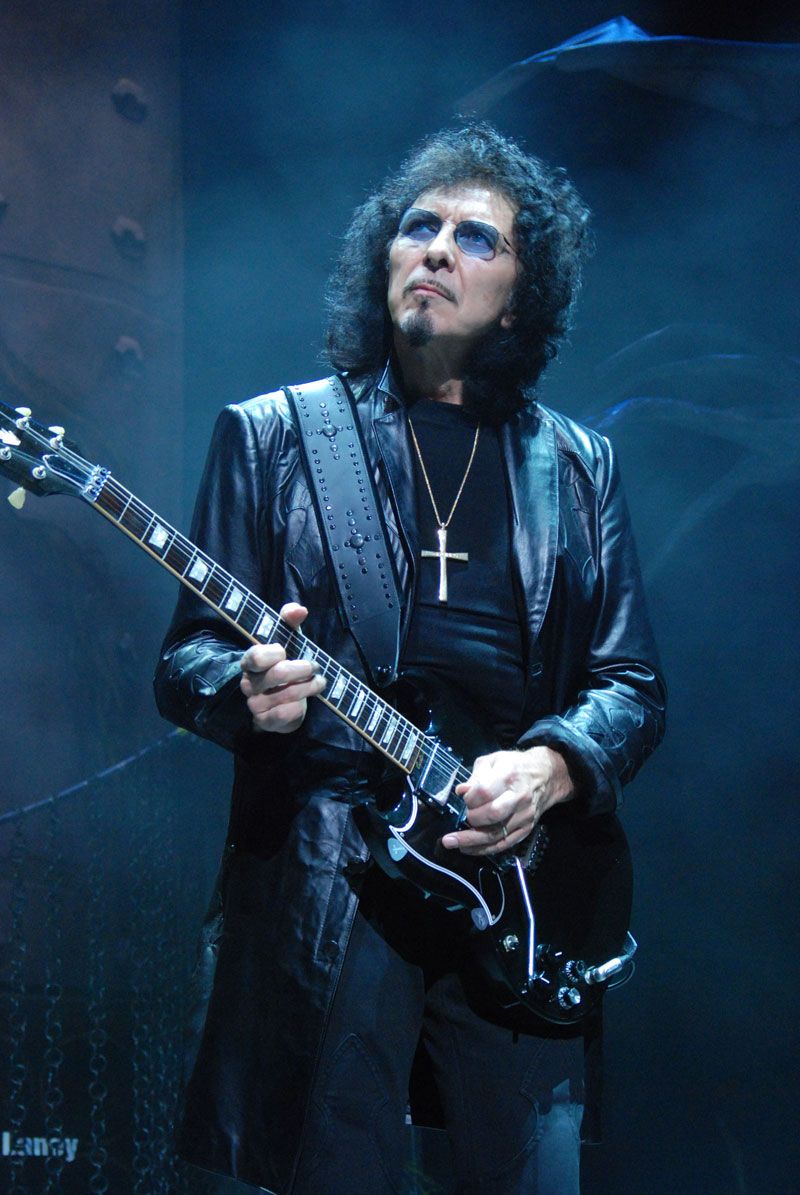
A factory accident nearly ended Tony Iommi’s guitar career before it began. At 17, he lost the tips of two fingers on his right hand, forcing him to develop a completely unique approach.
He tuned his guitar down to reduce string tension, accidentally creating the heavy, doom-laden sound that defined Black Sabbath.
Riffs like Iron Man, Paranoid, and War Pigs became the DNA of heavy metal. Iommi’s dark, powerful chord progressions inspired every metal band that followed.
His use of the tritone interval, once called the devil’s interval, gave Sabbath their signature menacing sound.
Despite his injury, Iommi developed remarkable technique and feel. His solos combined blues influences with something darker and more aggressive.
Metallica, Soundgarden, and countless metal bands owe their existence to the sonic foundation Iommi built with his wounded fingers and down-tuned guitar.
10. Carlos Santana
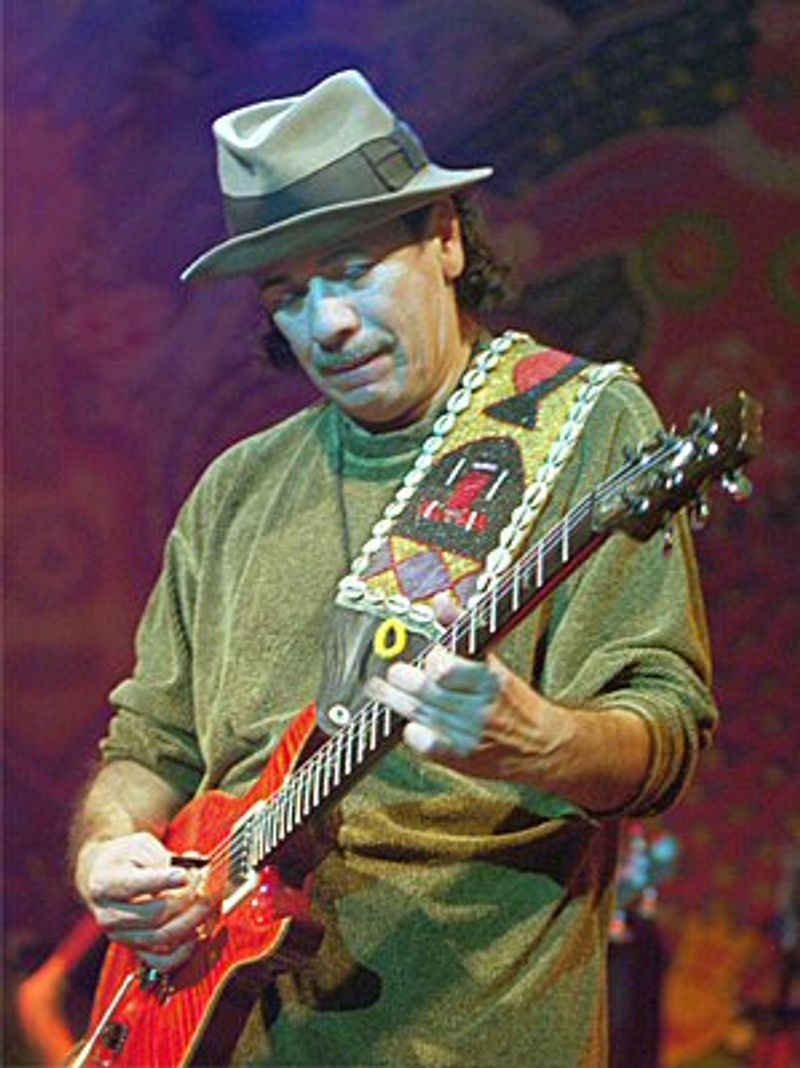
Few guitarists possess a tone as instantly recognizable as Carlos Santana. His fusion of Latin percussion, African rhythms, and blues-rock guitar created something entirely new in popular music.
When Santana performed at Woodstock in 1969, Soul Sacrifice introduced the world to this revolutionary sound.
His sustain-heavy lead style, achieved through PRS guitars and Mesa Boogie amplifiers, sings with vocal-like phrasing. Songs like Black Magic Woman and Oye Como Va became timeless classics that crossed cultural boundaries.
Santana proved that guitar music could be both technically accomplished and deeply spiritual.
His 1999 comeback album Supernatural won nine Grammy Awards and introduced his playing to new generations. Now in his 70s, Santana continues touring and recording with undiminished passion.
His melodic approach and unique cultural blend ensure his place among guitar’s all-time greats.
9. David Gilmour
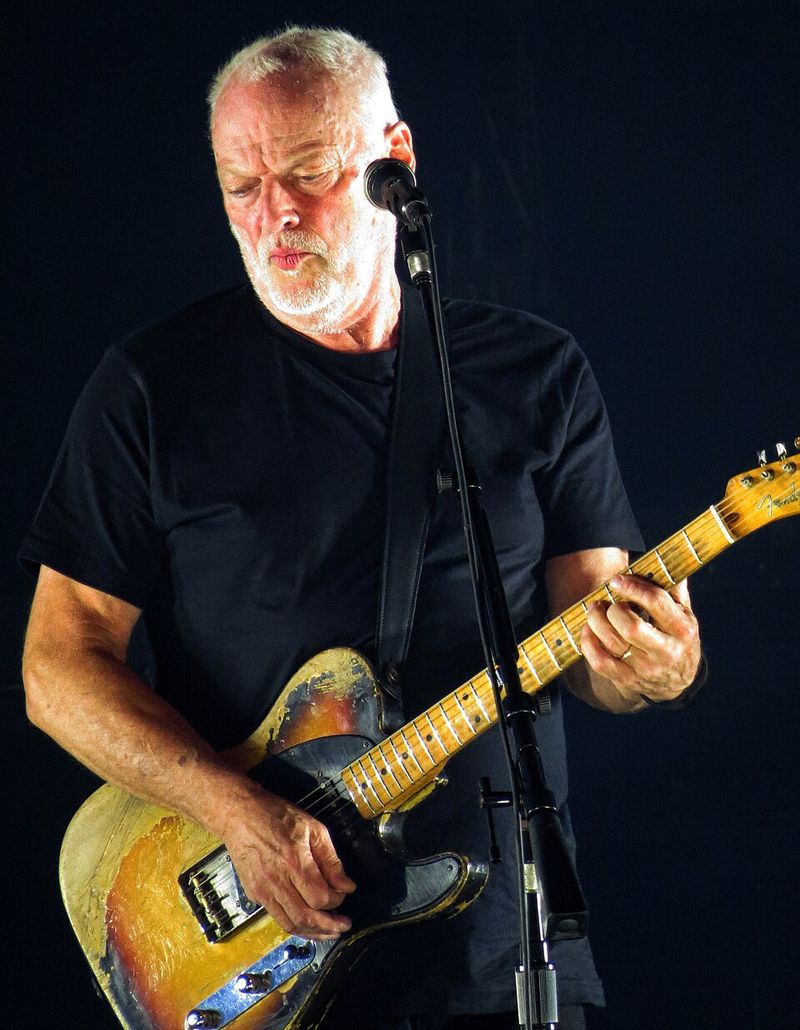
Emotion flows through David Gilmour’s guitar like water through a canyon, carving deep impressions that last forever. His solos on songs like Comfortably Numb and Shine On You Crazy Diamond demonstrate that fewer notes, played with perfect tone and feeling, can outweigh technical fireworks.
Every bend seems to carry the weight of human experience.
Gilmour joined Pink Floyd in 1967, gradually becoming the band’s primary creative force. His atmospheric playing perfectly complemented the band’s conceptual albums and philosophical lyrics.
He pioneered the use of effects like delay and modulation to create spacious, haunting soundscapes.
His black Stratocaster, purchased in 1970 for just 900 dollars, later sold at auction for nearly 4 million dollars. That guitar voiced some of rock’s most iconic solos.
Gilmour’s influence extends beyond rock into ambient and progressive music, proving that soul matters more than speed.
8. B.B. King
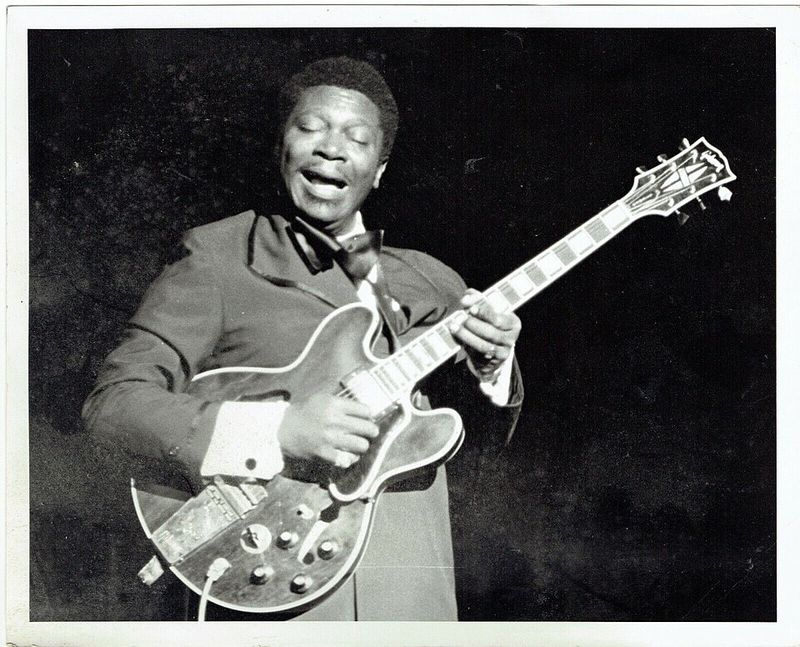
Riley B. King earned his nickname the King of the Blues through decades of tireless touring and masterful performances.
His guitar, Lucille, became as famous as he was, named after a woman whose romantic dispute caused a fire at a club where King was performing. He risked his life running back into the burning building to save his guitar.
King’s vibrato technique remains unmatched in its expressiveness and control. Rather than playing rapid-fire runs, he made every note count, bending strings to create vocal-like phrases.
Songs like The Thrill Is Gone showcased his ability to convey deep emotion through minimal but perfectly placed notes.
He performed over 300 concerts annually well into his 80s, spreading the blues gospel worldwide. Eric Clapton, Buddy Guy, and virtually every blues-rock guitarist studied his phrasing and tone.
King passed away in 2015, leaving behind a legacy that will influence guitarists forever.
7. Eddie Van Halen
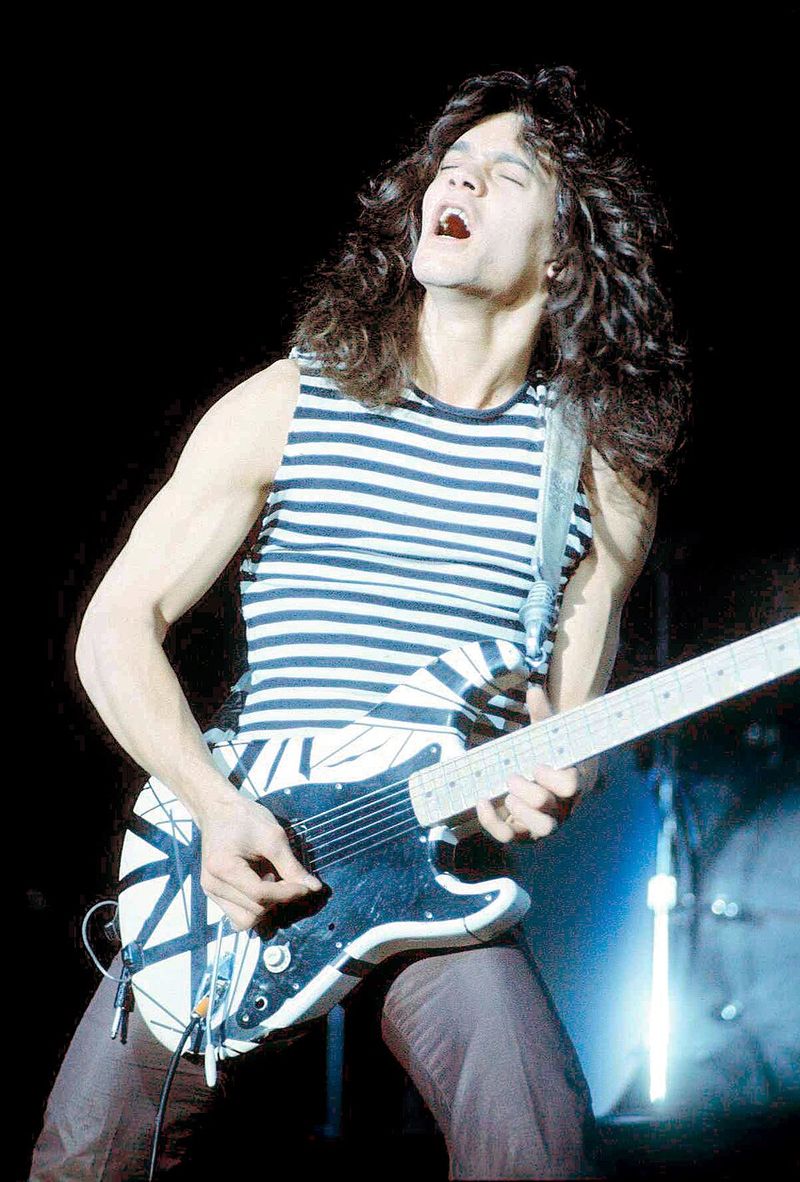
When Eruption exploded from speakers in 1978, guitarists worldwide wondered what they were hearing. Eddie Van Halen’s two-handed tapping technique, while not entirely new, was executed with such speed and musicality that it revolutionized guitar playing overnight.
Suddenly, every aspiring rock guitarist needed to learn tapping or risk obsolescence.
Van Halen built many of his own guitars, including the iconic Frankenstrat, combining parts to achieve his signature sound. His brown sound tone, achieved through modified amplifiers and unique playing techniques, became endlessly studied and imitated.
Songs like Ain’t Talkin’ Bout Love and Panama featured riffs that were both heavy and melodic.
Beyond technique, Eddie brought genuine joy and innovation to rock guitar. His smile while playing was infectious, showing that virtuosity didn’t require seriousness.
He passed away in 2020, but his influence on rock guitar technique remains undiminished and will continue for generations.
6. Keith Richards
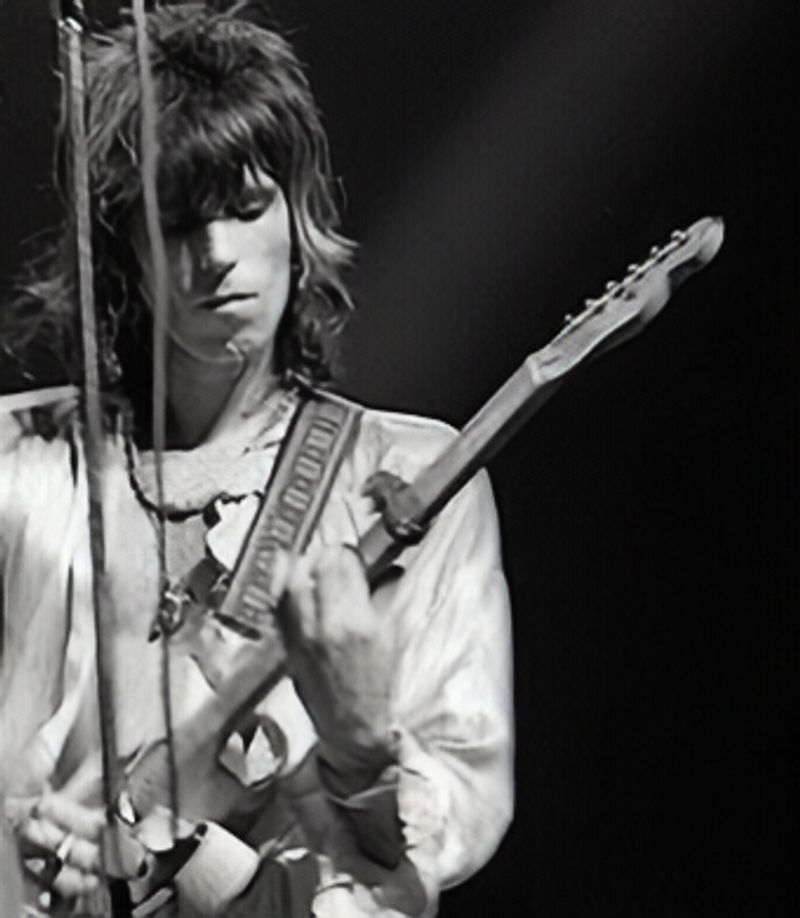
Rock and roll runs through Keith Richards’ veins like blood. His riffs for The Rolling Stones, from Satisfaction to Start Me Up, created the soundtrack for rebellion across multiple generations.
Richards understands that rhythm guitar forms the backbone of rock music, and nobody has written more essential riffs.
His open-G tuning, with the sixth string removed, became his signature approach. This unconventional tuning made certain chord voicings ring out with unique character.
Combined with his rhythmic genius and feel for the blues, Richards crafted a guitar style that was instantly identifiable.
Stories of his excessive lifestyle are legendary, yet his musical contributions overshadow the myths. He’s written or co-written most of the Stones’ greatest songs alongside Mick Jagger.
Now in his 80s, Richards continues performing, proving that rock and roll truly never dies. His influence on rhythm guitar playing cannot be overstated.
5. Jeff Beck
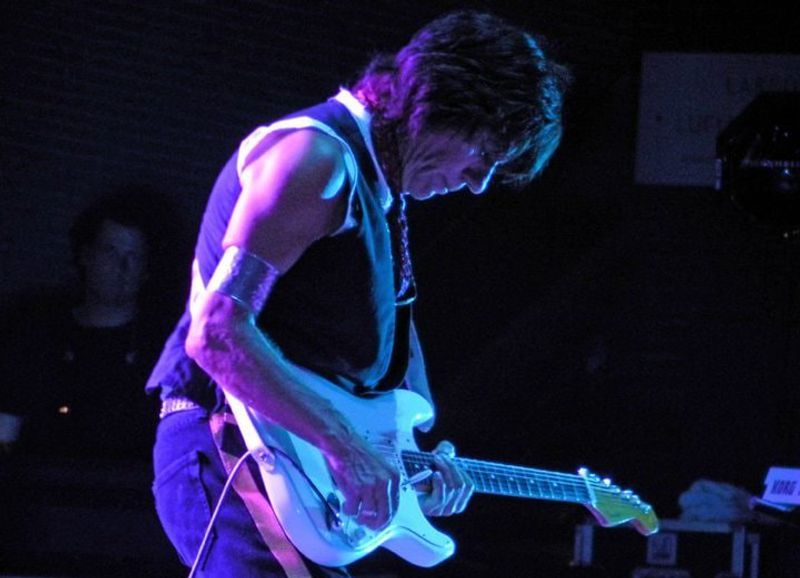
Jeff Beck’s guitar doesn’t just play notes, it speaks in complete sentences with inflection and nuance. After leaving The Yardbirds in 1966, Beck embarked on a solo career that defied categorization.
He moved seamlessly between rock, blues, jazz fusion, and electronic music, always pushing boundaries and refusing to repeat himself.
His use of the whammy bar and finger vibrato created sounds that seemed impossible from a standard guitar. Albums like Blow by Blow and Wired showcased instrumental guitar music that was both technically stunning and deeply musical.
Beck never relied on singing, letting his guitar serve as the voice.
Unlike many of his contemporaries, Beck never achieved massive commercial success, but earned profound respect from fellow musicians. Eric Clapton called him the greatest guitarist alive.
Beck passed away in 2023, leaving behind a catalog that demonstrates guitar’s limitless expressive potential. His fearless experimentation inspired countless players to explore beyond conventional boundaries.
4. Chuck Berry
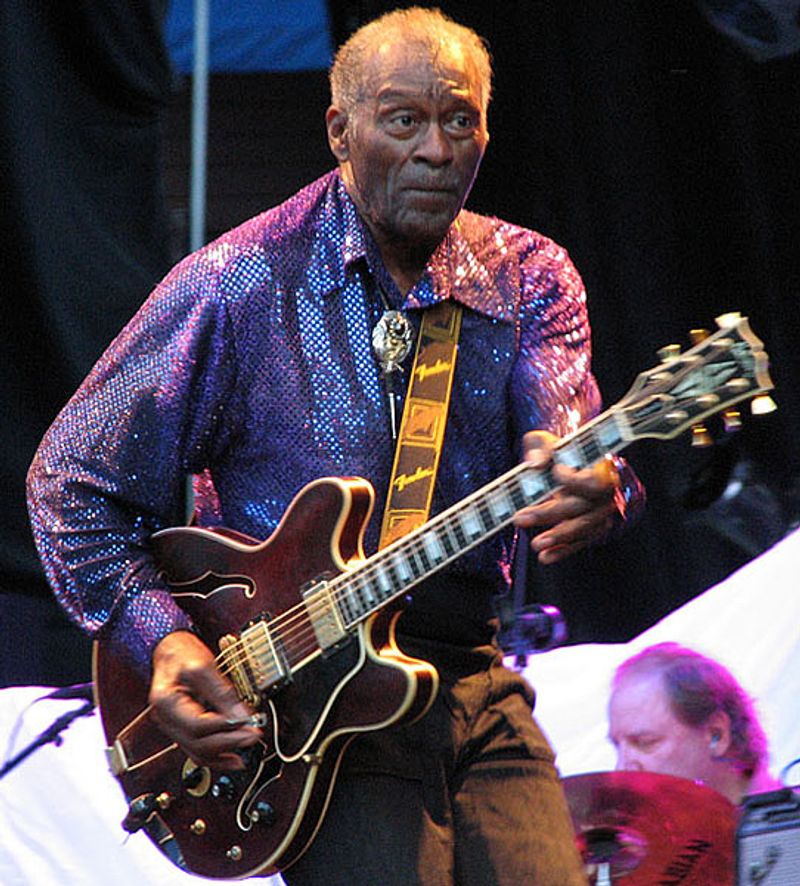
If rock and roll guitar has a father, Chuck Berry holds that title without question. His 1955 song Maybellene fused country guitar techniques with rhythm and blues, creating something entirely new.
Johnny B. Goode featured the most famous guitar intro in rock history, a riff that every beginning guitarist eventually learns.
Berry’s duck walk stage move became as iconic as his music. His storytelling lyrics and guitar riffs worked together to capture teenage life in 1950s America.
Songs like Roll Over Beethoven and Rock and Roll Music provided blueprints that bands like The Beatles and Rolling Stones would follow.
His double-string bending technique and rhythmic precision influenced every rock guitarist who followed. Keith Richards once said that if you tried to give rock and roll another name, you might call it Chuck Berry.
He performed well into his 80s before passing in 2017. Without Berry, rock guitar simply wouldn’t exist as we know it today.
3. Jimmy Page
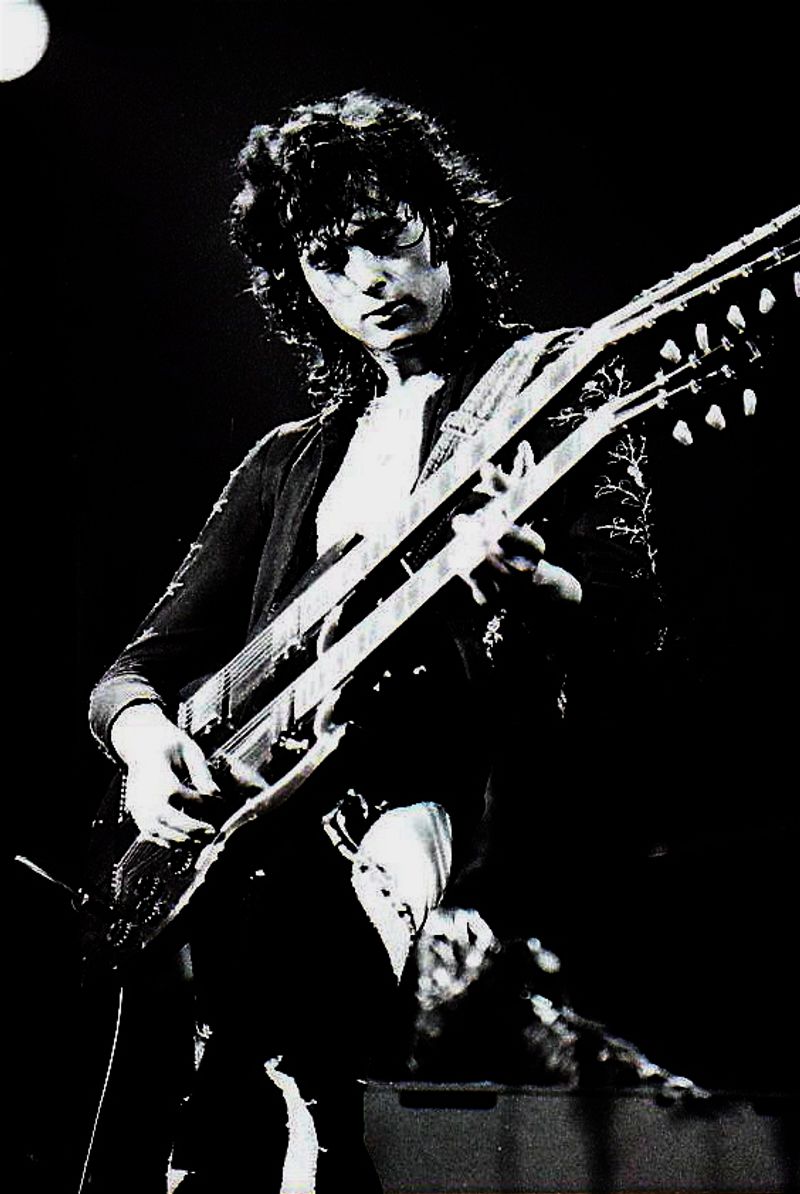
Jimmy Page didn’t just play guitar for Led Zeppelin, he orchestrated sonic landscapes that ranged from delicate acoustic passages to crushing heavy riffs. His production skills combined with his guitar mastery to create albums that sound timeless.
The opening to Stairway to Heaven remains the most requested song in guitar stores worldwide.
Page’s use of alternate tunings, violin bows on guitar strings, and layered recording techniques expanded what rock guitar could achieve. Whole Lotta Love showcased his ability to create otherworldly sounds through effects and studio manipulation.
His riffs for Black Dog and Kashmir became cornerstones of hard rock.
Before Led Zeppelin, Page was a session musician who played on countless hit records. His mystical interests and occult imagery added an enigmatic quality to his persona.
Zeppelin’s influence on hard rock and heavy metal stems largely from Page’s guitar innovations. His blend of blues, folk, and hard rock created a template copied by thousands of bands.
2. Eric Clapton
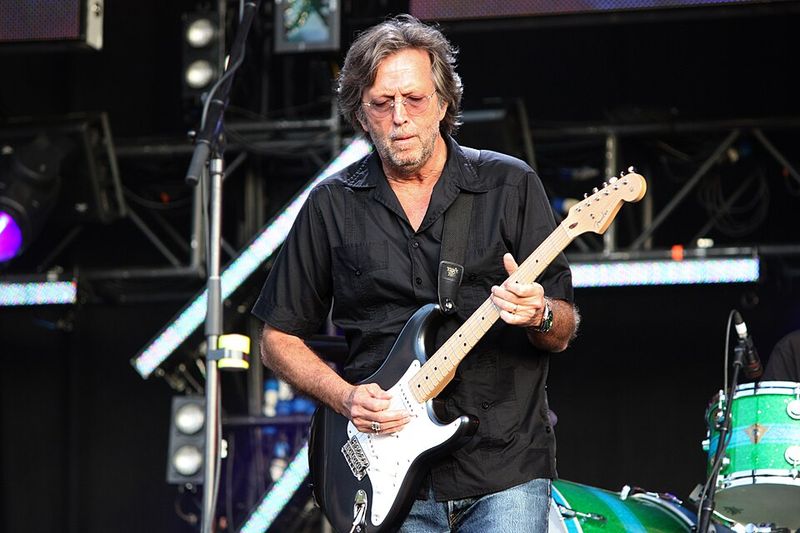
Graffiti in 1960s London proclaimed Clapton is God, reflecting the awe his guitar playing inspired. Through The Yardbirds, John Mayall’s Bluesbreakers, Cream, and his solo career, Clapton became the primary conduit bringing American blues to British rock audiences.
His tone, achieved through Gibson guitars and Marshall amplifiers, became the gold standard for blues-rock.
Clapton’s phrasing borrowed directly from blues masters like B.B. King and Freddie King, but he added a rock intensity that created something new.
Songs like Crossroads, Layla, and Wonderful Tonight showcase his range from explosive to tender. His 1992 Unplugged album proved his versatility and introduced acoustic blues to a new generation.
Personal tragedies, including the death of his young son, deeply influenced his later work. Tears in Heaven became one of the most moving songs ever written.
Now in his late 70s, Clapton’s influence on blues-rock guitar remains unmatched. Countless guitarists learned their craft by studying his solos note for note.
1. Jimi Hendrix
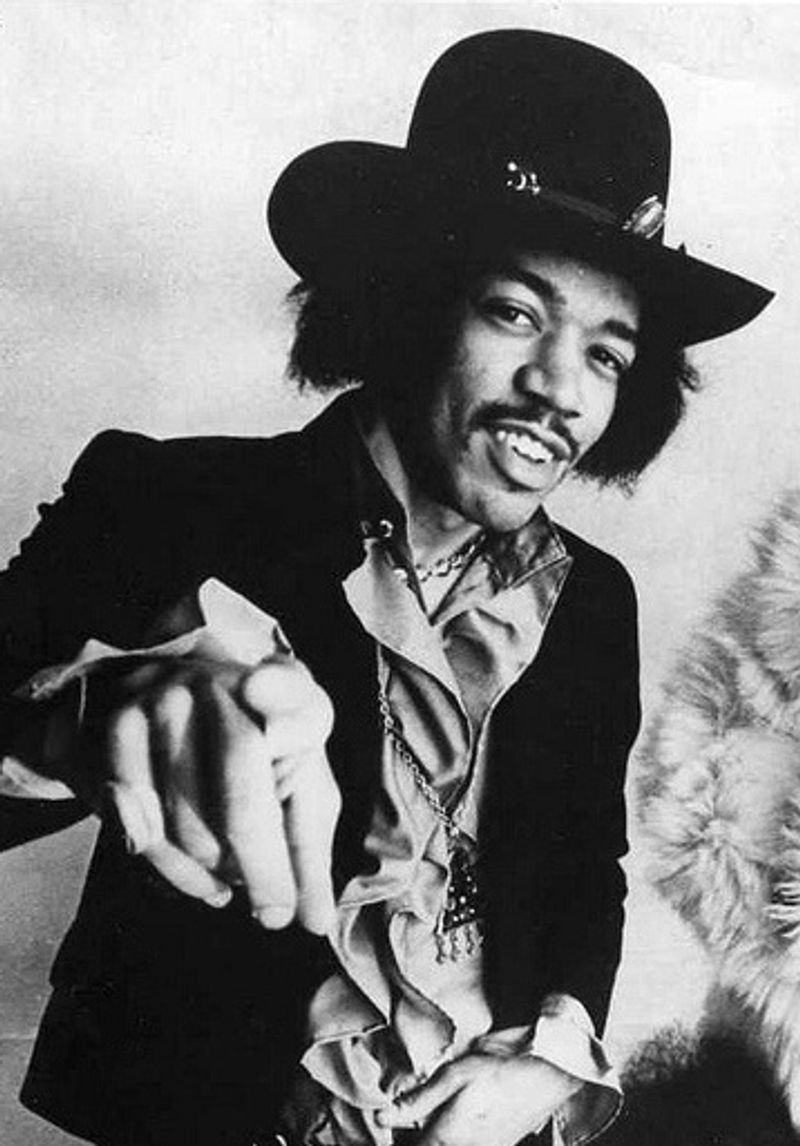
Jimi Hendrix picked up the electric guitar and bent reality itself. In just four years of mainstream fame before his death in 1970, he completely redefined what the instrument could do.
His performance of The Star-Spangled Banner at Woodstock used feedback, distortion, and whammy bar techniques to create sounds that seemed to come from another dimension.
Hendrix combined blues roots with psychedelic experimentation and raw power. Songs like Purple Haze, Voodoo Child, and All Along the Watchtower showcased his ability to make the guitar sing, scream, and whisper.
He pioneered the use of effects pedals, amplifier feedback, and studio techniques that are still studied today.
Despite being left-handed, Hendrix often played right-handed guitars flipped upside down, adding to his mystique. His influence transcends genre, affecting rock, blues, funk, jazz, and electronic music.
Every guitarist who followed has lived in the shadow of what Hendrix accomplished in his brief but incandescent career. He remains the ultimate guitar revolutionary.
Share this story