Across the United States, festivals turn sidewalks into time machines and main streets into living classrooms. Costumes, music, and hands-on demonstrations make history feel close enough to touch, from colonial hearths to industrial-era mills. Expect stirring stories, period flavors, and unexpected connections to the present day.
Keep reading to find the events where the past still beats like a drum.
Bread and Roses Heritage Festival — Lawrence, Massachusetts
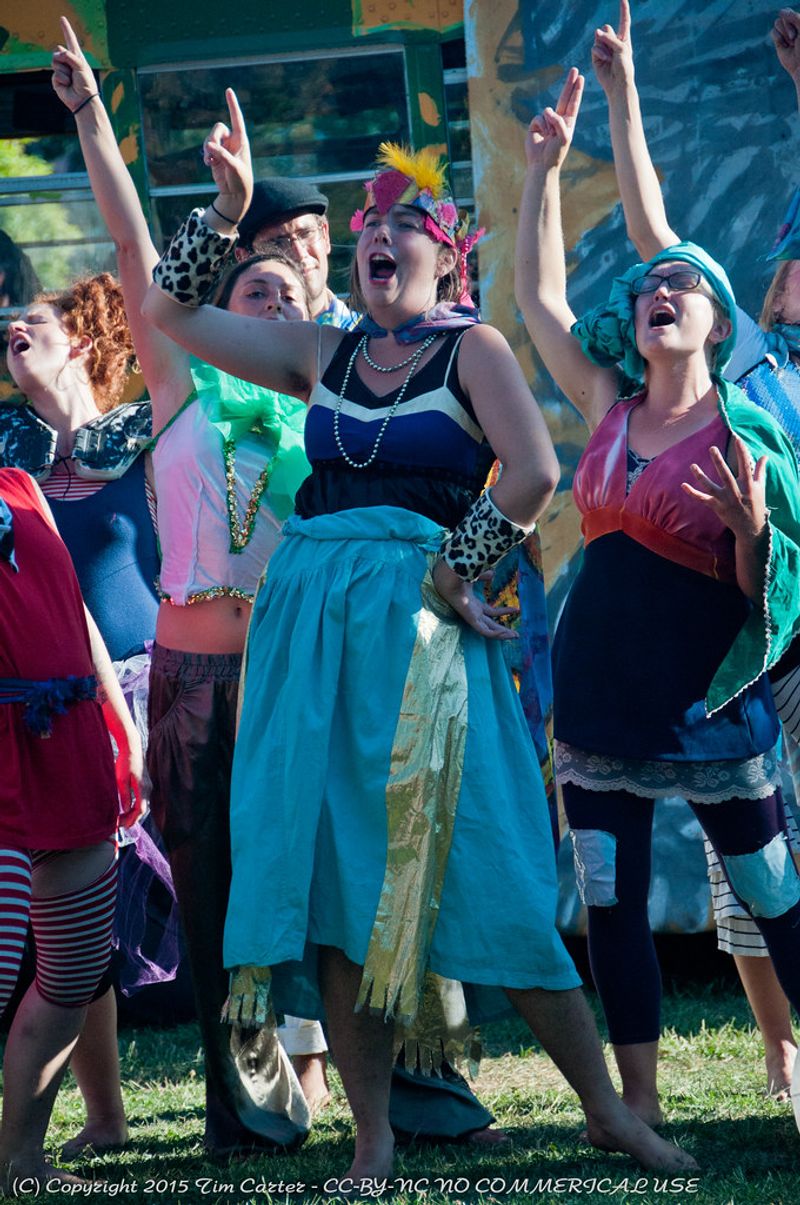
Labor Day in Lawrence transforms the mill city into a living tribute to the 1912 Bread and Roses strike. Music spills across the canal as storytellers and descendants share working class histories in both English and Spanish. Street stages host folk, hip hop, and traditional dance, while vendor tents celebrate immigrant cuisines that once fueled the mills.
Historians unpack wage cuts, child labor, and strike tactics using period photographs and shop-floor artifacts. Union representatives discuss modern organizing, linking historic solidarity to current workplace struggles. Guided walks trace picket lines past brick mills, boarding houses, and strike headquarters, grounding narratives in the sights and sounds of place.
Community booths invite oral histories, collecting family memories alongside archival panels about police repression and cross-linguistic unity. A children’s area teaches protest songs and sign-making, showing how culture powered courage. The program balances celebration and reckoning, honoring textile workers whose bravery reshaped labor law.
Pop-up theater reenacts mass meetings and bread distributions that sustained morale. Poets reflect on roses as dignity alongside bread as survival. By sunset, the festival feels like a chorus of many languages, echoing across the Merrimack with a promise that justice grows when communities act together.
Michigan Renaissance Festival — Holly, Michigan
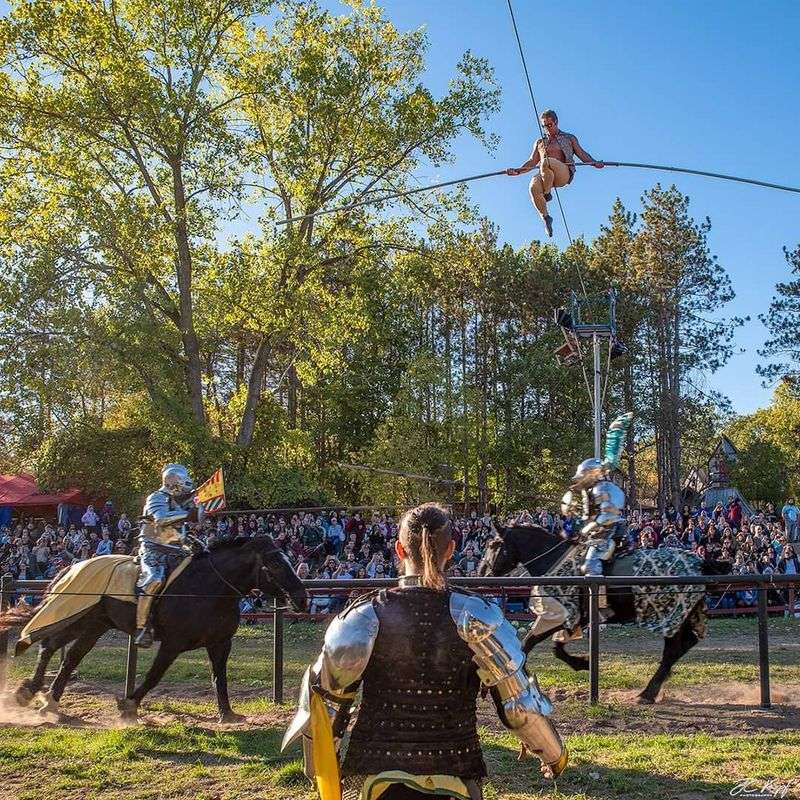
Past the gate, a 16th century village hums with laughter, lute melodies, and the clang of steel. Knights thunder through the joust while vendors hawk meat pies and honey mead. Street performers trade quips with nobles and rogues, turning pathways into stages where improv meets folklore.
Craftspeople work leather, iron, and glass, explaining tools and techniques that shaped daily life under Elizabeth I. Courtyards host madrigals, whip shows, and falconry that illustrate status, trade, and spectacle in the early modern world. Families dress in doublets or pirate stripes, folding play into learning without breaking the spell.
Theme weekends remix history with whimsy, from high seas hijinks to Highland games. Feast halls pile trenchers high as bawdy songs wink at tavern culture, while parades celebrate queens, guilds, and mischievous fae. Educational displays outline social hierarchies and the reach of global trade.
Between laughs, conversations touch on navigation, plague lore, and the birth of theater. Armor talks and sword demos break down physics, care, and battlefield roles. As sunlight filters through pennants, the fair offers a portal where curiosity leads and history answers with clatter, color, and cheers.
Colonial Williamsburg Living History Events — Williamsburg, Virginia
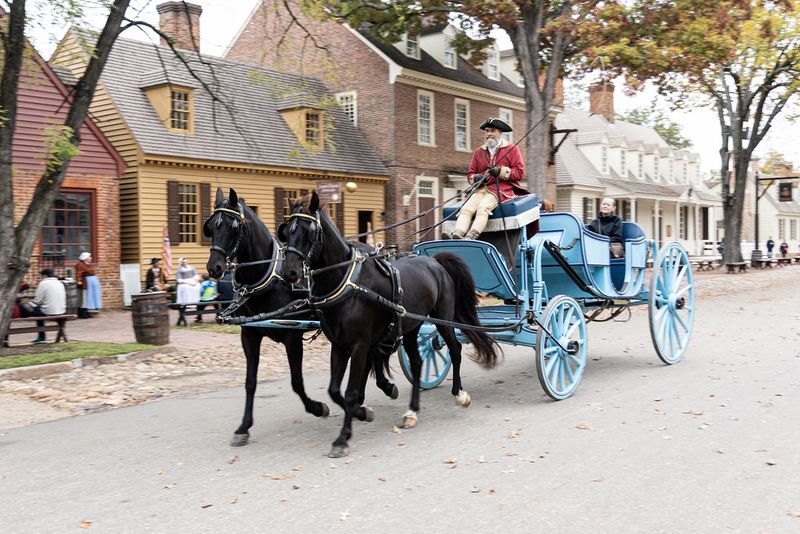
In Colonial Williamsburg, the eighteenth century breathes through every hammer strike and hearth fire. Interpreters in linen and wool demonstrate trades that kept a town alive, from blacksmithing to weaving. Militia drills crack across the green as drums call neighbors to muster.
Seasonal festivals layer pageantry onto daily craftwork, with public debates in the Capitol and market fairs on Duke of Gloucester Street. Musicians play fife tunes while cooks simmer stews and bake ash cakes, explaining rationing, seasonality, and trade. Political theater reenacts petitions, protests, and the uneasy road to revolution.
Visitors stand within arguments that shaped liberty and law, hearing voices of artisans, enslaved people, merchants, and farmers. Garden talks trace seed exchanges that built resilience, while printing presses roll broadsides that once stirred crowds. Costumed guides speak plainly about inequality and ideals.
Twilight brings candlelit tours where footsteps echo on worn brick. Stories weave personal lives with public upheaval, making abstract dates feel intimate. By the final salute, the town has shown how choices in shops, kitchens, and assemblies became the currents that carried a country toward independence.
Gettysburg Reenactments — Gettysburg, Pennsylvania
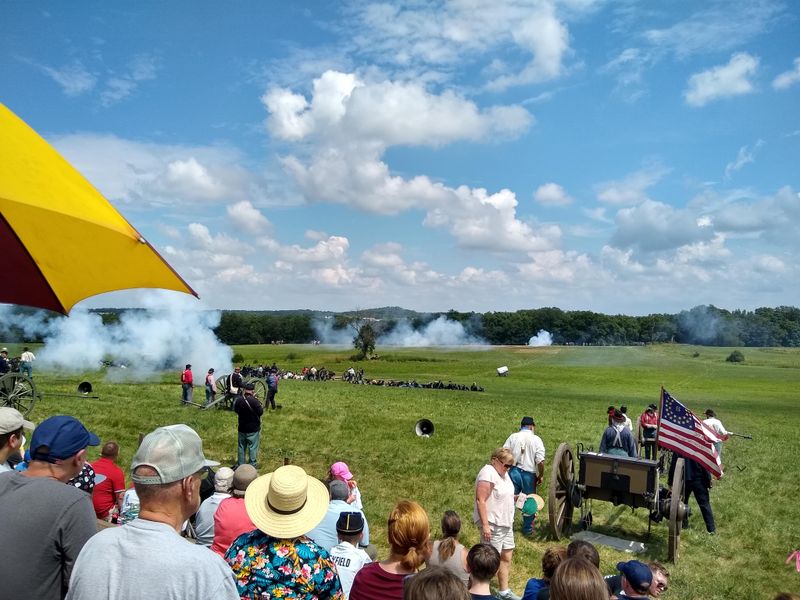
On the fields around Gettysburg, lines of blue and gray step through powder smoke as commands ring out. Reenactors demonstrate marching, volley fire, and artillery drill with strict attention to period detail. Encampments reveal tents, rations, and daily routines that defined soldier life beyond the battlefield.
Living historians interpret diaries and letters, reading voices that witnessed heat, fear, and resolve. Medical demonstrations explain triage, sanitation, and the struggle to manage wounds with limited knowledge. Civilians appear as nurses, townspeople, and correspondents, reminding audiences that war rewrites home life too.
Interpretive talks place maneuvers within broader strategy, discussing maps, terrain, and the logistics of feeding armies. Moments of silence acknowledge sacrifice while presenters explore emancipation, industry, and politics tied to the conflict. The same ridges and farms become immersive textbooks.
Vendors sell replica gear, books, and period crafts, while battlefield tours extend learning to monuments and key positions. As smoke thins, the landscape returns, but stories linger with stubborn clarity. Stepping off the grass, lessons feel carried in the body, measured by footfalls across ground that changed a nation.
Juneteenth Heritage Festivals — Across the U.S.
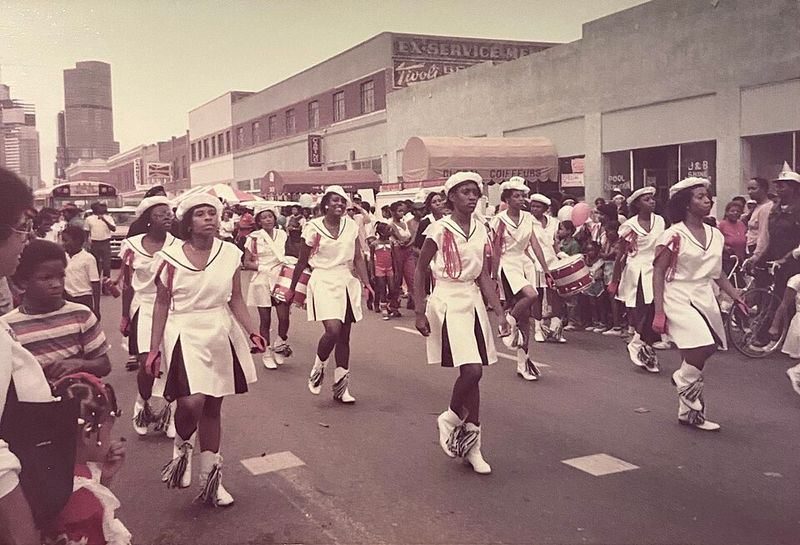
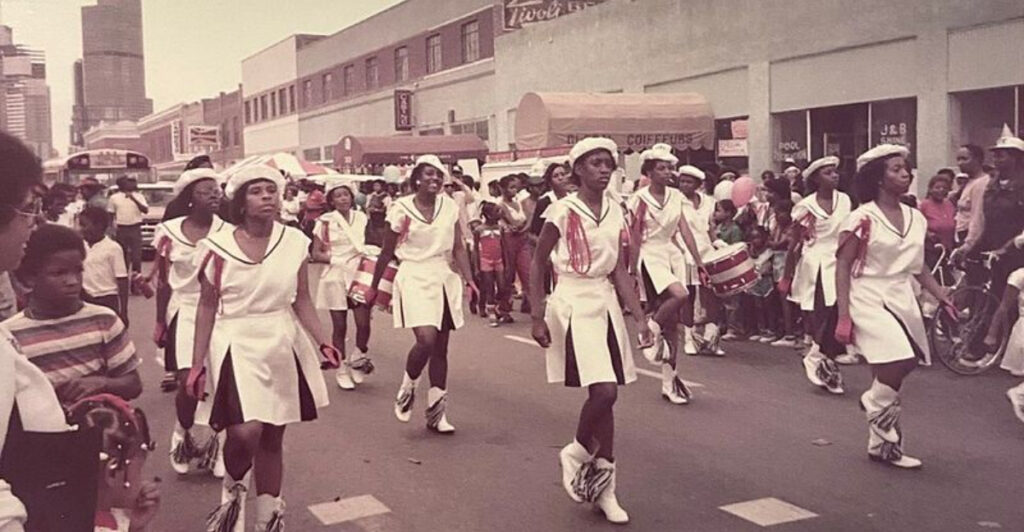
Juneteenth marks June 19, 1865, when news of emancipation reached Galveston and freedom spread through Texas. Today’s festivals blend remembrance and joy with parades, drumlines, and gospel that lift spirits skyward. Food vendors serve red drinks and barbecue as symbols of resilience and communion.
History tents offer lectures on Reconstruction, freedom colonies, and civil rights legacies, grounding celebration in context. Curators display documents, quilts, and photographs that carry family memory. Youth activities center storytelling, financial literacy, and civic engagement, linking past victories to future agency.
Artists showcase African dance, jazz, and spoken word that honor cultural contributions across centuries. Genealogy workshops help trace ancestors through censuses, church rolls, and oral history. Community health screenings underline a holistic vision of freedom that includes care and access.
Evening ceremonies raise flags and candles for those who endured bondage and fought for justice. Speakers remind crowds that emancipation arrived unevenly, and vigilance sustains liberty. Across cities and small towns, the day’s heartbeat is gratitude joined to action, a bridge from suffering to celebration that keeps memory working.
Charleston Spoleto Festival USA — Charleston, South Carolina
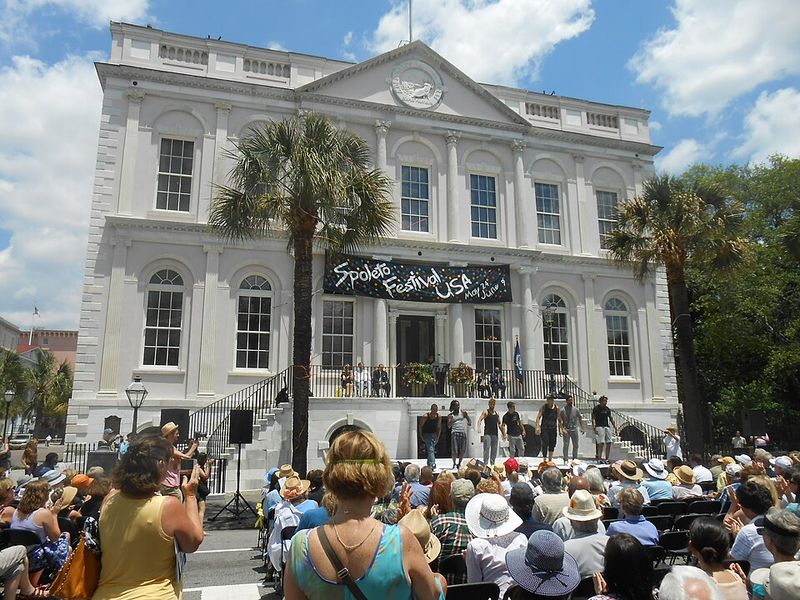
Spoleto Festival USA turns Charleston into a stage where centuries converse. Opera, jazz, and contemporary dance unfold in historic churches and theaters, their acoustics shaped by brick and timber. Audiences cross cobblestone between performances, absorbing port city layers of trade, faith, and artistry.
Curators often program works that speak with history, reframing myths and memorials through movement and sound. Site specific pieces animate courtyards and gardens, echoing baroque roots while meeting modern questions head on. The program’s global scope mirrors Charleston’s past as a crossroads.
Daylight invites architecture walks past pastel facades, ironwork balconies, and markets that remember complicated commerce. Panels examine heritage, memory, and preservation alongside the craft of composition. Food scenes offer Lowcountry flavors that carry Gullah Geechee stories in rice and seafood.
As night deepens, crescendos reverberate through steeples and alleyways. Applause feels braided to the city itself, a dialogue across time. The festival proves that history is not static scenery but a partner in creation, shaping how artists dream and audiences listen in the present.
Dickens on the Strand — Galveston, Texas
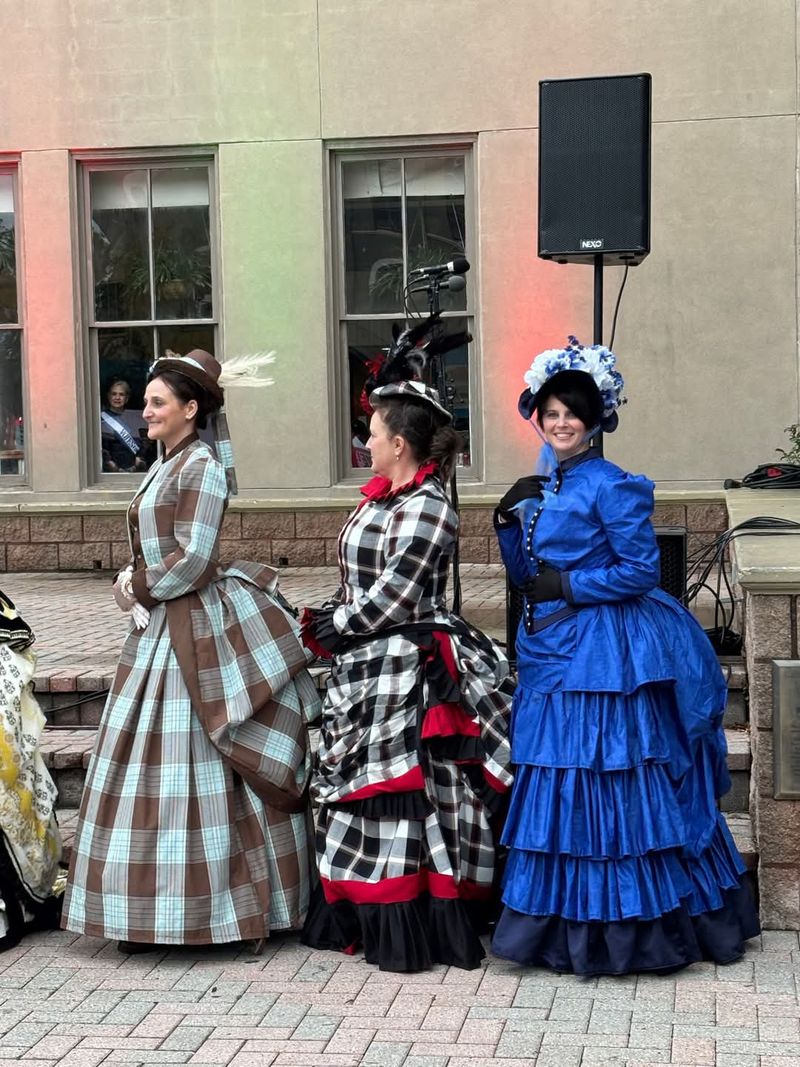
Galveston’s Strand slips into Victorian finery as carolers, chimney sweeps, and bonneted shoppers parade beneath festive garlands. Market stalls sell ornaments, penny sweets, and handworked lace while brass bands sparkle with holiday standards. Horse drawn carriages clip over cobbles framed by ornate facades.
Costumed interpreters channel Dickensian characters who banter with good humor and moral clarity. The festival highlights how communities once kept Christmas through charity, concerts, and neighborhood visits. Tea rooms pour steaming cups as storytellers share ghost tales and redemption arcs.
Workshops teach bonnet trimming, calligraphy, and period etiquette that governed parlors and promenades. Cooking demos explore figgy pudding, mincemeat, and the economics of imported spices. Children test Victorian parlor games, discovering laughter that travels well across centuries.
Even with theatrical flair, the Gulf breeze and local history remain palpable. Panels connect Galveston’s resilience to themes of renewal central to Dickens. As lights glow amber at dusk, the Strand becomes a page come to life, where kindness carries the day and bells ring with gratitude.
Share this story