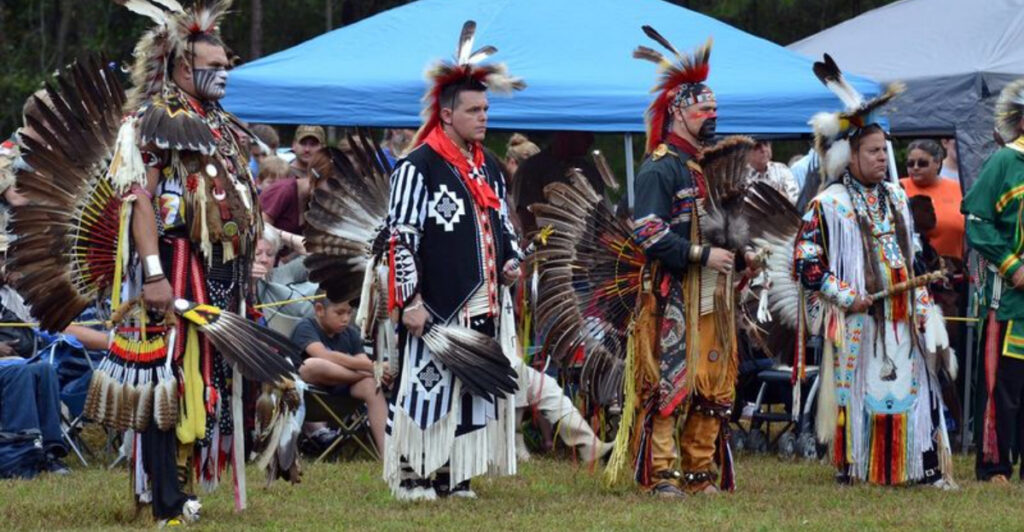
Native American history and culture are full of surprises that many people never learn in school. From ancient cities that rivaled European capitals to modern-day innovations that changed the world, Indigenous peoples have shaped America in ways you might not expect.
These facts reveal the depth, diversity, and resilience of the hundreds of nations that have called this land home for thousands of years.
1. There Are 574 Federally Recognized Tribal Nations in the U.S.
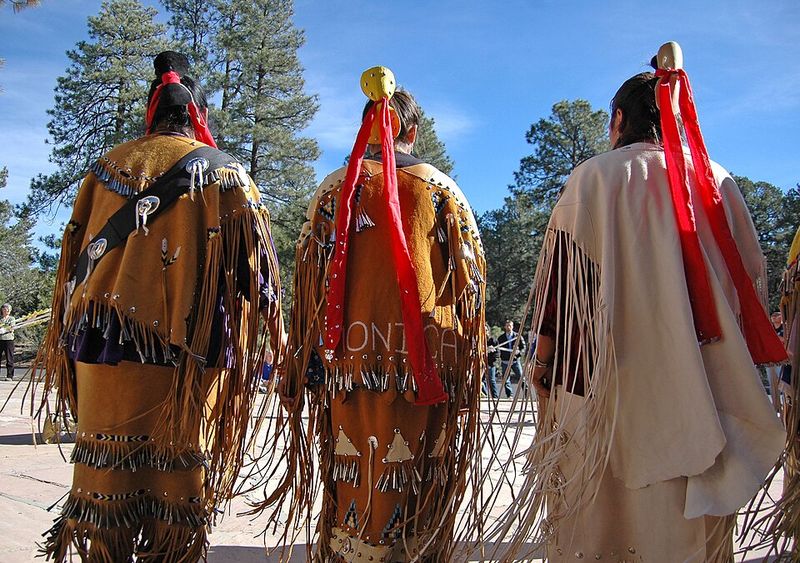
The United States officially recognizes 574 distinct tribal nations today. Each one has its own government, culture, and history.
Many people assume there are only a handful of tribes, but the reality is far more complex and diverse.
Recognition matters because it establishes a legal relationship between tribes and the federal government. This status allows tribes to govern themselves and maintain their unique identities.
From Alaska to Florida, these nations represent hundreds of different languages, traditions, and ways of life that continue to thrive across the country.
2. About 7 in 10 American Indians and Alaska Natives Live in Urban Areas
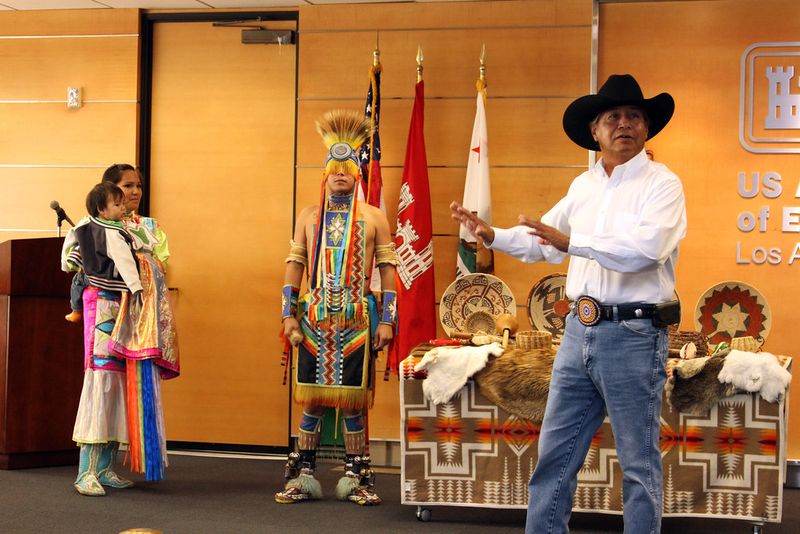
Most Native Americans today call cities home, not reservations. Around 70 percent live in urban areas like Los Angeles, Phoenix, and New York.
This surprises many people who picture Native life as primarily rural or reservation-based.
Migration to cities increased dramatically during the mid-1900s, often through government relocation programs. Urban Native communities have built vibrant cultural centers, powwow circuits, and support networks.
They balance maintaining traditional ways with modern city living, creating unique Indigenous urban identities that bridge multiple worlds.
3. Cahokia Was “America’s First City,” With a Core Population Estimated Around 20,000 at Its Peak
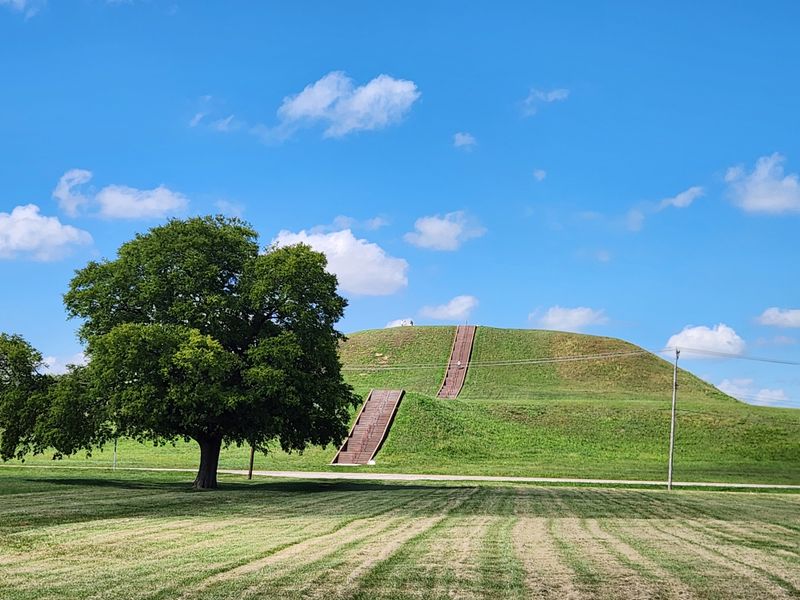
Long before European contact, a massive city thrived near present-day St. Louis. Cahokia reached its peak around 1050-1200 CE with roughly 20,000 people in its core.
That made it larger than London at the same time.
Giant earthen mounds dominated the skyline, with Monks Mound standing nearly 100 feet tall. Sophisticated urban planning included residential neighborhoods, plazas, and a complex social structure.
The city was a major trade hub connecting communities across half the continent, proving that advanced Indigenous civilizations flourished in North America long before colonization.
4. North America Had 300+ Indigenous Languages—Across 50+ Language Families
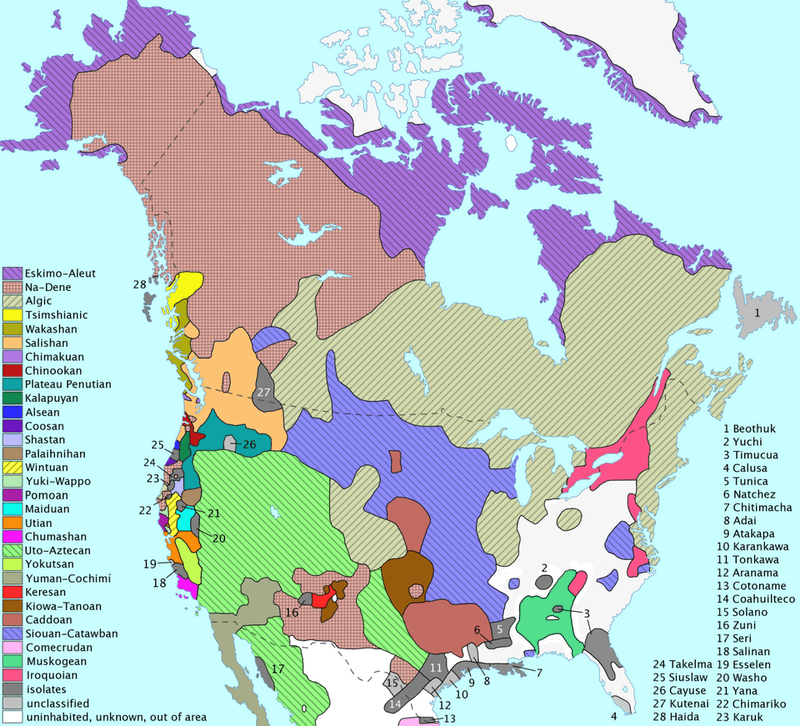
Before European contact, over 300 distinct Indigenous languages were spoken across North America. These belonged to more than 50 separate language families, as different from each other as English is from Chinese.
The linguistic diversity was staggering and reflected thousands of years of cultural development.
Today, many of these languages face extinction, but revitalization efforts are growing stronger. Communities are creating immersion schools, apps, and recording projects.
Language carries worldview, history, and identity, making preservation efforts crucial for cultural survival and passing knowledge to future generations.
5. Some Nations Are Matrilineal—With Lineage and Property Passing Through the Mother’s Line
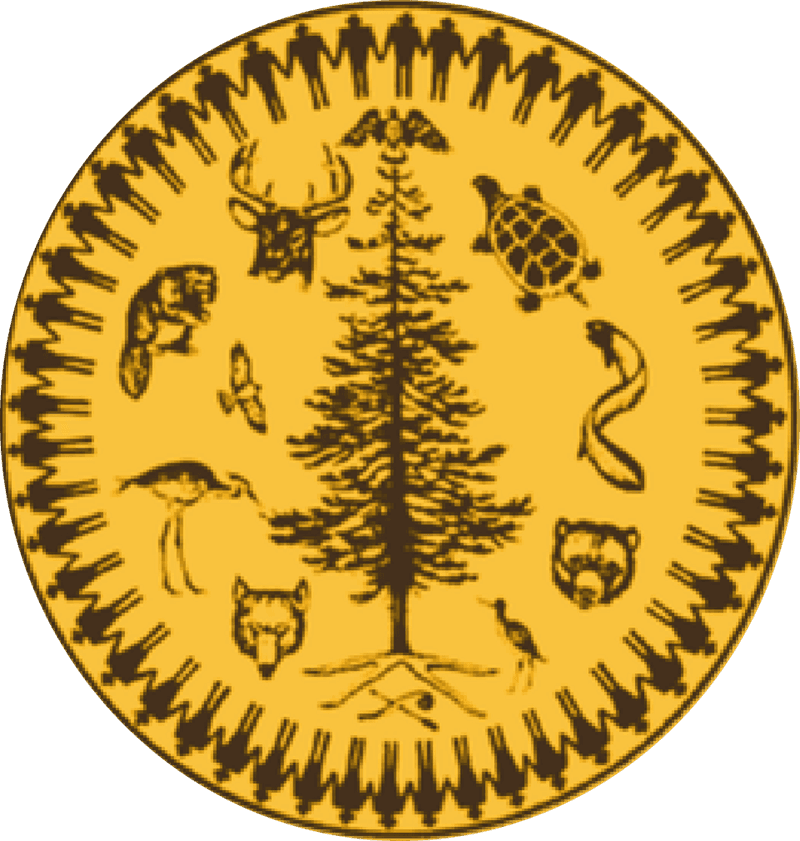
Many Indigenous societies organize themselves through the mother’s family line, not the father’s. In matrilineal nations like the Haudenosaunee (Iroquois) and many Pueblo communities, children belong to their mother’s clan.
Property, names, and social status pass through women.
This system often gave women significant political power and authority. Clan mothers in Haudenosaunee society could appoint and remove chiefs.
European colonizers found these gender roles confusing because they contradicted their own patriarchal systems. Matrilineal traditions continue today, preserving ancient ways of organizing families and communities.
6. The “Three Sisters” (Corn, Beans, Squash) Is a Sophisticated Companion-Planting System Thousands of Years Old
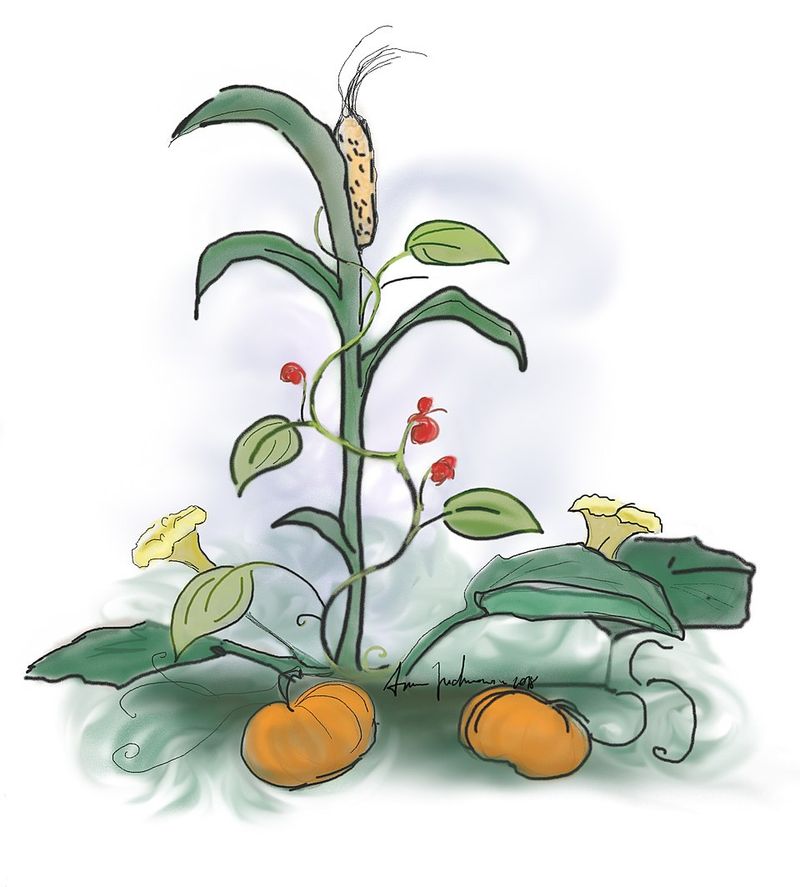
Indigenous farmers developed an ingenious agricultural system called the Three Sisters thousands of years ago. Corn, beans, and squash grow together in a mutually beneficial relationship.
Corn provides a stalk for beans to climb, beans add nitrogen to soil, and squash leaves shade the ground to retain moisture.
This companion planting is both ecologically smart and nutritionally complete. Together, the three crops provide carbohydrates, protein, and vitamins.
Modern sustainable agriculture experts now recognize this ancient technique as brilliantly efficient, proving Indigenous knowledge was scientifically advanced long before European contact.
7. Horses Arrived With the Spanish in the 1500s—and Helped Transform Many Plains Cultures
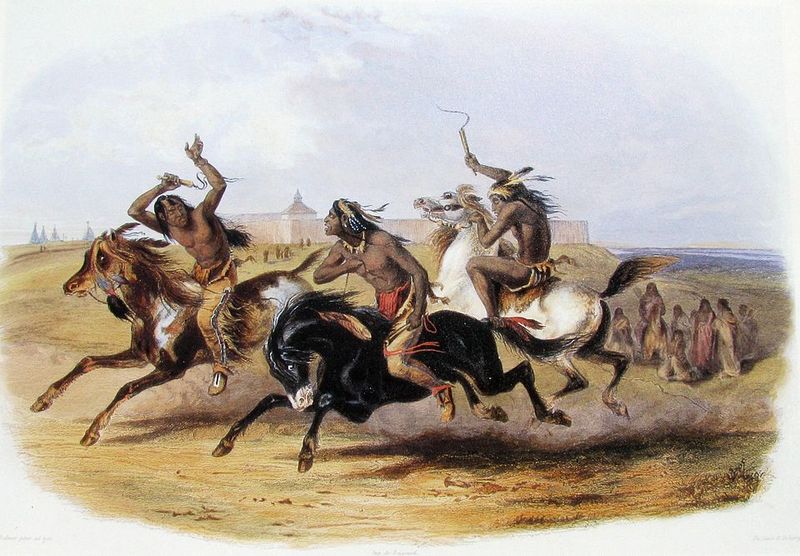
Horses were not native to the Americas in recent millennia, though ancient horses once roamed here. Spanish colonizers reintroduced them in the 1500s.
Within generations, horses spread northward through trade and capture, revolutionizing Plains cultures.
Before horses, buffalo hunting was done on foot, which limited mobility and hunting efficiency. Horses changed everything, allowing people to travel farther, hunt more effectively, and transport larger loads.
The classic image of mounted Plains warriors actually represents a relatively recent adaptation. This rapid cultural transformation shows Indigenous peoples’ remarkable ability to innovate and adapt new technologies to their needs.
8. Wampum Belts Served as Living Records of Agreements, Events, and Diplomacy
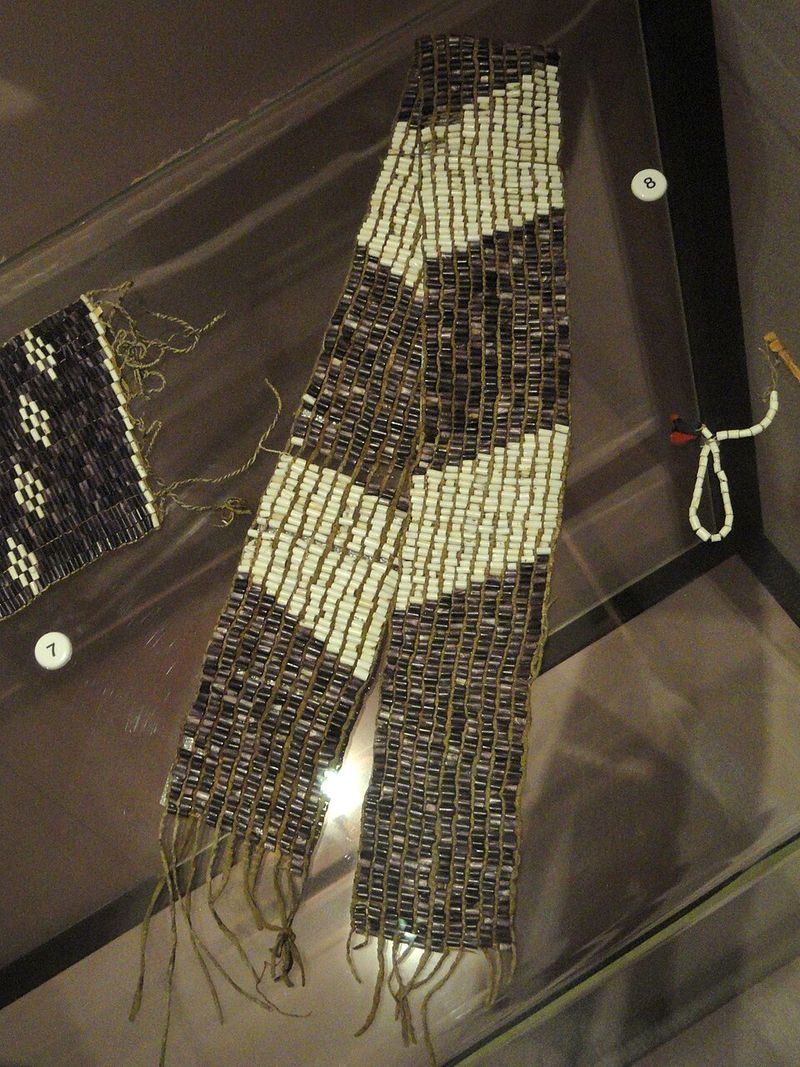
Wampum belts were not money, despite what many history books claim. These intricate beaded belts served as mnemonic devices that recorded treaties, historical events, and diplomatic agreements.
Skilled keepers could read the patterns and colors, recalling complex narratives and legal arrangements.
Made from purple and white shell beads, wampum belts were sacred objects of great importance. The Two Row Wampum, for example, symbolizes the relationship between Indigenous nations and European newcomers as two vessels traveling side by side, never interfering with each other.
These belts remain powerful symbols of sovereignty and diplomatic history today.
9. One Person Helped Spark a Literacy Revolution: Sequoyah’s Cherokee Syllabary
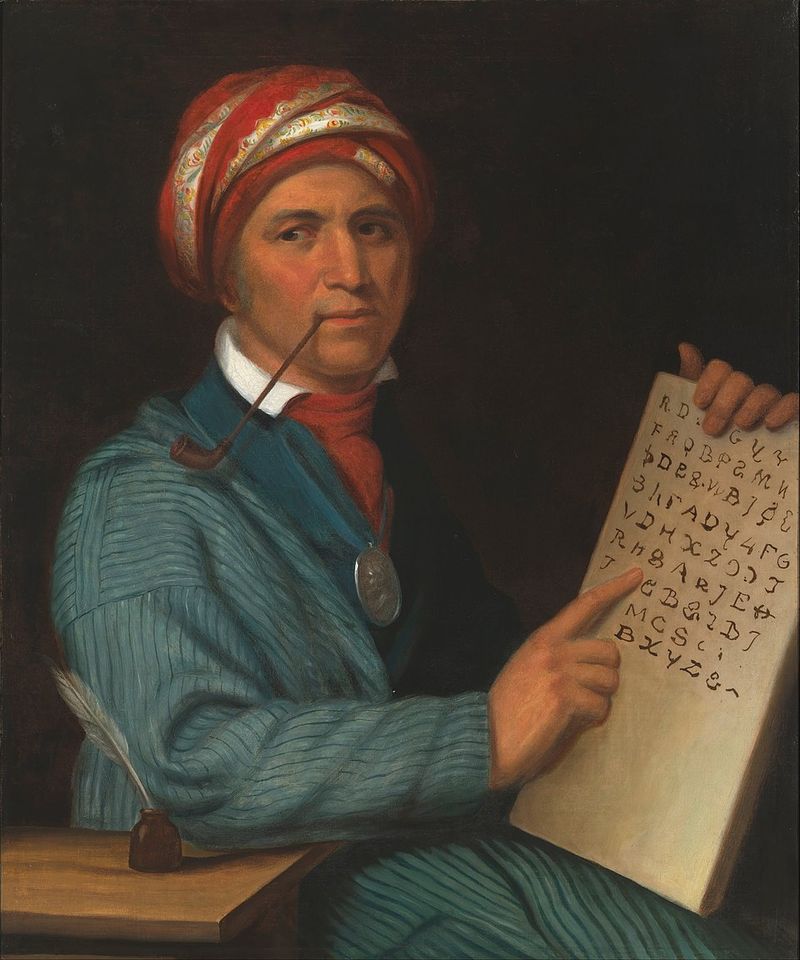
Sequoyah, a Cherokee silversmith, created something extraordinary in the early 1800s. Though he could not read English, he developed a complete writing system for the Cherokee language with 85 characters.
Each symbol represents a syllable, making it relatively easy to learn.
Within months, thousands of Cherokee people became literate in their own language. The nation soon had a newspaper, books, and official documents in Cherokee.
Sequoyah’s syllabary proved that Indigenous languages could thrive in written form. His achievement stands as one of the few times in history that one person independently created a functional writing system.
10. “Counting Coup” Could Be About Bravery Without Killing—Like Touching an Enemy and Escaping
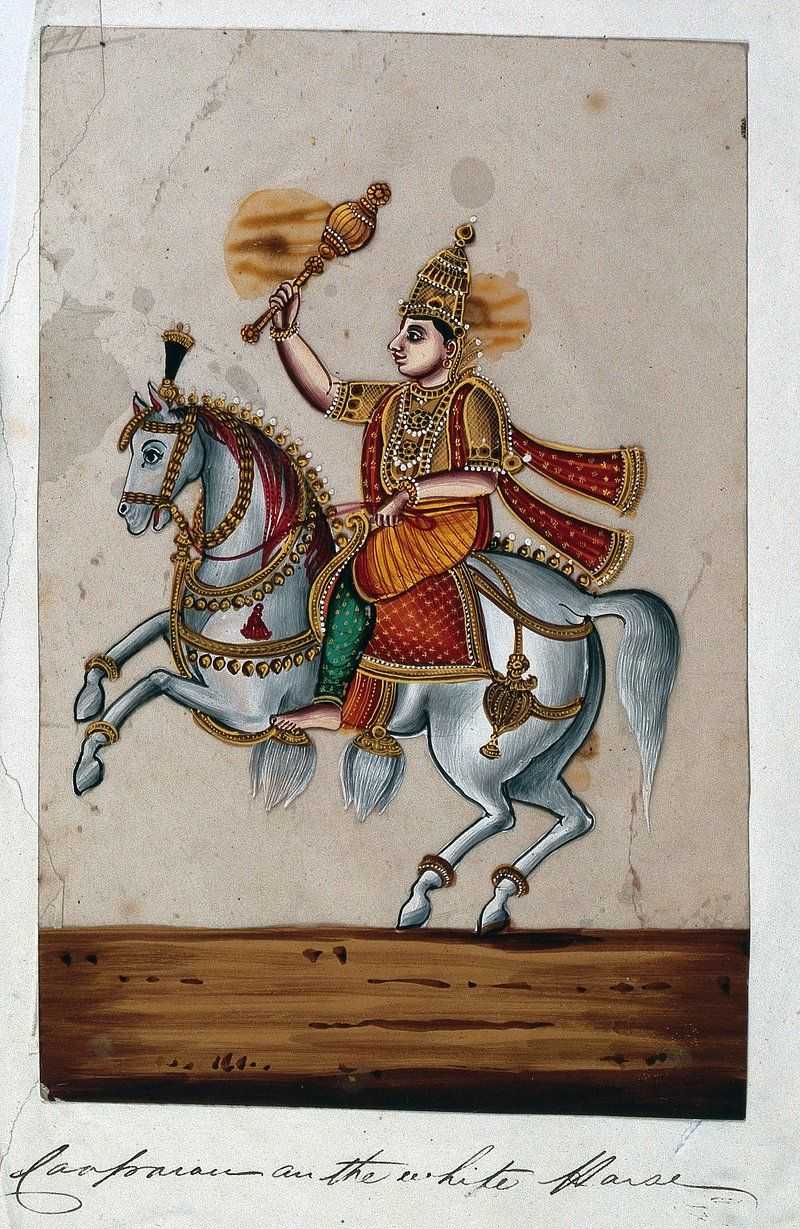
Among many Plains nations, the highest honor in warfare was not always killing an enemy. Counting coup meant touching an opponent with a special stick or hand and escaping unharmed.
This required incredible courage, skill, and daring.
Warriors earned more prestige from acts of bravery than from taking lives. Stealing horses from an enemy camp or rescuing a fellow warrior also counted as coup.
This value system emphasized personal courage and tactical brilliance over violence. It challenges stereotypes about Indigenous warfare and shows the sophisticated honor codes that governed conflict among many nations.
11. Code Talkers Came From More Than 20 Tribes—Using Indigenous Languages to Secure U.S. Communications
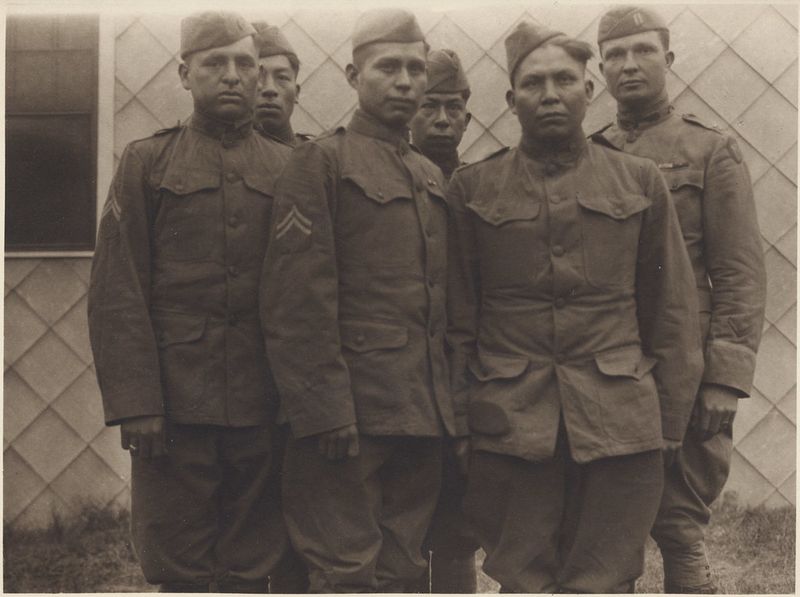
During both World Wars, the U.S. military recruited Native Americans to create unbreakable codes based on Indigenous languages. While Navajo Code Talkers are most famous, over 20 tribes contributed code talkers.
Choctaw, Comanche, Lakota, and many others served in this crucial role.
Enemy forces could not crack these codes because Indigenous languages were unfamiliar and lacked written dictionaries. Code talkers transmitted vital battlefield information quickly and securely.
Their service was classified for decades, and many received no recognition until late in life. These warriors used the very languages that government boarding schools had tried to erase.
12. Native Americans Have Served at the Highest Per-Capita Rate in the U.S. Military
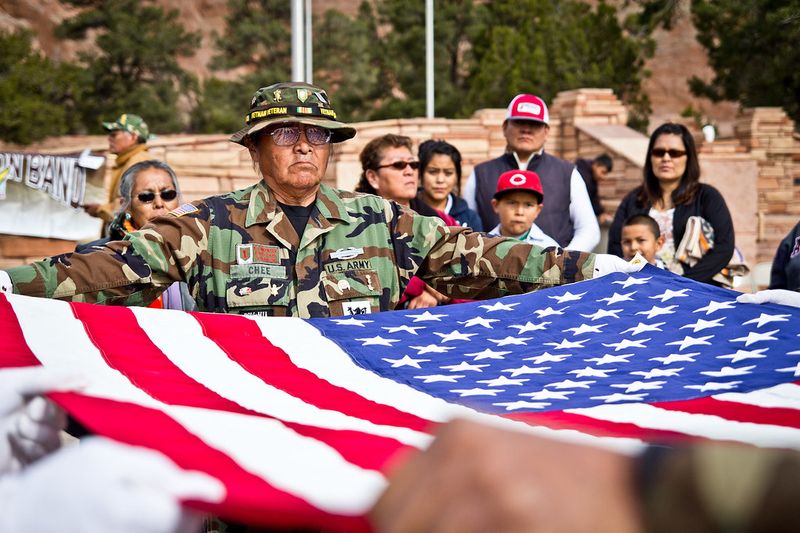
Native Americans serve in the U.S. armed forces at higher rates per capita than any other ethnic group. This tradition of military service continues despite centuries of broken treaties and mistreatment by the federal government.
The reasons are complex, including warrior traditions, patriotism, and economic opportunities.
Many tribes have long histories of warrior societies and military service. Veterans hold places of honor in their communities, and military service connects to traditional concepts of protecting the people.
This high service rate is both a point of pride and a complicated reality, reflecting Native peoples’ deep commitment to defending their homelands and communities.
13. The Indian Citizenship Act Was Enacted on June 2, 1924
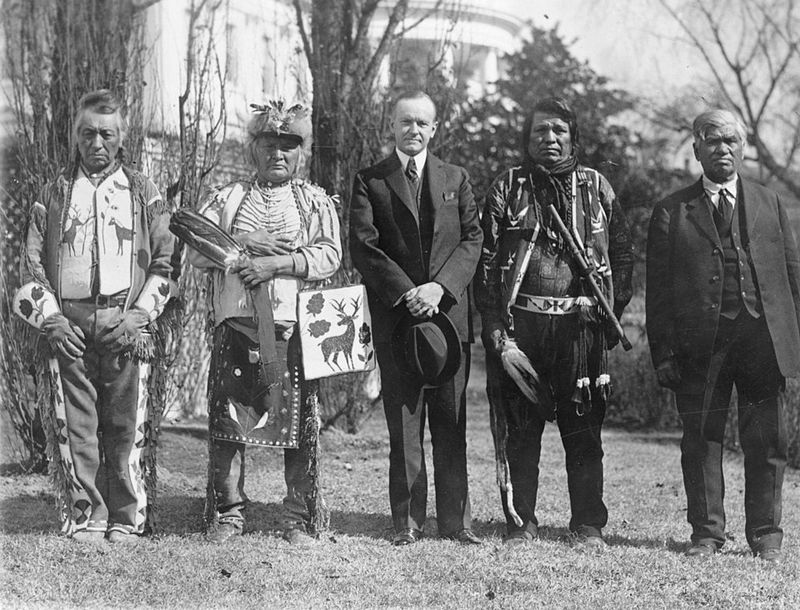
Native Americans were not considered U.S. citizens until 1924, even though this land was theirs first. The Indian Citizenship Act granted citizenship, but it came with complications.
Some states still prevented Native people from voting through various restrictions until the 1960s.
Citizenship also did not erase tribal membership or sovereignty. Native Americans hold dual citizenship: they are citizens of both their tribal nations and the United States.
This unique legal status reflects the government-to-government relationship between tribes and the federal government. Many Native people had mixed feelings about citizenship that was granted rather than chosen.
14. Tribal Nations Are Sovereign Governments With a Government-to-Government Relationship With the U.S.
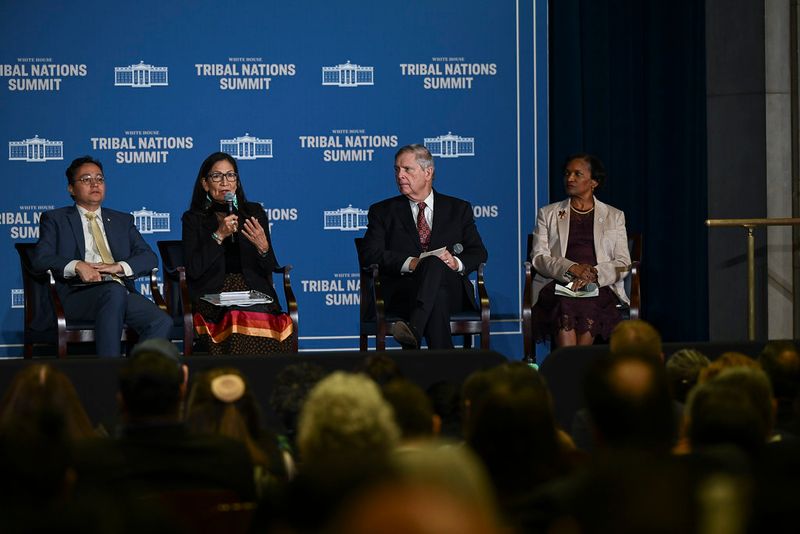
Tribal sovereignty is a fundamental but often misunderstood concept. Federally recognized tribes are not just ethnic groups or cultural organizations.
They are sovereign nations with inherent rights to self-governance. Treaties established government-to-government relationships between tribes and the United States.
This means tribes can create their own laws, run their own courts, and manage their own affairs. They issue license plates, operate law enforcement, and regulate activities on tribal lands.
Sovereignty is not granted by the U.S. government; it predates the Constitution. Understanding this legal status is essential to understanding Native rights and the complex relationship between tribes and federal authorities.
15. By 1900, Fewer Than 1,000 Bison Were Estimated to Remain—After Mass Slaughter in the 1800s
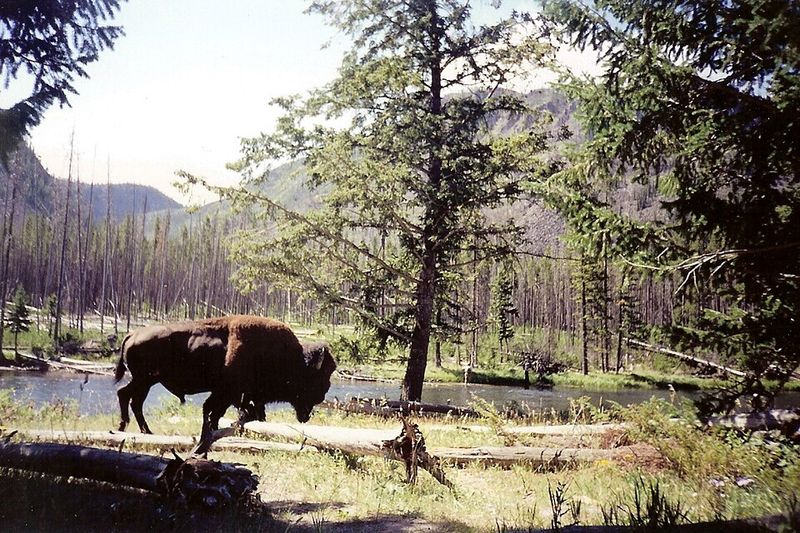
Bison once numbered in the tens of millions across North America. They were central to Plains cultures, providing food, clothing, shelter, and spiritual connection.
In the 1800s, systematic slaughter nearly drove them to extinction. By 1900, fewer than 1,000 remained.
This destruction was not accidental. Killing buffalo was a deliberate strategy to force Native peoples onto reservations by eliminating their food source.
Hunters shot bison from trains for sport, leaving carcasses to rot. The near-extinction of buffalo represents one of the greatest ecological disasters in American history and a targeted assault on Indigenous ways of life.
16. Powwows Are Living, Modern Traditions—Adaptive Intertribal Gatherings, Not “Ancient Pageants”
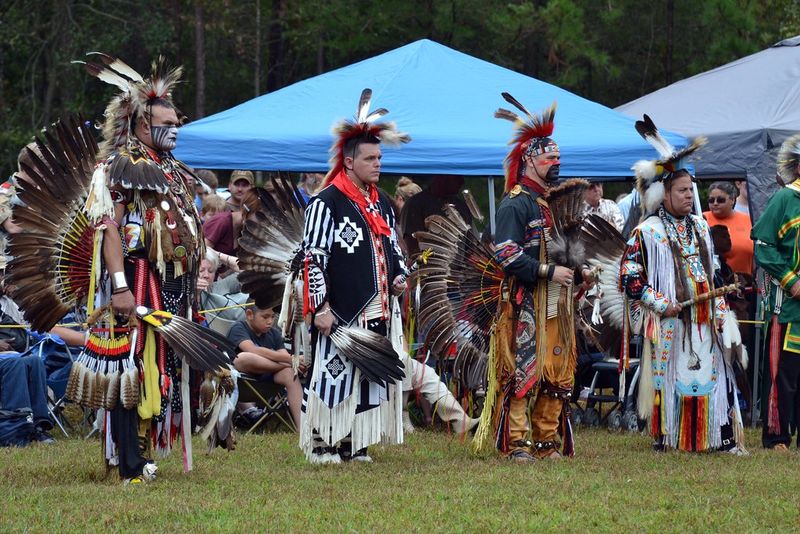
Powwows are vibrant, evolving celebrations, not frozen-in-time relics. While rooted in older traditions, modern powwows developed in the 20th century as intertribal gatherings.
They bring together Native peoples from many nations to dance, sing, socialize, and celebrate shared identity.
Dancers compete in various categories, from traditional to contemporary styles. Drum groups provide music, and vendors sell food, crafts, and art.
Powwows adapt constantly, incorporating new songs, dance styles, and technologies. They are living traditions that connect generations, build community, and assert Indigenous presence and pride.
Powwows happen year-round across North America, keeping culture dynamic and accessible.
Share this story