What if the clock on Earth’s habitability is already ticking down, not in decades, but in deep time you can barely imagine? NASA supported models now show a clearer picture of how long complex life can thrive here and why the end arrives long before the Sun swells into a red giant.
You will see why oxygen, photosynthesis, and slow solar brightening form a chain that ultimately breaks. None of this is about near term fear, but understanding our planet’s epic timeline with scientific clarity.
1. The Sun Is Slowly Getting Brighter

Solar physics shows the Sun’s core fuses hydrogen more efficiently as helium builds up, nudging luminosity upward by roughly 10 percent per billion years. You do not feel it day to day, but models calibrated with helioseismology and stellar evolution explain the gradual trend.
This slow brightening is predictable within well tested ranges, anchoring long range climate projections.
More photons arriving at the top of Earth’s atmosphere mean more energy added to climate systems even without human activity. Over geological timescales, that extra energy reshapes temperature baselines, hydrological cycles, and weathering rates.
You can think of it as a very slow dimmer turning up the heat.
NASA supported solar monitoring and space based radiometry help constrain the present and guide models of the future. These datasets make long horizon habitability studies robust.
The Sun will not flare into disaster soon, but its steady brightening is inexorable.
2. Earth’s Habitable Window Is Finite
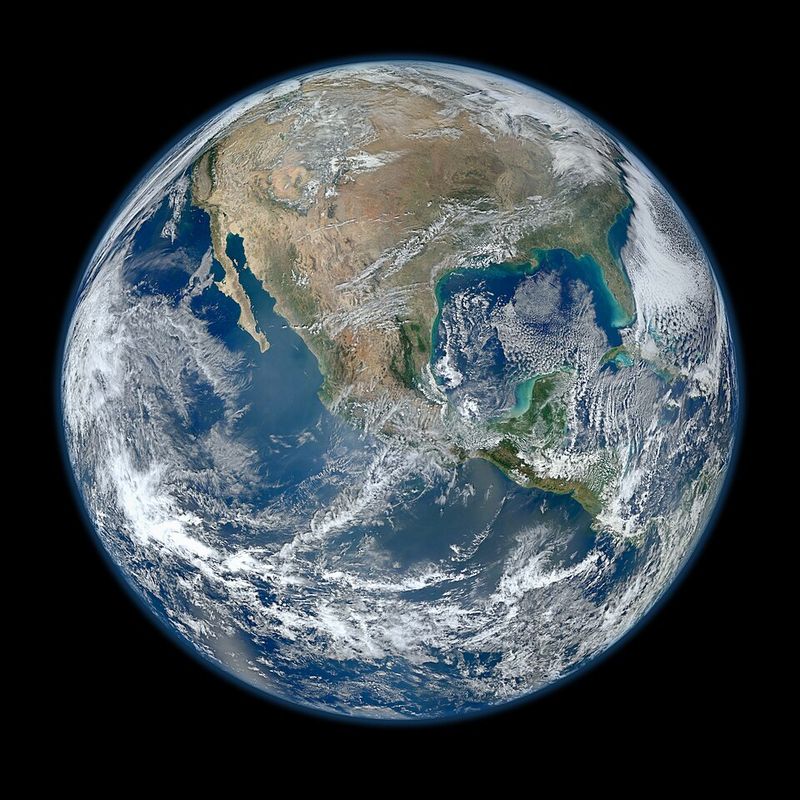
Earth has hosted life for billions of years, but that gift operates within boundaries set by stellar energy, geology, and atmospheric chemistry. You live in a middle chapter, not the first and not the last.
Climate models tuned with paleoclimate data suggest we are roughly halfway through the window for complex life.
This perspective does not forecast doom tomorrow. It frames habitability as a moving target shaped by solar brightening and carbon cycling feedbacks.
Over immense spans, thresholds shift until conditions fall outside what complex organisms can tolerate.
NASA linked models connect orbit, radiation budgets, and biosphere feedbacks. When you stack those systems, a finite window emerges with a beginning, a middle, and an end.
Recognizing finitude sharpens how scientists assess exoplanets too, asking not only if a world is habitable now, but for how long.
3. Rising Solar Energy Will Heat Earth Beyond Current Climate Limits
Even if humanity emitted nothing, the Sun’s gradual brightening would keep turning the thermostat upward. Energy balance models show higher incoming radiation drives surface warming, intensifies the hydrological cycle, and raises extreme heat frequency.
You can imagine a future where today’s hottest records look modest.
As background heating increases, ecosystems hit physiological limits for many species. Heat stress, reduced nighttime cooling, and altered moisture patterns combine to push climate beyond current envelopes.
These changes accumulate slowly but persistently, leaving less room for complex biospheres to adapt.
Satellites observing outgoing longwave radiation, cloud behavior, and albedo trends help constrain the parameters. NASA climate simulations test responses under incrementally higher solar constants.
The forecast is not a sudden spike, but a relentless climb that eventually exceeds complex life’s comfort zone.
4. Carbon Dioxide Will Decline Over Geological Time

As temperatures rise from solar brightening, chemical weathering of silicate rocks speeds up. That process pulls carbon dioxide from the air and locks it into carbonate minerals, outpacing volcanic outgassing over long spans.
You end up with a thinner CO2 blanket even while the world slowly warms.
This counterintuitive pairing is a hallmark of the long term carbon cycle. Weathering acts like a thermostat but can overshoot as solar input keeps climbing.
Models suggest atmospheric CO2 falls to levels challenging for many plants well before heat becomes terminal.
NASA supported Earth system models integrate weathering kinetics, hydrology, and tectonic fluxes to project that decline. Remote sensing of mineral weathering and global precipitation patterns help refine rates.
The bottom line for you is that the air’s fertilizing CO2 supply gradually dwindles on geological timescales.
5. Plants Depend on CO2 More Than Heat

Photosynthesis needs light, water, nutrients, and carbon dioxide. As CO2 declines, Rubisco in C3 plants struggles to fix carbon, slashing productivity even if temperatures are manageable.
You likely eat crops and rely on forests that primarily use this pathway.
C4 plants cope better at low CO2, but they cannot replace the global bulk of C3 trees and crops. Models show ecosystems shifting toward stress long before thermal collapse.
In practice, low CO2 becomes the limiting factor long before peak heat arrives.
NASA satellites track chlorophyll fluorescence and vegetation indices, letting scientists see how plants respond to CO2 and climate variations today. Those observations validate physiological thresholds used in future projections.
The message for you is simple: life’s carbon intake falters first, not last.
6. Photosynthesis Failure Comes Before Ocean Boiling

Older narratives imagined oceans boiling away as the first true endpoint. Updated models show a different sequence: photosynthetic collapse occurs hundreds of millions of years earlier due to falling CO2 and rising heat stress.
You can picture green turning brown long before seas evaporate.
With diminished CO2, plants cannot sustain global carbon fixation or oxygen release. Ecosystems unravel as net primary productivity plunges, cutting the base of food webs.
The biosphere’s engine stalls while liquid oceans persist for a while longer.
NASA climate and biosphere modules integrate radiative transfer, plant physiology, and geochemical cycles to simulate this earlier tipping. The result reframes Earth’s decline as biological before hydrological.
The final boil off arrives later, but complex life fades much sooner.
7. Oxygen Production Is Tied to Plant Survival
Earth’s oxygen rich air exists because photosynthetic organisms split water and release O2 continuously. Without that steady input, oxygen would be consumed by respiration, oxidation, and geological sinks.
You breathe a legacy maintained by living producers.
Terrestrial plants and marine phytoplankton together sustain the balance. If photosynthesis falters from low CO2 and heat stress, oxygen input drops.
Even modest declines matter across millions of years because sinks never sleep.
NASA ocean color satellites track phytoplankton productivity, while land sensors monitor forests and crops. Those observations underpin models linking photosynthesis to atmospheric composition.
The connection is tight: fewer green producers eventually mean a thinner oxygen cushion for animals.
8. Oxygen Levels Will Eventually Collapse
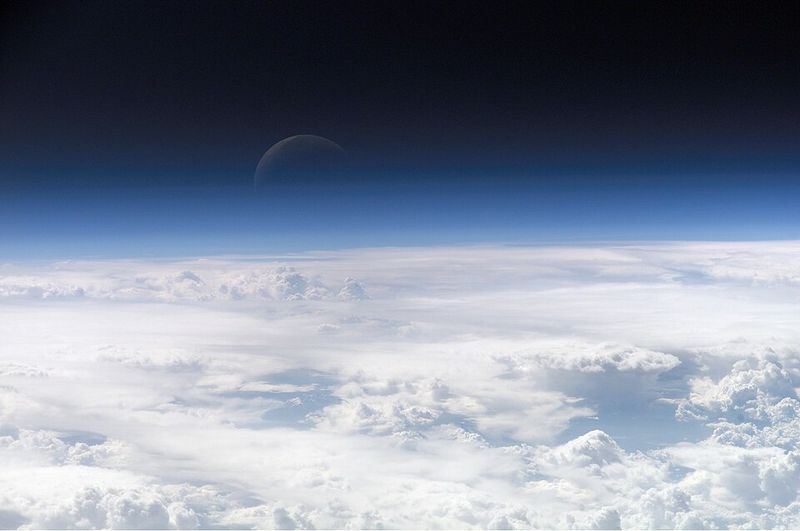
Once photosynthetic input falls below combined biological and geological consumption, atmospheric oxygen starts a long decline. You will not notice year to year, but over hundreds of millions of years, the trend becomes decisive.
Oxidation of sediments and volcanic gases quietly outruns supply.
Models show a tipping where O2 slides from modern levels to far lower states unsuitable for large animals. The pathway is gradual, not a cliff, yet ultimately irreversible without vast photosynthetic recovery.
With CO2 scarce, that recovery does not arrive.
NASA linked Earth system simulations track oxygen, carbon, and sulfur cycles together. By coupling these, scientists capture feedbacks that accelerate the drop.
The scenario culminates in a low oxygen world reminiscent of ancient Earth, inhospitable to complex life.
9. Complex Life Requires High Oxygen
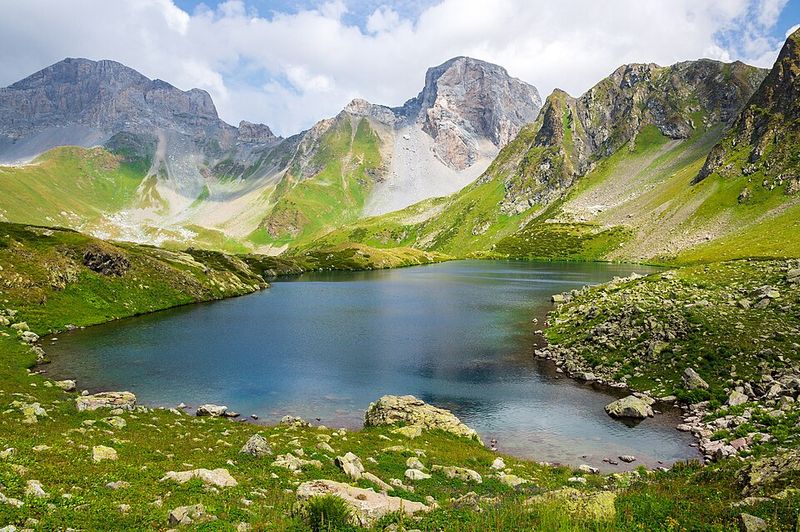
Large animals depend on oxygen rich air to power metabolism, movement, and warm blooded physiology. When oxygen dips, aerobic capacity shrinks, habitats contract, and altitude tolerance plummets.
You can imagine mountains becoming unlivable first, then lowlands following.
Fossil records and physiological studies link evolutionary leaps to oxygen rises. The reverse also holds: falling oxygen erodes ecological niches for complex bodies and brains.
Even marginal reductions over geological spans squeeze biodiversity.
NASA supported paleoclimate reconstructions and climate chemistry models quantify thresholds relevant to animal survival. These insights bridge biology and atmospheric science, clarifying why complex life is fragile.
Once oxygen slips below critical percentages, adaptation options dwindle to smaller, simpler forms.
10. Most Complex Life Ends in About 1 Billion Years

Independent models converge on roughly 1.0 plus or minus 0.2 billion years before oxygen declines below animal friendly thresholds. You are looking at an estimate grounded in carbon cycle kinetics, photosynthetic limits, and solar brightening.
It is a window, not a countdown clock.
This timeframe arrives long before the Sun’s red giant phase. It follows the cascade: lower CO2, failing photosynthesis, reduced oxygen, shrinking habitats.
Complex ecosystems fade, leaving pockets that cannot hold out forever.
NASA’s integrative modeling platforms test these linked processes against present observations and ancient analogs. The agreement across methods builds confidence in the broad timeline.
For practical life, it means Earth remains lively for a long time, but not indefinitely.
11. Microbial Life Will Persist Longer
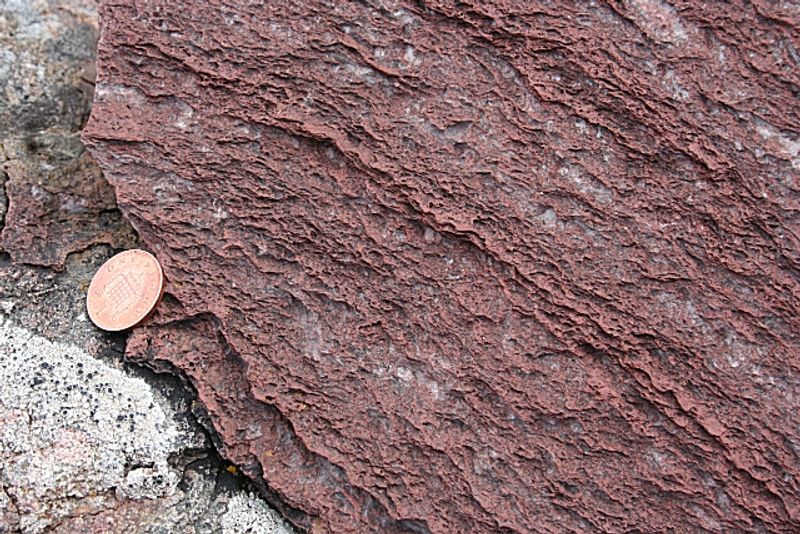
When oxygen falls and plants vanish, the story does not end immediately. Anaerobic and extremophile microbes thrive where complex organisms cannot, using alternative metabolisms like sulfate reduction or methanogenesis.
You might picture microbial mats surviving in shadowed pools and subsurface niches.
These communities require less energy and tolerate chemical extremes. Models suggest they could endure for hundreds of millions of years after animals disappear.
Life shrinks in scale but not in ingenuity.
NASA astrobiology research explores these survival strategies to guide the search for life beyond Earth. By studying analog environments and metabolic pathways, scientists learn what biosignatures to expect on other worlds.
Microbes extend Earth’s habitability horizon even as complexity declines.
12. Earth Will Not Die Suddenly

The end of complex life is not a single bad day. It is a slow unwinding as limits tighten, habitats fragment, and oxygen ebbs.
You can think of it as a century scale story stretched across millions of centuries.
Gradual change means no dramatic cliff, but also little chance for reversal once thresholds pass. The biosphere steps down, adapts where possible, and yields where it cannot.
Resilience remains, yet physics and chemistry hold the final cards.
NASA’s long timeline simulations emphasize progressive transitions, not apocalyptic spikes. That perspective encourages clear thinking about timescales and mechanisms.
Earth will dim in complexity gently, then quietly, rather than all at once.
13. This Has Nothing to Do With Near-Term Climate Change

Human driven climate change unfolds over decades to centuries and demands action now. The deep time processes described here operate across hundreds of millions of years.
You should separate these timelines to stay scientifically grounded.
Solar brightening and carbon cycle feedbacks set Earth’s far future. Greenhouse emissions and land use alter current climate risk, impacts, and equity.
They are different stories sharing a planet, not the same phenomenon.
NASA tracks both scales with satellites and models, but policy relevance applies to the near term crisis. Addressing emissions today does not stop solar evolution, yet it protects lives, ecosystems, and economies.
Keep your urgency for now while understanding the cosmic backdrop.
14. Earth’s Fate Is Typical for Rocky Planets
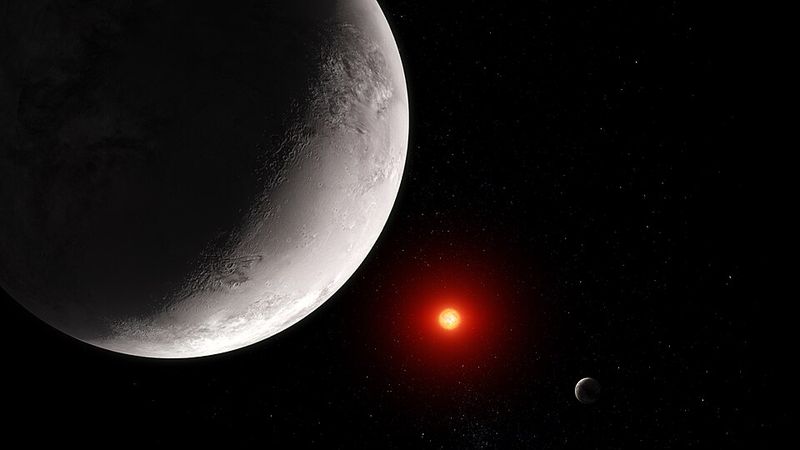
The mechanisms shaping Earth’s timeline are not unique. Rocky worlds around Sun like stars will face similar solar brightening, carbon drawdown, and biosphere constraints.
You can apply these lessons when judging exoplanet longevity.
Habitability is a duration, not just a status. A planet might look perfect today but be late in its window.
Models help rank targets by how long they can support complex ecosystems, not merely whether liquid water exists now.
NASA exoplanet missions and climate models extend Earth based insights to distant systems. By coupling stellar evolution, orbits, and geochemistry, scientists estimate habitability lifespans.
This comparative approach makes our planet part of a broader story.
15. The Sun’s Red Giant Phase Comes Much Later
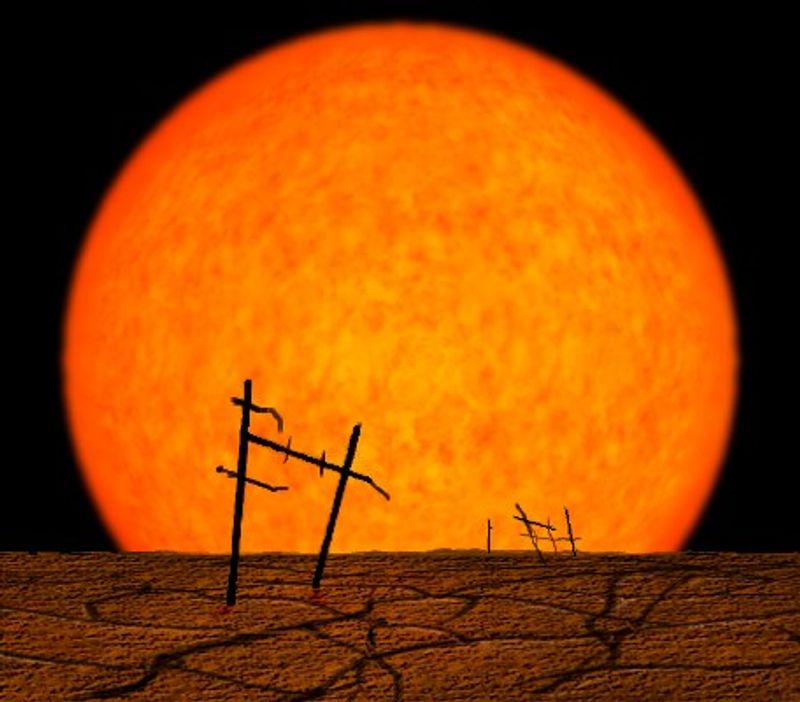
The dramatic red giant expansion arrives in roughly five billion years, long after complex life likely wanes. You might imagine that fiery future, but it is not the main driver of life’s earlier decline.
The timeline for biology ends much sooner.
Before the Sun balloons, luminosity creep and carbon cycle shifts undercut oxygen and productivity. The biosphere simplifies, then retreats, even as oceans still exist.
Only later does solar swelling threaten the planet’s surface outright.
NASA solar evolution models align with stellar observations from similar stars. Those comparisons fix the schedule: near term worries are human made, mid future is biosphere decline, far future is stellar upheaval.
Each chapter has distinct physics and implications for life.
Share this story