Ready to climb a granite icon that makes you feel level with the sky? Moro Rock Trail compresses big-mountain drama into a short, thrilling staircase with guardrails, switchbacks, and nonstop views.
The summit serves a 360-degree panorama of the Great Western Divide and the vast San Joaquin Valley that will stop you in your tracks. Bring curiosity, a camera, and a steady pace, because the payoff is unforgettable.
1. Climb the Iconic Moro Rock Staircase
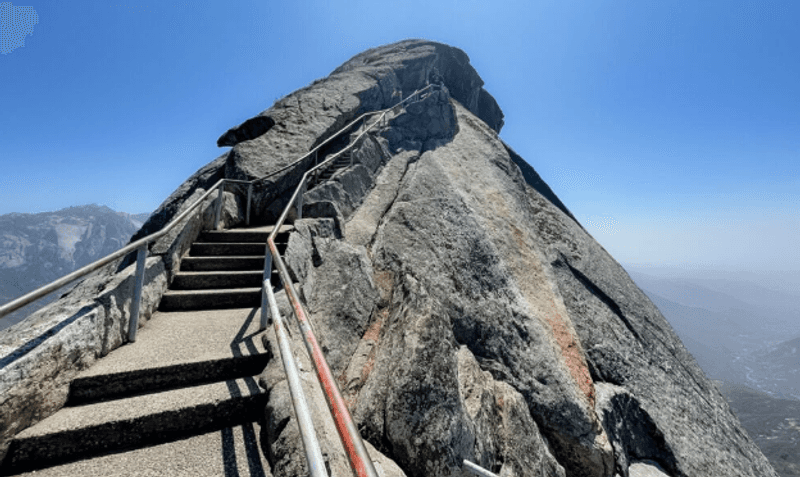
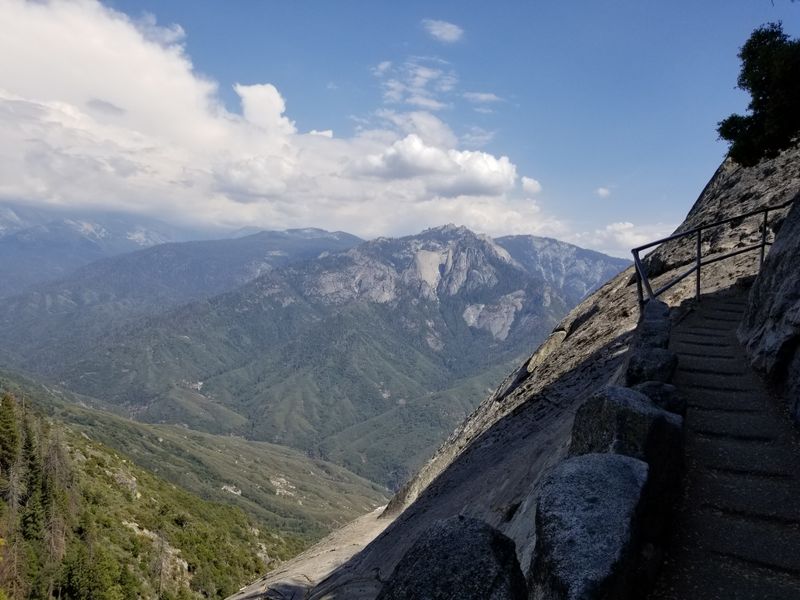
Step onto the granite and you immediately feel the thrill. Moro Rock’s concrete and stone stairway winds up more than 350 steps, hugging the dome with stout railings and smart switchbacks.
It is short, steep, and spectacular, with views spilling open between the turns as the altitude reminds you to breathe.
You will pause often, partly for photos, partly to let others pass on narrow sections. That rhythm makes the climb social and surprisingly meditative.
Good shoes matter, and a small daypack keeps hands free for the rails. Look for numbered markers and places where the rock’s texture shows ancient crystals.
If heights make you cautious, the handrails and frequent landings help you feel secure. Start early for cooler temperatures and easier parking.
The climb becomes a moving postcard, each step stacking anticipation for the summit. By the time the last staircase appears, you will already be smiling.
2. Reach a 360° Panoramic Summit View
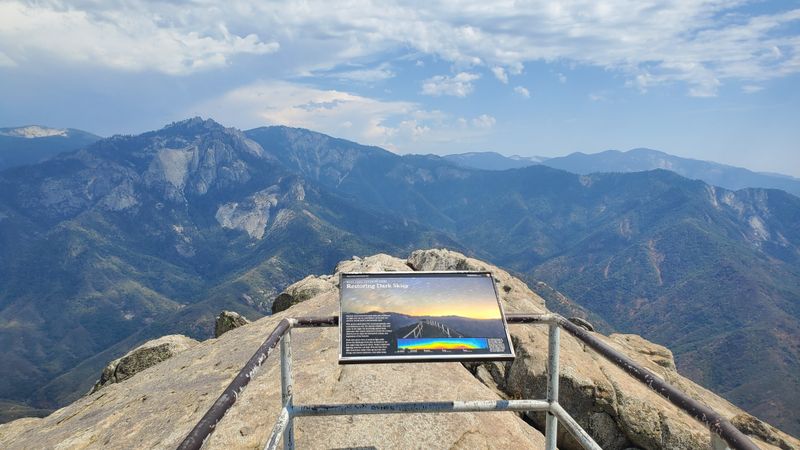
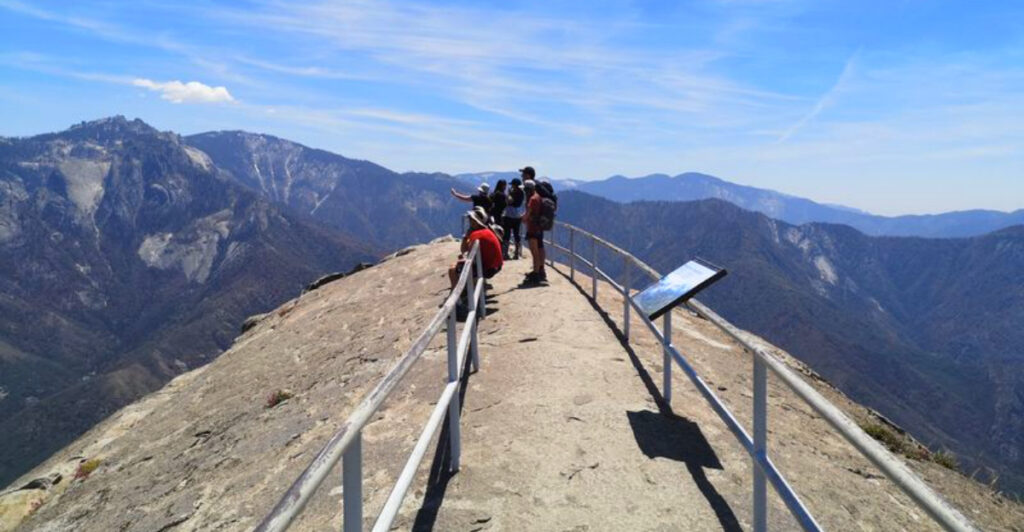
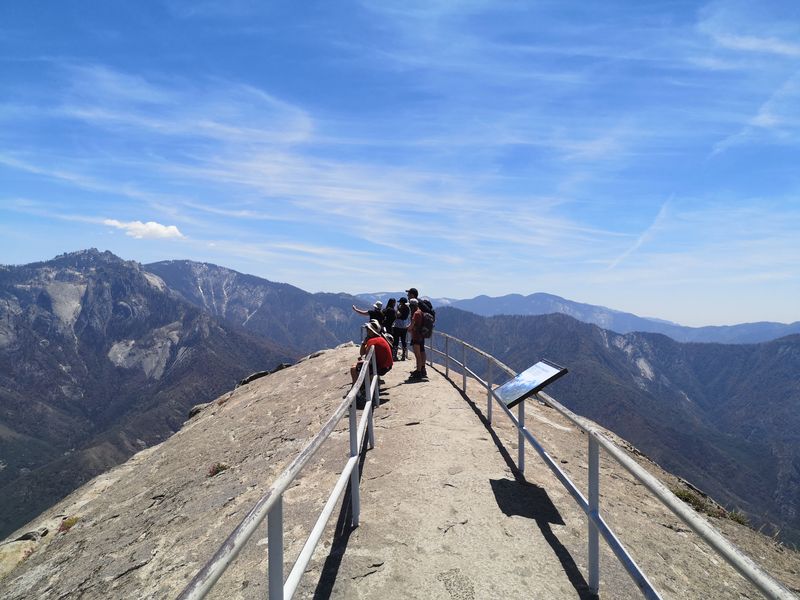
The summit feels like a balcony above California. Turn slowly and the Great Western Divide rises in serrated profiles while the San Joaquin Valley stretches in sunlit layers.
On clear days, ridgelines stack like watercolor, and you can trace deep canyons slicing into the Sierra Nevada.
Find a safe corner along the rail and let the wind cool your cheeks. You will hear quiet wows as people spot new landmarks, then fall into contented silence.
The viewpoint is compact, so keep gear tidy and share space courteously. A wide-angle lens captures drama, but phone panoramas also shine remarkably well.
Look for interpretive plaques that point out peaks and passes. Clouds can race overhead, throwing shadows that animate the landscape.
Stay a few extra minutes as light changes quickly and small details emerge. It is the kind of view that resets your sense of scale and time.
3. Marvel at the Sierra Nevada Peaks
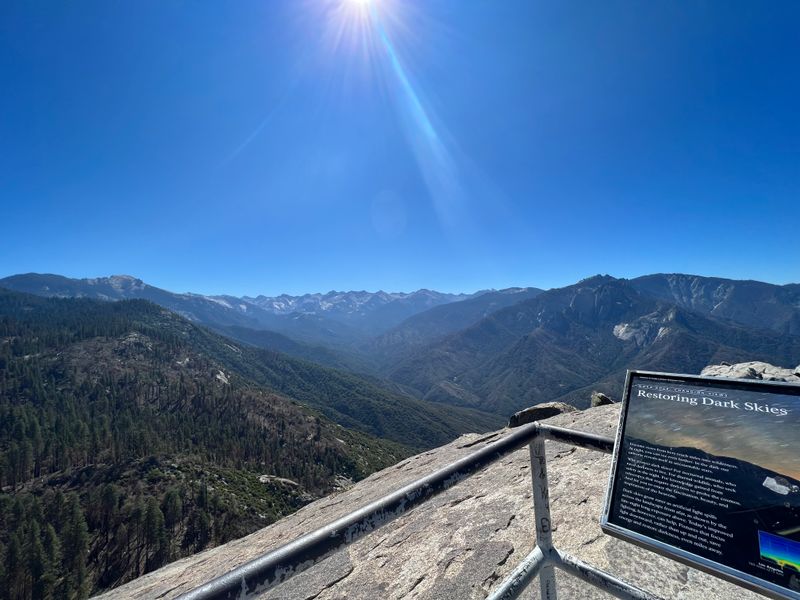
From Moro Rock, the Sierra Nevada looks both immense and intimate. The Great Western Divide presents rugged ramparts, with jagged silhouettes etched against high-country light.
On crystal days, you can trace basins, cirques, and passes that hint at long backpacking routes disappearing into wilderness.
Bring binoculars or use your camera’s zoom to pick out distant snowfields and granite ribs. The contrast between sunlit slopes and shadowed gullies gives the scene sculptural depth.
It is a living geography lesson, showing how glaciers and rivers carved these mountains into sharp relief.
As you scan, imagine storms rolling over these peaks in winter and wildflowers unfurling in meadows come summer. Peaks feel close enough to touch, yet endlessly far.
The longer you look, the more features you notice. Let your eyes wander slowly, because the Sierra keeps revealing itself layer by layer, ridge by ridge.
4. Experience Sunrise or Sunset Views
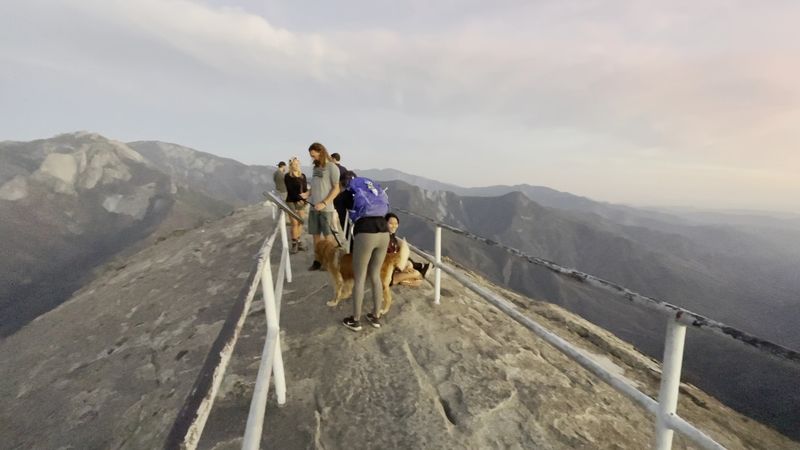
Golden hours transform Moro Rock into pure theater. At sunrise, the horizon blushes, then the first light spills over the Divide and warms the granite under your feet.
At sunset, shadows lengthen, the valley glows, and peaks catch pink and orange like they are holding fire.
Arrive early to settle into a safe spot near the railing. Mornings can be calm and introspective, evenings more social with a low hum of excitement.
Pack a light layer, because wind can bite even in summer. Tripods fit, but keep them compact and considerate of others’ space.
Sunrise often arrives later than posted times due to surrounding ridges. Sunset lingers beyond the last direct rays as afterglow paints the sky.
Stay a few minutes longer than you planned. The color shifts quickly and rewards patience with that final electric hue everyone remembers.
5. Visit During Summer Shuttle Service
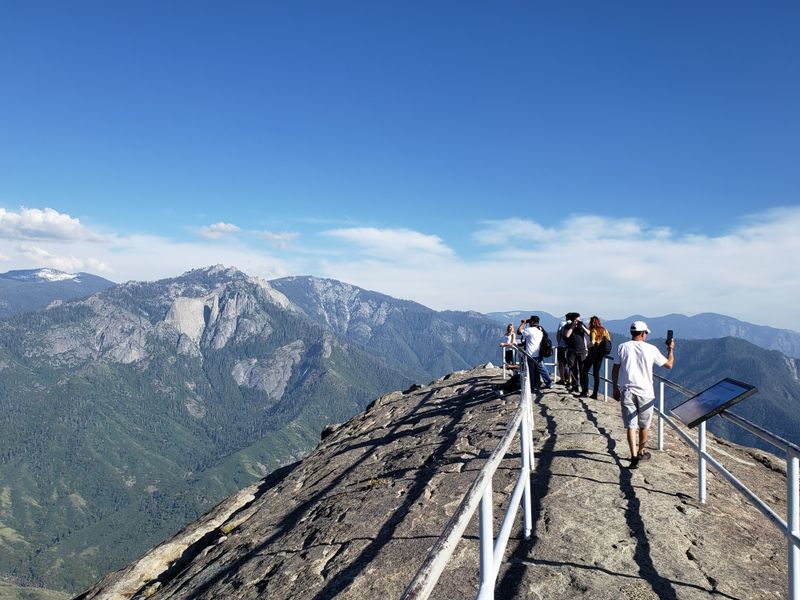
On busy summer weekends, the free park shuttle is your stress-free ticket to Moro Rock. It runs from the Giant Forest Museum area to the Moro Rock parking, saving you from tight spaces and congestion.
You can relax, enjoy the trees, and arrive steps from the trailhead with energy to spare.
Check current schedules on the park website or at the museum. Lines move quickly, but give yourself buffer time during peak hours.
The shuttle is perfect for groups, families, and anyone who prefers a break from mountain driving. Bring a small daypack and keep essentials handy so you can hop off and go.
After your climb, ride back to the museum to explore exhibits or continue to nearby trails. The shuttle helps reduce traffic and protect the forest environment.
It is convenient, free, and smart planning during summer heat and weekend crowds.
6. Avoid Winter Stair Access
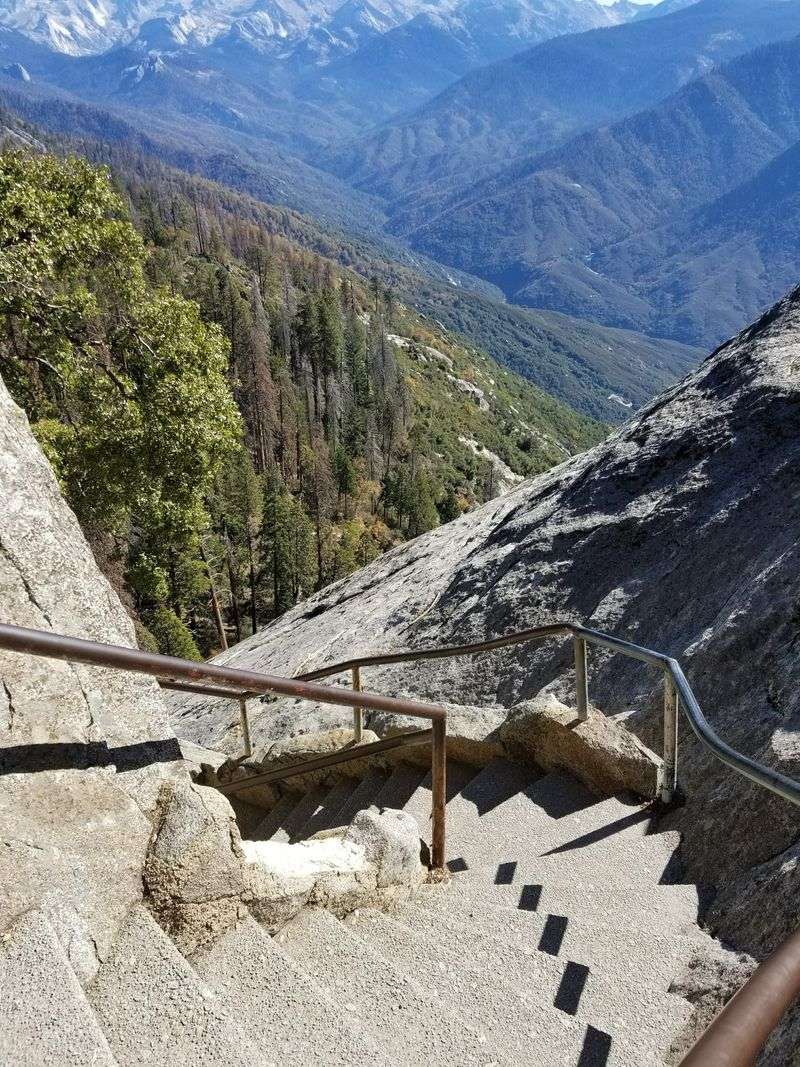
Winter changes everything on Moro Rock. Snow and ice make the stairway hazardous and it often closes for safety.
You can still enjoy the area by hiking or skiing to the base when conditions allow, but the famous steps usually remain off-limits until melt-out.
Check current conditions and closures before you go, because storms can shift plans fast. Even when the road is open, traction devices and warm layers matter.
Cold air pools here, and granite holds slick patches longer than you expect. Respect posted signs and turn around if surfaces feel dicey.
Off-season visits reward you with quiet, crystalline air, and a new perspective on the dome’s brooding form. The forest feels hushed, and wildlife tracks stitch across the snow.
Wait for spring to reclaim the staircase, then return for the full climb when the rails are clear.
7. See Peregrine Falcons in Season
Summer brings speed to Moro Rock. Peregrine falcons often nest on nearby ledges, slicing the air with impossible dives.
When raptor activity is high, certain climbing routes may be restricted to protect the birds, but the public stairway remains open for your hike.
Bring binoculars and scan the cliff faces and sky just off the summit. You might catch a falcon stooping after prey or hear their sharp calls echo against the granite.
Rangers sometimes post updates about nesting status and viewing etiquette, so check signs at the trailhead.
Give wildlife space and avoid loud noises near sensitive areas. Watching a falcon streak past the rail is a peak moment that adds wild electricity to the outing.
It is a reminder that this granite dome is not just a viewpoint, but an active home for fierce, beautiful residents.
8. Feel the Geological History
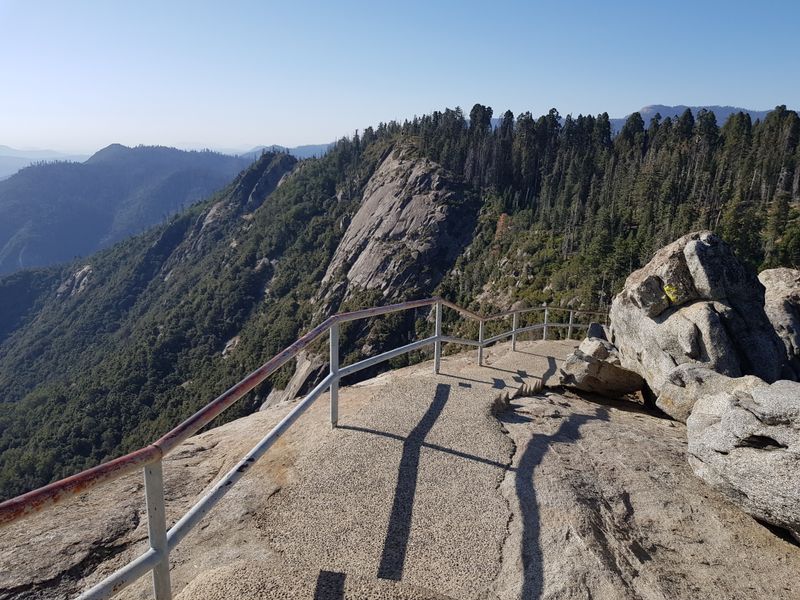
Moro Rock is ancient story and solid presence. This granite dome formed from magma cooling deep underground, then rose to daylight as overlying rock eroded away.
Cracks, joints, and sparkling crystals reveal a slow birth, while glaciers and weather chiseled the surface you touch today.
Run a hand along the textured stone and you feel minerals catching light like tiny stars. Look for exfoliation slabs and curved surfaces that hint at pressure release.
The stairs thread through these features respectfully, giving you a geologist’s tour at walking pace without requiring field gear.
Interpretive signs sometimes highlight the Sierra batholith and tectonic forces that built this range. Let that knowledge deepen the experience as you climb.
You are standing inside a timescale so large it humbles daily worries, yet each step is immediate and vivid beneath your feet.
9. Combine With Crescent Meadow
Crescent Meadow sits just down the road and pairs perfectly with Moro Rock. After the stair climb, stroll gentle loops around a lush green basin rimmed by giant trees.
Picnic tables and open edges make it easy to refuel while watching light ripple across grass and wildflowers.
Keep eyes peeled for deer and listen for woodpeckers tapping in the forest border. The trail surfaces are friendly for most visitors, with plenty of places to pause and soak in the quiet.
It is a different flavor of Sequoia magic, soft and spacious compared to the rock’s exposed drama.
Arrive early or late to avoid midday crowds, especially on weekends. If you love photography, bring a polarizer to cut glare and deepen meadow greens.
Pairing the two experiences delivers a satisfying day: adrenaline on the dome, serenity along the meadow’s curve.
10. Drive the Generals Highway Scenic Route
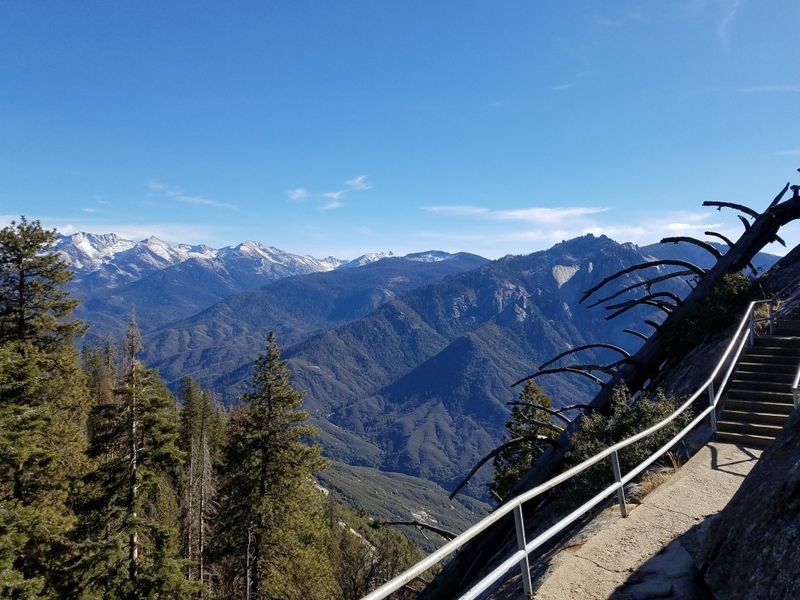
The approach sets the mood. Generals Highway climbs in sweeping curves with views that tease your upcoming panorama on Moro Rock.
Pullouts reveal canyons, forests, and angles on the Sierra that prime your sense of scale before you even lace up your shoes.
Drive slowly and courteously, because lanes can narrow and RVs appear around bends. Stop at signed viewpoints and consider a quick detour to Tunnel Log or the Giant Forest.
Each stop adds context, showing how the granite dome fits into a broader tapestry of ridges and groves.
Parking near Moro Rock fills quickly on weekends. Arrive early or loop once and use the shuttle when lots are jammed.
The highway becomes part of the adventure, an unfolding preview that ends with you stepping onto stone and climbing toward sky.
11. Visit Crystal Cave (Seasonal Guided Tour)
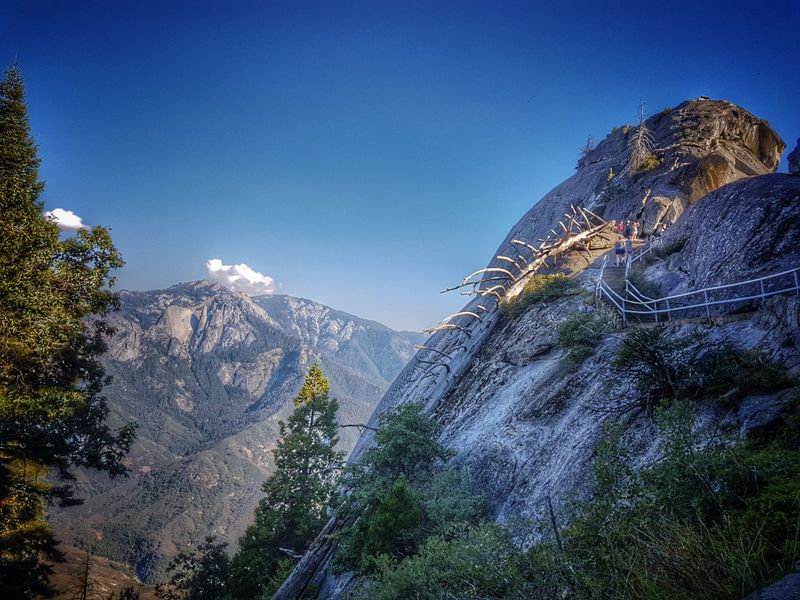
Crystal Cave adds an underground counterpoint to Moro Rock’s sky-high views. These marble caverns host flowing formations, cool temperatures, and guided tours that reveal an entirely different Sierra world.
Tickets are seasonal and must be booked in advance, so plan early.
The tour pathways are developed but can be damp and cool, so bring a light jacket and sturdy shoes. Guides share geology, history, and conservation notes while you weave among stalactites and polished marble veins.
Photography is allowed in many sections, but keep groups moving and follow rules.
Pairing the cave with Moro Rock shows the Sierra above and below in one day. Check the official park website for openings, directions, and meeting points.
After the cave, the granite dome feels even more remarkable, knowing the rock record extends deep beneath your feet.
12. See Giant Sequoias Nearby
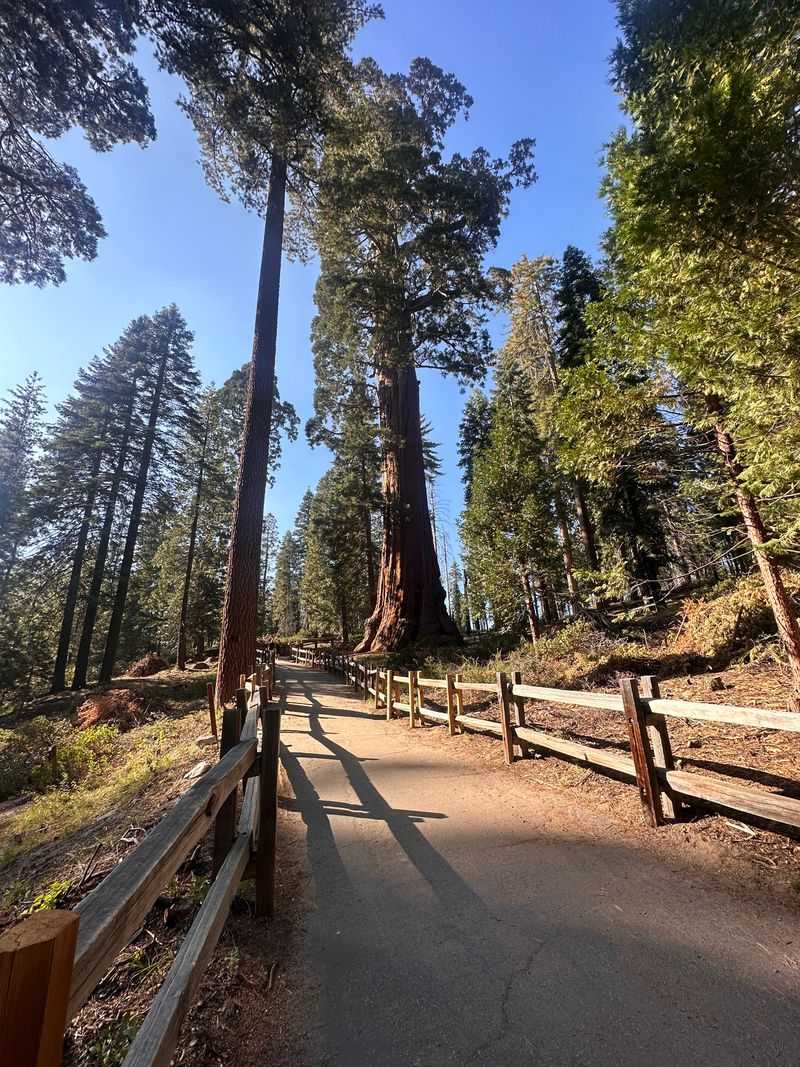
Giant sequoias stand minutes from Moro Rock, turning your visit into a two-for-one wonder. The Big Trees Trail loops around a wet meadow with boardwalk sections and interpretive signs.
It is flat, family-friendly, and jaw-dropping as trunks rise like cathedral columns into clean mountain light.
Walk slowly and notice the cinnamon bark’s fibrous texture and fire scars that tell survival stories. You will inhale that distinct forest scent and hear soft winds threading crowns far above.
Benches invite quiet moments where time stretches and the day’s rush falls away.
Arrive early for easier parking and softer light that photographs beautifully. Respect barriers, because shallow roots spread widely underfoot.
After soaking up the grove, the climb on Moro Rock feels like stepping from a living temple to its granite altar, each experience deepening the other.
13. Spot Wildlife Along Trails
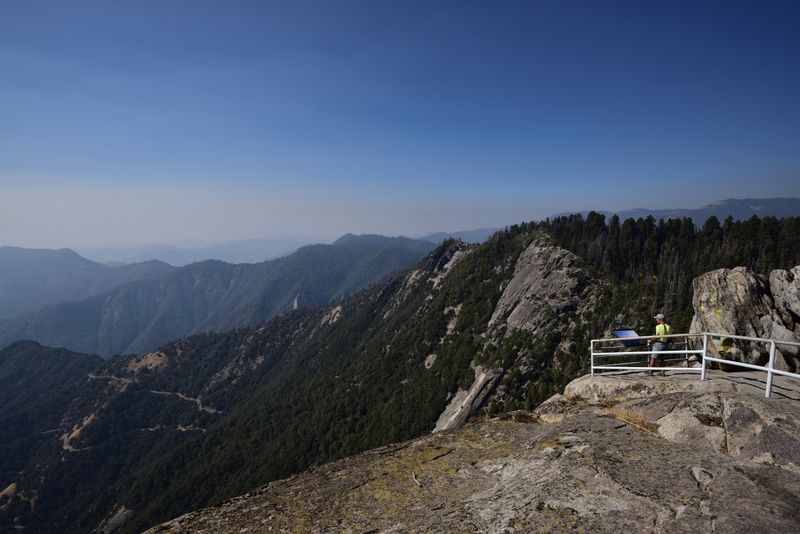
Wildlife sightings add surprise to a Moro Rock day. Deer graze near meadows, marmots whistle from rocky edges, and birds flit through the canopy.
Move quietly and you will notice more, especially during early morning and late afternoon when animals are most active.
Give every creature respectful distance. Never feed, and keep snacks secured so critters do not learn bad habits.
A small pair of binoculars helps you observe behavior without approaching. Teach kids to watch for movement rather than shapes, and the forest becomes a living treasure hunt.
Along Crescent Meadow and the Giant Forest, look for tracks, scat, and feather flashes in dappled light. Even a few minutes of stillness can turn up something magical.
When you return to the dome, your senses will feel sharper, tuned to the park’s quieter rhythms.
14. Pair With Other Park Hikes
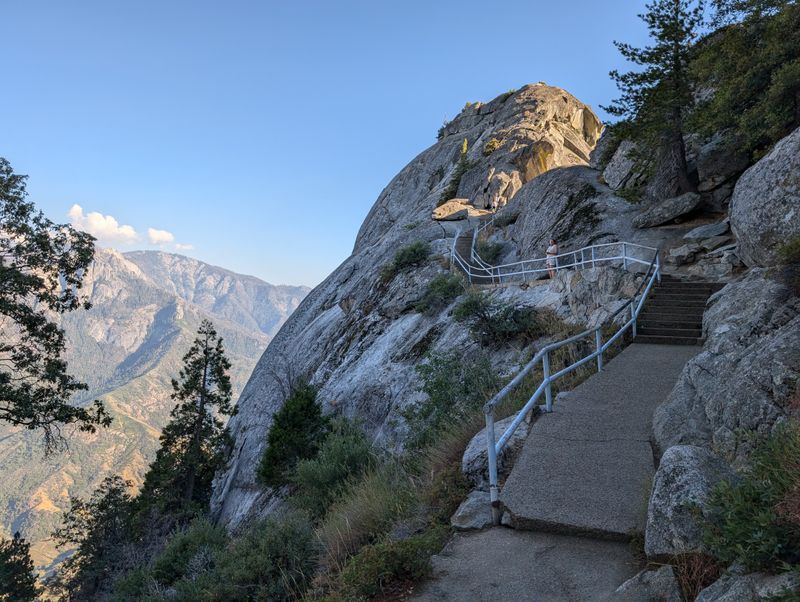
Moro Rock is the headliner, but nearby trails round out your day beautifully. Tokopah Falls delivers a river-and-granite experience, while the Congress Trail loops under towering sequoias with presidential names.
The General Sherman Tree walk is a must, grounding you in the scale of these ancient giants.
Choose one or two based on time and energy after the stair climb. Surfaces are generally good, though afternoon heat and altitude can still tax legs.
Carry water, snacks, and sun protection, and keep a flexible plan if crowds appear. Early starts pay off across the board.
Each hike adds a different texture: spray and sound at Tokopah, hush and awe among sequoias, and a sense of history around Sherman. Together, they frame Moro Rock as part of a rich, walkable network worth lingering in.
15. Know Your Limits
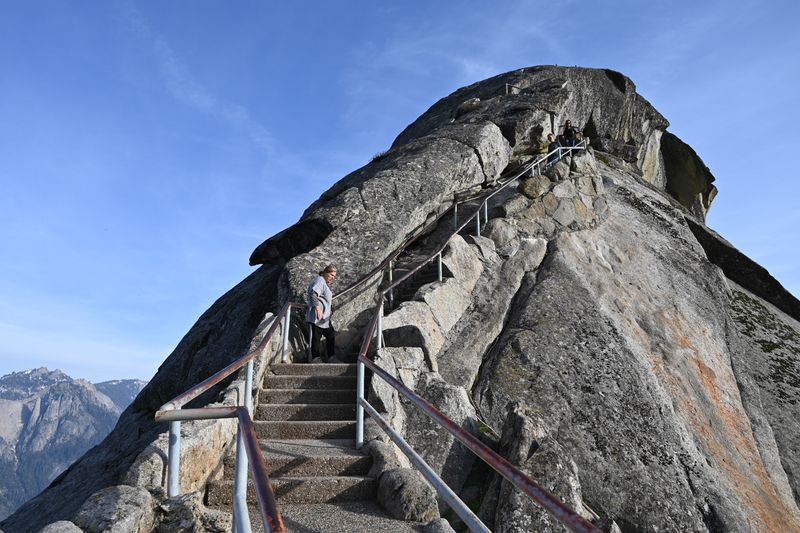
The climb is short, about a quarter mile one way, but it rises quickly and the elevation can sneak up on you. Pace yourself, sip water, and use landings to catch your breath.
Sun protection matters, because exposure on granite feels intense even on breezy days.
Footing is solid, yet narrow sections demand attention. Keep one hand free for the rail, and avoid rushing when others pass.
If heights churn your stomach, focus on the next step and breathe steadily. Shoes with good grip turn nerves into confidence quickly.
Listen to your body and turn back if dizziness sets in. The view is not worth pushing past safety.
With an honest pace and a little preparation, you will summit smiling and descend strong. That self-awareness is the secret to making Moro Rock a joy rather than a slog.
16. Practical Info: Hours, Access, and Contacts
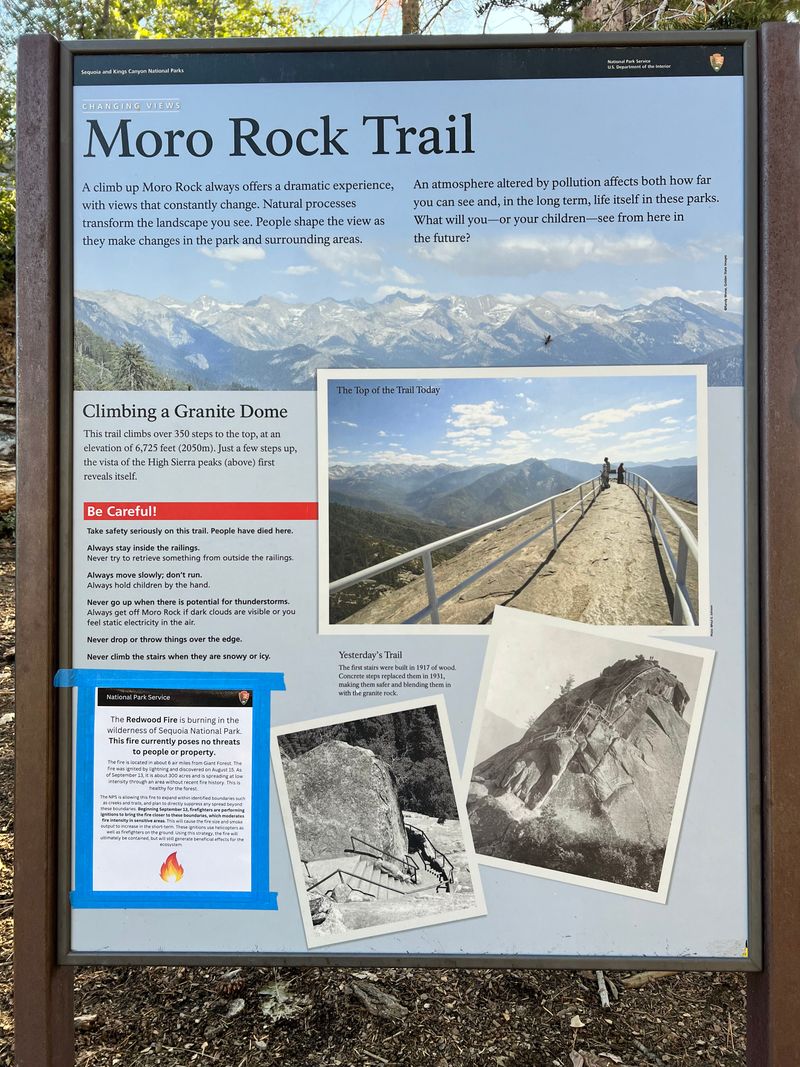
Park information helps you time the perfect climb. Moro Rock Trail sits in Sequoia National Park, with typical posted access around 9 AM to 5 PM for seasonal operations nearby.
Hours can vary, so verify before arriving. For questions, the park’s main line is +1 559-565-3341, and the official website posts updates.
Find the trail near 36.5467941, -118.7656765, just off the Generals Highway. Crowds build late morning, and parking is limited, so early starts or the shuttle beat the rush.
Expect lines for summit photos during peak times and be ready to share the viewpoint.
Remember that road conditions and closures shift with weather and maintenance. Check current alerts for stairs, shuttles, and area services.
A tiny bit of planning turns a great outing into a smooth, unforgettable one.
17. Trail Etiquette and Safety Reminders
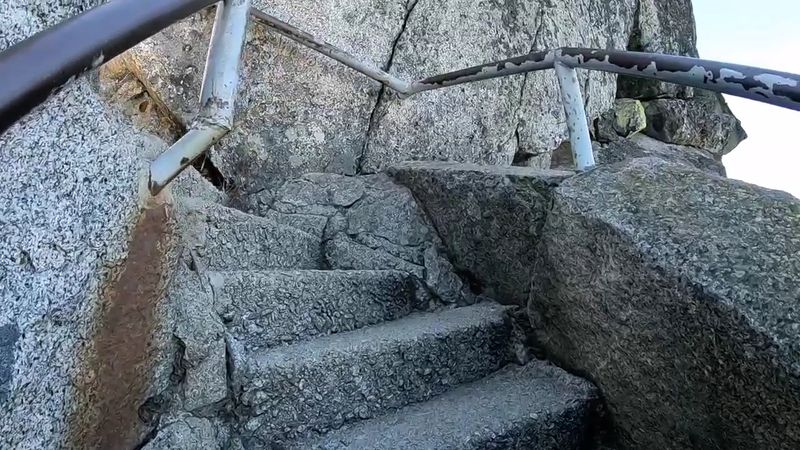
Shared stairways work best when everyone plays by simple rules. Keep right, yield at narrow spots, and communicate with a smile.
Hold small items securely, and never set backpacks where they can roll. Kids need close supervision due to rail spacing and steep drop-offs.
Stay on the built path and avoid climbing on unprotected rock. The granite is durable but not invincible, and off-trail moves increase risk for you and wildlife.
Drones are not allowed, and speakers spoil the experience for others. Nature’s soundtrack is more than enough up here.
Check weather, carry water, and wear proper footwear. If lightning threatens, do not linger on exposed rock.
These reminders keep the vibe friendly and the climb smooth. When everyone moves thoughtfully, the staircase flows and the summit feels welcoming.
Share this story