If you grew up in the long shadow of the postwar boom, the world changed right in your living room. Television, rock music, and space-age dreams arrived like lightning, reshaping what felt possible.
These moments were not just headlines but shared checkpoints you could feel in classrooms, on sidewalks, and beside humming console TVs. Come revisit the milestones that taught values, sparked rebellion, and set a generation’s compass.
1. The Beatles on The Ed Sullivan Show (1964)
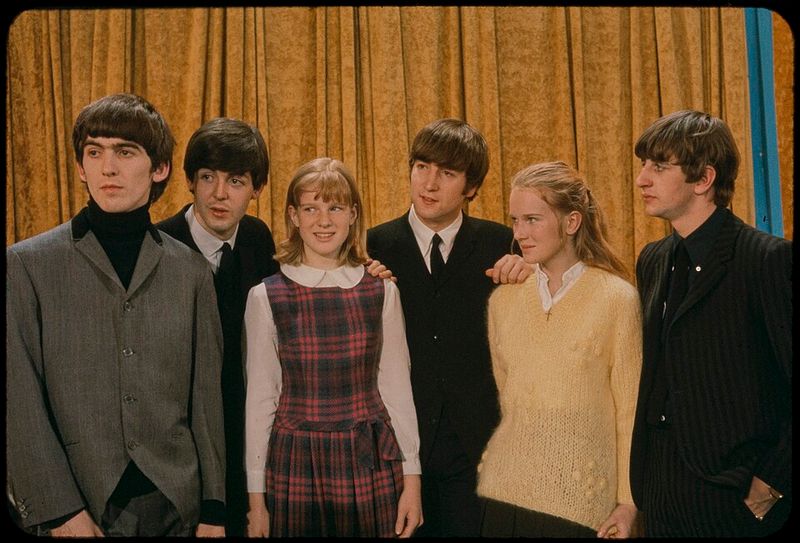
The night The Beatles hit Ed Sullivan, living rooms across America erupted. You could not hear every lyric over the screams, but you felt a new current rip through polite air.
Parents frowned, teens decided on haircuts, and everything seemed possible.
For boomers, it was a before-and-after switch. You measured weekends by records spun and chords learned.
Culture stopped arriving slowly and started sprinting, electrified by four silhouettes.
2. The Apollo 11 Moon Landing (1969)
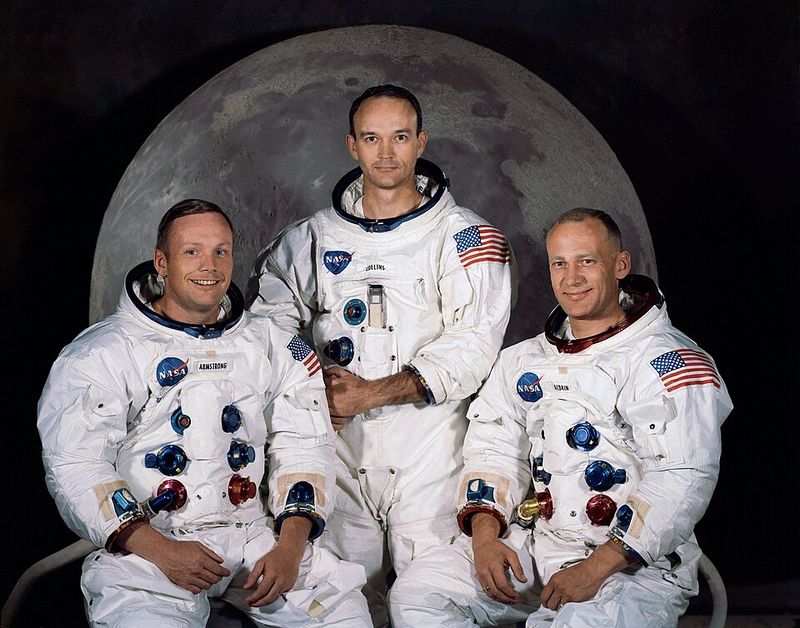
When the lunar module touched down, everyone held their breath. You watched ghostly figures step into powder, a flag stiff in airless stillness.
The room felt small, yet the world suddenly expanded.
Teachers assigned moon journals, and toy rockets filled closets. You learned that math, courage, and teamwork could lift humans into night.
The phrase The Eagle has landed became proof that audacity could be civilized into reality.
3. The Energy Crisis and Gas Lines
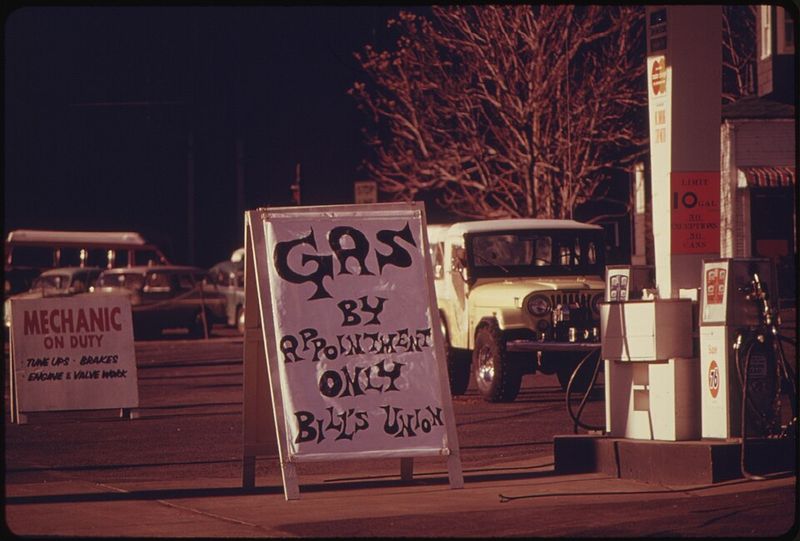
Waiting for gas taught patience and planning you never expected to learn. Odd-even days turned calendars into survival tools.
Families strategized routes, errands, and carpools like small campaigns.
Conservation was not abstract anymore. You felt the engine idle, counted miles, and noticed thermostats.
That scarcity mindset left a durable mark, shaping habits from driving to home energy choices.
4. The Kennedy–Nixon Debates (1960)
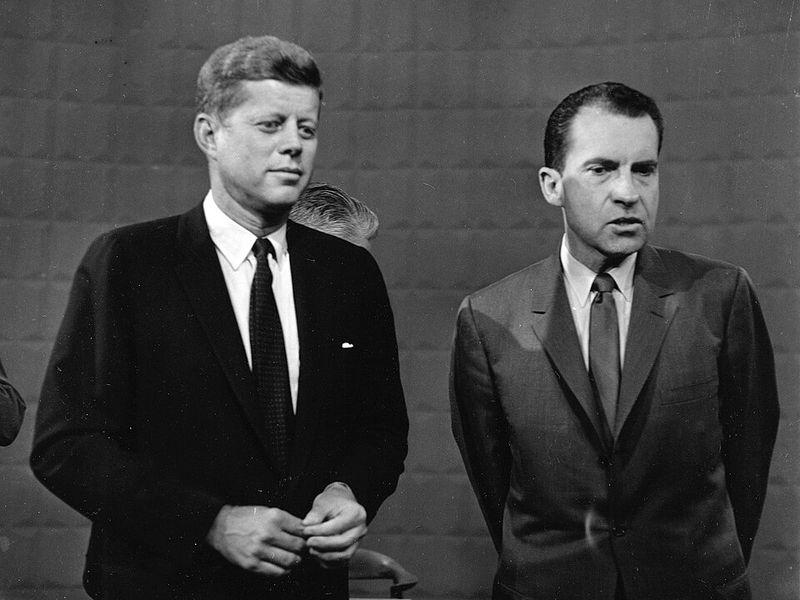
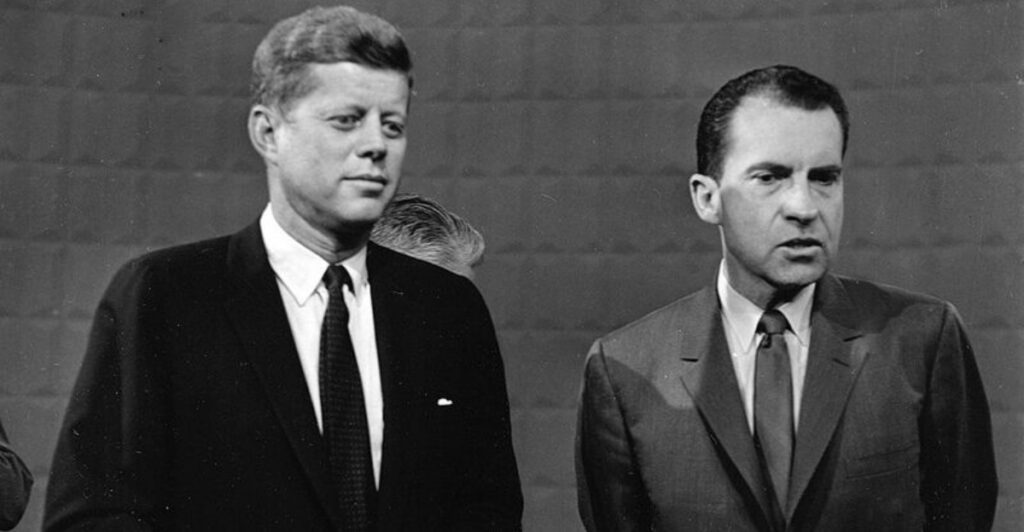
For the first time, politics met television like a mirror held to power. You learned that how a leader looked could sway a vote as much as what he said.
Kennedy’s polish and Nixon’s shadow taught new media literacy overnight.
Families argued across coffee tables, comparing sweat to substance. You discovered that screencraft shaped truth and memory.
A new political era began, and you were watching it unfold live.
5. The Assassination of JFK (1963)
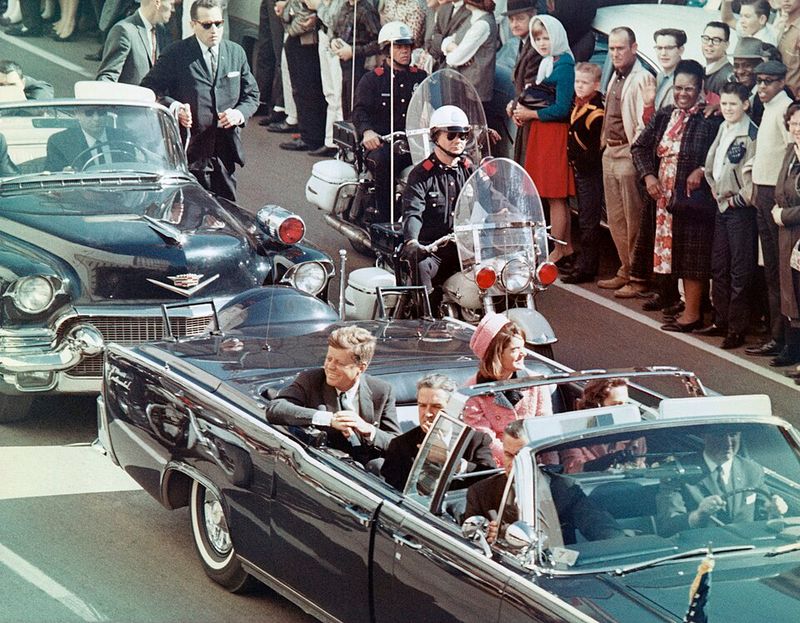
Silence fell like a curtain when the bulletin cut in. You saw trusted anchors choke on words, and the country’s heartbeat slip into slow, stunned rhythm.
School hallways echoed as if reverence had weight.
For many boomers, innocence ended that day. You learned the news could break your heart and glue you to the set.
Rituals of mourning, long lines, and eternal flame shaped civic memory.
6. Watergate and Nixon’s Resignation (1973-74)
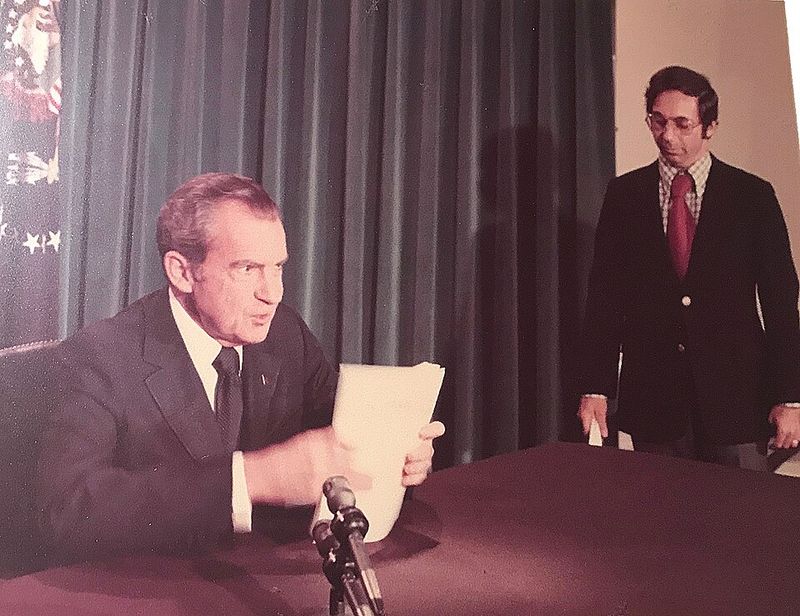
Summer turned into hearings, gavel taps pacing the days. You learned the language of subpoenas and tapes, discovering that truth leaves trails.
Civics class moved from chalkboard to prime time.
When the resignation came, it felt both shocking and inevitable. You absorbed a lesson in accountability, fragile yet functional.
Trust broke, then reorganized around watchdogs, questions, and the right to know.
7. The Rise of Blockbuster Rock
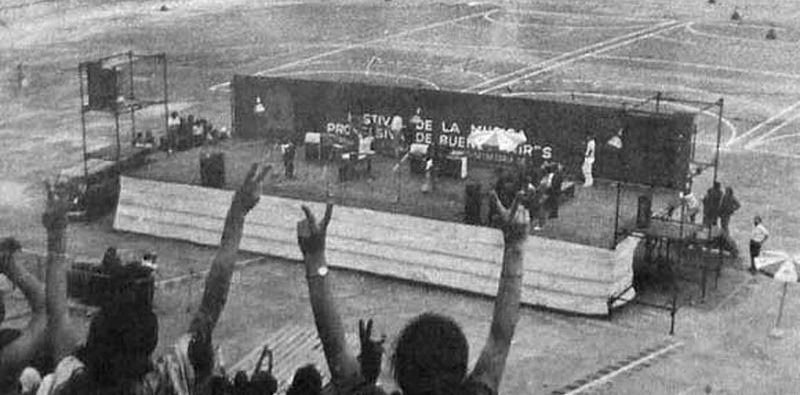
Arena rock arrived loud enough to reorganize your bones. You traded small clubs for cathedrals of sound, where solos felt like weather.
Vinyl sleeves were sacred texts, passed between friends with reverence.
These bands scored first apartments and late drives. You learned community could be formed from choruses shouted in the dark.
Big sound, bold albums, and tours turned music into a lifestyle.
8. Disco Backlash and Punk Rebellion
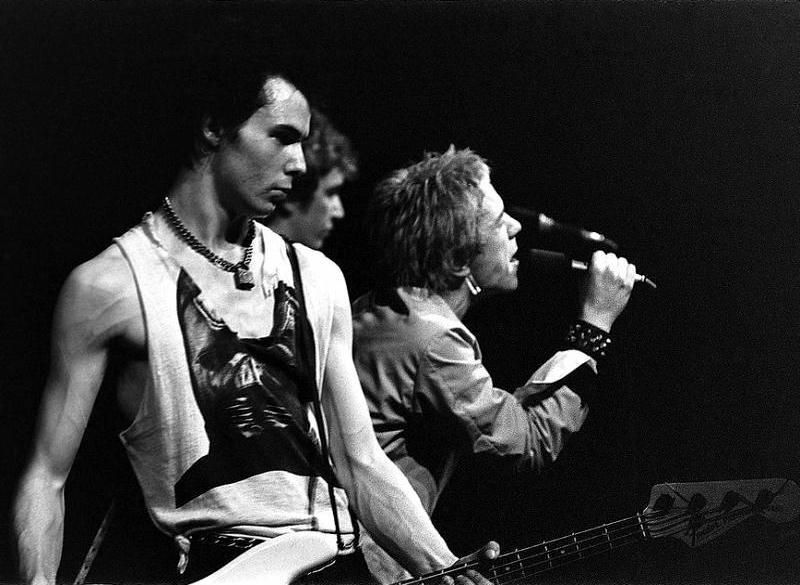
When disco glittered too bright, punk tore the fabric with three chords. You watched style wars play out on dance floors and jackets.
Both scenes offered belonging, just tuned to different hearts.
DIY flyers and basement shows taught self-start grit. You learned culture could fork, and both roads could be real.
Authenticity became a compass, whether under mirror balls or flickering fluorescents.
9. Cold War Anxiety and Red Scare Echoes

Distant sirens and drills etched caution into ordinary days. Fallout signs punctuated city blocks like quiet warnings.
You learned to map fear and hope together, a strange duet.
News anchors spoke of missiles and detente in the same breath. You practiced duck-and-cover while believing tomorrow would still come.
Resilience grew, not loud but steady, under the weight of possibility.
10. Jaws and the Summer Blockbuster
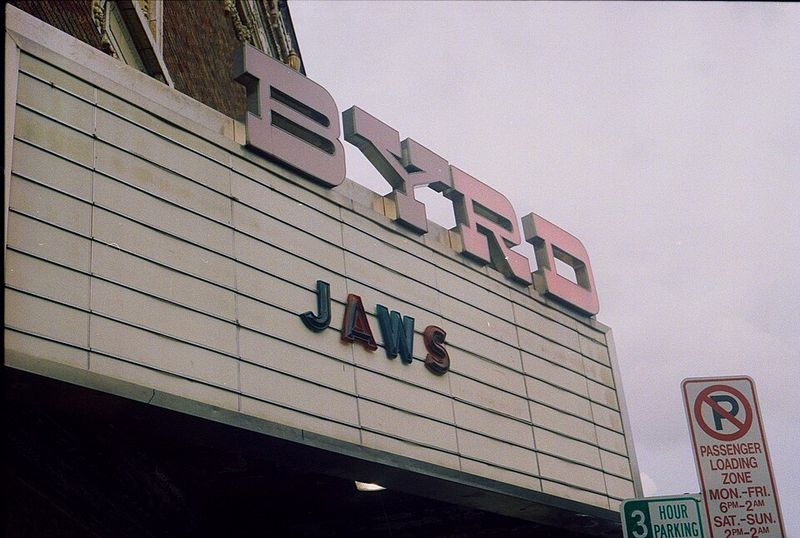
Jaws made you side-eye the shoreline and love the theater line. Summer shifted from lazy to event-driven, with opening weekends circled in pen.
The ocean did not change, but your nerves did.
Studios learned to market adrenaline with precision. You learned fear could be thrilling when safely framed by credits.
The blockbuster template arrived, and summers have followed its tides ever since.
11. The Brady Bunch vs. All in the Family
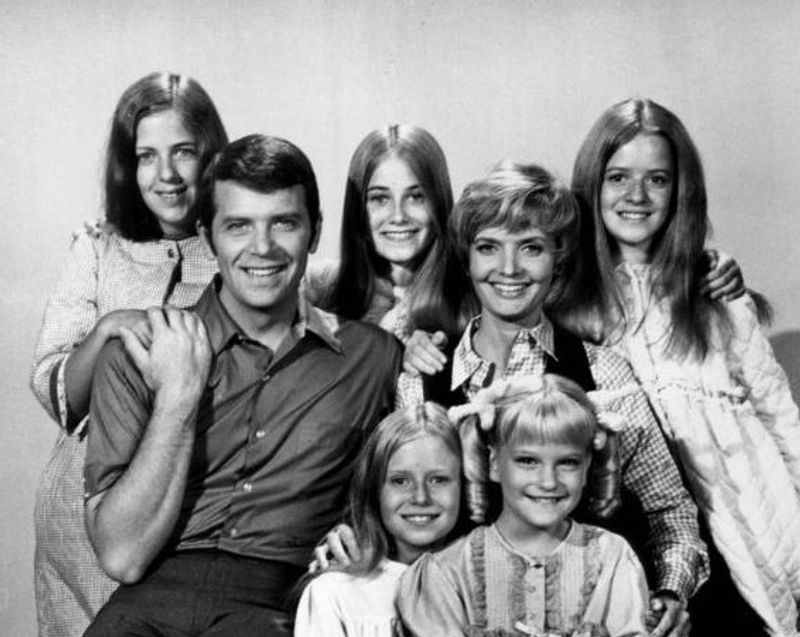
Two shows, two Americas, and your living room held both. The Brady Bunch offered tidy lessons and blended-house harmony.
All in the Family brought arguments to the dinner table on purpose.
Between them, you found a map of idealism and reality. You learned to laugh at tension, then talk through it.
Television taught that family could be wholesome and complicated simultaneously.
12. Atari and the Video Game Revolution
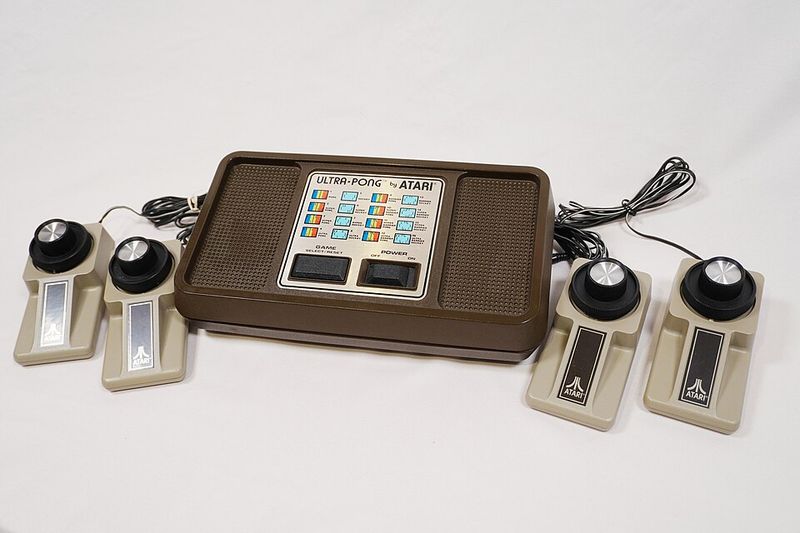
Pixels arrived like new toys that never wore out. With a joystick in hand, you learned reflex, patience, and bragging rights.
Cartridges clicked like small promises of adventure.
Arcades spilled into homes, and sleepovers got louder. You discovered competition could be friendly and hilariously serious.
Atari made screens interactive, changing how free time felt forever.
13. The Women’s Liberation Movement
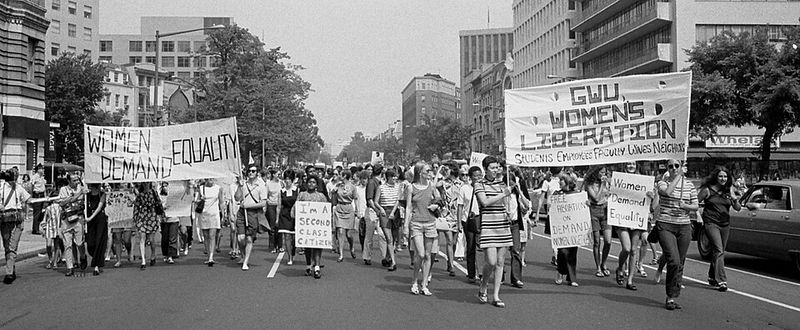
Voices rose, and the definitions of work, home, and fairness shifted. You watched moms, teachers, and coworkers claim space long denied.
Debates got noisy, then productive, in kitchens and boardrooms alike.
Rights were not abstract anymore. You learned language for boundaries and opportunity, and it stayed.
The movement widened futures, even for those who did not march but listened.
14. Evel Knievel and the Daredevil Spectacle

Risk wore a cape and revved its engine. You held your breath as motorcycles flew over impossible distances.
Crashes were cautionary sermons, and yet the next jump still beckoned.
Televised stunts taught spectacle’s gravity. You learned nerves could be entertained and educated at once.
Courage and consequence shared the same ramp, and that paradox stuck.
15. The First Earth Day (1970)
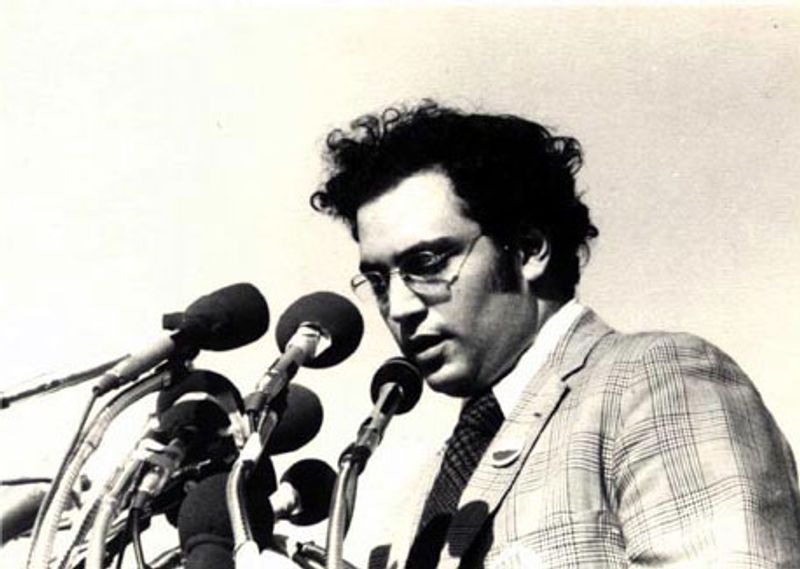
Suddenly, rivers, air, and trash cans felt personal. You joined cleanups, wore buttons, and learned the word ecology with pride.
Classrooms turned science into stewardship and field trips.
Earth Day framed responsibility as everyday habit. You discovered small acts scale when many people move together.
The planet moved from backdrop to relationship, and that never really faded.
Share this story