You know that feeling when a favorite show suddenly feels different and you cannot quite place why? Then the credits roll, a familiar face is gone, and everything clicks.
A single casting change can tilt the tone, pacing, and heart of a series you loved. Here are 14 shows where one replacement shifted the whole experience and left fans wishing the magic had stayed intact.
1. That ’70s Show – Replacing Eric Forman
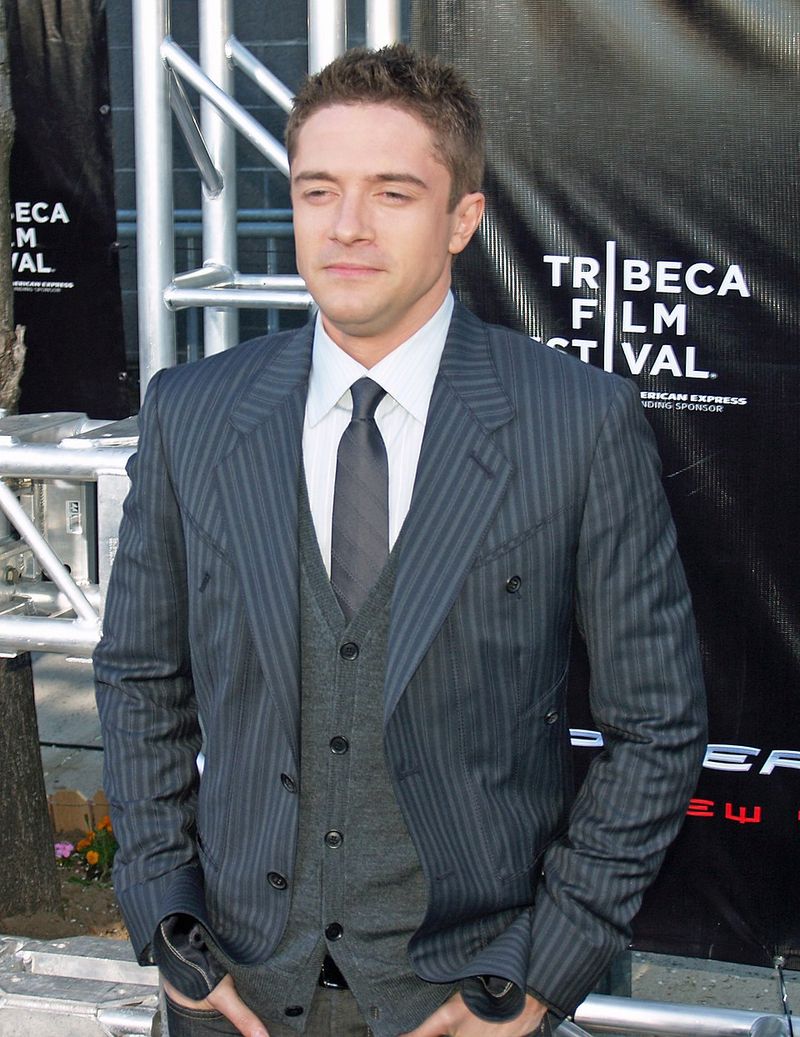
Eric Forman was the wisecracking, awkward soul of that basement, and when he left, the circle felt unbalanced. You could feel scenes reaching for a center that simply was not there, as gags leaned louder and storylines grew broader.
New characters arrived with energy, but none anchored the friendships the way Eric did.
As the final season rolled on, you likely sensed relationships turning more cartoonish, as if the writers were padding out time. Jackie and Fez took on a bigger spotlight, yet their arcs lacked the grounded charm Eric gave to everyday teenage dilemmas.
The show still had jokes, but the spark felt thinner.
Even the nostalgia could not fully mask that missing heartbeat. You tuned in hoping the rhythm might return, only to find a patchwork of bits.
By the finale, it felt like a goodbye to something that had already slipped away.
2. Two and a Half Men – Charlie Sheen → Ashton Kutcher
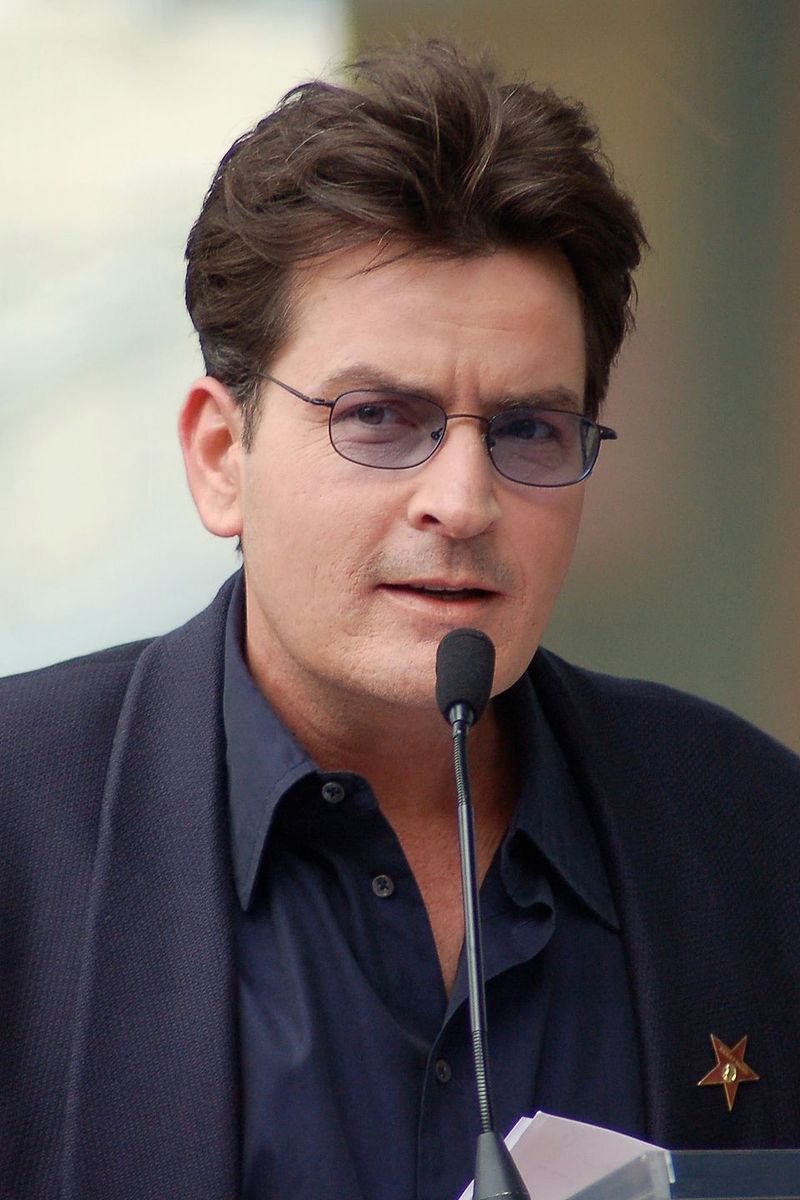
When Charlie Harper exited, you felt the show pivot overnight. The barbed, boozy swagger that drove punchlines was replaced with a quirky billionaire energy that never quite fit the laid back Malibu rhythm.
Some episodes were still funny, but the edge evaporated and the repartee softened.
You could see the writers retooling dynamics, using big guest stars and spectacle to fill a missing core. Without Charlie’s combustible flaws, the stories lost that dangerous, adult bite that made even simple hijinks feel electric.
Alan’s neurotic counterpoint worked best against Charlie’s chaos, not gentle eccentricity.
Ratings held for a while, but fan chatter turned skeptical. It felt like visiting an old hangout remodeled into a polished lounge, technically nicer but missing the vibe.
You kept waiting for the old crackle to reappear, yet the new tone kept smoothing out the rough edges that once defined it.
3. The Office – Steve Carell’s Exit (Michael Scott)

Michael Scott was a cringe magnet and a secret softie, and losing him felt like the documentary lost its subject. You could feel the experiments begin, with rotating bosses and celebrity cameos trying to fill a very specific void.
The camera caught the same desks, but the heartbeat shifted.
There were still bright episodes, yet arcs started leaning on plot contraptions rather than character-driven awkwardness. Without Michael’s misguided optimism, the office family felt more like a collection of bit machines.
It was as if the cringe humor drifted into chaos without an emotional anchor.
You might have kept watching for Jim, Pam, and Dwight, hoping their chemistry would steady the ship. But the tone wandered between cartoon and sentimental reset.
By the end, you remembered how perfectly Michael’s misunderstandings tethered the absurdity to something human, and you missed that steadying messiness.
4. The X-Files – Mulder Replaced by New Leads
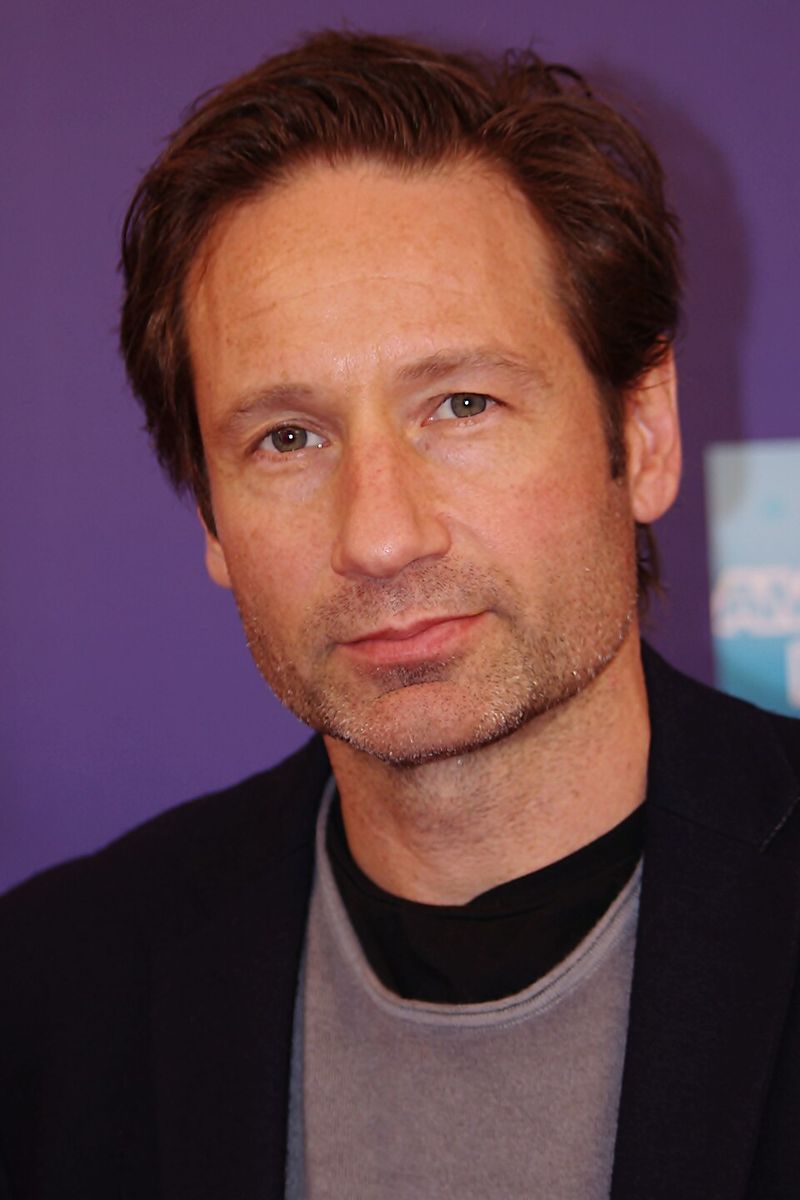
When Mulder’s presence faded, the search for truth felt different. You could still enjoy monster-of-the-week cases, but the conspiracy lost its intimate obsession without his skeptical believer energy against Scully’s rational faith.
New agents arrived with competence, yet the myth arc’s emotional stakes shrank.
The chemistry that once crackled became procedural steadiness. You might have admired the craft, but the show’s spine had been a particular duet of doubt and wonder.
Replacements echoed the rhythm without the same history, and the mythology sagged under its own weight.
It is not that the newcomers were bad, just mismatched with the show’s long shadow. The cigarette smoke still curled, but you did not feel the same pull to the basement office.
By the finale stretches, the lore felt like homework, not a haunted calling whispered through flashlights and rain.
5. Roseanne → The Conners – Roseanne Barr Removed

When Roseanne was removed, the kitchen table humor and blunt heart shifted. The Conners kept the working class reality and many laughs, but you likely felt the gravitational pull change in every scene.
The quips were still sharp, yet the family’s center of gravity had moved.
You could admire how the ensemble rallied, sharing weight that once sat on one larger than life presence. Still, dynamics turned careful instead of combustible, and stories leaned more earnest.
The absence was a character of its own, shaping how grief and money troubles landed.
As seasons continued, you might have respected the craftsmanship, while sensing a different show wearing an old sweater. It fit enough to keep warm but never felt the same on the shoulders.
What remained worked, but the specific spark that drove arguments and reconciliations was gone for good.
6. Spartacus – Andy Whitfield → Liam McIntyre

Andy Whitfield’s Spartacus burned with quiet fury, and his loss was tragic on and off screen. The recast to Liam McIntyre was respectful and committed, yet you could feel the series recalibrate around a different energy.
Battles stayed brutal, but the intimate ache behind them softened.
As the narrative pressed forward, you likely admired the choreography and politicking while missing the particular steel in Whitfield’s gaze. The speeches rang, but the sting felt muted.
McIntyre grew into the role, yet comparisons lingered like ghosts in the arena.
The show remained ambitious, but the emotional heat did not scorch as before. You tuned in for catharsis and got admirable resolve instead.
It was still worth watching, even thrilling, yet the alchemy that once fused pain, purpose, and charisma had changed, and the sands did not hold the same footprints.
7. Scrubs – New Cast in Season 9

Scrubs tried to reinvent itself as a med school continuation, but it felt like a spin off wearing old clothes. You probably showed up for JD, Turk, and Elliot, then found a classroom dynamic without the same absurd magic.
The interns were game, yet the tonal music changed.
Where daydreams once burst into surreal gags tied to character growth, the jokes tilted to lessons and structure. The heart was there in places, though stretched thin by transitional guest appearances.
It looked like Scrubs, sounded like Scrubs, but the rhythm skipped.
Fans wanted closure with the original ensemble, not a reboot beside them. By the final bell, the legacy felt smudged rather than sealed.
You could appreciate the ambition to pass the torch, yet the show’s emotional internship had already ended, and no syllabus could teach that chemistry.
8. Vikings – After Ragnar Lothbrok’s Death

Ragnar’s curiosity and ruthlessness powered every raid, and when he was gone, the compass spun. You still had battles and sprawling politics, yet the inner engine of restless wonder dimmed.
His sons divided the saga into lanes that never fully merged emotionally.
The show leaned harder into spectacle, but fewer scenes carried that intimate spark between vision and consequence. You might have admired the scale while missing the haunted smile that made risk feel fated.
Without Ragnar’s contradictions, ambition lost its philosophical echo.
Characters remained compelling, just orbiting different suns. The mythic thread frayed into parallel quests, interesting but less magnetic.
By later seasons, you watched for history’s sweep, not the singular pull of one man’s impossible dream, and the waves sounded louder than the heartbeat steering them.
9. Misfits – Replacing Nathan (Robert Sheehan)

Nathan’s chaotic charisma made even silence feel like a punchline, and his exit ripped out the show’s mischief. The replacements brought different flavors, yet that anarchic voltage never returned.
You could sense the scripts trying to spin new chemistry, but the spark slipped.
Misfits still had ideas, from power swaps to twisted morality, though the laughter turned sporadic without Nathan’s reckless commentary. The balance between dark irreverence and scrappy heart leaned awkward.
Scenes lingered where they once sprinted.
As seasons shifted, you probably watched for inventive plotting more than the gang’s unpredictable banter. Clever twists landed, but the group dynamic felt like a band missing its loudest guitar.
In the end, the show survived on concept and style, while that particular brand of joyous trouble stayed a memory you kept chasing.
10. House of Cards – Kevin Spacey Removed
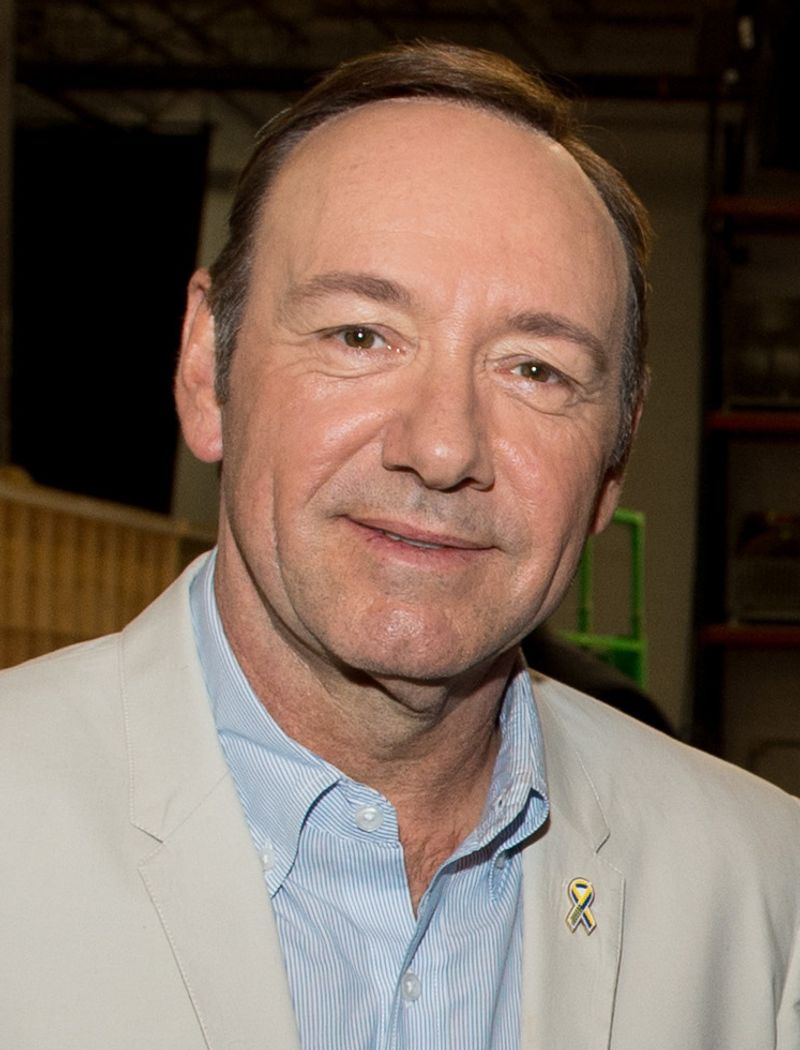
House of Cards lost its ruthless narrator when Frank vanished, and the show struggled to fill that manipulative whisper in your ear. Claire stepped forward with icy command, but the plotting felt hurried and strangely hollow.
Without the toxic duet, the series lost its wicked rhythm.
You could feel abrupt pivots, speeches standing in for momentum, and revelations without the dread that used to coil behind them. Supporting characters floated through set pieces that once felt like traps.
The chessboard remained, but the game lost its sinister commentary.
There were sharp moments, yet the final season carried a museum hush. You watched out of loyalty hoping for one last gasp of audacity.
Instead, the story folded into tidy symbolism, and the corridors that once echoed with scheming footsteps fell quiet too soon.
11. Bewitched – Darrin Stephens Recast
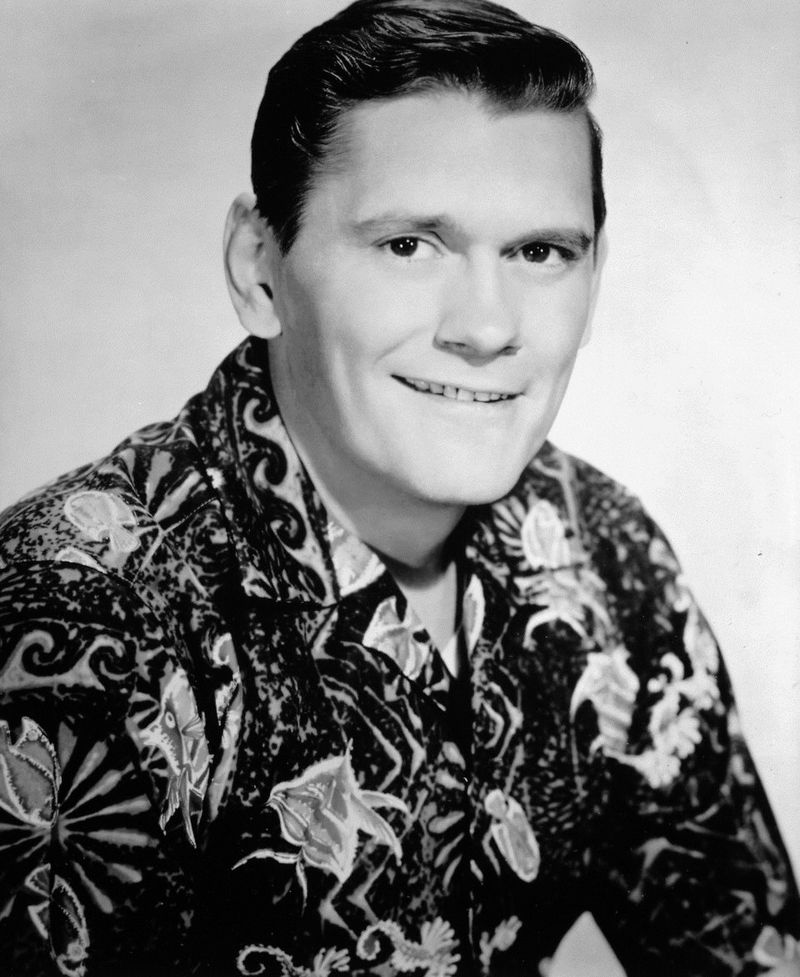
Bewitched pulled off many tricks, but switching Darrin was a spell audiences never fully embraced. The new face delivered lines and pratfalls, yet the chemistry with Samantha subtly shifted.
You might not clock it scene by scene, though the rhythm felt off like a favorite song in a new key.
Classic episodes still charmed, but fans kept mentally comparing nose twitches and double takes. The domestic magic relied on a specific tug of exasperation and affection.
Recasting nudged that balance into polite rather than prickly.
It was not a disaster, just a constant reminder that the show’s heartbeat had changed. Even casual viewers noticed the uncanny swap, and jokes landed with softer edges.
Over time, the series kept sparkle, while the romance’s original tension remained a memory suspended in syndicated starlight.
12. Lethal Weapon (TV Series) – Clayne Crawford Replaced

Behind the scenes fireworks spilled into the show, and the recast broke the combustible buddy chemistry. You tuned in for reckless Riggs colliding with steady Murtaugh, then found a different partnership assembled on the fly.
The cases kept moving, but the glint was gone.
Action scenes still snapped, yet emotional stakes dropped without that wounded wildness grounding the jokes. The rhythms of banter turned cautious.
You could sense the writers recalibrating tone episode by episode, and it never quite locked.
Viewers argued about blame, while the screen simply felt less alive. A franchise built on volatile spark needs trust you can feel through the cracks.
The replacement did not tank the craft, but it drained the show’s identity, leaving a workable procedural where a messy, magnetic friendship once roared.
13. Fear the Walking Dead – Multiple Lead Changes
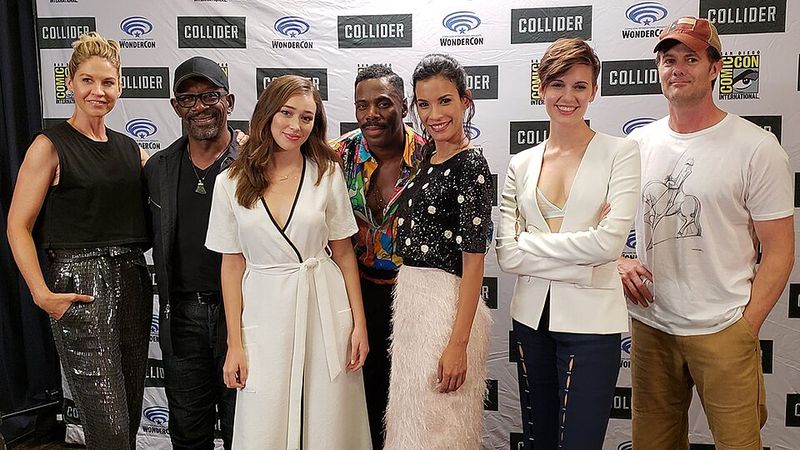
This spinoff kept reinventing itself, and somewhere along the way, the emotional map got smudged. Every new lead promised a fresh compass, but you likely felt whiplash as arcs reset and themes rebooted.
The apocalypse stayed tense, while the heart kept swapping owners.
There were standout episodes, yet continuity of purpose eroded. Loss hits hardest when you know who you are losing, and constant overhauls dulled that ache.
You might have admired risks while wishing the show would pick a soul and stay.
By later seasons, it felt like visiting a town rebuilt every year with new signage over old ruins. The world still had teeth, though bites landed softer.
Survival stories need a steady beat, and the shifting band of survivors could not keep one long enough to sing.
14. Charmed – After Prue’s Departure

Prue’s exit changed the Power of Three from inside out. The show found a new sisterly dynamic, but the original weight of responsibility and grief had stitched early seasons together.
You could feel the tone tilt toward lighter adventures and glossy romance.
There were highlights, and the series endured, yet the moral gravity softened. Prue’s intensity anchored the magic with consequence, turning spells into choices that cost something.
Without her, episodes often reset to status quo by credits.
Fans divided into eras, each with favorite arcs, while many quietly missed that stern, protective energy. The attic still glowed, the demons still taunted, but the stakes felt negotiated rather than etched in stone.
You kept watching for comfort and lore, knowing the original emotional summit had already been climbed.
Share this story