The Caribbean is a treasure chest of natural beauty, rich history, and unforgettable experiences that go far beyond the beach resorts you see in ads. From ancient fortresses perched on cliffs to coral reefs bursting with color, this region offers some of the most spectacular places on Earth.
Whether you crave adventure, culture, or simply want to dip your toes in turquoise water, these fifteen destinations will leave you with memories you will carry forever.
1. Old San Juan, Puerto Rico
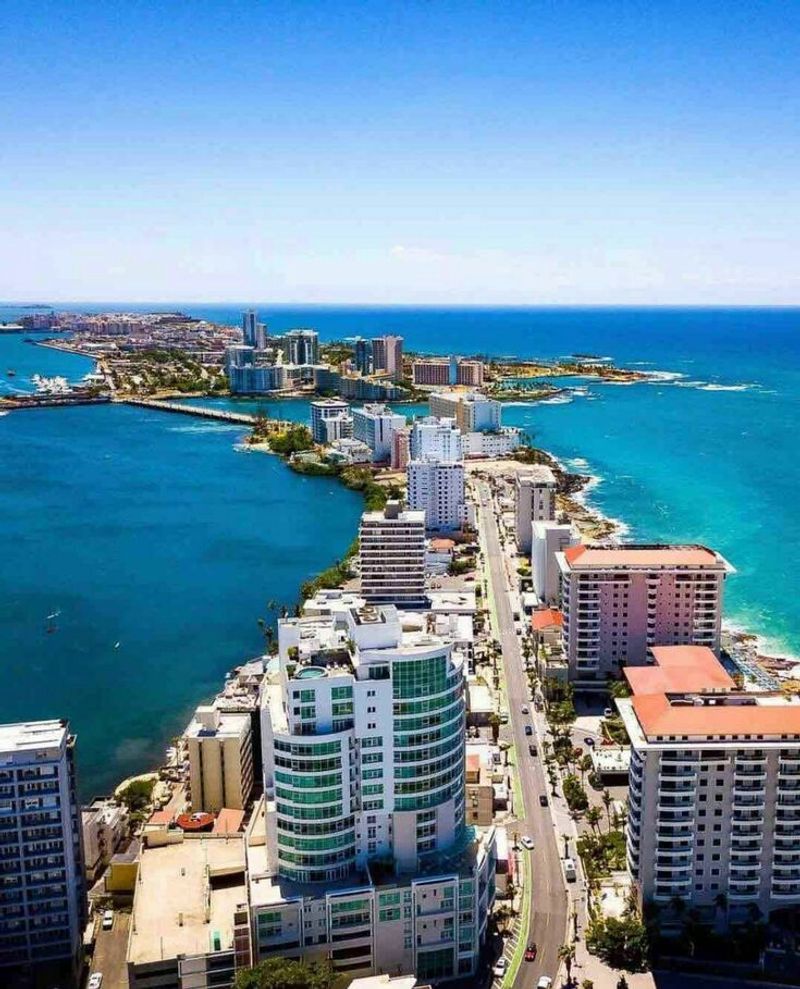
Cobblestones beneath your feet tell stories centuries old in this vibrant corner of the Caribbean. Old San Juan wraps you in colorful colonial architecture, where pastel-painted buildings stand shoulder to shoulder with massive stone fortresses built to fend off invaders.
Castillo San Felipe del Morro and Castillo San Cristóbal anchor the San Juan National Historic Site, offering jaw-dropping views of the Atlantic and a peek into Spanish military engineering.
Wandering these streets feels like stepping back in time, with narrow alleys opening onto sunny plazas filled with local artists and street musicians. The city walls snake along the coastline, perfect for an evening walk as the sun paints the sky in shades of orange and pink.
Grab some mofongo at a family-run café, then lose yourself in the charm of this living museum that blends past and present seamlessly.
2. El Yunque National Forest, Puerto Rico
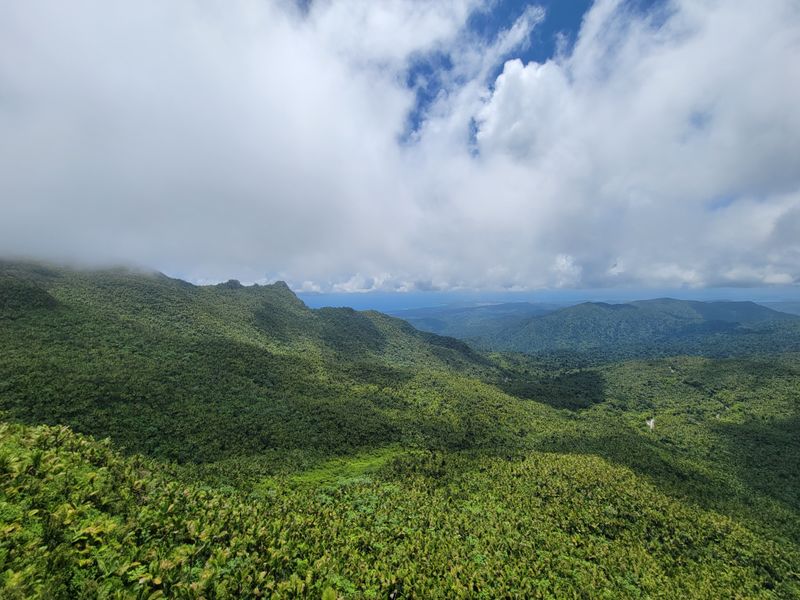
Rainforest magic awaits just a short drive from the capital, where waterfalls tumble down moss-covered rocks and the air hums with the songs of tiny coquí frogs. El Yunque is the only tropical rainforest in the U.S.
National Forest System, protecting an incredible variety of plants and animals found nowhere else on the planet. Trails wind through thick jungle canopy, leading to lookout towers and natural swimming holes that beg you to jump in.
Morning mist clings to the treetops, creating an otherworldly atmosphere that photographers dream about. Because this spot has become wildly popular, you will want to book your parking and entry permits well ahead of your visit to avoid disappointment.
Pack water shoes, bug spray, and a sense of wonder as you explore this lush paradise that proves Puerto Rico is so much more than beaches and resorts.
3. Virgin Islands National Park, St. John (U.S. Virgin Islands)
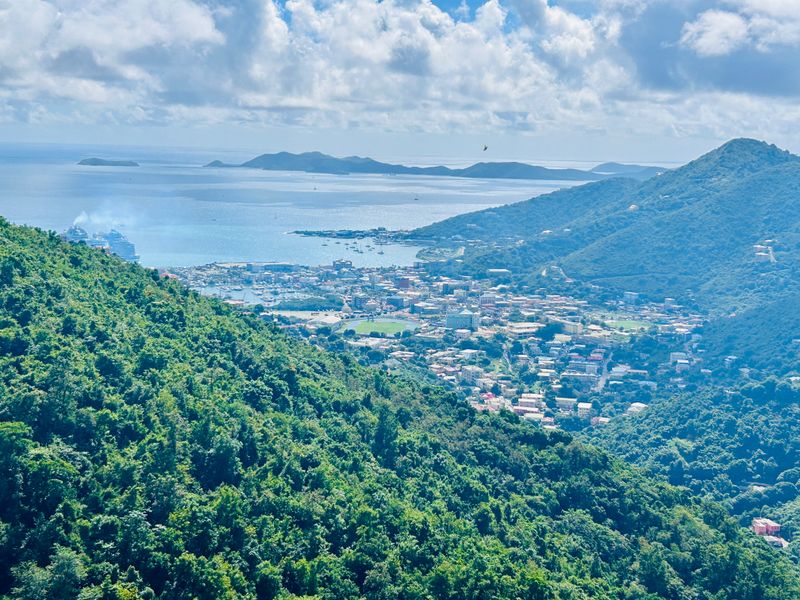
Imagine a place where two-thirds of the island is protected wilderness, where hiking trails lead to hidden beaches and coral reefs teem with tropical fish just steps from shore. Virgin Islands National Park covers much of St. John, offering a rare chance to experience Caribbean nature without the crowds and commercialization found elsewhere.
Trunk Bay and Cinnamon Bay are postcard-perfect, with powdery white sand that squeaks under your feet and water so clear you can count fish from the beach.
Snorkeling here feels like swimming in an aquarium, with parrotfish, stingrays, and sea turtles gliding past colorful coral formations. The park also preserves remnants of sugar plantation history, including old stone ruins that whisper tales of a complicated past.
Whether you hike the Reef Bay Trail or simply float in calm turquoise water, this island sanctuary will reset your soul and remind you why protecting wild places matters so much.
4. The Baths National Park, Virgin Gorda (British Virgin Islands)
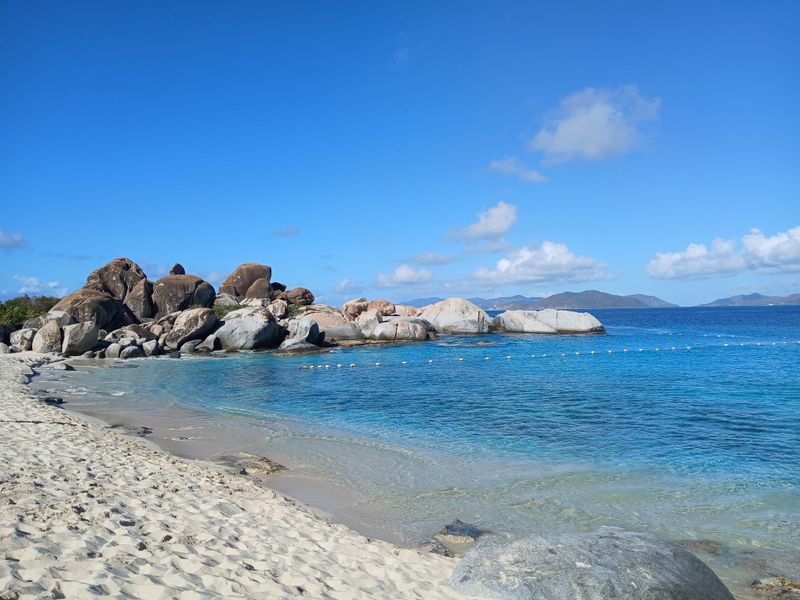
Giant granite boulders the size of houses create a surreal landscape where land meets sea in the most dramatic fashion. The Baths National Park protects this geological wonder, where massive rocks form secret grottoes, natural pools, and tunnels you can scramble through to reach hidden coves.
Sunlight filters through gaps in the stone, creating dappled patterns on the water that look straight out of a fantasy novel.
Arriving early in the morning gives you the best chance to explore before the heat cranks up and tour groups flood the trails. Bring water shoes because the rocks can be slippery, and do not forget your underwater camera for snorkeling in the sheltered bays.
This is one of those bucket-list spots that lives up to the hype, offering a completely unique Caribbean experience you simply cannot find anywhere else on Earth.
5. Pitons Management Area, St. Lucia
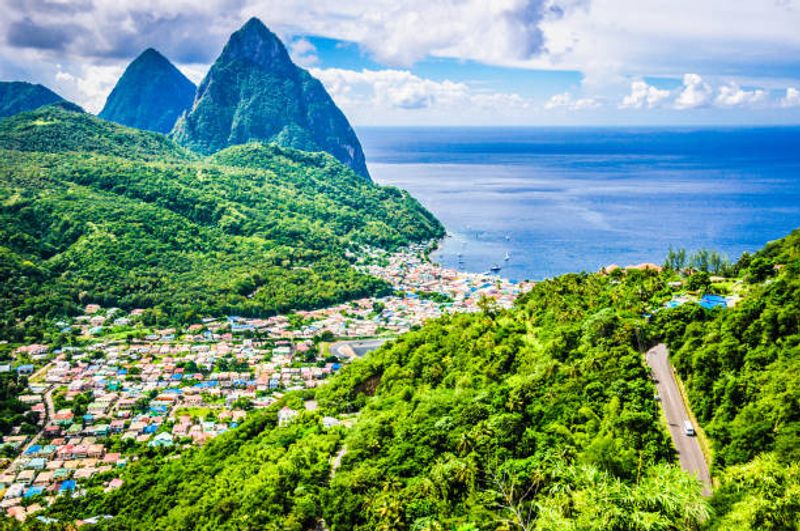
Two volcanic peaks rise straight from the Caribbean Sea like ancient sentinels guarding the island of St. Lucia. Gros Piton and Petit Piton dominate the skyline near Soufrière, creating one of the most photographed landscapes in the entire region and earning UNESCO World Heritage status for their outstanding natural beauty.
The surrounding management area includes coral reefs, hot springs, and geothermal features that remind you this island was born from fire.
Hiking Gros Piton is a challenge that rewards you with sweeping views across the water and neighboring islands, though you will need a certified guide to make the climb safely. Down below, the Sulphur Springs offer a chance to soak in mineral-rich mud baths that locals swear have healing properties.
Whether you admire the Pitons from a beachside viewpoint or get up close on a boat tour, these twin peaks will burn themselves into your memory forever.
6. Historic Bridgetown and its Garrison, Barbados
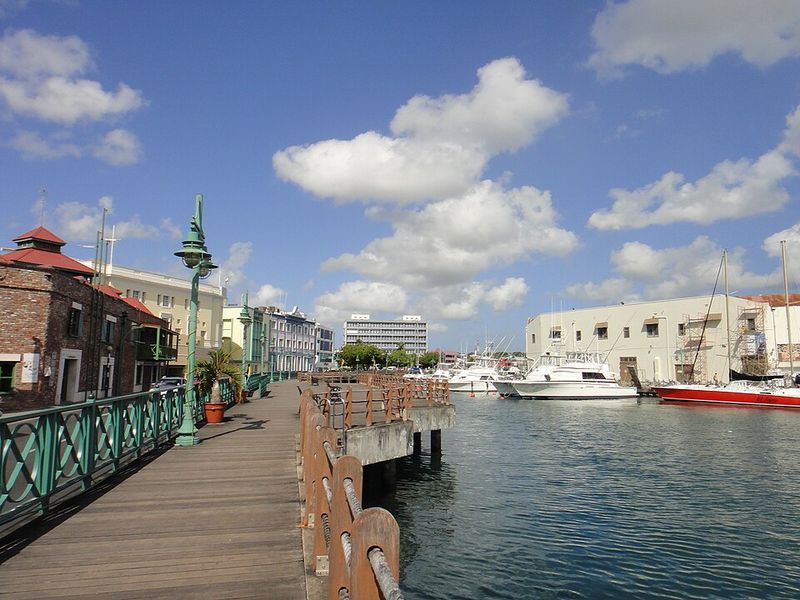
Walking through Bridgetown feels like flipping through a history book where British colonial architecture meets vibrant Caribbean culture. This UNESCO-listed area preserves one of the most important port cities from the colonial era, complete with a massive military garrison that once housed thousands of soldiers.
The historic core still hums with daily life, as locals shop at bustling markets and office workers grab lunch in centuries-old buildings repurposed for modern use.
The Garrison Savannah area spreads out south of the city center, featuring parade grounds, historic barracks, and a racetrack that still hosts events today. You can easily spend a morning wandering Independence Square, admiring the Parliament Buildings, and popping into small museums that tell the island’s complex story.
A self-guided walking tour lets you move at your own pace, stopping for fresh coconut water or fish cakes whenever hunger strikes, making history feel delicious and accessible.
7. Historic Area of Willemstad, Curaçao
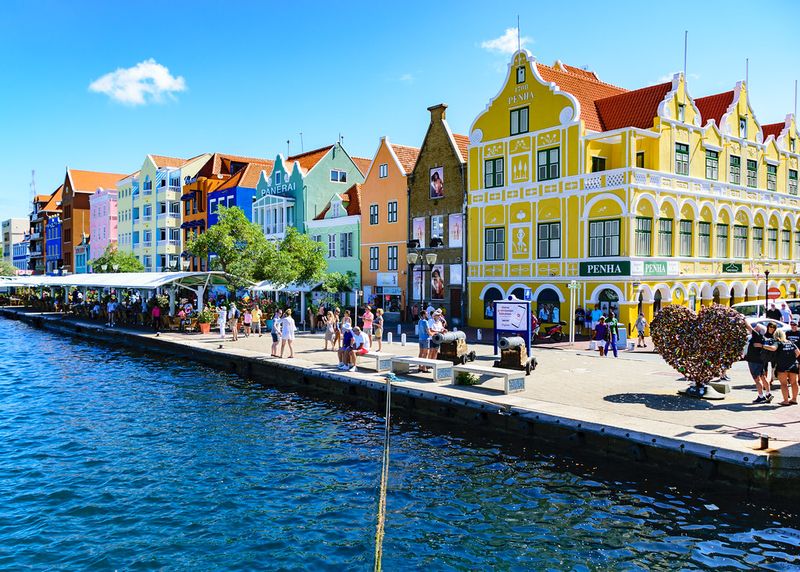
Pastel-colored Dutch buildings line the harbor in a rainbow that looks almost too perfect to be real. Willemstad’s inner city earned UNESCO recognition for its unique blend of European colonial architecture adapted to Caribbean climate and culture, creating a visual feast unlike anywhere else in the region.
The famous Queen Emma Bridge swings open to let ships pass, connecting the Punda and Otrobanda neighborhoods in a feat of engineering that is also a beloved local tradition.
Strolling through these historic streets, you will notice gabled roofs, arched doorways, and hidden courtyards that transport you straight to Amsterdam, except with way better weather and friendlier lizards sunbathing on the walls. Local artists display their work in galleries tucked into centuries-old buildings, while cafés serve Dutch treats with Caribbean flair.
Cross the floating bridge on foot, browse the floating market where Venezuelan vendors sell fresh produce, and soak up a cultural mashup that proves the Caribbean has always been a place where worlds collide beautifully.
8. Colonial City of Santo Domingo, Dominican Republic
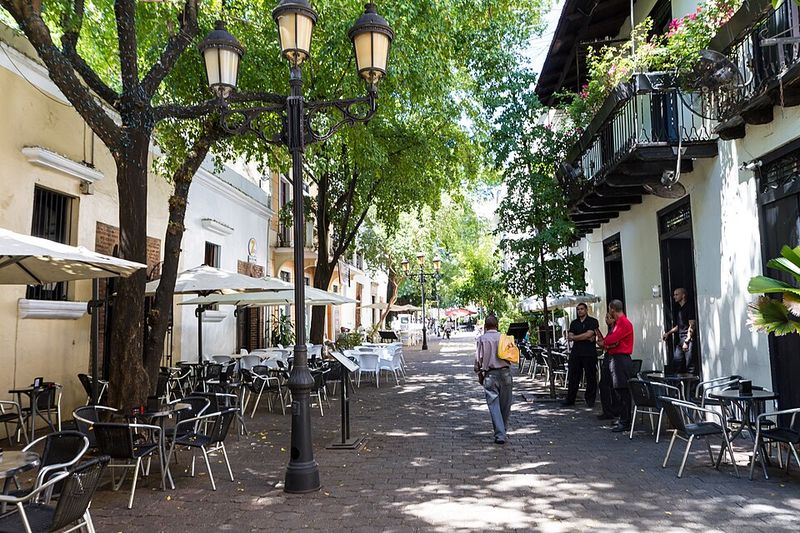
Founded in 1496, Santo Domingo claims the title of oldest continuously inhabited European settlement in the Americas, and the Zona Colonial wears that history proudly on every cobblestoned corner. UNESCO highlights this area for its grid-planned layout that became the blueprint for Spanish cities throughout the New World, along with the first cathedral, hospital, and university built in the Americas.
Stone fortresses, monasteries, and mansions line streets where conquistadors once walked, creating an open-air museum that is still very much alive.
Daytime exploration reveals hidden plazas shaded by ancient trees, where locals play dominoes and street vendors sell fresh fruit. The Alcázar de Colón, former palace of Christopher Columbus’s son, offers a glimpse into colonial-era luxury and power dynamics.
As evening falls, the Zona Colonial transforms into a lively scene with restaurants, bars, and live music spilling onto the streets, proving that history and modern life can dance together perfectly in this remarkable Caribbean capital.
9. Old Havana and its Fortification System, Cuba
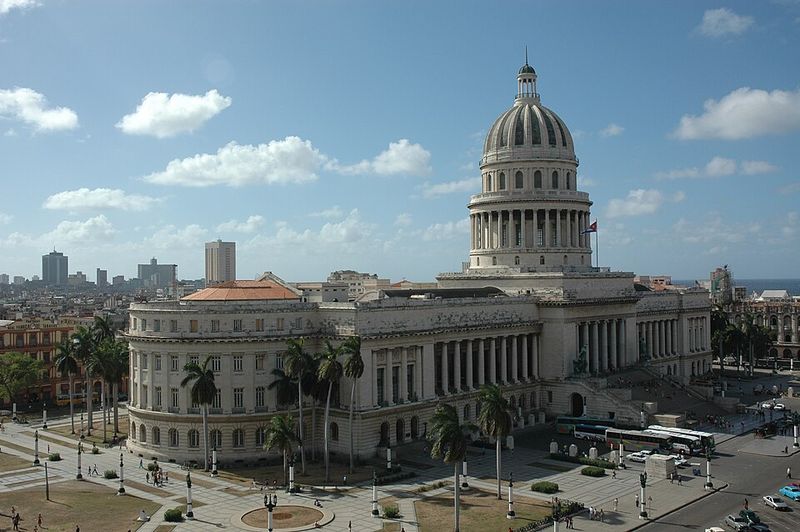
Time seems to move differently in Old Havana, where vintage cars rumble past crumbling baroque buildings and the scent of strong coffee drifts from corner cafés. This UNESCO-listed historic center preserves centuries of Spanish colonial architecture, along with massive fortifications built to protect the harbor from pirates and rival empires.
El Morro and La Cabaña fortresses stand guard over the entrance to Havana Bay, offering stunning views across the water and a fascinating look at military engineering from another era.
The narrow streets of Habana Vieja overflow with music, art, and a creative energy born from decades of isolation and resilience. Restored plazas like Plaza Vieja and Plaza de Armas showcase the best of colonial restoration efforts, while other blocks retain a weathered beauty that photographers cannot resist.
Watching the sunset from the fortress walls as a cannon fires to mark the closing of the harbor gates is a daily ritual that connects modern visitors to centuries of tradition in this captivating, complicated city.
10. Belize Barrier Reef Reserve System, Belize
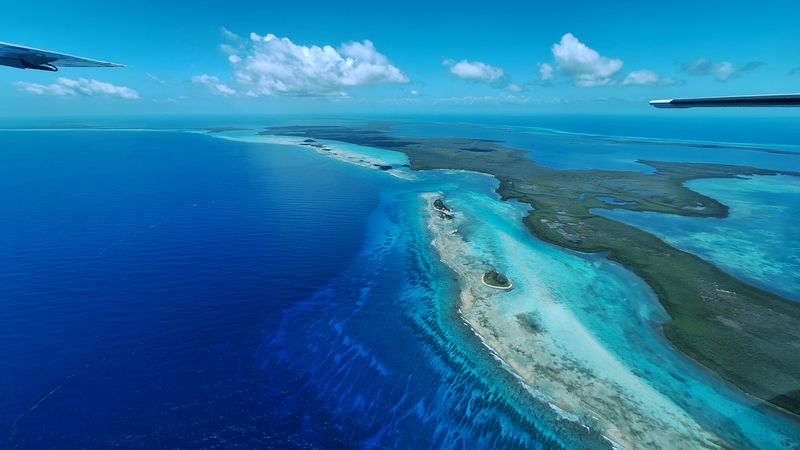
Stretching over 180 miles along the coast, the Belize Barrier Reef ranks as the second-largest coral reef system on the planet and the biggest in the Northern Hemisphere. This UNESCO-listed reserve system protects an incredible variety of marine habitats, including offshore atolls, hundreds of sandy cays, mangrove forests, and coastal lagoons that support everything from tiny seahorses to massive whale sharks.
Snorkeling or diving here puts you face-to-face with spotted eagle rays, nurse sharks, sea turtles, and more fish species than you can possibly count.
The famous Great Blue Hole, a giant underwater sinkhole, attracts adventurous divers from around the world, while beginner snorkelers can explore shallow reef gardens teeming with life just offshore. Always book with licensed operators who follow sustainable practices, because this fragile ecosystem faces serious threats from climate change and pollution.
Experiencing this underwater wonderland firsthand transforms abstract conservation talk into something deeply personal, making you want to protect these reefs for generations to come.
11. Antigua Naval Dockyard and Related Archaeological Sites, Antigua & Barbuda
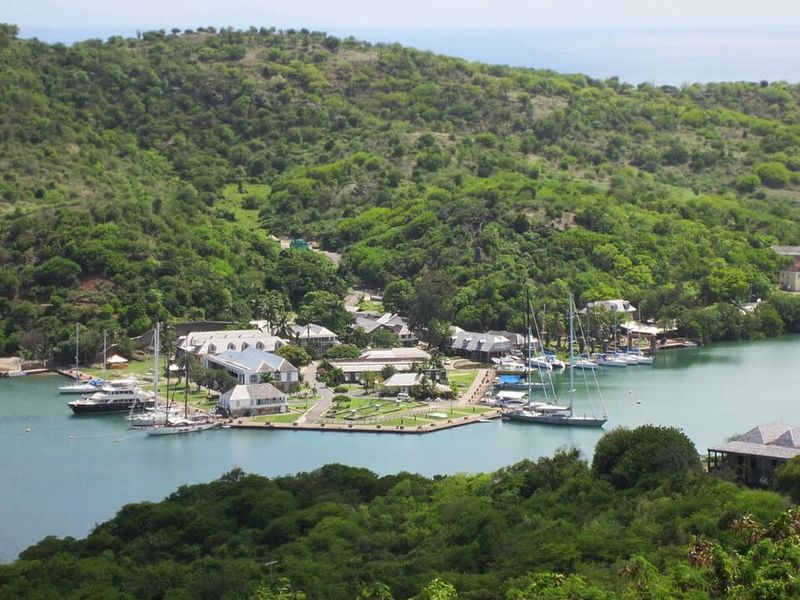
Tucked into a natural harbor that provided perfect shelter from Caribbean hurricanes, Nelson’s Dockyard stands as the only continuously working Georgian-era naval dockyard in the world. UNESCO recognition celebrates both the remarkably preserved buildings and the strategic island landscape that made this location invaluable to the British Royal Navy for over a century.
Stone pillars, brick archways, and wooden boat sheds have been carefully restored, now housing museums, shops, and restaurants that bring history to life without turning it into a sterile exhibit.
Climbing up to Shirley Heights Lookout rewards you with panoramic views across the harbor and neighboring islands, especially spectacular at sunset when steel drum bands often provide a soundtrack. The surrounding archaeological sites include military batteries, powder magazines, and officers’ quarters scattered across the hills.
Exploring this area connects you to the age of sail, colonial conflicts, and the countless workers whose labor built and maintained this naval stronghold in the tropical heat.
12. Exuma Cays Land & Sea Park, The Bahamas
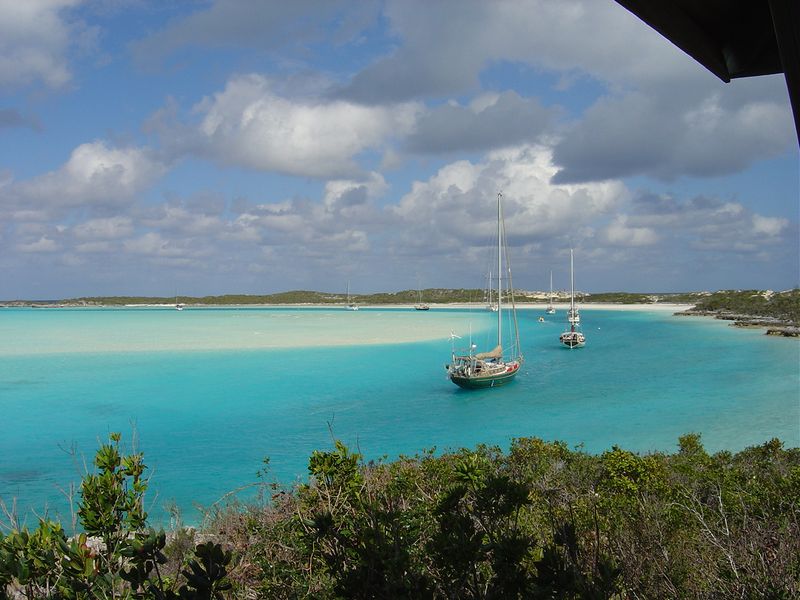
Since 1958, this pioneering marine reserve has protected a stunning chain of islands and surrounding waters where fishing is completely banned, allowing nature to thrive without human interference. The result is a marine ecosystem so healthy and vibrant that it serves as a living laboratory for scientists studying coral reef recovery and fish populations.
Boaters anchor in impossibly clear water where every detail of the sandy bottom is visible, and snorkelers swim through schools of fish so thick they create living clouds of silver.
The park covers both land and sea, with hiking trails on some cays leading to viewpoints over the turquoise expanse. Responsible tourism is the only kind allowed here, meaning you will need to follow strict rules about anchoring, trash, and wildlife interaction.
Whether you visit on a day trip from nearby islands or spend several days exploring by boat, the pristine beauty of this protected area will show you exactly what the Caribbean looked like before development took over, making every other beach seem just a little less magical by comparison.
13. Seven Mile Beach, Grand Cayman (Cayman Islands)
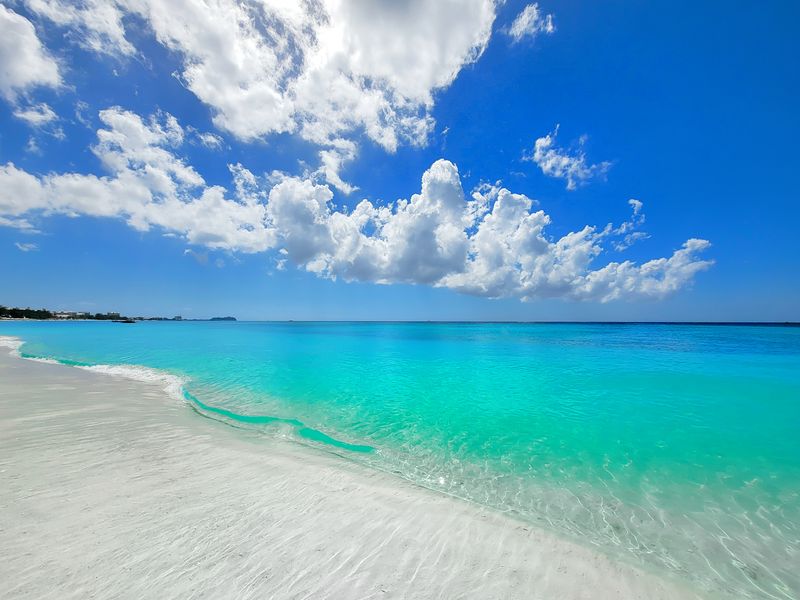
Powdery white sand stretches along Grand Cayman’s west coast in a curve that has become one of the Caribbean’s most iconic shorelines. Seven Mile Beach actually measures closer to five and a half miles, but nobody complains when the sand is this soft and the water this inviting.
Luxury resorts line much of the beach, yet public access points ensure everyone can enjoy this slice of paradise without paying resort prices.
Early morning offers the best swimming conditions, when the sea lies flat and glassy before afternoon breezes kick up small waves. Snorkeling right off the beach reveals healthy coral patches and tropical fish, though the real underwater action happens at sites accessible by boat.
Beach bars and restaurants dot the shoreline, perfect for grabbing jerk chicken or a cold drink without straying far from your towel. As development continues across Grand Cayman, this famous beach remains a place where natural beauty and tourist infrastructure coexist, offering a classic Caribbean beach experience that lives up to its reputation.
14. Dunn’s River Falls and Park, Ocho Rios, Jamaica
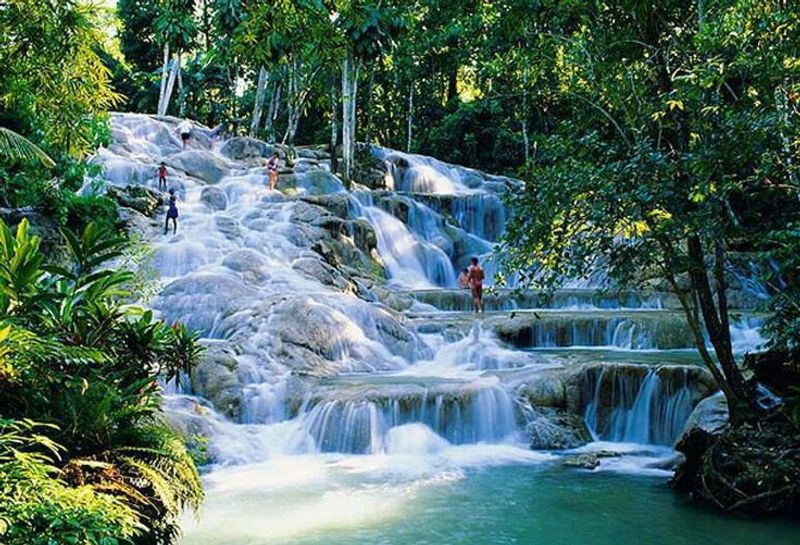
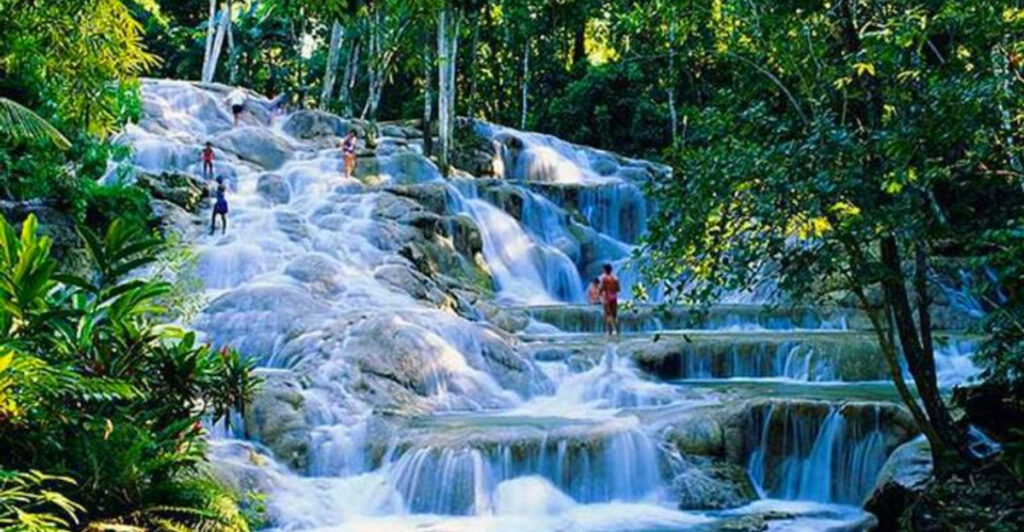
Water cascades down terraced limestone steps in a living staircase that invites you to climb from beach to forest canopy. Dunn’s River Falls ranks among Jamaica’s most visited natural attractions, where guides lead groups of visitors up the 600-foot waterfall, holding hands in human chains as they navigate slippery rocks and refreshing pools.
The experience combines adventure, natural beauty, and a healthy dose of adrenaline as you scramble over boulders with cool river water rushing around your legs.
Water shoes are absolutely essential because the rocks get incredibly slick, and going barefoot is just asking for a tumble. The buddy system keeps everyone safe and adds to the fun, as strangers become teammates helping each other up the trickier sections.
If climbing is not your thing, staircases along the side let you walk up dry while still enjoying views of the falls. The park also features beach access, gardens, and craft markets, making it easy to spend several hours here soaking up Jamaican natural beauty and culture in one convenient location.
15. Grace Bay Beach, Providenciales (Turks and Caicos)
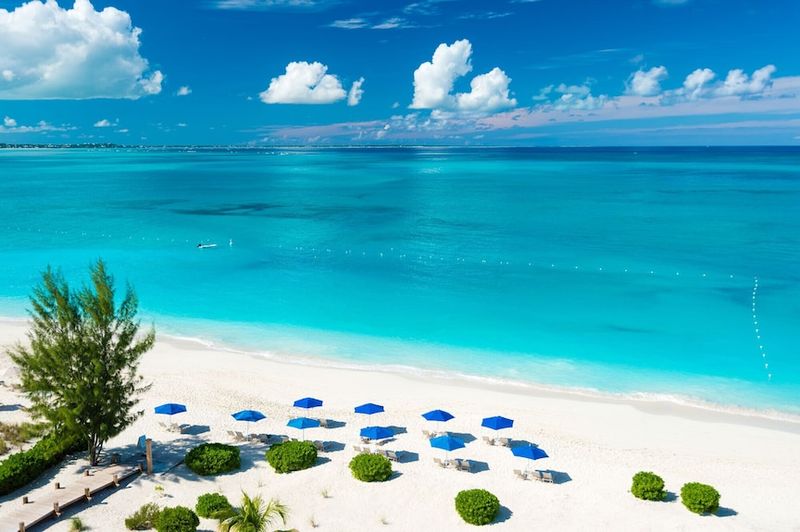
Consistently ranked among the world’s best beaches, Grace Bay delivers on every tropical fantasy you have ever entertained. The sand is so fine it feels like walking on silk, the water glows in shades of blue and green that do not seem real, and the offshore barrier reef keeps the bay calm and protected from rough surf.
This three-mile stretch anchors the tourism industry of Providenciales, with luxury resorts and vacation rentals claiming prime real estate along the shore.
Despite the development, the beach itself remains stunning and accessible, with public access points ensuring everyone can experience this natural wonder. Sunrise walks offer the best chance to have the beach nearly to yourself, with soft morning light painting the water in pastels.
Late afternoon brings another magical hour when the sun hangs low and the heat backs off just enough to make a long stroll comfortable. The calm, clear water is perfect for swimming, paddleboarding, or simply floating while contemplating life’s bigger questions, making Grace Bay a place where relaxation becomes an art form you will master quickly.
Share this story