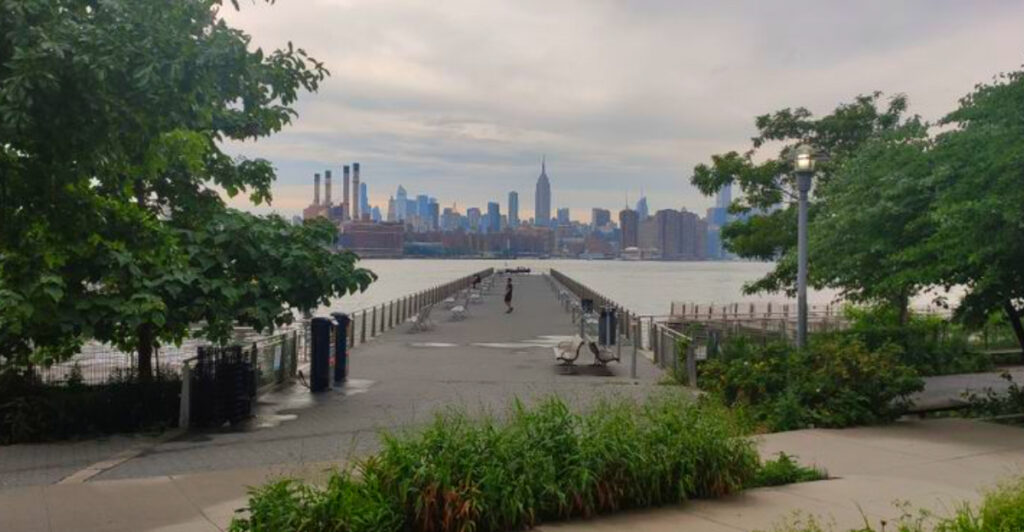
If you have ever returned to a city you loved decades ago and felt slightly disoriented, you are not alone. Many Boomers say their hometowns feel pricier, shinier, and less neighborly than they remember.
Between gentrification, tech wealth, and nonstop tourism, the rhythms of daily life have shifted fast. Here are the places most often called out for feeling like a different city than yesterday.
1. San Francisco, CA
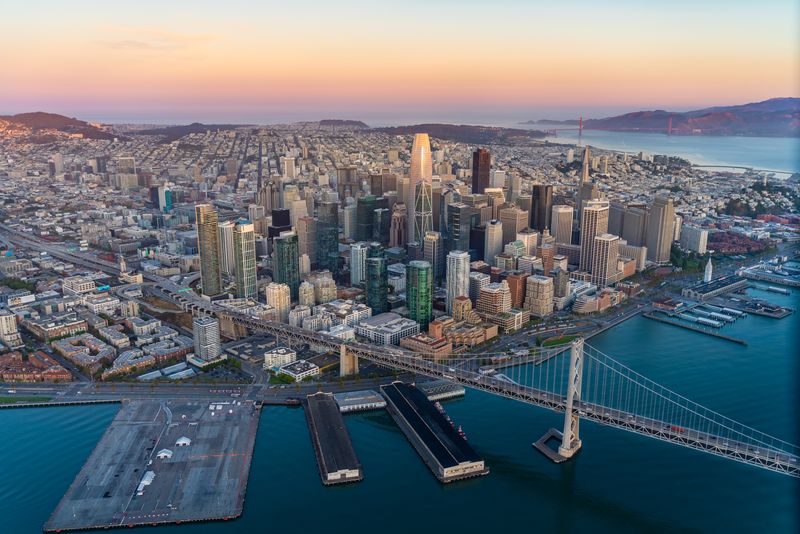
San Francisco once felt scrappy and artsy on a shoestring. Now the price of entry keeps rising, pushed by tech paychecks and scarce housing.
Longtime hangouts gave way to sleek cafes and private shuttles gliding by.
The views still stun, but the vibe has shifted. Neighborhoods that felt inclusive now feel curated.
You can sense resilience and activism pushing back, yet affordability chases many away, leaving nostalgia and complicated gratitude in its place.
2. Los Angeles, CA
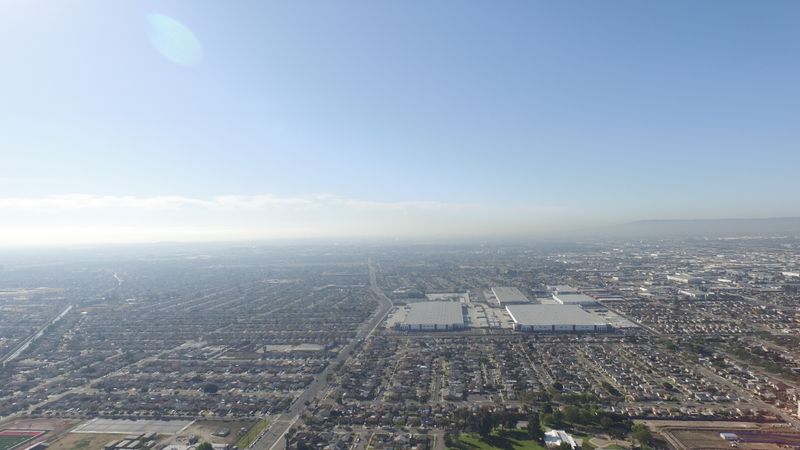
LA has always sprawled, but the sprawl feels denser now. Congestion stretches longer, and small bungalows turn into multi-million homes.
Neighborhoods that once felt sleepy now buzz with redevelopment and film-set polish.
There is still creativity everywhere, from taco trucks to studio backlots. Yet many remember a slower, more affordable city.
Today, car lines and construction cranes frame daily life, and the classic local haunts share the block with luxe boutiques and influencer hotspots.
3. Chicago, IL
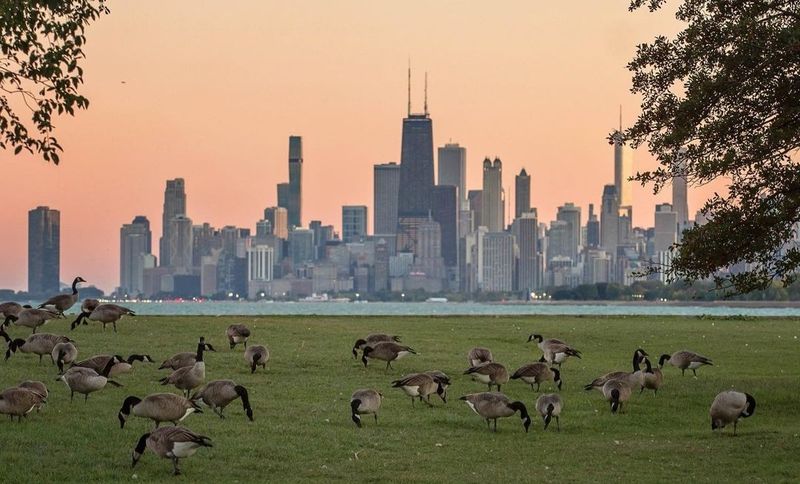
Chicago’s grit and warmth remain, but block-by-block shifts are striking. Redevelopment money poured into certain corridors, raising property values and displacing families.
Historic two-flats flip to high-end rentals while beloved diners close.
Communities fight to preserve culture and roots. You can still feel the pride on summer porches and in packed theaters.
Yet the map of where people can afford to live keeps changing, and that reshuffles Chicago’s social fabric in ways residents notice daily.
4. New York City, NY
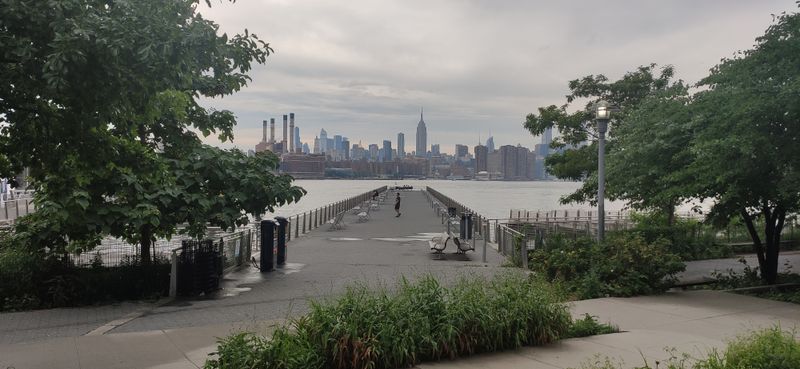
Walk a few blocks in Brooklyn or Manhattan and you will see how fast New York has moved. Glass towers and high prices overshadow the quirky storefronts many remember.
Neighborhood names feel like brands now, and rent hikes echo on every block.
There is still energy, culture, and hustle, but the margins feel squeezed. Longtime neighbors move farther out while tourism surges year round.
You can still find magic on a side street, yet it costs more time and money to hold onto it.
5. Philadelphia, PA
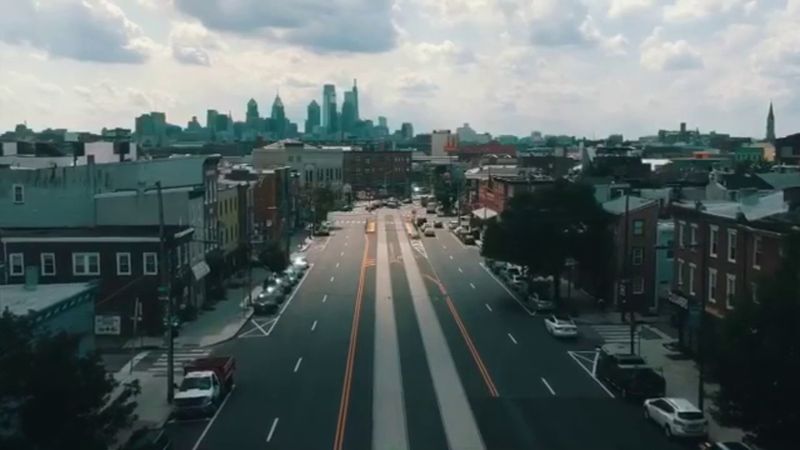
Philly’s rowhouses used to anchor multigenerational blocks. Now cranes, rehab permits, and rising assessments signal a different rhythm.
Northern Liberties and Fishtown sparkle with new spots, while concerns about displacement grow.
The city still tells its story through murals and stoops. You can feel pride in local history and food.
Yet every renovated shell and boutique opening reminds people that affordability and culture must be actively protected, not assumed.
6. Boston, MA
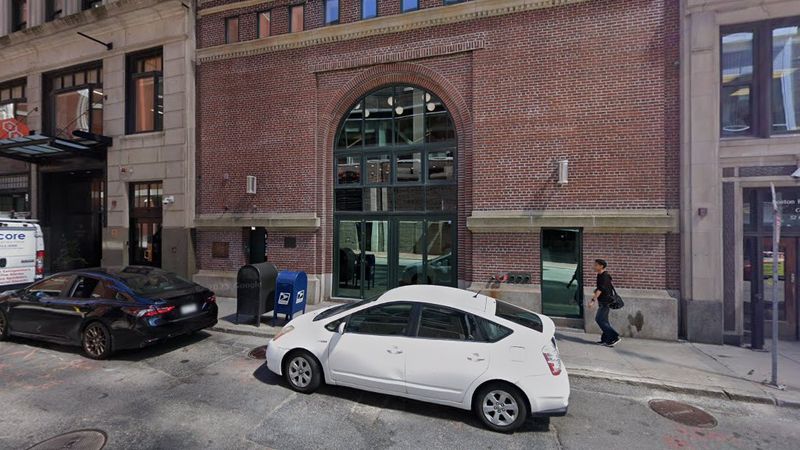
Boston’s brainy charm meets relentless demand. Triple-deckers stand beside gleaming condos, and rent jumps push families outward.
South Boston, Back Bay, and beyond feel tighter and pricier, even as parks and transit improve.
History is everywhere, but daily life costs more. Students, researchers, and biotech workers flood in, raising stakes on every lease.
The city remains walkable and beautiful, yet the sense of attainable, old Boston feels further from reach.
7. Seattle, WA

Seattle’s laid-back past collides with tech-fueled growth. New apartments rise where quirky shops stood.
Coffee still anchors mornings, but rent and traffic reshape everyday routines.
Waterfront views remain serene, yet longtime residents feel squeezed between opportunity and loss. Neighborhood culture shifted toward glossy convenience, and affordability slipped.
You can still catch that indie spirit at markets and music venues, but it competes with badge taps and delivery bikes everywhere.
8. Portland, OR

Portland’s DIY heart still beats, but rising demand changed the tempo. Once-cheap rentals vanished, replaced by sleek mid-rises.
Longtime cafes now rub shoulders with high-end spots, and the city’s weirdness feels curated.
Bikes roll past cranes, and neighbors debate how to keep communities inclusive. You can still find quiet, mossy corners, yet prices and population growth have reshaped who can stay.
Nostalgia meets reinvention on nearly every block.
9. Austin, TX
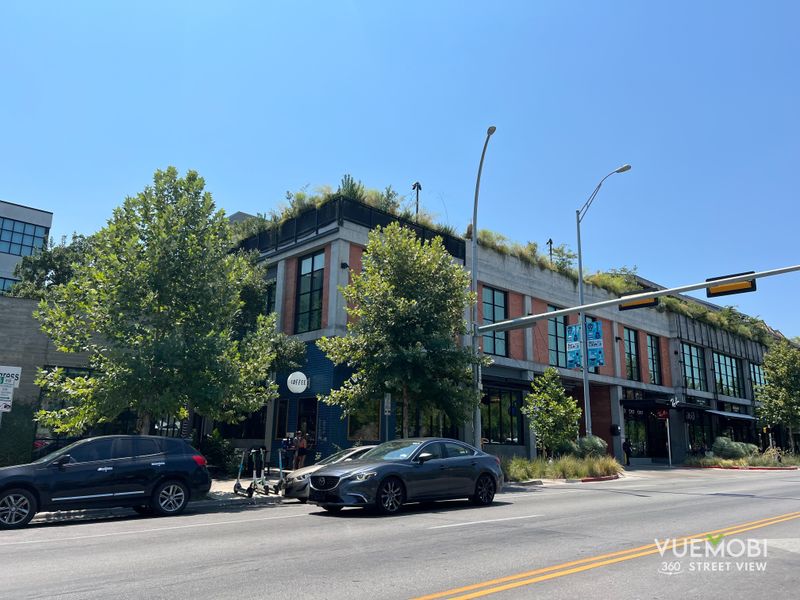
Austin’s charm still hums through patios and stages, but the boom is impossible to miss. High-rises jumped up, property taxes climbed, and traffic thickened.
South Congress turned from quirky stretch to polished destination.
People came for music and affordability, then watched costs climb. You can still hear great bands and eat brilliant tacos, but the easygoing pace feels rarer.
The slogan says keep it weird, yet it now takes effort and cash to do it.
10. Denver, CO

Denver’s neighborhoods evolved quickly, especially historic Five Points. Breweries and apartments filled old warehouses, drawing newcomers with mountain access and sunshine.
Prices rose, and longtime residents felt cultural threads fraying.
The city remains outdoorsy and friendly, but the balance shifted. Transit expanded, patios popped up, and weekend crowds swelled.
You can still find the old rhythm in community festivals, though it competes with rising costs and glossy redevelopment.
11. Miami, FL
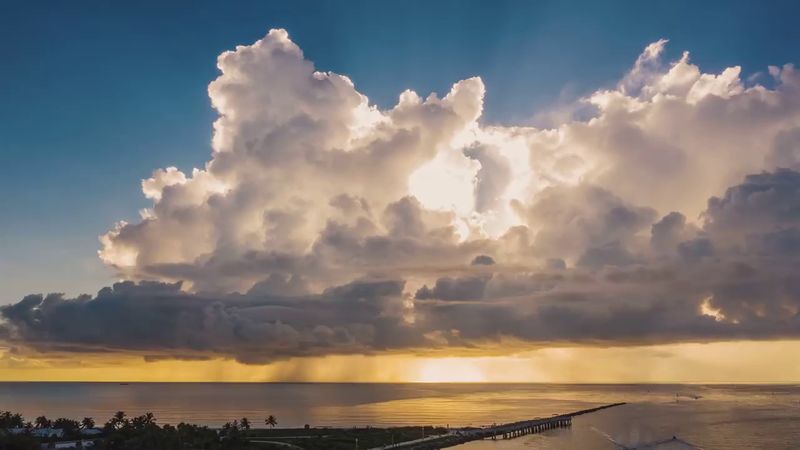
Miami’s sparkle brightened as global money poured in. Luxury towers rose fast, and neighborhoods flipped to short-term rentals.
Locals see costs climb while hospitality jobs churn.
The city stays vibrant, bilingual, and sunlit. Yet some miss the quieter shoreline and more affordable apartments.
Nightlife and tourism fuel the economy, but they also crowd streets and reshape community ties, especially near the water.
12. Atlanta, GA
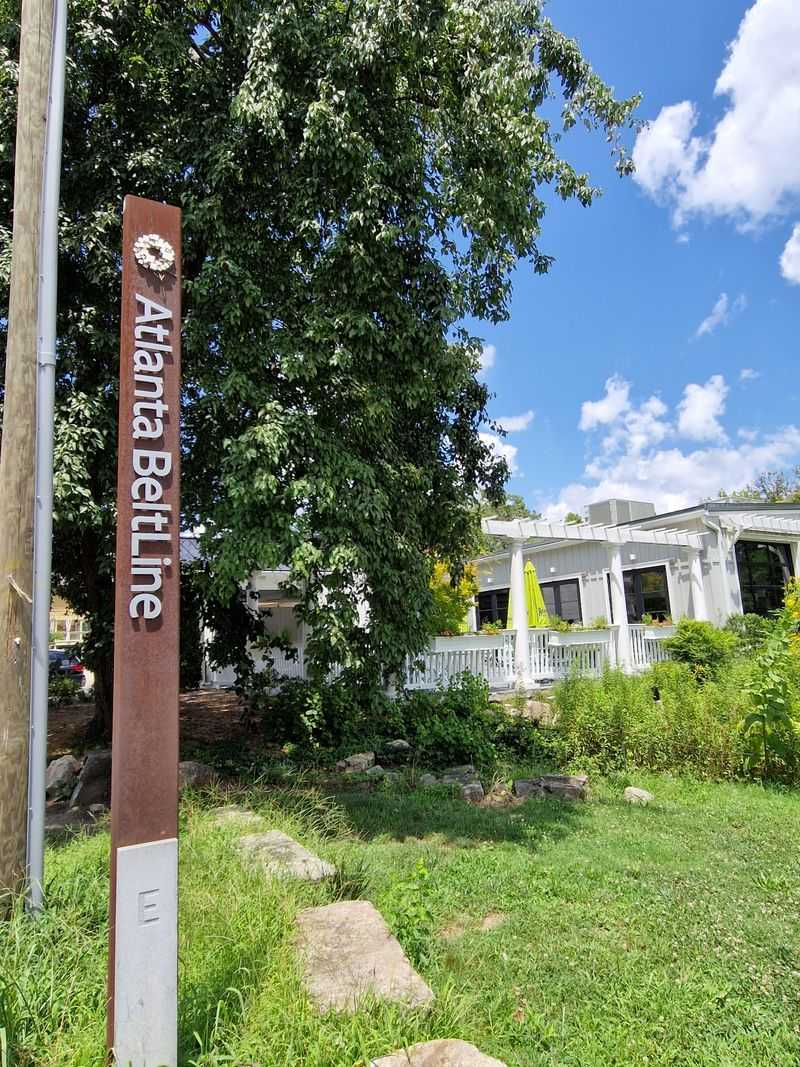
Atlanta’s reinvestment remapped whole districts. The BeltLine stitched neighborhoods together, but also invited rapid price hikes.
Legacy shops and residents face pressure as townhomes stack up.
Culture remains powerful, from music to food. Still, familiar blocks look different week to week.
You can feel momentum and opportunity, yet it comes with tough questions about who benefits and who gets pushed out.
13. San Diego, CA
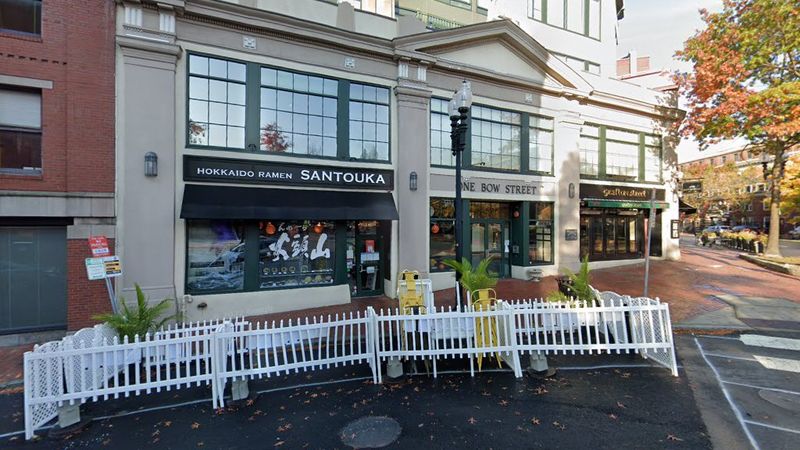
San Diego’s mellow beach life grew expensive and crowded. Cottages near the coast turned into designer homes and vacation rentals.
Locals love the sun but feel squeezed by prices and traffic.
The city still offers parks, tacos, and ocean breezes. Yet many remember easier parking, cheaper rents, and a slower pace.
Tourism keeps the economy humming while reshaping who can afford to stay near the water.
14. New Orleans, LA
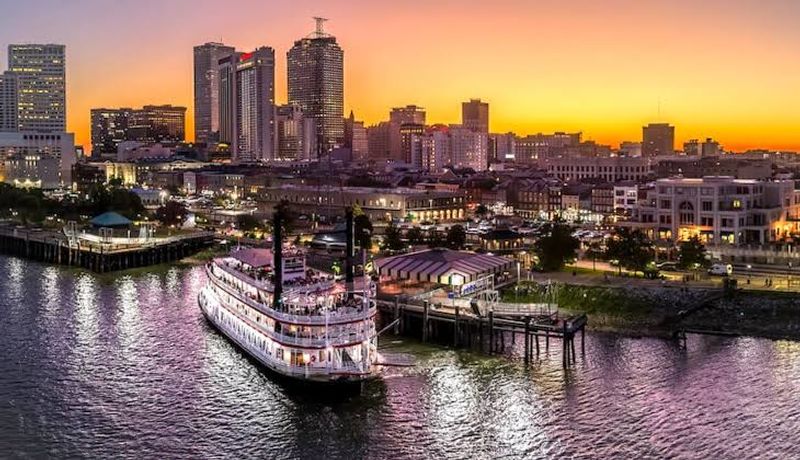
After Katrina, New Orleans rebuilt with grit and grief. Some neighborhoods revived, others shifted toward tourism and short-term rentals.
Rising costs and redevelopment stirred debates over preservation and culture.
The city’s soul still sings in second lines and corner joints. Yet familiar blocks feel curated for visitors.
You can taste history in the food and music, but holding onto community roots takes work and policy support.
15. Nashville, TN
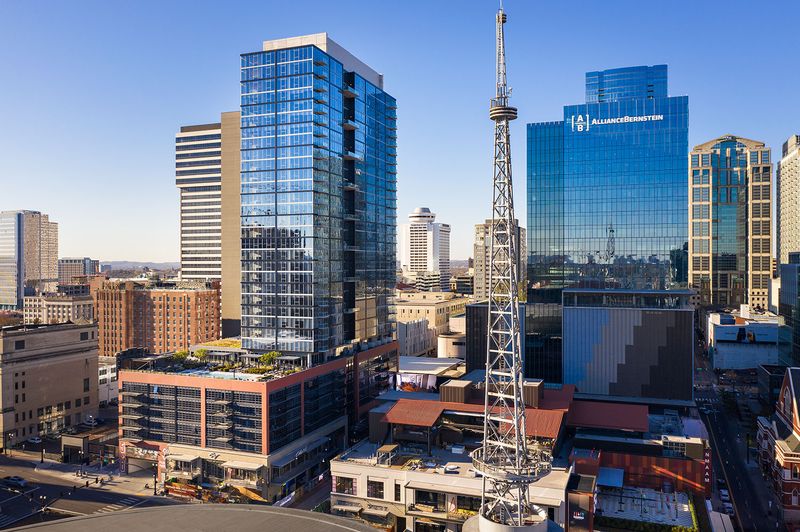
Music City turned into a boomtown with a fresh skyline. Rents and hotel rates climbed as tourism exploded.
Broadway still blasts guitars, but locals dodge party buses and rising costs.
Neighborhoods fill with modern townhomes, and longtime venues fight to survive. You can still catch a perfect set in a small bar, yet the city’s easygoing feel got louder, pricier, and busier in a hurry.
16. Charlotte, NC
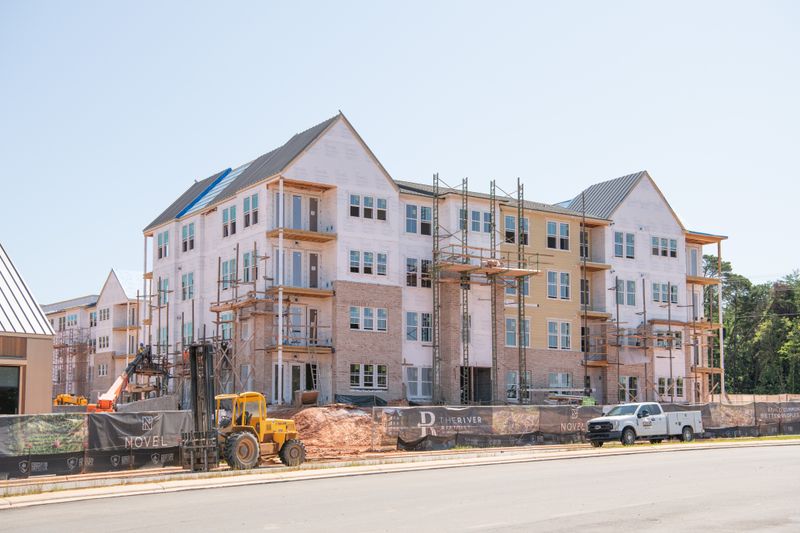
Charlotte’s pace quickened with banks, tech, and transplants. Mill districts became luxe apartments and breweries.
Prices rose, and traffic followed the growth.
The city remains pleasant and opportunity-rich, but some miss the simpler feel. You can ride light rail to shiny districts, then notice how far older residents moved to find space and affordability.
Change feels constant here.
17. Detroit, MI
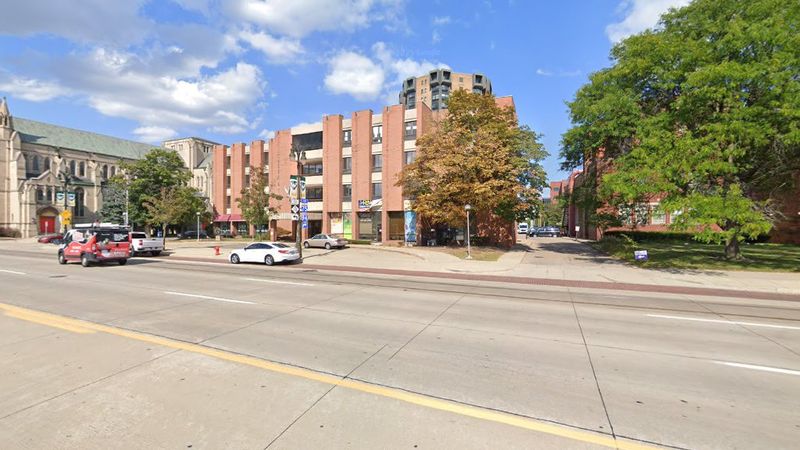
Detroit’s comeback narrative brings festivals, startups, and renovated towers. Yet recovery is uneven, and neighborhoods still grapple with disinvestment.
Property values climbed in hot pockets, raising tax burdens and anxieties.
The city’s music, cars, and grit endure. You can feel pride downtown, but many remember when communities felt tighter and cheaper.
Balancing revival and inclusion remains the challenge shaping everyday life.
18. Oakland, CA

Oakland’s creativity and activism are legendary. But spillover from San Francisco and local growth pushed costs up fast.
Artists and families chased cheaper rent, while cranes added glossy apartments.
The culture remains fierce, from murals to music. Still, friends talk about moving farther out.
You can feel pride and resistance in community events, even as the city wrestles with safety, affordability, and identity.
19. Venice Beach and LA Coastal Areas, CA
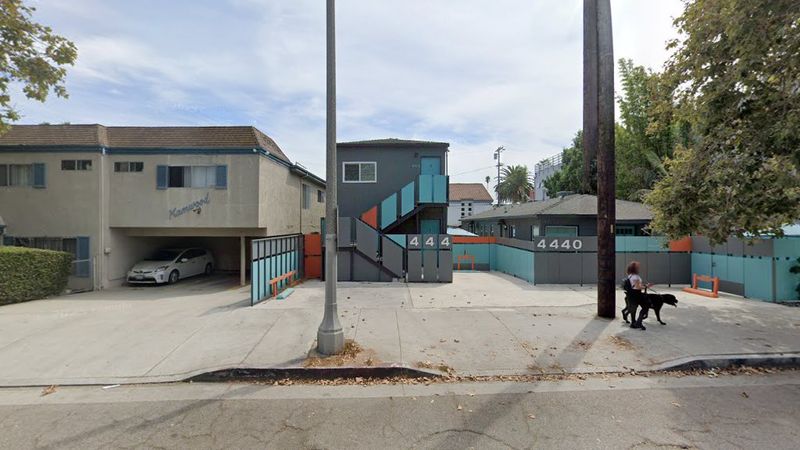
Venice Beach evolved from bohemian enclave to global destination. The boardwalk still dazzles, but high-end shops and short-term rentals dominate side streets.
Small cottages turned into designer compounds with soaring prices.
You can still catch sunset skaters and street performers, yet daily life feels less local. Crowds, parking headaches, and rising costs changed routines.
The creative spirit stays visible, but it now shares space with luxury branding and constant visitors.
Share this story