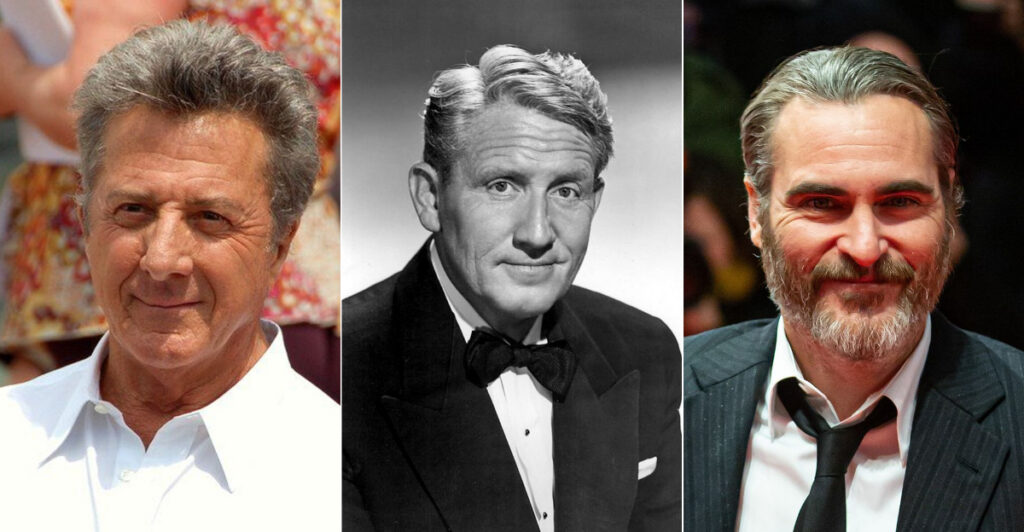
Hollywood has given us countless talented performers, but only a select few have earned true respect across generations. These actors didn’t just entertain audiences; they transformed the craft itself through dedication, skill, and unforgettable performances.
From method acting pioneers to modern chameleons, these men represent the very best of cinema history.
1. Marlon Brando
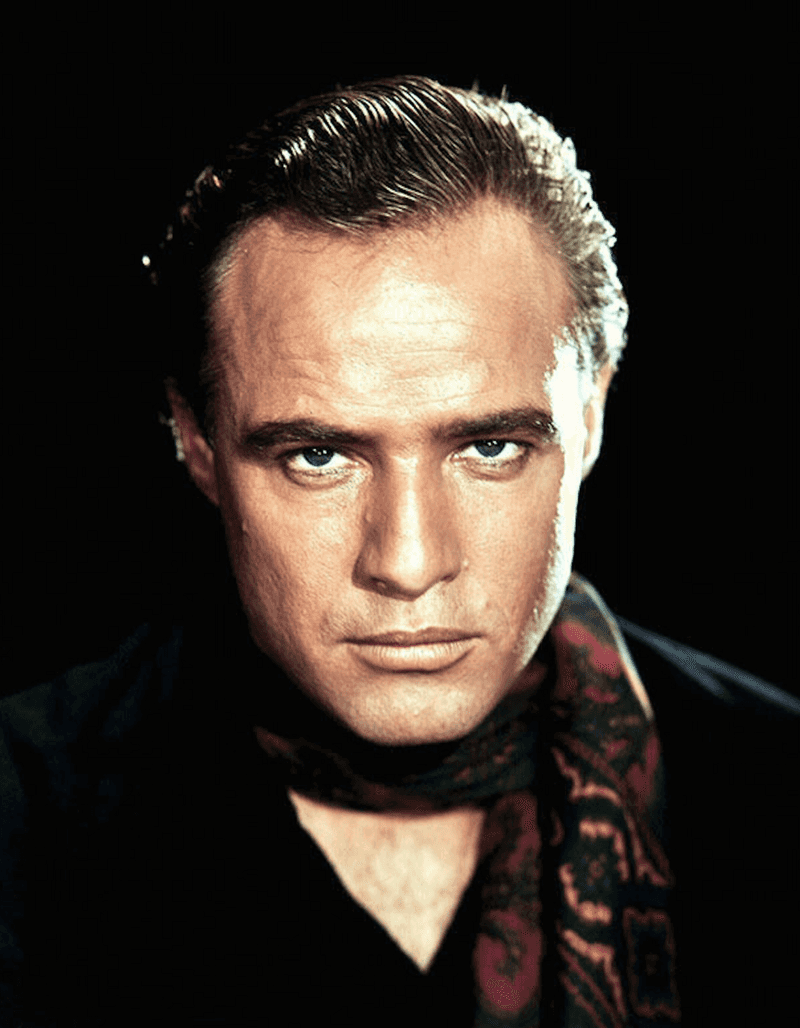
Brando changed everything about how actors approached their roles. Before him, many performances felt theatrical and stiff, but he brought raw emotion and realism to every scene.
His work in On the Waterfront earned him the Best Actor Oscar and showed audiences what true vulnerability looked like on screen. Directors respected him because he took risks others wouldn’t dare attempt.
Even today, acting students study his techniques to understand naturalistic performance and emotional truth.
2. Daniel Day-Lewis
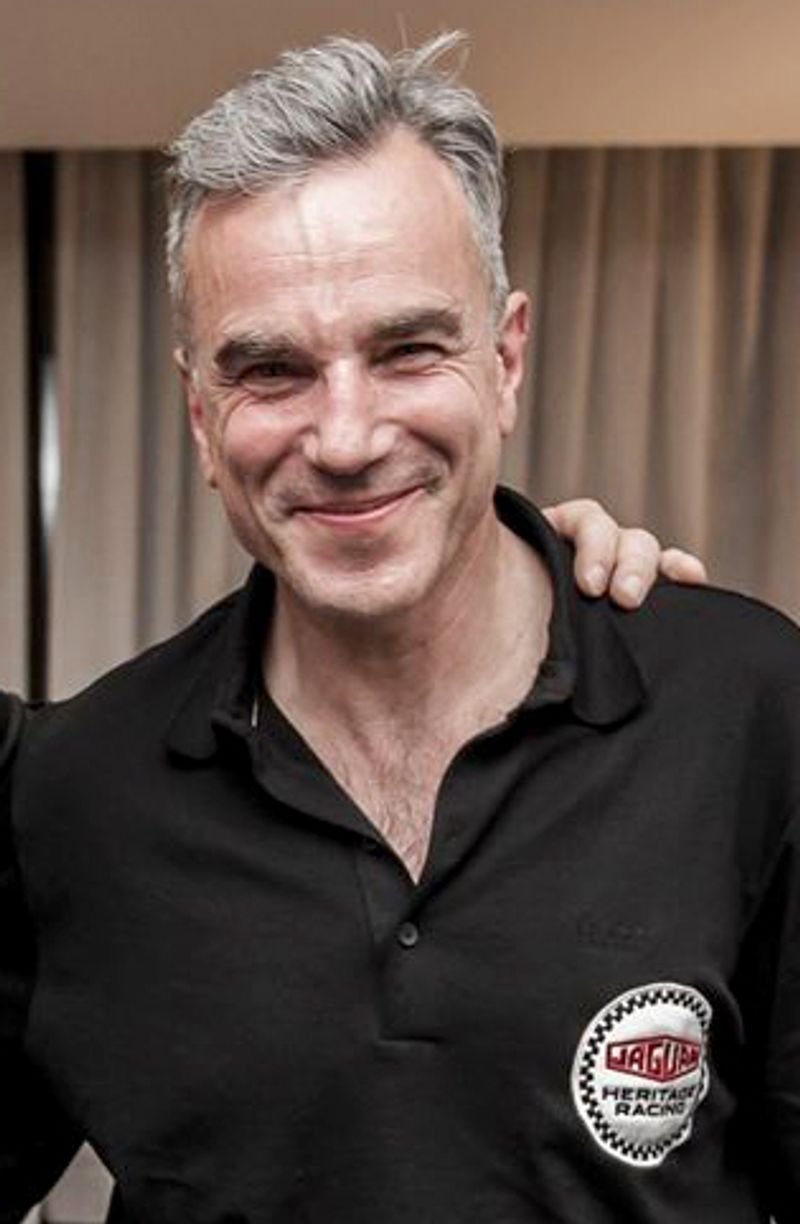
Few actors have ever committed to their craft like Day-Lewis. He famously stays in character throughout entire productions, living as the person he portrays even when cameras stop rolling.
This extreme dedication resulted in three Best Actor Oscars, including one for There Will Be Blood, where his intensity felt almost frightening. Critics describe watching him as witnessing a complete transformation rather than just acting.
His retirement in 2017 left a void that may never be filled in cinema history.
3. Robert De Niro
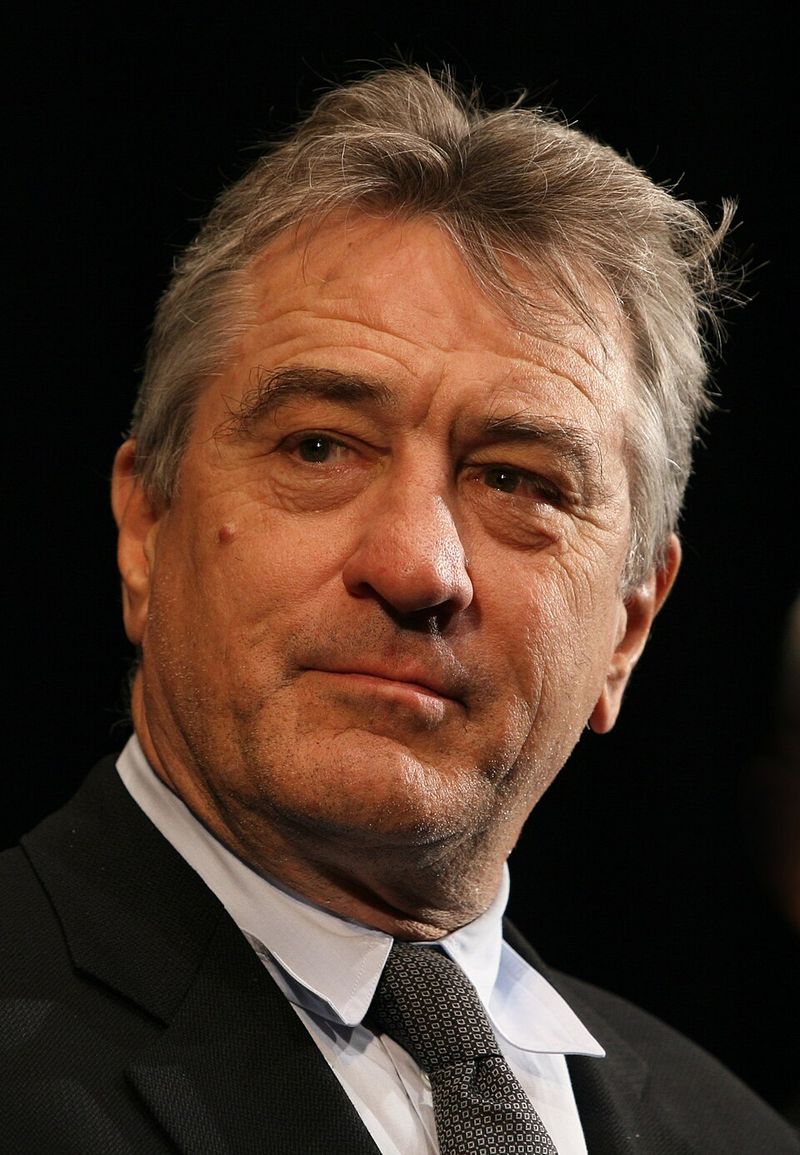
De Niro built a reputation on disappearing into troubled, complex characters. For Raging Bull, he gained 60 pounds and trained as a boxer, earning his Best Actor Oscar through sheer physical and emotional commitment.
His collaborations with Martin Scorsese produced some of cinema’s most memorable moments. Whether playing a taxi driver or a mobster, he brings psychological depth that makes viewers uncomfortable yet unable to look away.
Young actors still reference his work when discussing character preparation.
4. Al Pacino
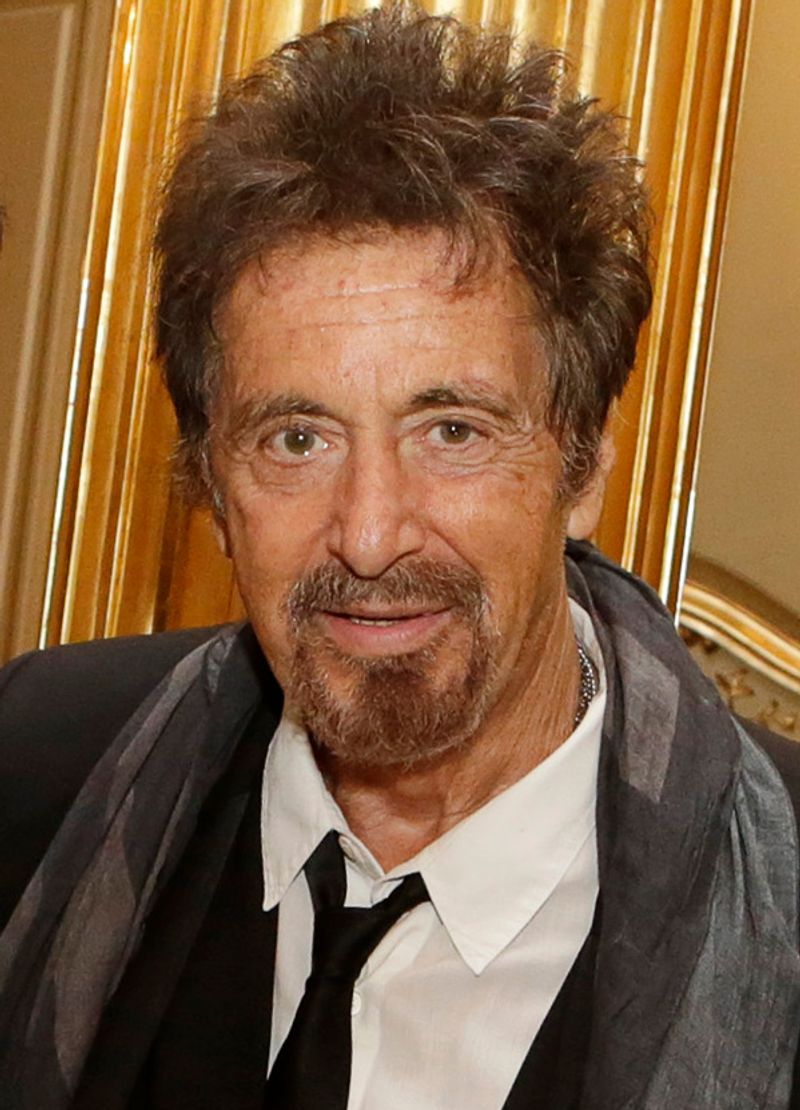
Pacino’s voice alone can command a room, whether he’s whispering or shouting. His ability to shift from quiet intensity to explosive emotion keeps audiences on edge throughout every performance.
Though famous for gangster roles, his Best Actor Oscar came from Scent of a Woman, proving his range extended far beyond crime dramas. Directors value his willingness to take creative risks and push scenes beyond what’s written on the page.
His stage background gives him a theatrical power that translates beautifully to film.
5. Jack Nicholson
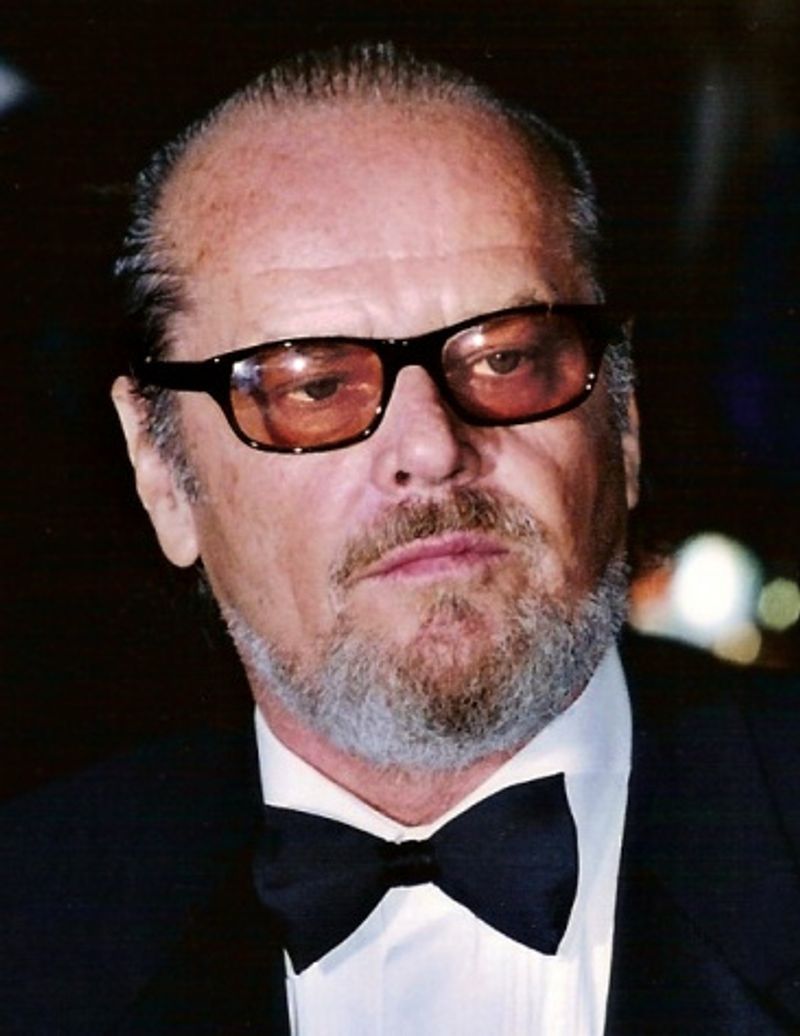
That devilish grin and arched eyebrow became Nicholson’s trademark, but his talent runs much deeper than memorable expressions. He can play charming rebels or terrifying villains with equal skill, always keeping audiences guessing his next move.
His Best Actor Oscar for One Flew Over the Cuckoo’s Nest showcased his ability to balance humor with heartbreak. Filmmakers respect how he brings unpredictability to every role, making even familiar character types feel fresh.
His career spans six decades without losing relevance.
6. Laurence Olivier
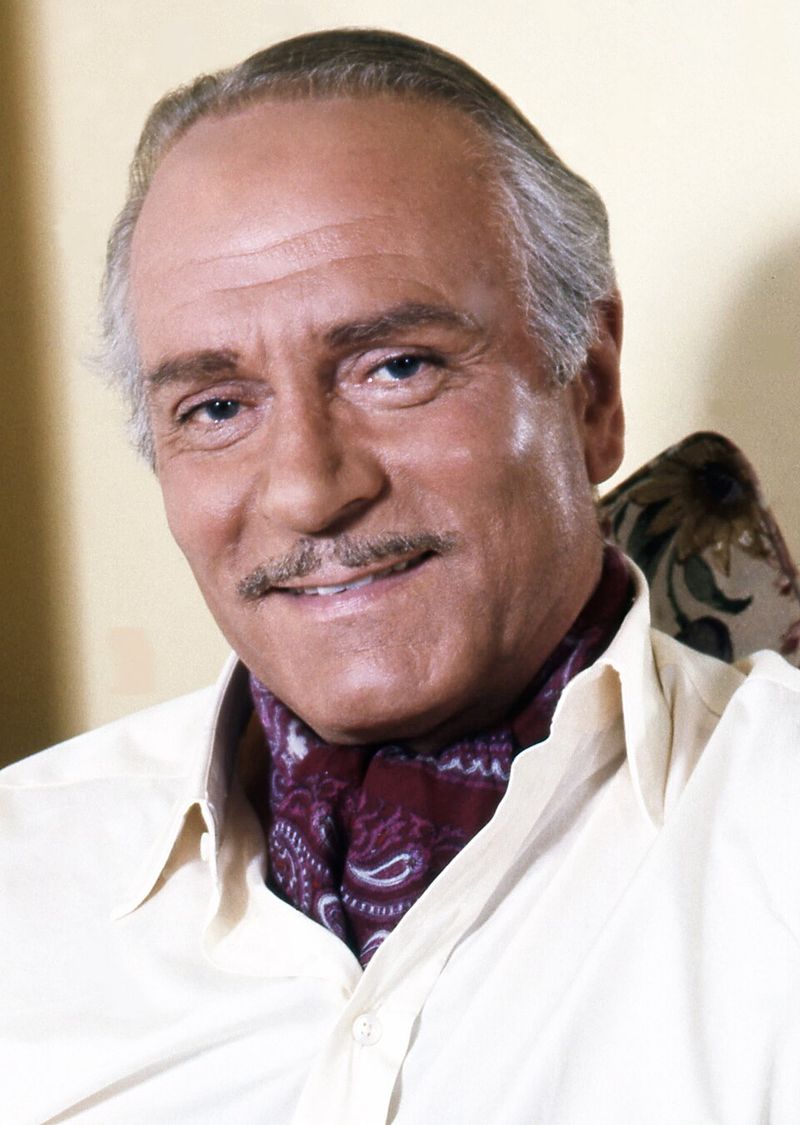
Olivier bridged the gap between classical theater and modern cinema like no one before him. His Shakespearean training gave him a commanding presence that filled every frame, yet he never felt out of place on film.
Winning Best Actor for Hamlet proved that stage actors could master the camera’s intimacy. His influence shaped generations of British actors who followed, teaching them to respect both mediums equally.
Critics consider him the gold standard for bringing literary characters to life on screen.
7. Dustin Hoffman
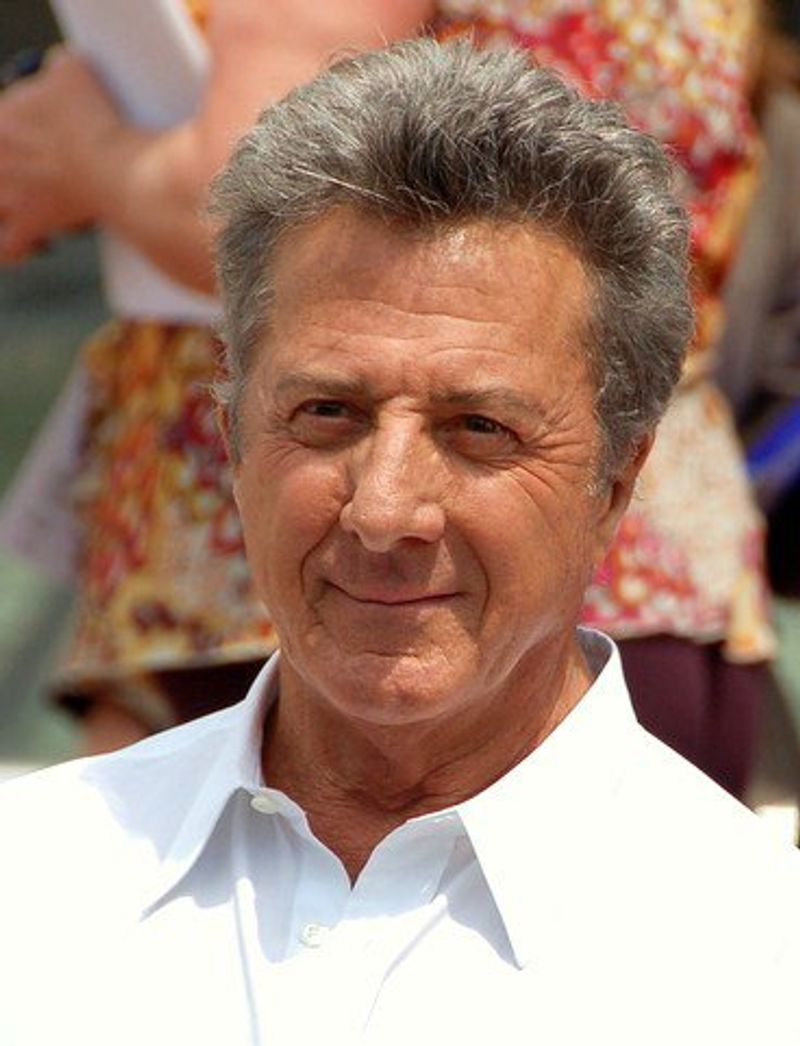
Hoffman proved that leading men didn’t need to be tall, traditionally handsome, or physically imposing. His everyman quality made characters relatable, drawing viewers into emotional journeys rather than just watching from a distance.
The Best Actor Oscar for Rain Man demonstrated his commitment to portraying challenging characters with sensitivity and depth. He researched autism extensively to ensure his performance honored real people’s experiences.
His approach opened doors for character actors to become major stars throughout Hollywood.
8. Anthony Hopkins
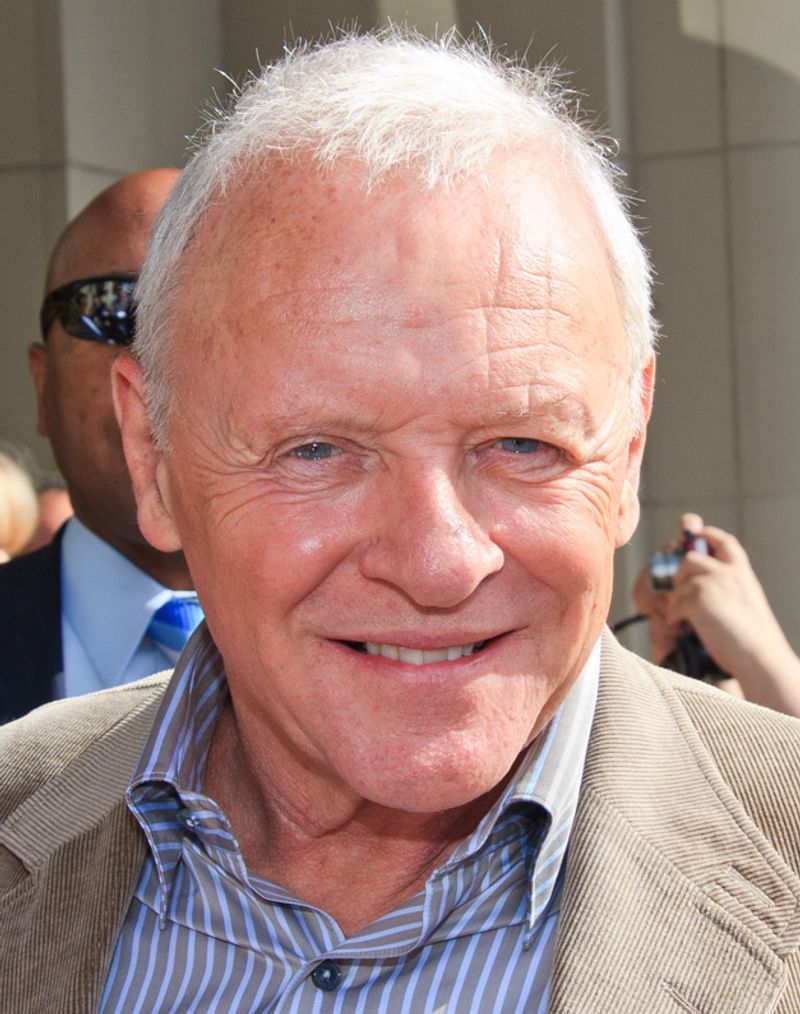
Hopkins can terrify you with just a glance or a pause between words. His controlled precision makes every gesture meaningful, creating tension even in quiet moments that less skilled actors would waste.
Winning Best Actor for The Silence of the Lambs with only 16 minutes of screen time proved his efficiency and impact. He understands that great acting often means doing less, letting silence speak as loudly as dialogue.
Directors trust him to find layers in characters that weren’t obvious on the page.
9. Paul Newman
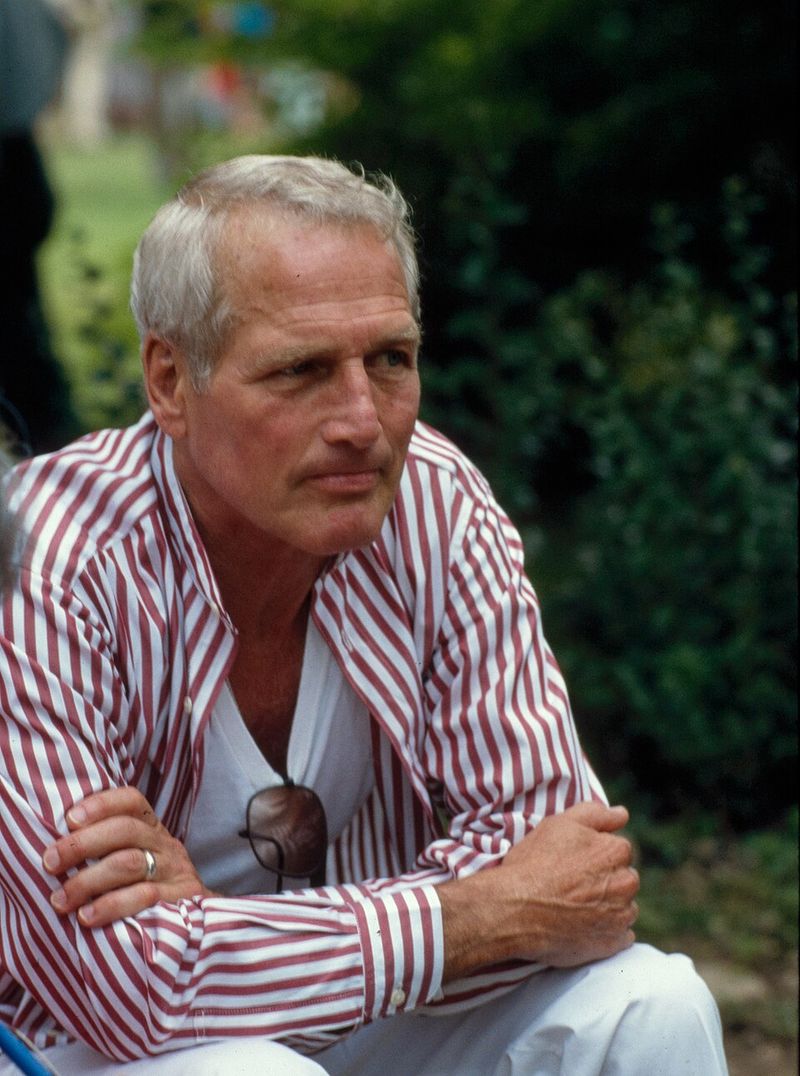
Those famous blue eyes could convey more emotion than most actors manage with entire monologues. Newman played cool, confident characters who always had something deeper brewing beneath the surface, making him endlessly fascinating to watch.
His Best Actor Oscar for The Color of Money came late in his career, finally recognizing decades of brilliant work. Beyond acting, his integrity and philanthropy earned respect far beyond Hollywood’s borders.
He proved that movie stars could maintain dignity and depth throughout long careers.
10. Denzel Washington
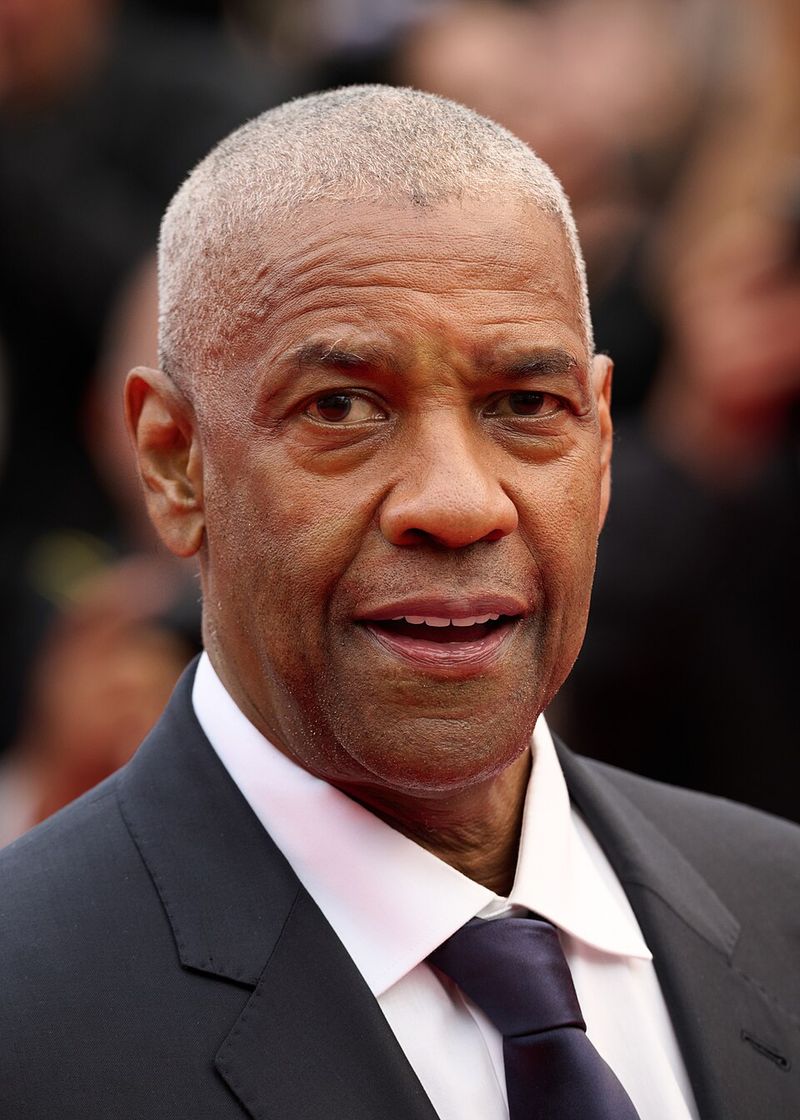
Washington carries authority in every role, whether playing heroes or villains. His commanding voice and physical presence demand attention, but he never relies solely on charisma to carry performances.
The Best Actor Oscar for Training Day showcased his willingness to play against type as a corrupt detective. He brings moral complexity to characters, making audiences question their assumptions about right and wrong.
Modern actors study his work to understand how to balance strength with vulnerability on screen.
11. Tom Hanks
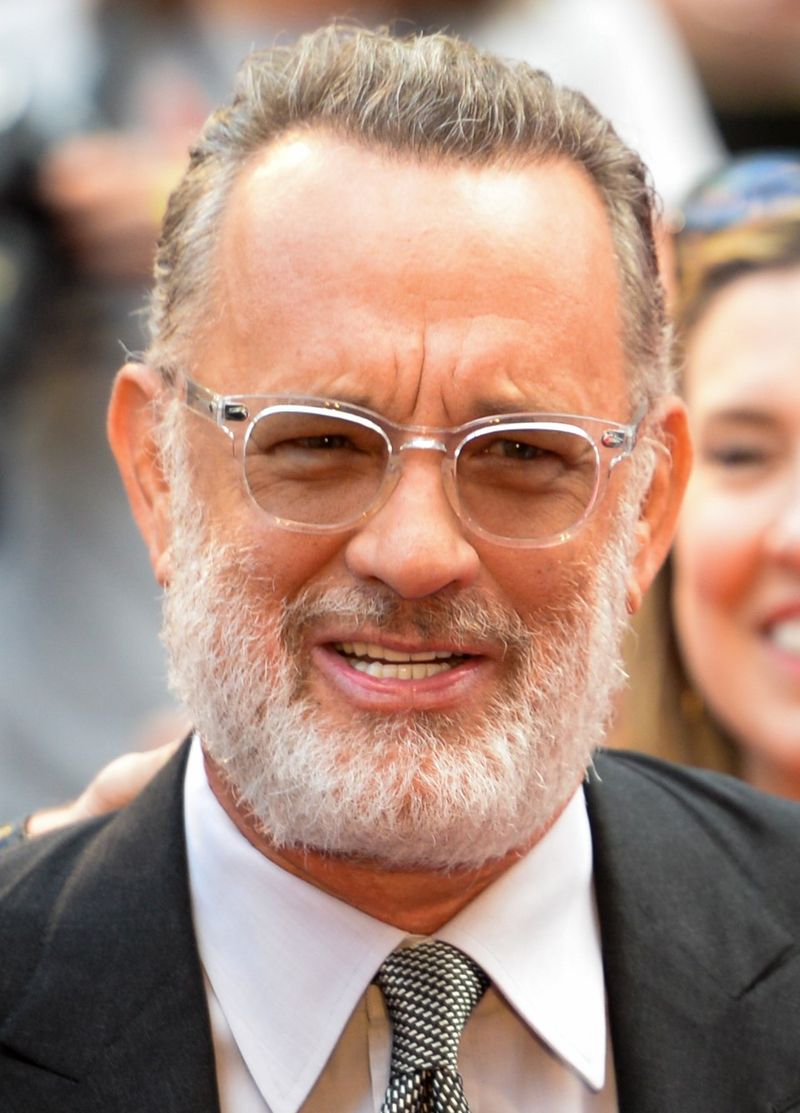
Hanks makes audiences believe in goodness again. His natural warmth and sincerity create characters that feel like friends rather than fictional creations, which explains why people trust him in any role.
Winning Best Actor for Forrest Gump required playing a character with intellectual disabilities without ever mocking or condescending to him. His versatility lets him anchor comedies, dramas, and thrillers with equal effectiveness.
Few actors have maintained such consistent quality and likability across four decades of stardom.
12. Morgan Freeman
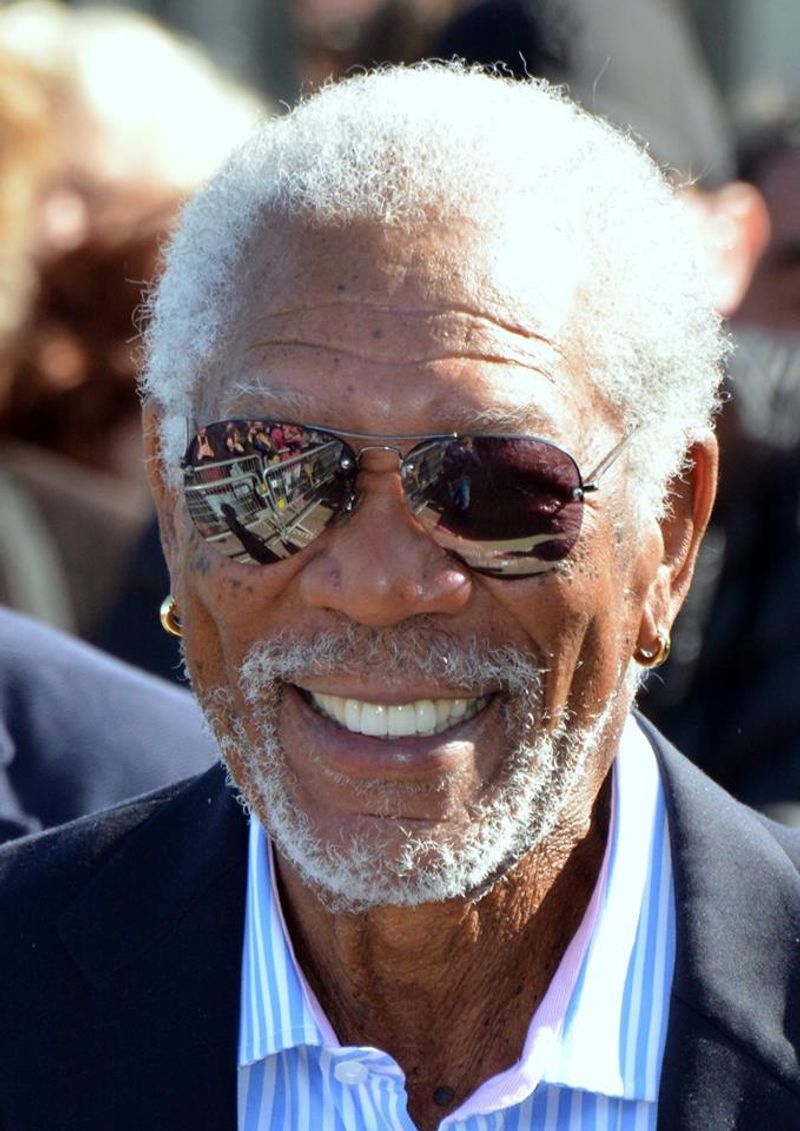
Freeman’s voice has become synonymous with wisdom itself. That distinctive tone combined with his calm, steady presence makes him the perfect narrator for both stories and characters seeking guidance.
His Best Supporting Actor Oscar for Million Dollar Baby recognized decades of elevating every project he joined. Even small roles become memorable when he brings his thoughtful approach to the material.
Directors know that casting Freeman automatically adds credibility and emotional weight to their films.
13. Sidney Poitier
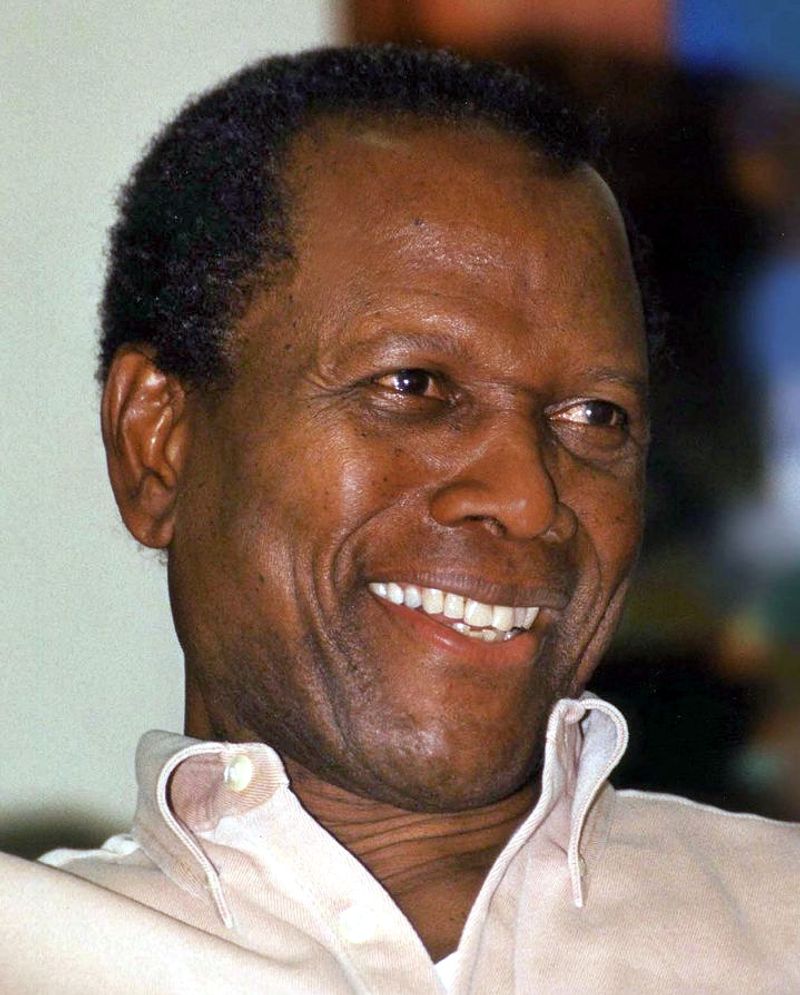
Poitier broke barriers that seemed unbreakable in his era. As the first Black actor to win the Best Actor Oscar for Lilies of the Field, he opened doors for countless performers who followed in his footsteps.
His dignified performances challenged stereotypes and forced Hollywood to recognize talent beyond racial boundaries. He chose roles carefully, refusing parts that would demean or diminish the progress he worked to achieve.
His cultural impact extends far beyond his impressive acting abilities alone.
14. Spencer Tracy
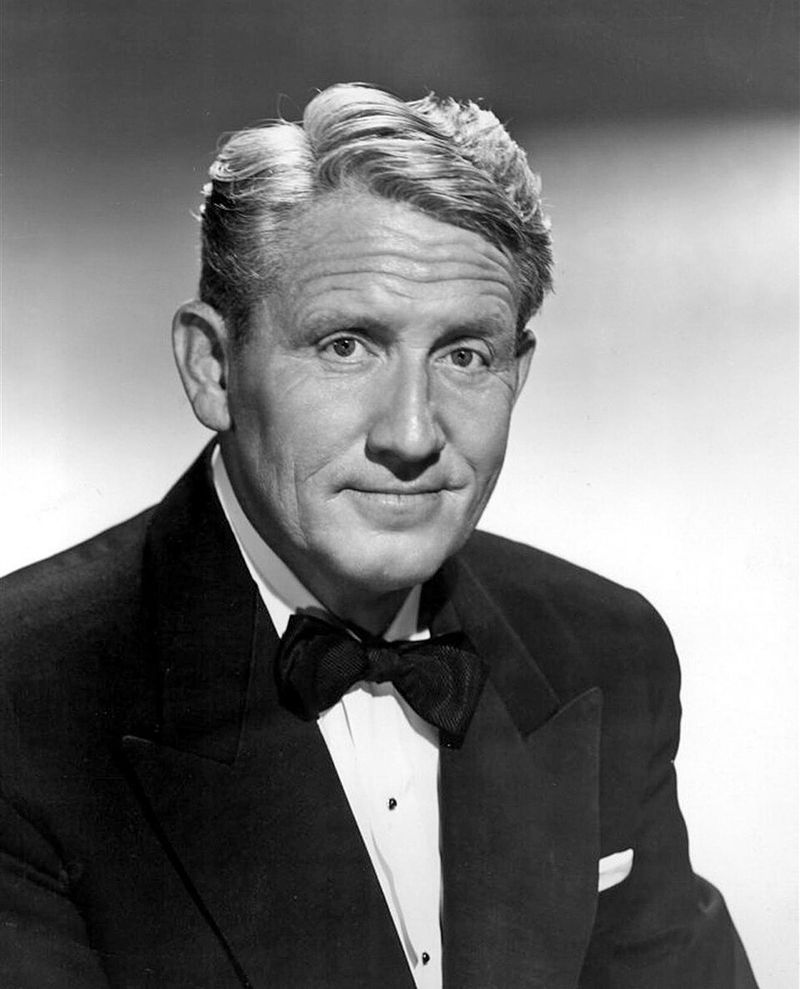
Tracy made acting look effortless, which actually proves how skilled he truly was. His naturalistic style felt modern even in the 1930s and 1940s, when most actors still performed with theatrical exaggeration.
Winning Best Actor for Captains Courageous demonstrated his range and emotional intelligence. He understood that great acting means reacting honestly to other performers rather than just delivering lines perfectly.
Film students still watch his work to understand the fundamentals of screen acting done right.
15. Gregory Peck
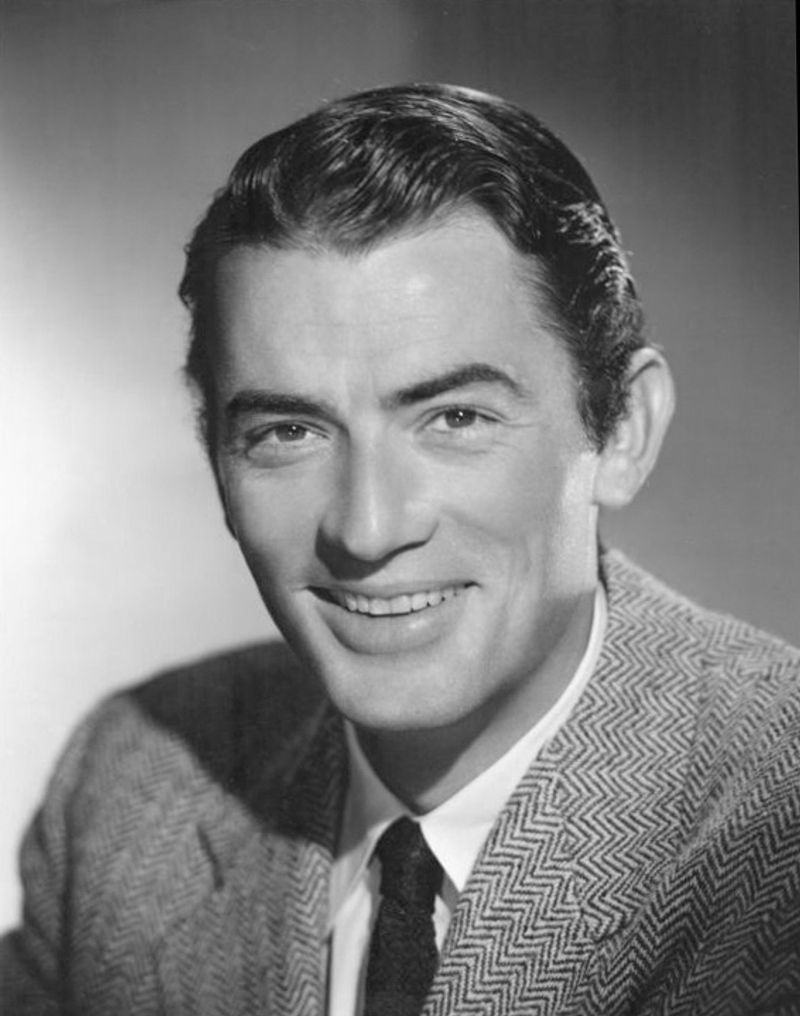
Peck embodied integrity on screen like few actors before or since. His tall, steady presence and warm voice made him perfect for playing heroes audiences could believe in and admire without reservation.
The Best Actor Oscar for To Kill a Mockingbird came from playing Atticus Finch, perhaps the most morally upright character in American cinema. He brought quiet strength to roles, proving that heroism doesn’t require shouting or violence.
His legacy includes both excellent performances and the values he represented through his choices.
16. Humphrey Bogart
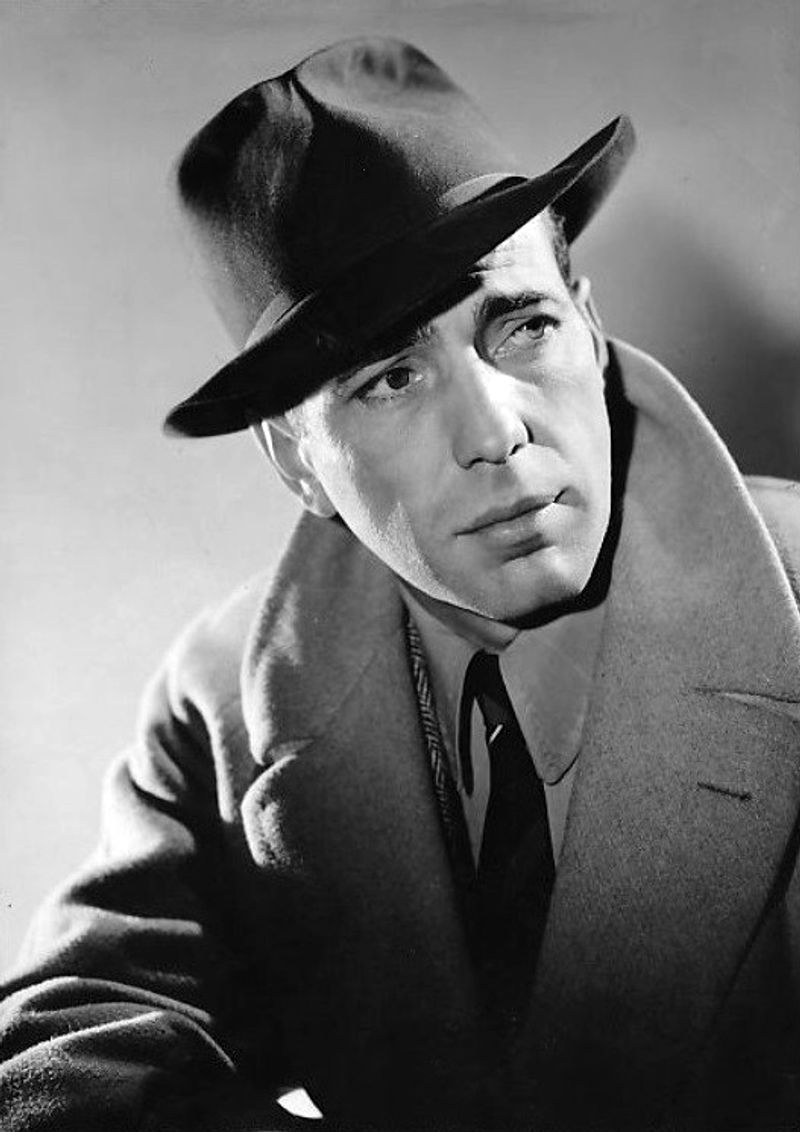
Bogart’s tough-guy persona hid surprising emotional depth. He could play cynical detectives and world-weary adventurers while still revealing the vulnerability and loneliness underneath the hard exterior.
His Best Actor Oscar for The African Queen showed his range beyond noir thrillers. That distinctive voice and weary expression became shorthand for a certain type of American masculinity that balanced toughness with sensitivity.
Film noir wouldn’t exist in its current form without his definitive performances establishing the genre’s tone.
17. Orson Welles
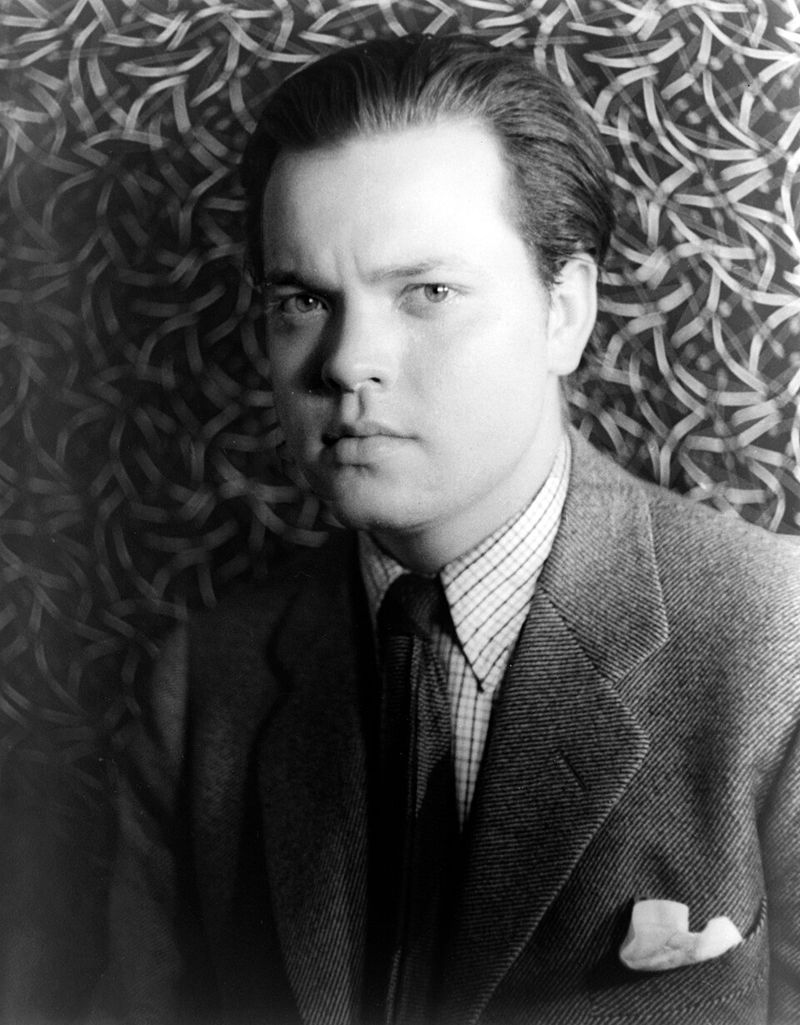
Welles revolutionized filmmaking as both director and actor. His commanding voice and imposing physical presence made him unforgettable on screen, while his innovative techniques changed how movies were made.
Winning an Oscar for Citizen Kane‘s screenplay proved his genius extended beyond performance. He understood cinema as a complete art form, using acting as just one tool in creating unforgettable experiences.
His influence on filmmaking continues to inspire directors and actors who want to push creative boundaries today.
18. Gene Hackman
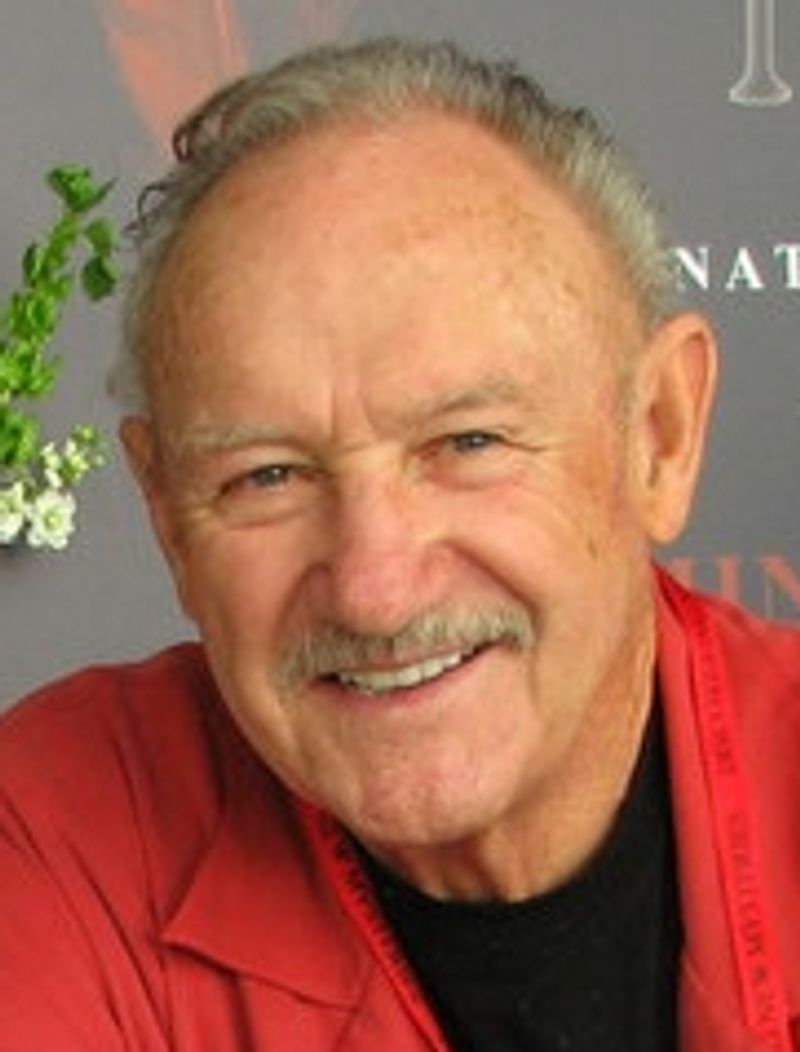
Hackman never called attention to his technique, which made his performances feel completely real. He could play cops, criminals, or everyday people with the same commitment to authenticity and emotional truth.
His Best Actor Oscar for The French Connection showcased his gritty, no-nonsense approach. Unlike flashier actors, he focused on making characters believable rather than memorable, though he achieved both anyway.
Directors appreciated his professionalism and ability to elevate material through subtle, intelligent choices that served the story.
19. Michael Caine
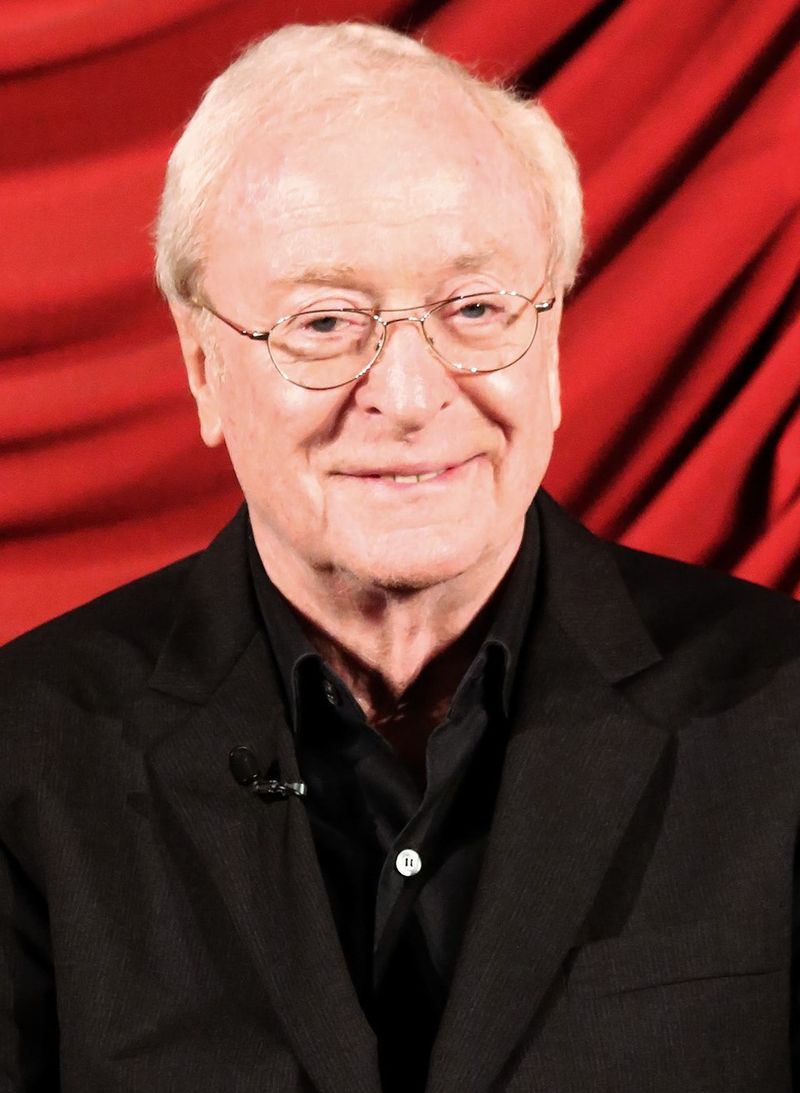
That distinctive Cockney accent became Caine’s signature, but his talent extends far beyond a recognizable voice. He moves seamlessly between comedy and drama, often blending both within single performances.
Winning Best Supporting Actor for Hannah and Her Sisters proved his range beyond the action roles that made him famous. He can play menacing villains, wise mentors, or charming rogues with equal conviction and skill.
His longevity in Hollywood comes from adapting to changing times without losing his essential character.
20. Sean Connery
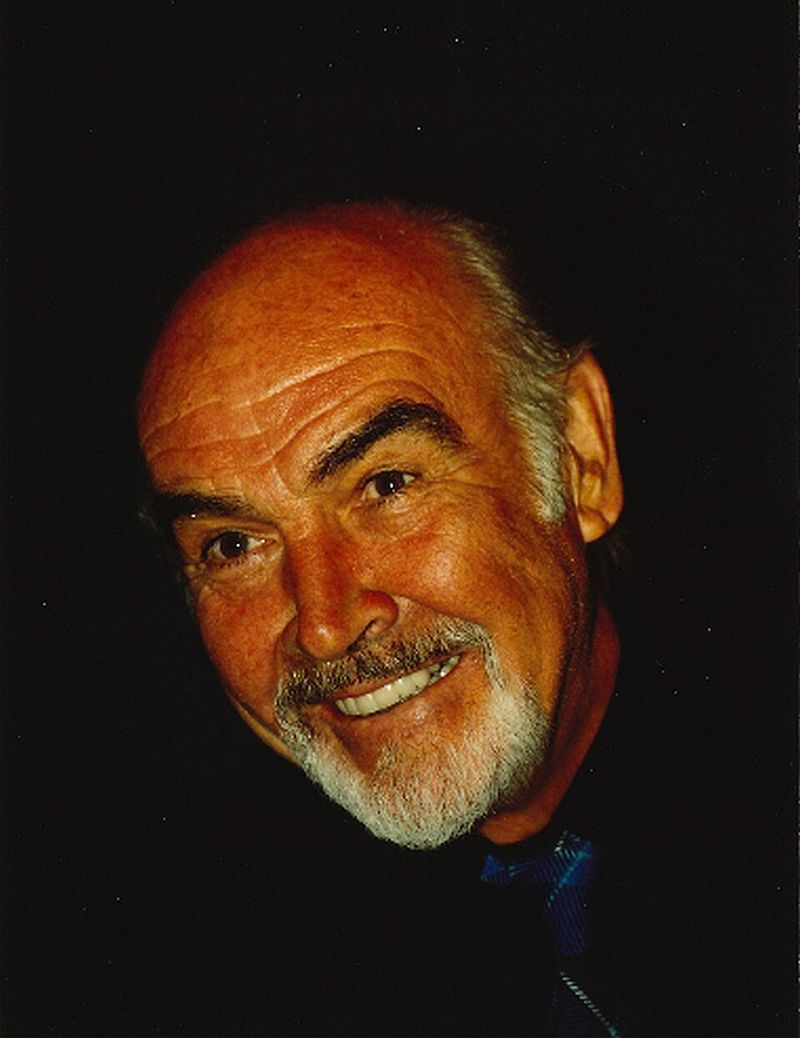
Connery defined James Bond so completely that every subsequent actor gets compared to his interpretation. Yet he proved his dramatic abilities extended far beyond the spy franchise that made him a household name.
His Best Supporting Actor Oscar for The Untouchables came from playing a tough Irish cop with warmth and wisdom. That Scottish accent and confident swagger made him compelling in everything from action films to intimate dramas.
He maintained star power across five decades without ever seeming desperate or outdated.
21. Gary Oldman
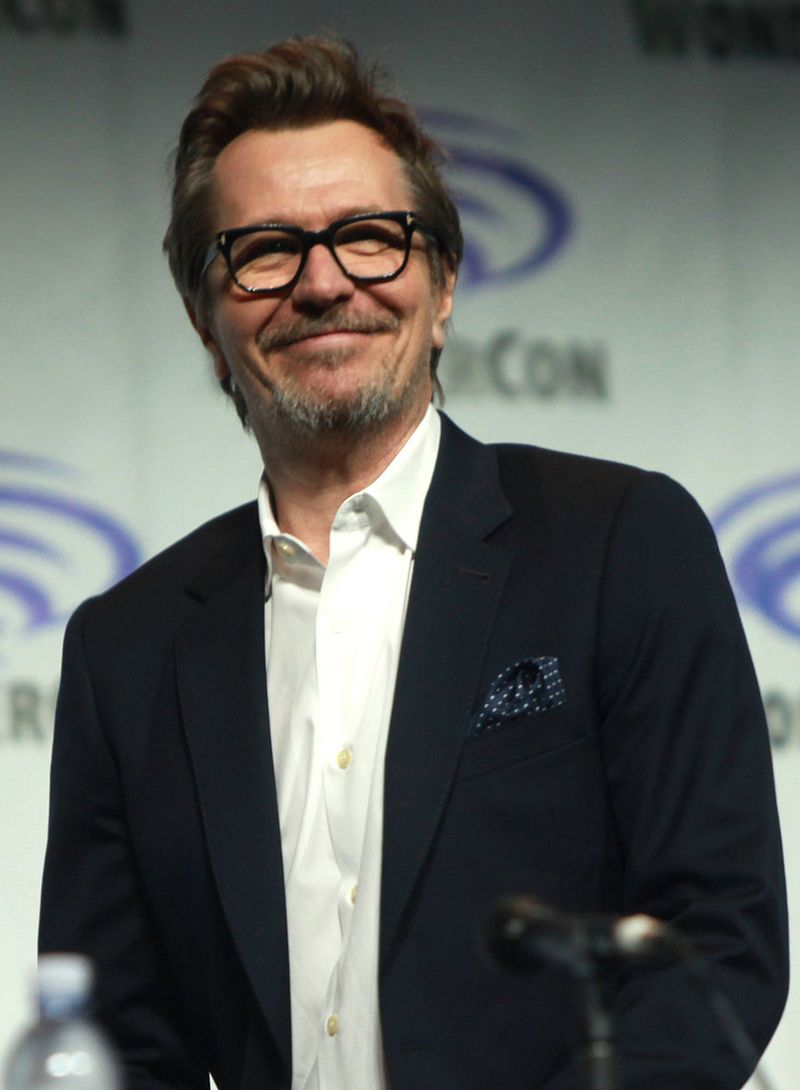
Oldman disappears so completely into roles that many viewers don’t realize they’re watching the same actor across different films. He transforms his voice, posture, and entire physical presence to become unrecognizable between projects.
The Best Actor Oscar for Darkest Hour required him to become Winston Churchill through extensive makeup and vocal work. Unlike actors who bring themselves to every role, he erases himself to let characters emerge fully formed.
Fellow actors consider him one of the greatest chameleons in cinema history.
22. Philip Seymour Hoffman
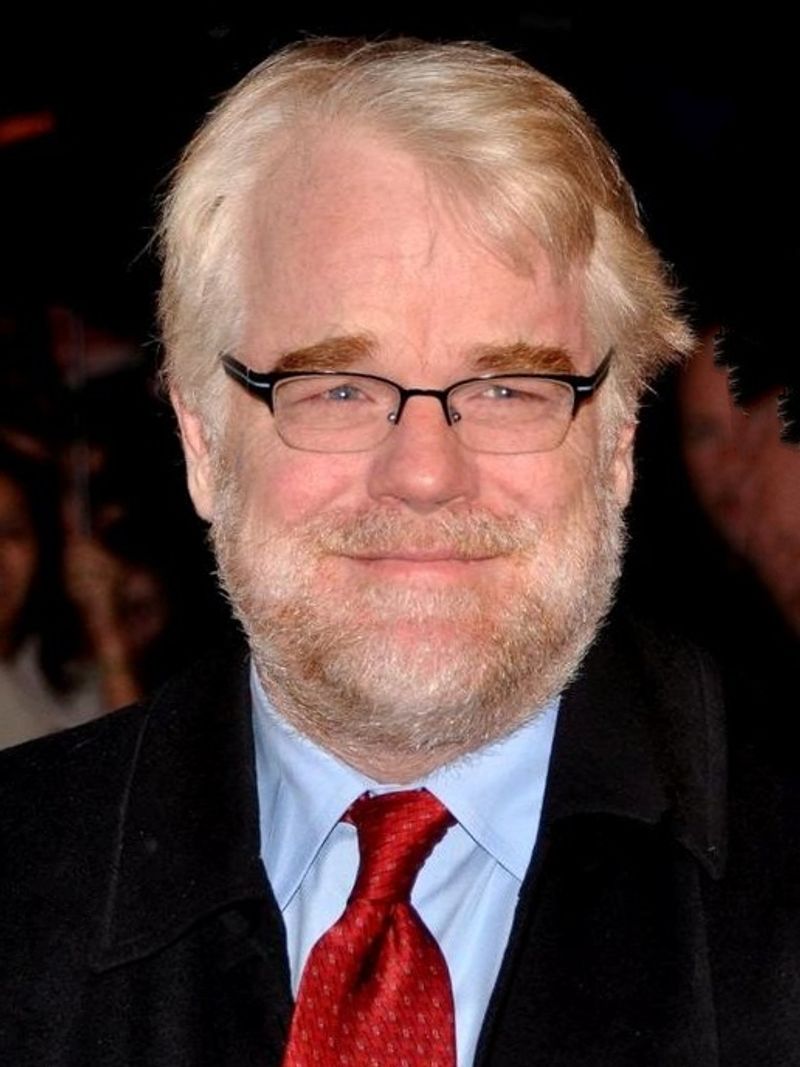
Hoffman specialized in playing uncomfortable, complicated people who felt painfully real. His performances created empathy for characters others might have made simply unlikable or one-dimensional.
Winning Best Actor for Capote required capturing a unique personality without resorting to cheap imitation. He understood that vulnerability could be powerful, showing audiences the fragility beneath confident or aggressive exteriors.
His early death robbed cinema of one of its most gifted interpreters of complex human psychology and emotion.
23. Christian Bale
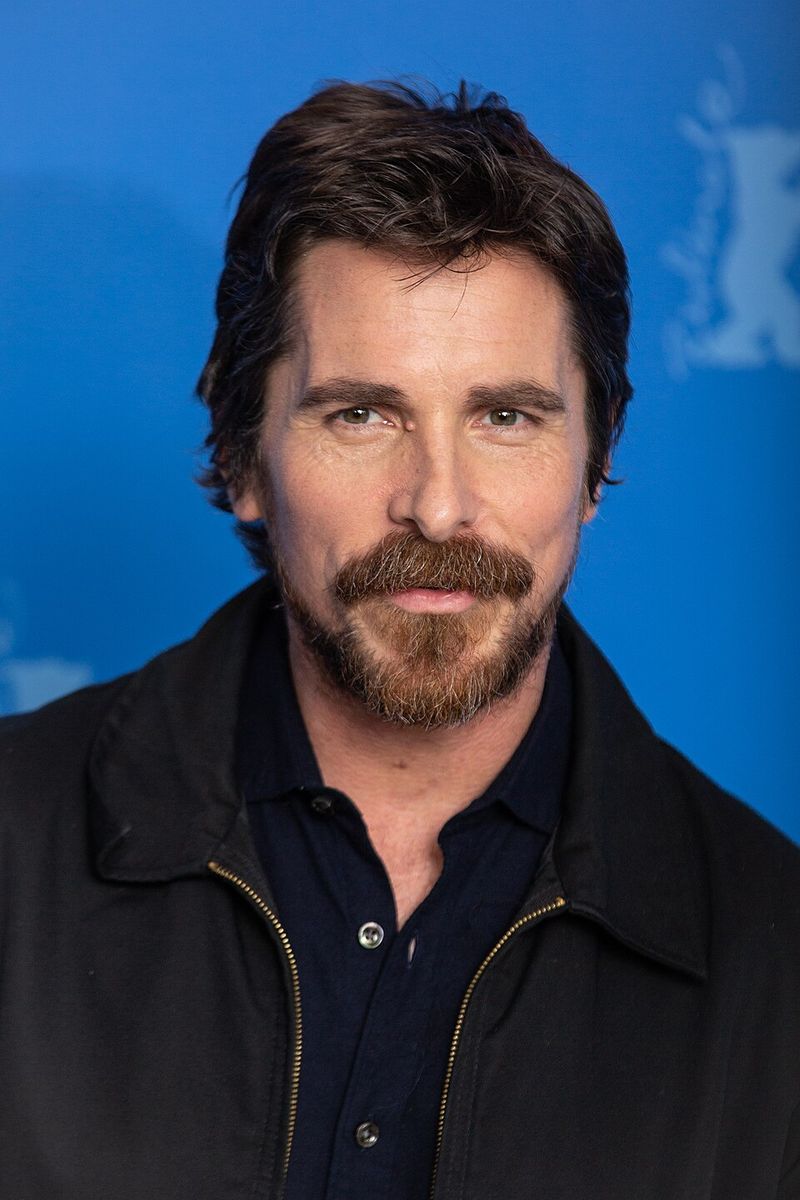
Bale’s physical transformations between roles border on dangerous. He gains and loses extreme amounts of weight, alters his voice dramatically, and reshapes his entire body to match characters’ specific requirements.
His Best Supporting Actor Oscar for The Fighter came from playing a drug-addicted former boxer with heartbreaking authenticity. But the physical changes always serve deeper character work rather than just showing off technical skill.
Directors know he’ll commit completely to whatever the role demands, no matter how extreme the requirements.
24. Leonardo DiCaprio
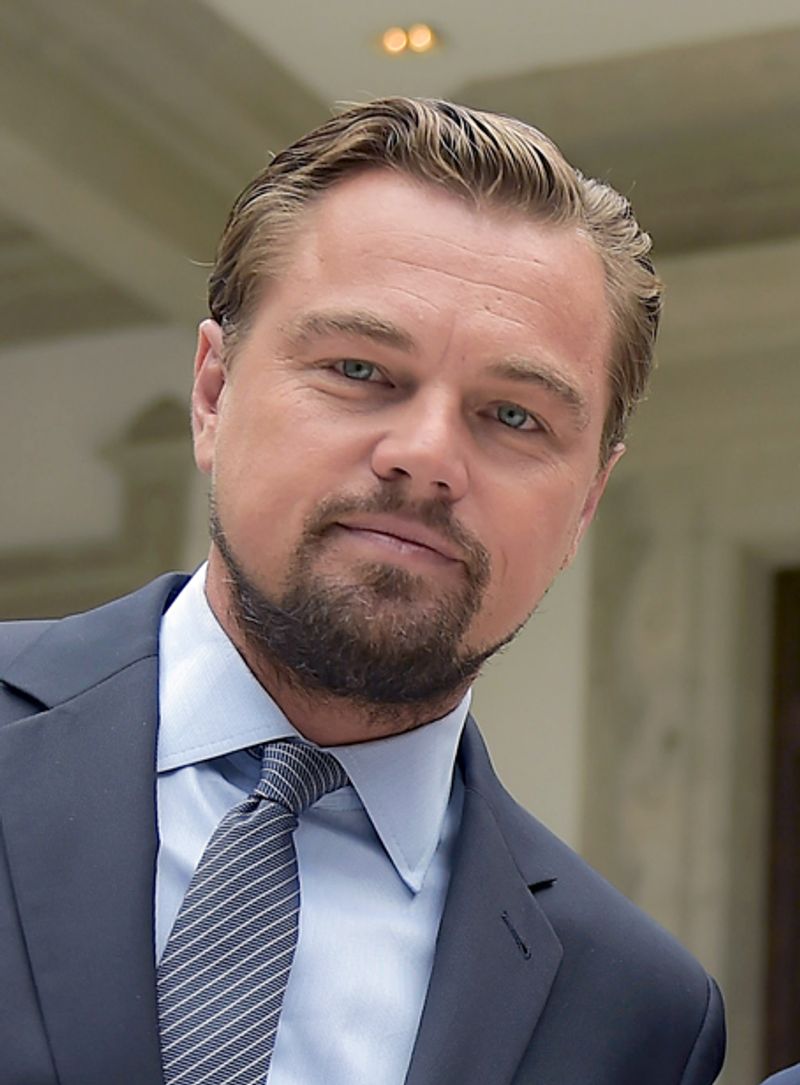
DiCaprio could have coasted on his looks and early fame, but instead chose challenging projects with demanding directors. His collaboration with Martin Scorsese produced some of modern cinema’s most intense performances.
The Best Actor Oscar for The Revenant required enduring brutal physical conditions to portray survival and revenge. He consistently picks roles that push his abilities rather than repeating comfortable formulas that made him successful.
His environmental activism and careful role selection have earned respect beyond his considerable acting talents.
25. Joaquin Phoenix
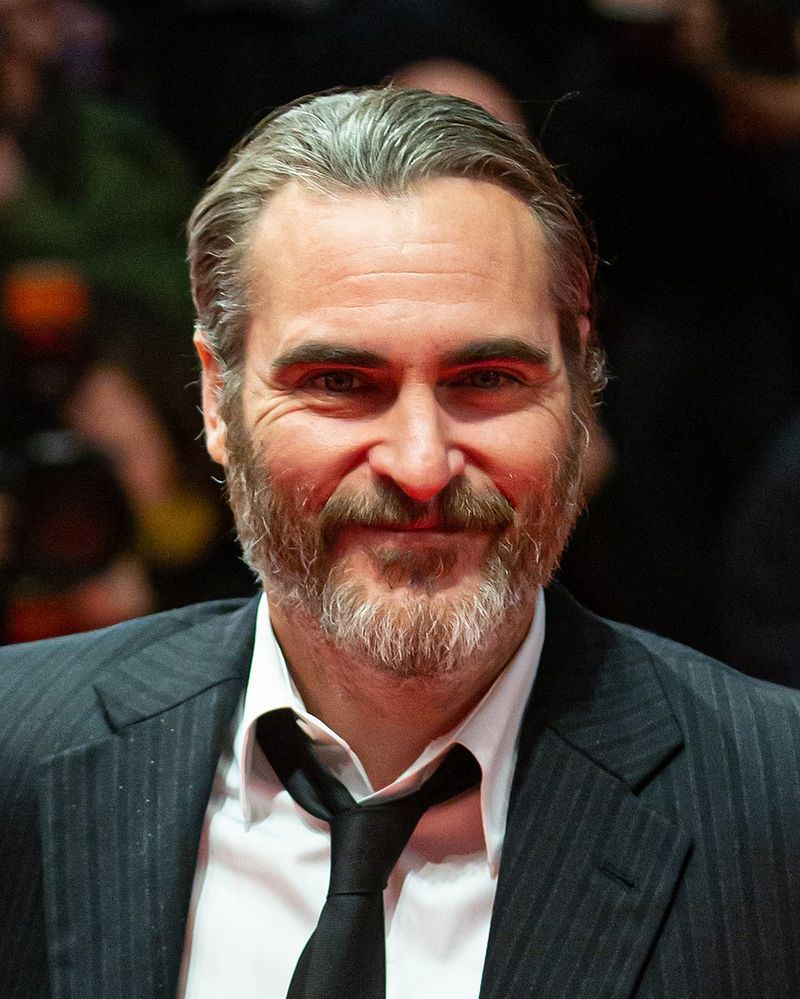
Phoenix brings unpredictability to every performance, making audiences genuinely uncertain what his characters might do next. His intensity burns through the screen, creating discomfort that serves the stories he tells.
Winning Best Actor for Joker required finding humanity in a character descending into violence and madness. He commits emotionally and physically to roles in ways that feel almost reckless, holding nothing back for safety or comfort.
Critics describe watching him as witnessing raw emotion without filters or protection from the darkness he explores.
Share this story