A California startup wants to bounce sunlight from orbit onto Earth after dark, and the idea is stirring up serious debate. Supporters picture brighter nights for emergencies and extended productivity, while critics see threats to astronomy, wildlife, and sky quality.
You deserve clear facts without hype, so here is what is known and what remains uncertain. Read on to understand the technology, timelines, and the tradeoffs that could shape our nights for decades.
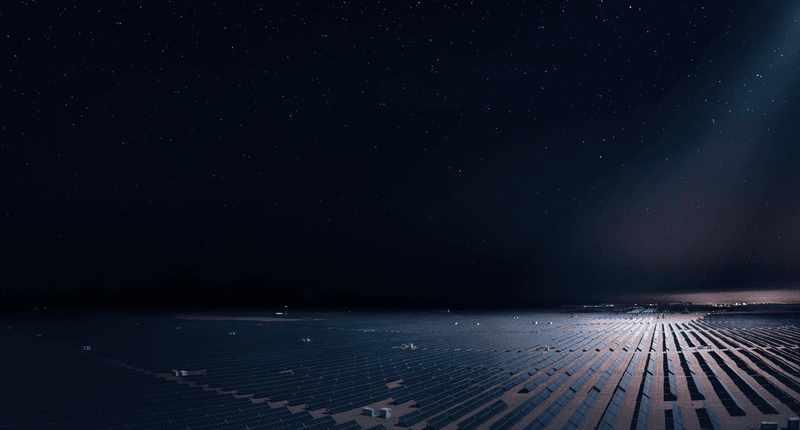
Reflect Orbital exists as an incorporated U.S. startup pursuing orbital mirror technology. Public records show filings, early funding, and regulatory submissions that place it beyond rumor and into the realm of active development.
You can treat this as a real proposal with timelines and stakeholders, not a thought experiment.
Still, being real is not the same as being ready. Early startups often pivot, pause, or fold when engineering, capital, or regulatory hurdles mount.
Until hardware flies and data arrives, most claims remain provisional and subject to change.
If you are scanning headlines for sci-fi, this is closer to a moonshot prototype than a blockbuster deployment. The company is seeking approvals and partnerships while testing the smallest viable steps.
Watch for filings, launch contracts, and technical papers as meaningful signals of progress.
The concept is straightforward: place reflective satellites in low Earth orbit to bounce sunlight onto chosen ground targets after sunset. That redirected light could supplement energy needs, aid disaster response, or extend outdoor work hours.
You can think of it like steering a giant orbital flashlight, except the beam is sunlight.
Operationally, pointing and timing are everything. The mirrors have to orient precisely, account for orbital motion, and hit moving targets on Earth with minimal dispersion.
Weather, atmosphere, and safety constraints add complexity.
In practice, coverage would be intermittent as satellites pass overhead. Brightness would vary with angle, altitude, and mirror size.
If you need predictable lighting, ground systems may still be more reliable, but the idea promises light where none exists today, potentially bridging gaps during emergencies and remote operations.
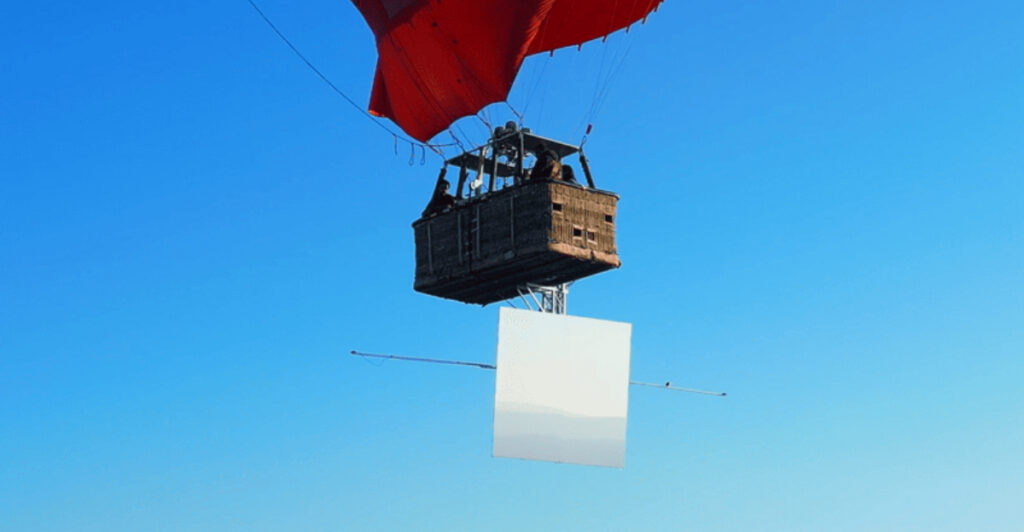
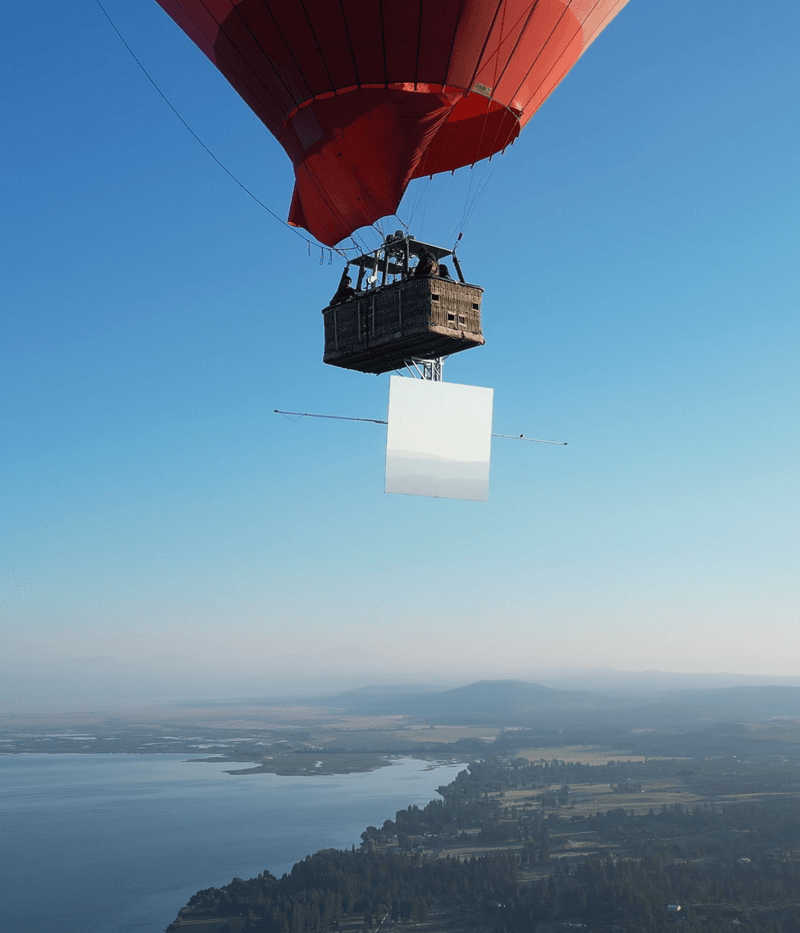
Reflect Orbital has outlined a demonstration mission called EARENDIL-1, targeted for 2026. The goal is modest but pivotal: deploy a reflective sheet in space, control its attitude, and measure ground illumination.
You get a first reality check on brightness, stability, and pointing accuracy.
Demonstrations like this set the baseline for risk and investment. If deployment tangles or control glitches occur, timelines can slip quickly.
If data looks promising, follow-on payloads could iterate fast.
For you, the 2026 date is a waypoint, not a guarantee. Launch rides, integration schedules, and regulatory reviews often shift.
The best signal will be finalized launch contracts and a published test plan describing measurement sites, safety protocols, and independent verification methods.
Regulatory filings describe a thin reflective sheet around 18 by 18 meters for the test vehicle. That is roughly the footprint of a small building, yet mass stays low thanks to ultralight films.
You can imagine a shimmering square sail unfolding from a compact bus.
Large area means stronger illumination potential, but also higher drag, more complex dynamics, and increased collision cross-section. Engineers must manage wrinkling, thermal expansion, and micrometeoroid punctures while maintaining precise shape.
On the ground, brightness depends on mirror size, reflectivity, angle, and atmospheric scatter. An 18-meter sheet is a proof of concept, not a city-scale light source.
It provides measurable spots for instruments and observers, enabling real data on how bright a beam gets and how sharply it can be focused across different viewing geometries.
The headline number of 4,000 satellites represents a possible future constellation, not a funded program. Think of it as a scenario to explore coverage, revisits, and cumulative brightness.
You should not expect thousands of mirrors anytime soon.
Scaling requires manufacturing pipelines, reliable launches, debris mitigation, and sustained capital. Each additional satellite compounds collision risk and adds to night-sky brightness concerns.
Regulators will scrutinize those impacts before allowing rapid growth.
For stakeholders, the useful question is not can it scale, but should it and where. Niche use cases might justify dozens, not thousands.
Expect phased deployments, performance gates, and stronger opposition as numbers rise. Long-term projections remain speculative until low-rate operations prove safe, economical, and publicly acceptable.
As of now, no reflective satellites from Reflect Orbital are in orbit. There is no nighttime illumination service you can subscribe to or observe.
Any images you see online are renderings or simulations, not operational beams.
This matters because public perception can outrun reality. Without flight data, predictions about brightness, safety, and utility are still models awaiting calibration.
Policy debates benefit from patience until measurements arrive.
If you want to track progress, follow launch manifests and regulatory notices. Field tests will likely involve limited-duration passes with agreed observation campaigns.
Until then, treat sensational claims skeptically and focus on verifiable milestones like hardware readiness and independent test protocols.
The proposed orbits keep satellites sunlit while ground locations are dark, enabling nighttime reflection. Sun-synchronous or high-inclination paths can maintain favorable geometry during target windows.
You get access to sunlight even hours after local sunset.
Continuous illumination for the satellite does not mean continuous light on the ground. Pass duration, Earth’s rotation, and orbital mechanics limit how long a spot receives a bright beam.
Thermal cycling, power, and attitude demands also constrain operations.
For planning, operators would schedule short illumination windows with precise timing. That can help emergency responders or field teams who can prepare for brief, bright passes.
If you expect streetlight-like continuity, though, current designs will not deliver it without immense constellation sizes and complex coordination.
Experts estimate that directly under a beam, brightness could exceed natural moonlight for brief intervals. For observers and instruments, that means sudden washouts, saturated pixels, and ruined exposures.
You might notice a fast moving patch of light sweeping across terrain.
Brightness depends on mirror size, angle, and atmospheric scattering. Even with constraints, occasional high-intensity glints are plausible and troubling for sensitive telescopes.
Observatories plan nights around darkness, not surprise beams.
If limits are not enforced, cumulative effects from multiple passes could degrade data quality. Scientists are pushing for strict brightness caps and coordination tools.
Until hard numbers are validated in the field, many observatories will assume worst-case scenarios to protect scarce observing time.
Because the satellite is orbiting, its reflected spot races across Earth’s surface. You would not get a stationary pool of light, but a moving sweep.
That motion makes coordinated use possible but complicates steady illumination for tasks like construction.
Spot speed depends on altitude and geometry, often hundreds of kilometers per minute. Even if brightness peaks briefly, the usable window might last seconds to a few minutes.
Tracking systems on the ground could chase the beam, yet logistics become demanding.
For safety, operators must avoid illuminating sensitive sites and aircraft. Predictive path modeling and geofencing are essential.
If you plan on photography, astronomy, or wildlife monitoring, expect transient effects rather than persistent glare.
Astronomers fear intentional bright reflections could wash out faint stars, interfere with telescope observations, and streak long exposures. If scaled to many satellites, impacts could compound to catastrophic levels for deep surveys.
You would see more trails in images and fewer clean datasets.
Mitigation ideas include capping brightness, restricting passes near observatories, and publishing schedules. However, fast glints and weather dependencies limit guarantees.
The burden often falls on scientists to salvage data.
Expect strong pushback from major facilities and sky protection groups. They will demand environmental assessments, brightness thresholds, and enforceable coordination.
Until credible protections exist, many will argue that this lighting scheme jeopardizes public science.
Active satellites have surged from roughly 2,000 in 2019 to well over 15,000 today. Mega-constellations plan hundreds of thousands more units in coming years.
You are living through a rapid densification of near Earth space.
Reflective satellites would add a distinct kind of brightness on top of existing albedo and specular glints. Cumulative light pollution may degrade both amateur and professional observations.
Traffic management and debris risks also rise with every new fleet.
Policy momentum is building for stricter brightness standards and deorbit timelines. If this project advances, it will be judged against a backdrop of crowded skies and heightened scrutiny.
Expect regulators to weigh cumulative effects, not just single-satellite behavior.
Artificial light at night disrupts bird migration, insect behavior, amphibian breeding, and predator prey dynamics. Introducing mobile beams into dark habitats could compound these stresses.
You might not notice immediately, but ecosystems are sensitive to timing, wavelength, and intensity.
Orbital lighting could pierce protected dark areas that ground lights currently spare. Even short flashes can alter orientation cues or feeding patterns.
Scientists will push for ecological studies before broad deployments.
Mitigations include limiting wavelengths, capping brightness, avoiding breeding seasons, and geofencing sensitive corridors. Yet enforcement at scale is hard.
If you value dark skies and biodiversity, treat ecological impact as a central risk, not a footnote.
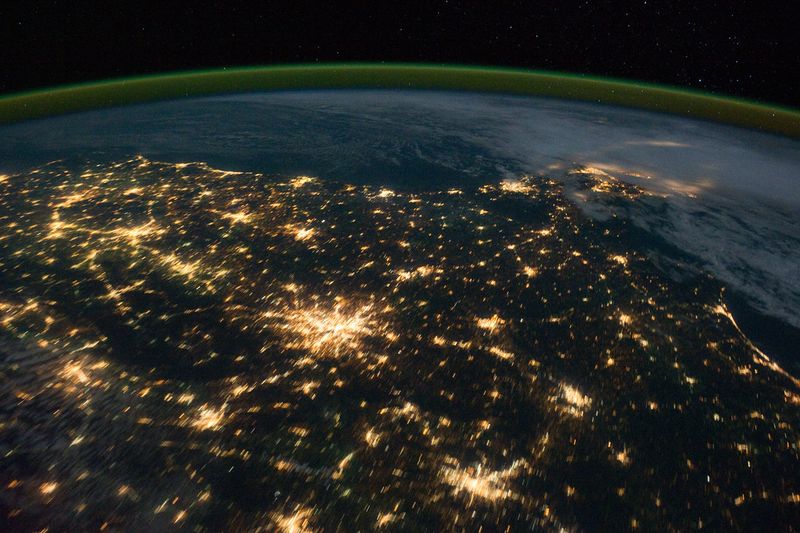
Space law does not clearly address brightness limits, selling redirected sunlight, or environmental review for orbital lighting. Jurisdictions overlap, and international norms lag technology.
You get a regulatory gray zone with high stakes.
Licensing may involve communications, payload review, and debris mitigation, but not comprehensive light pollution standards. That gap worries scientists, municipalities, and indigenous sky guardians alike.
Clear oversight is needed before commercialization.
Expect calls for global guidelines via UN bodies and national agencies. Transparency on brightness, pass schedules, and impact assessments will be demanded.
Until rules solidify, approvals may be cautious and conditional.
Can a fast moving beam meaningfully extend solar power, replace streetlights, or justify costs? Evidence remains thin.
You would need predictable windows, sufficient brightness, and safe operations to beat ground alternatives.
Energy math is unforgiving: reflection losses, atmospheric scatter, and downtime erode gains. For lighting, continuity matters more than peak brightness.
Emergency use may be the most plausible near term niche, where short bursts help responders.
Pilots must quantify real benefits against environmental and societal costs. Until data shows clear advantages, skepticism is healthy.
Look for rigorous field trials with independent audits and transparent metrics.
Despite the headlines, this remains an early stage concept. Environmental assessments, international discussion, and regulatory decisions will shape its fate.
You should view timelines as tentative until a launch contract is firm and hardware is integrated.
Public input will matter. Astronomers, ecologists, pilots, and communities are already weighing in.
That scrutiny can improve safeguards or halt progress.
For now, the prudent stance is curiosity with caution. Track documents, not promises.
The coming years will reveal whether this becomes a narrowly useful tool or a cautionary tale about lighting the night from space.
Share this story