Some cities evolve without erasing the past, letting stone, ritual, and community memory guide the future. These places feel lived in rather than staged, where bakeries warm centuries old streets and bells still mark the day. Expect stories embedded in walls, trade routes echoing in markets, and traditions threading through modern life.
Keep reading to find cities that safeguard spirit as carefully as architecture.
Prague, Czech Republic — Gothic Splendor at Every Turn
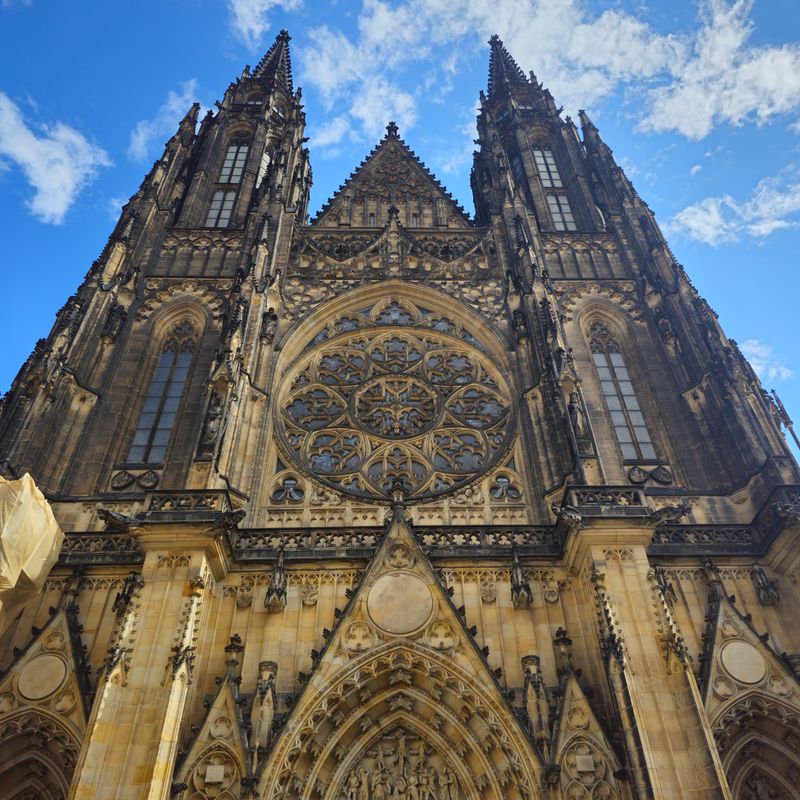
Prague’s Old Town and Lesser Town shape a skyline where Gothic spires and Baroque domes converse across the Vltava. Charles Bridge at dawn glows with statues and stone, as tram bells chime from distant streets. The Astronomical Clock still gathers crowds, its mechanical theater tracing time like a medieval heartbeat.
Romanesque towers rise beside Renaissance courtyards, creating an architectural timeline walked rather than read. Cafés hide in arcades, artists set easels on quiet embankments, and church organs spill sound into narrow lanes. Modern galleries slip into vaulted cellars, careful not to drown the whispers of guilds and kings.
Neighborhood markets enliven squares where coronations once passed, and bookshops stock maps that still make sense beneath today’s feet. Cobblestones remember footsteps of reformers and composers, while beer halls keep civic conversation alive. Preservation here feels effortless, like a vow renewed in stone and story rather than static display.
Evening brings amber reflections across river water, and the castle complex steadies the horizon with enduring grace. Trams hum through districts that learned progress without surrendering memory. The city’s soul remains legible in its streetscape, resilient through wars, regimes, and booms.
In Prague, history is not hushed behind velvet ropes but lived in public spaces. Locals cherish façades as much as freedoms, keeping both polished. The result is a city that welcomes the present while guarding the past, steady and luminous.
Kyoto, Japan — Tradition Within Urban Life
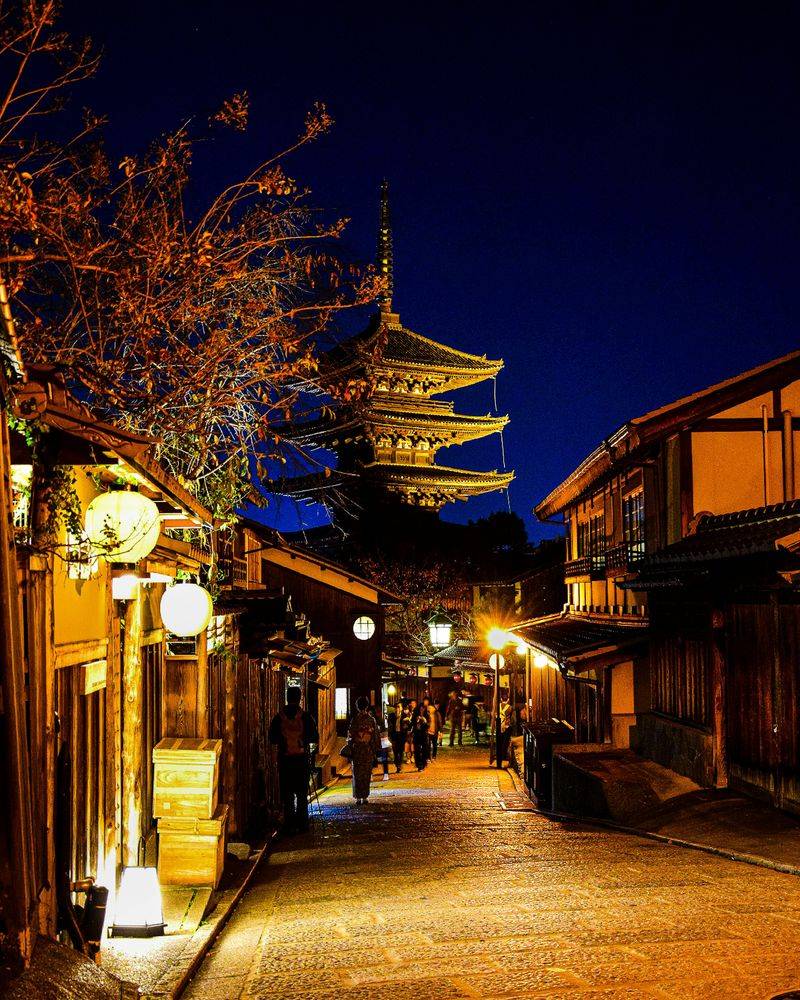
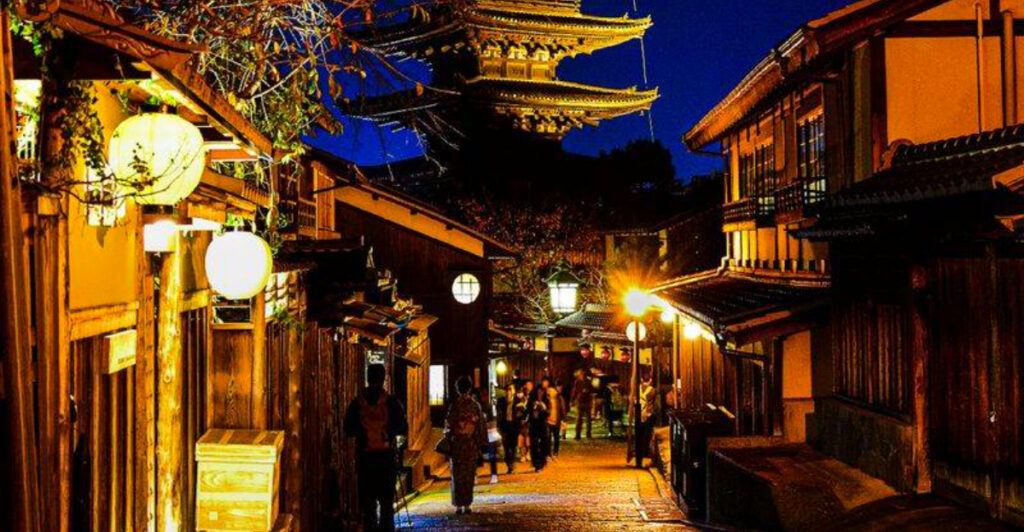
Kyoto shelters tradition in the rhythm of daily life, where temple bells punctuate morning air and matcha steams in wooden machiya. Torii gates frame pathways that slip from city bustle into mossy stillness. The past is practiced here, not archived, with gestures repeated across generations.
More than two thousand temples and shrines anchor neighborhoods that balance craft and commerce. Gion’s lanterns glow above tatami rooms, and geiko glide between engagements that preserve subtle arts. Seasonal festivals return like constellations, guiding time with floats, drums, and silk.
Zen gardens teach patience in raked gravel and carefully placed stone, while artisans dye textiles in courtyards scented with cedar. Tea houses invite slow conversation as wooden beams remember centuries of footsteps. The city’s architectural language speaks softly, yet every eave carries memory.
Modern edges exist, but they fit like discreet hinges on an old lacquered box. Trains arrive on the dot, boutiques shimmer, and cafés hum beside shrine walls that outlast trends. Preservation here feels like hospitality extended to ancestors and guests alike.
Kyoto’s soul rests in rituals that renew without spectacle. Streets fold into alleys where paper screens glow and bicycles coast to evening prayers. What endures is not only the buildings, but a shared agreement that time moves forward best when it knows where it began.
Fez, Morocco — A Medieval Medina Still Alive
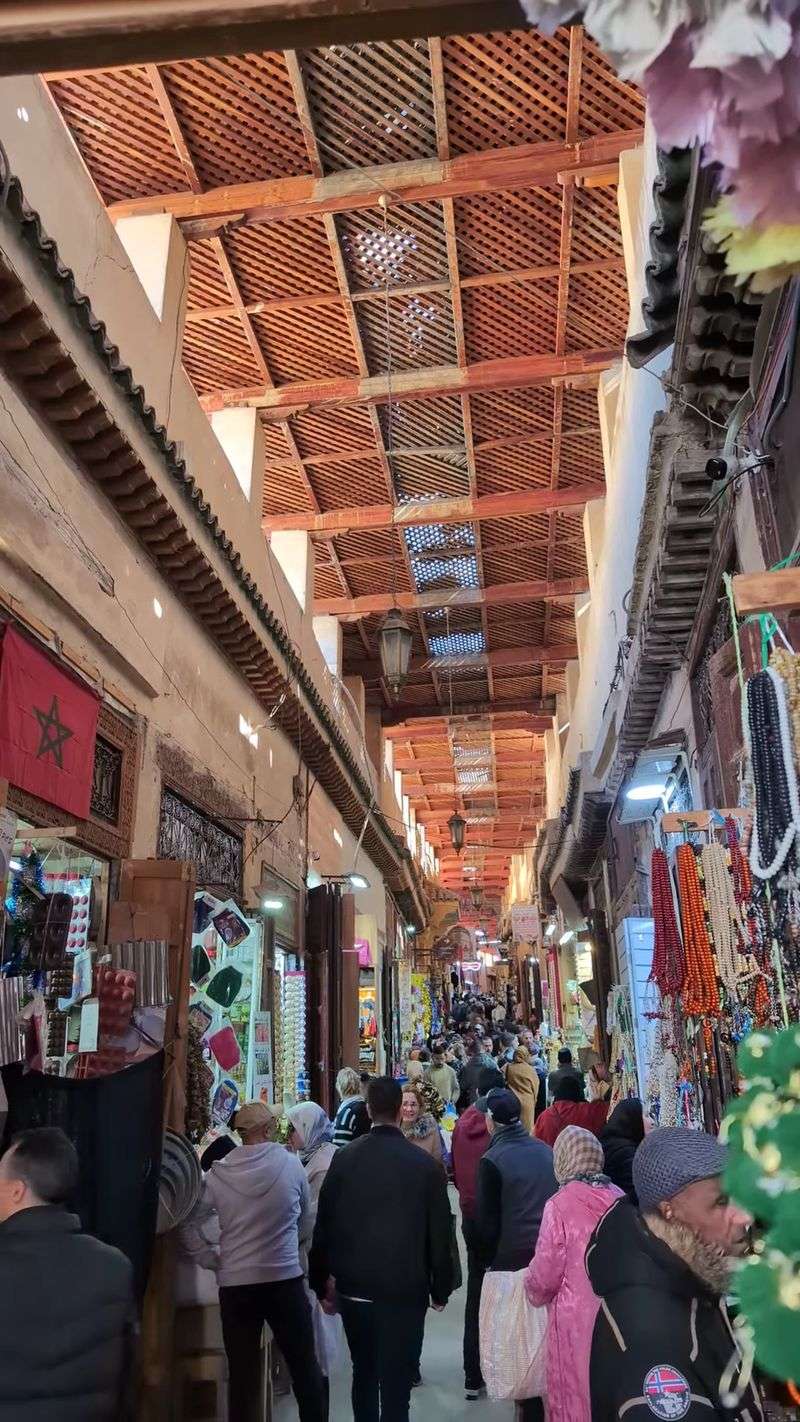
Fez holds a medieval cadence inside walls that breathe commerce and devotion. Fes el Bali curls into a labyrinth where donkeys navigate alleys too narrow for cars. Calls to prayer rise from green tiled minarets, stitching neighborhoods together.
Workshops cling to traditions with skilled hands and patient rhythms. At the tanneries, color vats bloom like mosaics while leather cures under open sky. Metalworkers hammer designs that flicker in firelight, echoing crafts learned at family tables.
Souks thread spices, brass, and cedar through vaulted halls where bargaining is a friendly ritual. Students cross courtyards of the ancient university, mapping new futures over old stones. Riad doors open into calm pools and zellij, hospitality hidden behind modest facades.
Modernity walks lightly here, in cafés serving inventive tagines and rooftop views that share space with storks. Wi-Fi hums above centuries-old beams, a quiet compromise between past and present. Conservation feels purposeful, guided by daily use rather than staged nostalgia.
Fez endures because life never left its historic center. Markets close only to inhale, then exhale with morning light and baker’s ovens. The medina remains a living lesson in craft, faith, and community, intact not from isolation but from continuity.
Rothenburg ob der Tauber, Germany — A Medieval Dream Preserved
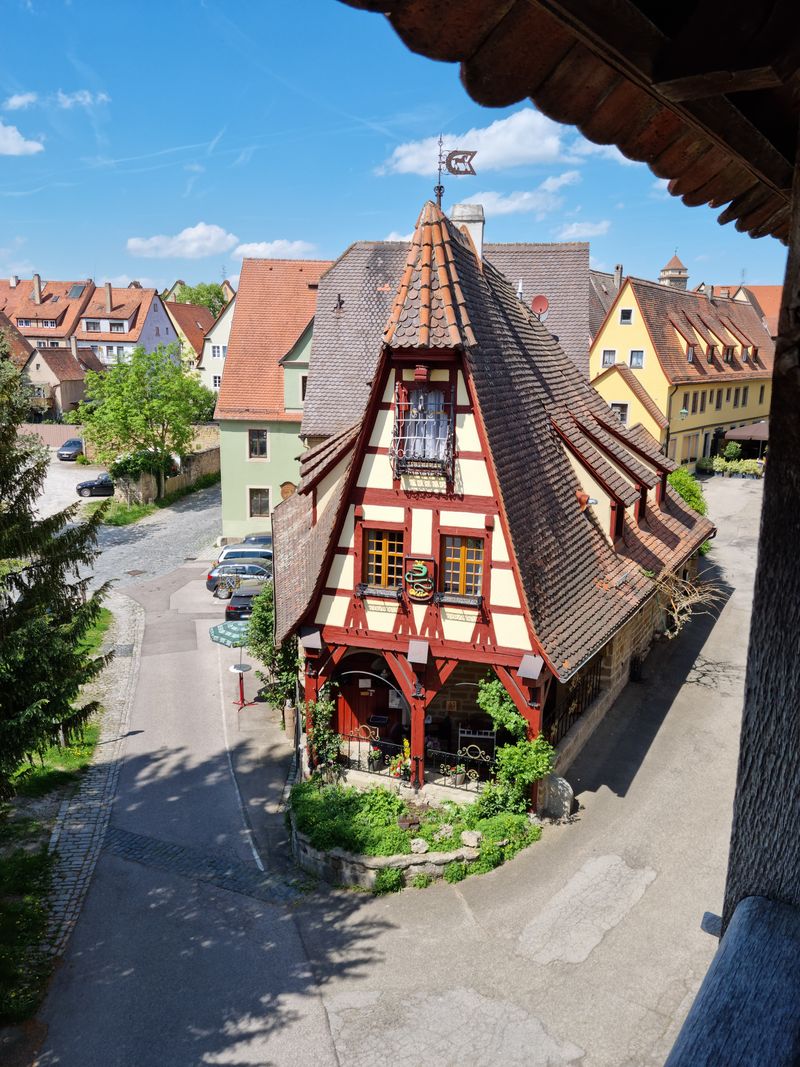
Rothenburg ob der Tauber is a storybook drawn in timber frames and steep gables. City walls loop like a clasp around centuries of daily routines. Evening brings a honeyed glow to windows that once guided night watchmen on their rounds.
Cobbled streets thread between guild houses and fountains, kept with care more than ceremony. Bakeries perfuming the lanes share space with tiny museums, each room a cabinet of time. The town square hosts markets that mirror long standing rhythms rather than staged scenes.
Climbing the ramparts reveals rooftops patterned like quiltwork, red tiles folding into the river valley. Churches keep cool twilight inside, where votive candles soften stone. Signboards of wrought iron creak gently, practical art from another age.
Preservation here feels lived in, not lacquered. Shops tuck into buildings that have held records, remedies, and recipes for generations. Renovations respect old bones, choosing lime over haste and handwork over gloss.
Rothenburg’s soul survives in ordinary moments: a postman’s bike by a medieval gate, schoolchildren crossing under a clock that still ticks the town awake. Time slows just enough to be heard. The Middle Ages remain legible, not distant, because life keeps writing in the margins.
Kotor, Montenegro — Fortifications and Mediterranean Life
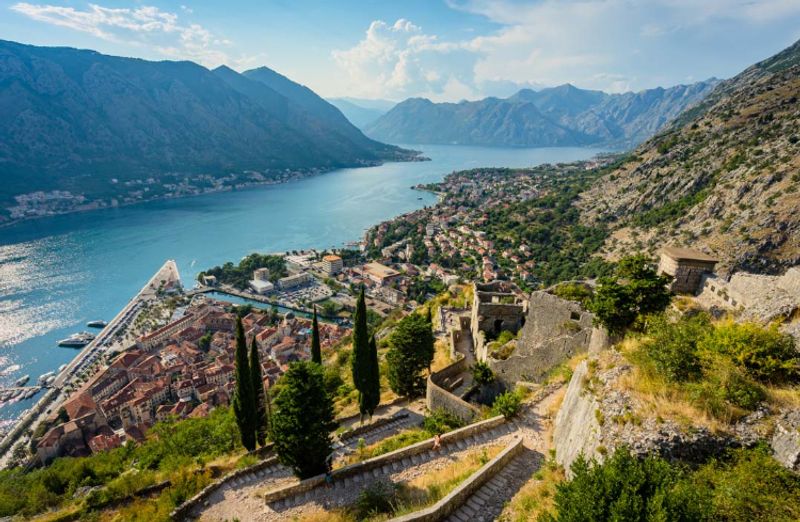
Kotor sits like a maritime keepsake at the foot of limestone cliffs, its walls tracing switchbacks above terracotta roofs. The old town folds into tight lanes shaded by arches and citrus. Church bells land on the water and return as echoes from the mountains.
Venetian lions still keep watch on gates that open into sunlit squares. Markets arrange figs, olives, and cheese beside stones that remember sailors’ vows. Fortifications climb toward the fortress, a strenuous walk rewarded with patterns of sea and slate.
Cafés bloom under ancient masonry, anchoring conversations to piazzas that have measured trade winds for centuries. Cats reign from window ledges as if deputized by the Republic of memory. Maritime museums display charts whose lines meet present day moorings outside.
Tourism threads the alleys, but daily life keeps the fabric from thinning. Laundry dries above boutiques, and fishermen mend nets near sleek hulls. The city’s defenses now protect character, warding off sameness with stone and story.
Kotor’s soul endures in the balance between fortress and harbor. Light drifts across ramparts at dusk, and the bay inhales the evening. What began as strategy survives as beauty, a Mediterranean stronghold where history still commands the view.
Viterbo, Italy — A Papal Era Preserved
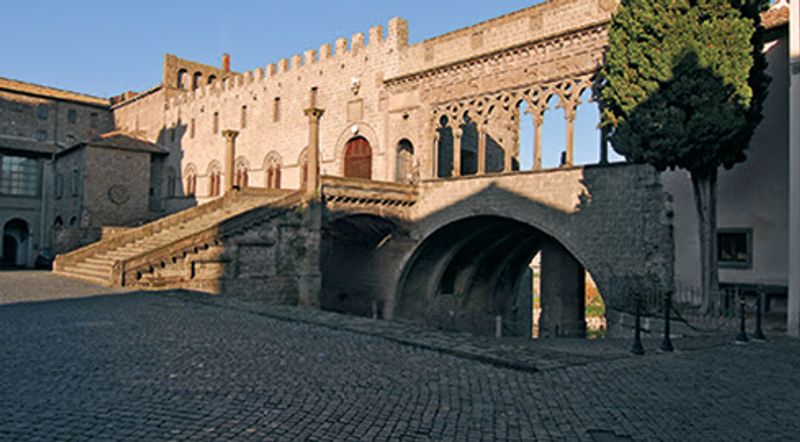
Viterbo keeps a medieval heartbeat in stone alleys lined with worn thresholds. The Papal Palace arches over a loggia where power once stepped into daylight. Romanesque churches ring the hour with a patience that suits volcanic stone.
Neighborhoods weave across ancient foundations, their courtyards holding wells, geraniums, and gossip. Workshops repair everything from clocks to copper pans beneath soot dark beams. Markets fill piazzas with artichokes, pecorino, and dialects that season the air.
History surfaces in small gestures: a lion carved on a lintel, a fresco spared by habit rather than decree. Streets bend to avoid memories, then open into squares warmed by sun and conversation. The town’s rhythm favors walking, as if speed might disturb the archives underfoot.
Preservation here is practical, stitched into leases and family recipes. Renovations respect stone that sweats in winter and cools the August heat. New cafés serve espresso where scribes once tallied records, the ledgers replaced by laughter.
Viterbo’s soul gathers around the palace but spills into everyday life. Bells carry over rooftops that repay attention with texture and time. The city remains persuasive without spectacle, confident that a lived past needs no spotlight to endure.
Sighișoara, Romania — A Living Medieval Citadel
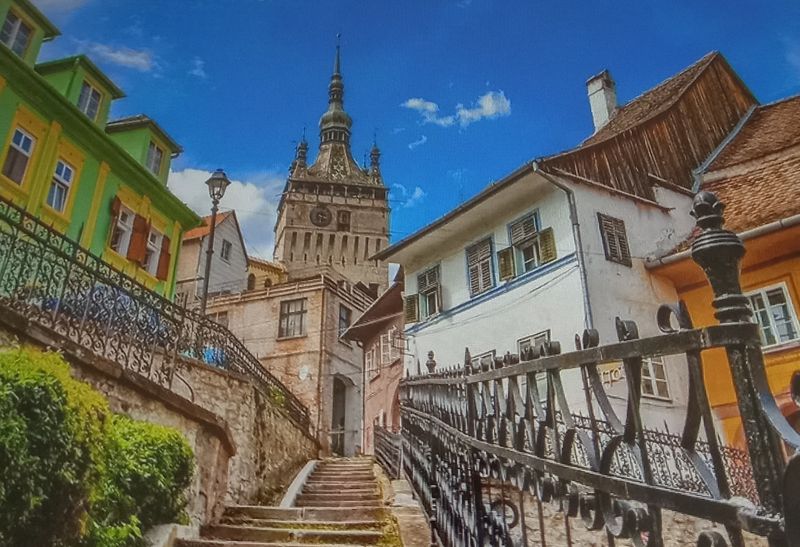
Sighișoara perches inside walls that still measure daily life, not just tours. The Clock Tower marks hours with wooden mechanics and a painter’s palette of tiles. Colorful facades lean toward lanes where stairways curl like ribbons.
Workshops still shape wood and leather behind doors burnished by touch. Guild houses remember trades with crests and stories that anchor neighbors. Schoolchildren cross the Scholars’ Stairs, climbing history to class with simple choreography.
Evenings find music in courtyards where vines soften stone. Cafés serve soups that taste of gardens, while windowsill geraniums balance on deep sills. The citadel holds both quiet and bustle in proportions that feel right.
Preservation chooses patience over polish, letting textures keep their dialect. Festivals celebrate craft rather than novelty, giving the streets a familiar drumbeat. Watchtowers keep their names, steady beacons in a compact skyline.
Sighișoara’s soul survives because people live within the walls, not around them. Duties and errands share paths with legends, each validating the other. The result is a citadel that feels whole, its past folded naturally into the present.
Tallinn, Estonia — Northern Europe’s Old Town Gem
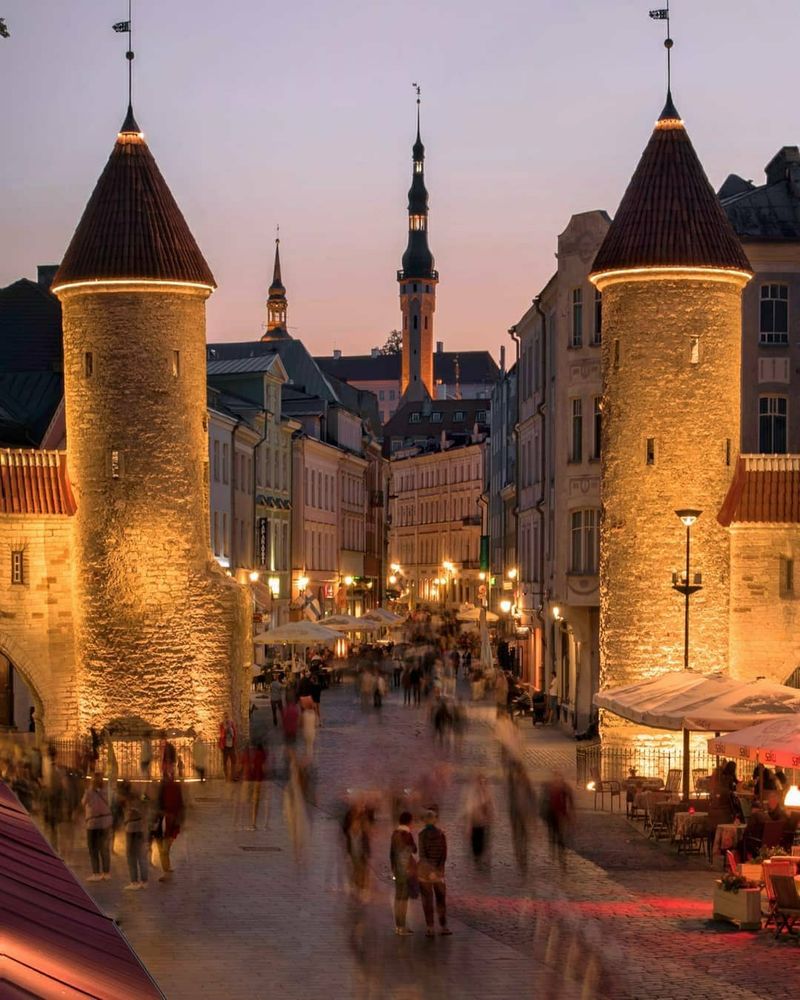
Tallinn’s Old Town rises in tiers, from merchant houses to a castle that surveys the Baltic. Cobblestones stitch together lanes where spice routes once brushed the North. Gothic spires catch seabird arcs, keeping company with weathered ramparts.
Market stalls lean into seasons, selling wool, ceramics, and pastries warm enough to fight the wind. Cafés tuck beneath vaulted ceilings, a refuge for conversation and cinnamon. Tech offices stand nearby, careful neighbors to stone that outlasts code.
History remains legible in street names and doorways scarred by hinges. Watchtowers hold museums that favor clarity over clutter. The town hall square gathers dancers, carolers, and debates in a civic tradition older than many nations.
Preservation favors utility, ensuring homes stay homes and archives stay read. Candles share light with LEDs, a workable truce between hush and buzz. The city’s pace respects winter’s grip and summer’s long evening stride.
Tallinn keeps its soul by balancing trade and tale. Ships in the harbor echo ledgers written centuries apart, both binding community. The result is a northern capital that wears age comfortably, bright eyed and grounded.
Bruges, Belgium — Canal Reflections of History
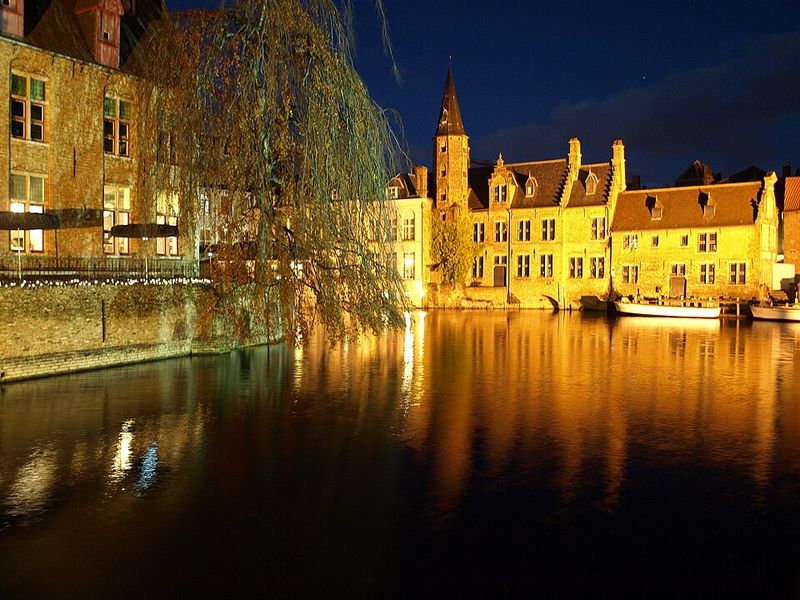
Bruges moves at canal speed, where bridges bow to water like old friends. Stepped gables lean into their reflections, doubling the city’s patience. The Belfry keeps watch as carillons spill silver notes across cobbles.
Chocolate and lace share streets with guild histories that still flavor commerce. Breweries pipe tradition through hidden conduits, and boats skim beneath arches that remember trade in spices and wool. Squares host markets that have rehearsed the same choreography for centuries.
Museums open directly onto daily life, their doors a hinge between scholarship and stroll. Cyclists slide past stone saints and quiet courtyards. Preservation trusts brick and routine more than gloss, letting time speak softly.
Modern comforts live discreetly behind façades that survived both fortune and neglect. Cafés pour hot chocolate thicker than weather, a remedy practiced for generations. Evening gathers in blue tones, and swans draw slow cursive on the water.
Bruges keeps its soul by honoring work as much as wonder. Trades, bells, and barges share the stage, none drowning the others. The city remains luminous without shouting, content to let reflection carry the story forward.
Jerusalem, Israel — Spiritual History in the Modern City
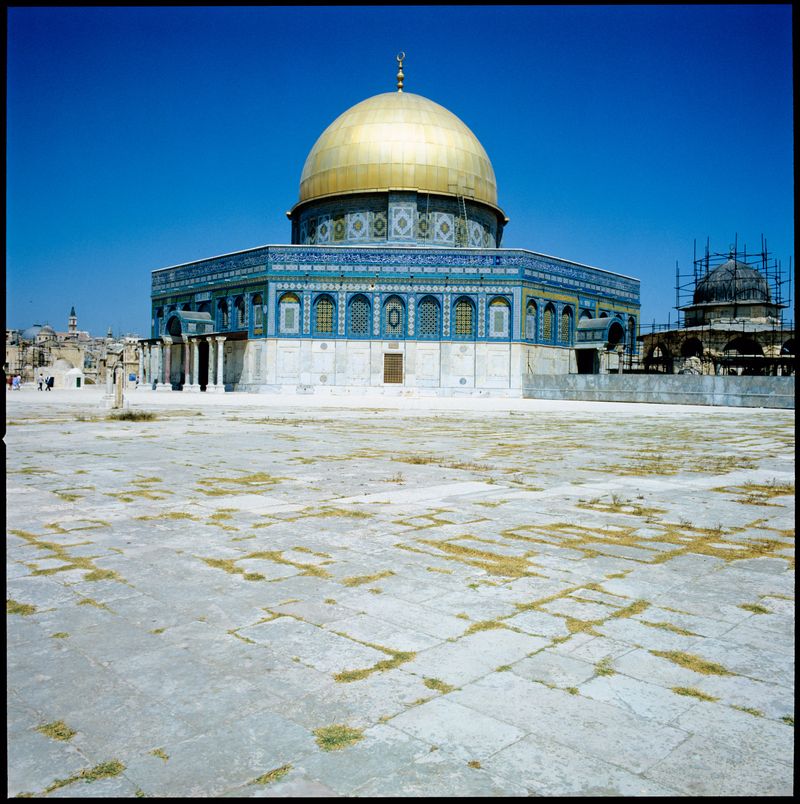
Jerusalem gathers centuries within walls that hold sacred routes and everyday errands. Stones wear footprints from pilgrims, residents, and traders alike. Dawn spreads gold across domes and rooftops, and the city answers with prayer and commerce.
Quarters overlap in sound and scent, where spices mingle with candle wax and fresh bread. Markets wind under arches that frame heated debate and simple greetings. Rituals continue with steady dignity, bridging households separated by customs yet joined by proximity.
Historic sites sit steps from clinics, schools, and bus stops, collapsing time into daily necessity. Archaeology surfaces in courtyards, while new apartments rise beside ancient foundations. The city keeps its pulse through negotiation, tradition, and watchful care.
Preservation works within living neighborhoods, not museum halls. Restorations respect both prayer schedules and family routines. The result is a mosaic sustained by people rather than policy alone.
Jerusalem’s soul persists in layered belonging, where stories cannot be told in a single voice. Bells, calls, and murmurs overlap, refusing to cancel each other. The modern city does not eclipse the past it carries, it learns to walk with it.
Share this story