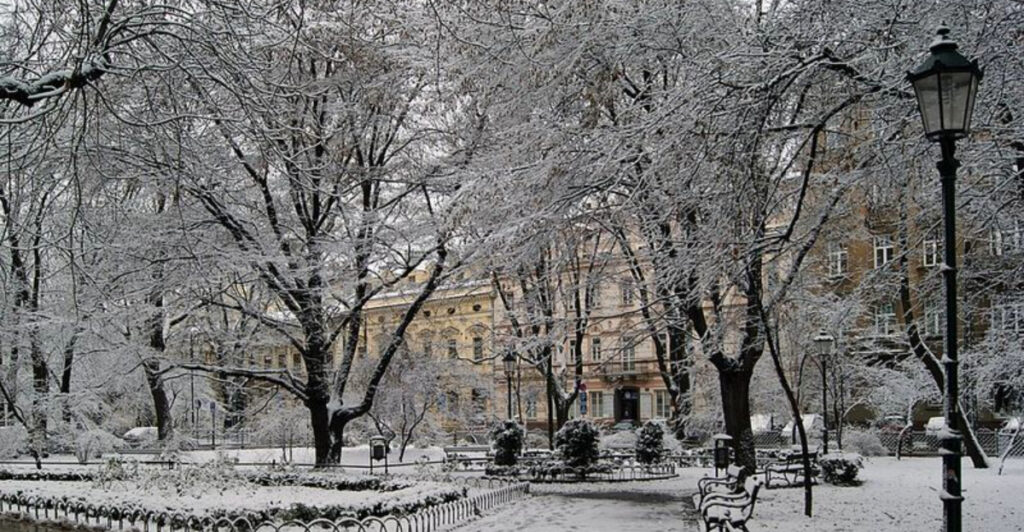
Cold air is racing over the Great Lakes, and the result could be sudden, intense snow that flips commutes from routine to risky. You might look out at blue sky one minute, then face a blinding white curtain the next. Forecasts point to fast-changing bands capable of dropping inches per hour, stranding drivers and stressing power grids.
If you live downwind of the lakes, now is the time to stay alert and prepare for quick pivots.
Meteorologists say lake-effect snow is ramping up across the Great Lakes, and you can feel the switch when Arctic air pours over milder water. Moisture and heat rise from the lakes, fueling narrow bands that look like white conveyor belts on radar. One neighborhood can sit under blue sky while another, just a few miles away, gets buried fast.
As those bands march inland, air cools quickly and drops heavy snow, often at one to three inches per hour. Drivers who slip into a band without warning can go from clear pavement to slick ice and near zero visibility. Lakes Erie, Ontario, Michigan, and Superior aim these bands at familiar snowbelts, concentrating impacts.
What makes this so tricky is the hyper-local nature. A quick jog in wind direction shifts the bullseye, and plans unravel. Officials urge you to watch local alerts, because conditions can deteriorate in minutes and stay bad long after the burst ends.
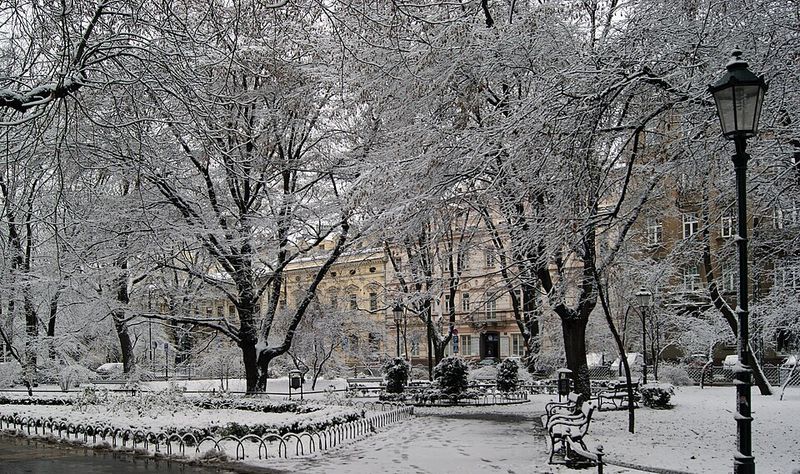
Lake-effect snow thrives on contrast, and you can think of it like turning up a thermostat while opening a freezer. The colder the air and the warmer the lake, the stronger the instability that fuels cloud towers. Fox Weather notes that this contrast helps bands explode with energy and lock onto downwind shorelines.
Wind direction steers the bullseye, so a slight shift can change who gets hammered. Once a band anchors, it can sit for hours, stacking totals that exceed a foot in a day. Elevation adds another kick, as hills lift air and wring out even more flakes on plateaus and ridges.
These bursts often outlast bigger storms, lingering after the main system exits. You might think the worst is over, but a band can redevelop and reload as long as the temperature difference remains. Keep an eye on mesoscale forecasts, because small changes matter a lot when bands decide where to park.
Travel can go sideways quickly under lake-effect bands, especially on interstates skirting the lakes. You might hit a sudden whiteout, and chain-reaction crashes can follow when drivers overcorrect or brake hard. Officials warn to slow down immediately, increase following distance, and avoid abrupt moves when visibility drops.
Airports near the shore struggle as runways glaze over faster than plows can keep pace. Delays ripple, and short closures happen if snow overwhelms crews. Wet, heavy snow can also drape trees and lines, snapping branches and knocking out power to neighborhoods not even inside the heaviest band.
Preparedness makes a real difference. Keep a winter kit in your car, top off fuel, and check tire tread and washer fluid before heading out. If a band is aligned with your route, consider delaying travel, tracking road cameras and alerts, and letting someone know your plan.
Lake-effect season often peaks mid to late winter, and repeat Arctic intrusions can stack events back-to-back. Clear skies between bands can trick you, but roads refreeze after dark and turn slush into ice. Fox Weather cautions that each setup is unique, so the safest habit is to treat every new band like a fresh storm.
Limit driving during warnings, and check road conditions frequently if you must go. Help neighbors who may struggle with shoveling or supplies, and bring pets inside or provide insulated shelter. Power flickers are possible, so charge devices and gather flashlights, batteries, and extra blankets ahead of time.
Build a go-bag with water, snacks, medications, and warm layers, and keep traction aids in your car. You will want windshield scraper, sand, and a shovel ready before the first flakes hit. Staying tuned to local alerts and school or workplace updates helps you pivot quickly when bands shift.
Share this story