When we think about the life of Jesus, our minds often jump to Jerusalem, Bethlehem, or the Jordan River. But His ministry took Him to many other fascinating places that still exist today, quietly preserving the footsteps of history.
These lesser-known sites offer a deeper glimpse into the daily travels and powerful moments of His earthly journey. Exploring these locations can bring the Gospel stories to life in surprising new ways.
1. Nazareth (Galilee)
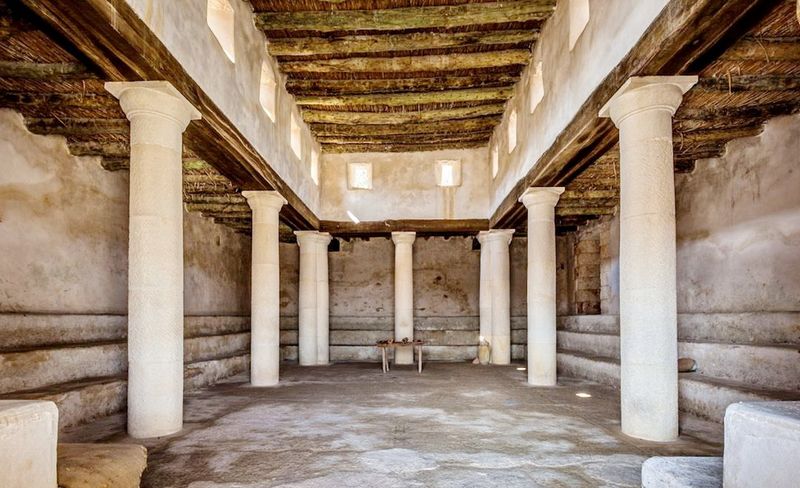
Growing up in this small hillside town shaped everything about Jesus’ early years. Most people know Nazareth as His childhood home, but fewer realize He returned during His public ministry to teach in the very synagogue where He once studied as a boy.
The reception He received was far from welcoming.
According to Luke 4:16-30, the townspeople who watched Him grow up rejected His message and even tried to throw Him off a cliff. Imagine the courage it took to preach truth to those who thought they knew you best.
Today, visitors can explore the Basilica of the Annunciation and walk streets that echo with ancient memories.
Nazareth remains a living city in northern Israel, blending modern life with sacred history. Archaeological sites and churches mark key moments from the Gospels.
Standing there, you can almost hear the whispers of disbelief that met His bold proclamation of fulfilling Isaiah’s prophecy.
2. Capernaum
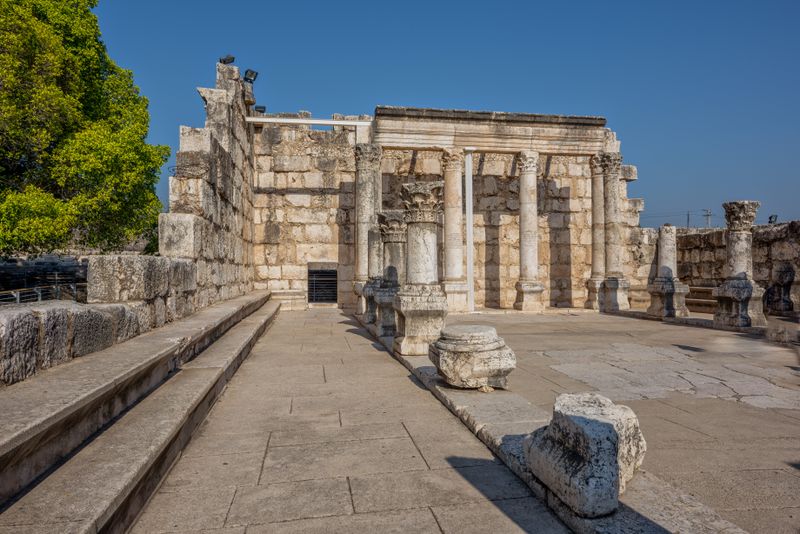
Perched on the northwestern shore of the Sea of Galilee, Capernaum became more than just a fishing village. It served as the operational headquarters for Jesus’ Galilean ministry, a place He called home more than Nazareth during His adult years.
Matthew 4:13 tells us He left Nazareth and settled here, making it the backdrop for countless miracles and teachings.
Peter’s house, now marked by a modern church, was a frequent gathering spot. Jesus healed Peter’s mother-in-law there and performed numerous other wonders that drew crowds from every direction.
The ancient synagogue ruins still stand, reminding us where He taught with authority that amazed the locals.
Archaeologists have uncovered streets, homes, and public buildings that Jesus Himself would have walked past daily. The black basalt stones and limestone columns create a haunting connection to the past.
Capernaum may be in ruins now, but its spiritual significance remains powerfully intact.
3. Bethsaida
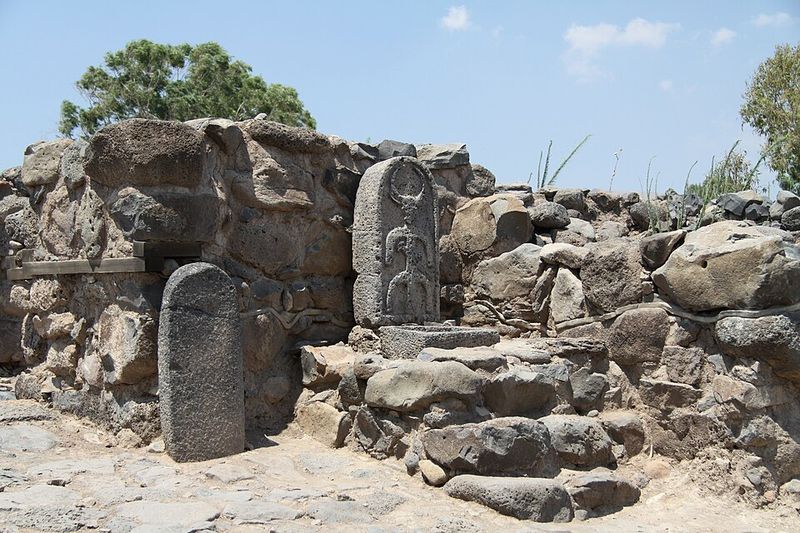
Not every miracle happened in a crowded city square. Sometimes Jesus worked His wonders in quieter corners like Bethsaida, a fishing town that produced several of His closest followers.
John 1:44 names this place as the hometown of Peter, Andrew, and Philip, three men who would change the world.
Mark 8:22-26 records a particularly tender moment here when Jesus healed a blind man in stages, first restoring partial sight, then full vision. This gradual healing stands out among His instant miracles, showing His personal care and intentionality.
The compassion He displayed in Bethsaida reveals a Savior who meets people exactly where they are.
Today, the archaeological site sits northeast of the Sea of Galilee, slowly revealing its secrets through ongoing excavations. Stone foundations, pottery shards, and ancient pathways help reconstruct life in first-century Galilee.
Walking through Bethsaida connects us to the ordinary people who encountered an extraordinary Christ.
4. Chorazin
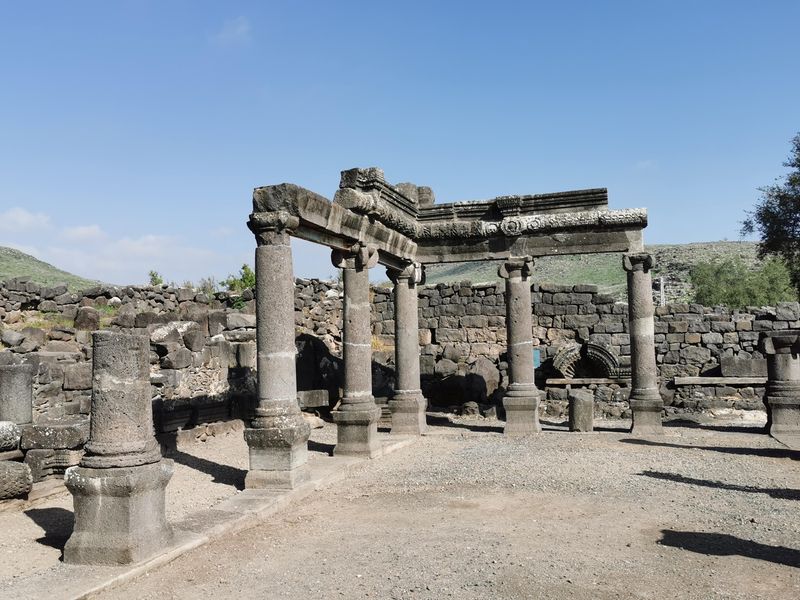
Success is not always measured by acceptance. Chorazin witnessed many of Jesus’ mighty works, yet the village refused to repent and believe.
Matthew 11:21 records His sorrowful rebuke, pronouncing judgment on this stubborn community that had every opportunity to recognize their Messiah.
Situated just a couple of miles from Capernaum, Chorazin had a front-row seat to His teaching and miracles. The people saw the evidence but hardened their hearts anyway.
This tragic rejection serves as a warning about the danger of spiritual pride and indifference, even when truth stands right before us.
The ruins today are remarkably well-preserved, featuring a reconstructed synagogue made of black basalt stone. Carved stone seats, decorative columns, and intricate designs show this was once a prosperous place.
Yet all their wealth and knowledge could not save them from missing their greatest moment. Chorazin stands as a silent testimony to the cost of unbelief.
5. Nain
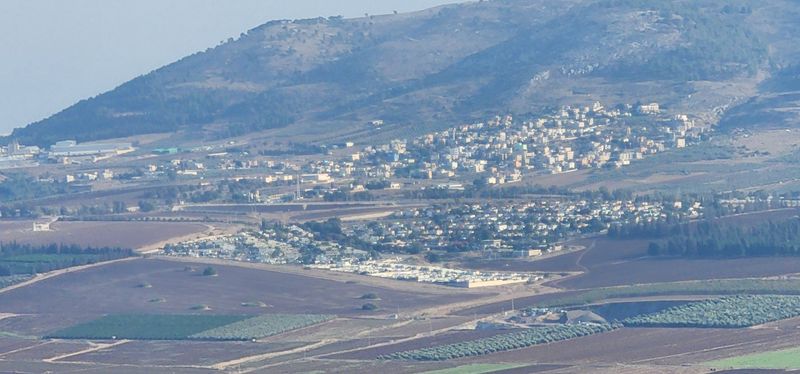
Heartbreak met divine compassion on the dusty road leading into this small village. Luke 7:11-17 paints an unforgettable scene: a funeral procession carrying the only son of a widow, her last source of support and hope now gone.
Jesus encountered this grieving mother at her lowest moment and did something absolutely stunning.
Without being asked, He stopped the procession, touched the coffin, and commanded the dead young man to rise. Life flooded back instantly, and Jesus presented the boy to his astonished mother.
This was one of only three resurrections Jesus performed during His earthly ministry, making it an incredibly rare and precious miracle.
Nain sits on a hillside in Galilee, south of Nazareth, still a quiet place where you can almost hear the echoes of that miraculous day. The village gate, where the procession would have exited, remains a focal point for visitors.
Standing there reminds us that Jesus sees our deepest pain and has power over even death itself.
6. Cana of Galilee
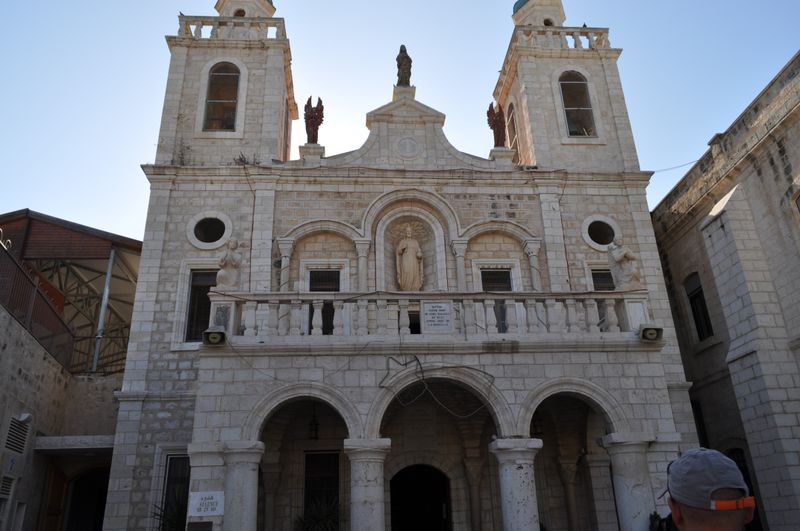
Wedding celebrations in first-century Galilee could last for days, and running out of wine was a social disaster. At a wedding in Cana, this exact crisis threatened to ruin the festivities until Mary brought the problem to her son.
John 2:1-11 describes how Jesus turned approximately 120 gallons of water into the finest wine anyone had ever tasted.
This was no ordinary party trick. It was His first recorded miracle, revealing His glory in a way that caused His disciples to believe in Him.
The choice to begin His public signs at a joyful celebration shows that Jesus cares about our everyday moments, not just our spiritual emergencies.
Two churches in the modern village of Kafr Kanna claim to mark the exact spot of this miracle. Stone water jars similar to those used that day are displayed for visitors.
Whether or not the precise location is certain, Cana represents the moment Jesus stepped fully into His ministry, transforming the ordinary into the extraordinary with just a word.
7. Gennesaret
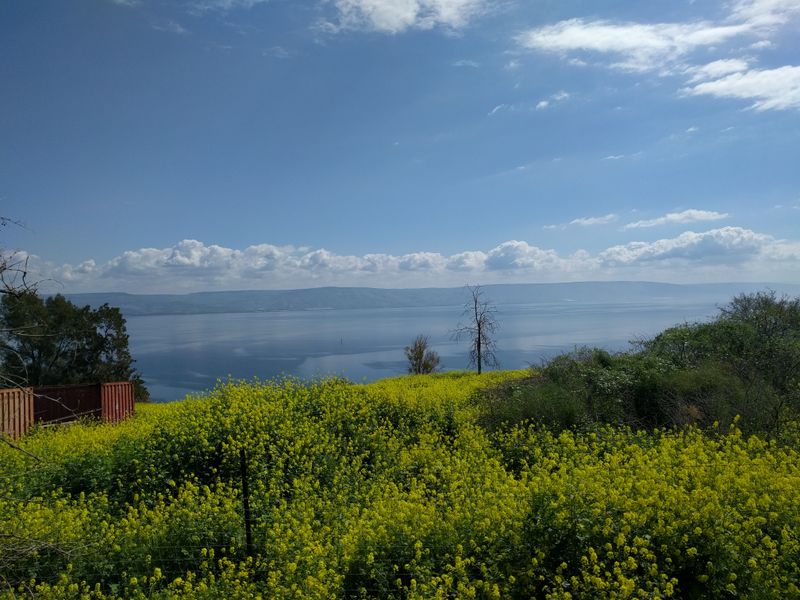
Word spread fast when Jesus arrived anywhere, and the region of Gennesaret was no exception. Matthew 14:34-36 describes how people brought their sick from all over the area, begging just to touch the edge of His cloak.
Their faith was rewarded as everyone who made contact was completely healed.
This fertile plain stretches along the northwestern shore of the Sea of Galilee, a place of abundant crops and fishing villages. The desperate crowds recognized that even the smallest connection to Jesus carried transformative power.
Their eagerness stands in sharp contrast to the skepticism He faced elsewhere.
Today, Gennesaret remains a lush agricultural area with banana plantations and date palms. The shoreline where fishing boats once landed still welcomes visitors seeking to walk where miracles happened.
Kibbutz Ginosar nearby houses the famous Ancient Galilee Boat, a 2,000-year-old fishing vessel discovered in the mud. Standing in Gennesaret, you can imagine the press of hopeful people reaching out in faith, knowing that Jesus never turned away a sincere heart.
8. Region of the Gerasenes (Decapolis)
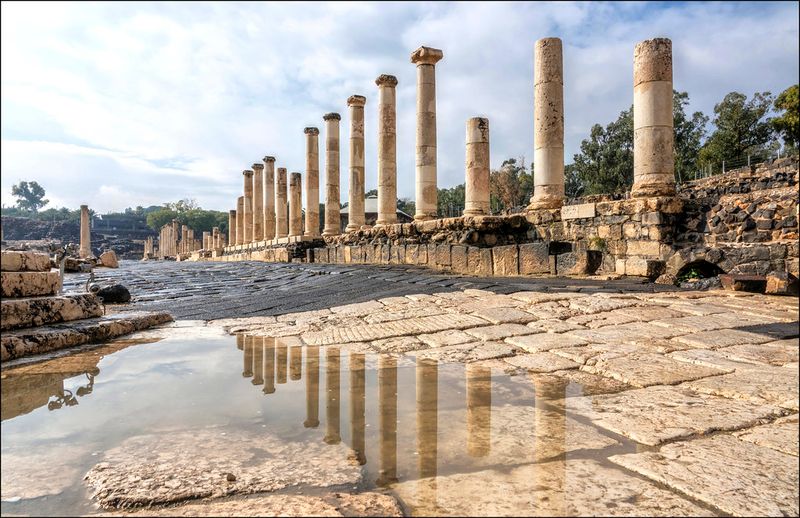
Crossing the Sea of Galilee brought Jesus into Gentile territory, a bold move that scandalized many Jewish observers. Mark 5:1-20 tells the dramatic story of a demon-possessed man living among the tombs, so violent that chains could not hold him.
The local community had given up on him completely, but Jesus had not.
After casting out a legion of demons into a herd of pigs, Jesus restored the man to his right mind. The healed man begged to follow Jesus, but instead received a different commission: go home and tell everyone what God had done.
He became the first missionary to the Decapolis, ten cities that would later welcome Jesus because of this man’s testimony.
The exact location is debated, with sites on the eastern shore of the Sea of Galilee being the most likely candidates. Ancient ruins and caves dot the hillsides, remnants of a culture very different from Jewish Galilee.
This story reminds us that Jesus’ love crosses every boundary and no one is beyond His reach.
9. Tyre and Sidon
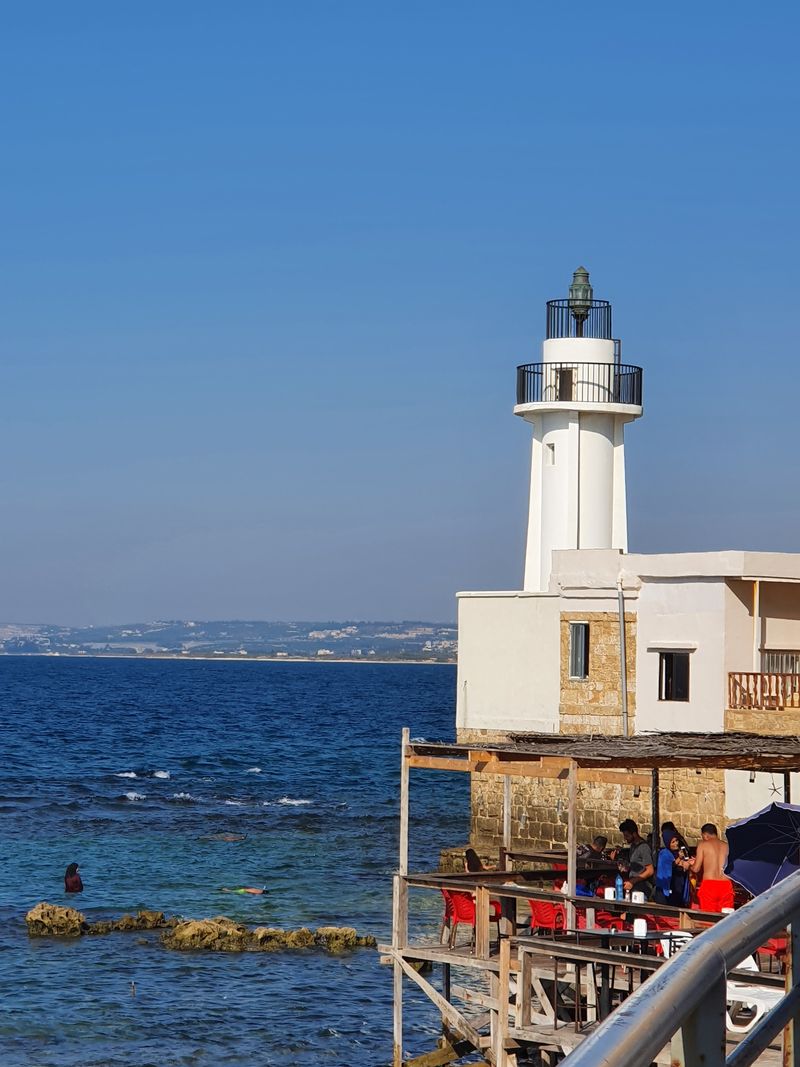
Sometimes the greatest faith appears in the most unexpected places. Jesus ventured north into Phoenician territory, the coastal cities of Tyre and Sidon, where a Canaanite woman approached Him with desperate persistence.
Matthew 15:21-28 shows her refusing to give up, even when Jesus initially seemed to ignore her plea.
Her daughter was tormented by a demon, and this mother would not be denied. Through a conversation that tested her humility and faith, she demonstrated belief that surpassed what Jesus had found among His own people.
Moved by her trust, He healed her daughter instantly from a distance.
These ancient port cities on the Mediterranean coast still exist in modern Lebanon. Tyre’s Roman ruins and harbor remain impressive, while Sidon features crusader castles and ancient markets.
Jesus’ willingness to minister outside Jewish borders foreshadowed the global reach of the Gospel. This Gentile woman’s bold faith challenges us to pursue Jesus with the same relentless confidence, knowing He rewards those who earnestly seek Him.
10. Caesarea Philippi
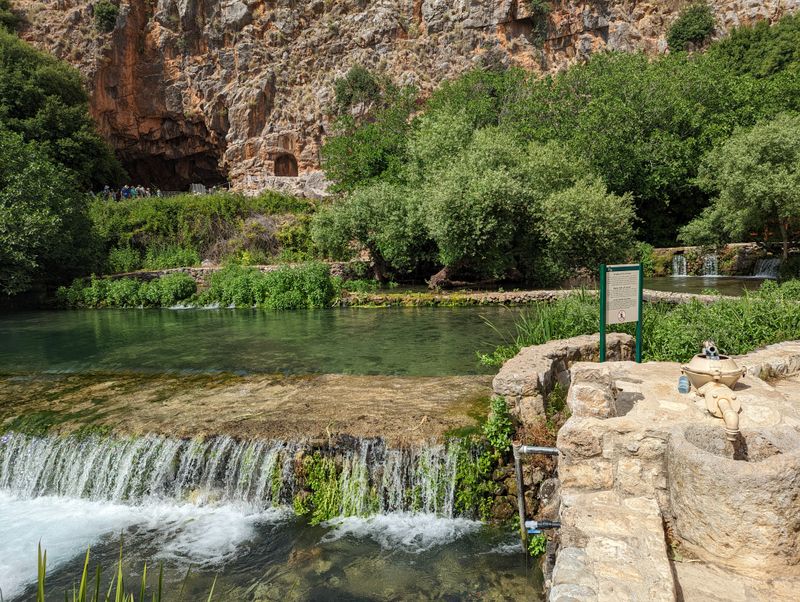
At the foot of Mount Hermon, near pagan shrines and temples, Jesus asked His disciples the most important question they would ever answer. Matthew 16:13-20 records the moment when Peter boldly declared, “You are the Christ, the Son of the living God.” This confession marked a turning point in their understanding and in Jesus’ ministry.
The location was no accident. Surrounded by false gods and religious confusion, Jesus wanted His followers to be absolutely clear about His identity.
Peter’s Spirit-inspired answer became the foundation upon which Christ would build His church, a community that the gates of hell itself could not overcome.
Today, the archaeological site features the remains of temples dedicated to Pan and other Greek gods, plus a massive rock face with cave openings. Springs bubble up from the ground, forming one of the sources of the Jordan River.
Standing where Peter made his great confession, visitors feel the weight of that pivotal moment when human understanding met divine revelation in perfect clarity.
11. Emmaus
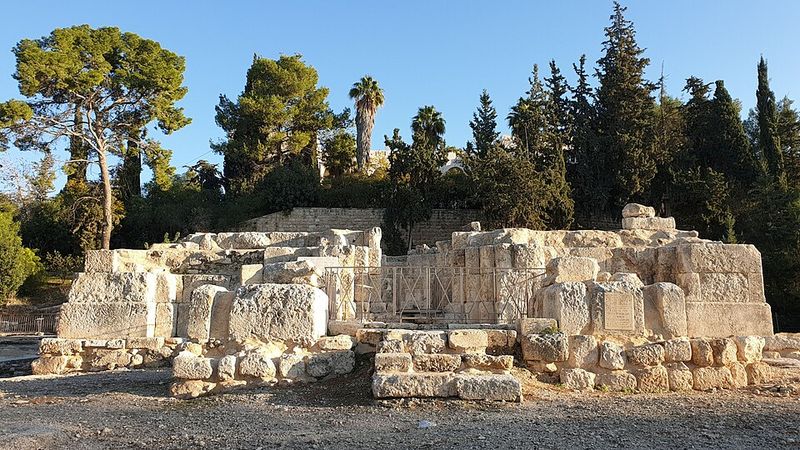
Grief and confusion clouded the minds of two disciples walking the seven-mile road from Jerusalem to Emmaus on resurrection Sunday. Luke 24:13-35 describes how a stranger joined them, patiently explaining how the Scriptures pointed to the Messiah’s suffering and glory.
Their hearts burned as He spoke, though they did not yet recognize Him.
Only when Jesus broke bread at their table did their eyes open to see who had been with them all along. The moment they recognized Him, He vanished, leaving them electrified with joy.
They immediately rushed back to Jerusalem to share the incredible news that Jesus was truly alive.
The exact location of Emmaus is disputed, with several sites claiming the honor. What matters most is the powerful truth this story reveals: Jesus meets us in our disappointment and confusion, opening our understanding through His Word.
The journey to Emmaus reminds us that sometimes we are closest to Jesus without realizing it, and recognition comes through fellowship and Scripture.
12. Bethany (near Jerusalem)
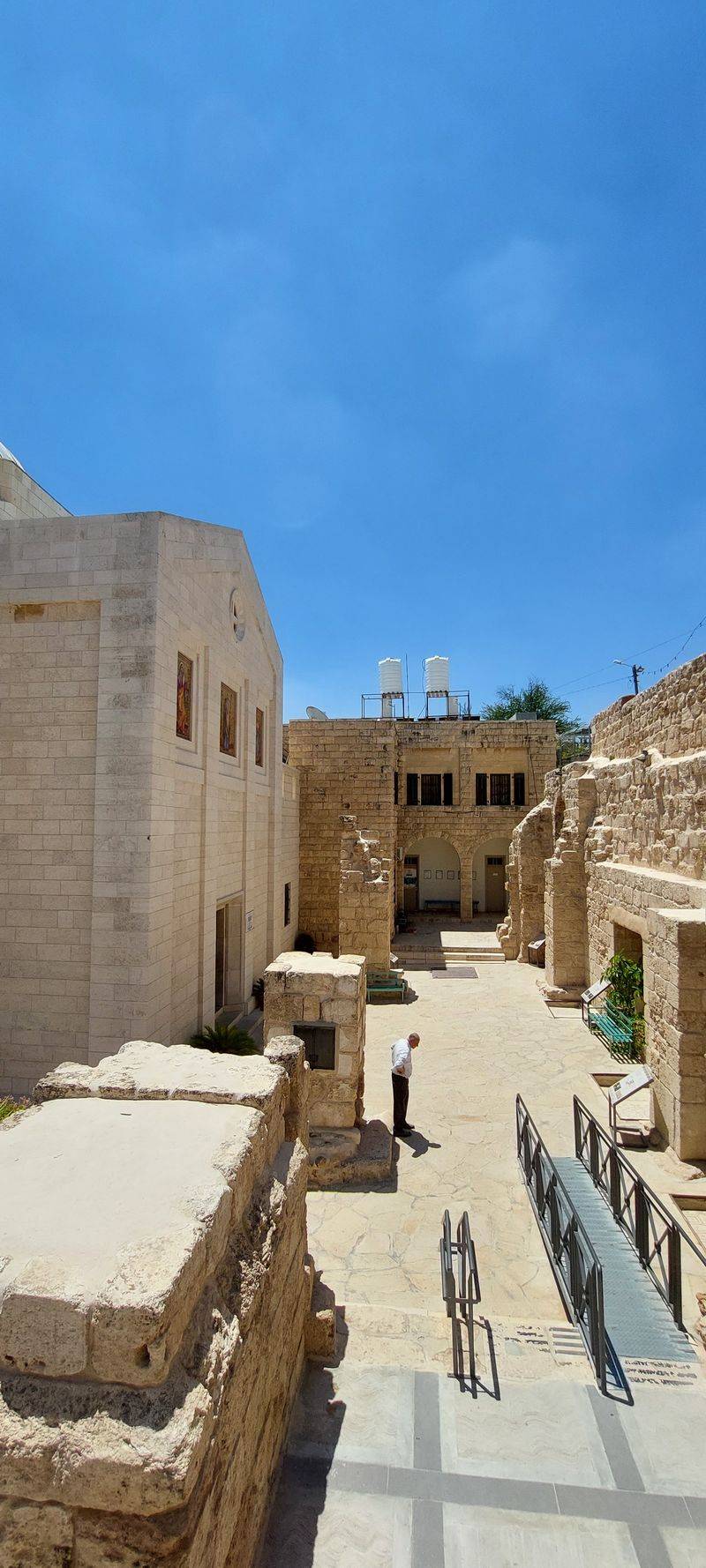
Just two miles from Jerusalem, this quiet village offered Jesus a refuge and a circle of dear friends. Mary, Martha, and Lazarus opened their home to Him repeatedly, providing rest and fellowship during His demanding ministry.
John 11 records the heartwrenching and glorious story of Lazarus’ death and resurrection, one of Jesus’ greatest miracles.
When Lazarus fell ill, the sisters sent for Jesus, confident He would come. His intentional delay confused and hurt them, but His purpose was to reveal His power over death itself.
Calling Lazarus from the tomb after four days proved beyond doubt that Jesus is the resurrection and the life.
Matthew 21:17 mentions Jesus staying in Bethany during His final week before the crucifixion. Modern Bethany, now called Al-Eizariya (place of Lazarus), features the Tomb of Lazarus and churches commemorating this friendship.
The village reminds us that Jesus treasures intimate relationships and that His timing, though sometimes mysterious, is always perfect and purposeful.
Share this story