In a world that races forward at breakneck speed, some cities refuse to join the rush. These special places offer cobblestone streets instead of highways, long conversations instead of quick texts, and moments that stretch like warm honey over bread.
Whether you crave peaceful canal walks, historic plazas perfect for people-watching, or seaside strolls that erase your to-do list, these destinations prove that slowing down isn’t just relaxing—it’s transformative.
Kyoto, Japan — Serenity in Every Street
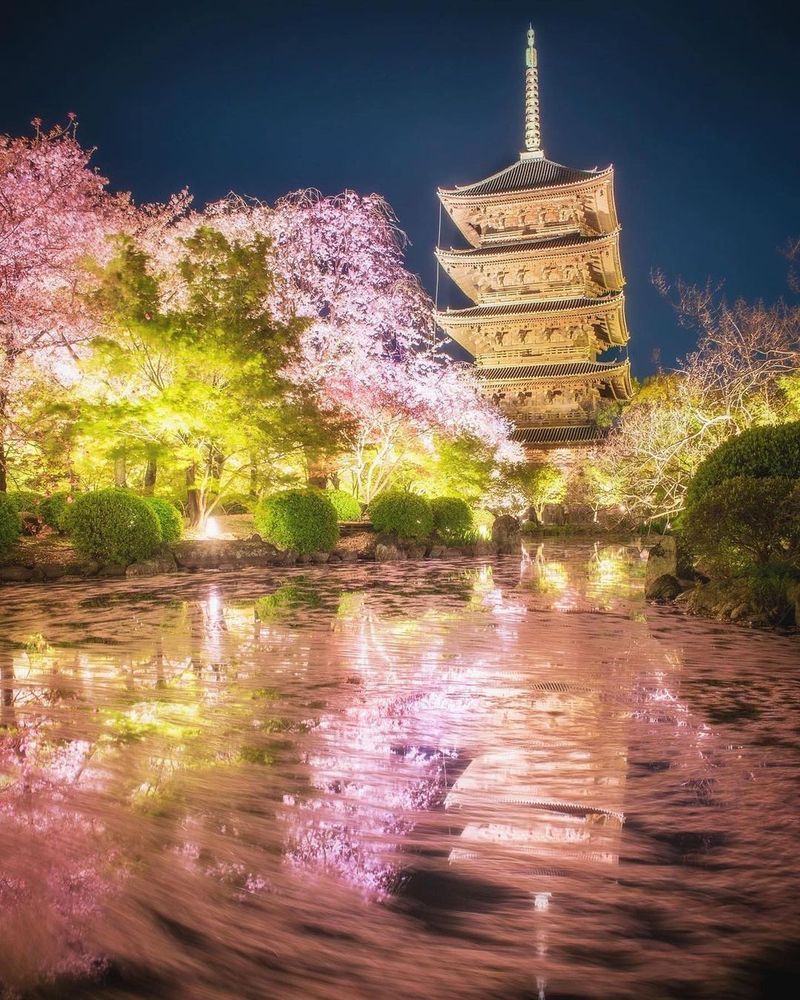
Kyoto embodies slow travel with its tranquil temples, moss-covered gardens, and traditional tea houses, inviting travelers to pause and observe rather than rush. Unlike bustling metropolises, Kyoto’s rhythm is marked by centuries-old rituals and seasonal festivals that punctuate daily life, from cherry-blossom viewing to lantern-lit evenings in Gion.
Visitors find that wandering the Philosopher’s Path or strolling through Nishiki Market naturally slows the pace—here, it’s less about ticking off sights and more about absorbing ambiance and cultural nuance. The city’s ancient wooden machiya houses and carefully raked Zen gardens whisper stories of patience and mindfulness.
Morning mist rises over temple rooftops while monks chant their prayers, creating a soundtrack that feels timeless. Afternoons unfold over matcha tea ceremonies where every gesture carries intention and grace.
Evenings bring soft lantern light to narrow alleyways where geishas still practice their art. Kyoto has repeatedly been highlighted as an ideal slow-travel destination where culture and calm coalesce, offering modern travelers a chance to reconnect with rhythms nearly forgotten in our hurried age.
Pontevedra, Spain — Pedestrian-First Peace
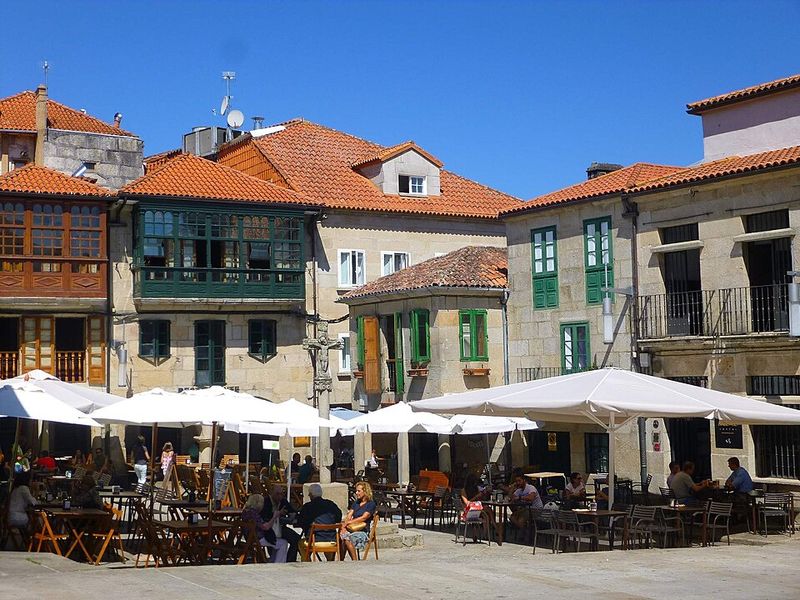
In Pontevedra, life literally moves at a gentler clip. The city’s center has been pedestrianized for decades, with most streets reserved for walkers and cyclists, cutting traffic noise and inviting lingering café stops, unhurried meals, and human-scaled exploration.
Day-to-day life unfolds at a pace that encourages connection—with locals, with architecture, and with the seaside Galician light that glints across plazas long after lunch is over. Children play freely in squares once choked with cars, while grandparents chat on benches beneath ancient stone arcades.
The city’s urban planning has become a model for relaxed, sustainable living, where the lack of cars feels like a gift of time itself. Restaurants serve leisurely multi-course meals that stretch across entire afternoons, honoring Galician culinary traditions.
Market vendors greet regulars by name, and conversations meander as pleasantly as the cobblestone streets. Pontevedra proves that when you remove the rush of traffic, you create space for the richness of human interaction and the simple pleasure of moving through a city at the speed of thought rather than the speed of engines.
Bern, Switzerland — Medieval Calm Meets Natural Beauty
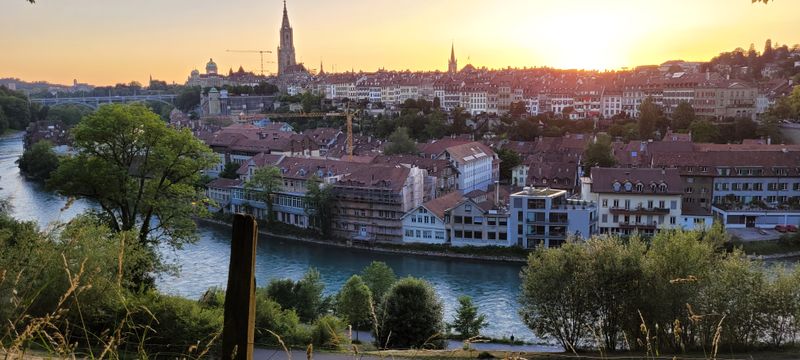
Bern’s historic old town, a UNESCO-listed treasure of arcaded streets and cobblestone lanes, feels like a timeless village tucked into a European capital. In winter, the ancient towers and snow-dusted rooftops evoke a fairytale quiet; in summer, the slow flow of the River Aare beckons swimmers and picnickers alike.
With green parks, pedestrian zones, and the gentle hum of local life, Bern blends history and ease, making visitors feel as though the hours have stretched out just a little longer than elsewhere. The famous Zytglogge clock tower marks time with medieval precision, yet somehow the city never feels rushed.
Locals float down the turquoise Aare on warm days, letting the current carry them past forested banks. Café culture thrives under centuries-old arcades where rain and sun are equally welcomed.
The bear park honors the city’s namesake creatures with spacious, natural habitats. Fountains dating back to the Renaissance still provide drinking water, connecting modern residents to their ancestors’ daily rituals and reminding everyone that some things are worth preserving exactly as they were.
Gdańsk, Poland — Historic Harbor, Easy Pace
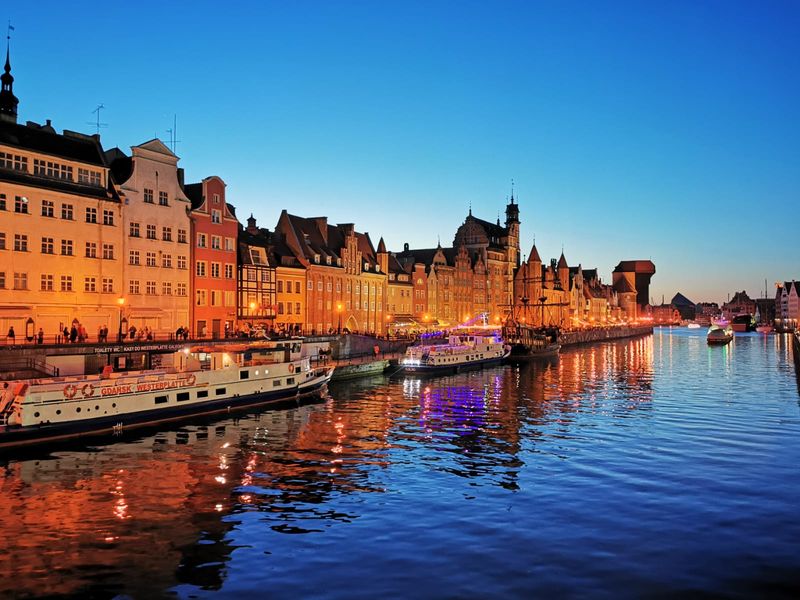
Gdańsk’s beautifully restored old town and riverside promenades offer a sense of measured discovery. Cobblestone streets, pastel façades, and historic shipyards stand as reminders of its Hanseatic roots, but it’s the relaxed café culture and leisurely strolls along the Motława River that define the city’s pace.
Gdańsk’s atmosphere encourages visitors to sit awhile—watching boats drift past or listening to street musicians—instead of constantly checking off an itinerary. The Long Market stretches through the heart of the old town, lined with ornate merchant houses that whisper tales of Baltic trade routes.
Amber shops display golden treasures while craftspeople work at unhurried speeds, perfecting their art. The medieval crane that once loaded cargo now stands as a monument to a time when commerce moved with the tides rather than the clock.
Waterfront restaurants serve hearty Polish dishes meant for lingering conversations, not quick bites. Evening light turns the Motława into liquid amber, and couples walk hand-in-hand past Gothic churches that have witnessed centuries pass without ever hurrying their own timeless presence.
San Diego, USA — Sunshine, Surf, and Slow Living

With abundant parks, long beaches, and a climate that practically begs you to take it easy, San Diego tops lists of relaxing cities where urban life and nature meld. Stroll along Mission Beach at sunset, unwind in Balboa Park’s gardens, or sip a craft brew in North Park’s shaded patios; in San Diego, time almost bends to your mood.
Whether you’re chasing surf or savoring a spa afternoon, the city accommodates your pace without judgment. Year-round sunshine eliminates the seasonal urgency that drives other cities, creating a perpetual vacation atmosphere even for residents.
Surfers paddle out in the early morning mist, reading waves with patient expertise. Families spread blankets in Balboa Park, spending entire Saturdays among museums, gardens, and street performers.
The laid-back beach culture permeates neighborhoods miles inland, where yoga studios and juice bars outnumber fast-food chains. Even downtown’s Gaslamp Quarter, despite its nightlife energy, maintains a West Coast ease that encourages wandering over rushing, and San Diego’s famous fish tacos are best enjoyed with sand between your toes and nowhere urgent to be.
Utrecht, Netherlands — Canal Life at a Leisurely Pace
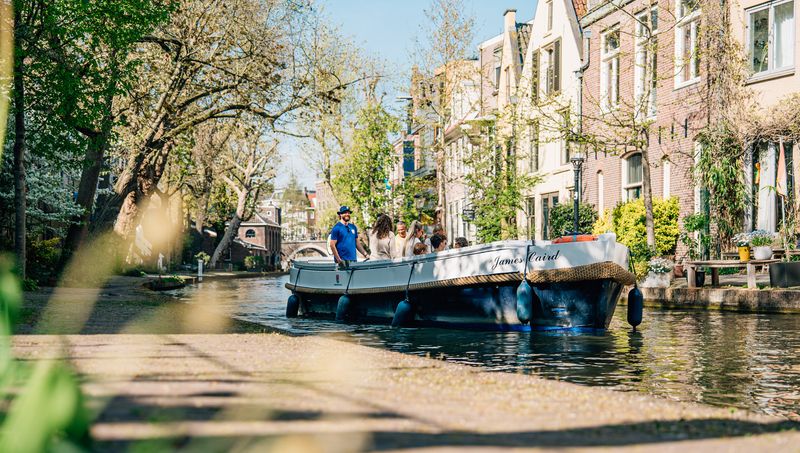
Utrecht’s compact, canal-lined old center is a cyclist-first paradise where cars are optional and meandering is key. Here, medieval architecture and leafy quays invite coffee stops and book browsing in sunny plazas.
Locals and visitors alike embrace a rhythm that values easy conversation, bike rides along water, and lingering lunches—a city designed for savoring every hour. The unique wharf cellars at water level have been transformed into cozy cafés and restaurants where diners sit just above the canal surface.
Bicycles outnumber people, yet no one seems in a particular hurry to reach their destination. The Dom Tower rises above terracotta rooftops, its bells marking hours that feel more like gentle suggestions than strict deadlines.
Students fill outdoor terraces with laughter and debate, their academic schedules punctuated by long coffee breaks. Independent bookshops and vintage stores encourage browsing without pressure, while canal boats glide silently past carrying couples and families enjoying the city from water level.
Utrecht proves that a city can be vibrant and youthful while still honoring the art of taking your time.
Trondheim, Norway — Nordic Slow Culture
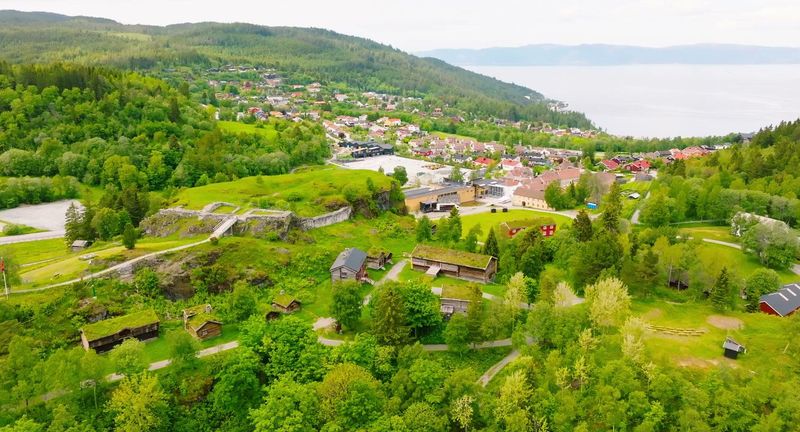
Surrounded by fjords and forests, Trondheim offers a peaceful Nordic lifestyle where outdoor cafes, river walks, and scenic views encourage relaxed exploration. The city’s steep history—from Viking roots to modern student culture—is felt in its historic Nidaros Cathedral and quiet shoreside trails.
Making it an ideal base for mindful travel where time feels expansive. The Nidelva River flows through the city center, lined with colorful wooden warehouses that once stored trade goods and now house galleries and apartments.
Students from Norway’s premier technical university bring youthful energy without sacrificing the city’s inherent calm. Coffee culture here is serious business, with locals lingering over expertly brewed cups while discussing everything from philosophy to hiking routes.
The midnight sun in summer and cozy darkness in winter both encourage slowing down—either to maximize endless daylight or to hibernate hygge-style indoors. Nearby hiking trails and fjord excursions are just minutes away, yet Trondheim never feels like a launching pad—it’s a destination that rewards those who settle in and let Nordic rhythms reshape their internal clock to something more humane.
Bergen, Norway — Fjord Views and Gentle Days
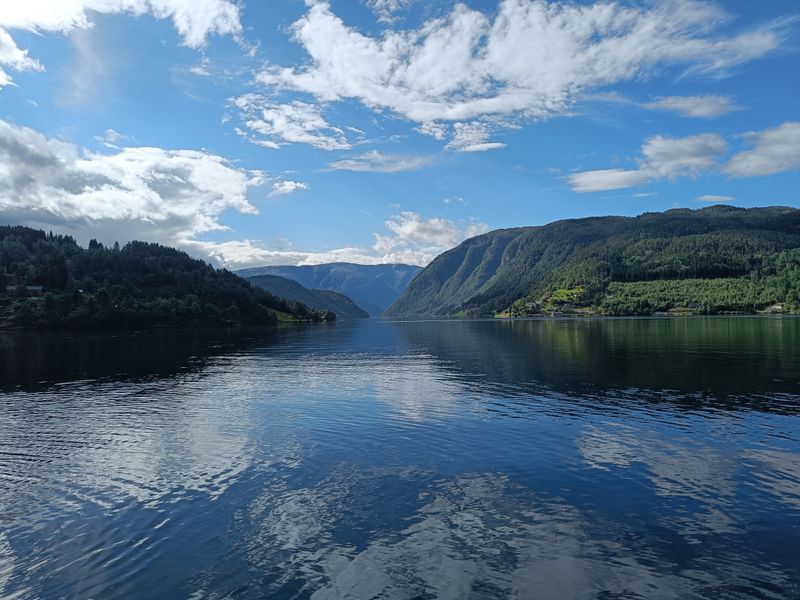
Bergen’s mix of colorful wooden houses, market stalls, and surrounding fjord panoramas fosters a sense of low-gear wonder. With easy access to nature and a historic center that resists frenetic city life, this Norwegian port invites unhurried coffee breaks on the wharf and contemplative hikes in the hills above.
The famous Bryggen wharf, a UNESCO World Heritage site, displays its rainbow of wooden buildings like a postcard from a gentler era. Fish markets operate as they have for centuries, with vendors chatting as much as selling.
Rain falls frequently here—Bergen is among Europe’s wettest cities—but locals have learned to embrace the weather rather than fight it, sipping coffee in covered outdoor spaces while mist softens the fjord views. The Fløibanen funicular carries visitors up Mount Fløyen, where forest trails and panoramic vistas offer perspective both literal and metaphorical.
Seafood restaurants serve meals meant for lingering, with windows overlooking harbors where sailboats bob gently. Bergen teaches that slowing down isn’t about doing less—it’s about being fully present for mountain views, market conversations, and the particular quality of light that filters through Norwegian clouds.
Granada, Spain — Moorish Majesty and Leisurely Evenings
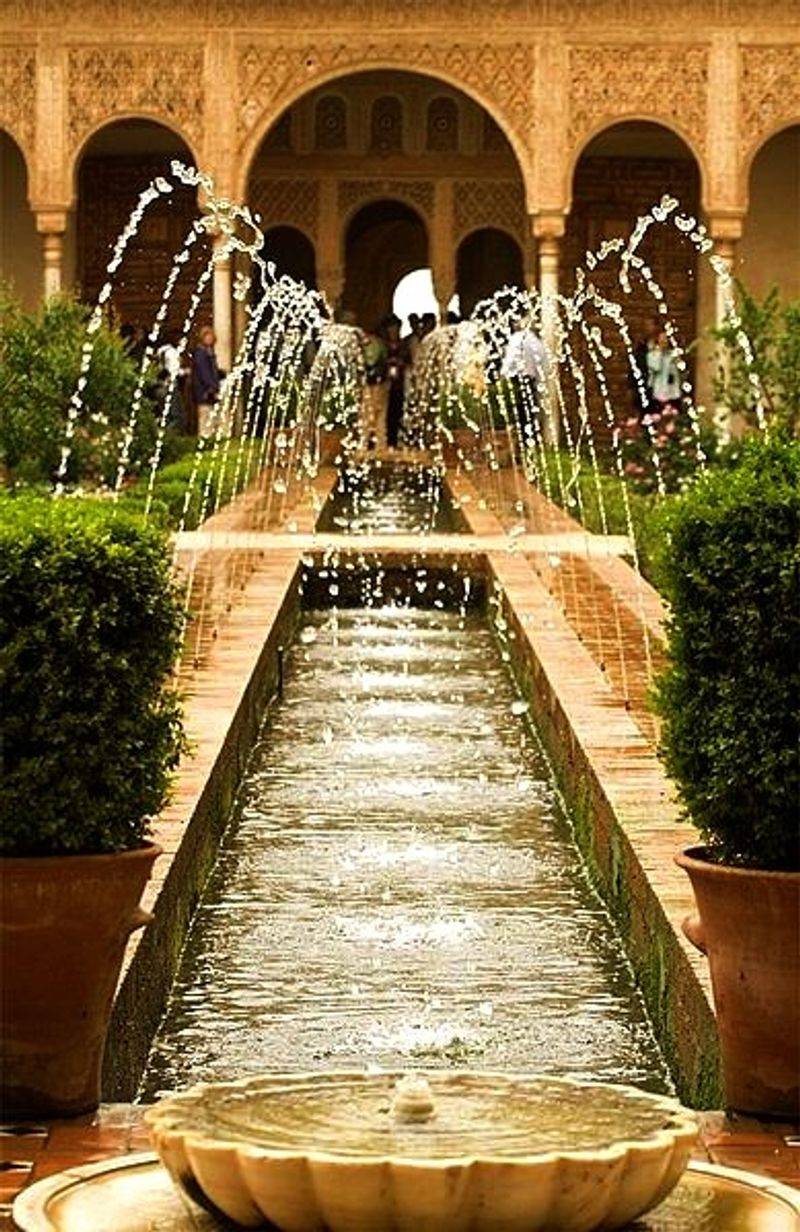
In Granada, the Alhambra’s terraced gardens and the labyrinthine Albaicín quarter inspire relaxed wandering. Tapas culture—where small plates are shared over long conversations—reinforces a slow evening rhythm, and sunset views from Mirador de San Nicolás encourage visitors to pause and watch the light shift over the Sierra Nevada.
The Moorish palace complex demonstrates an architectural philosophy where beauty and contemplation were inseparable. Water features designed centuries ago still trickle through courtyards, their sounds engineered to soothe and slow the mind.
Narrow Albaicín streets climb steep hills, rewarding unhurried exploration with hidden plazas and sudden vistas. Granada’s famous free tapas tradition transforms eating into a social marathon rather than a quick refueling stop.
Flamenco shows in cave venues pulse with passion yet unfold at their own dramatic pace, never rushed. Students from the ancient university fill bars with energy that somehow remains distinctly Andalusian—lively but never frantic.
As the Alhambra glows pink in the fading light, crowds gather at viewpoints not to snap quick photos but to witness the daily miracle of sunset over one of Europe’s most enchanting monuments.
Oaxaca, Mexico — Savoring Culture and Cuisine
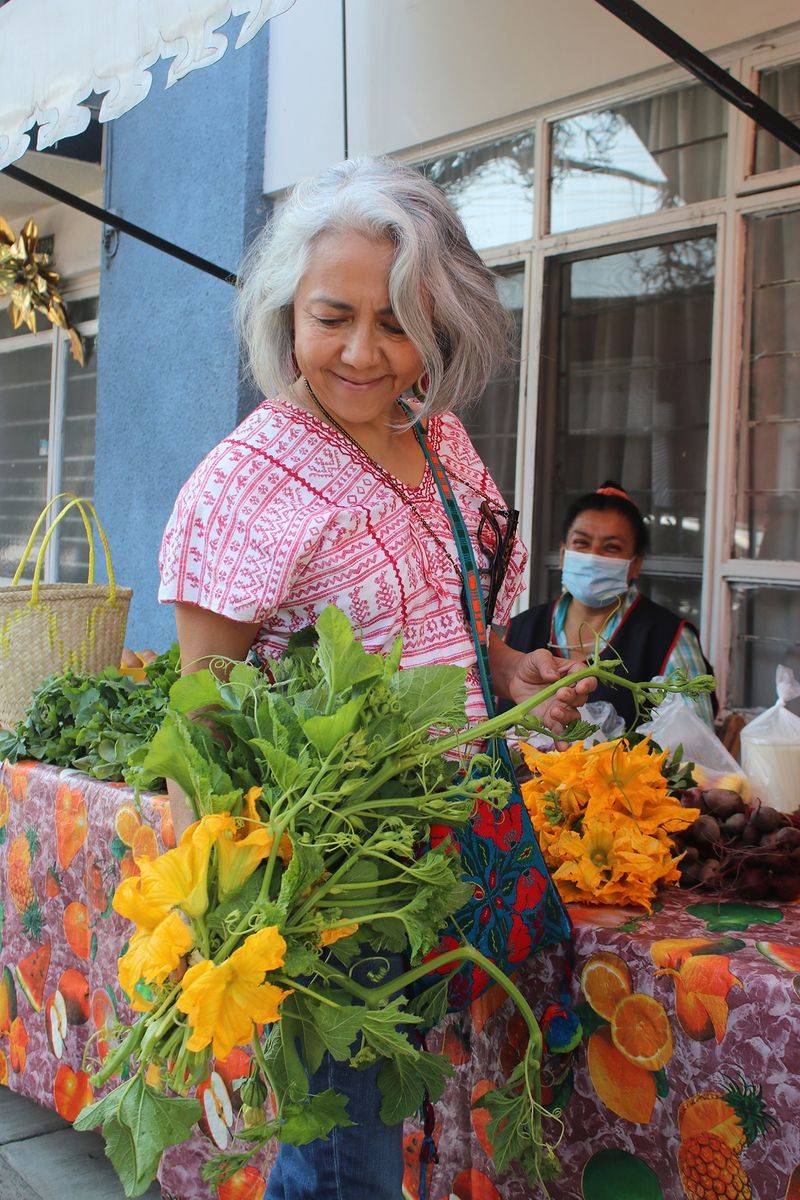
Oaxaca’s vibrant markets, historic plazas, and mesmerizing mezcal trails make it a standout slow-travel hub. Staying longer here lets you learn local rhythms—from early morning tamale strolls to multi-hour mezcal tastings—and truly absorb the state’s indigenous arts, rituals, and culinary heritage at an easy pace.
The Zapotec and Mixtec cultures infuse daily life with traditions that cannot be rushed—mole sauces that simmer for days, textiles woven on backstrap looms, pottery shaped by techniques unchanged for generations. Markets overflow with chilies, chocolate, and grasshoppers, each vendor happy to explain their products’ stories and preparation methods.
Mezcal palenques in nearby villages welcome visitors for unhurried tours where agave roasting and distillation unfold at nature’s pace. Colonial churches and ancient ruins surround the city, offering countless excuses to wander without agenda.
Street food vendors serve tlayudas and memelas meant for sidewalk consumption, standing and chatting while the city moves around you. Oaxaca rewards those who surrender their itineraries and instead follow their curiosity through markets, workshops, and conversations that reveal layers of meaning invisible to rushed visitors.
Galway, Ireland — Music, Sea Breezes, Slow Chats
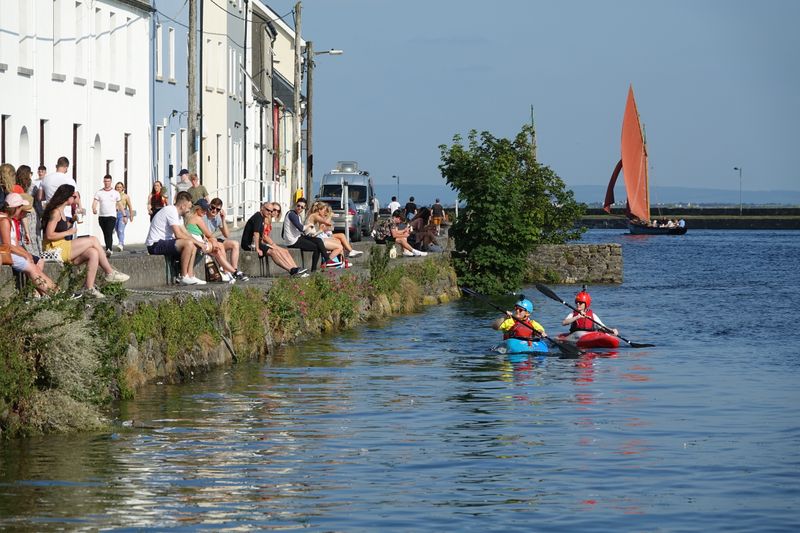
Galway’s seaside charm, cobblestone streets, and spontaneous music sessions foster an unhurried vibe. Visitors often find themselves lingering over pints and poetry in cozy pubs, or walking the Salthill Promenade with the Atlantic waves just steps away.
It’s a city where social life and scenery slow your pulse. Traditional Irish music spills from pub doorways most nights, not as scheduled entertainment but as organic gatherings where musicians simply show up and play.
The Latin Quarter’s medieval lanes wind past street performers, artists, and buskers who transform sidewalks into stages. Conversations with strangers happen easily here—Galway’s reputation for friendliness isn’t tourism marketing but lived reality.
The Wild Atlantic Way begins just outside the city, offering dramatic coastal scenery for those willing to wander. Oyster festivals and arts celebrations punctuate the calendar, but even ordinary Tuesdays feel celebratory when you’re nursing a Guinness while a fiddle player works through a set of reels.
Galway teaches that slowing down often means opening up—to new people, unexpected music, and the particular magic that happens when you have nowhere else you’d rather be.
Charleston, USA — Southern Ease and Historic Streets
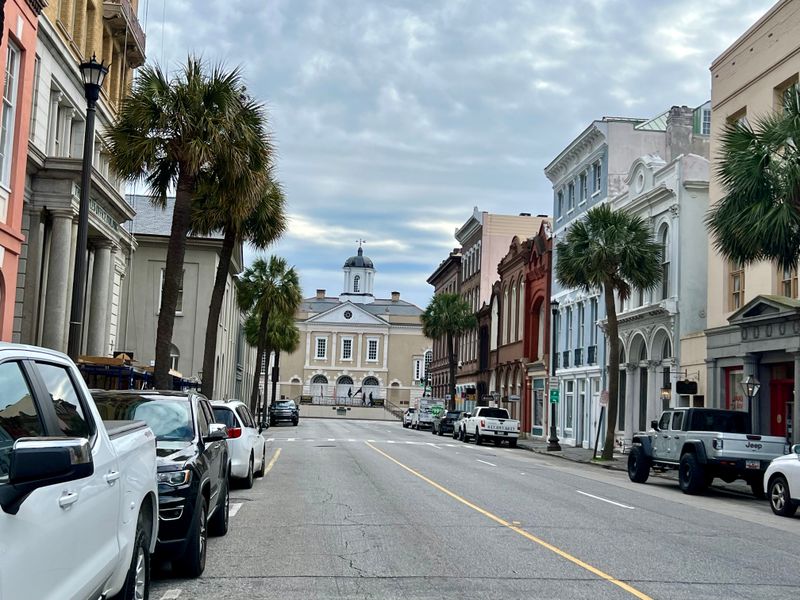
Charleston’s antebellum architecture, shaded squares, and slow-paced Lowcountry culture make it a city where strolling replaces rushing. Porch swings, shrimp boats in the harbor, and relaxed culinary traditions—like long lunch hours and porch-side sweet tea—embody a gentle, historic pace.
The Holy City’s nickname reflects its skyline of church steeples, but also hints at the almost sacred quality of its unhurried lifestyle. Rainbow Row’s pastel houses glow in the golden hour, best appreciated from a slow walk rather than a car window.
Horse-drawn carriages clip-clop through historic districts, their drivers narrating centuries of stories with Southern drawls that stretch syllables like taffy. Restaurants serve Lowcountry boils and she-crab soup in dining rooms where meals are events, not obligations.
Waterfront parks invite afternoon lounging beneath live oaks draped with Spanish moss. The Charleston tradition of porch-sitting—simply watching the world pass by from a rocking chair—has been elevated to an art form.
Even the summer heat conspires to slow you down, encouraging afternoon siestas and evening constitutionals when temperatures finally relent and the city exhales into twilight.
Bruges, Belgium — Fairy-Tale Calm
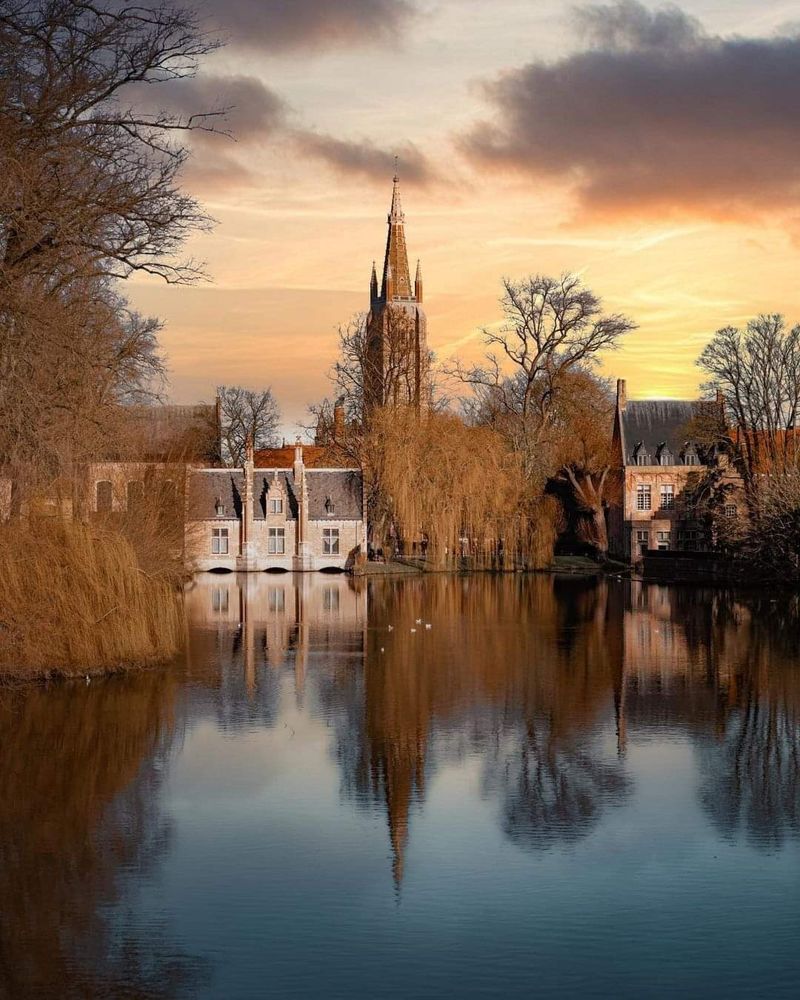
Bruges feels like a storybook city where the canals, medieval towers, and cobbled paths encourage slow exploration. Picture small boats gliding beneath low bridges, chocolates sampled at relaxed pace, and café terraces beside quiet squares that invite you to sip and stay awhile.
The Belfry tower dominates the skyline, its bells marking time over a city that seems preserved in amber. Swans glide along canals that mirror Gothic architecture in their still waters.
Chocolate shops line nearly every street, their artisans happy to explain the difference between pralines and truffles while offering samples. Lace-making traditions continue in workshops where elderly women demonstrate crafts that require patience modern life rarely affords.
Horse-drawn carriages navigate narrow lanes, their drivers pointing out architectural details easily missed at faster speeds. Beer cafés serve hundreds of Belgian varieties, each deserving contemplation and conversation rather than quick consumption.
Bruges in winter, dusted with snow and lit by streetlamps, becomes even more enchanting—a place where time doesn’t just slow but seems to circle back on itself, offering glimpses of medieval life barely changed by passing centuries.
Cusco, Peru — Ancient Rhythms in Modern Life
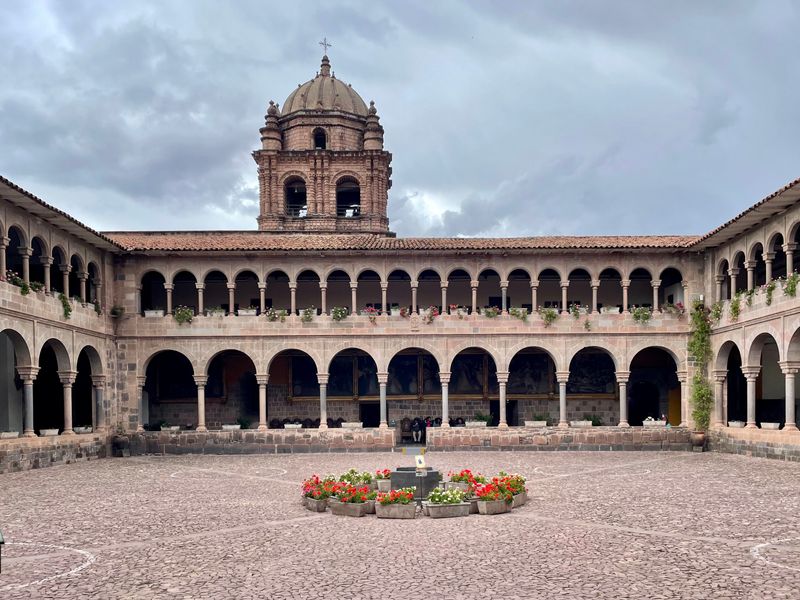
Cusco’s historic plazas and Inca-era stones set the tone for a city where time feels layered. Rather than zipping between sites, many travelers find themselves lingering over Andean cuisine, sitting with locals in markets, or walking slowly through cobblestoned neighborhoods en route to nearby ruins.
Massive Inca stones fitted without mortar still form the foundations of colonial buildings, creating a visible timeline of conquest and survival. The high altitude itself enforces a slower pace—visitors quickly learn that rushing at 11,000 feet leaves you breathless.
San Pedro Market buzzes with vendors selling fresh juices, empanadas, and coca leaves, each transaction an opportunity for conversation. Plaza de Armas serves as the city’s living room, where locals and travelers alike gather to people-watch and absorb the mountain light.
Nearby Sacsayhuamán and other ruins invite contemplation of civilizations that measured time in agricultural cycles rather than minutes. Cusco’s restaurants serve pachamanca and cuy prepared with techniques passed through generations, meals meant for sharing and savoring.
The city teaches that some places carry so much history that hurrying through them feels almost disrespectful to the centuries embedded in every stone.
Tallinn, Estonia — Medieval Center, Calm Modernity
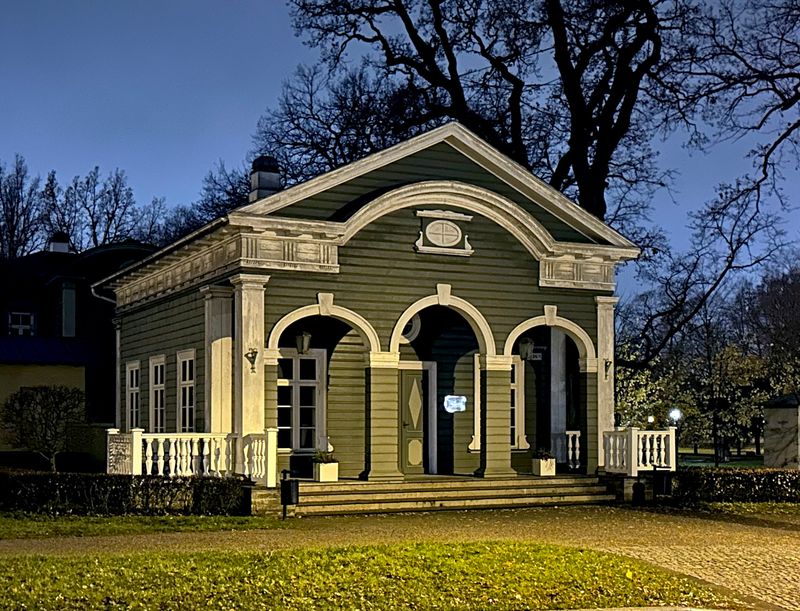
Tallinn’s compact Old Town—with fortified walls, historic squares, and cozy cafés—makes it easy to explore at a stroll’s pace. With its fairy-tale architecture and serene energy, this Baltic gem is ideal for travelers who want to slow down, sip coffee in sunny courtyards, and take meaningful time with history.
Medieval walls still encircle the old center, creating a protected pocket where time moves differently than in the modern city beyond. Towers with whimsical names like Fat Margaret and Tall Hermann stand as reminders of when cities were measured by defense walls rather than suburbs.
Cobblestone streets wind past artisan shops selling amber jewelry and hand-knit woolens. Café culture thrives in hidden courtyards where sun-warmed stones and flowering vines create microclimate oases.
The view from Toompea Hill reveals terracotta rooftops cascading toward the Baltic Sea, a panorama best appreciated without time pressure. Despite being one of Europe’s most digitally advanced capitals, Tallinn’s Old Town resists the frantic pace of modern life.
Here, medieval festivals and craft traditions coexist with tech startups, proving that honoring the past and embracing the future need not conflict when both are approached with intention rather than haste.
Share this story