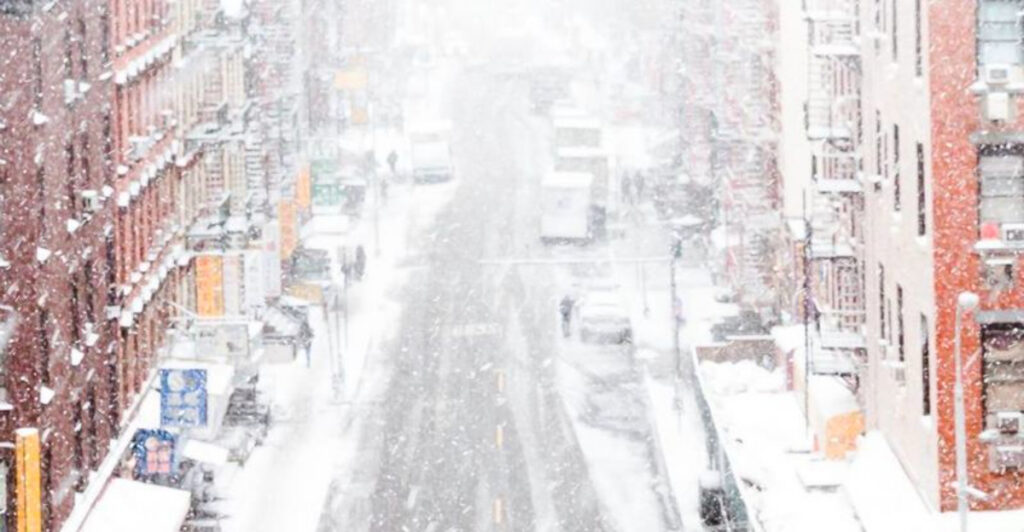
A stretched polar vortex is setting the stage for weeks of biting Arctic air across the United States, and you can feel the difference already. This is not your quick weekend cold snap but a persistent pattern that reloads with fresh blasts of frigid air.
If you live from the Rockies to the Northeast, or even in parts of the South, expect temperatures that run well below normal. Stay with me as we break down what this means for your day to day life, travel plans, and safety.
Polar Vortex Stretching Brings Prolonged Arctic Cold Across the U.S.
A stretched polar vortex is funneling dangerous Arctic air across a much larger swath of the U.S., locking in a multi week freeze. Instead of weakening, the vortex elongates, allowing the coldest cores to spill south under a wavy jet stream.
You will notice highs running well below normal and nights that bite harder than typical January cold.
Forecasts point to the northern Rockies, Plains, Great Lakes, and Northeast bearing the brunt, with repeated pulses reinforcing the chill. Sub freezing air will reach far south, shoving frost and hard freezes into places that rarely see them.
It feels relentless because the atmosphere keeps reloading as fresh Arctic reservoirs slide south.
This is a pattern, not a passing front, and preparation matters. Layer clothing, protect pipes, and build extra time into commutes as infrastructure strains under extended cold.
If you manage facilities or care for vulnerable neighbors, plan now for sustained heating, backup power, and safe warming options. Stay weather aware as each surge arrives.
Millions Face Below-Normal Temperatures and Harsh Wind Chills
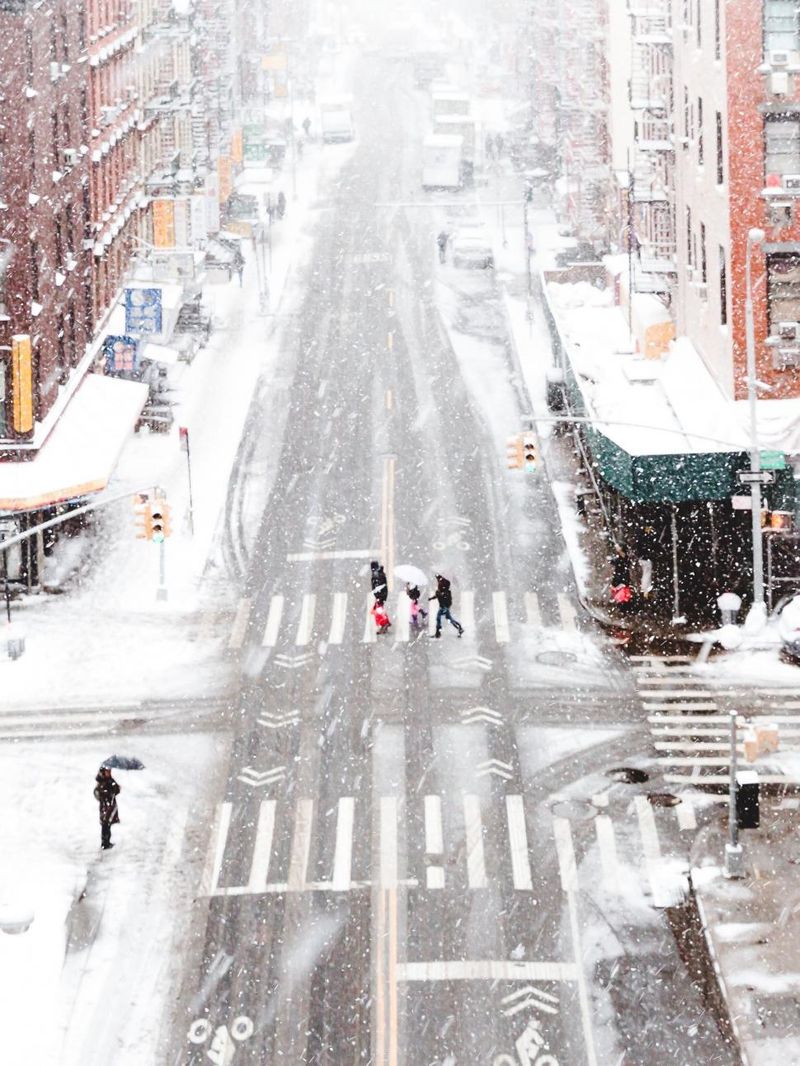
More than 170 million Americans are stepping into a prolonged stretch of below average temperatures as Arctic air digs in. Guidance shows the chill building over Canada, then pushing south through late January, focusing the coldest anomalies from the northern Plains to the Great Lakes and Northeast.
Even if you live farther south, the drop will feel startling.
Parts of the Southeast could run 10 to 20 degrees below normal, with lows sinking into the 20s and some Florida spots flirting with freezing. Wind chills make it worse, accelerating frostbite risks and sapping body heat fast.
You will want to limit time outdoors, cover exposed skin, and dress in breathable layers that trap warmth.
Travel plans need flexibility as extreme wind chills and ice patches challenge roads and airports. Keep emergency kits in vehicles, including blankets, snacks, water, and phone chargers.
Check in on those who might not have adequate heat, and bring pets inside. The message is simple and urgent: respect the wind, respect the cold, and pace your day accordingly.
Snow and Cold Could Reach Deep Into the South
The southward dive of the jet stream opens the door for Arctic air to reach unusually far south, turning marginal setups into wintry surprises. When cold timing pairs with incoming moisture, snow or icy mixes can appear in places that rarely see them.
You might wake to a powdered lawn, slick bridges, and school changes even without major accumulations.
Cities like Nashville, Atlanta, and Louisville could struggle to hit 40 degrees, with nights dipping well below freezing. Light snow or a glaze of ice can still trigger outsized impacts where winter equipment and deicing supplies are limited.
Travel becomes tricky fast, especially on elevated roads that freeze first.
Plan ahead now. Stock rock salt or sand, charge devices, and build a home kit with water, shelf stable food, flashlights, and medications.
If you must drive, slow down, increase following distance, and watch shaded curves and bridges. Small storms can be big disruptors in the South, so stay flexible and follow local alerts closely.
Long-Duration Cold Has Broad Social and Infrastructure Impacts
When cold lingers for weeks, the impacts pile up quickly. Heating demand spikes, stressing power grids and pushing bills higher just as pipes freeze and buildings creak.
You can avoid costly damage by insulating exposed lines, letting faucets drip, and knowing where the main shutoff valve lives.
Health risks grow as wind chills persist, especially for older adults, children, and unhoused neighbors. Hypothermia and frostbite move faster than many expect, so check on people who may not have reliable heat or transportation.
Keep pets indoors, and use space heaters with strict safety habits to prevent fires or carbon monoxide incidents.
Roads and rails take a beating as freeze thaw cycles crack surfaces and complicate repairs. Crews work long shifts, and response times stretch, so patience and preparation help everyone.
Build redundancy into your plans: backup power, extra medications, and alternative commute options. This is a marathon cold spell, not a sprint, and steady, thoughtful choices will keep you safer and more comfortable.
Share this story