America has a rich tapestry of superstitions that once governed daily life in countless households. From avoiding ladders to knocking on wood, these beliefs were passed down through generations as serious rules meant to protect families from misfortune.
Today, many of these old superstitions seem quirky or outdated, but they reveal fascinating insights into the fears, hopes, and cultural traditions that shaped American life.
1. Never Walk Under a Ladder
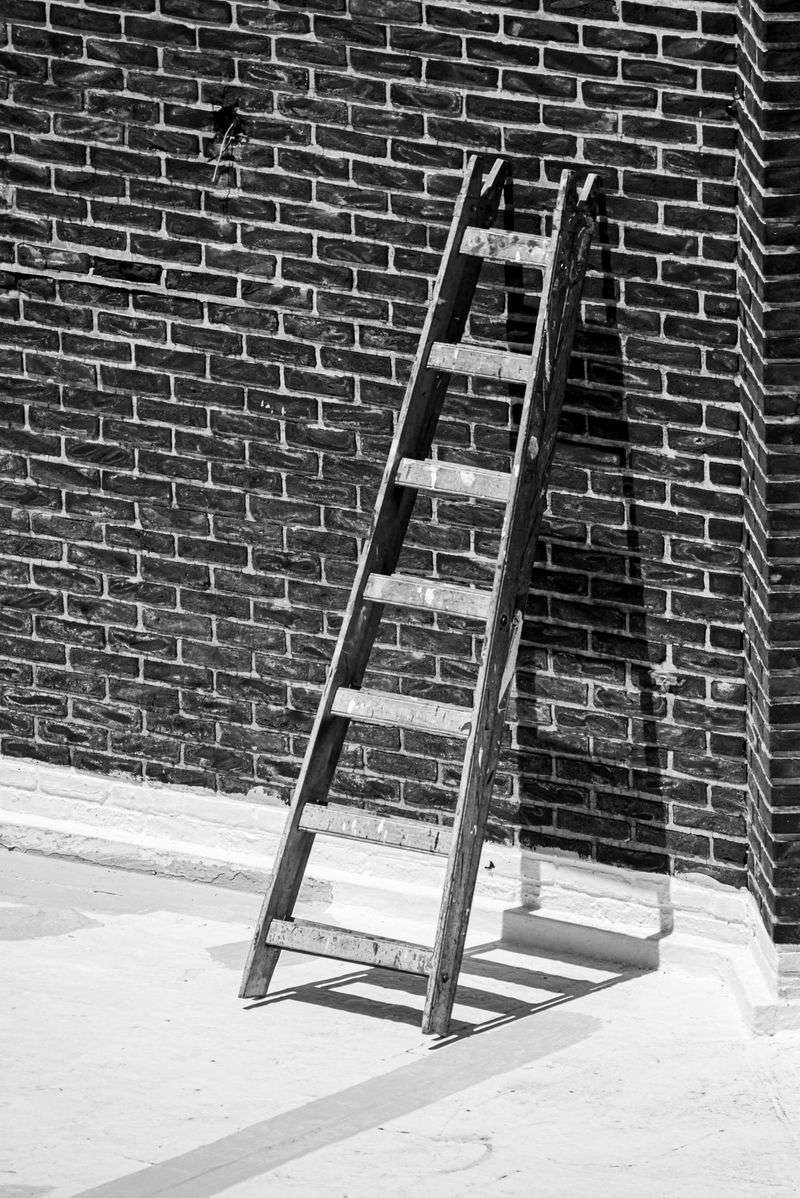
For centuries, families warned children to walk around ladder leaning against a building, not through it. The superstition has roots in old religious symbolism where the triangle represented the Holy Trinity, and breaking that sacred shape invited bad luck.
Beyond the spiritual angle, there was practical wisdom here too. Walking under a ladder meant risking tools, paint cans, or even the person on the ladder falling on your head.
Many American households treated this as a firm safety rule disguised as superstition.
Grandparents would scold youngsters who dared to tempt fate by ducking under. The belief was so strong that some people would cross the street rather than pass beneath a ladder.
Even today, many folks feel a slight unease when faced with this choice.
Whether you believe in the supernatural consequences or just appreciate the practical safety advice, this superstition has staying power. It reminds us that sometimes old warnings contained genuine wisdom wrapped in mystical packaging.
2. Spill Salt? Toss a Pinch Over Your Left Shoulder
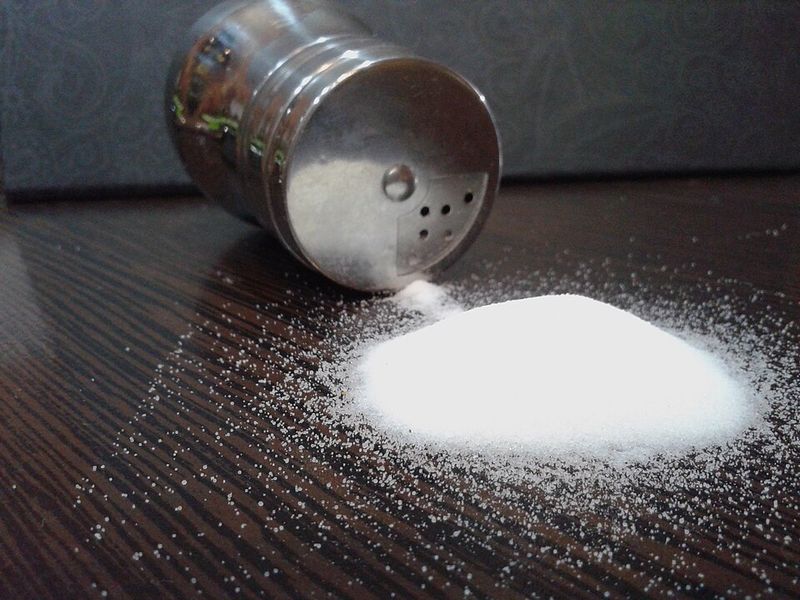
Salt was once incredibly valuable, sometimes worth its weight in gold. Spilling it was considered wasteful and unlucky, possibly angering household spirits or inviting evil forces.
American families developed a quick fix: grab a pinch of the spilled salt and throw it over your left shoulder to blind the devil lurking there.
The left side has long been associated with bad luck and evil in Western traditions. People believed your guardian angel stood at your right shoulder while the devil waited on your left, ready to take advantage of any mistake.
This ritual became so automatic in some households that children performed it without thinking whenever salt scattered across the dinner table. Mothers and grandmothers insisted on it, treating the gesture as essential protection against whatever misfortune the spill might bring.
Even today, some people still toss salt over their shoulder out of habit or nostalgia. The gesture has become a charming cultural relic, a tiny theatrical moment that connects modern Americans to their superstitious ancestors who took such rituals very seriously indeed.
3. Opening an Umbrella Indoors Invites Misfortune
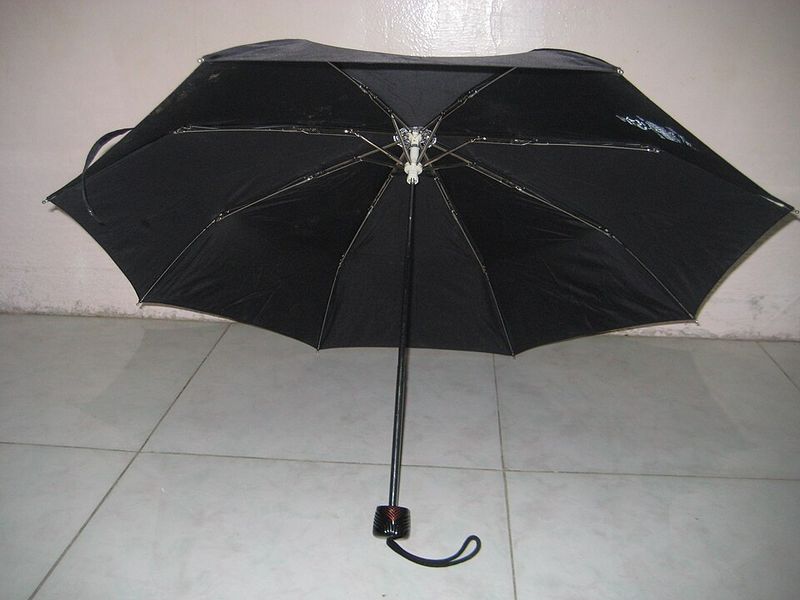
Before you pop open that umbrella inside to shake off the rain, old superstition says you should think twice. Opening an umbrella indoors was considered a serious offense against good fortune in many American homes.
Parents scolded children who forgot this rule, warning that bad luck would follow.
The origins blend practical concerns with supernatural beliefs. Early umbrellas had stiff springs and metal spokes that could easily poke someone’s eye or knock over lamps when opened in tight indoor spaces.
Beyond safety, some believed umbrellas were meant to protect against the heavens, so using one inside insulted the roof over your head.
Victorian-era Americans were especially strict about this rule. Households treated it as both etiquette and protection, believing that defying it could bring anything from minor accidents to serious misfortune.
The superstition spread through generations as mothers taught daughters and fathers warned sons.
Today, the belief lingers even in homes where nobody remembers why. Many people still feel oddly uncomfortable opening an umbrella indoors, a testament to how deeply these old household rules embedded themselves in American culture and consciousness.
4. A Black Cat Crossing Your Path Means Bad Luck
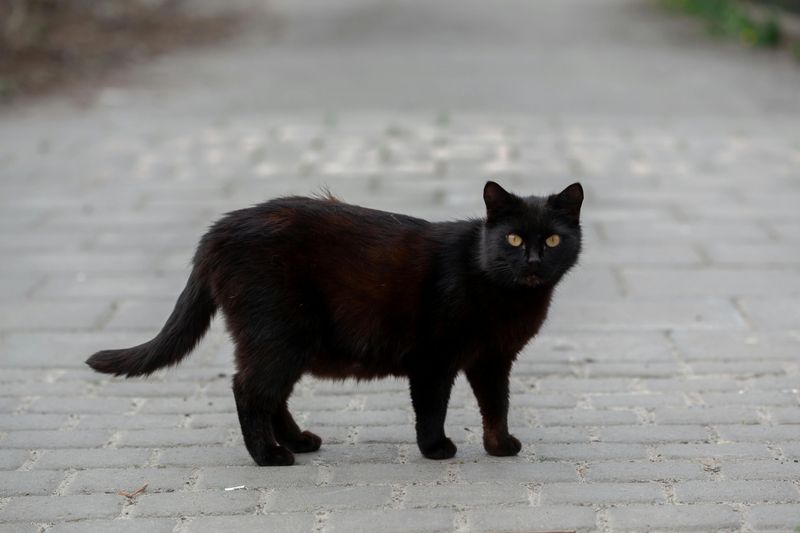
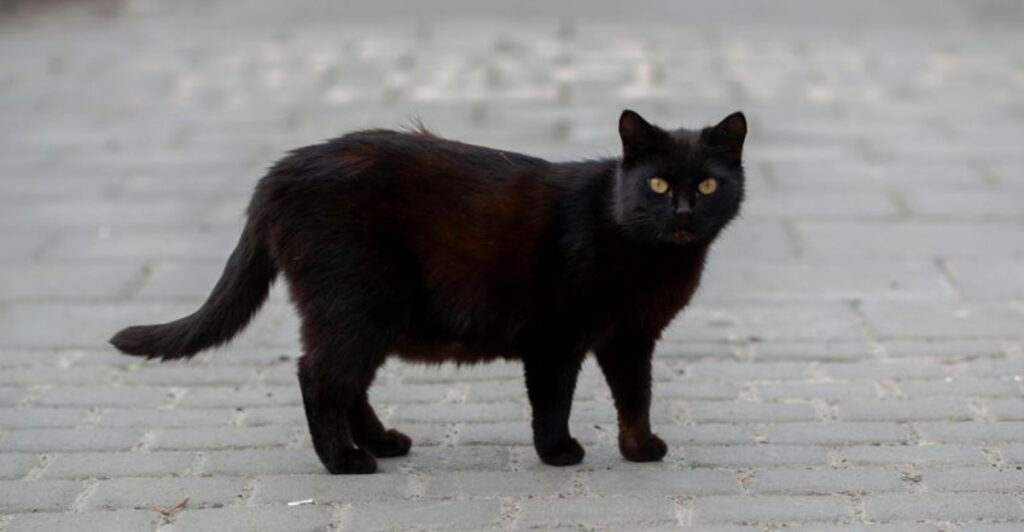
Black cats have been unfairly linked to witchcraft and misfortune for hundreds of years. When European settlers arrived in America, they brought these fears with them, and the superstition took root in the New World.
Families would literally change their walking route if a black cat crossed ahead of them.
The belief became especially strong around Halloween, when black cats were seen as witches’ companions or even witches in disguise. Children were taught to avoid them, and some households refused to keep black cats as pets out of fear they would bring calamity to the home.
This superstition had real consequences for black cats themselves. Animal shelters still report that black cats are harder to adopt because of lingering negative associations.
The irony is that in some cultures, black cats are actually considered lucky.
Modern cat lovers know that fur color has nothing to do with personality or fortune. Yet the old belief persists in American culture, showing up in movies, books, and Halloween decorations, keeping the superstition alive even among people who claim not to believe it.
5. Don’t Put a Hat on the Bed
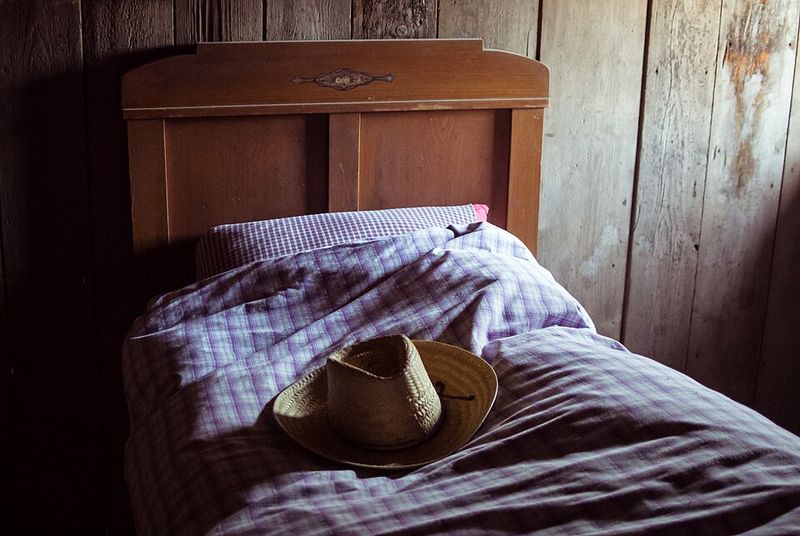
Tossing your hat onto the bed might seem harmless, but old American superstition treated this as a dangerous invitation to bad luck, illness, or even death. Households enforced this rule strictly, and guests who forgot were quickly corrected by their hosts.
The belief has several possible origins. Hats were worn outdoors and could carry disease or dirt, so placing them where you sleep seemed both unsanitary and unlucky.
In some traditions, placing a hat on a bed was associated with death rituals or funeral customs, making it a grim omen.
Cowboys and rural Americans were especially serious about this rule. A hat on the bed could signal an upcoming death in the family or bring financial ruin.
Men would rather drop their hat on the floor than risk the consequences of putting it on the mattress.
Even in modern times, some people feel uncomfortable seeing a hat on a bed, though they might not remember why. The superstition reveals how household objects and their placement once carried heavy symbolic weight, turning everyday actions into potential disasters that required constant vigilance.
6. Step on a Crack, Break Your Mother’s Back
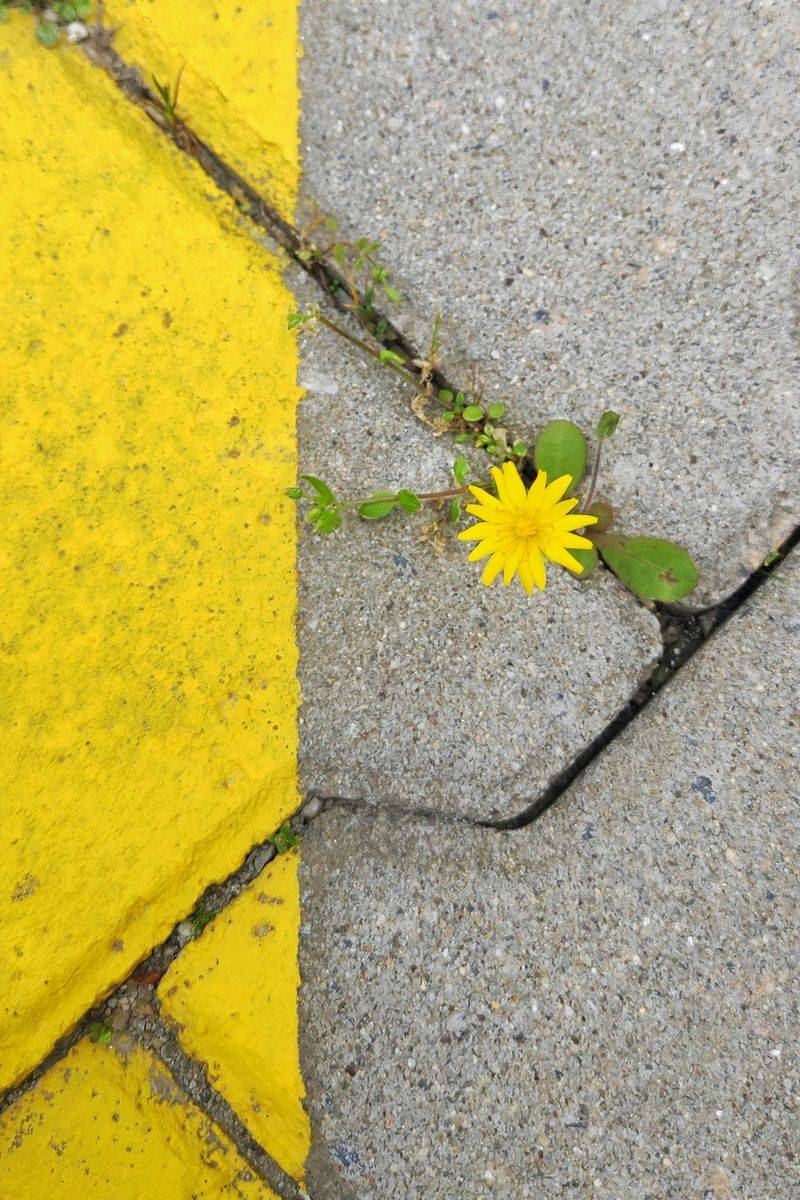
Generations of American children turned sidewalk navigation into a high-stakes game with this rhyming warning. The singsongy chant made avoiding cracks in the pavement a serious childhood mission, blending play with genuine anxiety about harming their mothers.
Folklorists have traced this superstition through various dark iterations, but the version that stuck in American culture focused on maternal harm. Kids hopped, skipped, and carefully placed their feet to avoid the lines between concrete squares, believing their mother’s safety depended on their precision.
The superstition reveals how children process abstract fears through concrete rules. By giving them control over their mother’s wellbeing through something as simple as foot placement, the belief offered comfort even as it created anxiety.
Playgrounds and sidewalks became testing grounds for loyalty and luck.
Today, adults still sometimes catch themselves avoiding cracks out of old habit. The rhyme persists in popular culture, teaching new generations the same cautious sidewalk dance.
It stands as a perfect example of how superstitions embed themselves through rhythm, rhyme, and childhood repetition that lasts a lifetime.
7. Never Sweep After Dark (Especially in Southern Folklore)
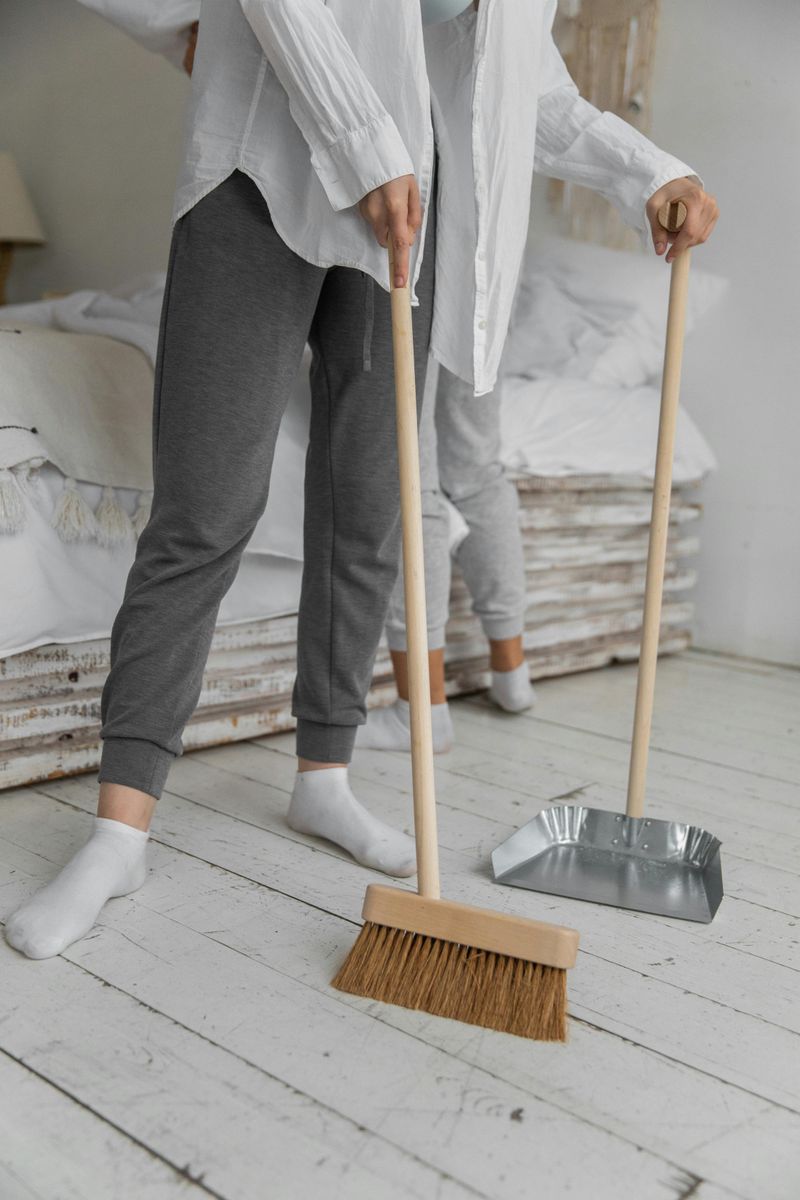
In parts of the American South, putting away the broom before sunset was a firm household rule. Sweeping after dark was believed to sweep away your luck, prosperity, or even sweep death into the home.
Families took this seriously enough to leave dirt on the floor overnight rather than risk the consequences.
The superstition connects to broader beliefs about nighttime as a dangerous period when protective barriers weaken. Sweeping during these vulnerable hours could disturb spirits or accidentally brush away the good fortune that accumulated during the day.
Some believed you might sweep away a family member’s soul.
Grandmothers enforced this rule with stern warnings, and children learned that certain chores had proper times. The broom itself carried symbolic weight in folk magic and household protection, making its use after sunset particularly risky.
Morning sweeping, by contrast, cleared away night’s troubles and welcomed fresh luck.
Though fewer people follow this rule today, it represents how deeply superstition shaped domestic routines. Simple household tasks became rituals with right and wrong times, turning everyday cleaning into an act that required careful timing to protect the family’s fortune and wellbeing.
8. Whistling Indoors Can Whistle Away Your Money
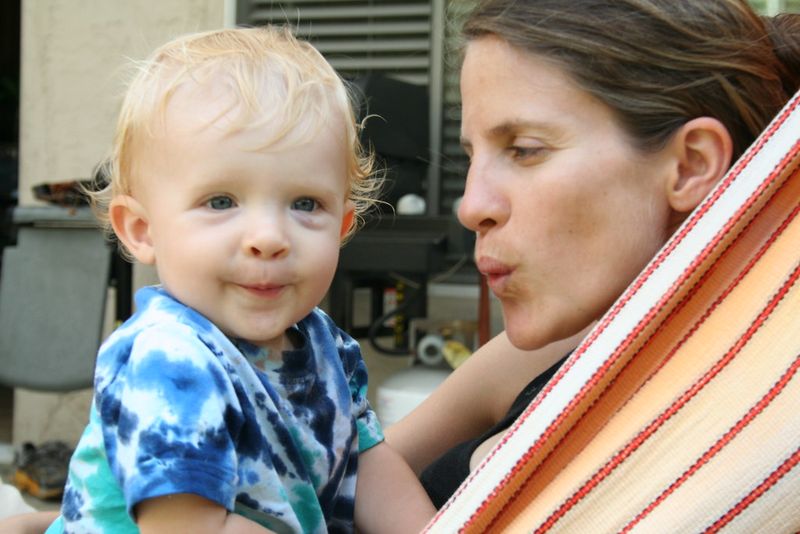
Many American households banned whistling indoors, warning that the cheerful sound would literally blow your money away. This superstition treated indoor whistling as financially dangerous, capable of sending prosperity flying out the door or window along with the notes.
The belief appears in various forms across different communities. Some versions focused specifically on whistling at the dinner table or in the kitchen, while others banned it throughout the entire house.
Parents would quickly hush whistling children, explaining that the family’s financial security depended on silence.
Sailors had their own version of this superstition, believing that whistling on a ship could whistle up dangerous winds. The indoor money version likely developed from similar ideas about sound having power to summon or repel forces, whether wind, luck, or wealth.
The rule also served practical purposes, as constant whistling could genuinely annoy other household members in close quarters. By framing it as a financial threat rather than just rudeness, parents gave the prohibition extra weight.
Today, the superstition has mostly faded, but some older Americans still remember being scolded for whistling indoors and warned about the money they were chasing away.
9. A Crow Over the House Can Be a Dark Omen

Appalachian families watched the skies with superstitious eyes, especially when crows appeared overhead. A crow circling the house or calling three times was considered a death omen, signaling that someone in the family would soon pass away.
This belief turned ordinary bird behavior into terrifying prophecy.
Crows have long been associated with death and the supernatural across many cultures. Their black feathers, harsh calls, and scavenging habits made them seem like messengers from darker realms.
When one lingered near a home, families braced for bad news.
The specificity of three calls made the superstition even more chilling. People would count the caws anxiously, hoping the bird would stop at two or fly away before completing the fatal third cry.
Some households tried to scare crows away immediately to prevent the omen from fully forming.
Mountain communities passed these beliefs through generations, creating a rich folklore around bird signs and natural omens. While modern understanding explains crow behavior through territory and food-seeking, the old superstition reveals how our ancestors interpreted the natural world as constantly sending messages about human fate, turning wildlife into fortune-tellers and death heralds.
10. Certain Dreams Were Read as Warnings

American households once kept informal dream dictionaries in their heads, interpreting nighttime visions as supernatural warnings or predictions. Families discussed dreams over breakfast, analyzing symbols for hidden messages about money, enemies, death, or fortune that required action or caution.
Common dream symbols carried specific meanings passed through generations. Dreaming of teeth falling out might signal death or loss, while muddy water warned of trouble ahead.
Clear water promised good fortune, and dreaming of certain animals or objects had fixed interpretations that everyone in the community understood.
Newspapers even published columns explaining popular dream superstitions, showing how widespread this belief system was. People made real decisions based on dream warnings, sometimes changing plans or taking precautions because of what they saw while sleeping.
Dreams were treated as a direct line to hidden knowledge.
The superstition reveals a worldview where the boundary between waking and sleeping was porous, and the unconscious mind could access truths hidden from daytime awareness. While modern psychology offers different interpretations, the old household practice of dream reading shows how seriously Americans once took these nightly visions as guides for daily living and future planning.
11. Rain on Your Wedding Day Is Good Luck

While many brides dread rain on their wedding day, old superstition actually celebrated it as a powerful good luck sign. American families reassured nervous brides that wet weather meant blessings, fertility, and a strong marriage that would weather any storm.
The belief draws from multiple symbolic sources. Rain represents cleansing and renewal, washing away the past and blessing the new beginning.
It also symbolizes fertility and abundance, promising a fruitful marriage with plenty of children and prosperity.
Another interpretation focuses on the wedding knot itself. Just as a wet knot becomes harder to untie, rain on the wedding day supposedly makes the marriage bond stronger and more difficult to break.
This gave couples caught in wedding-day downpours something positive to focus on instead of soggy dresses and ruined outdoor plans.
The superstition serves a beautiful psychological purpose, turning potential disaster into blessing and helping couples maintain joy despite weather beyond their control. Modern wedding traditions still reference this belief, with vendors and family members offering the old reassurance to disappointed brides that rain actually means their marriage will be especially lucky and long-lasting.
12. Itchy Palms Mean Money Is Coming (or Going)
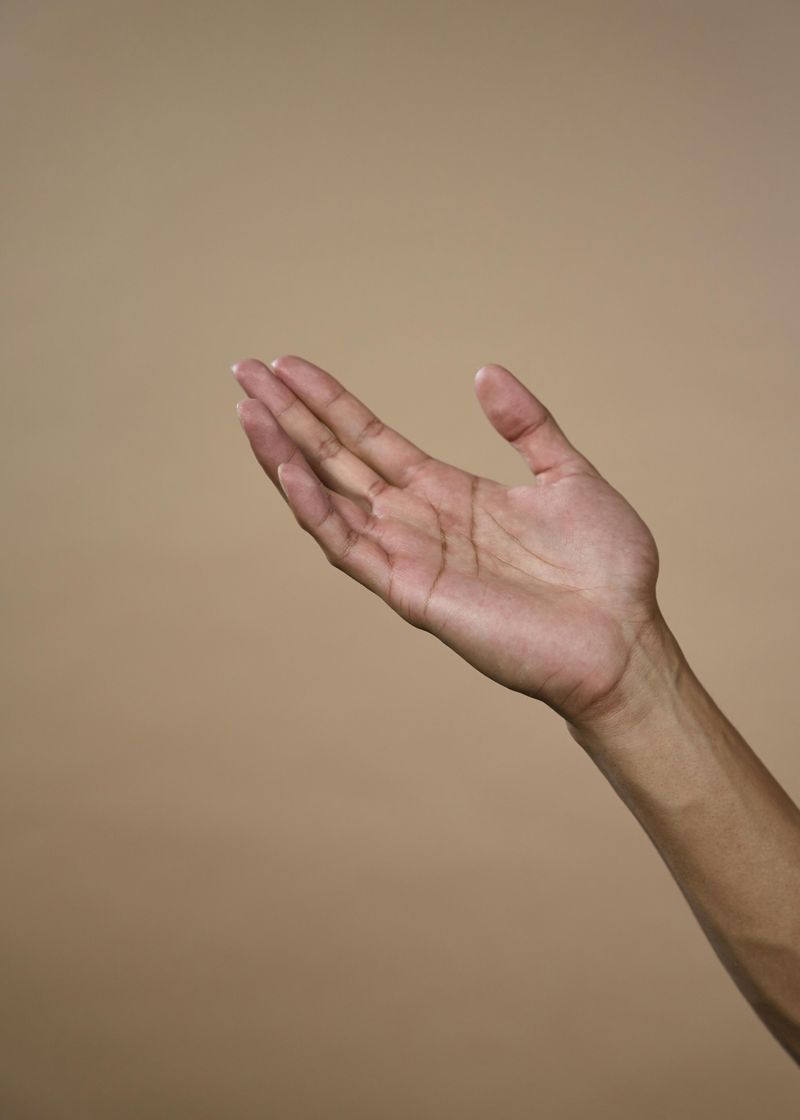
An itchy palm sent American households into speculation about incoming or outgoing money. The superstition assigned different meanings to each hand: right palm itching meant money coming in, while left palm itching warned that you would soon be paying money out or losing it somehow.
Some versions added specific rituals to the belief. When your right palm itched with the promise of incoming money, you should scratch it on wood to make the fortune arrive faster.
If your left palm itched with the threat of loss, you should sit on your hand or rub it on stone to prevent the money from leaving.
The superstition made people hyper-aware of minor physical sensations, turning ordinary itches into prophetic signals requiring interpretation and response. Families would announce their itchy palms at dinner, predicting financial changes and watching to see if the omen proved true.
Like many superstitions, this one probably persists because of confirmation bias. People remember the times an itchy palm preceded financial change while forgetting the many false predictions.
Still, the belief continues to circulate, with people joking about itchy palms even as they secretly wonder whether money really is heading their way or about to disappear.
13. A Horseshoe Is a Luck Charm
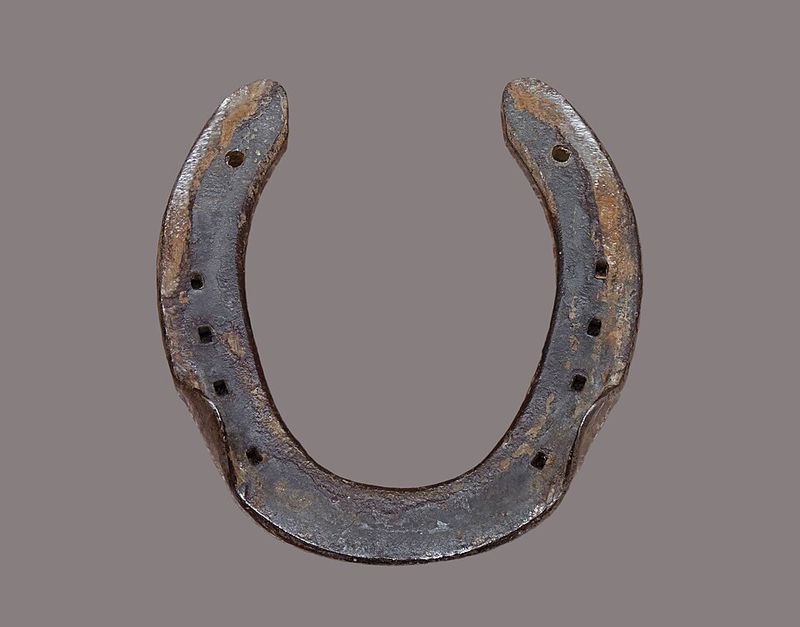
Finding a horseshoe was considered a major stroke of luck in American folklore, and many households nailed them above doorways for ongoing protection and good fortune. The U-shaped iron piece became one of America’s most recognizable luck symbols, decorating homes from farmhouses to city apartments.
The superstition comes with important details about proper display. Most traditions insist the horseshoe must hang with ends pointing up to hold the luck inside, like a cup.
Hanging it upside-down would let all the good fortune spill out and be wasted.
Iron itself was believed to have protective properties against evil spirits and witchcraft, adding extra power to the horseshoe’s lucky reputation. The connection to horses, which represented wealth and transportation, strengthened the association with prosperity and forward movement in life.
American families passed down specific horseshoes through generations, treating them as treasured heirlooms that carried accumulated family luck. Finding one by chance was especially auspicious, better than buying one new.
Even today, horseshoes appear on greeting cards, jewelry, and home decor, continuing the centuries-old American tradition of treating this humble piece of horse equipment as a powerful talisman against misfortune.
14. The Number 13 (and Friday the 13th) Signals Bad Luck
Fear of the number 13 runs so deep in American culture that many buildings skip the 13th floor entirely, jumping from 12 to 14 in their numbering. This superstition, called triskaidekaphobia, has influenced architecture, event planning, and daily decisions for generations of Americans who treat 13 as genuinely dangerous.
Friday the 13th combines two separate bad-luck beliefs into one super-unlucky day that makes some people refuse to travel, make important decisions, or even leave their homes. The date has become shorthand for misfortune in American popular culture, spawning horror movies and countless cautionary tales.
The origins are murky, possibly connecting to the Last Supper with 13 people present before the crucifixion, or to Norse mythology and other ancient sources. Whatever the roots, American households treated the number with serious respect, avoiding 13 guests at dinner parties and feeling genuine unease on Friday the 13th.
Airlines report that some people change their travel plans to avoid flying on this date. Hotels often have no room 13.
The superstition has become self-fulfilling, as widespread belief in the unluckiness creates real anxiety and changed behavior, making Friday the 13th feel different simply because everyone expects it to be unlucky.
Share this story