Sometimes the best escapes are found in places where traffic lights are scarce and neighbors still wave from their porches. Small towns across America offer a refreshing pause from the rush of daily life, blending natural beauty, historic charm, and welcoming communities into perfect weekend getaways.
Whether you crave coastal breezes, mountain trails, or quirky main streets lined with local shops, these destinations prove you don’t need a passport or a week off work to feel like you’ve truly traveled somewhere special.
1. Bar Harbor, Maine
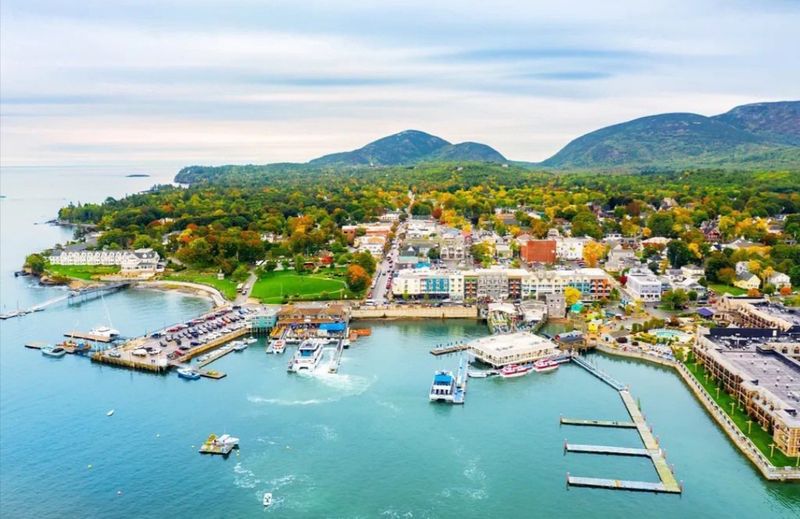
Perched on Mount Desert Island, Bar Harbor feels like stepping into a postcard where lobster boats bob in the harbor and pine-scented air fills your lungs. This coastal gem serves as the gateway to Acadia National Park, one of the most visited national parks on the East Coast.
You can park your car and explore on foot, by bike, or even by horse-drawn carriage along the park’s historic carriage roads.
Acadia’s rocky coastline offers some of the most dramatic ocean views you’ll find anywhere in New England. Cadillac Mountain, the highest point on the U.S.
Atlantic coast, rewards early risers with sunrise views that paint the sky in shades of pink and gold. Hiking trails range from easy waterfront strolls to challenging climbs up granite peaks.
Downtown Bar Harbor buzzes with energy during summer months, filled with ice cream shops, galleries, and seafood restaurants serving freshly caught lobster rolls. The town maintains its historic charm despite the seasonal crowds, with Victorian-era buildings lining its streets.
Local shops offer everything from nautical gifts to handmade crafts.
Plan your visit during shoulder seasons like late spring or early fall to enjoy milder weather and fewer tourists. The combination of outdoor adventure and small-town hospitality makes Bar Harbor an ideal quick escape for nature lovers and history buffs alike.
2. Woodstock, Vermont
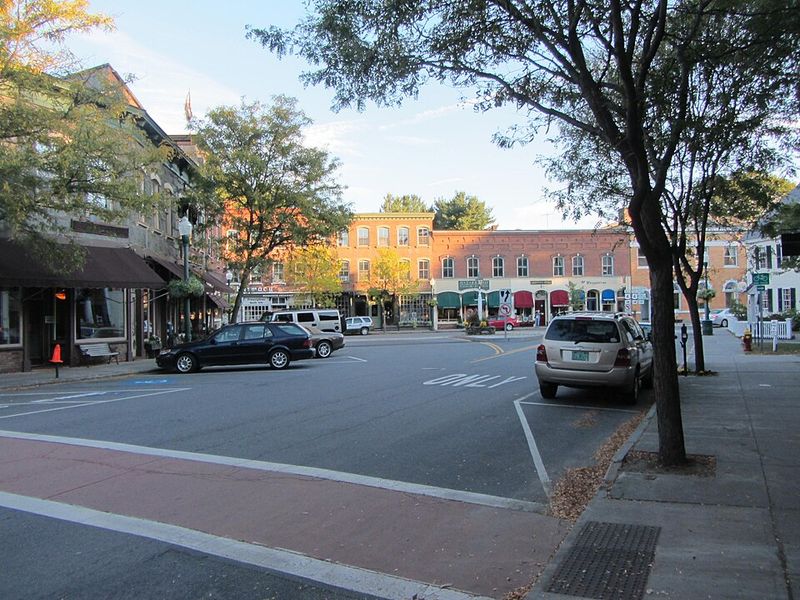
Covered bridges, white-steepled churches, and maple trees lining pristine village greens create the quintessential New England scene in Woodstock. This picture-perfect town has been charming visitors since the 1700s, and its commitment to preservation shows in every carefully maintained building.
Walking through downtown feels like traveling back to a simpler time when community gatherings centered around the village common.
Marsh-Billings-Rockefeller National Historical Park tells the fascinating story of American conservation through the lens of three influential families. The park’s mansion offers guided tours showcasing fine art and period furnishings, while the surrounding forest demonstrates sustainable forestry practices dating back over a century.
Carriage roads wind through woodlands where you can hike, bike, or cross-country ski depending on the season.
The Ottauquechee River flows right through town, adding peaceful water sounds to your strolls across the Middle Covered Bridge. Local farms surrounding Woodstock supply restaurants with fresh ingredients, making farm-to-table dining a genuine experience rather than a trendy catchphrase.
Artisan cheese makers, maple syrup producers, and craft breweries dot the nearby countryside.
Fall foliage season transforms Woodstock into a riot of reds, oranges, and yellows that attract leaf-peepers from around the world. Even during quieter months, the town maintains its storybook appeal, offering a restorative retreat from modern life’s constant noise.
3. Cape May, New Jersey
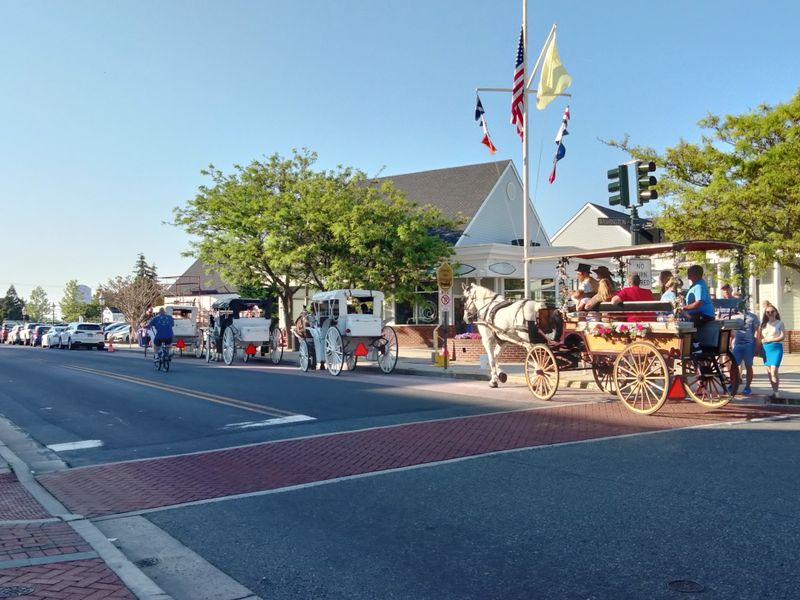
Victorian mansions painted in cheerful pastels create an architectural wonderland in America’s oldest seaside resort. Cape May earned its place on the National Register of Historic Places thanks to over 600 preserved buildings showcasing ornate gingerbread trim, wraparound porches, and turrets straight from the 1800s.
Walking tours reveal stories of the wealthy families who once summered here, escaping Philadelphia’s heat in horse-drawn carriages.
The entire town operates like an open-air museum where history comes alive on every corner. Many of the grand Victorian homes now function as bed-and-breakfasts, allowing visitors to sleep surrounded by period antiques and wake to homemade breakfasts served on fine china.
The attention to historical detail extends beyond architecture to include gas-lit streets and carefully tended gardens bursting with hydrangeas and roses.
Beyond the historic district, Cape May’s beaches offer classic Jersey Shore experiences without the boardwalk chaos found in larger coastal towns. Gentle waves make swimming pleasant for families, while the promenade provides perfect spots for evening strolls as the sun sets over Delaware Bay.
Lighthouse enthusiasts can climb the 199 steps of Cape May Lighthouse for panoramic views.
Birdwatchers flock here during migration seasons when Cape May Point serves as a crucial stopover for hundreds of species. The combination of preserved history, natural beauty, and seaside relaxation creates a uniquely civilized beach town experience.
4. Harpers Ferry, West Virginia
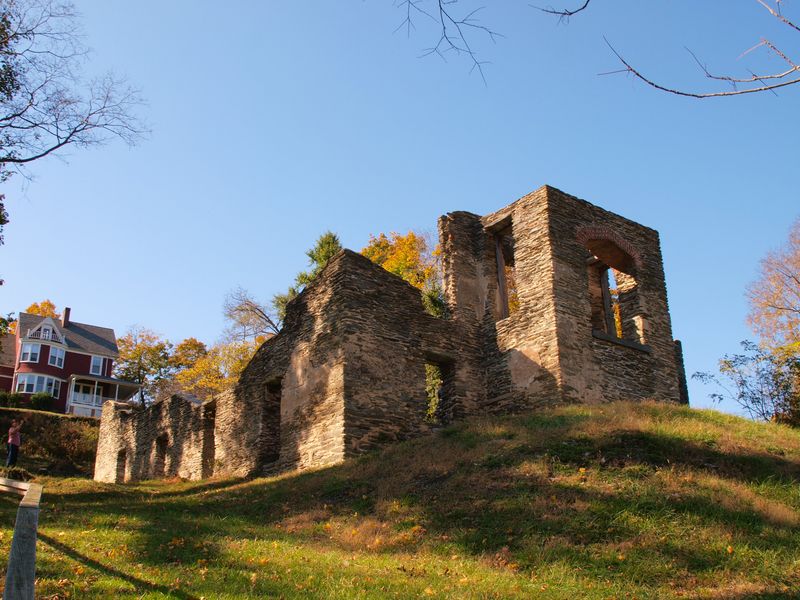
Where the Potomac and Shenandoah rivers meet, history and natural beauty collide in one of America’s most significant small towns. John Brown’s famous 1859 raid on the federal armory here helped spark the Civil War, and the town changed hands multiple times during that conflict.
Today, the entire lower town operates as part of Harpers Ferry National Historical Park, with restored 19th-century buildings housing museums and exhibits.
Steep cobblestone streets climb from the river confluence up to stunning overlook points like Jefferson Rock, where Thomas Jefferson once declared the view worth crossing the Atlantic to see. The statement still holds true as you gaze across the river gorge where three states meet.
Hiking trails branch out from town in every direction, including sections of the famous Appalachian Trail.
The park’s living history programs bring the past to life with costumed interpreters demonstrating blacksmithing, weaving, and other period crafts. You can explore the armory grounds where Brown’s raid unfolded, visit the firehouse where he made his last stand, and learn about the town’s role in westward expansion.
Historic buildings house everything from Civil War museums to exhibits on African American history.
Outdoor enthusiasts appreciate the confluence of recreational opportunities, from whitewater rafting to rock climbing on nearby cliffs. The compact size means you can explore historic sites in the morning and tackle a mountain trail after lunch, making every moment count during a quick visit.
5. Chincoteague, Virginia
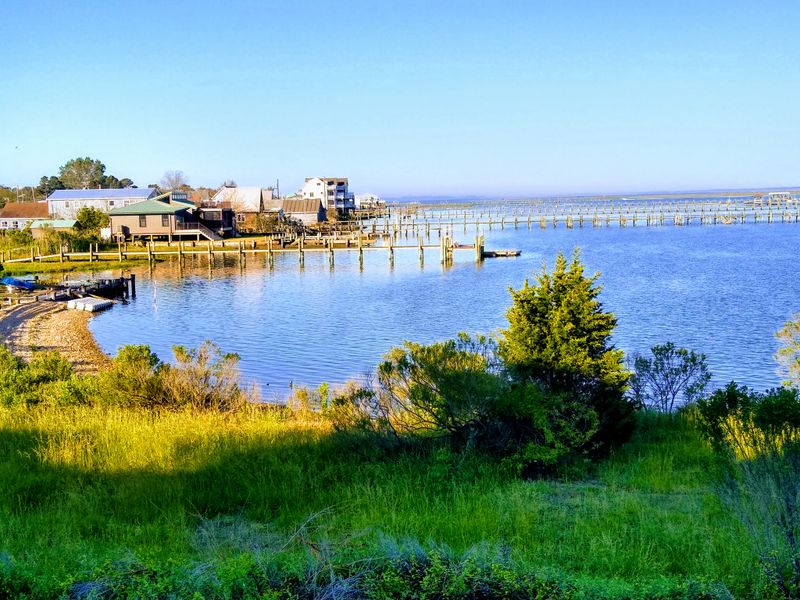
Wild ponies grazing on salt marshes create scenes straight from a children’s storybook on this barrier island off Virginia’s Eastern Shore. Made famous by Marguerite Henry’s novel Misty of Chincoteague, the island maintains its laid-back fishing village atmosphere despite literary fame.
Crab shacks and ice cream parlors line the main street, while working watermen still harvest oysters and clams from surrounding waters.
Chincoteague National Wildlife Refuge occupies most of neighboring Assateague Island, protecting miles of pristine beaches, maritime forests, and salt marshes. The famous Chincoteague ponies roam freely throughout the refuge, descendants of horses that survived a Spanish shipwreck centuries ago according to local legend.
Wildlife viewing extends beyond ponies to include over 300 bird species, making this a paradise for photographers and nature enthusiasts.
Refuge beaches offer uncrowded stretches of sand where you can actually hear waves crashing instead of competing radios. Swimming, surf fishing, and beachcombing for shells provide simple pleasures increasingly rare on developed coastlines.
Trails wind through different habitats, from woodland paths to boardwalks over marshes where herons hunt for fish.
The annual Pony Swim in late July draws crowds as cowboys herd the wild ponies across the channel between islands, but visiting during quieter months reveals the island’s true peaceful character. Sunsets over the bay paint the sky in brilliant colors, best enjoyed with fresh steamed crabs and local sweet corn.
6. Beaufort, South Carolina
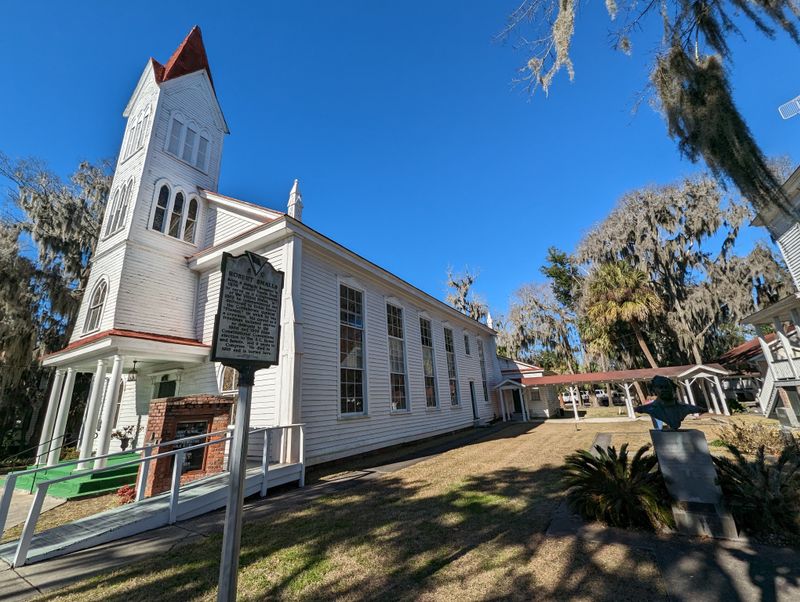
Massive live oak trees draped in Spanish moss create shaded canopies over antebellum homes that have witnessed centuries of Southern history. Beaufort’s historic district showcases architectural treasures dating back to the 1700s, with grand plantation-style houses featuring wide piazzas designed to catch sea breezes.
Many of these homes survived the Civil War intact, making Beaufort one of the best-preserved examples of Old South coastal living.
The waterfront along the Beaufort River invites leisurely strolls past docks where shrimp boats unload their catches and pelicans dive for fish. Henry C.
Chambers Waterfront Park provides green space with swings hanging from ancient oaks, perfect for watching sailboats glide past. The walkable downtown area concentrates galleries, restaurants, and boutiques within a few charming blocks.
Hollywood has discovered Beaufort’s photogenic qualities, using locations here for films like Forrest Gump and The Big Chill. Despite movie fame, the town maintains authentic Southern hospitality rather than tourist trap tackiness.
Local restaurants serve Lowcountry specialties like shrimp and grits, she-crab soup, and fresh oysters harvested from nearby tidal creeks.
Kayaking through surrounding sea islands reveals pristine salt marshes teeming with wildlife, from dolphins to alligators. The combination of cultural history, natural beauty, and genuine Southern charm creates an atmosphere where you naturally slow down and savor each moment.
Beaufort proves that some places become popular destinations precisely because they refuse to change with every trend.
7. Hot Springs, Arkansas
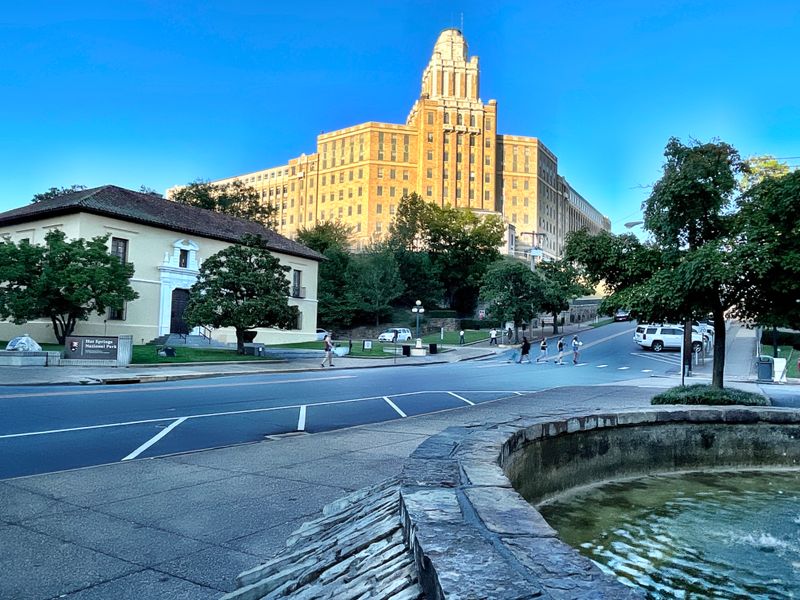
Imagine a national park not in remote wilderness but right on a city’s main street, complete with grand 1920s bathhouses and thermal springs that have drawn visitors for thousands of years. Hot Springs National Park protects the naturally heated waters that flow from the mountain at a constant 143 degrees Fahrenheit.
Native Americans considered these springs sacred healing waters long before European settlers arrived and built elaborate bathing facilities.
Bathhouse Row showcases eight historic bathhouses in various architectural styles, from Spanish Renaissance to Art Deco. While most now serve as museums or visitor centers, Buckstaff Bathhouse still offers traditional thermal baths just as it has since 1912.
You can soak in the same healing waters that attracted everyone from gangsters like Al Capone to baseball legends like Babe Ruth during the town’s heyday as America’s premier spa destination.
Beyond the bathhouses, hiking trails climb Hot Springs Mountain, offering views over the surrounding Ouachita Mountains. The Grand Promenade, a brick walkway built in 1880s, connects the bathhouses while providing a pleasant stroll through history.
Downtown’s main street features quirky shops, craft breweries, and restaurants housed in vintage buildings.
The town embraces its unique status as both a working city and a national park, creating an unusual blend of urban amenities and protected natural resources. Whether you seek therapeutic soaks, historic architecture, or mountain trails, Hot Springs delivers an experience unlike any other national park visit.
8. Eureka Springs, Arkansas
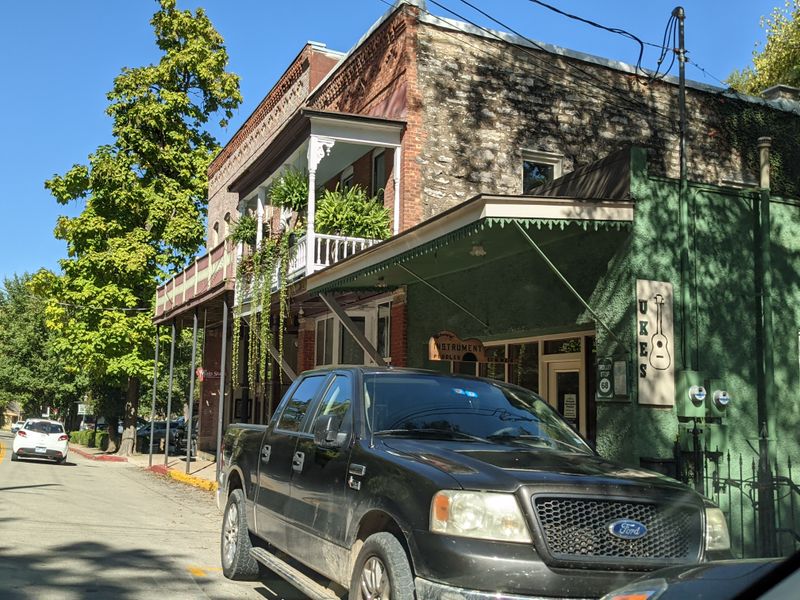
Built into steep Ozark hillsides, Eureka Springs defies conventional town planning with winding streets that follow the mountain’s contours rather than any logical grid. The entire downtown earned National Historic District status thanks to Victorian-era buildings clinging to slopes at improbable angles.
No two streets run parallel, and locals joke that the town has no traffic lights because engineers could never figure out where to put them on the curving roads.
Natural springs bubble throughout town, the original draw for health-seekers in the 1800s who believed the waters held curative properties. That healing heritage evolved into a thriving arts community, with over 200 working artists calling Eureka Springs home.
Galleries showcase everything from traditional landscape paintings to quirky folk art, while street musicians add soundtrack to your explorations.
The historic downtown packs incredible variety into compact blocks, from metaphysical bookshops to vintage clothing stores to farm-to-table restaurants. Victorian homes converted into bed-and-breakfasts offer accommodations with personality, often featuring original stained glass windows and period furnishings.
The town’s independent spirit attracts free-thinkers and creative souls, creating an atmosphere that feels genuinely bohemian rather than manufactured.
Nearby outdoor recreation includes mountain biking trails, scenic drives through the Ozarks, and Beaver Lake for water sports. The town hosts festivals celebrating everything from blues music to motorcycles throughout the year.
Eureka Springs rewards wandering without a fixed agenda, as the best discoveries often hide down unmarked staircases or around unexpected corners on those wonderfully twisted streets.
9. Fredericksburg, Texas
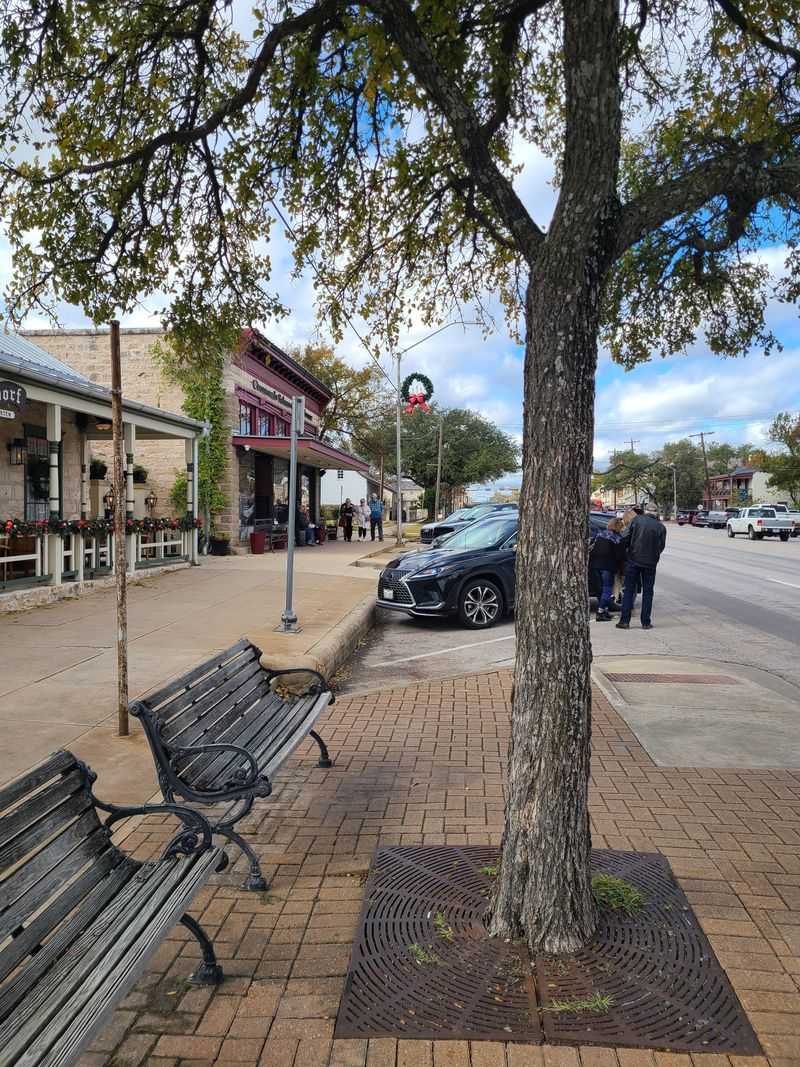
German heritage runs deep in this Hill Country town where you can still hear occasional conversations in German dialect and feast on schnitzel alongside Texas barbecue. Founded by German immigrants in 1846, Fredericksburg preserves its European roots through architecture, festivals, and food traditions.
Main Street stretches for blocks packed with biergartens, antique shops, and boutiques selling everything from cowboy boots to cuckoo clocks.
Enchanted Rock State Natural Area rises from the landscape about 18 miles north, a massive pink granite dome sacred to Native Americans and irresistible to modern rock climbers and hikers. The summit trail gains 425 feet over less than a mile, rewarding the climb with 360-degree views across the Hill Country.
Weekends and holidays often see the park reach capacity, so arriving early or visiting on weekdays ensures parking and a less crowded experience.
The surrounding countryside has transformed into Texas wine country, with dozens of vineyards and tasting rooms dotting the rolling hills. Many wineries occupy historic buildings or offer stunning views to accompany their tastings.
Peach orchards also thrive in the area, with roadside stands selling fresh fruit and homemade preserves during summer months.
Fredericksburg balances tourist popularity with authentic local culture, maintaining working ranches and family businesses alongside newer attractions. The National Museum of the Pacific War honors native son Admiral Chester Nimitz with exhibits spanning multiple city blocks.
Whether you seek outdoor adventure at Enchanted Rock, cultural experiences on Main Street, or simple relaxation in Hill Country scenery, this town delivers variety within a compact, walkable setting.
10. Taos, New Mexico
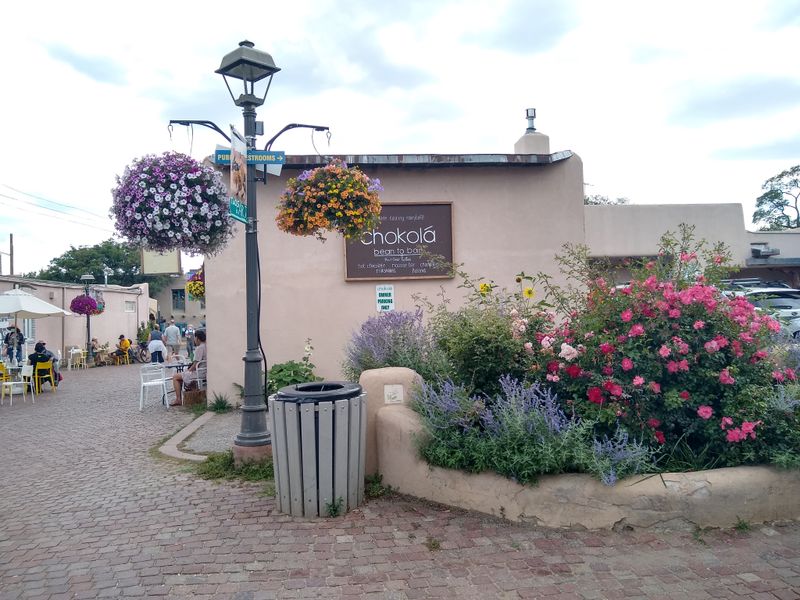
High desert light illuminates adobe buildings in shades of golden earth, creating the distinctive atmosphere that has drawn artists to Taos for over a century. This small town punches well above its weight in cultural significance, home to Taos Pueblo, a UNESCO World Heritage Site where people have lived continuously for over 1,000 years.
The multi-story adobe structures, built without modern tools or materials, represent one of the oldest continuously inhabited communities in North America.
Visiting Taos Pueblo offers rare insight into living Native American culture rather than a historical recreation. Residents still live in traditional ways within the ancient structures, and guided tours led by pueblo members share stories passed down through generations.
The pueblo closes to visitors during certain ceremonies and winter months, so checking ahead prevents disappointment.
Beyond the pueblo, Taos Plaza forms the heart of downtown, surrounded by galleries showcasing everything from traditional Native American art to contemporary works. The town’s artistic legacy includes famous residents like Georgia O’Keeffe and members of the Taos Society of Artists.
Adobe architecture defines the local aesthetic, with buildings blending seamlessly into the high desert landscape.
The Sangre de Cristo Mountains provide a dramatic backdrop and endless outdoor recreation opportunities, from world-class skiing in winter to mountain biking and hiking during warmer months. The Rio Grande Gorge cuts a dramatic gash through the landscape just west of town, spanned by a bridge offering vertigo-inducing views.
Taos combines ancient heritage, artistic energy, and natural beauty into an experience that feels genuinely different from anywhere else in America.
11. Sedona, Arizona
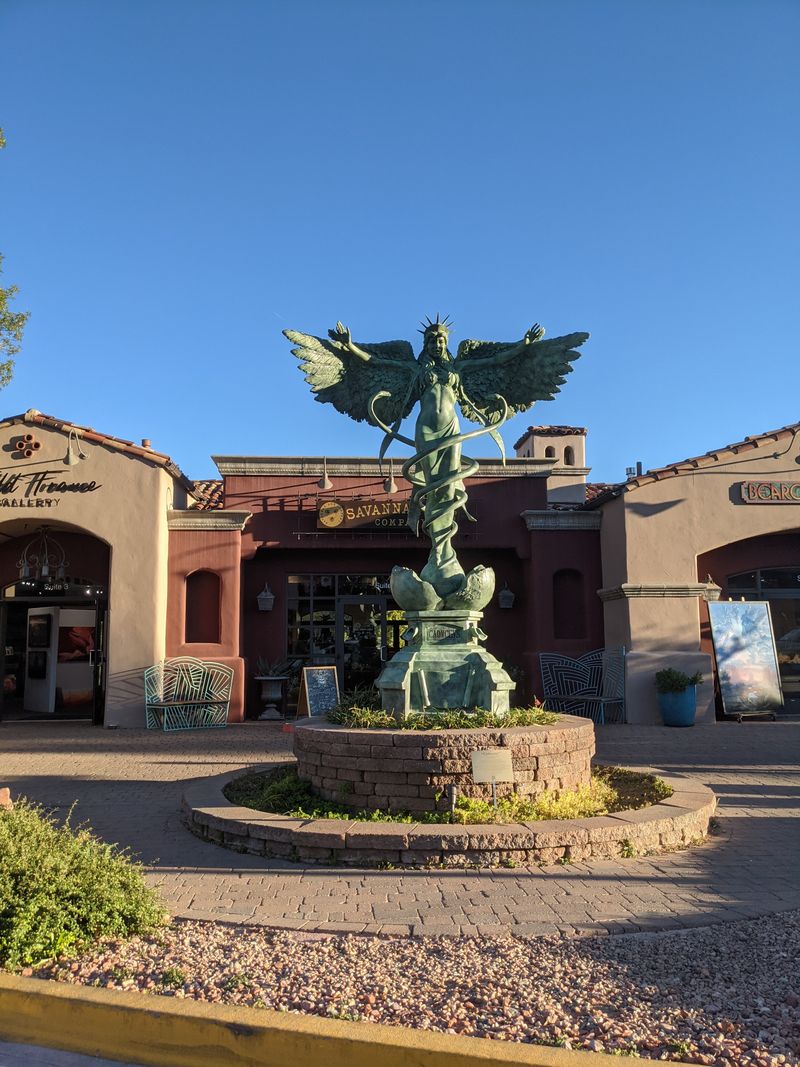
Crimson sandstone formations rise from the desert floor like natural cathedrals, creating one of the most photographed landscapes in the American Southwest. Sedona’s red rocks glow with particular intensity during sunrise and sunset when the light transforms them into shades ranging from deep burgundy to brilliant orange.
These geological wonders formed over millions of years as layers of sediment compressed and eroded into the towers, buttes, and canyons visible today.
Red Rock State Park serves as an excellent introduction to the area’s natural beauty, offering trails suitable for various fitness levels. The park’s riparian habitat along Oak Creek contrasts beautifully with the surrounding red rock desert, supporting diverse wildlife from javelinas to great blue herons.
Rangers lead nature walks and stargazing programs, adding educational depth to the visual spectacle.
The town itself blends New Age spirituality with outdoor recreation, creating a unique cultural mix. Shops selling crystals and offering psychic readings share space with outfitters renting mountain bikes and jeeps for backcountry exploration.
Upscale restaurants and art galleries cater to visitors seeking refined experiences, while trailheads right in town provide quick access to hiking.
Popular trails like Cathedral Rock and Devil’s Bridge can get crowded, especially during peak seasons and weekends. Early morning starts not only beat the crowds but also capture the best light for photography.
The combination of accessible outdoor adventure, striking natural beauty, and comfortable amenities makes Sedona ideal for travelers who want wilderness experiences without roughing it too much.
12. Moab, Utah
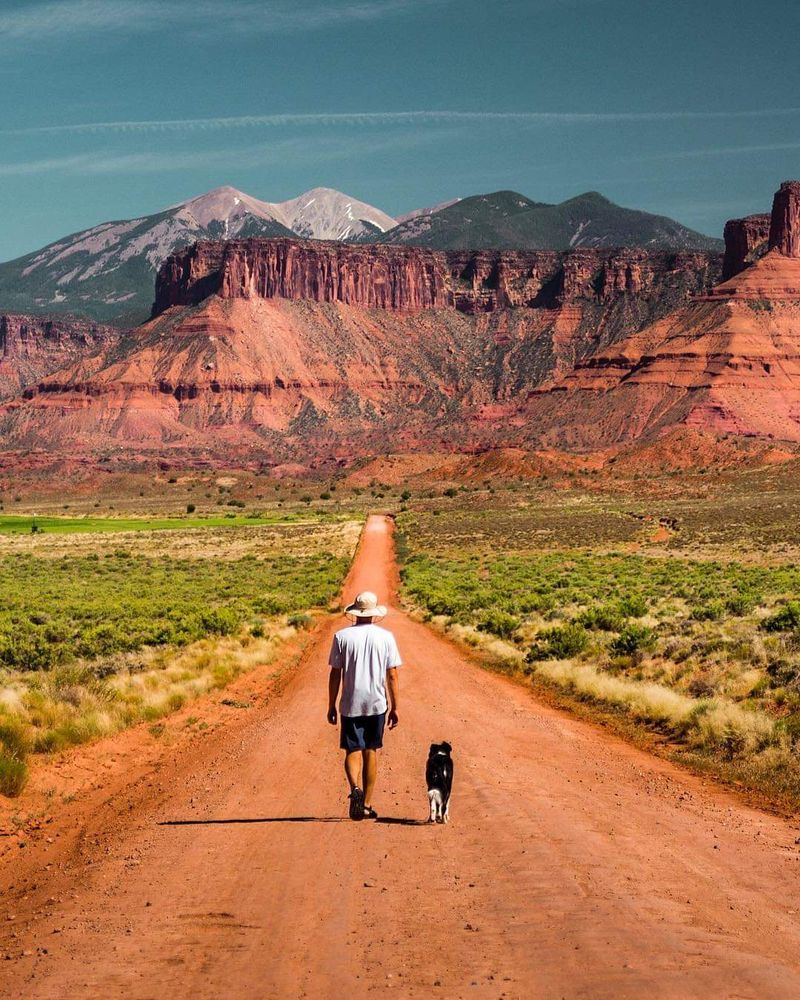
Red dirt coats everything in this adventure town that serves as the jumping-off point for two of America’s most spectacular national parks. Moab sits in a desert valley along the Colorado River, surrounded by otherworldly rock formations that seem designed specifically to make jaws drop.
The town itself consists mainly of motels, restaurants, and outdoor gear shops, all existing to support the constant stream of visitors heading to nearby natural wonders.
Arches National Park protects over 2,000 natural stone arches, including the iconic Delicate Arch that appears on Utah license plates. The park’s red sandstone formations create landscapes that look more like alien planets than Earth, with balanced rocks, fins, and windows carved by millions of years of erosion.
Hiking trails range from easy walks to challenging scrambles, all showcasing the park’s unique geology.
Canyonlands National Park divides into distinct districts separated by the Colorado and Green Rivers, each offering different perspectives on canyon country. Island in the Sky district provides the most accessible viewpoints, where you can peer down thousands of feet into carved canyons.
The Needles and Maze districts offer more remote backcountry experiences for adventurous visitors willing to venture farther from pavement.
Mountain biking on world-famous slickrock trails, whitewater rafting through Cataract Canyon, and four-wheeling on backcountry roads add to the outdoor recreation menu. The town buzzes with energy during peak seasons as adventurers gather to swap stories over craft beers.
Moab proves that sometimes the best small towns exist purely to provide access to something even greater just beyond their borders.
13. Springdale, Utah
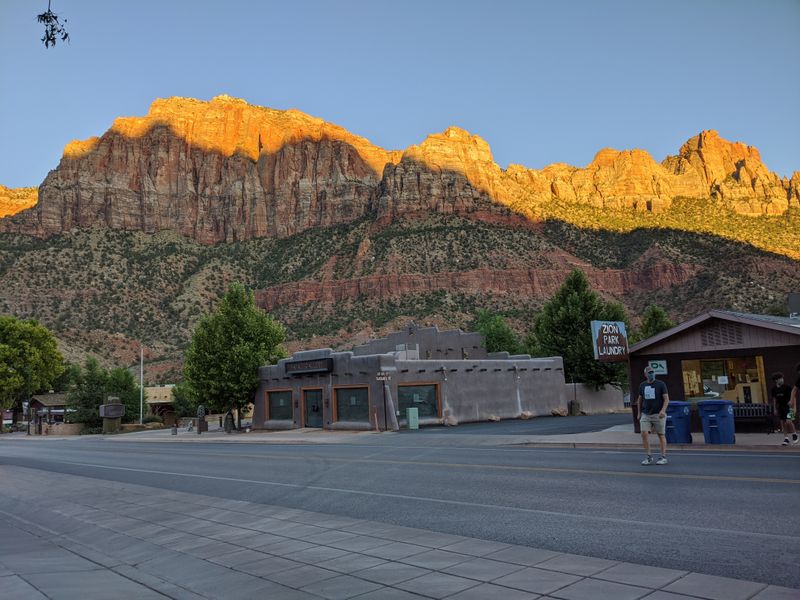
Towering sandstone cliffs in cream, pink, and red dominate the view from nearly every spot in this tiny town that exists entirely in service to one of America’s most visited national parks. Springdale sits directly outside Zion National Park’s main entrance, with the Virgin River flowing through both town and park.
The relationship between town and park runs so deep that Zion’s official shuttle system connects them, reducing traffic congestion while making it easy to hop between trailheads and town amenities.
Zion Canyon’s sheer walls rise over 2,000 feet above the valley floor, creating one of the most dramatic landscapes in the Southwest. The Narrows hike takes you through the Virgin River itself as canyon walls squeeze close on both sides, while Angels Landing rewards brave hikers with vertigo-inducing views from a knife-edge ridge.
During peak seasons, the shuttle system becomes mandatory for accessing the canyon, so planning around this requirement prevents frustration.
Springdale has evolved to meet visitor needs without losing small-town character, offering everything from budget motels to upscale lodges. Restaurants range from casual cafes to fine dining establishments, many featuring patios with views of the surrounding cliffs.
Art galleries showcase Southwestern landscapes and Native American crafts, while outfitters provide gear rentals and guide services.
The town’s location at Zion’s doorstep means you can grab breakfast at a local cafe and be on a world-class hiking trail within minutes. Evening light paints the canyon walls in brilliant colors, best enjoyed from one of the restaurants or hotels with cliff views.
Springdale demonstrates how a gateway town can enhance rather than detract from a national park experience.
14. Estes Park, Colorado
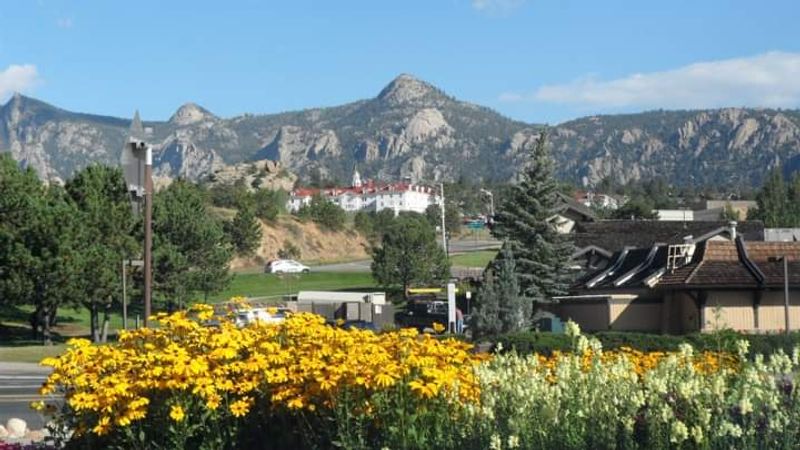
Elk bugling in autumn, bighorn sheep crossing mountain roads, and snow-capped peaks visible from the main street create daily wildlife encounters in this Rocky Mountain gateway town. Estes Park functions as the primary entrance to Rocky Mountain National Park, where alpine lakes, tundra ecosystems, and soaring peaks attract millions of visitors annually.
The town itself sits at 7,500 feet elevation, high enough that you notice the thinner air but low enough to remain comfortable for most visitors.
Rocky Mountain National Park offers over 350 miles of hiking trails through environments ranging from montane forests to alpine tundra above treeline. Trail Ridge Road, the highest continuous paved road in America, climbs above 12,000 feet and crosses the Continental Divide.
Wildlife viewing opportunities abound, with elk particularly visible during fall rutting season when bulls gather harems and bugle challenges to rivals.
Downtown Estes Park balances tourist amenities with genuine mountain town character, featuring locally-owned shops, restaurants, and galleries. The Riverwalk follows Fall River through town, providing pleasant strolls with mountain views and frequent wildlife sightings.
Taffy shops, outfitters, and souvenir stores cater to visitors, while local breweries and coffee roasters serve residents year-round.
The town serves as an excellent base camp for exploring the park, with timed entry permits required during peak summer months to control crowding. Fall brings spectacular aspen gold contrasting with evergreen forests and fewer crowds.
Even winter offers rewards for cold-weather visitors, from snowshoeing to watching elk herds descend to lower elevations. Estes Park proves that gateway towns can offer their own appeal while providing access to natural wonders.
15. Telluride, Colorado
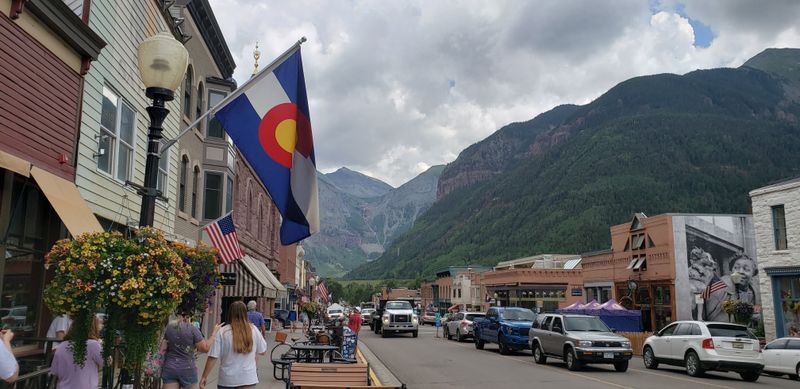
A box canyon ringed by 13,000-foot peaks creates one of the most dramatically situated towns in America, where Victorian-era buildings nestle beneath towering rock walls and waterfalls tumble from cliffs. Telluride started as a rough mining camp in the 1870s, and legend claims Butch Cassidy committed his first bank robbery here in 1889.
The preserved mining-era architecture earned the entire town National Historic Landmark District status, protecting buildings that survived boom-and-bust cycles to become today’s shops, restaurants, and residences.
Summer transforms Telluride into a hiking and mountain biking paradise, with trails accessing high alpine basins filled with wildflowers and crystal-clear lakes. Bridal Veil Falls, Colorado’s tallest free-falling waterfall, drops 365 feet from the canyon’s head, accessible via a challenging jeep road or steep hiking trail.
The free gondola connecting Telluride to Mountain Village provides stunning aerial views and easy access to additional trail networks.
The town maintains authentic mountain character despite attracting wealthy second-home owners and celebrities. Main Street features local businesses rather than chain stores, from independent bookshops to farm-to-table restaurants sourcing ingredients from nearby ranches.
Music festivals throughout summer bring everything from bluegrass to blues to classical performances, utilizing the natural amphitheater created by surrounding peaks.
Fall brings aspen groves turning golden against evergreen forests and red rock cliffs, creating Colorado’s most photographed autumn landscapes. Winter transforms Telluride into a world-class ski destination, though the town never loses its laid-back vibe.
The combination of stunning natural setting, preserved history, and year-round outdoor recreation makes Telluride worth the effort required to reach this remote corner of southwestern Colorado.
16. Mackinac Island, Michigan
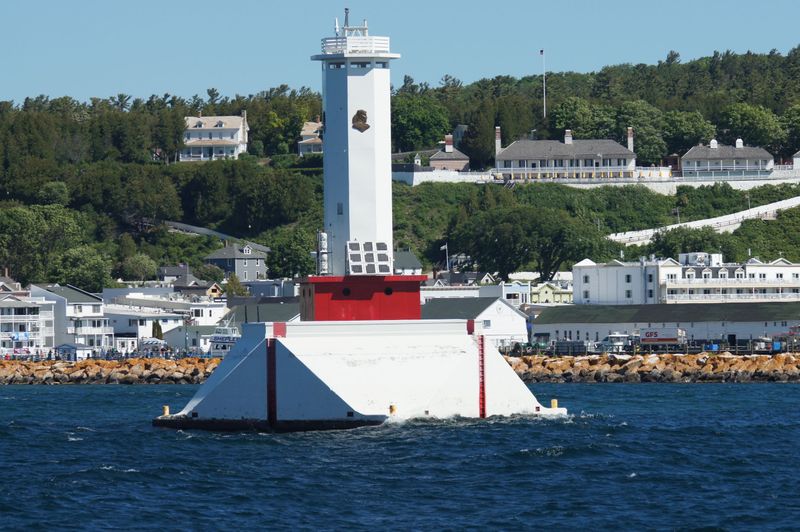
Horse hooves clopping on pavement and bicycle bells ringing replace car engines on this island where motor vehicles have been banned since 1898. Mackinac Island sits in the straits between Michigan’s upper and lower peninsulas, accessible only by ferry.
Stepping off the boat transports you to a different era where horse-drawn carriages provide taxi service and the pace of life slows to match the clip-clop of Percheron draft horses.
Mackinac Island State Park encompasses over 80 percent of the island, protecting forests, limestone formations, and historic sites. Hiking and biking trails wind through the interior, while the eight-mile road circling the island offers level riding with constant water views.
Arch Rock, a natural limestone arch rising 146 feet above the lake, provides the island’s most famous viewpoint and photo opportunity.
Downtown centers on Main Street, lined with fudge shops that have made Mackinac fudge a regional specialty. The Grand Hotel, with its 660-foot front porch, has hosted guests since 1887 and maintains dress codes and traditions from that era.
Victorian architecture dominates the historic downtown, with buildings painted in cheerful colors and adorned with hanging flower baskets.
Fort Mackinac, perched on a bluff overlooking the harbor, offers living history demonstrations and cannon firings throughout summer. The island’s car-free status creates a remarkably peaceful atmosphere despite summer crowds.
Visiting during shoulder seasons provides quieter exploration of trails and historic sites. Mackinac Island proves that sometimes the best way forward involves looking backward to simpler ways of getting around and slowing down to actually notice your surroundings.
17. Fish Creek, Wisconsin
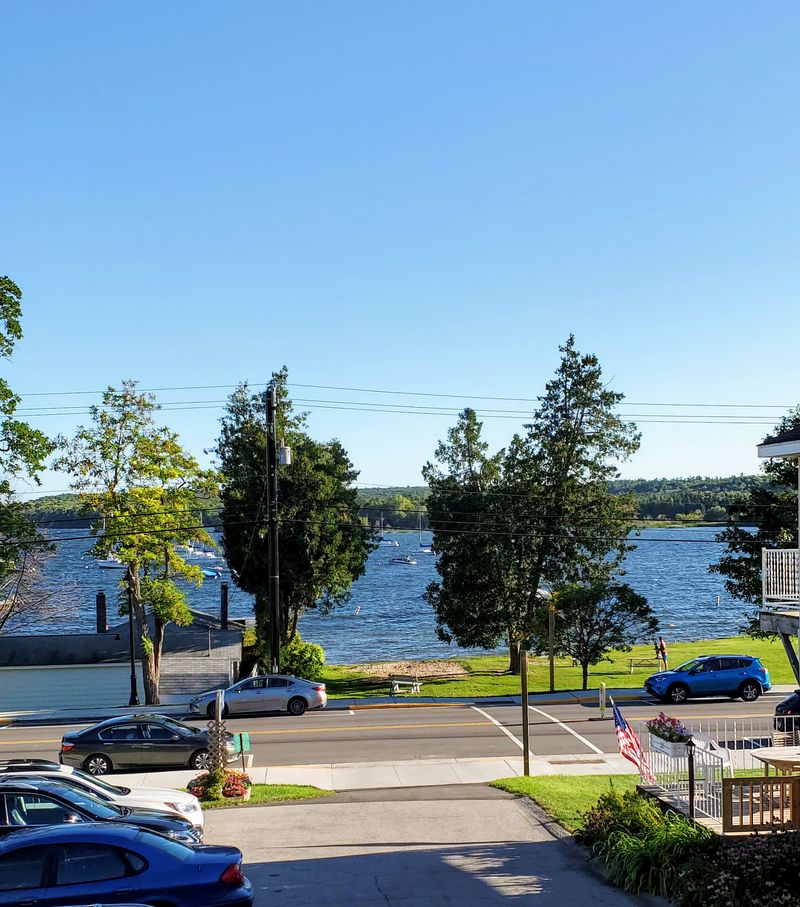
Cherry orchards, limestone bluffs, and Lake Michigan shoreline define this Door County village that captures the essence of Midwestern summer getaways. Fish Creek maintains its character as a 19th-century fishing village despite becoming a popular tourist destination, with historic buildings housing galleries, shops, and restaurants.
The village sits protected in a natural harbor, with a small downtown walkable in minutes yet packed with local businesses and eateries.
Peninsula State Park surrounds Fish Creek on three sides, offering 3,776 acres of forest, shoreline, and recreational opportunities. The park features 20 miles of hiking trails through hardwood forests where white-tailed deer browse and songbirds nest.
Nicolet Bay Beach provides sandy swimming areas, while the Eagle Bluff Lighthouse, built in 1868, offers tours and spectacular views from its perch 76 feet above the water.
Biking remains hugely popular within the park, with paved roads and dedicated bike trails winding through the landscape. The park’s famous fish boil dinners, a Door County tradition, serve whitefish, potatoes, and onions boiled over outdoor fires and finished with a dramatic kerosene flare-up.
Golf courses, kayak rentals, and boat launches add to the activity options.
Summer theater performances at Peninsula Players, America’s oldest professional resident summer theater, have entertained audiences since 1935 in an outdoor pavilion. Fall colors transform the hardwood forests into brilliant displays of red, orange, and yellow.
Fish Creek delivers classic Great Lakes vacation experiences, from beach days to scenic drives, all centered around a charming village that never feels overcrowded or overdeveloped despite its popularity.
18. Leavenworth, Washington
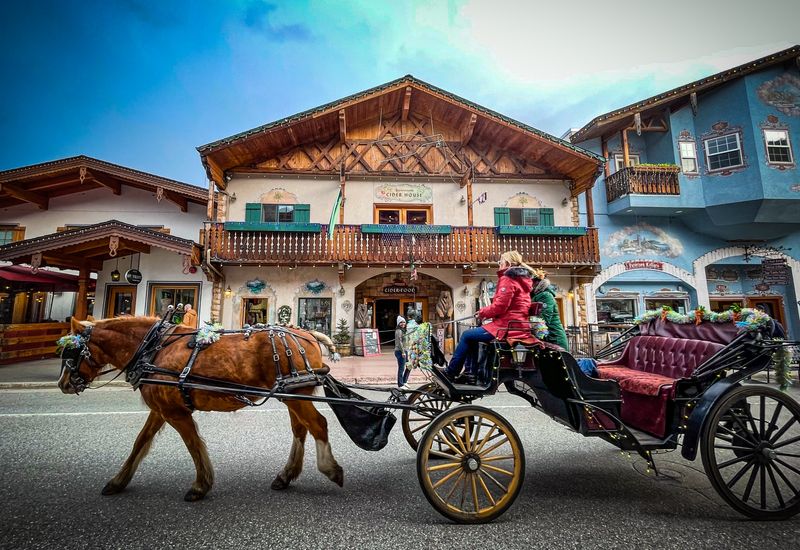
Bavarian chalets with painted facades and flower boxes overflow with geraniums in a mountain setting that could pass for the Alps if not for the occasional English-language sign. Leavenworth transformed itself in the 1960s from a dying railroad town into a Bavarian-themed destination, and the commitment to the theme runs deep.
Every building downtown adheres to strict architectural guidelines requiring Alpine styling, creating a remarkably cohesive streetscape that feels transported from southern Germany.
The town’s location in the Cascade Mountains provides the dramatic backdrop necessary to sell the Bavarian illusion, with peaks rising on all sides and the Wenatchee River flowing through town. Year-round festivals celebrate everything from Oktoberfest to Christmas lighting ceremonies when over half a million lights illuminate the village.
Accordion music, dirndl-clad servers, and authentic German food from multiple restaurants complete the immersive experience.
Beyond the themed downtown, outdoor recreation draws visitors seeking mountain adventures. Hiking trails access Alpine lakes, wildflower meadows, and viewpoints overlooking the Cascade Range.
The Wenatchee River offers rafting and tubing during summer, while winter brings world-class cross-country skiing and snowshoeing. Nearby Stevens Pass provides downhill skiing within a short drive.
The town succeeds because it commits fully to the theme without irony or half-measures, creating a genuinely fun escape rather than a kitschy tourist trap. Local shops sell European imports alongside regional products, while bakeries produce authentic strudels and pretzels.
Whether you embrace the Bavarian theme or simply enjoy the mountain setting, Leavenworth delivers a distinctive small-town experience found nowhere else in America.
19. Friday Harbor, Washington
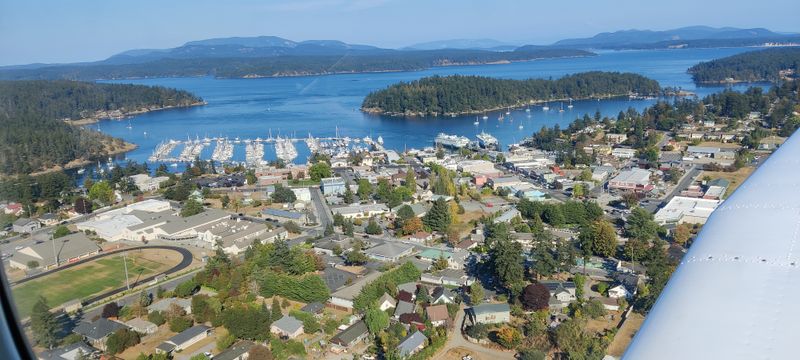
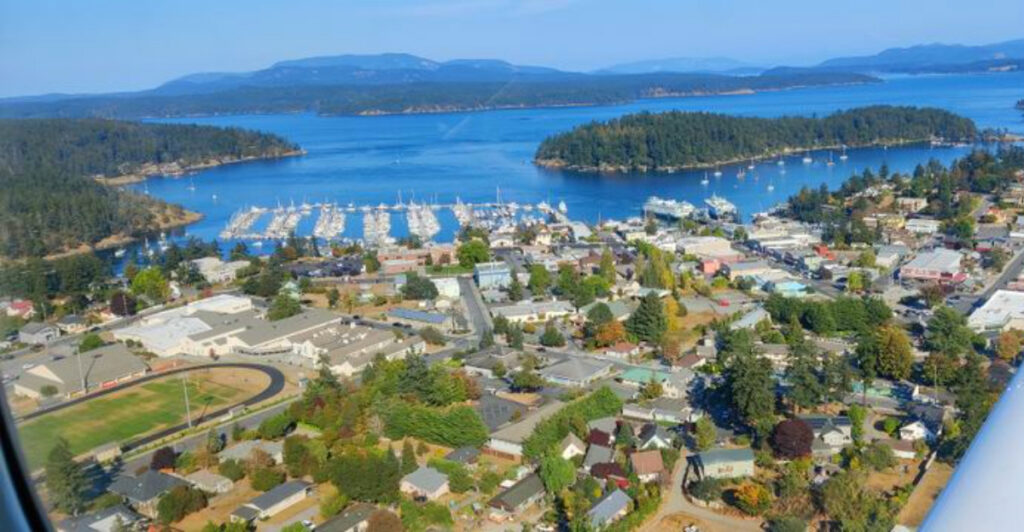
Orca whales breaching offshore and bald eagles soaring overhead create wildlife encounters that feel almost routine on San Juan Island’s charming harbor town. Friday Harbor serves as the main settlement and ferry landing for the island, with a walkable downtown packed into a few blocks near the marina.
Sailboats, fishing vessels, and whale-watching tour boats share the harbor waters, while shops and restaurants line the streets rising from the waterfront.
San Juan Island National Historical Park protects two separate areas commemorating the 1859 Pig War, a boundary dispute between the United States and Britain that nearly led to armed conflict over a dead pig. American Camp on the island’s south end features windswept prairies, rocky shorelines, and historic buildings with views across the Strait of Juan de Fuca.
English Camp on the north side offers forested trails, formal gardens, and restored Royal Marine barracks in a protected cove.
The park’s coastal areas provide excellent wildlife viewing, from harbor seals hauled out on rocks to river otters playing in kelp beds. Bald eagles nest throughout the island, and resident orca pods frequent surrounding waters during summer months.
Hiking trails through both camps showcase the island’s natural beauty while interpreting the quirky historical episode that almost sparked international war.
Friday Harbor itself offers surprising sophistication for such a small island town, with farm-to-table restaurants, art galleries, and the excellent Whale Museum. Getting to the island requires ferry reservations during peak seasons, but the slower pace and natural beauty reward the planning effort.
San Juan Island proves that sometimes the best quick trips require the most planning to reach isolated destinations where crowds remain manageable and nature takes center stage.
20. Carmel-by-the-Sea, California
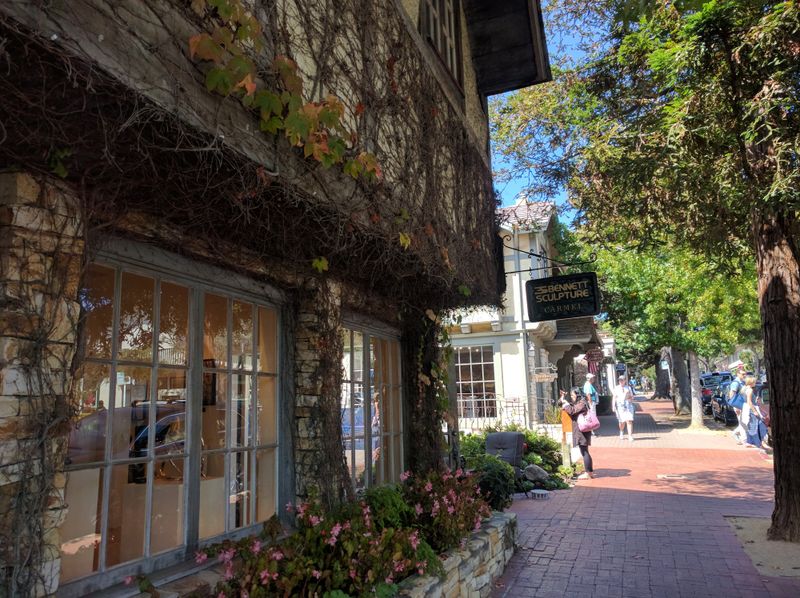
Fairytale cottages with whimsical architecture line streets without addresses or streetlights in this bohemian beach town where artists and writers have gathered for over a century. Carmel’s founding residents intentionally created a village focused on beauty and creativity rather than commerce, establishing traditions that persist today.
No chain restaurants operate within city limits, buildings lack street numbers, and residents collect mail from the central post office, fostering community interaction.
The town’s artistic heritage shows in dozens of galleries showcasing everything from traditional California landscapes to contemporary sculpture. Local ordinances protect the village character, restricting building heights and requiring design review for any changes.
White sand beaches at the foot of Ocean Avenue provide classic California coastal experiences, with cypress trees framing views and sea otters floating in kelp beds offshore.
Point Lobos State Natural Reserve, just south of town, protects one of California’s most spectacular stretches of coastline. Hiking trails wind along rocky headlands where sea lions bark from offshore rocks and migrating gray whales pass close to shore.
Tide pools teem with colorful sea stars, anemones, and crabs during low tides. The reserve’s coves and points offer endless photography opportunities as waves crash against weathered rocks.
Carmel balances its artistic soul with upscale amenities, from fine dining restaurants to boutique hotels housed in historic buildings. The town feels simultaneously sophisticated and unpretentious, welcoming visitors while maintaining local traditions.
Whether you spend your time browsing galleries, hiking coastal trails at Point Lobos, or simply relaxing on the beach, Carmel offers a refined escape that honors both natural beauty and human creativity in equal measure.
Share this story