Picture a place where ancient stone paths wind through mountain valleys, where you can hike all morning and then step into a museum or centuries-old square by afternoon. Charming villages around the globe offer exactly that blend: thrilling outdoor pursuits paired with deep cultural roots.
From Alpine peaks to desert kasbahs, these destinations prove adventure and heritage go hand in hand.
1. Zermatt, Switzerland
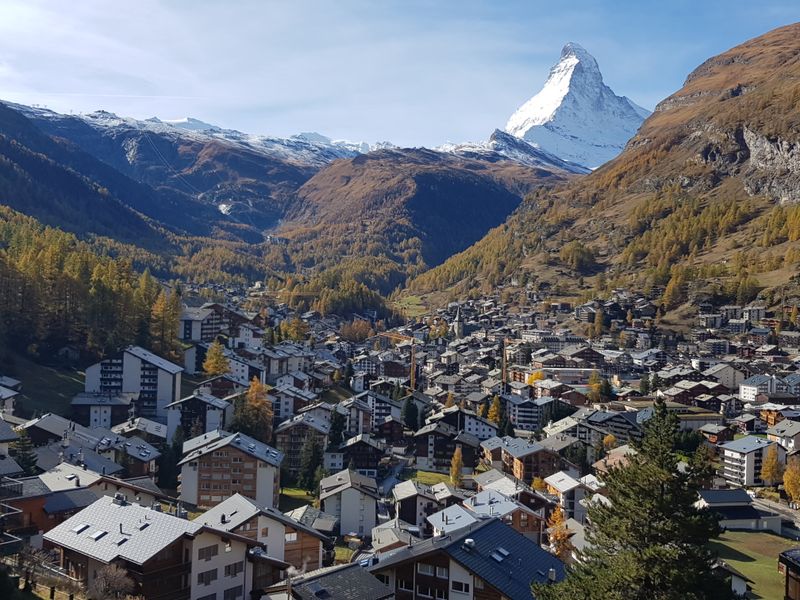
Nestled at the foot of the legendary Matterhorn, Zermatt is a car-free paradise that perfectly marries alpine tradition with world-class adventure. Cobblestone lanes wind past centuries-old wooden chalets, their flower boxes overflowing in summer, while ski lifts and cable cars whisk visitors toward some of Europe’s highest peaks.
In winter, the slopes become a playground for skiers and snowboarders of all levels. Come warmer months, those same mountainsides transform into networks of hiking and biking trails, each turn revealing another jaw-dropping view of the iconic pyramid summit.
Locals still speak Swiss-German dialects and maintain festivals that date back generations.
Museums tucked into historic buildings tell the story of early mountaineering triumphs and tragedies. Traditional fondue restaurants serve recipes handed down through families, and you can watch bakers craft rye bread using age-old techniques.
Electric taxis glide silently along the streets, preserving the village’s peaceful atmosphere.
Whether you’re tackling the Gornergrat Railway for panoramic vistas or simply wandering the quiet alleys at dusk, Zermatt offers a rare chance to step back in time while pushing your limits outdoors.
2. Mürren, Switzerland
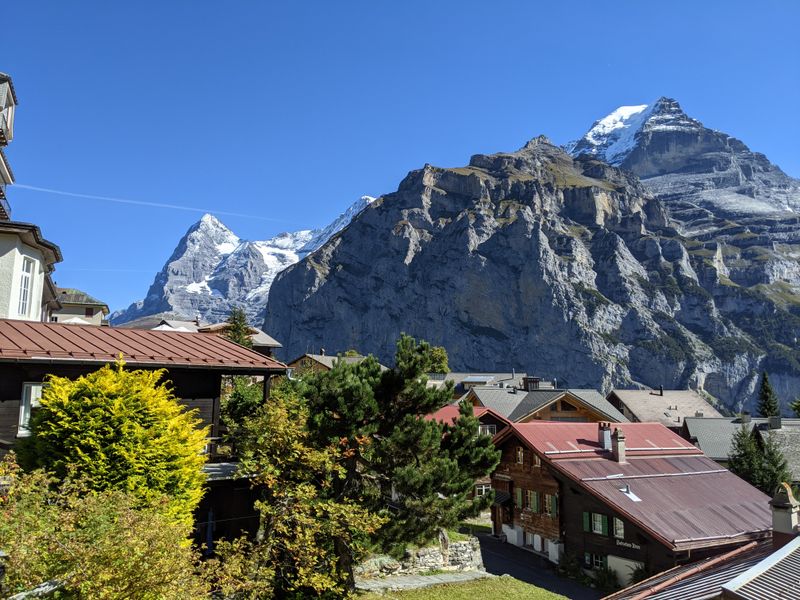
Perched on a cliff ledge high above the Lauterbrunnen Valley, Mürren feels like a secret lifted straight from a fairy tale. No cars rumble through its streets because none are allowed, leaving only the crunch of boots on gravel and the distant jingle of cowbells.
Cable cars and mountain trains are the sole links to the valley floor, adding to the village’s sense of seclusion.
Winter sports enthusiasts flock here for access to the Schilthorn and neighboring peaks, where runs range from gentle cruisers to steep couloirs. Summer hikers find themselves spoiled by trails that traverse wildflower meadows and overlook thundering waterfalls.
The famous Eiger, Mönch, and Jungfrau peaks form a dramatic backdrop to nearly every view.
Traditional chalet architecture dominates the skyline, with dark wood beams and red geraniums adorning every balcony. Local inns serve hearty rösti and raclette, recipes unchanged for decades.
Small museums and heritage centers document the history of alpine farming and early tourism in the Bernese Oberland.
Evening strolls along the clifftop promenade offer sunsets that paint the valley walls in shades of gold and rose, a moment of tranquility after a day spent conquering trails or slopes.
3. Chamonix, France
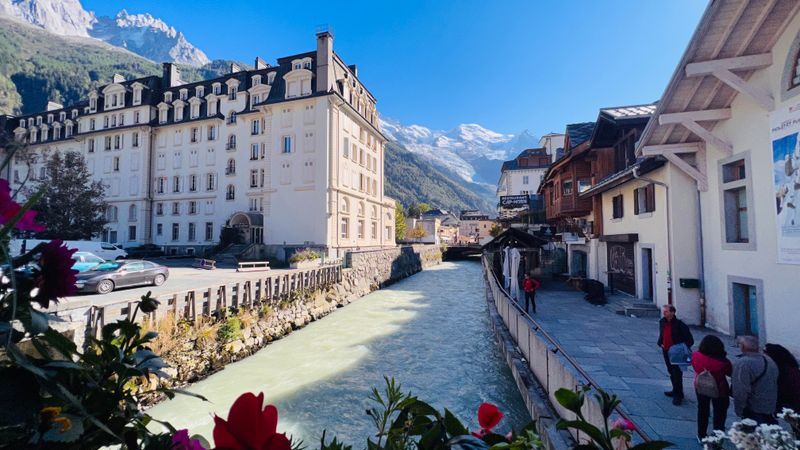
Cradled in the shadow of Mont Blanc, Western Europe’s highest summit, Chamonix has been a magnet for mountaineers and adventurers since the late 1700s. Narrow streets buzz with climbers swapping beta over espresso, while gear shops overflow with ice axes, ropes, and the latest alpine technology.
The valley’s dramatic granite spires and hanging glaciers create a backdrop that has inspired artists and explorers for centuries.
Hiking trails range from gentle riverside walks to multi-day haute routes that cross into Italy or Switzerland. In winter, legendary off-piste runs challenge expert skiers, and ice climbers test their mettle on frozen waterfalls.
Cable cars whisk visitors to the Aiguille du Midi, where a glass-floored viewing platform hovers above a 3,000-meter drop.
Museums celebrate the golden age of alpinism, displaying vintage equipment and recounting first ascents that changed mountaineering forever. Local guides still pass down techniques and stories from one generation to the next.
Traditional Savoyard restaurants serve tartiflette and fondue, fueling adventurers for the next day’s expedition.
Chamonix proves that a village can honor its heritage while remaining at the cutting edge of mountain sports, a living testament to human ambition and respect for nature’s power.
4. Hallstatt, Austria
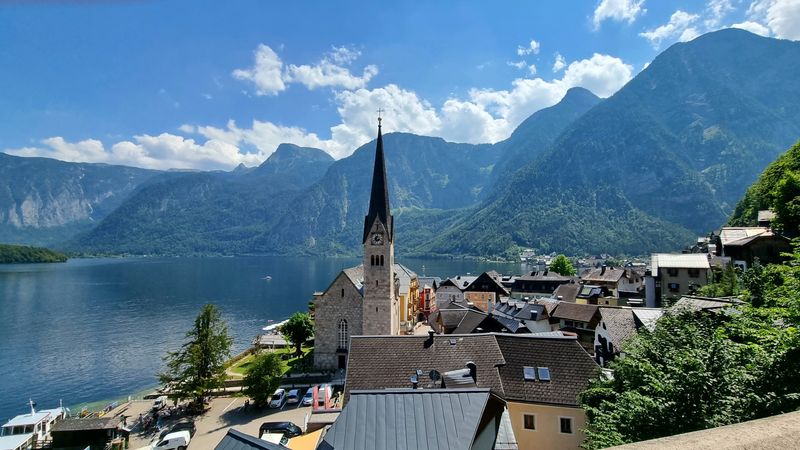
Hallstatt clings to a steep hillside where the Dachstein Alps plunge into a mirror-calm lake, creating reflections so perfect they seem painted. This UNESCO World Heritage site owes its fame to both natural beauty and a 7,000-year history of salt mining, one of the oldest industrial operations in the world.
Narrow lanes twist between pastel-painted houses, each adorned with window boxes that burst with color in spring and summer.
Visitors can descend into the ancient salt mines, riding wooden slides through tunnels carved by Bronze Age workers. Above ground, hiking trails climb through beech and spruce forests to alpine meadows where chamois graze.
A funicular railway whisks travelers to a viewing platform offering panoramic vistas of the lake and surrounding peaks.
The village’s small museum displays artifacts from prehistoric graves, including jewelry and tools that reveal sophisticated craftsmanship. Local families have worked the mines for generations, and many still live in homes built centuries ago.
Traditional Austrian inns serve schnitzel and strudel, recipes perfected over time.
Early morning is the best time to explore, before day-trippers arrive, when mist rises from the lake and church bells echo off the mountains, a scene unchanged for hundreds of years.
5. Valldemossa, Mallorca, Spain
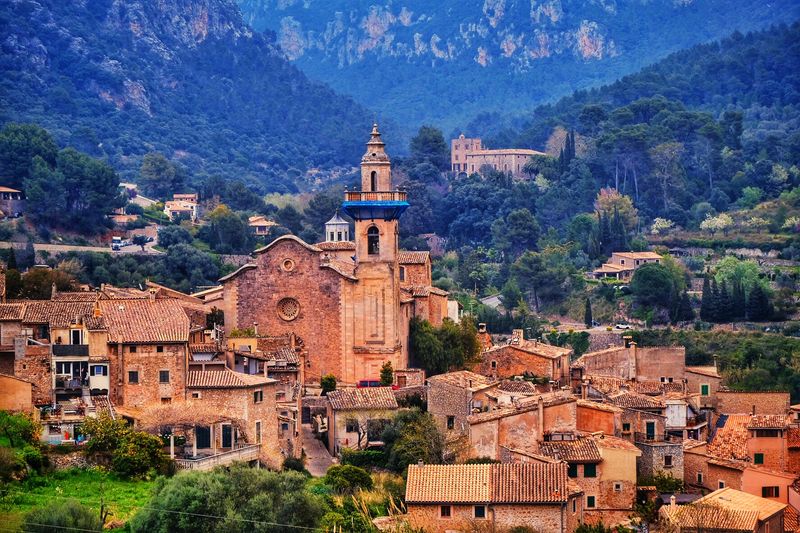
Tucked into the Serra de Tramuntana mountains, Valldemossa is a maze of honey-colored stone houses and cobbled alleys that climb toward a historic monastery. Composer Frédéric Chopin spent a winter here in 1838, and his presence still echoes through the village, with piano concerts held regularly in the monastery’s cells.
Bougainvillea cascades over walls, and potted plants line every doorway, creating a living tapestry of color.
Hiking trails thread through olive groves and pine forests, part of the UNESCO-recognized mountain range that defines Mallorca’s northern coast. Paths lead to hidden springs, stone huts built by shepherds, and viewpoints overlooking terraced fields that have been farmed for centuries.
The air smells of wild rosemary and thyme, especially after rain.
Local bakeries produce coca de patata, a sweet pastry unique to the village, while family-run restaurants serve tumbet and sobrassada, dishes rooted in Mallorcan tradition. The monastery’s museum displays manuscripts, paintings, and the piano Chopin used during his stay.
Weekly markets fill the main square with vendors selling handmade ceramics and woven baskets.
Valldemossa offers a slower pace, where time seems measured by the lengthening shadows on ancient stone rather than the hands of a clock.
6. Vernazza, Cinque Terre, Italy
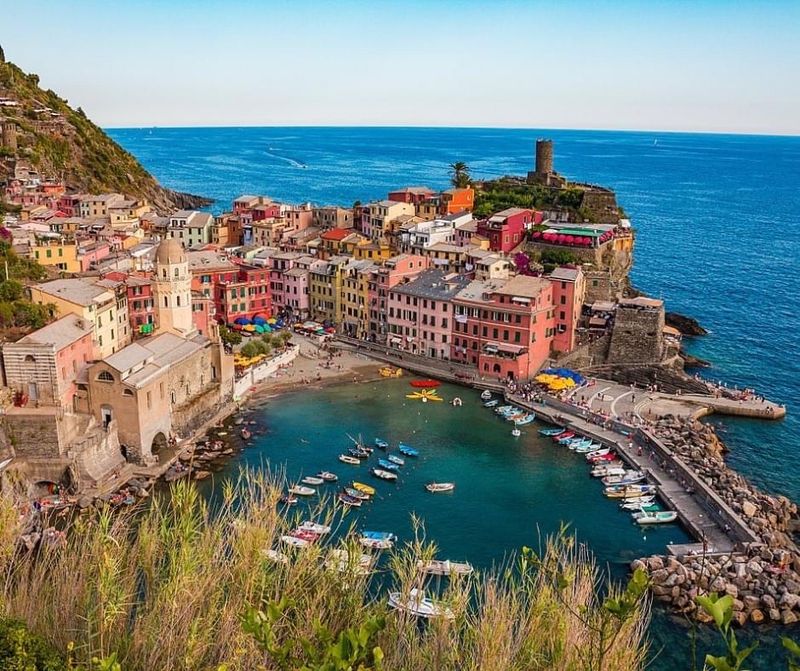
Vernazza tumbles down a rocky promontory to a tiny harbor, its pastel towers and red-tiled roofs stacked like a Cubist painting. One of five villages that make up the Cinque Terre UNESCO site, it has no car access, preserving a rhythm of life tied to the sea and the steep vineyards that climb the hillsides.
Fishing boats bob in the natural harbor, and locals still haul in catches of anchovies and squid each morning.
The famous coastal trail connects Vernazza to its sister villages, a path carved into cliffsides that offers views of the Ligurian Sea stretching to the horizon. Terraced vineyards, held up by centuries-old stone walls, produce the region’s crisp white wines.
Hikers pause at viewpoints where the only sounds are waves and the distant clatter of a train passing through a tunnel.
Narrow lanes wind past medieval towers and churches adorned with frescoes. Trattorias serve pesto made from basil grown on nearby slopes, along with fresh seafood and focaccia still warm from wood-fired ovens.
Festivals celebrating patron saints bring the entire village into the piazza for music, dancing, and fireworks over the water.
Sunset in Vernazza is a daily masterpiece, the light turning the buildings shades of amber and rose while swallows dive and wheel overhead.
7. Alberobello, Italy
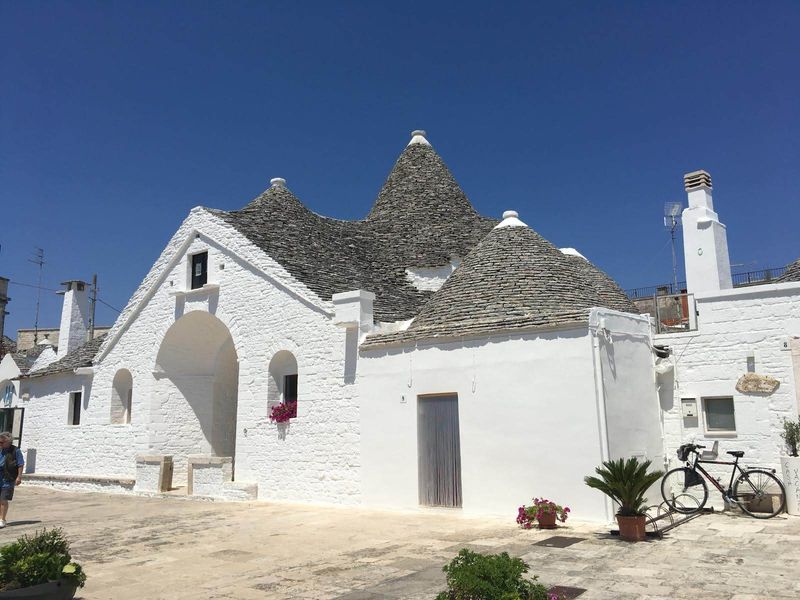
Alberobello looks like something conjured by a children’s book illustrator, its streets lined with hundreds of trulli, whitewashed cone-roofed structures that date back to the 14th century. These unique buildings, constructed without mortar using limestone slabs, earned the town UNESCO World Heritage status.
Many still serve as homes, shops, and restaurants, their thick walls keeping interiors cool even in the heat of a Puglian summer.
Walking through the Rione Monti district feels like stepping into another era, with narrow lanes winding between clusters of trulli, each roof topped with a painted symbol or pinnacle. Some structures house small museums explaining the building techniques and the legends behind the designs.
The surrounding countryside, a patchwork of olive groves and vineyards, invites leisurely bike rides and walks along ancient farm roads.
Local artisans sell ceramics, textiles, and olive wood carvings from trullo storefronts. Family-run osterias serve orecchiette pasta, rolled by hand each morning, and burrata so fresh it still oozes cream.
Festivals celebrating harvests and saints fill the streets with processions, music, and tables laden with regional specialties.
Alberobello proves that architecture can be both functional and fantastical, a living monument to ingenuity and the enduring spirit of rural Italy.
8. Civita di Bagnoregio, Italy
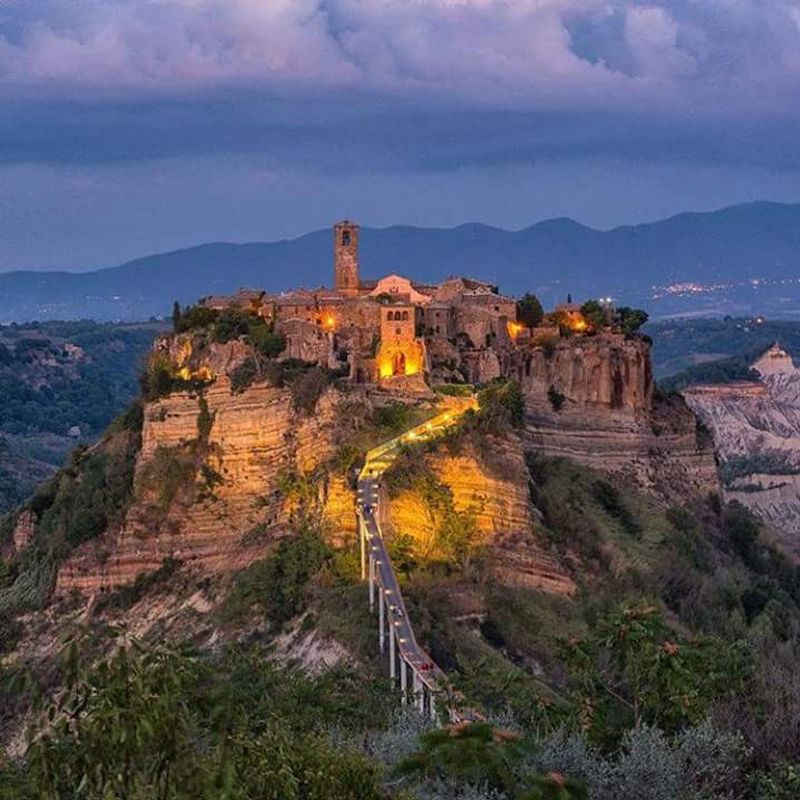
Civita di Bagnoregio teeters on a crumbling pillar of volcanic tuff, accessible only by a narrow pedestrian bridge that spans a dramatic ravine. Erosion has eaten away at the plateau for centuries, earning it the nickname “the dying city,” yet its handful of residents refuse to abandon their ancestral home.
Stone houses huddle around a tiny piazza, their facades weathered by wind and time, while wildflowers sprout from cracks in the ancient walls.
Hiking trails descend into the surrounding badlands, a landscape of eroded clay valleys and pinnacles that change color with the shifting light. The bridge approach itself is an experience, suspended above a chasm where swallows nest and hawks circle.
Once inside the village, time slows to a crawl; there are no cars, no crowds, just the echo of your footsteps on worn cobblestones.
A small museum documents the geology and history of the site, while local families maintain traditions passed down for generations. Simple trattorias serve dishes made from ingredients grown in nearby gardens, and wine comes from vineyards perched on the surrounding hills.
Artisans sell handmade pottery and woven goods, crafts that have sustained the community for centuries.
Visiting Civita feels like witnessing a slow-motion farewell to a way of life, beautiful and melancholy in equal measure.
9. Reine, Lofoten, Norway
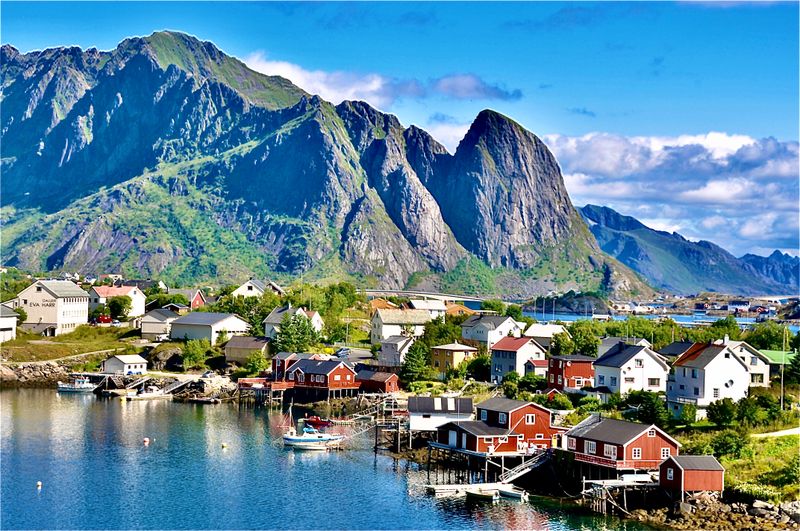
Reine is a fishing village so picturesque it has become the poster child for Norway’s Lofoten Islands, its red rorbuer cabins reflected in the impossibly blue waters of a sheltered fjord. Jagged peaks rise almost vertically from the sea, their granite faces streaked with snow even in summer.
The village itself is tiny, a cluster of cabins and drying racks for stockfish, yet it draws adventurers from around the globe.
The Reinebringen hike is a rite of passage, a steep scramble up stone steps to a summit viewpoint that reveals the full sweep of the archipelago, islands and channels stretching to the horizon. Kayakers paddle through narrow straits, passing sea eagles and colonies of puffins.
In winter, the northern lights dance overhead, while summer brings the midnight sun, bathing the landscape in golden light around the clock.
Fishing remains the lifeblood of the community, with boats heading out daily for cod and halibut. Small museums and cultural centers explain the history of the Lofoten fishery, one of the oldest in Europe.
Local restaurants serve fresh seafood prepared simply, letting the quality of the catch speak for itself.
Reine is proof that even the smallest village can offer outsized beauty and adventure, a place where nature and human resilience meet at the edge of the world.
10. Giethoorn, Netherlands
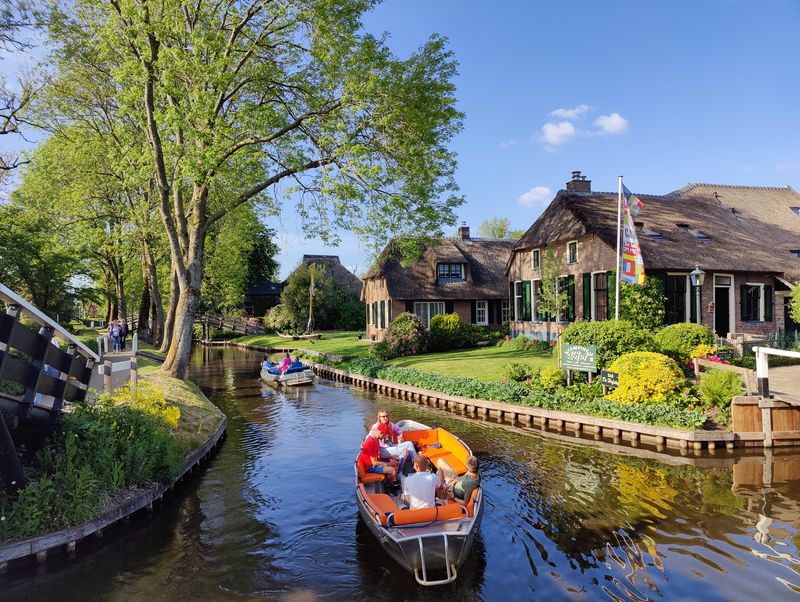
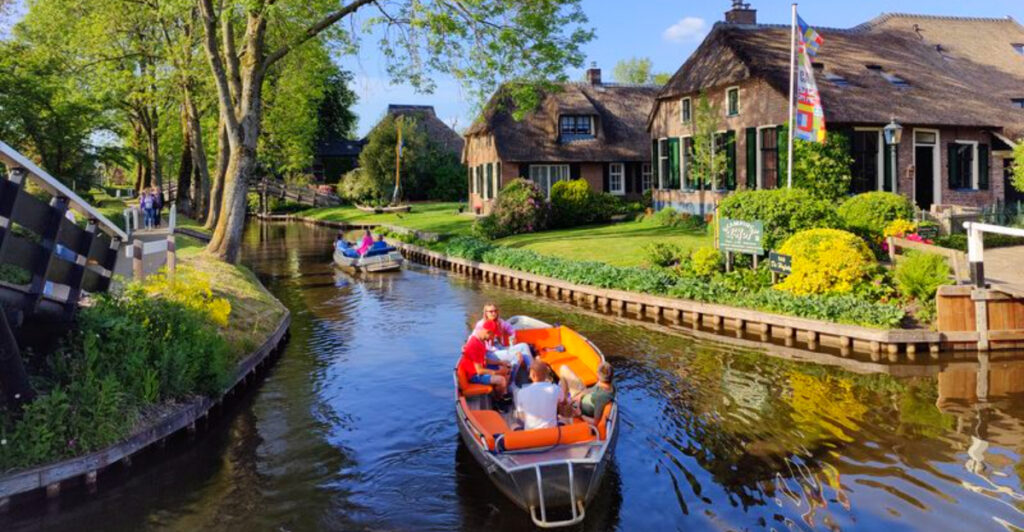
Giethoorn earned its nickname “Venice of the North” honestly, its center crisscrossed by canals instead of streets. Thatched-roof farmhouses line the waterways, their gardens spilling down to the water’s edge, connected by arched wooden bridges that look like they belong in a storybook.
The village was founded in the 13th century by peat diggers, whose excavations created the labyrinth of channels that define the landscape today.
Visitors explore by whisper-quiet electric boats, bicycles, or on foot, following paths that wind past historic farms and nature reserves. The surrounding wetlands are a haven for waterfowl, with herons, ducks, and swans gliding among the reeds.
Museums housed in restored farmhouses display traditional costumes, tools, and furniture, offering a glimpse into rural Dutch life before modernization.
Local restaurants serve poffertjes and stroopwafels, along with hearty stamppot and fresh fish from nearby lakes. Artisan shops sell hand-painted Delftware and wooden clogs, crafts that have been part of Dutch culture for centuries.
In winter, when the canals freeze, villagers lace up ice skates and glide between houses, a scene Bruegel could have painted.
Giethoorn is a reminder that sometimes the best adventures are quiet ones, measured in the gentle lap of water and the creak of a wooden bridge underfoot.
11. Oia, Santorini, Greece
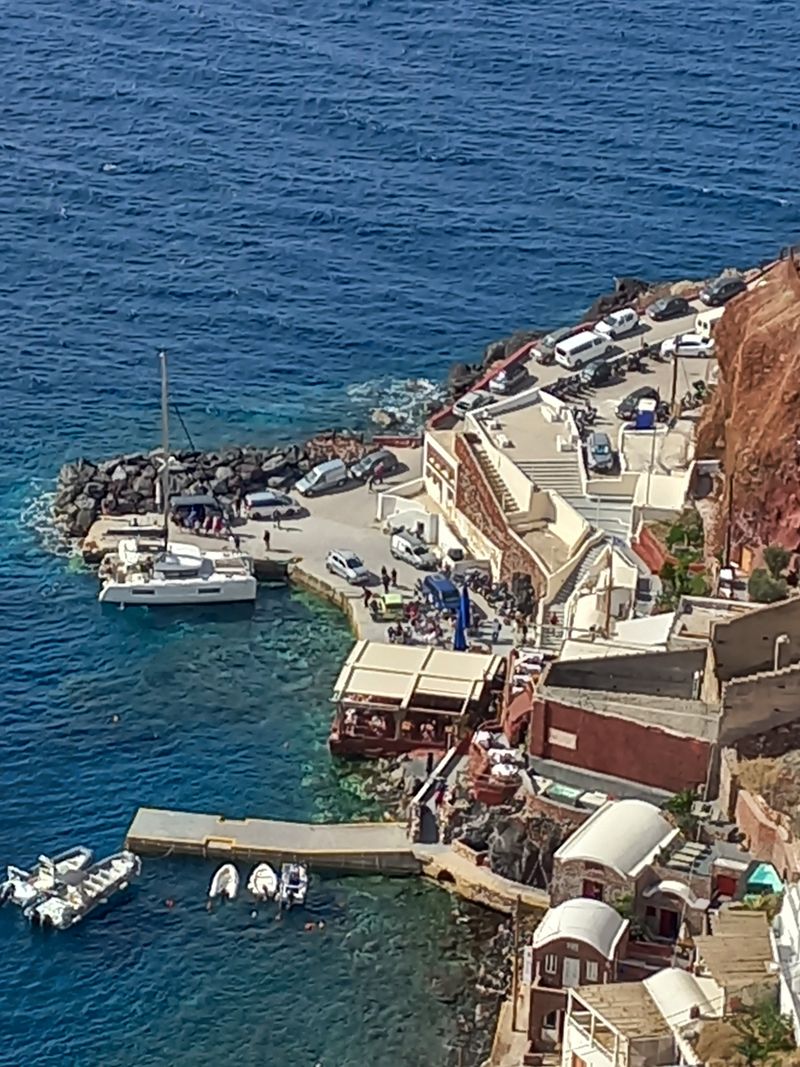
Oia spills down the caldera rim of Santorini like a cascade of sugar cubes, its whitewashed buildings and blue-domed churches clinging to cliffs that drop 300 meters into the Aegean Sea. Volcanic eruptions shaped this landscape thousands of years ago, and the village has adapted to the dramatic terrain, with cave houses carved directly into the pumice stone.
Sunset here is a nightly ritual, drawing crowds to watch the sun melt into the sea in a blaze of orange and pink.
The coastal path from Fira to Oia is one of the most scenic walks in Greece, following the caldera edge through a series of villages and offering views that shift with every turn. Ancient ruins, Byzantine churches, and traditional windmills dot the route.
The volcanic soil supports vineyards that produce distinctive wines, with tasting rooms offering samples alongside views of the submerged crater.
Narrow lanes wind through Oia, past art galleries, bookshops, and boutiques tucked into restored captains’ houses. Tavernas serve fava, tomatokeftedes, and fresh seafood, dishes rooted in Cycladic tradition.
Museums document the island’s history, from Minoan settlements to the devastating eruption that may have inspired the Atlantis legend.
Oia is where geology and human creativity collide, producing a village that feels both ancient and impossibly photogenic.
12. Göreme, Cappadocia, Türkiye
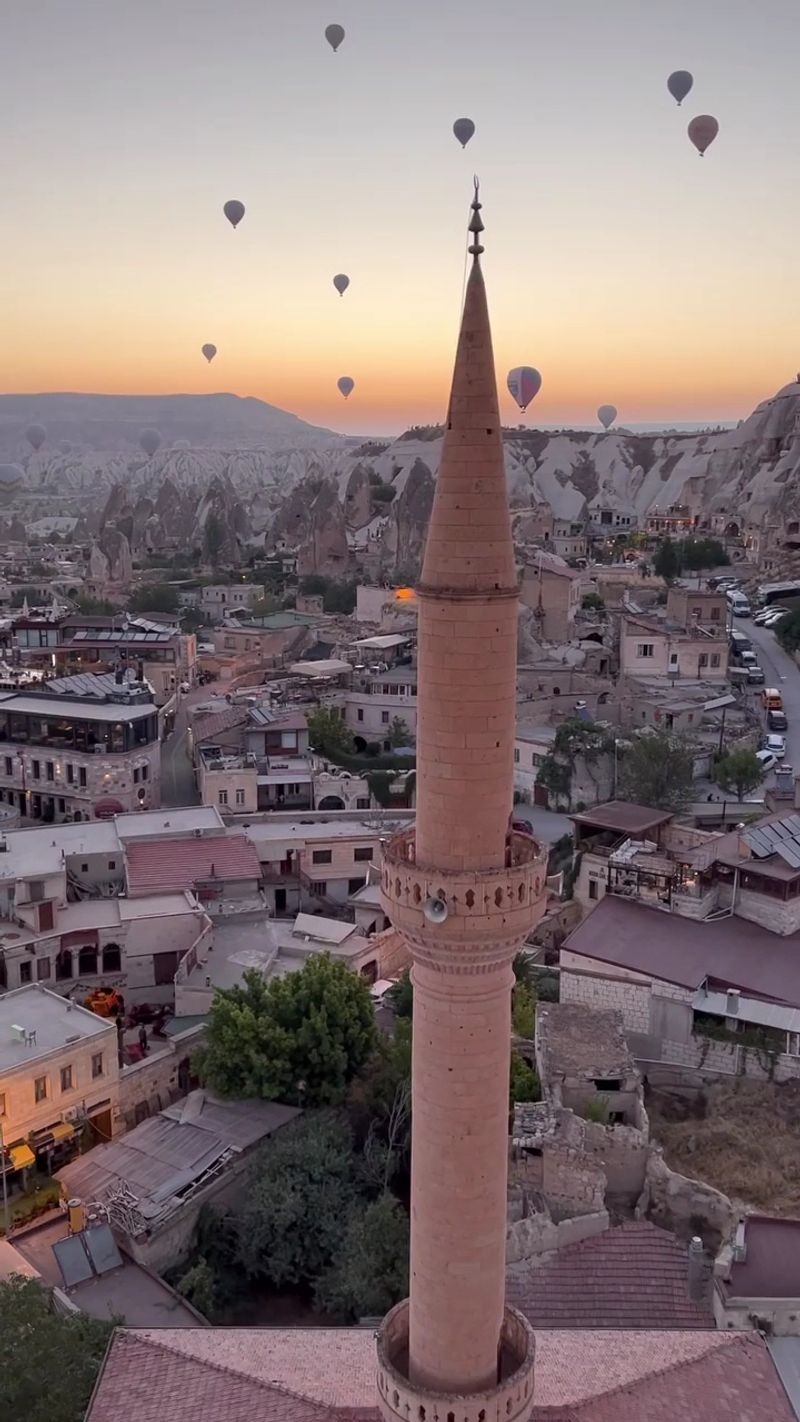
Göreme sits at the heart of Cappadocia’s otherworldly landscape, surrounded by valleys filled with fairy chimneys, cone-shaped rock formations sculpted by millions of years of erosion. Early Christians carved churches, monasteries, and entire underground cities into the soft volcanic tuff, creating a UNESCO World Heritage site that blends natural wonder with human ingenuity.
Hot air balloons drift overhead at dawn, hundreds of them floating above the surreal terrain like colorful jellyfish.
Hiking trails wind through the Rose Valley, Red Valley, and Love Valley, each named for the hues of the rock and each hiding frescoed chapels and cave dwellings. Some trails pass through tunnels and squeeze between towering pinnacles, offering a sense of exploration and discovery.
Local guides share stories of monks and merchants who once sheltered in these caves, fleeing persecution or trading along the Silk Road.
The village itself is a warren of boutique cave hotels, restaurants, and shops, many occupying structures that have been inhabited for centuries. Traditional Turkish cuisine, from manti to testi kebab, is served in dining rooms carved from stone.
Pottery workshops demonstrate techniques unchanged since Hittite times.
Göreme proves that landscapes can be both museum and playground, a place where every rock tells a story and every trail leads to wonder.
13. Ushguli, Upper Svaneti, Georgia
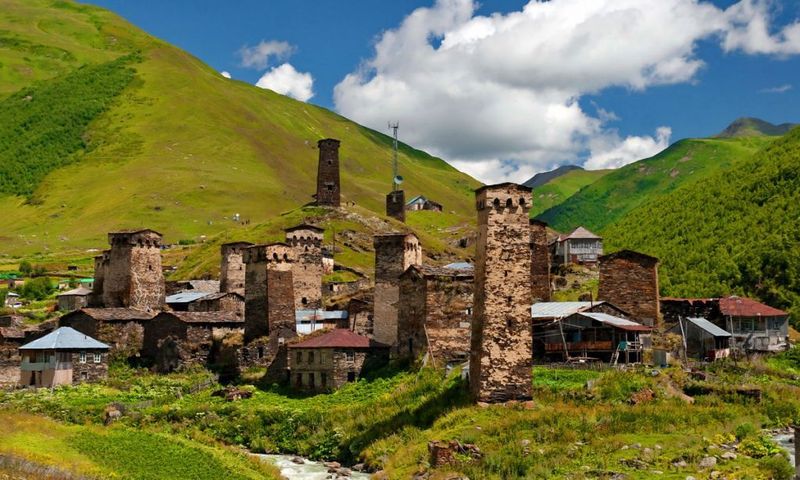
Ushguli claims the title of Europe’s highest continuously inhabited settlement, a cluster of villages perched at 2,200 meters in the shadow of Mount Shkhara, Georgia’s tallest peak. Medieval defensive towers, called koshkebi, rise above stone houses, their silhouettes stark against the snowy massif.
This UNESCO-recognized region has preserved a way of life largely unchanged for a millennium, with families still farming the high alpine meadows and tending livestock as their ancestors did.
Trekking routes radiate from the villages, crossing glacial rivers and climbing to passes that offer views into the wild heart of the Caucasus. Trails lead to abandoned settlements, ancient churches, and summer pastures where shepherds live in isolation for months.
The terrain is rugged and remote, requiring stamina and respect for the mountains’ unpredictable weather.
Local guesthouses offer simple but warm hospitality, with meals of khachapuri, khinkali, and homemade chacha shared around communal tables. Towers that once served as refuges during invasions now stand as monuments to Svan resilience.
Small museums display traditional weapons, textiles, and religious icons, artifacts of a culture shaped by isolation and pride.
Ushguli is a place where modernity arrives slowly, if at all, and where the mountains still dictate the rhythm of daily life.
14. Shirakawa-go, Japan
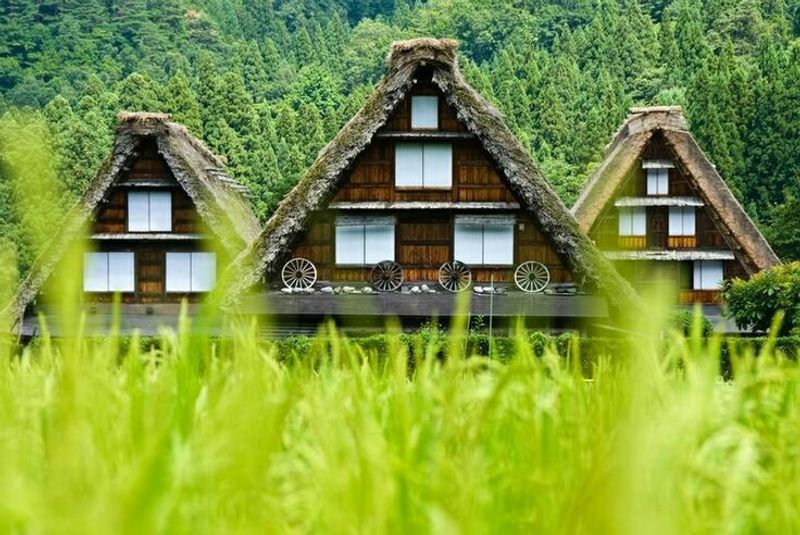
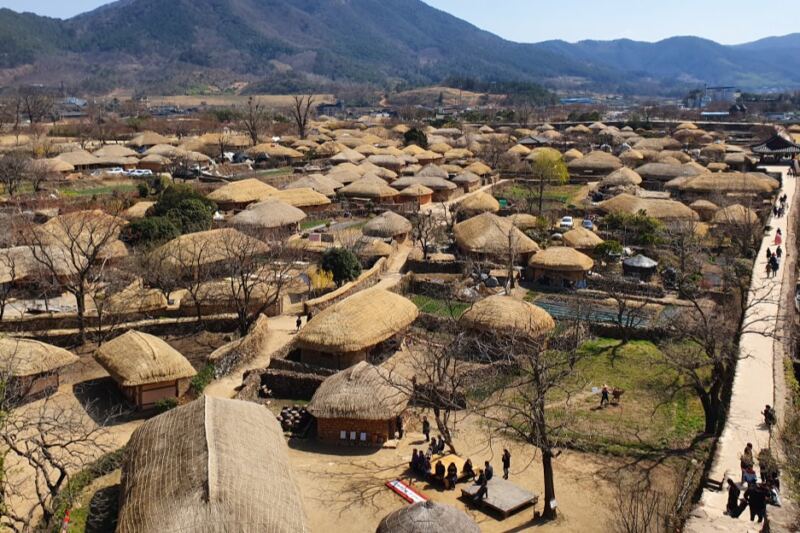
Shirakawa-go’s gassho-zukuri farmhouses, with their steep thatched roofs resembling hands pressed in prayer, create a scene straight from a Japanese woodblock print. This UNESCO World Heritage village nestles in a mountain valley that sees heavy snowfall each winter, and the distinctive roof design allows snow to slide off easily while providing ample space for silkworm cultivation in the attics.
Some of these structures are over 250 years old, maintained by communal efforts that reflect deep-rooted traditions of cooperation.
Hiking trails climb the surrounding mountains, offering viewpoints over the rice paddies and farmhouses below. In spring, cherry blossoms frame the village; in autumn, maples turn the hillsides crimson and gold.
Smaller paths follow the Shogawa River and wind through forests of cedar and beech, where the only sounds are birdsong and the rush of water.
Several farmhouses operate as museums, displaying tools, textiles, and household items from centuries past. Others function as minshuku, traditional inns where guests sleep on tatami mats and share meals of mountain vegetables, river fish, and locally made tofu.
Evening illuminations in winter transform the village into a glowing tableau, each farmhouse lit from within.
Shirakawa-go offers a window into rural Japan’s past, a living museum where tradition and nature exist in perfect balance.
15. Ghandruk, Nepal
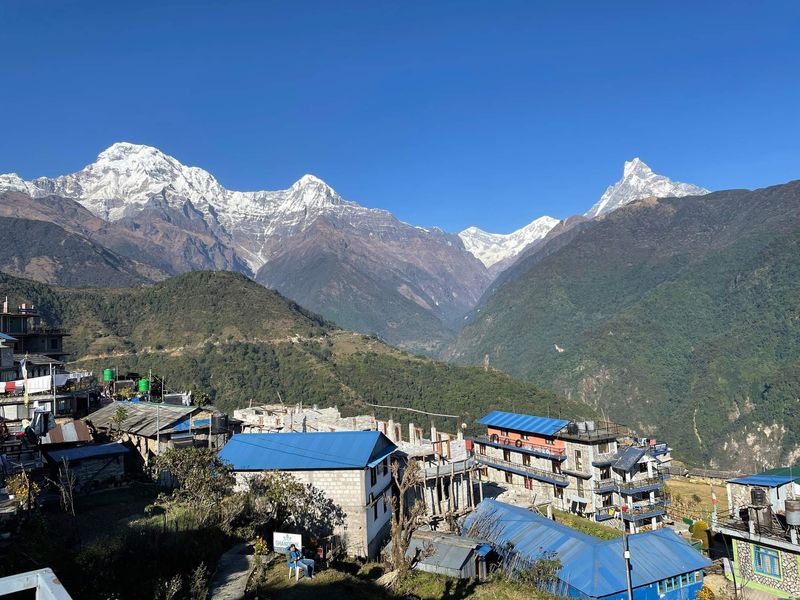
Ghandruk clings to a hillside in the Annapurna region, its stone houses terraced down the slope like steps for giants. This Gurung village serves as a gateway to some of Nepal’s most famous trekking routes, yet it retains a strong sense of cultural identity, with residents wearing traditional dress and maintaining customs that predate the arrival of tourists.
Prayer flags flutter from rooftops, and the rumble of distant avalanches echoes off the surrounding peaks.
Trails from Ghandruk lead to Poon Hill, the Annapurna Sanctuary, and countless other destinations, each offering views of snowcapped giants like Machapuchare and Annapurna South. Rhododendron forests explode with color in spring, while terraced fields glow emerald green during the monsoon.
Local guides, many of them former Gurkha soldiers, share knowledge of the mountains and stories of their own adventures.
Guesthouses line the main trail, offering simple rooms and hearty meals of dal bhat, the rice and lentil dish that fuels trekkers across Nepal. Cultural museums display traditional Gurung jewelry, weapons, and textiles.
Evening performances of folk music and dance give visitors a taste of the community’s living heritage.
Ghandruk is more than a trekking stop; it is a reminder that mountains are home to people whose lives are shaped by altitude and tradition.
16. Aït Benhaddou, Morocco
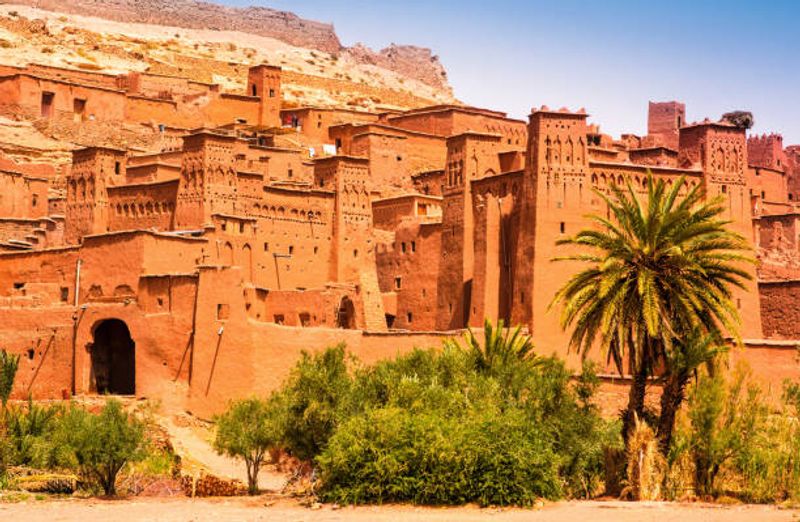
Aït Benhaddou rises from the desert floor like a sandcastle built by giants, its kasbahs and towers stacked within fortified walls that have guarded this caravan route for centuries. This UNESCO World Heritage site is one of Morocco’s best-preserved examples of earthen architecture, built using pisé, a mixture of clay and straw that blends seamlessly with the surrounding landscape.
Filmmakers have used it as a backdrop for everything from gladiator epics to fantasy sagas, drawn by its timeless, otherworldly appearance.
Hiking trails climb the surrounding hills, offering panoramic views of the ksar and the High Atlas Mountains beyond. The Ounila River valley, green with date palms and almond trees, contrasts sharply with the arid slopes.
Paths follow ancient trade routes, passing abandoned kasbahs and Berber villages where life continues much as it has for generations.
Inside the ksar, narrow alleys twist between crumbling walls and restored houses, some now serving as guesthouses and craft shops. Local families sell carpets, pottery, and silver jewelry, items that reflect centuries of Berber artistry.
Tagines simmer in rooftop kitchens, filling the air with the scent of cumin and coriander.
Aït Benhaddou is a monument to human adaptation, a fortress built from the earth itself, standing as a testament to the ingenuity of desert dwellers.
17. Barichara, Colombia
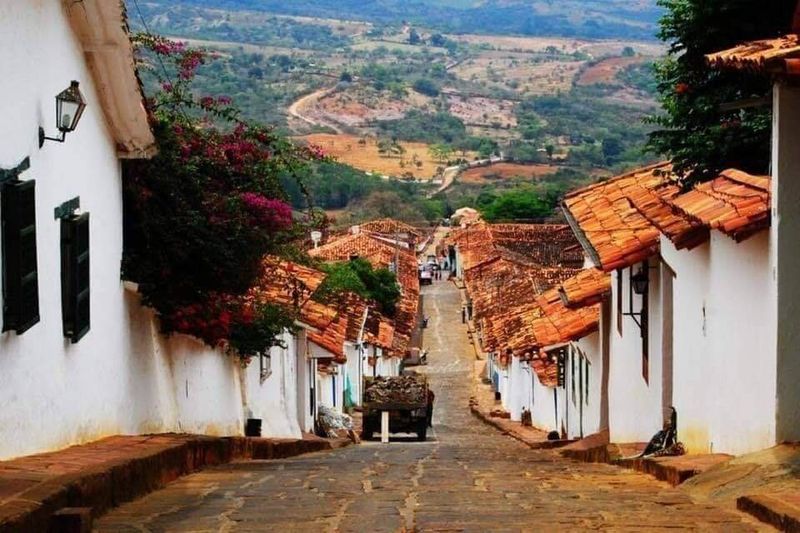
Barichara’s cobblestone streets and whitewashed colonial buildings make it one of Colombia’s most beautiful towns, a place where time seems to have paused sometime in the 18th century. Sandstone facades glow golden in the afternoon light, and bougainvillea spills over courtyard walls.
Artisans work in open studios, carving stone and weaving palm fronds using techniques passed down through generations. The town sits on a plateau overlooking the Suarez River canyon, with views that stretch to the distant mountains of Santander.
The Camino Real, a centuries-old stone path, descends from Barichara to the tiny village of Guane, a two-hour walk through scrubland and cactus forest. This pre-Columbian route was paved by the Spanish and remains one of the best-preserved colonial roads in the country.
Fossils embedded in the stones hint at the region’s ancient marine past, when this plateau lay beneath the sea.
Local restaurants serve cabro, goat stewed with spices, and hormiga culona, roasted ants that are a regional delicacy. Small museums document the area’s indigenous history and colonial heritage.
Workshops offer classes in stone carving and weaving, inviting visitors to try their hand at traditional crafts.
Barichara is a town that celebrates slowness, where the most rewarding activity is simply wandering its quiet streets and soaking in the beauty.
18. Ollantaytambo, Peru
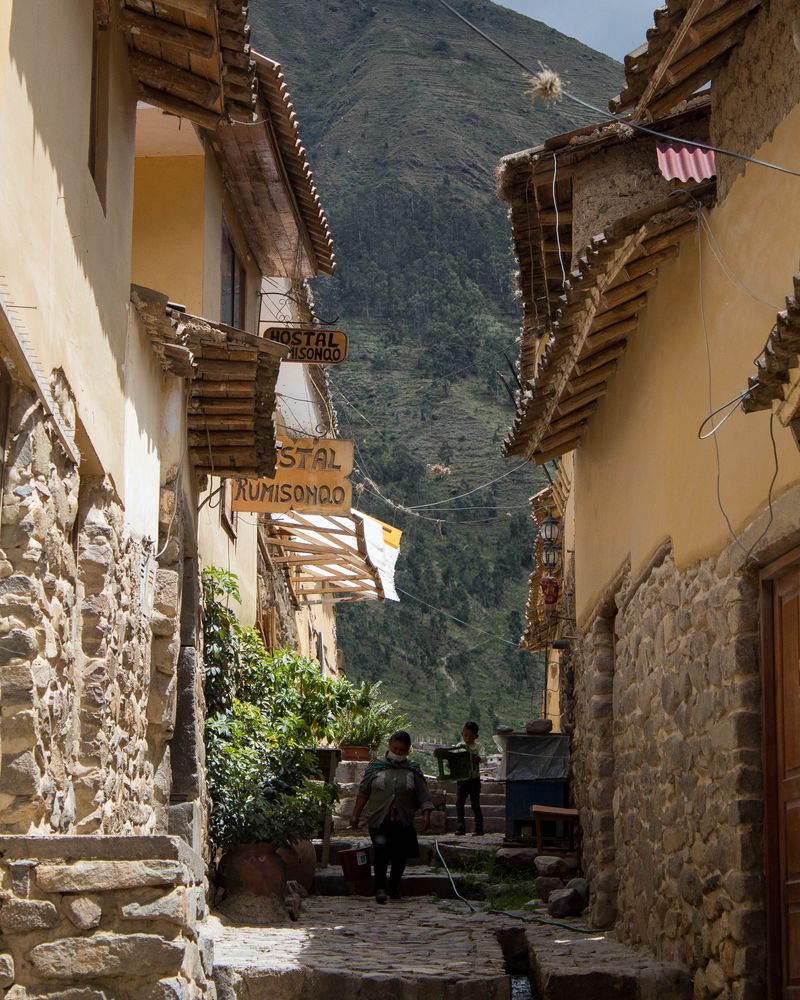
Ollantaytambo is a living Inca town, its narrow cobbled lanes and stone channels laid out according to a plan drawn up centuries before the Spanish conquest. Massive terraces climb the hillside above the village, leading to a fortress temple that was the site of one of the few Inca victories over the conquistadors.
Water still flows through original aqueducts, and some families live in houses built on Inca foundations, their doorways and walls perfectly fitted from granite blocks.
Hiking trails branch out into the Sacred Valley, passing terraced fields, Inca storehouses, and quarries where massive stones were cut and transported across the valley. The Inca Trail to Machu Picchu begins nearby, but shorter treks offer equally stunning views of snowcapped peaks and pre-Columbian ruins.
Market days bring villagers from surrounding communities to sell produce, textiles, and handicrafts.
Local restaurants serve quinoa soup, alpaca steaks, and chicha morada, a sweet corn drink. Weavers demonstrate traditional techniques using natural dyes and backstrap looms, creating textiles with patterns that carry symbolic meanings.
Small museums explain the engineering feats that allowed the Inca to thrive in this high-altitude environment.
Ollantaytambo is a bridge between past and present, where ancient stones support modern lives and the mountains still hold their secrets close.
19. El Chaltén, Argentina
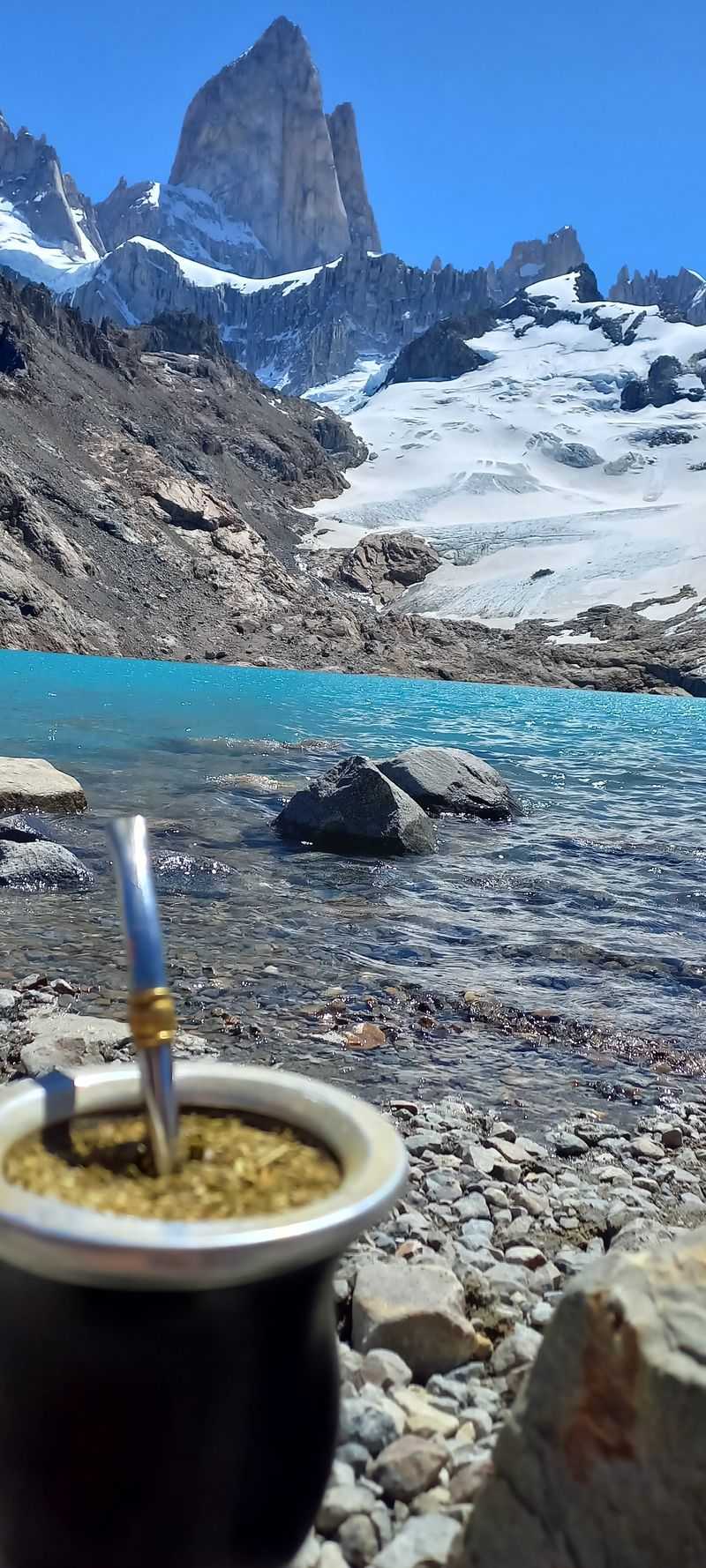
El Chaltén was founded in 1985 as a trekking outpost, and it remains exactly that, a village whose sole purpose is to serve as a base for exploring the jagged peaks of Patagonia. The town itself is a grid of hostels, gear shops, and restaurants, all dwarfed by the granite spires of Fitz Roy and Cerro Torre, which loom overhead like cathedrals carved by glaciers.
Trails depart directly from the edge of town, no shuttle or trailhead parking required.
Day hikes lead to Laguna de los Tres, where Fitz Roy reflects in turquoise water, and to Laguna Torre, where icebergs calve from the glacier and drift across the lake. Longer routes traverse beech forests and cross windswept passes, with wild guanacos and condors as constant companions.
The weather is famously unpredictable, with sunshine, rain, and gale-force winds often occurring in the same hour.
Despite its youth, the village has developed a culture all its own, with brewpubs serving craft beers and restaurants offering lamb asado and empanadas. Climbers gather in the evening to share tales of routes attempted and retreats forced by Patagonian storms.
Outfitters rent crampons and ice axes for those venturing onto the glaciers.
El Chaltén is proof that a village does not need centuries of history to have soul, just a love of mountains and the people who come to challenge them.
20. Taos Pueblo, USA
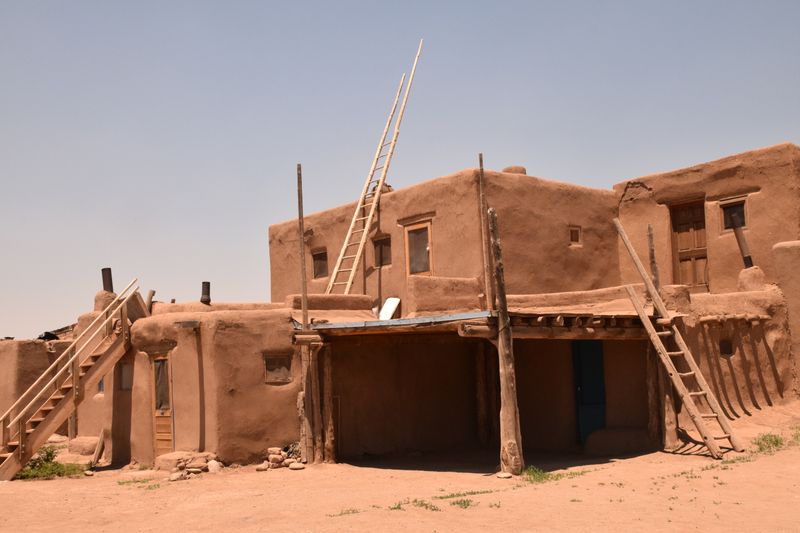
Taos Pueblo has been continuously inhabited for over a thousand years, making it one of the oldest living communities in the United States. Multi-story adobe structures, built without nails or milled lumber, rise from the high desert like natural extensions of the earth itself.
This UNESCO World Heritage site remains home to a community that has preserved its language, ceremonies, and way of life despite centuries of pressure to assimilate.
The surrounding landscape offers hiking in the Sangre de Cristo Mountains, with trails climbing through piñon and ponderosa forests to alpine lakes and peaks over 13,000 feet. The Rio Grande Gorge cuts a dramatic gash through the plateau west of the pueblo, its rim offering dizzying views into the shadowed depths.
In winter, nearby ski resorts draw powder hounds, while summer brings rock climbers to the volcanic tuff of the gorge walls.
Visitors to the pueblo are welcomed but asked to respect the privacy and traditions of residents, many of whom still live without electricity or running water by choice. Artisans sell pottery, jewelry, and drums, crafts that have been part of Pueblo culture for generations.
Feast days and dances, held throughout the year, offer glimpses into spiritual practices that predate European contact.
Taos Pueblo stands as a testament to resilience, a living link to a past that refuses to be forgotten or erased.
Share this story