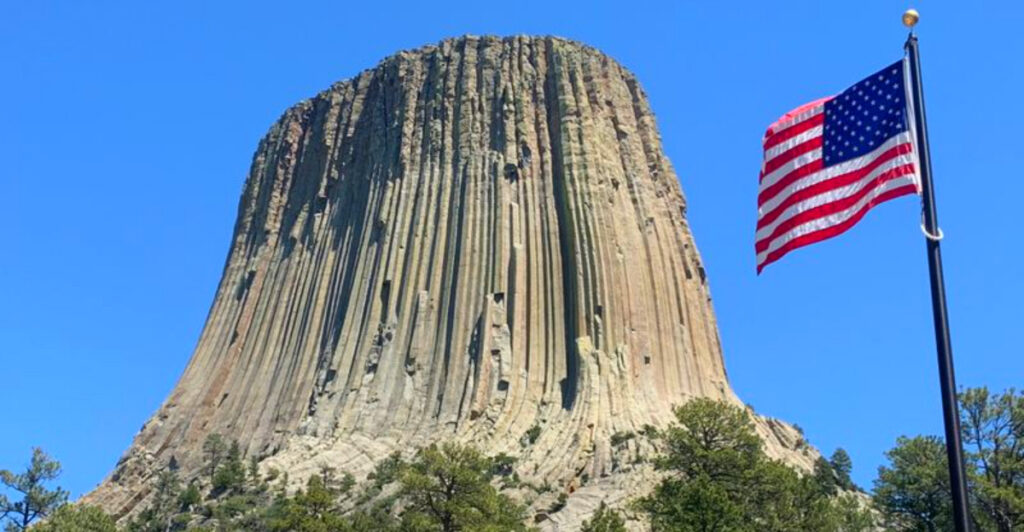
In 1906, a quiet signature turned a solitary Wyoming landmark into a national promise. Devils Tower did not just become first in line, it became a symbol that one stunning place could be protected for everyone.
Stand beneath its sheer columns and you feel history, geology, and living tradition stacked in stone. Keep reading to uncover the stranger, truer story behind America’s first National Monument.
1. It Was Protected Before Anyone Knew What a National Monument Really Was
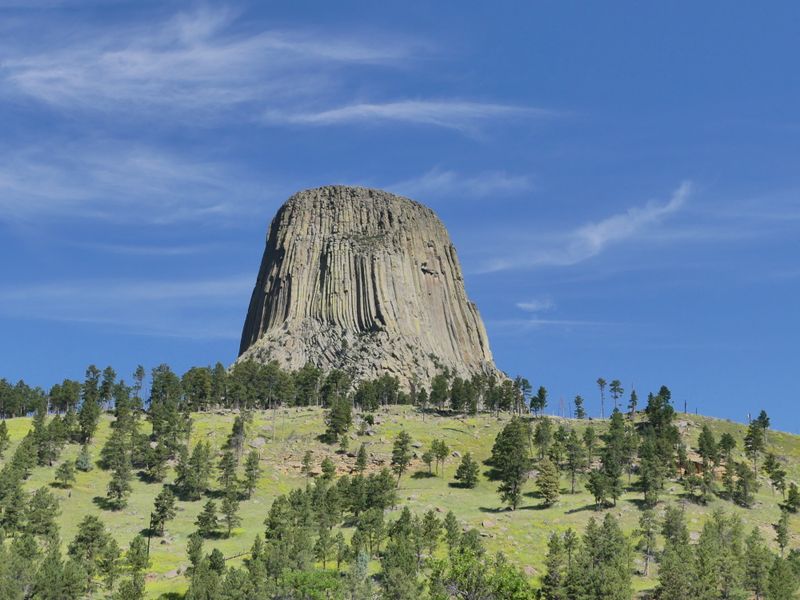
On September 24, 1906, Devils Tower became the first National Monument with almost no fanfare. The Antiquities Act had been signed only months earlier, and Roosevelt used it decisively, without public hearings or precedent.
You can still feel that audacity here, a sense that protection can be swift when the stakes are clear.
There were no management plans, no visitation models, and no established playbook to follow. Rangers, scientists, and locals figured it out in real time, setting patterns that later monuments would refine.
If you value simple access today, thank that early, bold experiment.
Walking the Tower Trail, the idea suddenly seems obvious. Not every wonder needs grand infrastructure to justify protection.
Sometimes a single geological sentinel and its surrounding life deserve a legal shield, and that is exactly what Roosevelt created.
2. No One Knows Exactly How It Formed – and That’s Still True Today
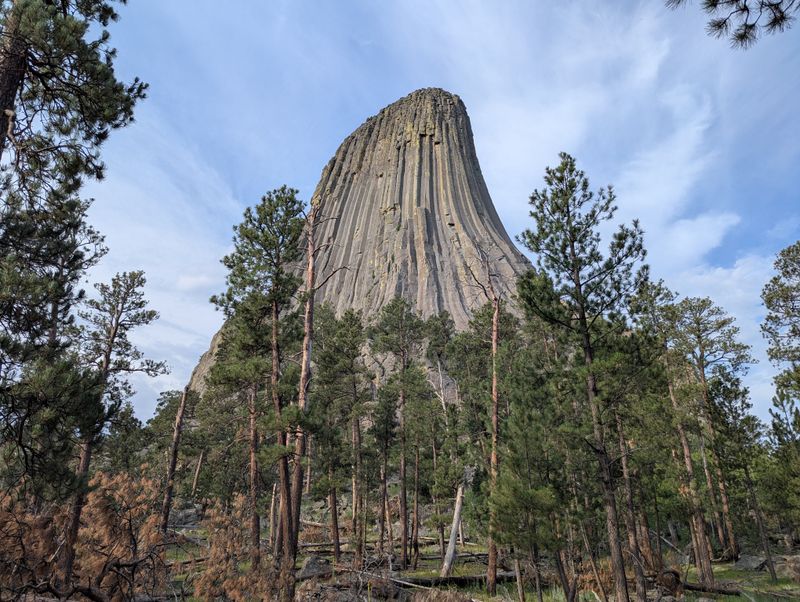
Geologists agree the tower is igneous rock, but you will hear competing theories the moment you ask how it formed. Some point to a volcanic neck that resisted erosion, others to a laccolith core exposed after the softer layers vanished.
Either way, time peeled away the surroundings and left this stone survivor alone.
Look closely at the cliffs and you can almost see cooling patterns frozen mid-process. The debate is not a flaw, it is the magic of inquiry walking beside you.
You get to stand on the trail and feel okay with an answer that remains a well-framed question.
Erosion carved the story’s edges, wind wrote the margins, and lightning added punctuation. Every viewpoint suggests a different origin tale you can test against the rock itself.
The mystery is part of why it feels alive.
3. Those Vertical Columns Are Almost Perfectly Geometric
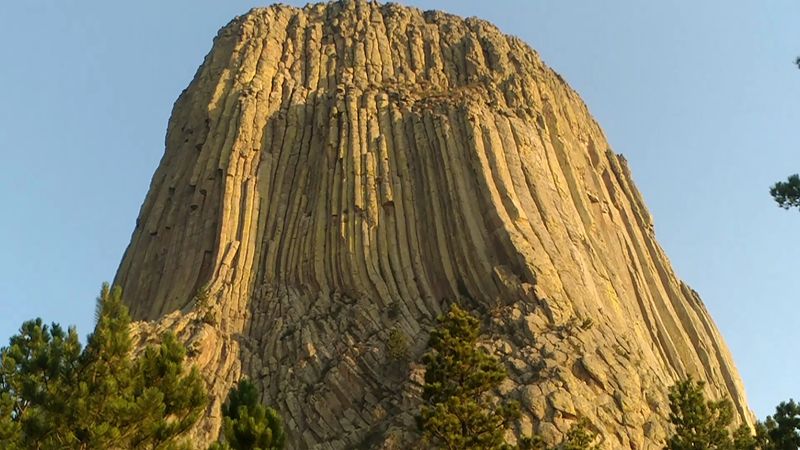
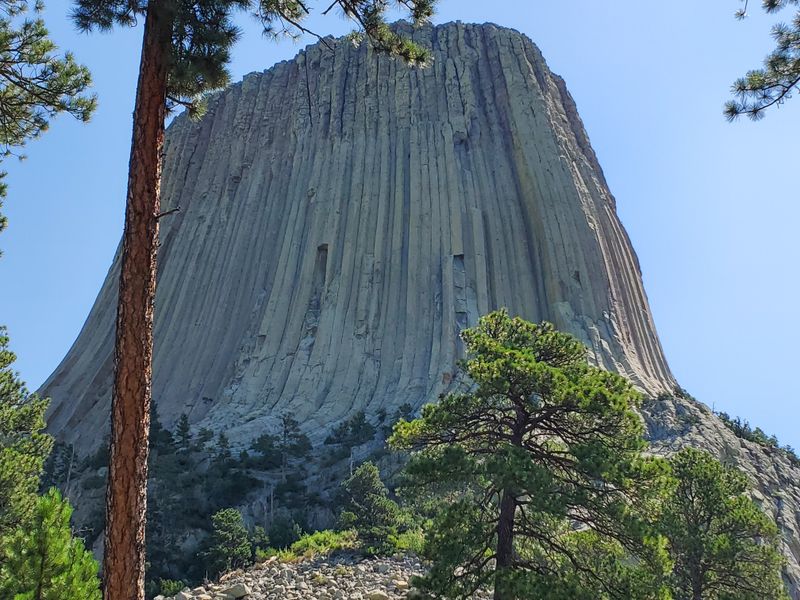
Devils Tower wears a coat of columns that look engineered, but they are naturally precise. As molten rock cooled, it contracted and cracked into polygonal shapes, mostly hexagons, stacking into orderly ribs.
Some columns exceed 400 feet, which makes them among the tallest columnar joints ever measured.
Stand beneath them and the geometry feels uncanny, like a cathedral built by temperature and time. You can trace joints with your eyes and notice subtle bends where cooling rates changed.
The tower’s surface is a graph of physics turned vertical.
Photos flatten it, but in person the repetition and scale create a rhythm your body senses. The columns guide rain, channel lichen, and shape how climbers move.
Every groove tells you the rock once flowed, then cracked with elegant restraint.
4. The Name Devils Tower Is Likely a Translation Error
The name most people use likely began with a misunderstanding. Early interpreters rendered Indigenous names like Bear Lodge or Bear’s Tipi into something closer to Bad God’s Tower.
Over time, the apostrophe vanished and Devils Tower stuck, even while many tribal communities preferred the older meanings.
When you visit, you will see references to Mato Tipila and Bear Lodge that acknowledge this history. Names matter because they carry stories about place and responsibility.
Saying the original names can shift how you move through the site, with more attention and care.
Language also shapes policy, signs, and the conversations visitors have on the trail. You do not need to pick a single name, but understanding the translation path adds context.
It is one more reason the tower resists a simple label.
5. Multiple Native American Nations Consider It Sacred
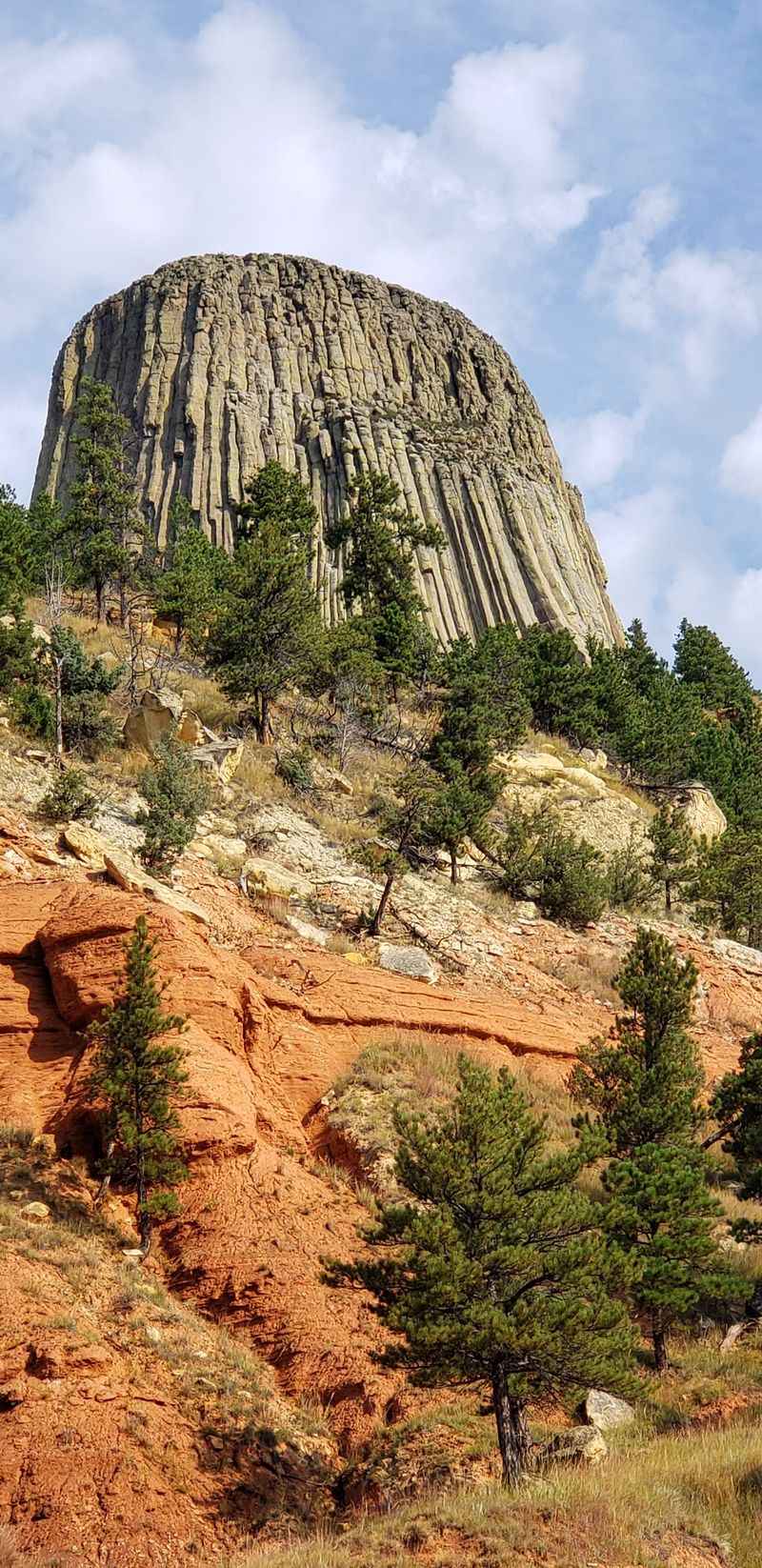
At least 20 tribes hold this place sacred, including Lakota, Cheyenne, Kiowa, and Crow communities. Origin stories often describe giant bears clawing the rock, which aligns with the deep vertical grooves.
When you see prayer cloths and bundles on trees, give them space and respect.
Spiritual relationships here long predate the monument’s founding. Ceremonies continue, and quiet is part of proper visiting.
You can honor that by staying on trails, avoiding intrusive photos, and letting the site’s silence speak.
Reading the exhibits at the visitor center helps you understand why June holds special meaning. The rock is not just geology, it is a living relative to many people.
Treating it that way changes how the day feels, for you and for everyone else.
6. Climbers Did Not Reach the Top Until 1893
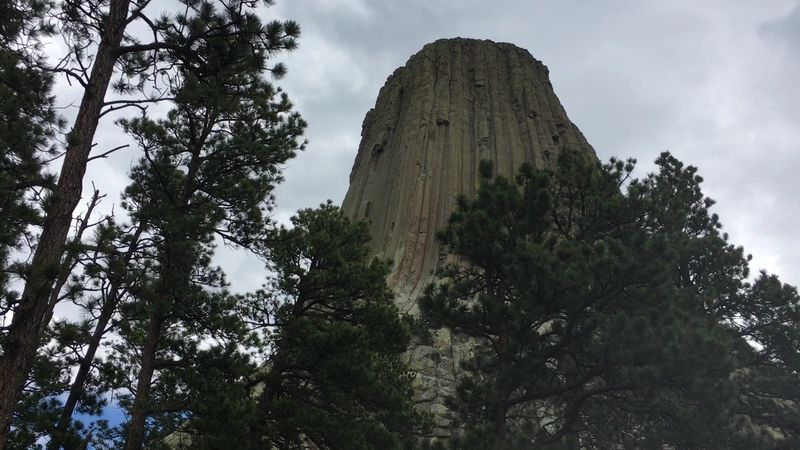
The first recorded ascent came in 1893 when two local ranchers built a wooden ladder up cracks in the rock. They drove stakes into joints and climbed to the summit long before modern gear existed.
For decades, remnants of that ladder clung to the tower like a spine.
Today, established routes follow cracks and columns with cams, ropes, and careful judgment. If you spot climbers, their scale helps your eyes grasp the tower’s height.
The movement is slow and deliberate, honoring both risk and place.
Climbing here is permitted with seasonal considerations, permitting, and ethics that include voluntary June closures. Even if you never tie in, watching teaches patience and respect.
The wall looks uniform, but every pitch is its own puzzle.
7. Theodore Roosevelt Never Even Visited It
Roosevelt protected Devils Tower without seeing it in person. He relied on reports, photographs, and a conviction that unique natural features should be preserved before they were carved up.
That distance did not dilute his certainty, it sharpened it.
You benefit from that fast decision every time you step onto the Tower Trail. Protection arrived before quarries, amusement schemes, or careless development did.
The story is a reminder that foresight sometimes looks like action taken on strong evidence and principle.
Roosevelt’s absence also highlights how local stewards and later rangers carried the day-to-day work. Preservation is a relay, not a solo sprint.
Your visit is part of that lineage, hopefully adding care rather than wear.
8. It Rises 867 Feet From Its Base—but Feels Taller
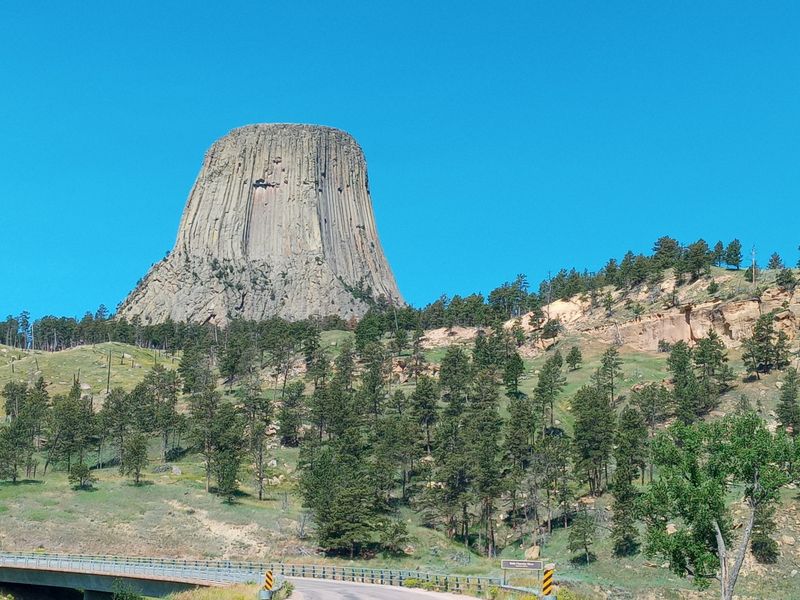
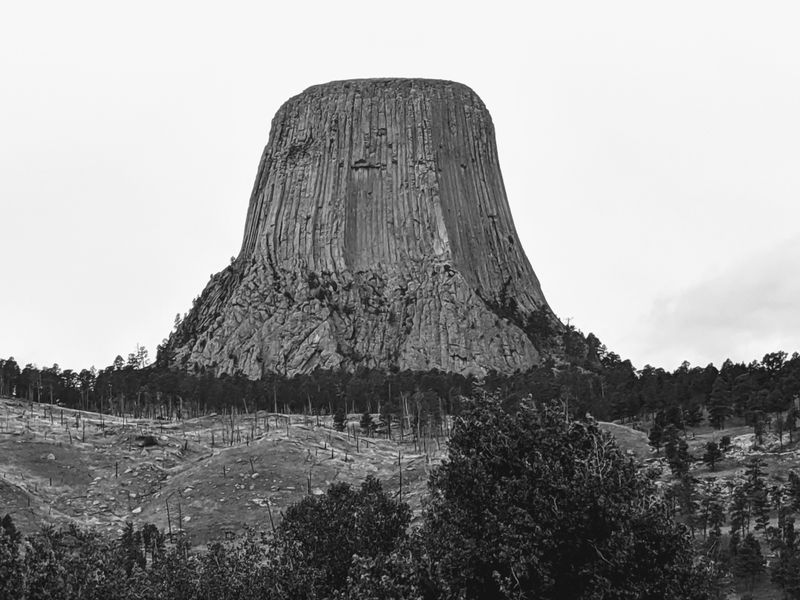
Measurements say 867 feet from base to summit, but your neck tells a taller story. With no foothills to soften the transition, the tower lifts straight from prairie to sky.
That sudden vertical makes even seasoned travelers stop and stare.
Walk a few minutes and the perspective shifts, yet the height keeps surprising you. The isolation amplifies scale, a lesson in how context shapes perception.
It is like a skyscraper with nothing but grass for neighbors.
Sunrise and late afternoon stretch the tower’s shadow across the Red Beds. Those moments make the height feel mobile, sweeping over deer, sage, and trails.
You carry that sensation long after leaving the gate.
9. The Summit Is Surprisingly Flat—and Alive
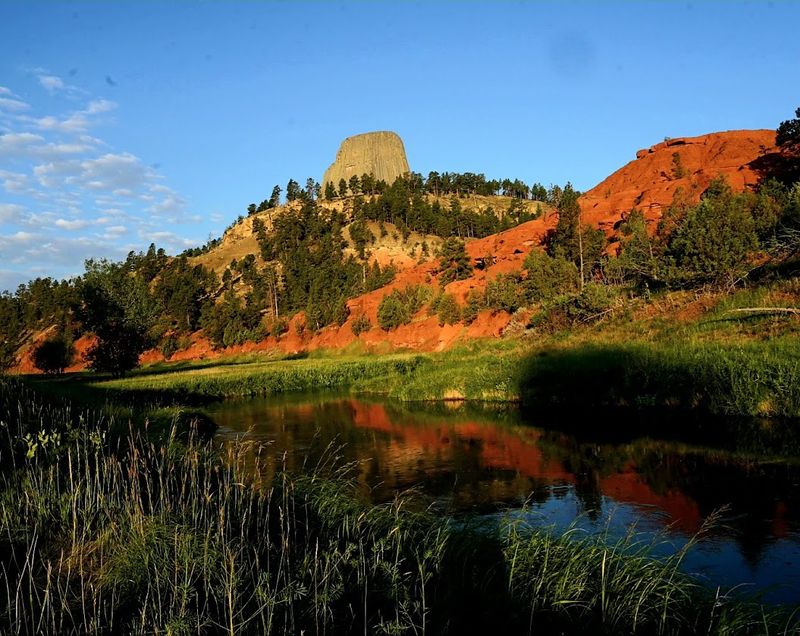
From below, you might imagine a sharp tip, but the summit is a flat, soil-topped field. It is roughly football-field sized, with grasses, sage, moss, and wind-bent wildflowers.
Small animals sometimes find their way up, turning the top into a tiny high prairie.
That living layer tells you the tower is not just stone. It gathers dust, seeds, and moisture, then hosts life in a very exposed place.
Think of it as a roof garden built by time and gravity.
Climbers who top out often describe the quiet as startling. The rim of columns surrounds a surprisingly calm interior.
From that perch, the Black Hills fringe and rolling Wyoming grasslands seem to breathe.
10. Lightning Strikes It Constantly
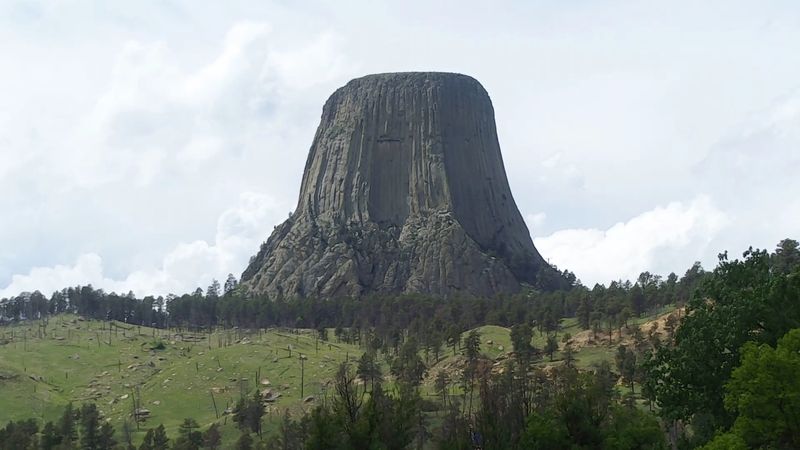
Because it stands alone above open plains, Devils Tower attracts frequent lightning. Storms roll across Wyoming and treat the rock like a natural lightning rod.
Fire scars and charred snags in the Ponderosa forest tell a long story of strikes and recovery.
Fire here is not just damage, it is ecology shaping the understory. Frequent, low-intensity burns once kept fuels in check and opened views.
You can see how management today uses that knowledge to guide prescribed fire and safety.
When thunderheads build, give the rock generous distance. Trails and parking lots may seem safe, but lightning demands respect.
Watching a storm from afar reminds you the tower belongs to weather first.
11. It Inspired One of the Most Famous Sci-Fi Films Ever
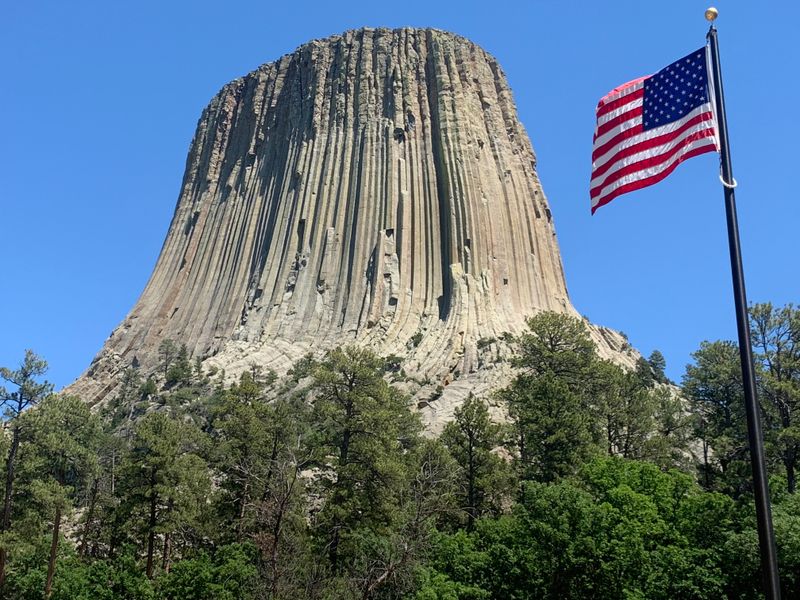
Devils Tower became a pop culture icon after Close Encounters of the Third Kind in 1977. Spielberg chose the monument for its otherworldly geometry and lonely presence on the plains.
After the movie, visitation jumped and the image of the tower spread worldwide.
Walk the trails and you will hear people hum the film’s notes or quote scenes. The visitor center leans into that legacy while balancing science and culture.
It is fun to enjoy the references without letting them eclipse the site’s deeper stories.
At night, the sky answers with its own special effects. Milky Way arches remind you why dark-sky experiences matter here.
The real show is cosmic, steady, and open to everyone.
12. Rock Climbers Voluntarily Avoid It for One Month Each Year
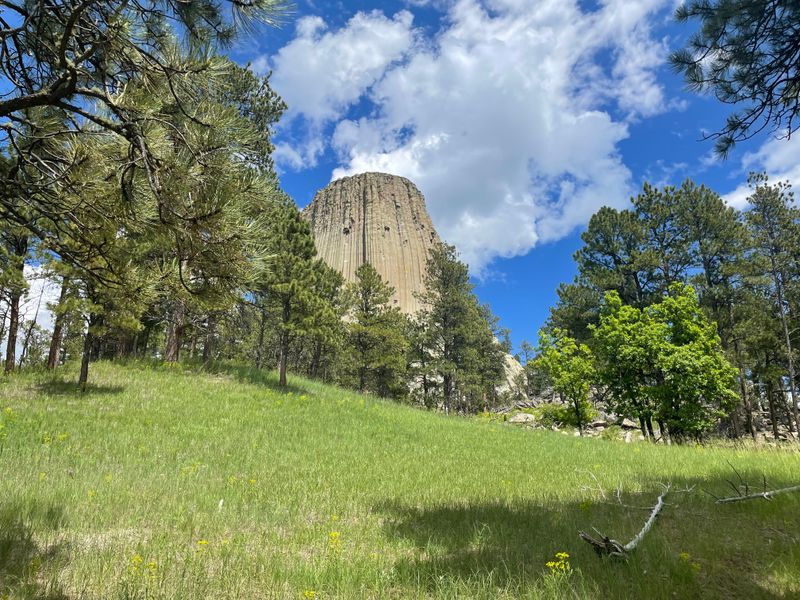
Every June, climbers are asked to refrain from climbing out of respect for ceremonial practices. It is a voluntary closure that most climbers honor, making ethics as visible as hardware.
You can feel the tone change on the trails, quieter and more attentive.
This arrangement shows that recreation and reverence can share space. Guides adjust schedules, visitors redirect plans, and the rock gets a month of calm.
In return, everyone gains a clearer sense of what sacred actually means here.
If you plan a climb, check current guidance, permits, and route conditions. If you come to hike, June invites you to listen more than talk.
That pause is part of the place’s power.
13. Animals Use It Like a Skyscraper
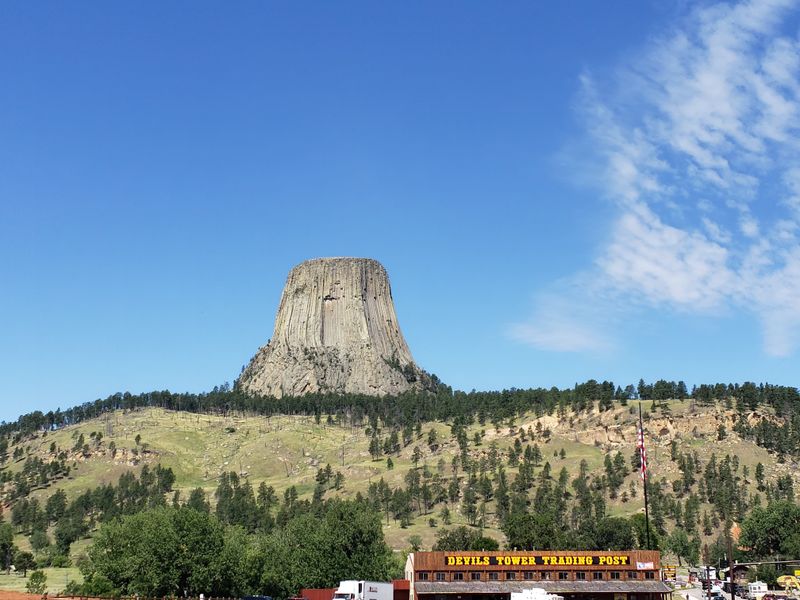
Prairie dogs chatter below while deer graze in the tower’s long evening shadow. Falcons and other raptors nest on ledges, using updrafts to patrol the meadows.
Foxes and coyotes skirt the edges, comfortable with a landmark that anchors their routes.
The formation acts like a natural skyscraper, shaping wind, shade, and orientation. Animals time their movement with shadows and thermals, reading the tower like a clock.
If you pause, you will notice patterns repeat day after day.
Please give wildlife space, secure food, and stay on trail. Your calm presence helps animals keep their own routines.
The best sightings come when you slow down and let the landscape set the pace.
14. It Almost Became a Quarry
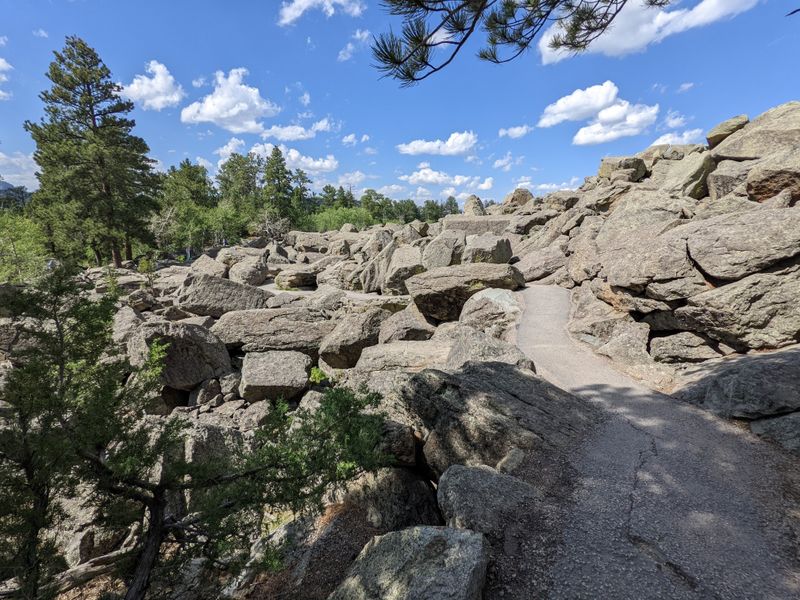
Before protection arrived, proposals floated to mine or commercially exploit the rock. The tower’s durability and striking material tempted would-be developers.
Roosevelt’s proclamation cut those plans short and locked in a different future.
Imagine losing this silhouette to cuts and haul roads. The idea makes the quiet of today feel earned.
That near miss is why quick conservation tools matter when unique places face irreversible change.
Reading the 1906 text, you can sense urgency without drama. One document blocked decades of extraction in a single paragraph.
Your visit is the dividend paid on that decision.
15. It Started an Entire Conservation Movement
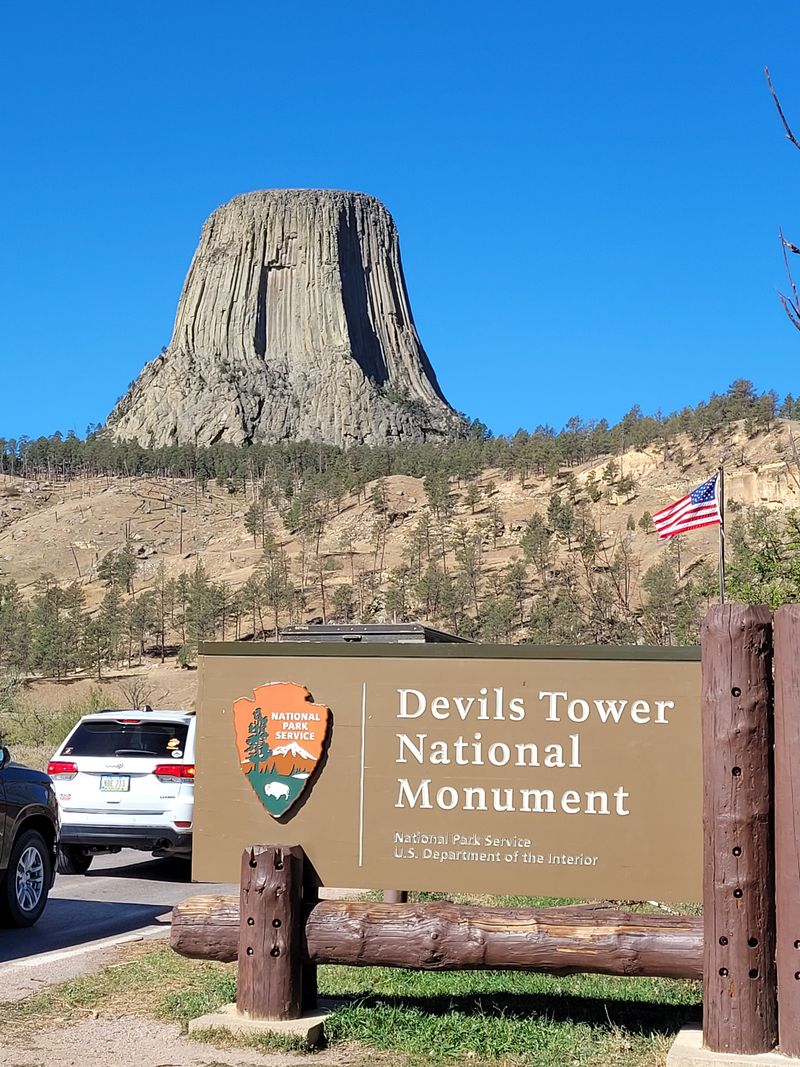
Devils Tower proved that a single natural feature could be nationally significant on its own. That precedent opened the door for more than 130 National Monuments across the country.
Canyons, coastlines, fossils, and cultural sites all benefited from the same nimble authority.
When you stand beneath the columns, you are also standing at the start of an idea. Protection does not require grandeur plus buildings, only clear value and urgency.
The model scales from one tower to whole ecosystems.
The Antiquities Act remains a living tool, debated and renewed by use. Devils Tower is its first signature, legible in stone.
The ripple effect reaches far beyond Wyoming.
16. Plan Your Visit: Trails, Hours, and Respectful Etiquette
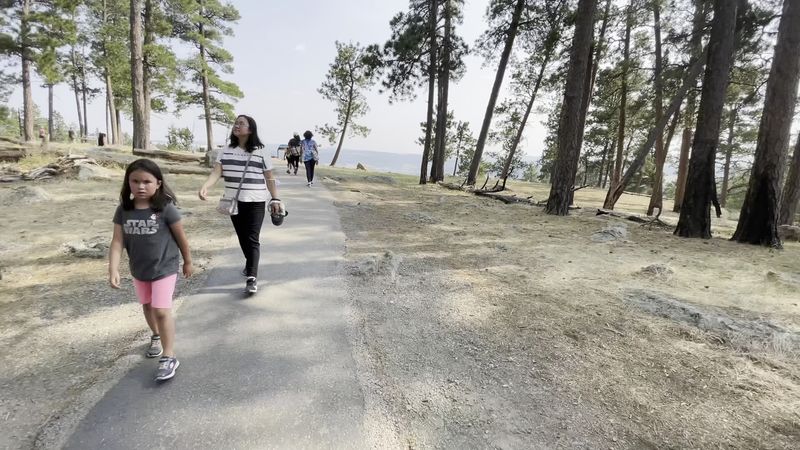
The monument is open 24 hours, which means sunrise light, midday detail, and starry nights are all yours. Start at the visitor center for exhibits, water, and trail information.
The Tower Trail is a paved, 1.6-mile loop with close views, while the longer Red Beds Trail offers wider panoramas and fewer crowds.
Parking can back up, so arrive early or later in the afternoon. Pets are not allowed on trails, and that protects wildlife and your animals.
Keep to paths, give prayer bundles space, and let ceremonies proceed without intrusion.
Bring layers for sudden weather shifts, and watch for lightning in storm season. Binoculars help you spot climbers and raptors on the columns.
Move with curiosity and respect, and the tower will meet you halfway.
Share this story