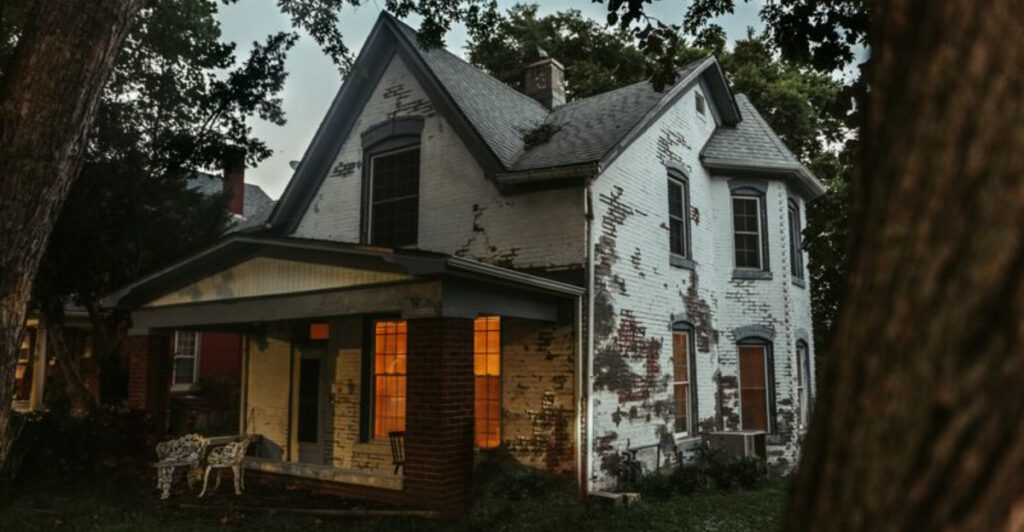
America’s most unsettling landmarks lure travelers with stories that tingle the spine and linger long after the lights go out. Each historic site carries scars of tragedy and whispers of unresolved endings, inviting brave souls to step closer.
Expect creaking floors, sudden cold spots, and legends that refuse to fade. Ready to meet the spirits that never checked out or moved on?
Eastern State Penitentiary — Philadelphia, Pennsylvania
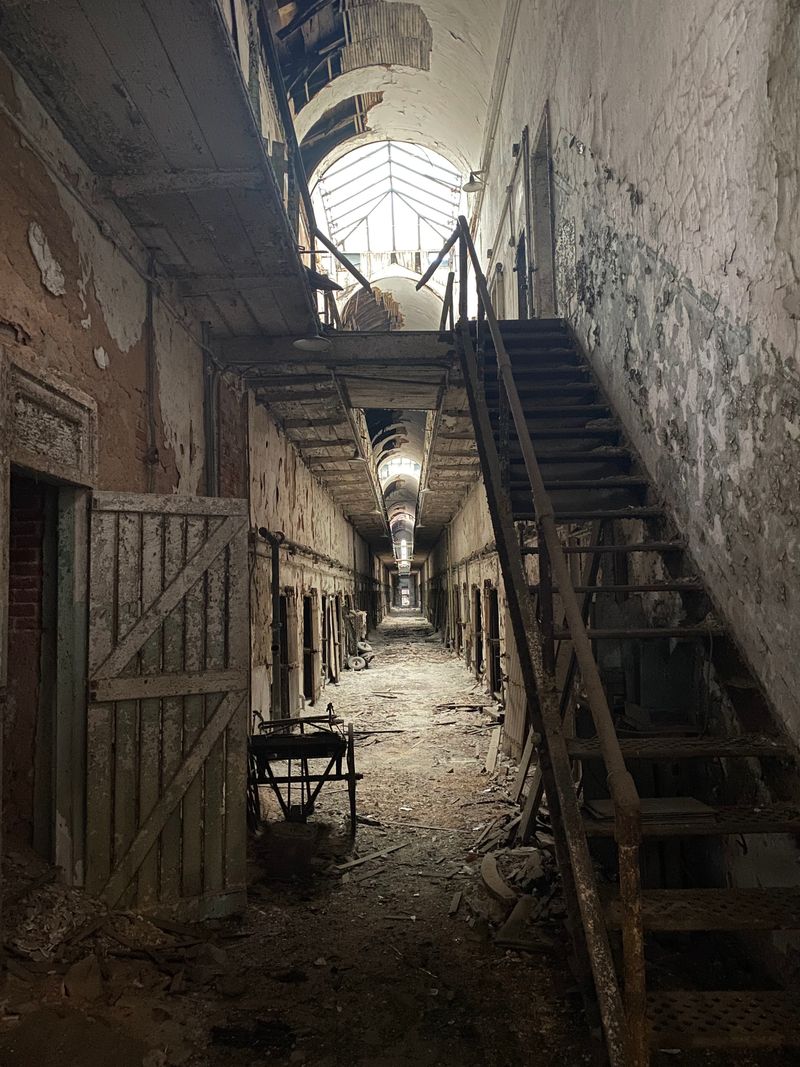
Opened in 1829, Eastern State Penitentiary pioneered a solitary confinement model that promised reform but delivered isolation and despair. Echoing corridors stretch past iron doors, where muffled footfalls and distant whispers seem to trail visitors.
Guides recount sightings of figures ducking into empty cells, as if checking on long forgotten routines.
Legends swirl around Cellblock 12 and the old operating rooms, where cold pockets cling even in summer. Some claim Al Capone heard phantom voices during his stay, a rumor that adds celebrity chill to the gloom.
The architecture itself feels penitential, its Gothic arches looming like watchful sentries.
Night tours magnify dread, when flashlights skitter across cracked tiles and reveal dust like spectral snow. Digital recorders pick up stray mutters and sobs, fueling investigators seeking evidence beyond folklore.
The museum embraces its past, balancing somber history with paranormal intrigue.
Visitors exit into Philadelphia’s bustle, blinking against the modern glow and sudden warmth. Yet the prison’s cadence follows, a hollow clank remembered in bones.
Here, punishment outlived policy, and sorrow gathered weight.
RMS Queen Mary — Long Beach, California
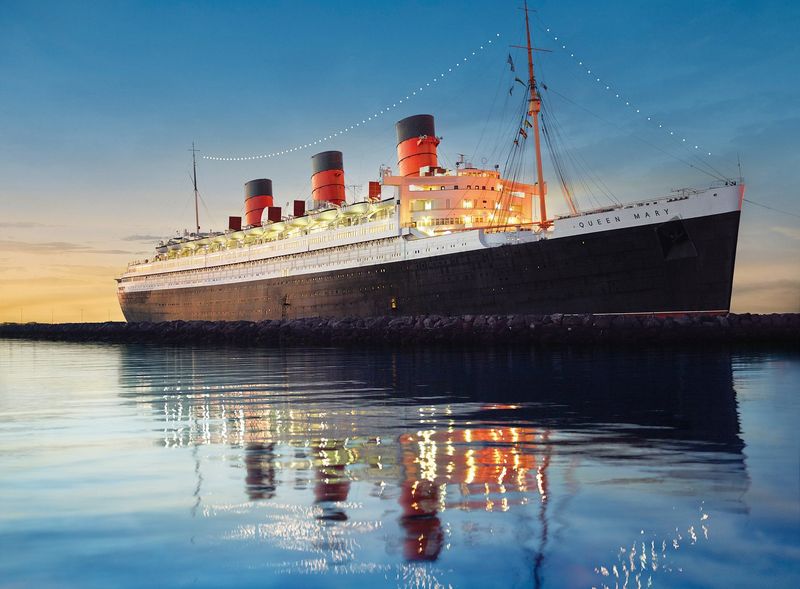
The RMS Queen Mary rests in Long Beach harbor like a sleeping colossus with a heartbeat that never stopped. Art deco salons gleam while shadowed passageways retain whispers of wartime crossings and luxury voyages.
Crew stories speak of hatches slamming and footsteps pacing decks no longer patrolled.
Engine Room 13 and the bow area draw particular attention, where metallic echoes feel too intentional. Stateroom B340 carries a reputation for tempests of knocks, sheets tugging, and abrupt temperature drops.
Guests wake to distant laughter and water sounds despite quiet pipes.
Docents recount accidents from the ship’s service, a ledger of misfortune imprinted on steel. Thermal cameras catch cold streaks that drift against ventilation logic, while EMF meters chatter.
The ballroom mirrors sometimes host outlines no one recalls inviting.
On still nights, the harbor fog holds the hull like a shroud, muffling gulls and city clatter. Photographs capture light flares that look like company for late watchkeepers.
History thrums below deck, and the Queen keeps her secrets neatly riveted in place.
Whaley House — San Diego, California
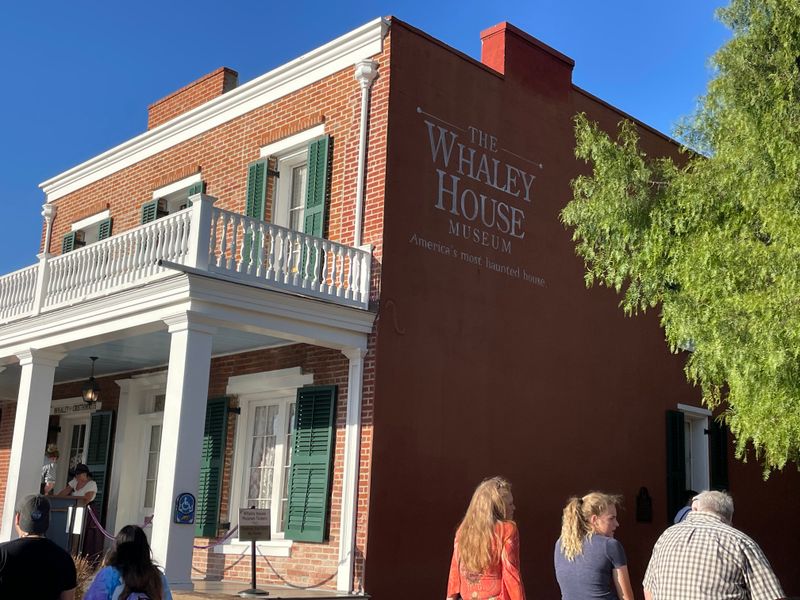
Set on the site of a former gallows, the Whaley House carries a past that never fully let go. Family portraits watch the staircase where soft steps drift without a visible owner.
Perfume notes and cigar ghost scents mingle in rooms staged for another century.
Staff tell of curtains fluttering despite sealed windows and a child’s giggle that skips across the nursery. Thomas Whaley’s presence is whispered in hushed tones, along with a woman in skirts sweeping the parlor.
Cameras catch orbs that behave like curious guests.
The house once hosted a courthouse and general store, packing multiple lives into one foundation. EVP sessions record names spoken low, as though courtroom murmurs rehearse unfinished verdicts.
Even lamps seem to hesitate, blinking before finding resolve.
Docents balance lore with archival history, making each creak less random and more remembered. Tour groups pause at the stair landing, where chills gather like San Diego fog.
In the doorway’s threshold, time stacks up, and the Whaleys are rarely alone.
Villisca Axe Murder House — Villisca, Iowa
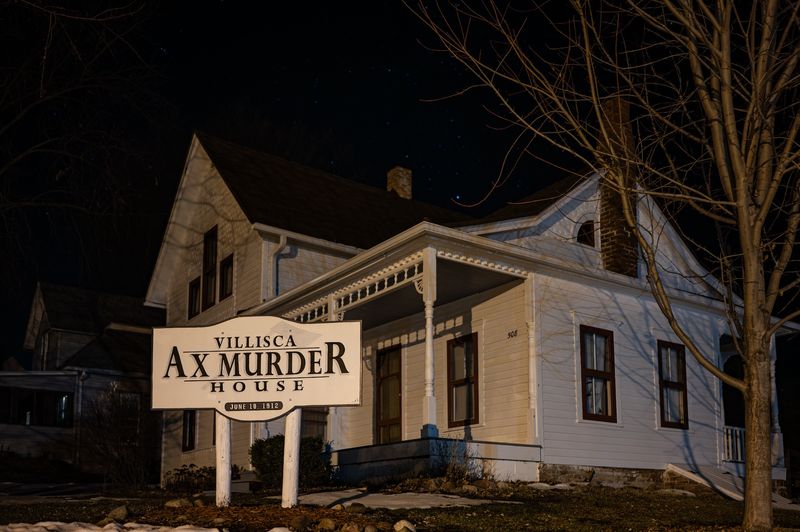
The Villisca Axe Murder House is a modest frame home that holds a nation’s unresolved shudder. In 1912, eight lives ended inside, and the killer slipped away into permanent mystery.
The rooms are preserved with an unsettling stillness, like a breath never exhaled.
Investigators report children’s voices, toy balls rolling, and closet doors shifting a crack. EVP captures sometimes whisper names or numbers, teasing answers that never assemble.
Cold pockets bloom on stair treads where no draft explains the change.
The town’s quiet streets feel different after sunset, when the house becomes a focal pulse. Shadows lap at doorframes as if the past were trying to reenter.
Flashlights sweep wallpaper that seems to watch back.
Overnights bring courage tests, with heavy atmosphere pressing during the hourly check. A single footstep across a plank can rearrange bravado into reverence.
The case remains open in spirit, and that uncertainty is the loudest sound here.
Stanley Hotel — Estes Park, Colorado
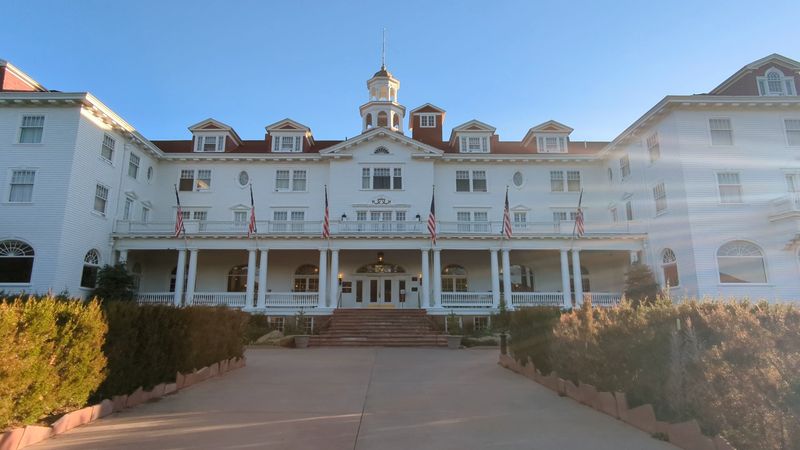
The Stanley Hotel wears its grandeur like a well tailored suit with a chill stitched into the lining. Corridors run long beneath chandeliers that click and dim without apology.
A piano occasionally plays a polite bar or two, though the bench sits empty.
Guests speak of children skipping on upper floors and luggage moving an inch when nobody watches. Rooms linked to former owners feel attended, as if staff still make nightly rounds.
Photographs snag anomalies that hover near carved banisters.
Mountain air flows crisp, yet certain halls hold cold that does not belong to weather. Spirit tours mix architecture, F.O.
Stanley’s story, and recorded incidents that layer credibility. Radios hiss with voices answering questions too specific to be static.
At dawn, the hotel looks less haunted and more handsome, wearing sunrise like a medal. But echoes drift under doors, tapping until nerves thrum.
The view is breathtaking, and sometimes the breath does not return quickly.
LaLaurie Mansion — New Orleans, Louisiana
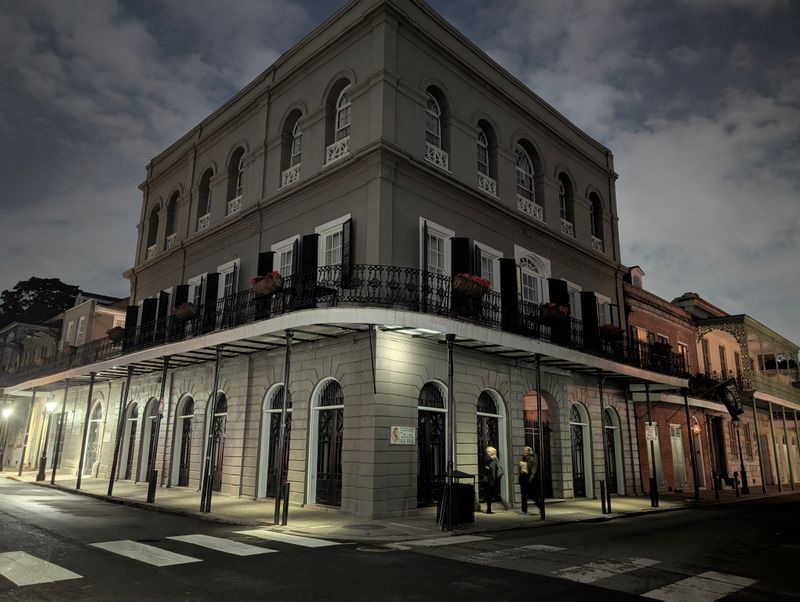
LaLaurie Mansion stands polished on the outside and forever fractured within. The 1834 scandal of cruelty left a scar that the city’s laughter cannot cover.
Even the plaster seems to remember cries that echo down Royal Street.
Witnesses describe wavering figures on balconies and a chill that rises off sun baked stone. Night walks pause here, where guides lower voices and tourists hold breaths.
Camera shutters click in clusters, hoping for a hint of accountability.
The house remains mostly private, so legends gather at the curb like moths to a gaslamp. Footsteps ricochet from courtyard to corner, arriving a second before awareness.
Dogs sometimes balk, reading what humans rationalize away.
New Orleans thrives on stories, but this one feels heavier than theater. Even in daylight, the façade looks pressed with an old grief that will not lie flat.
The past does not pass, it patrols.
Trans-Allegheny Lunatic Asylum — Weston, West Virginia
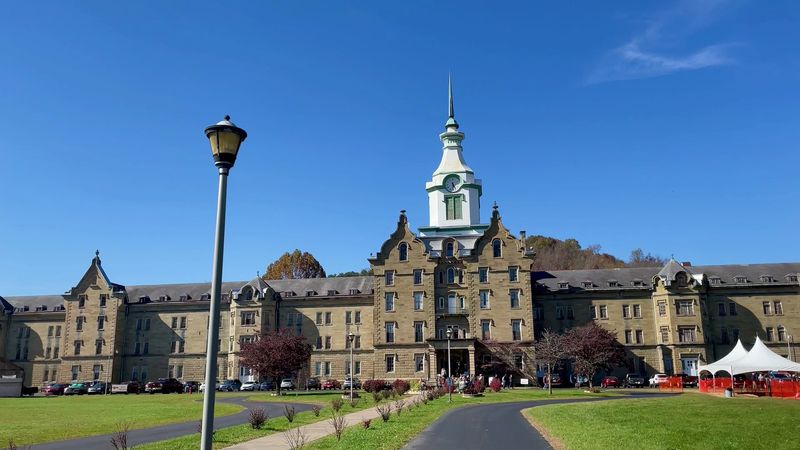
Trans Allegheny Lunatic Asylum stretches across the lawn like a fortress for restless thought. Built in the 1800s, its wards housed thousands through overcrowding and controversial treatments.
The silence now is not empty but layered with forgotten conversations.
Tour routes thread past nurse stations where call bells sometimes chirp to no one. Shadow figures slide at the ends of corridors, as if keeping rounds.
EVP recordings capture names and clipped instructions in institutional cadence.
The morgue and Civil War wings draw strongest activity, a concentration of stored sorrow. Temperature dips hold steady in defiance of weather swings, as meters flicker insistently.
Peeling paint curls like parchment, documenting what charts omitted.
History tours honor patients with context, while paranormal nights invite direct questions. Answers arrive as taps on doors and breaths on the back of the neck.
The building feels sentient, listening hard to every footfall.
Franklin Castle — Cleveland, Ohio
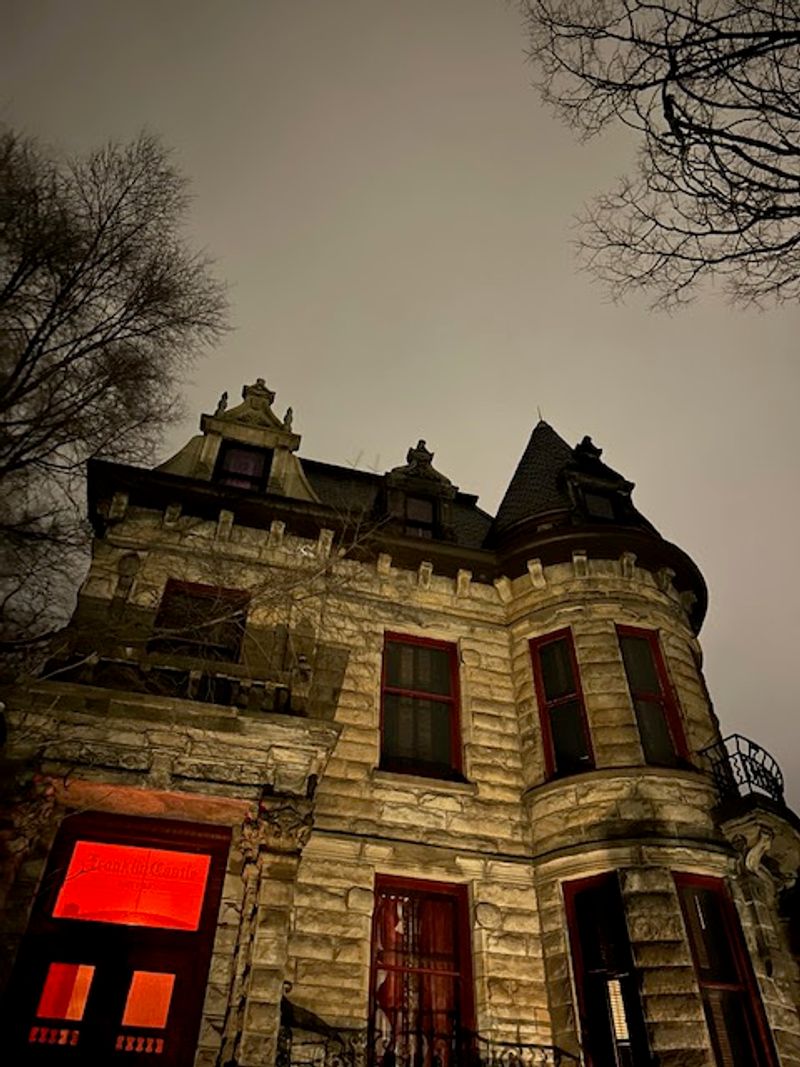
Franklin Castle is a lace trimmed enigma where architecture and rumor braid tightly. Built in the 1880s, it hosts tales of hidden rooms and misfortune that never dispersed.
The turret looks watchful, a sentry guarding stories that refuse daylight.
Visitors describe cold drafts spiraling staircases and a woman’s voice trailing from the landing. Footsteps pace behind closed doors, the rhythm neat and unhurried.
Cameras capture streaks that bend corners and vanish.
Whether every legend stands up to records matters less once inside. The house exudes intent, like a host taking attendance at midnight.
Woodwork creaks in a language fluent Clevelanders silently understand.
Guides point out oddities tucked into molding and hallways that narrow at strange angles. Windows reflect figures that do not belong to the group count.
Franklin Castle does not shout, it whispers in rooms designed to amplify secrets.
Myrtles Plantation — St. Francisville, Louisiana
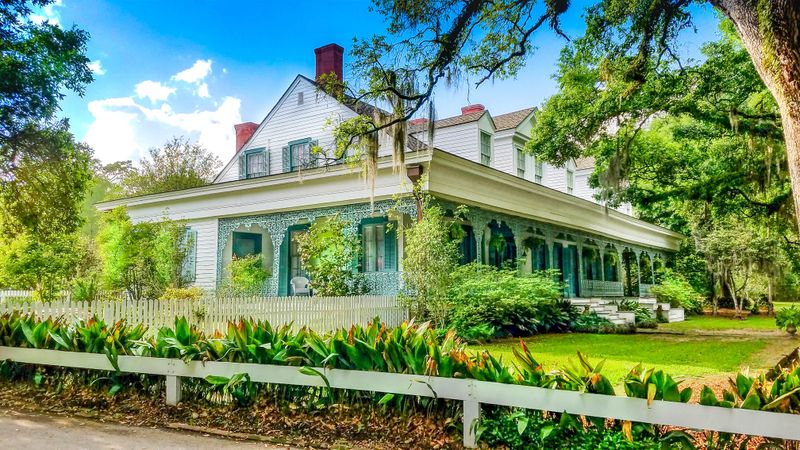
Myrtles Plantation floats in Spanish moss and whispered apologies. Stories speak of tragedies stitched through family lines and those forced to labor here.
Mirrors reportedly hold handprints that smudge back after careful cleaning.
Guests mention a woman in a headscarf and children crossing halls without stirring air. Footsteps patter on galleries when chairs sit empty.
Photographs catch silhouettes leaning at the banister, patient and poised.
The grounds glow at sunset, yet temperature slips remind that beauty and sorrow coexist. Docents blend folklore with records to separate cautionary tale from court document.
Overnight visitors report ringing in ears before voices arrive soft as breath.
A parlor clock sometimes ticks irregularly, answering questions with arrhythmic replies. The plantation is generous with stories and tight with certainty.
Here, hospitality sets an extra place at the table that remains occupied.
St. Augustine Lighthouse — St. Augustine, Florida
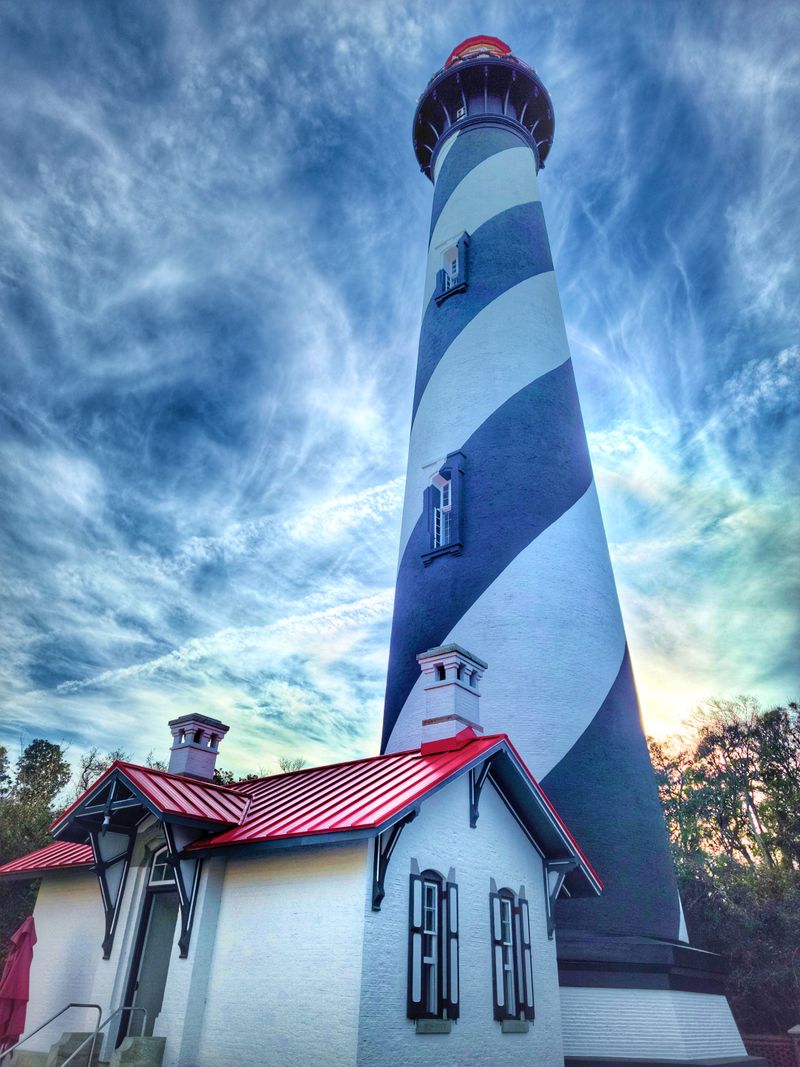
The St. Augustine Lighthouse stands sentinel over a coastline seasoned by storms and shipwrecks. Keepers once climbed the spiral stairs until muscles memorized every curve.
Today, heavy steps echo when the landing lies empty.
Stories mention a keeper who fell and children tied to a tragic construction accident. Visitors note shadows sliding along the stairwell and lantern flickers that disobey breeze logic.
Salt air mixes with a sudden cold that bites through Florida humidity.
Guides lead night climbs that churn nerves with each metal rung. EVP sessions pull whispers beneath the howl of wind, syllables crisp despite the surf.
Cameras snag figures leaning over the rail, then nothing at all.
The view at the top is worth the quiver, a horizon as wide as memory. Down below, the keeper’s house carries soft knocks and careful doors.
History here is tidal, always returning with something left behind.
Queen Mary Hotel — Long Beach, California
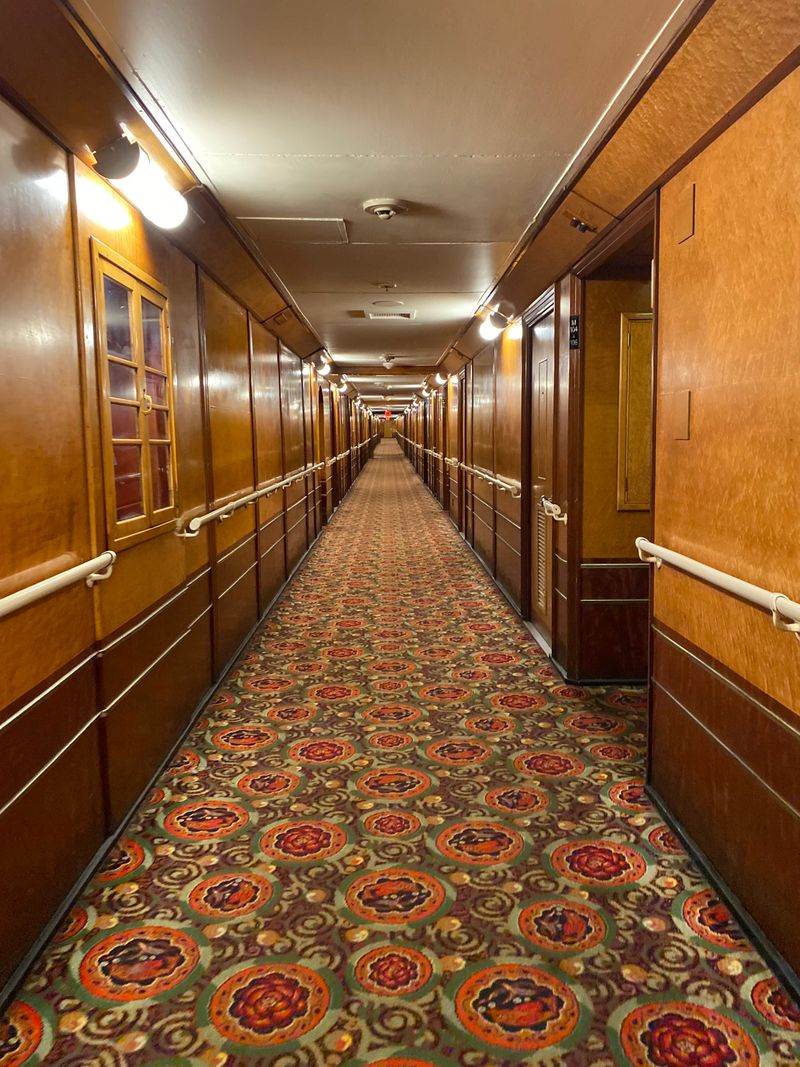
As a hotel, the Queen Mary amplifies her restless personality into overnight theater. Hallway carpets hush footsteps until an extra set joins in.
Doors breathe against their frames as if the ship were still crossing Atlantic swells.
Guests wake to knocks at precise intervals and voices that fade when lights click on. Elevators pause between floors like they are listening for instructions.
Mirrors in staterooms pull double duty, reflecting more than occupants expect.
Security logs note calls about cold blasts and laughter near closed lounges. EMF spikes punctuate tours, especially around lower decks with wartime history.
The ship’s past feels layered beneath varnish like sedimentary storytelling.
By morning, ocean sun brightens brass to a friendlier shine. Still, the night shift lingers in dreams, repeating a clank or chant.
The Queen Mary is hospitality with a haunting clause in tiny print.
Sallie House — Atchison, Kansas
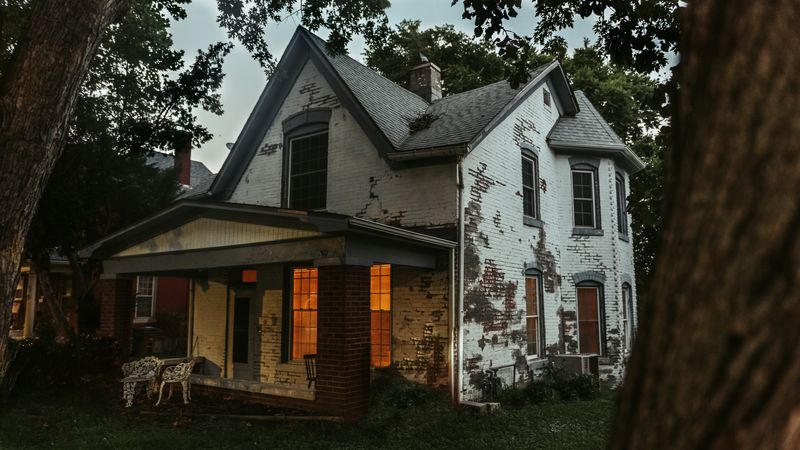
Sallie House looks ordinary enough to hide in plain sight, which sharpens its legend. Reports tie activity to a young spirit named Sallie, whose moods seem mercurial.
Lights flicker and appliances beep awake as if answering roll call.
Investigators document scratches, object movement, and sudden heat spikes that feel personal. Children’s toys chirp from rooms left vacant moments before.
Footsteps patter lightly, followed by heavy silence that presses on chest and sternum.
The house invites controlled experiments, from trigger items to yes no knocks. EVPs return small voices and a woman’s hush that comforts or warns.
Floorboards answer like a metronome acknowledging each question.
Daylight softens edges, but nighttime renders wallpaper patterns into watchful eyes. The story changes shape with every visitor, which keeps curiosity returning.
Sallie House teaches that hauntings can be intimate, scaled to a single heartbeat.
Share this story