Some cities feel like time travel without leaving the present. Ancient stones share sidewalks with sleek glass, and centuries of culture hum beneath neon reflections.
This list explores twelve places where tradition is not a museum piece but a living neighbor to innovation. Expect contrasts that surprise, delight, and linger long after the visit ends.
Rome, Italy — Ruins, Espresso, and Modern Streets
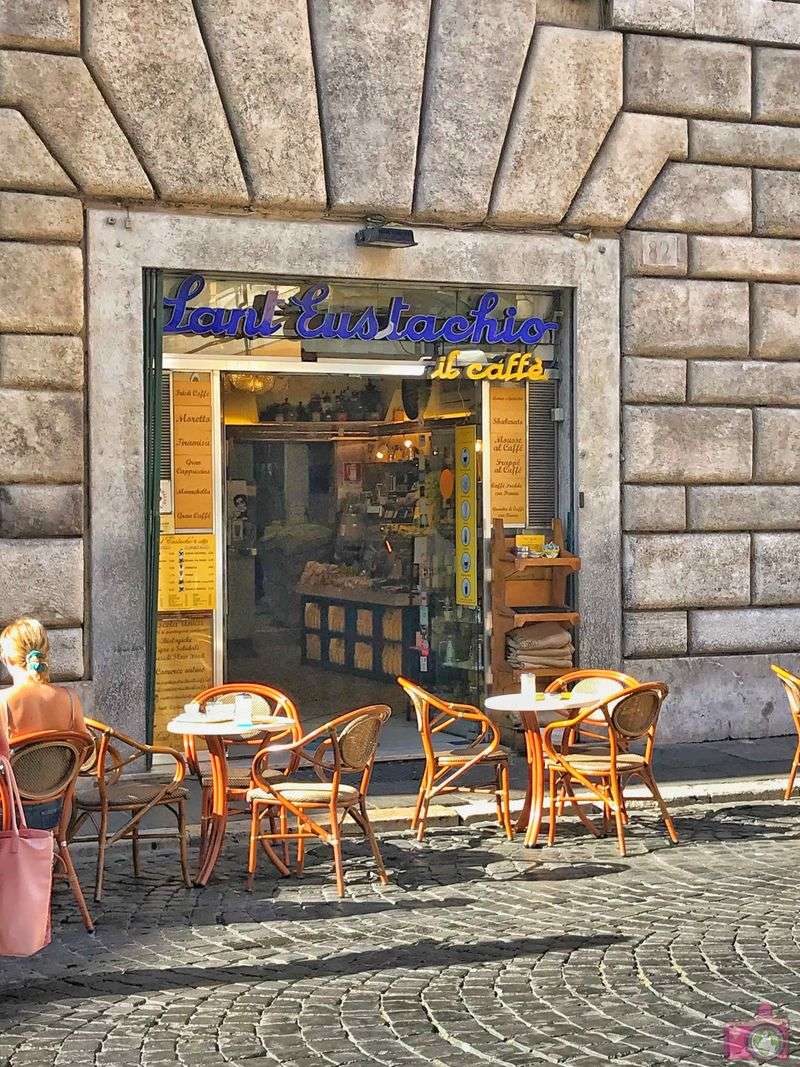
Rome lives in layers, and every corner reveals another chapter. The Colosseum casts long morning shadows while office workers stream past, briefcases tapping ancient stones.
Around the Roman Forum and Pantheon, conversations rise from espresso bars where marble columns feel like casual company.
Renaissance palazzi host galleries and design studios, their courtyards echoing with modern ideas. In Monti, artisans hammer leather belts as nearby boutiques debut sleek silhouettes.
Scooters thread through cobblestones, stitching together trattorie that serve recipes older than nationhood and restaurants pushing bold, seasonal cuisine.
Evening light warms travertine facades, and piazzas turn into living rooms. Street musicians play under arches while tech freelancers set up on terrace tables.
Contemporary art shows, indie cinemas, and street fashion swirl around ruins that feel present, not past.
Neighborhoods like Testaccio and Trastevere bridge the gap with markets, muraled alleys, and late night gelato rituals. Historic fountains burble beside smart kiosks and bike lanes, making the old city surprisingly nimble.
The rhythm is unhurried yet driven, a cadence built on centuries.
Museums preserve treasures, but daily life keeps them relevant. Baristas trade gossip near sculptures, and students annotate Livy on smartphones.
Rome proves that heritage is most alive when it shares a table with the future, fork in one hand, fresh idea in the other.
Kyoto, Japan — Shinto Temples and High-Tech Hum
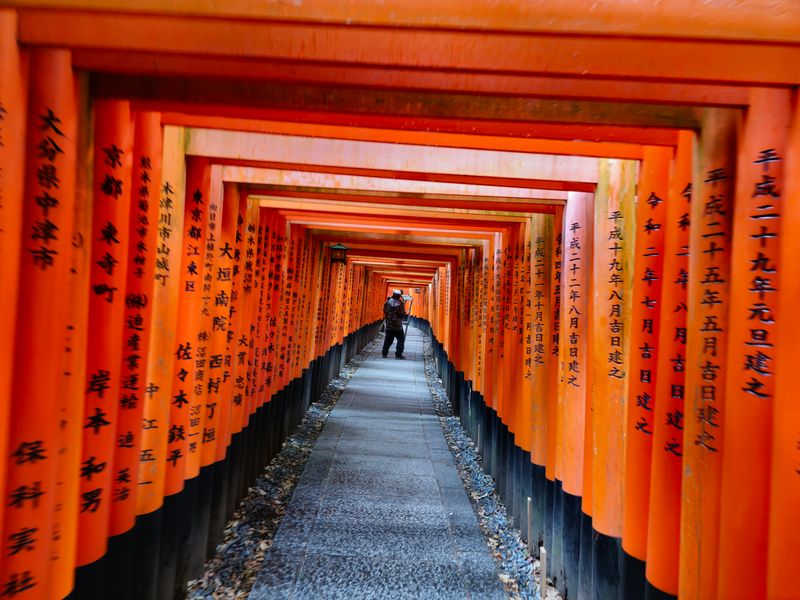
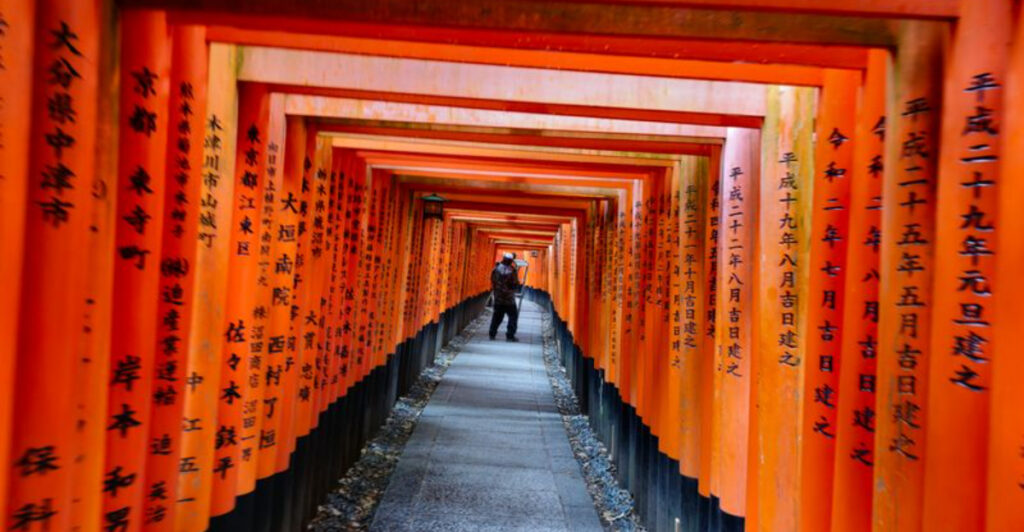
Kyoto balances quiet rituals and inventive energy in a way that feels effortless. In Gion, lantern light grazes wooden eaves as a geiko steps between shadow and neon.
Nearby, minimalist cafes brew third wave coffee beside moss gardens that hold centuries of breath.
Shinto shrines and Zen temples anchor the city while high speed trains whisper along polished rails. Boutiques display indigo textiles and avant garde ceramics, honoring craft with contemporary silhouettes.
Tea ceremony rooms welcome newcomers, refining attention to steam, sound, and timing.
Seasonal festivals transform streets with chrysanthemums, drums, and precise choreography. University labs and design studios answer with robotics, typography, and culinary experiments that respect umami traditions.
Bento counters sit near vegan ramen bars, bridging eras via broth and grain.
Machiya townhouses become galleries and micro hotels, preserving lattice facades while upgrading interiors with quiet tech. River paths glide past willow and LED reflections, a gentle soundtrack of water and bicycle bells.
The city’s train network makes shrines, markets, and art quarters feel on the same breath.
Even the souvenirs tell a story, from washi notebooks to matcha whisk sets. Old workshops invite apprenticeships, and small studios livestream craft to global audiences.
Kyoto shows how heritage thrives by evolving, letting cedar, stone, and silicon collaborate like respectful neighbors.
Istanbul, Türkiye — Where Empires Meet Urban Life
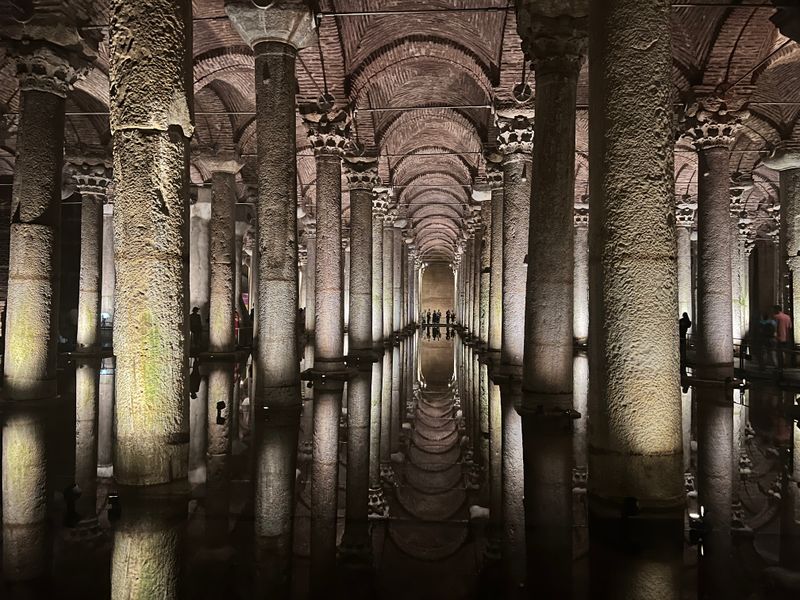
Istanbul breathes across continents, and that geography shapes every heartbeat. Domes of Hagia Sophia and the Blue Mosque rise like anchors while ferries stitch Europe to Asia across the Bosporus.
Call to prayer ripples through districts where boutique galleries and loft cafes hum.
In the Grand Bazaar, spice pyramids glow beside gold filigree and leather. Outside, sleek trams glide past Art Nouveau facades and glass towers.
Traditional meyhane tables fill with meze and conversation as DJs test new sounds nearby.
Topkapi whispers palace intrigues, yet the streets speak in startups, couture, and street art. Tea glasses clink over chessboards while designers preview collections on tablet screens.
The city’s appetite ranges wide, from grilled fish sandwiches to experimental tasting menus.
Neighborhoods shift tone with every hill: Balat’s colorwashed houses, Karakoy’s galleries, Kadikoy’s bookshops and bars. Seagulls hover over bridges where anglers trade tips with commuters.
Night rides on the ferry feel cinematic, skyline glittering like a braided necklace.
Carpet weavers and ceramicists keep motifs alive, adapting patterns for modern homes. Film festivals, biennials, and pop up markets punctuate the calendar, joining past and present in friendly debate.
Istanbul’s magic lies in motion, a continual crossing where heritage and innovation share the same wake.
Tokyo, Japan — Temples and Neon in One City
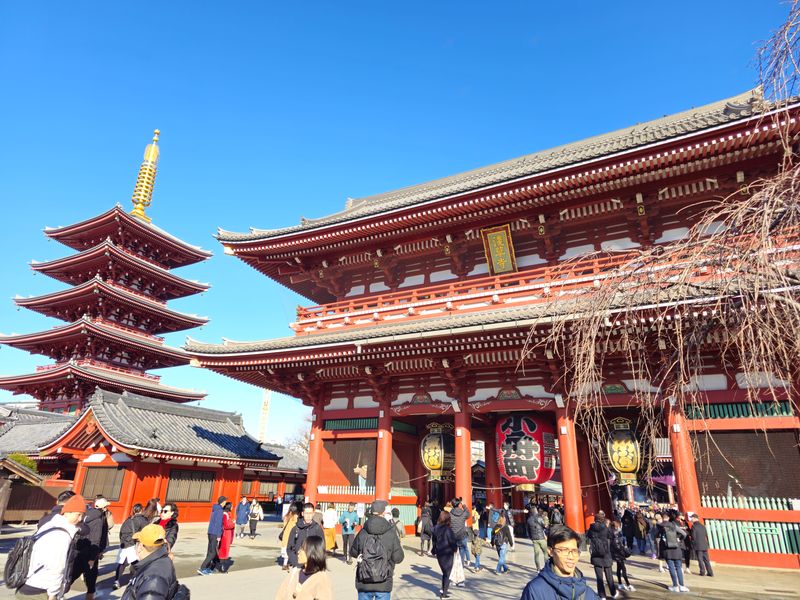
Tokyo shifts from incense to LED in a single train ride. Morning at Senso ji brings paper fortunes, vermilion gates, and soft drumbeats.
Afternoon leaps to Shibuya’s pulse, a choreography of crosswalks, billboards, and sneakers.
Historic gardens hide between towers, keeping stillness within reach of avant garde fashion. Akihabara stacks gadgets and retro arcades like bright totems to curiosity.
Meanwhile, small shrines flicker under elevated tracks, greeting commuters with cedar and salt.
Food tells the same story: soba counters, tiny curry shops, and sushi temples share sidewalks with plant based ramen pioneers. Department store basements offer pastry laboratories beneath kimono salons.
Rail punctuality underlines it all, making far flung neighborhoods feel like close friends.
Design museums and indie galleries showcase craft next to speculative tech. Vinyl bars spin city pop as robotics labs prototype social companions.
Street vending machines respond with hot cans in winter and sparkling tea in summer.
Nights carry a cinematic shine, from lantern alleys in Omoide Yokocho to panoramic lounges in Roppongi. Tradition persists in festivals, yukata fabrics, and portable shrines, yet it welcomes new beats and silhouettes.
Tokyo proves that heritage can glow under neon without losing its quiet voice.
Paris, France — Classic Boulevards and Bold Creativity
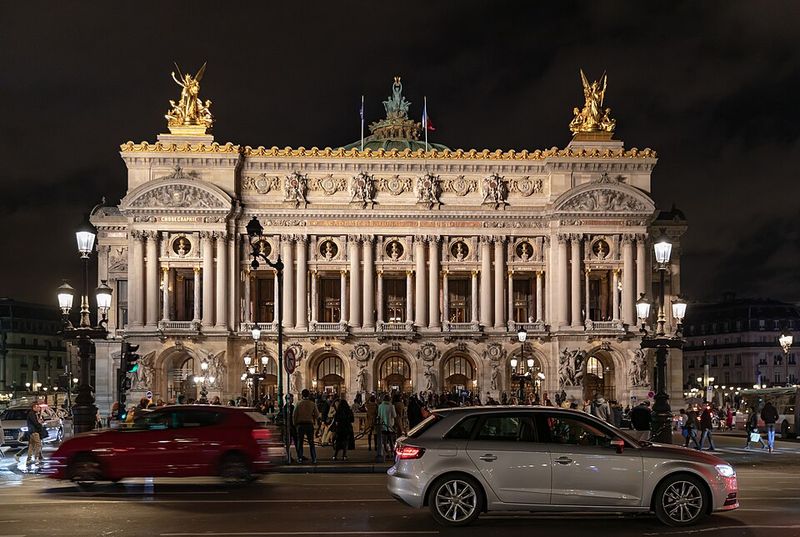
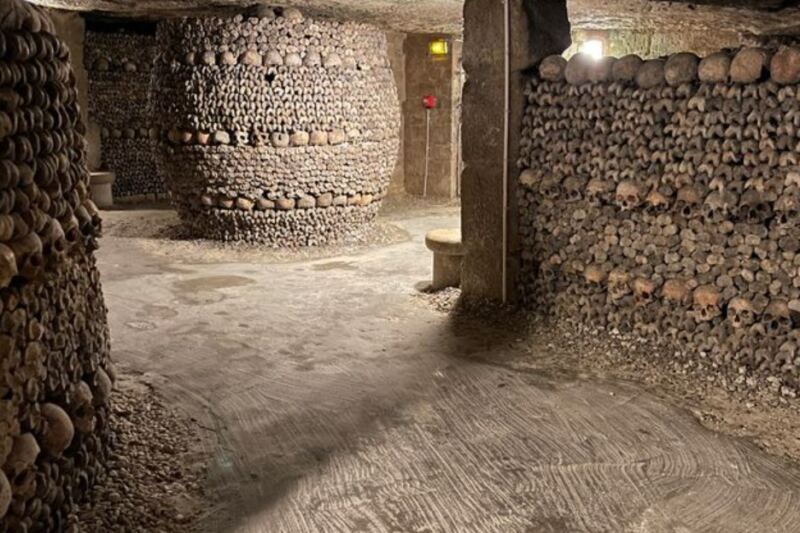
Paris keeps history at eye level, then adds a fresh line of ink. Notre Dame’s towers and the Louvre’s courtyards frame days that flow along Haussmann boulevards.
At street level, terrace chairs face the theater of passing lives and sudden ideas.
Contemporary energy surfaces in the Pompidou’s pipes, the Fondation Louis Vuitton’s sails, and galleries tucked in former ateliers. Cafes preserve rituals while chefs play with terroir, fermentation, and plant forward menus.
Patisseries become laboratories where butter meets geometry.
Neighborhoods move between eras with poise: the Marais blends medieval lanes and concept stores, Belleville pairs murals with bistros. Bookshops stand beside vintage vinyl and minimalist fragrance labs.
Cyclists weave past gilded bridges and fresh art posters on damp kiosks.
Design students sketch along the Seine, while theater lights rise in the evening. Fashion houses reinvent silhouettes as upstarts tailor reuse and repair.
Music drifts from canal banks where conversations stretch late and easy.
Markets anchor weekends with oysters, flowers, and gossip. Museums protect iconic canvases, yet temporary shows spark new directions.
Paris shows tradition is not brittle but elastic, capable of holding memory and momentum in the same elegant breath.
Mexico City, Mexico — Pre-Columbian Roots and Urban Pulse
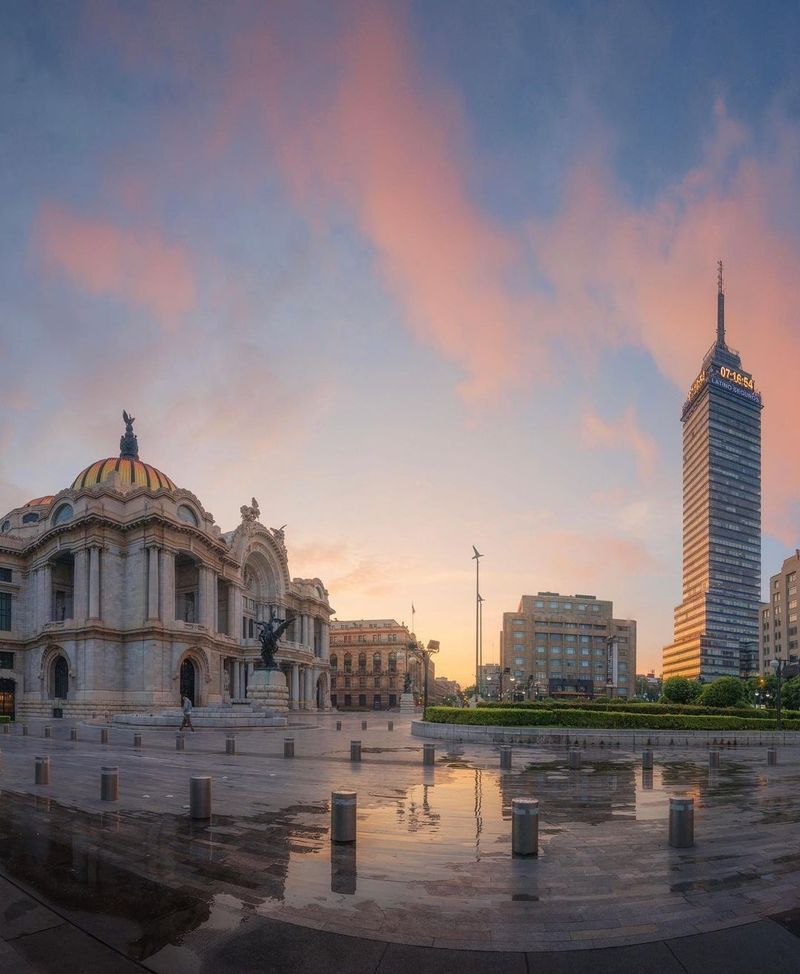
Mexico City stacks epochs like tiles, each layer shining through. Near the Zocalo, Templo Mayor’s stones share space with colonial balconies and glass towers.
Traffic hums while dancers perform rituals that feel both ancient and immediate.
Markets like La Merced overflow with chilies, herbs, and shouted arithmetic. Around the corner, sleek museums and galleries exhibit bold installations and new media.
Street cooks press tortillas by hand as chefs reinterpret moles with airy finesse.
Neighborhoods define moods: Coyoacan’s cobbles and courtyards, Roma’s leafy avenues and vinyl shops, Polanco’s polished galleries. Murals stretch across concrete, carrying histories and futures in bright strokes.
Cyclists carve new routes as Metro lines knit the basin tighter.
Music spills from plazas where mariachis tune violins near synth pop sets. Book fairs and film festivals stack calendars with curiosity.
Pulquerias guard traditions as cocktail bars experiment with corn distillates and foraged bitters.
Nights end with churros and laughter under sodium lights. Morning returns with blue sky glimpses and mountains at the edge of the imagination.
The city proves resilience and reinvention can share a table, served with lime, salt, and a citywide heartbeat.
Athens, Greece — Democracy’s Cradle in a Modern Metropolis
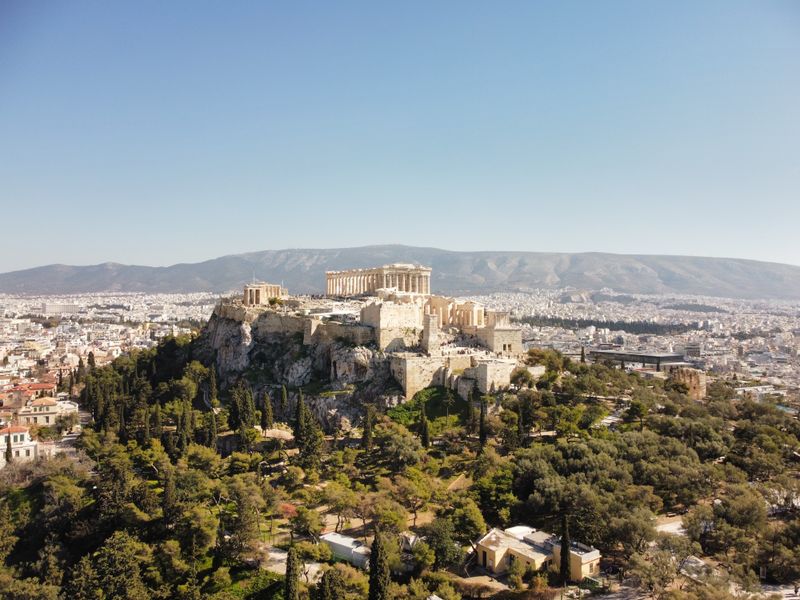
Athens wears philosophy like a daily outfit. The Acropolis crowns the city while scooters and buses orbit its slopes.
Between marble fragments, conversations spark in cafes where laptops glow and spoons clink against thick coffee.
Neighborhoods like Psyrri and Exarchia braid street art with bookstores and music bars. Traditional tavernas plate oregano and lemon beside modern bistros that riff on island produce.
Galleries occupy neoclassical shells, their white cubes hosting restless, bright ideas.
Markets smell of olives, thyme, and fresh fish. Metro tunnels display archaeological finds behind glass, turning commutes into museum walks.
Beaches and hills sit close, giving the city a restorative horizon line.
Festival seasons bring open air cinema, theater, and dance under hot stars. Graffiti maps debates about identity, labor, and dreams, while startups test software at coworking tables.
The city’s light makes ruins and concrete glow like shared inheritance.
Nights gather on balconies where conversation drifts with jasmine. Morning returns to marble steps alive with tour groups and school kids.
Athens proves democracy’s cradle still rocks, steady and improvisational, carrying history and hustle in equal measure.
Barcelona, Spain — Gothic Streets and Gaudí’s Vision
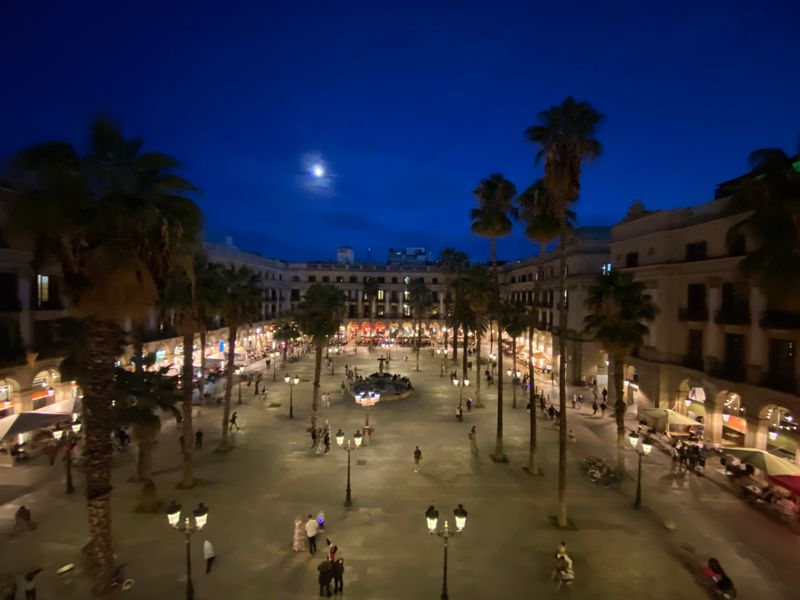
Barcelona edits history with color and curve. In the Barri Gotic, stone lanes pinch into sudden plazas where shadows feel theatrical.
Sagrada Familia climbs like a living sculpture, cranes sketching new chapters in limestone.
Park Guell mosaics sparkle beside contemporary galleries and design studios. Tapas bars squeeze next to tasting counters where chefs remix Catalan staples.
Street performers share space with cyclists and office workers, all moving to a seaside cadence.
Modernista facades ripple down Eixample, balconies like cast iron waves. Beachfront paths host skaters, cold beer, and sun washed chatter.
Meanwhile, independent bookstores and vinyl shops keep analog warmth in play.
Festivals ignite nights with fireworks and human towers. Startups and maker spaces take cues from Gaudi’s invention, building with curiosity and craft.
Public art threads through parks and tram lines, generous and casual.
Morning swims give way to gallery walks, then vermouth hours under striped awnings. The city honors tradition with Castellers, sardanes, and market rituals while testing bold culinary and design ideas.
Barcelona proves heritage can stretch like sunlight across fresh tile.
London, England — Royals, Pubs & Cutting-Edge Life
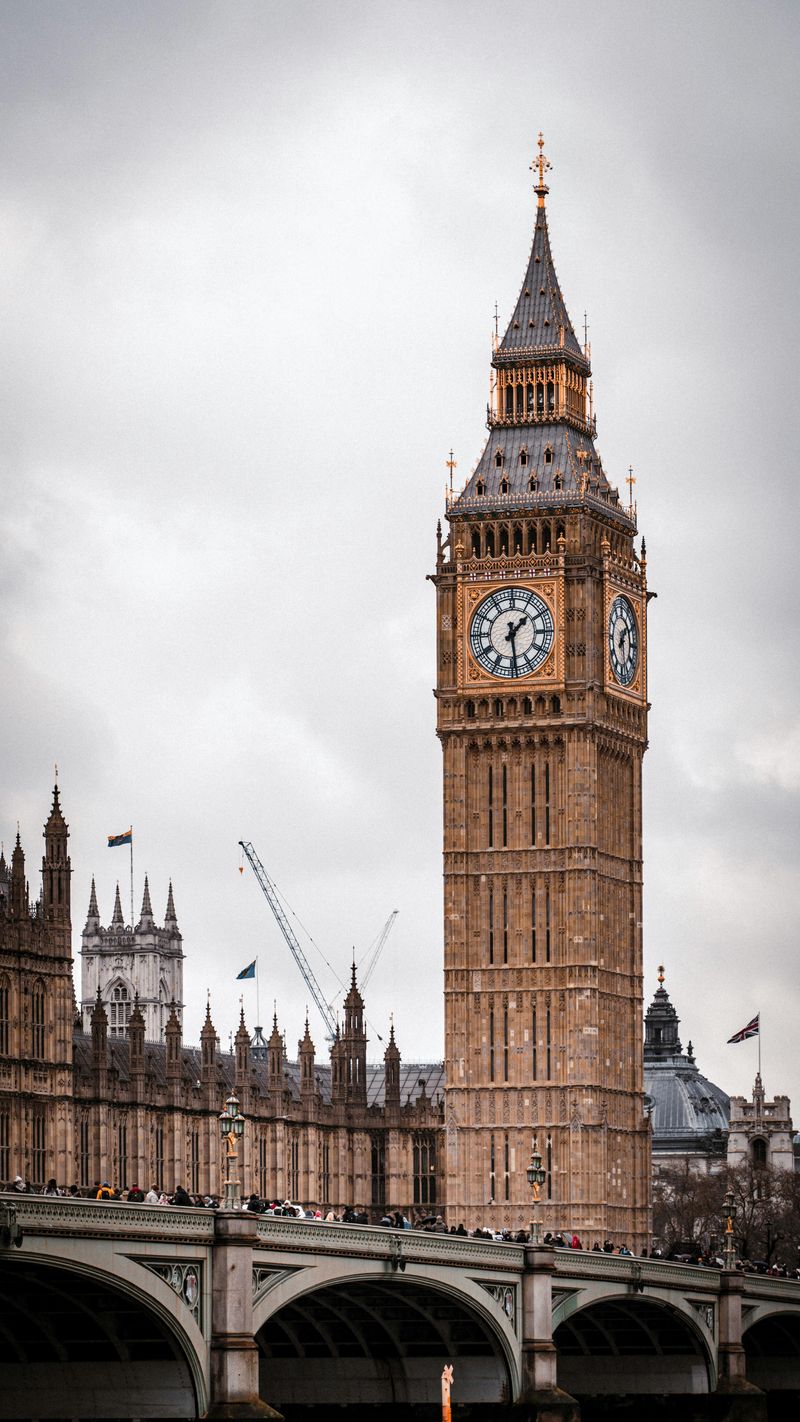
London reads like an anthology, each borough a distinct voice. Westminster Abbey and the Tower sit steady while glass pyramids and needles rise around them.
Pubs ring with laughter as fintech hubs click through late sprints.
Rituals persist: changing of the guard, afternoon tea, West End curtains lifting with hush. Alongside, galleries champion new voices and markets test sustainable fashions.
The Thames reflects both brick warehouses and mirrored towers in one ribbon.
Shoreditch graffiti shouts across Victorian arches, and studios hover above curry houses. Parks spread green rooms for picnics, protest, and impromptu football.
Trains braid suburbs to center, making the city feel like a living network.
Food maps the world through Brixton, Southall, and Brick Lane. Classic pies and pints share tables with Ethiopian platters and zero waste tasting menus.
Libraries and museums remain free gateways, inviting wandering minds.
Fog and drizzle give way to luminous sunsets along bridges. Music rolls from basement jazz to warehouse raves, rewriting nights.
London keeps tradition close but lets innovation steer, confident in its polyphonic stride.
Baku, Azerbaijan — Silk Road Legacy and Futurism
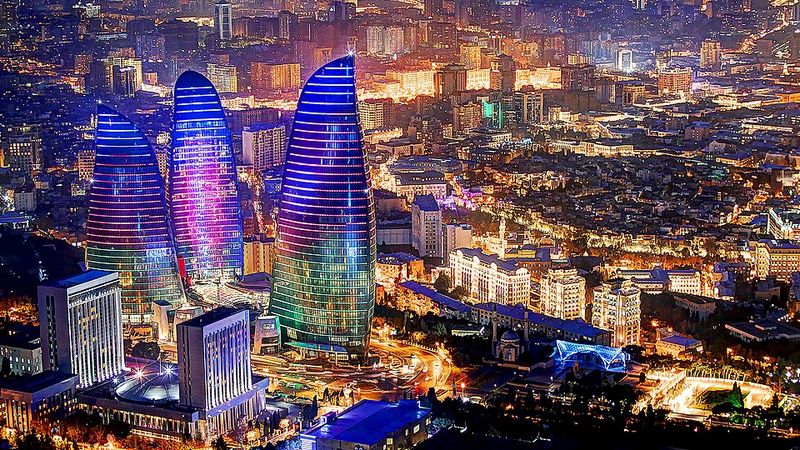
Baku greets the Caspian with stone, glass, and wind. Inside Icherisheher, narrow lanes curve past carved doors, tea houses, and carpet workshops.
Above, the Flame Towers ignite after sunset, turning the skyline into a signal of ambition.
The Shirvanshahs’ Palace murmurs of courts and caravans. Nearby, the Heydar Aliyev Center sweeps like a white wave, hosting exhibitions that leap disciplines.
Seaside promenades invite long walks where baklava boxes and skateboard wheels share space.
Traditional music threads through evening air, mugham meeting electronic textures. Markets display pomegranates, saffron, and copperwork while boutiques present tailored suits and streetwear.
Restaurants serve plov beside inventive Caspian seafood riffs.
Energy history powers new galleries and festivals, creating crosswinds of heritage and experiment. Metro stations gleam, and restored facades reveal intricate stone lace.
From rooftop lounges, the city reads like a map of centuries turning together.
Craft survives by adapting: carpet patterns migrate to fashion, and jewelry borrows from ancient scripts. Conversations flow easily between Azeri, Russian, and English in tech offices and tea gardens.
Baku proves the Silk Road never ended, it simply learned to run on light.
Tbilisi, Georgia — Medieval Layers and Modern Buzz
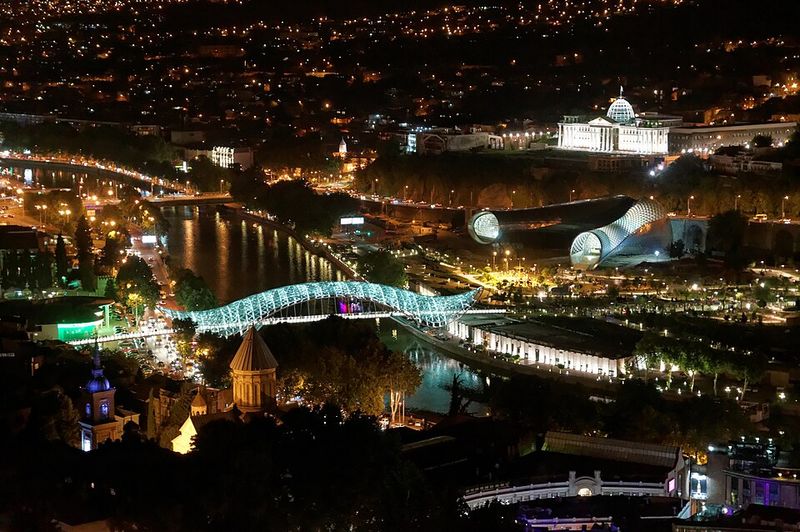
Tbilisi curls along hills like a ribbon of stories. Narikala watches over river bends, its walls catching pink dusk.
Below, sulfur bath domes steam beside wine bars where conversations unspool late and generous.
Architecture stacks centuries: carved wooden balconies, Art Deco doorways, Soviet grids. Street art pops beneath prayer bells, and record shops sit near chacha distilleries.
Markets carry churchkhela strings alongside artisan cheeses and bright herbs.
Young chefs remix khachapuri and mtsvadi with seasonal finesse. Galleries and clubs fill repurposed factories, setting stages for experimental sound.
Walkways climb from cobbles to modern bridges, making time feel pleasantly braided.
Hospitality runs deep, felt in toasts, table spreads, and easy introductions. Startups gather in co working lofts, coding near Persian rugs and vintage lamps.
The city’s transport web is scrappy but spirited, linking hilltop views and basement venues.
Evening winds carry polyphonic harmonies over terraces. Morning brings church bells, espresso shots, and a fresh appetite for wandering lanes.
Tbilisi shows how history can be a dance partner, twirling with modern rhythm without stepping on toes.
Plovdiv, Bulgaria — Antiquity Amid Contemporary Life
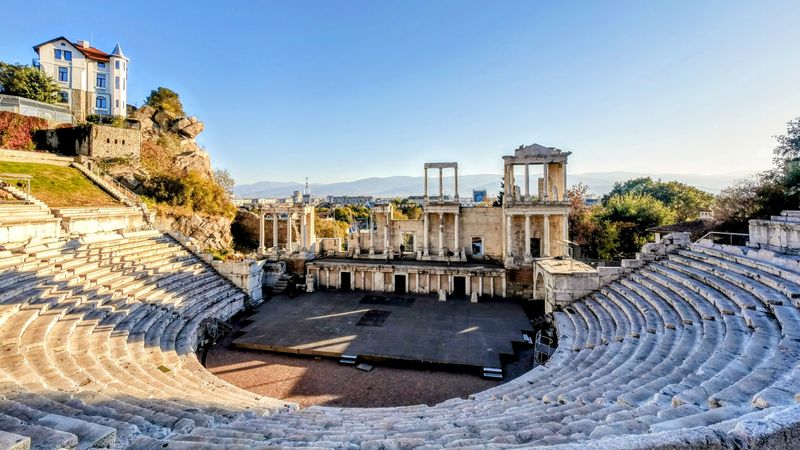
Plovdiv wears its age lightly. The Roman theatre still hosts concerts, stone seats warming under stage lights.
Revival era houses lean over cobbles, their painted facades holding carved eaves and restless birds.
In Kapana, design studios, brew bars, and galleries fill small courtyards. Street art brightens brick while folk motifs peek from textiles and pottery.
Cafes spill chatter as DJs test sets and poets read between clinks of glass.
Archaeological fragments surface in everyday routes: a mosaic here, a column there. Museums preserve context while festivals give it new sound.
Traditional grills smoke beside vegan counters, proving appetite can be both rooted and curious.
The city’s hills offer quick escapes for sunsets and quiet. Local craftspeople adapt woodcarving and embroidery for modern rooms.
Students bring momentum, cycling between classes, rehearsal spaces, and night markets.
Plovdiv moves at a friendly pace that rewards wandering. Evenings echo with strings and laughter across courtyards.
The past performs on the same stage as the present, and the curtain never really falls.
Share this story