Some lead singers change everything, yet somehow their names slip from the spotlight. You know the songs by heart, but the voices behind them do not always get their flowers.
This list pulls together artists whose tone, phrasing, and presence shaped entire scenes while others took the headlines. Give them a spin today and hear the difference for yourself.
1. Arthur Lee (Love)
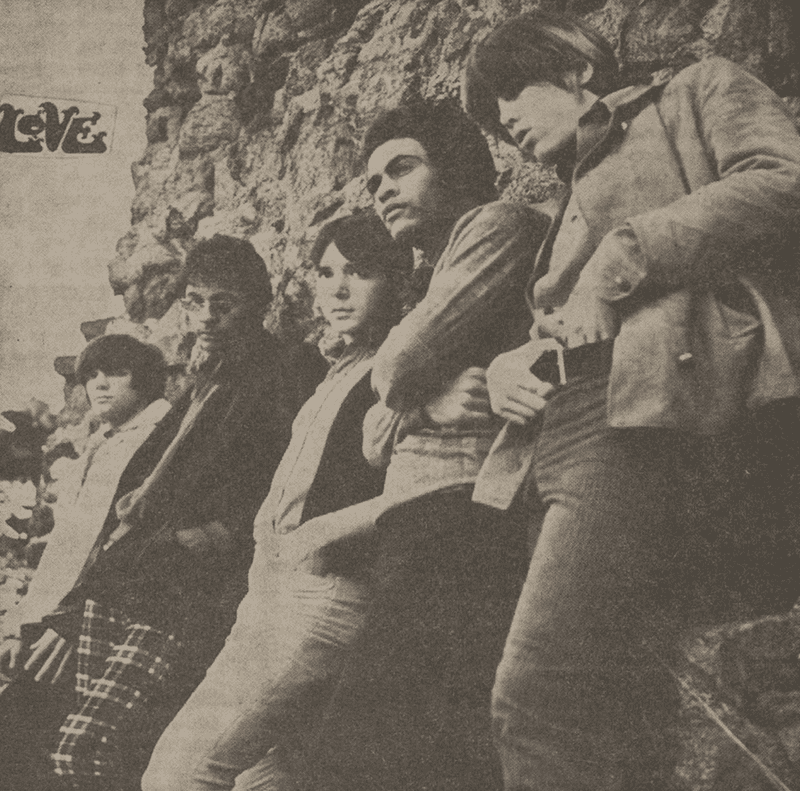
Arthur Lee could whisper one bar and detonate the next, stitching baroque pop to garage grit. The emotional range on Forever Changes still rattles the ribs, like a love letter written in fire.
You hear fear, swagger, tenderness, and prophecy in every shift.
He braided mariachi brass, psych swirl, and street level poetry without blinking. When you lean in, the arrangements bloom and the voice steers your heart around corners.
If credit tracked influence, he would be unavoidable.
2. Ian McCulloch (Echo & the Bunnymen)
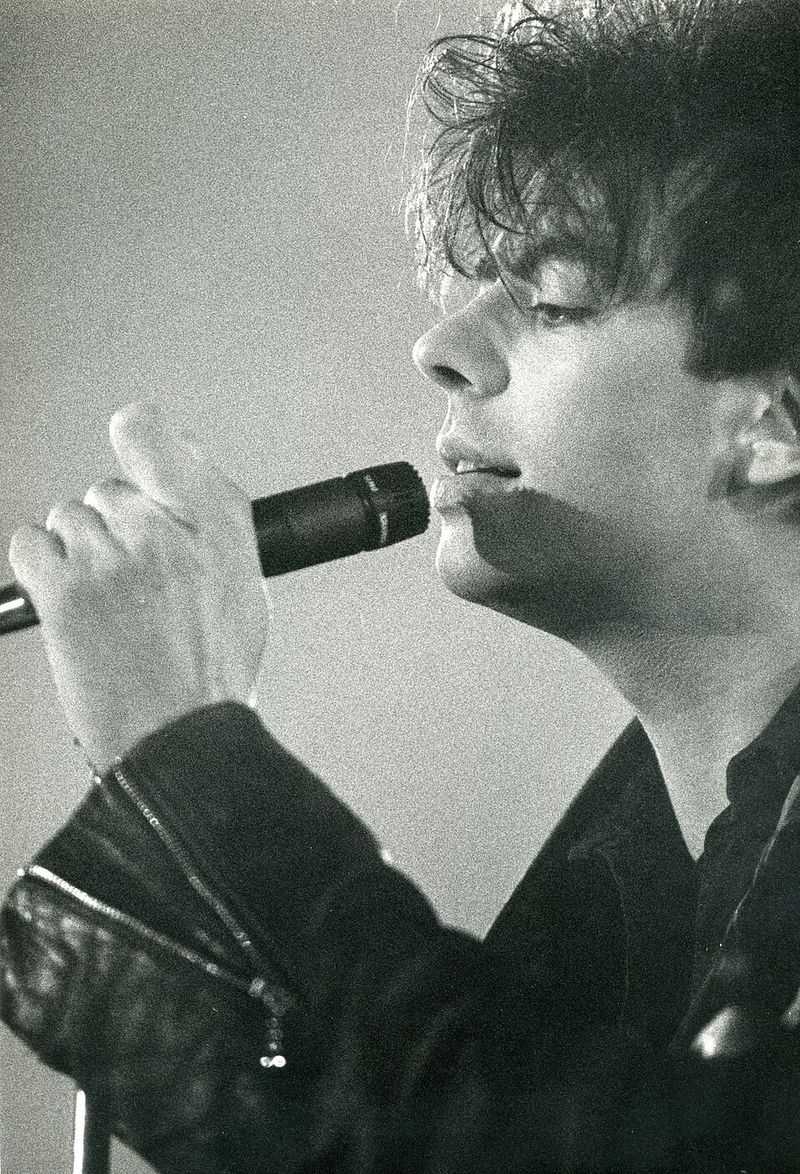
Ian McCulloch sings like twilight pressing against cathedral glass. The baritone ache and patient diction give darkness its own temperature.
You lean closer and realize the drama is carved with restraint.
He turned melancholy into propulsion, shaping post punk without softening its edges. The choruses feel inevitable, like tides cycling through neon nights.
If someone else fronted those songs, they would be smaller.
3. Bobby Gillespie (Primal Scream)
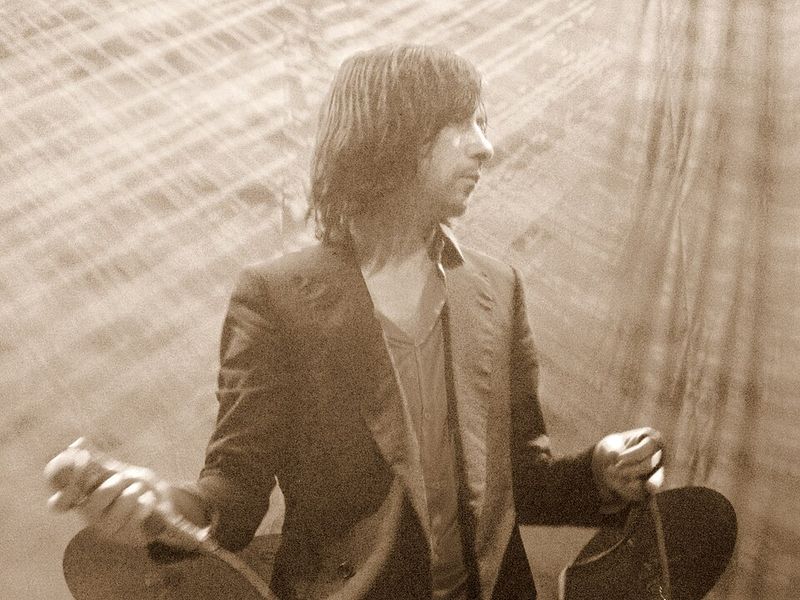
Bobby Gillespie shapeshifts, and somehow the soul remains. He croons over gospel chords, sneers through garage fuzz, then floats across breakbeats like a midnight DJ.
You hear a record collection becoming a personality.
His voice is the glue in Primal Scream’s wild style collisions. It carries grime and glamour in equal measure, selling every risk like it is the obvious choice.
Credit the vision, but remember the mouth that made it human.
4. Christine McVie (Fleetwood Mac)
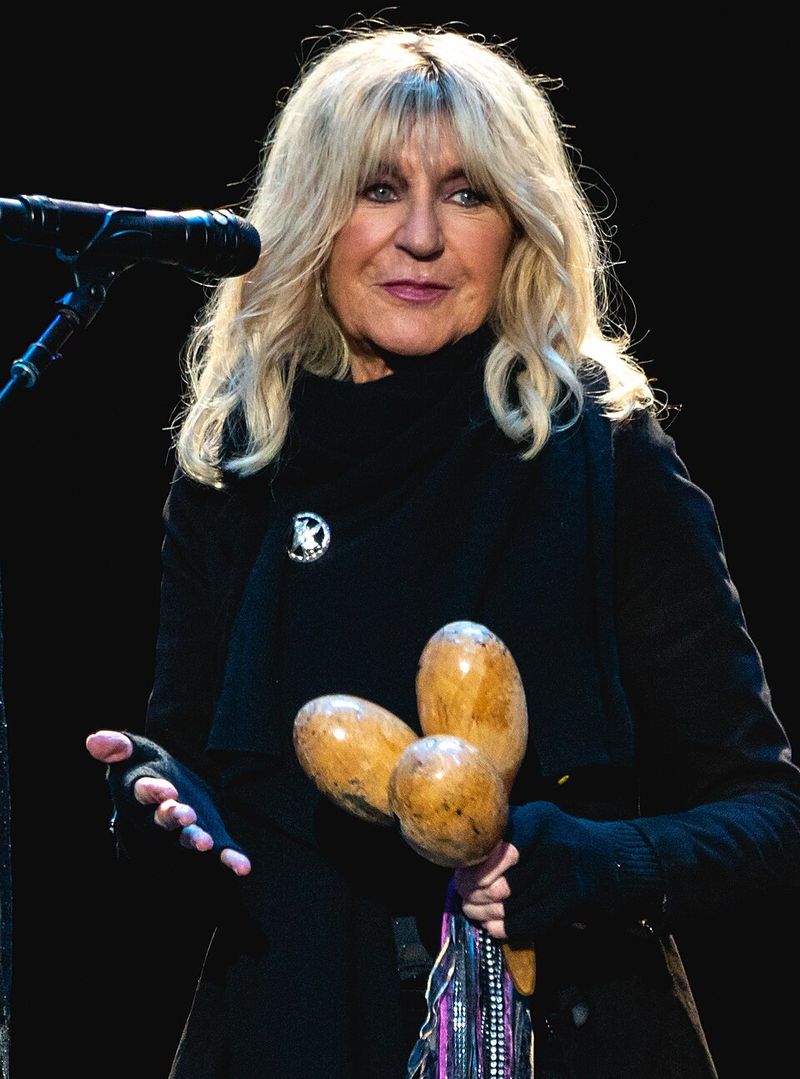
Christine McVie sings like sunlight finding a kitchen table. The tone is burnished, steady, and strong enough to carry heartbreak without theatrics.
You trust every syllable because she never chases applause.
Her melodies feel engineered to last decades, not weeks. When she harmonizes, the whole band snaps into focus like a Polaroid clearing.
If Fleetwood Mac is a mansion, her voice is the front door.
5. Peter Perrett (The Only Ones)
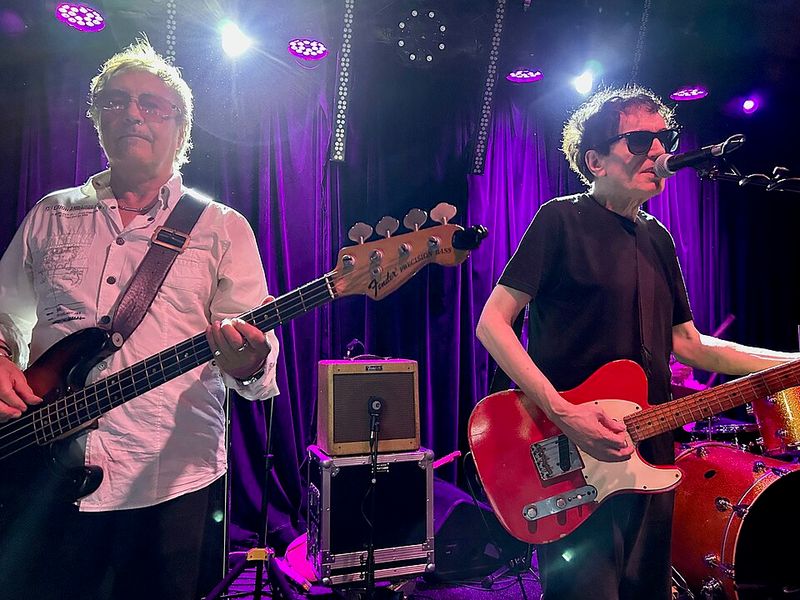
Peter Perrett sings like a wised up romantic pretending not to care. The drawl is sly, the phrasing knife sharp, and the attitude fragile beneath the grin.
You hear streetlight confessions and smart detours.
His voice gives The Only Ones their elegant slouch. It is punk adjacent but too knowing to posture.
Play Another Girl Another Planet and the delivery makes the fireworks feel personal.
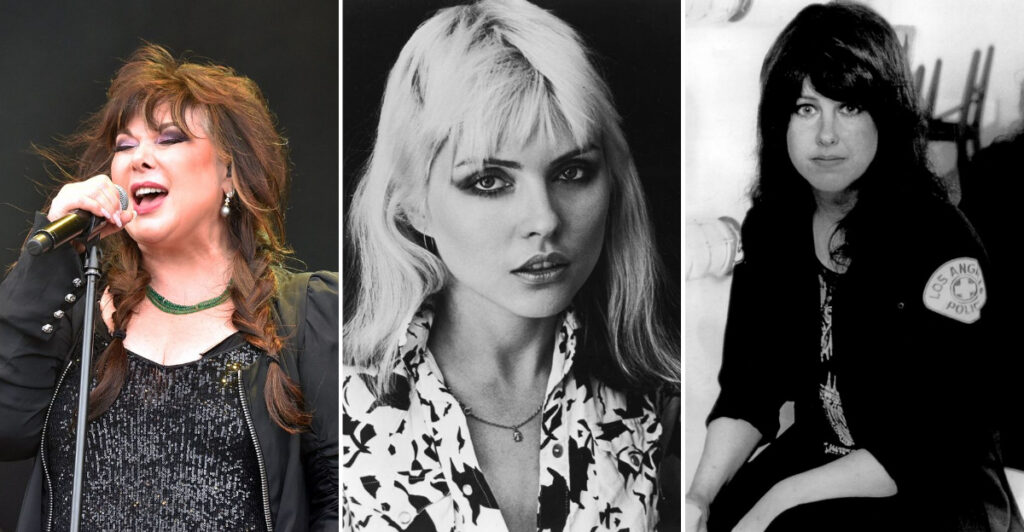
6. Grace Slick (Jefferson Airplane)
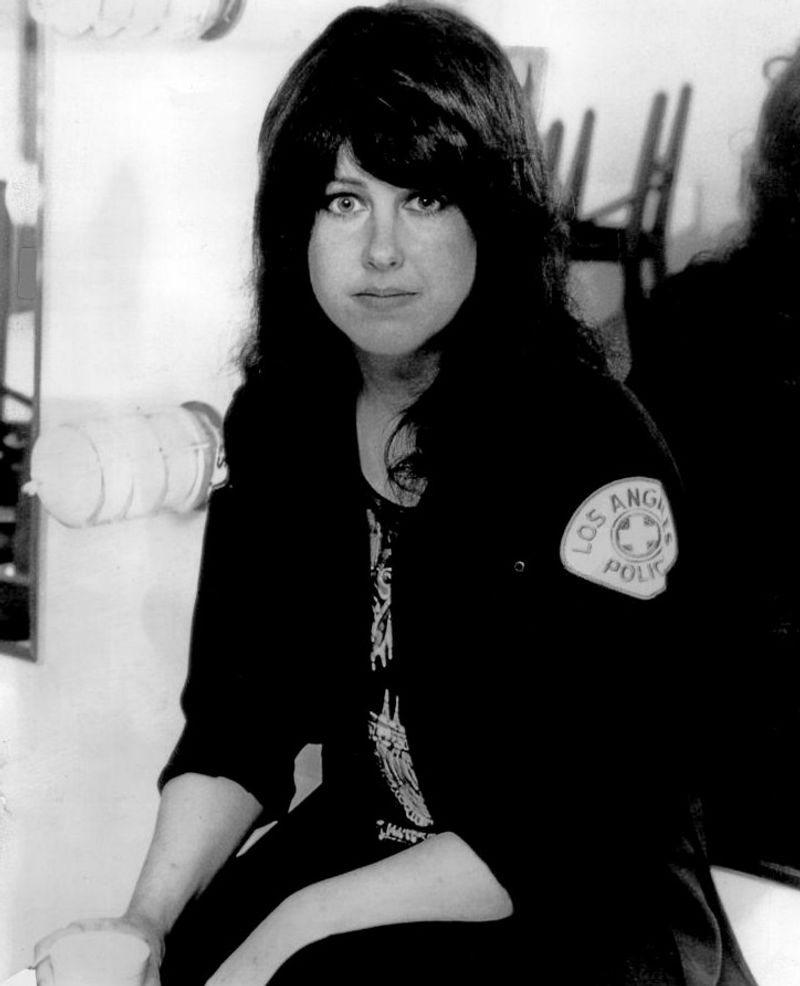
Grace Slick did not just ride the psychedelic wave, she cut its channel with that clarion roar. Her voice could slice through fuzz and fog like a lighthouse signal, then soften to a conspiratorial hush.
You feel invited and warned at once.
Beyond the anthems, her phrasing bends melodies into elegant shapes. You hear fearless conviction without unnecessary bravado.
Put on a live cut and the room temperature changes.
7. Margo Timmins (Cowboy Junkies)
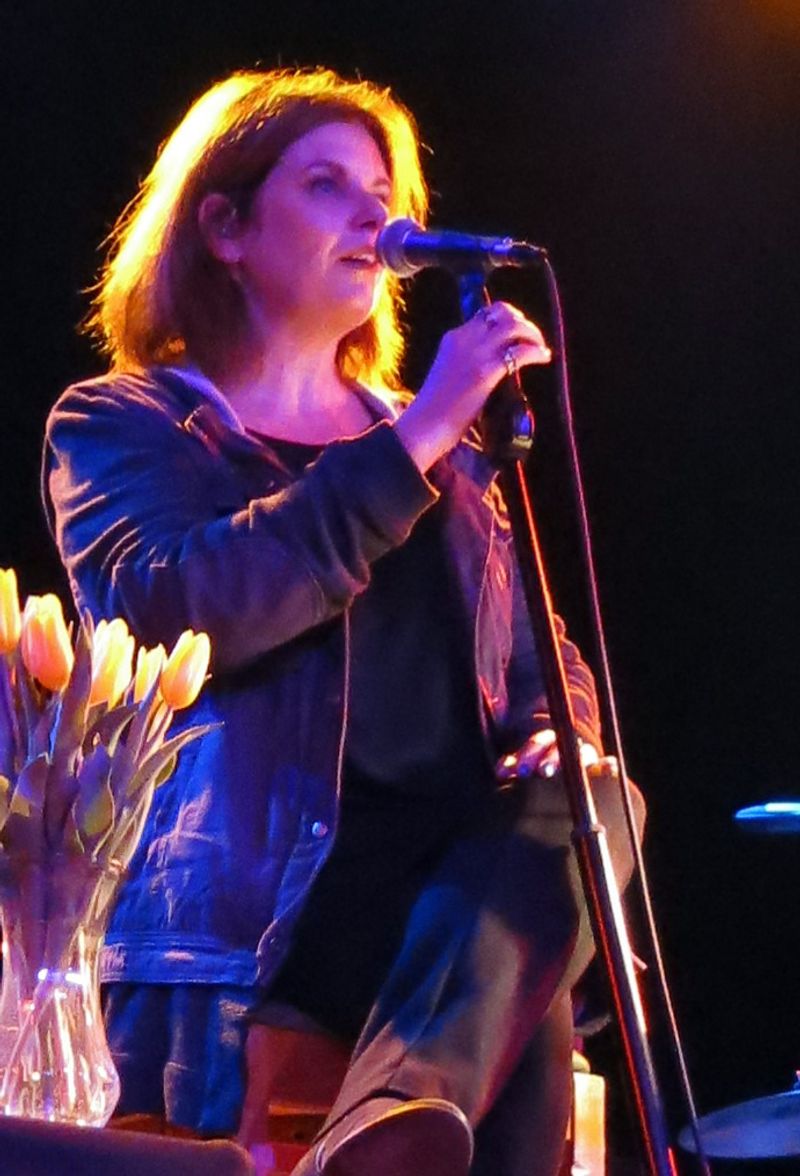
Margo Timmins turns quiet into voltage. The near whisper pulls you closer until your heartbeat syncs with the snare.
She can make a blues standard feel like a midnight confession in your kitchen.
Her restraint is not shy, it is surgical. Every note lands soft and heavy at once.
The result is intimacy so intense you forget the room you are in.
8. Siouxsie Sioux (Siouxsie & the Banshees)
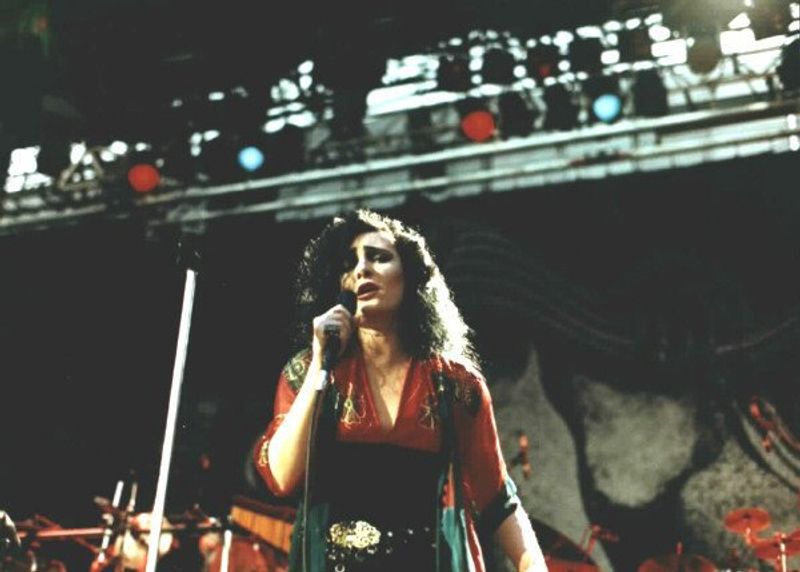
Siouxsie Sioux gives authority shape. The voice is a blade and a banner, capable of ceremony and feral rush in one breath.
You feel welcomed into a tribe and tested at the gate.
Her phrasing stamped entire subcultures with a posture of cool alarm. She could brood, soar, tease, and command without losing clarity.
Put her in any era and you would still look up.
9. Glenn Tilbrook (Squeeze)
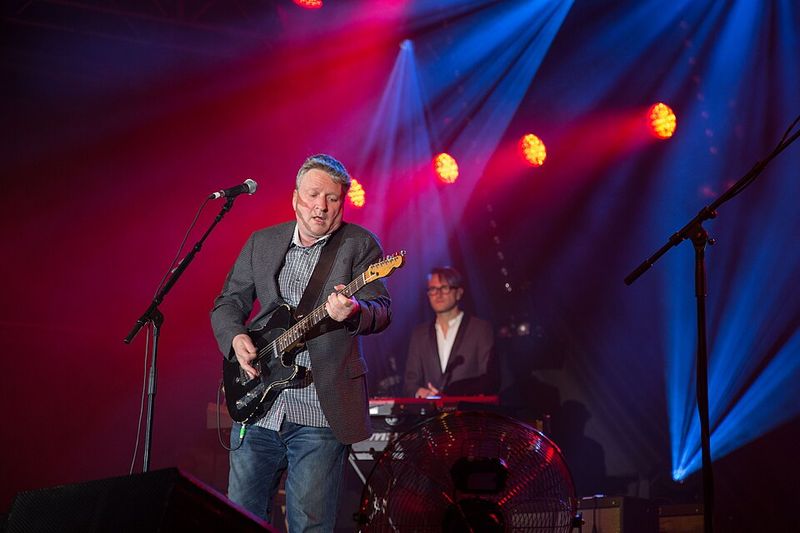
Glenn Tilbrook sings melodies like they were tailor made for your memory. The tone has bounce and polish, but there is steel under the shine.
He can twist a chorus into your head on the first pass.
With Difford’s lyrics, his voice turns cleverness into empathy. Every hook lands, then lingers with extra meaning.
You come for the punchlines and stay for the feelings.
10. Debbie Harry (Blondie)
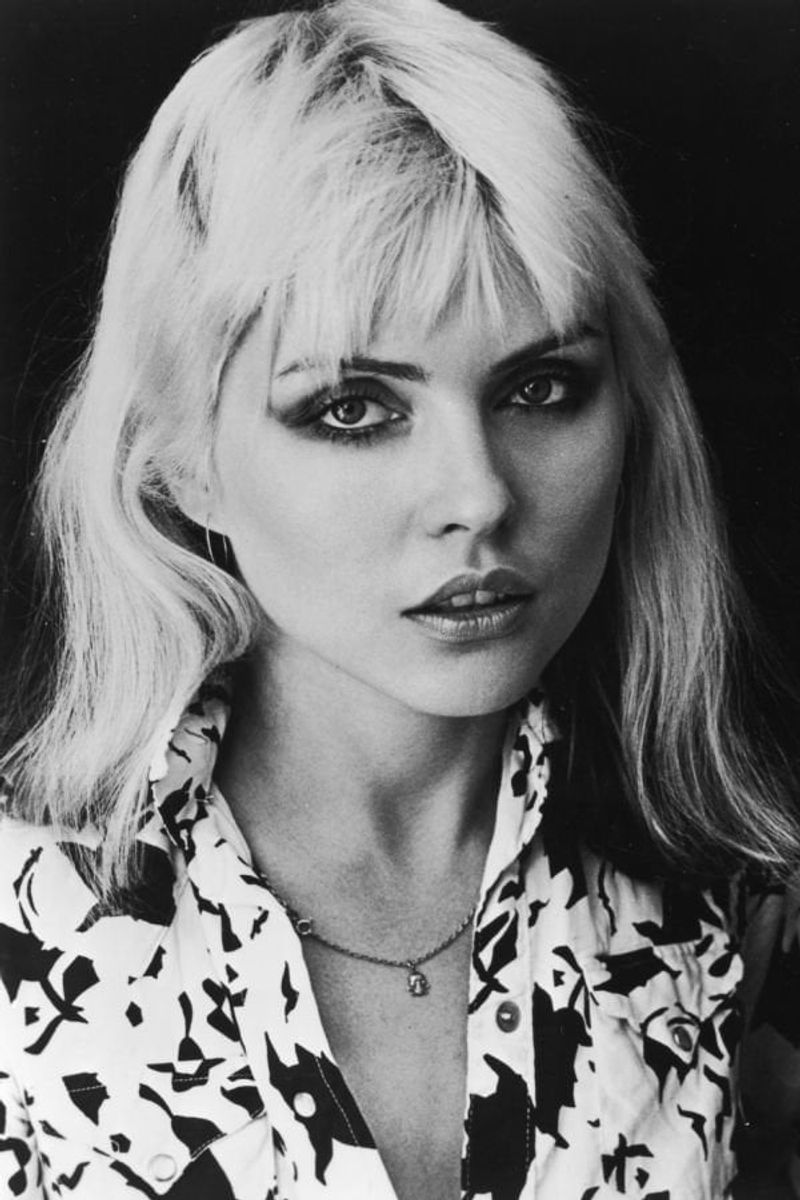
Debbie Harry slips between attitudes like changing lanes on a clear night. She can be icy cool, sugar sweet, or street tough within a verse.
That range gave Blondie permission to steal from everywhere.
Her voice carries humor and heat without showboating. You might have danced so hard you forgot to notice.
Press play again and the control becomes obvious.
11. Mark E. Smith (The Fall)
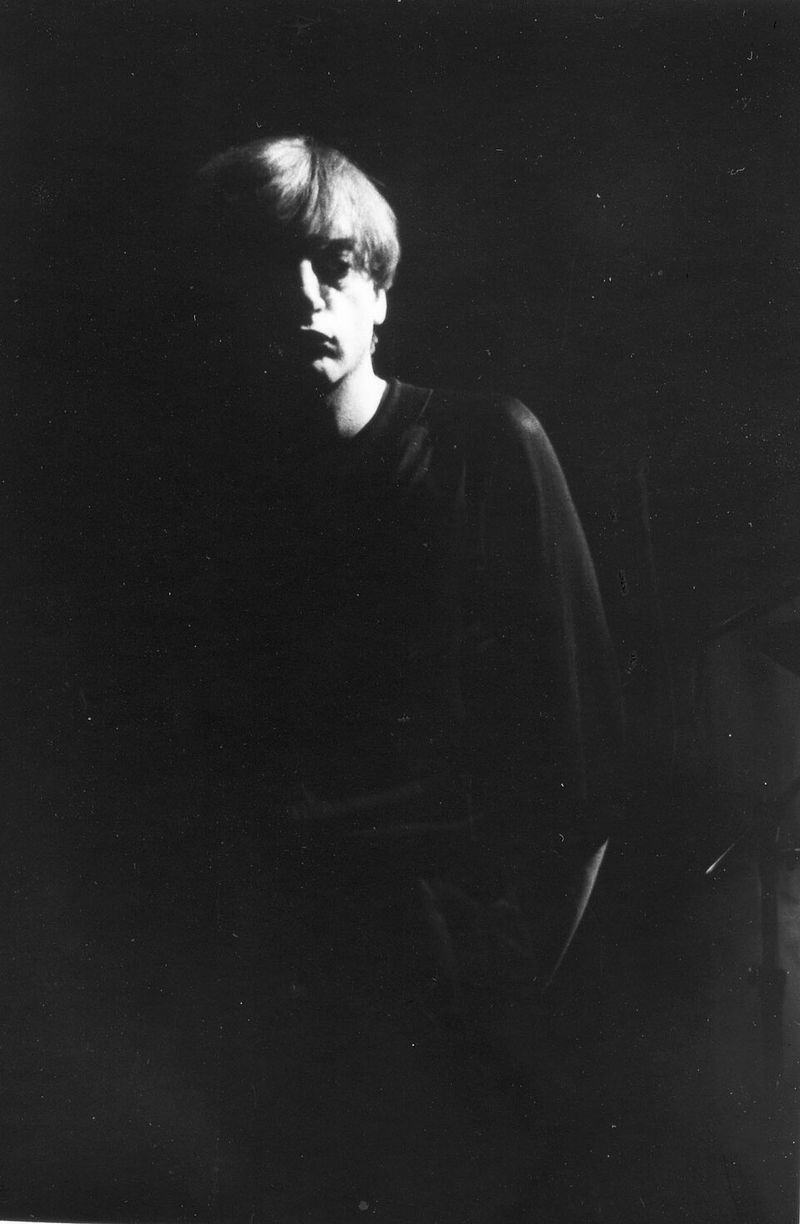
Mark E. Smith weaponized cadence.
He turned rant, chant, and side eyed commentary into hooks by force of personality. You are not supposed to hum this sort of voice, yet you do.
His delivery made The Fall’s jagged repetition feel alive, like news bulletins from a parallel town. It is unconventional, yes, but precision hides inside the chaos.
That singular presence defined a universe.
12. Suzanne Vega (solo)
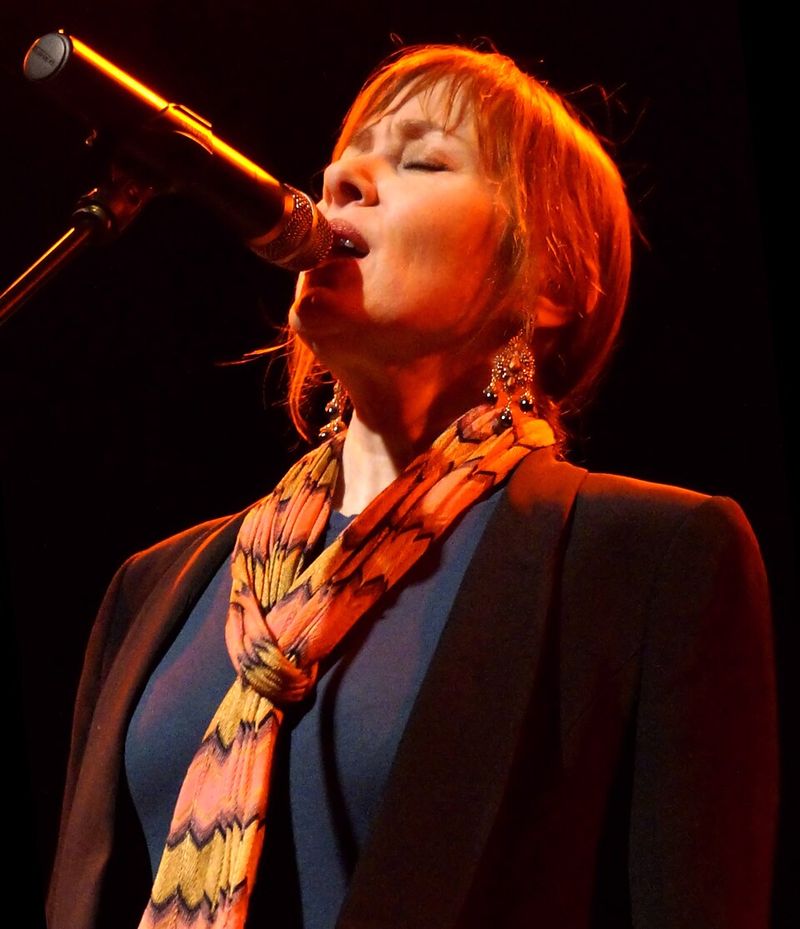
Suzanne Vega sings like a clear window in winter. The articulation is crisp, the tone feather light, and the stories land quietly heavy.
You feel gently guided through complicated rooms.
Her voice helped nudge folk pop toward modern minimalism, where details carry the weight. You can hear a city’s whisper in her phrasing.
The softness never dilutes the steel inside.
13. Ani DiFranco (solo)
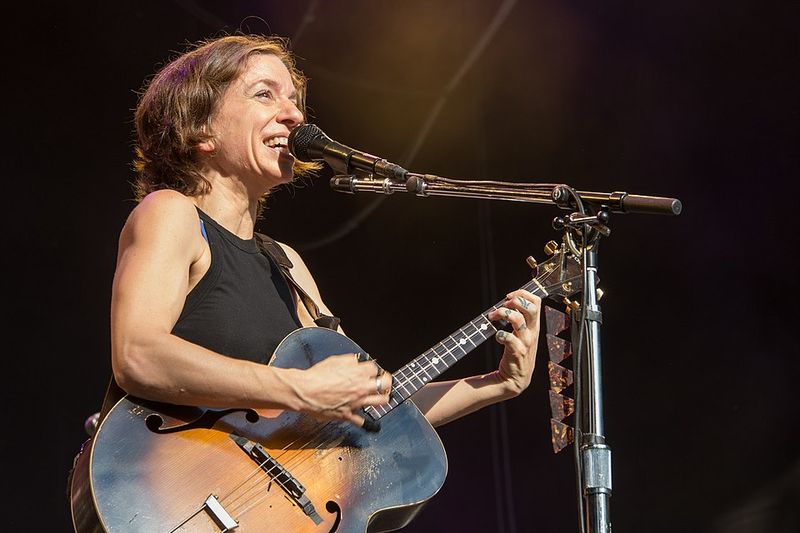
Ani DiFranco’s voice snaps like a banner in hard wind. She can spit syllables like drum rudiments, then drop into a confessional hush that pins you still.
The control is athletic and honest.
Her phrasing matches the rhythmic bite of her guitar, so the message lands with muscle. Independence is not just a stance, it is audible.
You walk away feeling braver and more awake.
14. Bernard Sumner (Joy Division/New Order)
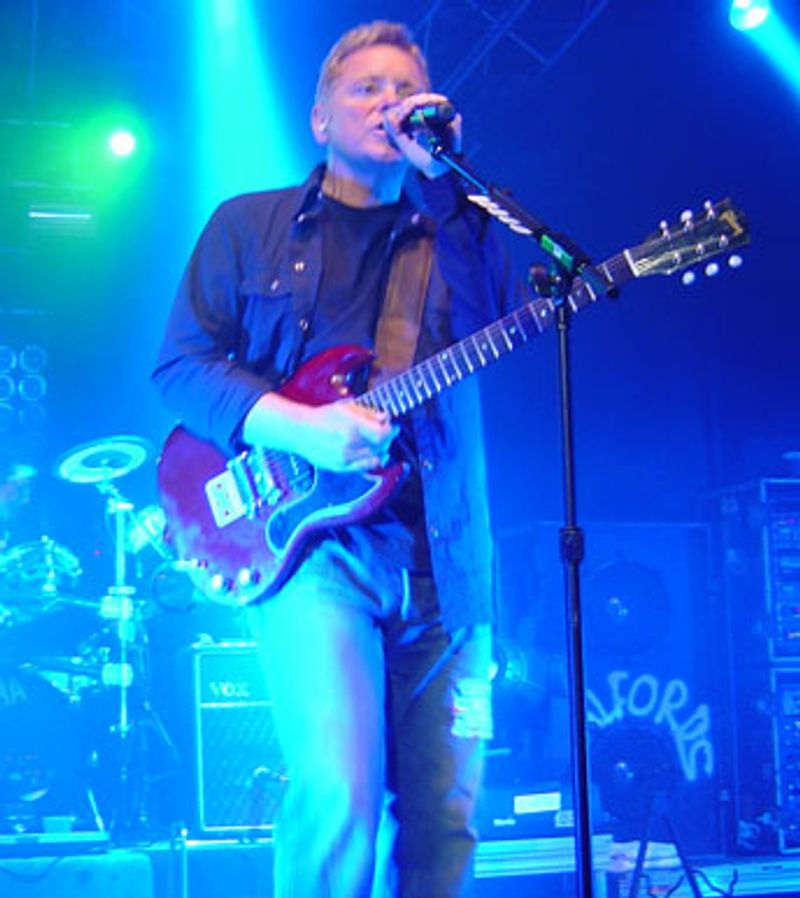
Bernard Sumner sings like a friend trying to keep it together on a crowded night bus. The honesty sells the melody harder than polish could.
You hear small vulnerabilities turning into stadium size relief.
His plainspoken tone helped bridge post punk to bright electronic catharsis. The voice may not flex, but it never lies.
That humility made the dance floor feel human.
15. Ric Ocasek (The Cars)
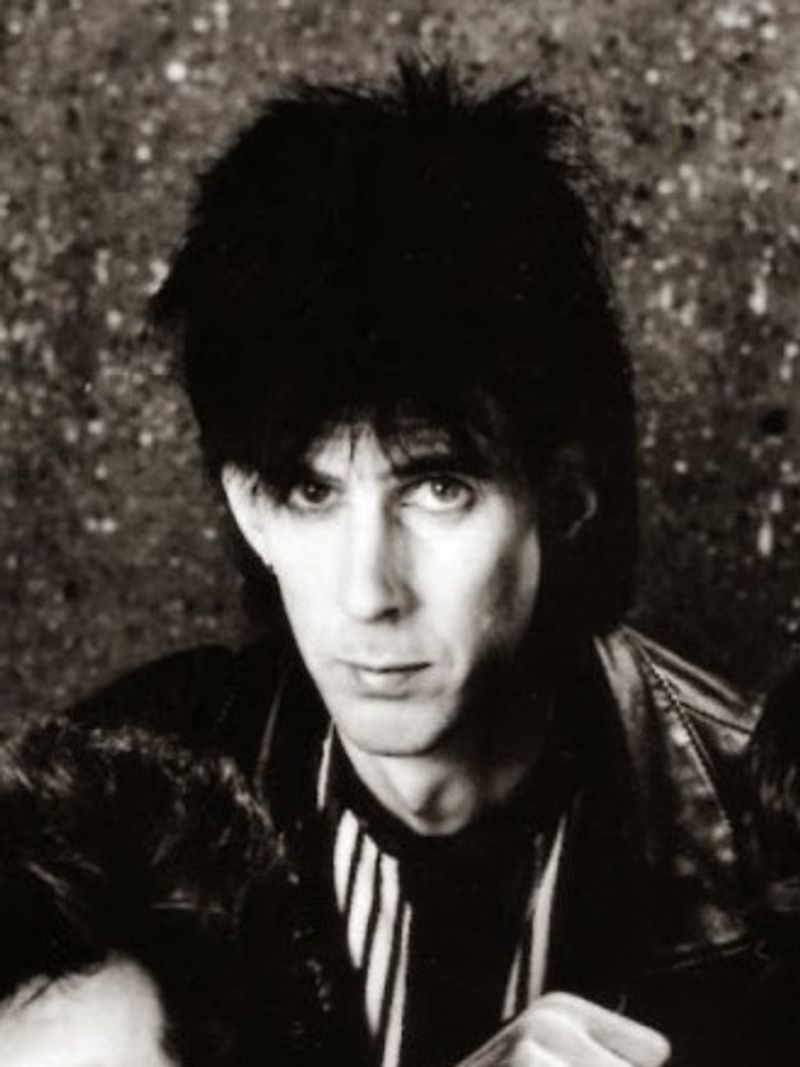
Ric Ocasek’s cool carried heat. The dry baritone framed razor bright hooks, letting irony and yearning share the same apartment.
You get detachment with a heartbeat, which is rarer than it sounds.
His phrasing turned clipped lines into earworms you keep accidentally quoting. The Cars felt aerodynamic partly because he never over sang.
Minimal motion, maximum memory.
16. Ann Wilson (Heart)
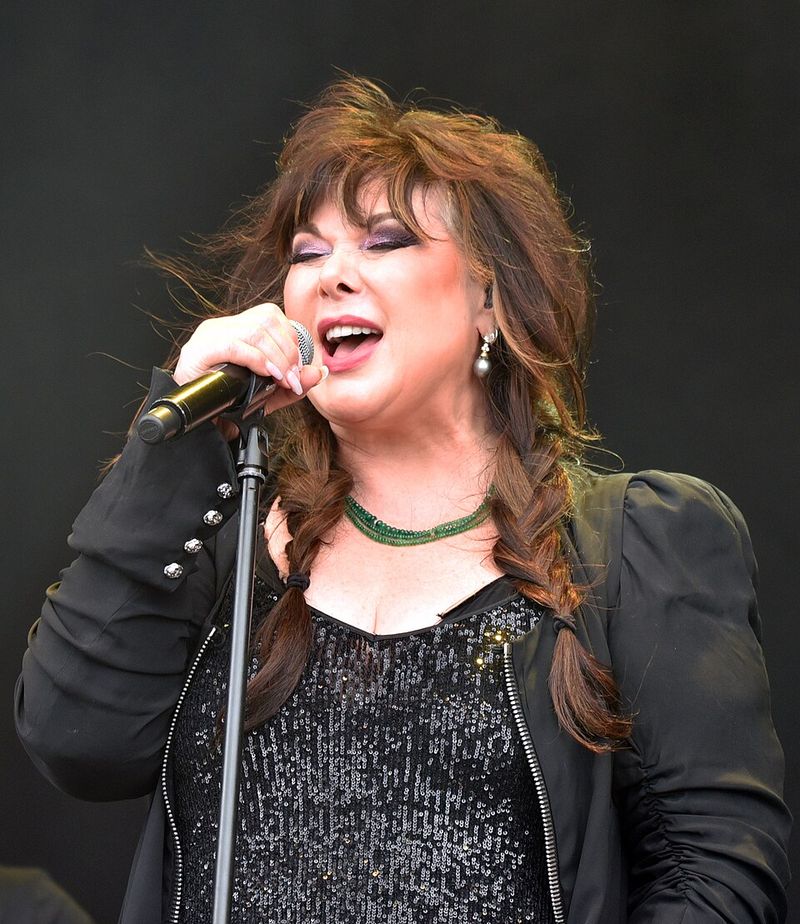
Ann Wilson can lift a roof without losing a drop of pitch. The tone is ocean deep and bell clear, with control that feels almost athletic.
You hear power married to intention, not just volume.
Ballads glow, rockers detonate, and the in between shimmers. She broke ceilings for generations by sounding inevitable.
If greatness is repeatable, her live takes say it all.
Share this story