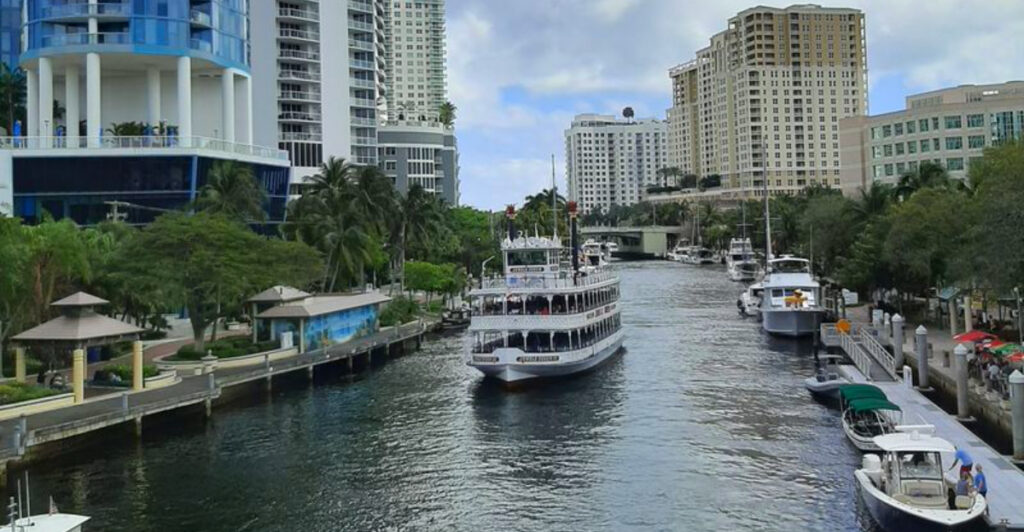
America’s population is on the move, but not everyone is heading to the same places. Baby boomers, born between 1946 and 1964, are flocking to certain cities that offer warm weather, affordable living, and plenty of golf courses.
Meanwhile, millennials, those born roughly between 1981 and 1996, are steering clear of these same spots in favor of tech hubs, vibrant nightlife, and career opportunities.
Understanding why these two generations pick different places to call home reveals a lot about what matters most at different life stages. While boomers prioritize retirement-friendly amenities and lower costs, millennials chase jobs, culture, and diversity.
Here are 15 U.S. cities where boomers are moving in by the thousands while millennials are looking elsewhere.
1. Palm Coast, FL
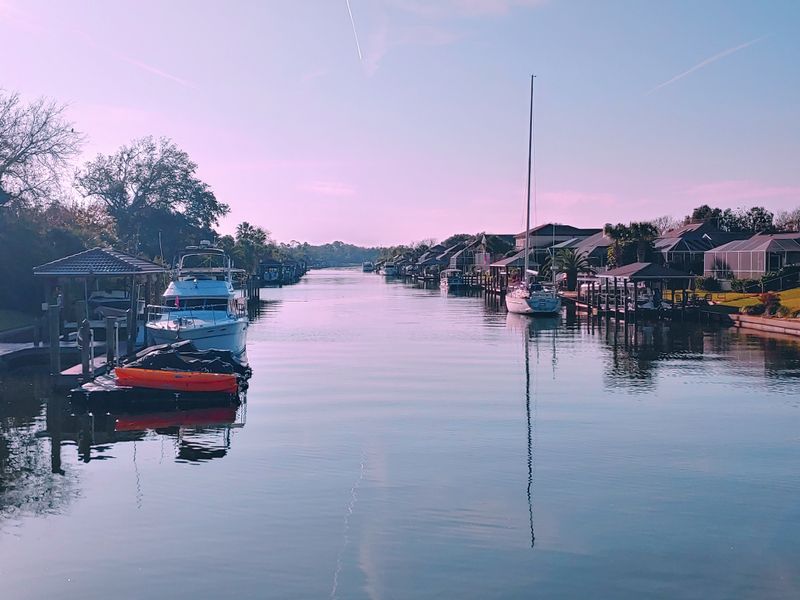
Nestled along Florida’s northeastern coast, Palm Coast has become the ultimate boomer paradise. SmartAsset recently ranked this city at the very top for boomer in-migration, and it’s easy to see why.
Retirees are drawn to the area’s affordable housing, beautiful beaches, and year-round sunshine that makes winter coats a distant memory.
Golf courses dot the landscape like stars in the sky, and the slower pace of life appeals to those who’ve spent decades in the hustle and bustle. Medical facilities are plentiful, property taxes remain reasonable, and there’s a strong sense of community among residents.
Fishing, boating, and nature trails provide endless outdoor recreation without the crowds of bigger Florida cities.
Millennials, however, find Palm Coast lacking in the things they value most. Job opportunities are limited mainly to service industries and healthcare, with few tech companies or startups in sight.
The nightlife consists mostly of early-bird dinner specials, and the average age skews heavily toward retirement. Young professionals seeking career growth and cultural diversity typically bypass Palm Coast for cities like Jacksonville or Orlando.
The city’s appeal is undeniable for those seeking relaxation, but it simply doesn’t match the ambitions of younger generations looking to climb the career ladder.
2. Cape Coral, FL
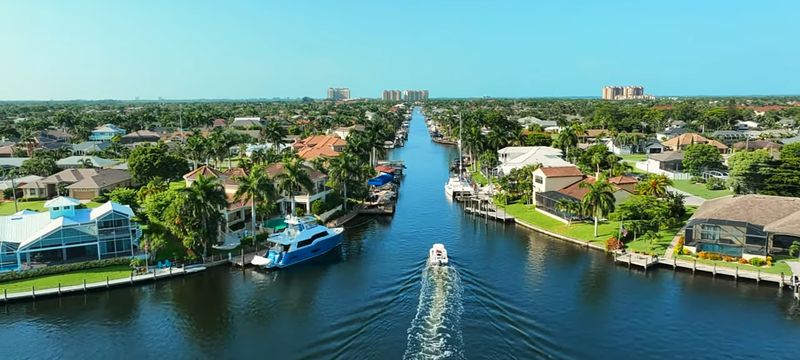
With more canals than Venice, Italy, Cape Coral has earned its nickname as the Waterfront Wonderland. This southwestern Florida city attracts boomers in droves thanks to its boating lifestyle, warm climate, and relaxed atmosphere.
Nearly a quarter of all people moving into Cape Coral are baby boomers, making it one of the oldest-skewing cities in America.
The appeal is crystal clear for retirees. Many homes come with private boat docks, allowing residents to cruise to nearby islands or fish right from their backyards.
The cost of living remains lower than Miami or Fort Myers, and Florida’s lack of state income tax sweetens the deal. Community centers offer pickleball tournaments, water aerobics, and social clubs tailored to older adults.
Young people, on the other hand, find Cape Coral sleepy and uninspiring. The job market centers around tourism, retail, and construction, with limited opportunities for college graduates in specialized fields.
Cultural attractions are sparse, and the restaurant scene caters heavily to early diners. Millennials seeking vibrant urban experiences with museums, concerts, and diverse dining options find little to keep them engaged.
The canal lifestyle that charms retirees feels isolating to younger residents who prefer walkable neighborhoods and public transportation. Cape Coral thrives as a retirement haven but struggles to retain or attract the younger workforce needed for long-term economic diversity.
3. Scottsdale, AZ
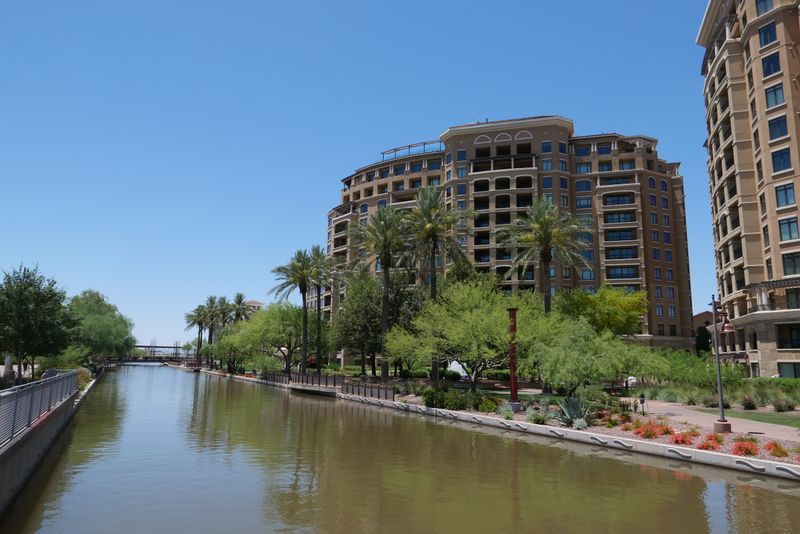
Scottsdale glitters in the Arizona desert like a jewel, combining luxury living with stunning natural beauty. This upscale city has become a magnet for affluent boomers who want world-class golf, spa resorts, and sunshine 300 days a year.
The retirement community infrastructure is exceptional, with age-restricted neighborhoods offering resort-style amenities and concierge services.
Art galleries, fine dining, and high-end shopping attract cultured retirees who want sophistication without the humidity of Florida. The dry heat is easier on aging joints, and the healthcare system ranks among the best in the Southwest.
Many boomers cash out expensive homes in California or the Northeast and find their dollars stretch much further in Scottsdale while maintaining a high quality of life.
Millennials appreciate Scottsdale’s beauty but find it financially out of reach and culturally mismatched. The cost of living has skyrocketed, with median home prices well above national averages.
The city’s vibe leans heavily toward retirees and vacationers, with fewer opportunities for young professionals outside of hospitality and healthcare. The nightlife, while present, caters more to wealthy older adults than the craft beer and live music crowd.
Phoenix proper or Tempe offer more affordable housing and job diversity, pulling younger residents away from Scottsdale’s polished but pricey desert oasis. The generational divide here is less about climate and more about affordability and lifestyle fit.
4. Surprise, AZ
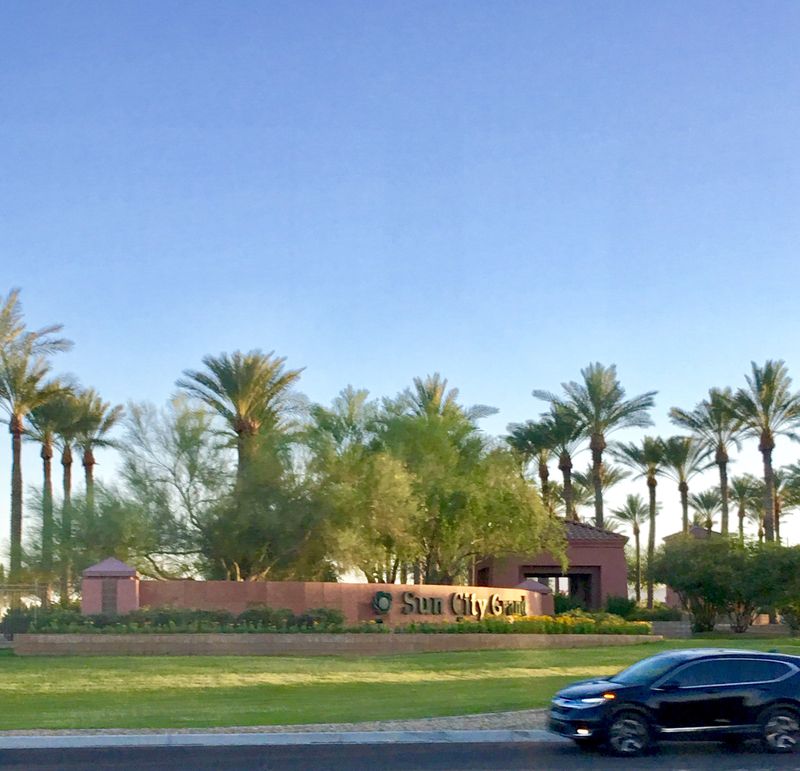
Aptly named, Surprise has been a delightful discovery for baby boomers seeking affordable Arizona living without sacrificing amenities. Located northwest of Phoenix, this city has experienced explosive growth driven almost entirely by retirees.
Massive age-restricted communities like Sun City Grand have transformed the landscape, offering everything from woodworking shops to synchronized swimming teams.
The appeal is straightforward for older adults. Housing costs significantly less than Scottsdale while still providing desert beauty and endless sunshine.
Recreation centers rival cruise ship amenities with pools, fitness classes, and social activities scheduled from dawn to dusk. Spring training baseball brings Major League teams to town each February, and the healthcare infrastructure continues expanding to serve the growing senior population.
Younger people find Surprise living up to its name in all the wrong ways. The job market is thin, dominated by retail, healthcare, and service positions supporting the retiree population.
Cultural attractions geared toward young adults are virtually nonexistent, and the age demographic makes it challenging to build peer networks. Millennials describe feeling like they’re living in a permanent vacation resort for their grandparents.
The commute to Phoenix for better job opportunities can exceed an hour during rush hour. While boomers have created a thriving community for themselves, the city offers little infrastructure or appeal for younger generations trying to establish careers and start families in a more diverse, dynamic environment.
5. Clearwater, FL
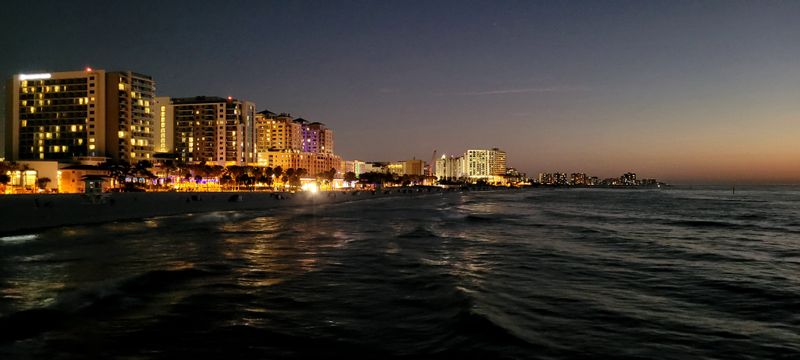
Clearwater Beach consistently ranks among America’s best beaches, and baby boomers have taken notice in a big way. This Gulf Coast city combines pristine white sand with a relaxed lifestyle that appeals to retirees seeking both beauty and convenience.
The boomer population has grown substantially, with many choosing Clearwater for its perfect balance of beach access and urban amenities.
Retirees love the walkable downtown area, frequent festivals, and thriving arts scene that provides culture without big-city stress. The weather is nearly perfect year-round, and healthcare options are excellent with multiple hospitals and specialty clinics.
Affordable condos line the waterfront, and the cost of living remains reasonable compared to other beach destinations. Social opportunities abound through community centers, volunteer organizations, and recreational leagues designed for active seniors.
Millennials acknowledge Clearwater’s beauty but find the city stuck in a time warp. The job market leans heavily toward tourism and hospitality, with limited career advancement opportunities.
Housing prices near the beach have climbed beyond reach for young professionals, while inland options lack the appeal that draws people to Clearwater in the first place. The nightlife and restaurant scene cater primarily to tourists and retirees rather than young locals.
Tampa, just across the bay, offers far more job diversity, cultural vibrancy, and affordable neighborhoods, making it the clear choice for younger residents. Clearwater thrives as a retirement destination and vacation spot but struggles to retain the young workforce needed to support its growing senior population.
6. Fort Lauderdale, FL
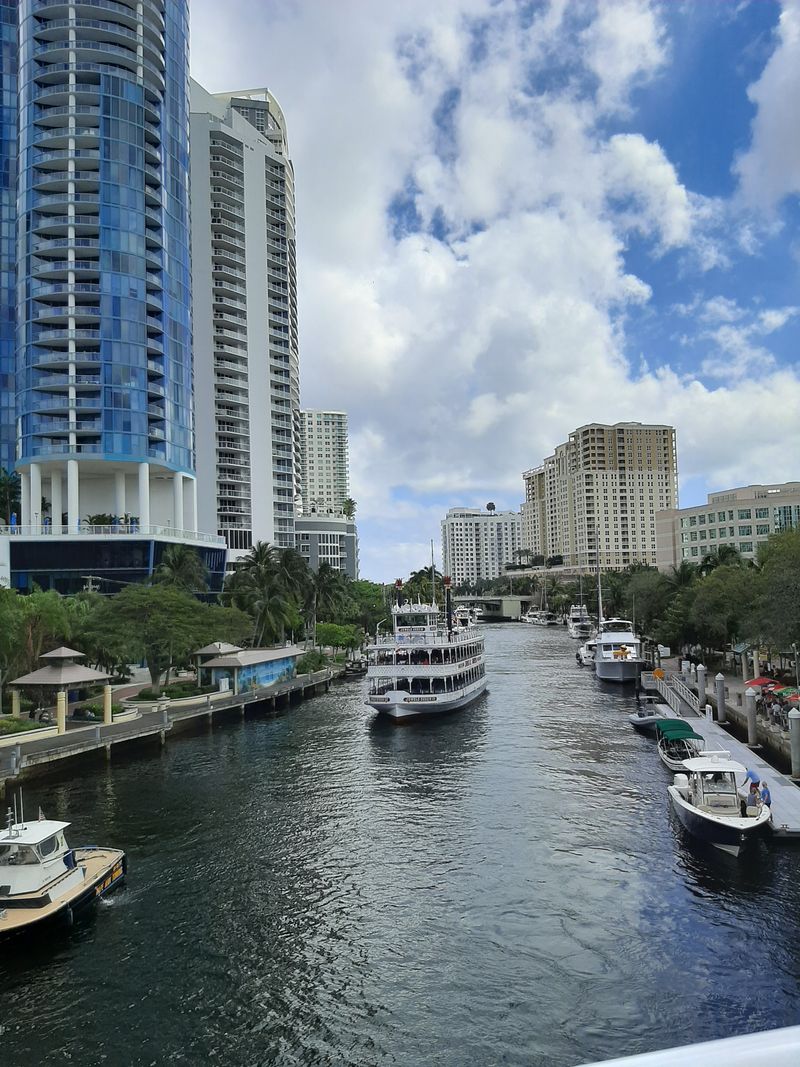
Once known as a spring break destination, Fort Lauderdale has matured into a boomer favorite that offers sophistication and sunshine in equal measure. The city’s extensive canal system has earned it the nickname Venice of America, and waterfront properties attract affluent retirees from across the country.
Steady streams of baby boomers continue relocating here, drawn by the combination of urban amenities and coastal beauty.
The appeal for older adults is multifaceted. World-class dining, theater, and museums provide cultural enrichment, while beaches and boating satisfy outdoor enthusiasts.
The international airport makes visiting family convenient, and the healthcare system is top-notch with specialized geriatric care facilities. No state income tax and relatively affordable property taxes compared to the Northeast make the financial case compelling for retirees with substantial savings.
Millennials find Fort Lauderdale increasingly unaffordable and demographically mismatched. Housing costs have skyrocketed, with median home prices and rents far exceeding what young professionals can afford on entry-level salaries.
The job market, while more diverse than smaller Florida cities, still lags behind major tech and finance hubs. Traffic congestion rivals Los Angeles, and the infrastructure struggles to keep pace with population growth.
Miami, just to the south, offers more career opportunities and cultural diversity that appeals to younger demographics. Fort Lauderdale’s transformation from party town to retirement haven has been successful for boomers but has priced out and alienated the millennial generation in the process.
7. Palm Bay, FL

Situated on Florida’s Space Coast, Palm Bay offers retirees an affordable entry point into the Sunshine State lifestyle. This city has seen elevated numbers of boomer movers, attracted by housing costs significantly lower than other Florida destinations.
The proximity to beaches, nature preserves, and the Kennedy Space Center adds appeal without the tourist crowds that plague more famous coastal cities.
Boomers appreciate the small-town feel combined with access to bigger city amenities in nearby Melbourne. The cost of living remains manageable on fixed retirement incomes, and the weather delivers the warm winters that drive Northerners south.
Golf courses, fishing spots, and nature trails provide abundant outdoor recreation. The pace of life is slower, the traffic lighter, and the sense of community stronger than in Florida’s megacities.
Young professionals find Palm Bay lacking the ingredients for career growth and social engagement. Job opportunities are limited primarily to retail, healthcare, and service industries, with few employers offering high-paying positions or advancement potential.
The cultural scene is minimal, with limited restaurants, entertainment venues, or nightlife options. Orlando’s theme parks and job market are about an hour away, but the commute gets old quickly.
Millennials seeking diversity, innovation, and urban energy find Palm Bay too quiet and career-limiting. The city works perfectly for retirees seeking peace and affordability but offers little to attract or retain younger residents who need more than sunshine and low costs to build their futures.
8. Miami, FL
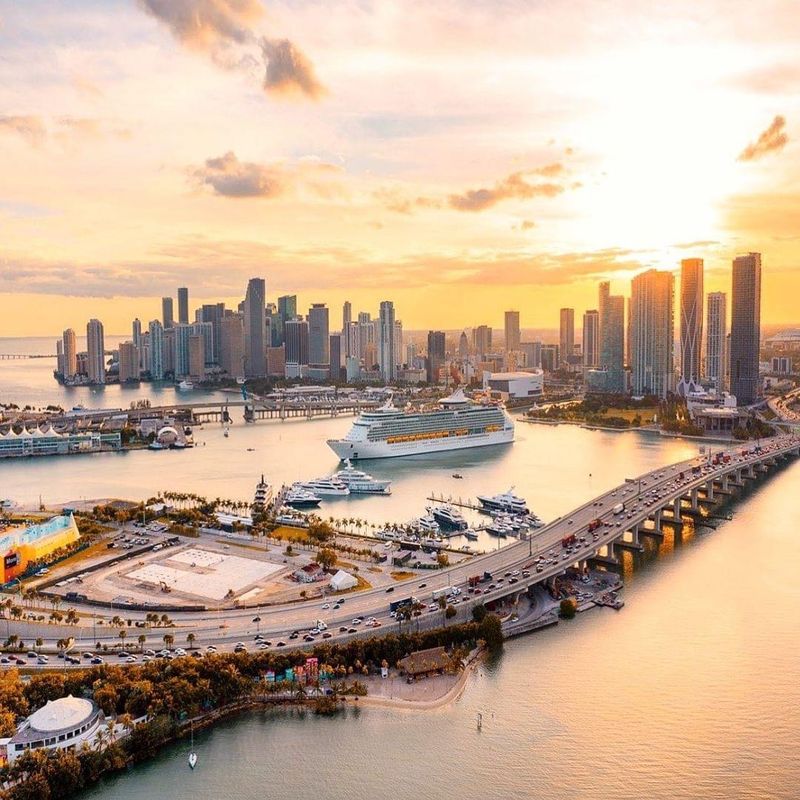
Miami might seem like an unexpected entry on this list given its reputation for nightlife and culture, but the numbers tell a different story. Significant boomer presence has grown in Miami, particularly in areas like Coral Gables and Miami Beach.
Affluent retirees are attracted to the international flavor, world-class dining, and status that comes with a Miami address.
For well-heeled boomers, Miami offers everything: year-round warmth, cultural diversity, direct flights to anywhere in the world, and a vibrant arts scene. Luxury condos line the waterfront, and the healthcare system includes some of the nation’s top hospitals.
The Latin American influence adds spice to daily life, and the social scene remains active well into retirement years. No state income tax is a major financial advantage for those with substantial retirement portfolios.
Millennials face a harsh reality in Miami despite its glamorous image. The cost of living has become crushing, with rent and home prices soaring beyond what most young professionals can afford.
High property taxes, insurance costs, and overall expenses eat into paychecks quickly. Traffic is nightmarish, and many jobs in hospitality and service industries pay poorly relative to housing costs.
The income inequality is stark and visible. While some millennials thrive in Miami’s tech and finance sectors, many others find themselves priced out or struggling to make ends meet.
Cities like Atlanta or Austin offer similar urban energy with better affordability and job markets, pulling younger talent away from Miami’s expensive paradise.
9. Lakeland, FL

Positioned between Tampa and Orlando, Lakeland offers boomers a strategic location without the chaos of either major city. The older demographic has been growing steadily, with notable numbers of boomer movers choosing this central Florida city for retirement.
Historic downtown charm combines with modern conveniences, and the numerous lakes provide scenic beauty and recreational opportunities.
Retirees find Lakeland’s affordability refreshing compared to coastal Florida cities. Housing costs remain reasonable, traffic is manageable, and the small-city atmosphere appeals to those seeking community connections.
The location allows easy access to both coasts, theme parks, and airports without living in the thick of tourist madness. Healthcare facilities have expanded to serve the growing senior population, and the climate delivers the warm winters that make Florida famous.
Younger people see Lakeland as a place to pass through rather than settle down. Job opportunities are limited, with the economy focused mainly on distribution centers, agriculture, and service industries.
The cultural scene is modest, with few attractions to engage young professionals seeking vibrant social lives. The city feels caught between rural and urban without fully embracing either identity.
College graduates from nearby universities typically head to Tampa, Orlando, or out of state entirely for better career prospects. Lakeland serves its boomer residents well with affordability and convenience, but it hasn’t developed the infrastructure or appeal to attract millennials looking for more than just a paycheck and sunshine.
10. Wilmington, NC
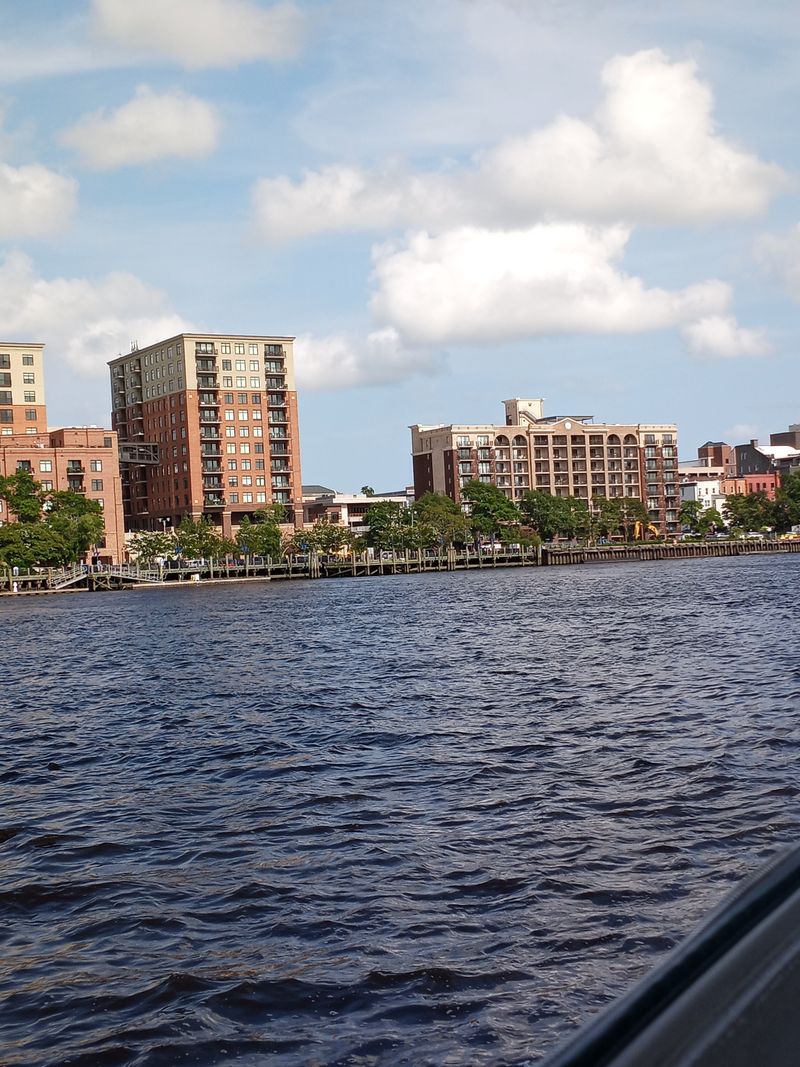
Wilmington’s historic charm and coastal location have made it increasingly popular with baby boomers seeking a Southern retirement destination. Boomer in-migration has been notable, with retirees drawn to the area’s mild climate, beautiful beaches, and lower cost of living compared to Northeastern states.
The historic downtown, with its cobblestone streets and antebellum architecture, adds character that many Florida cities lack.
Older adults appreciate Wilmington’s manageable size and strong sense of community. The pace of life is slower than big cities, but cultural offerings like the Riverwalk, local theater, and film festivals provide engagement and entertainment.
Golf courses, fishing, and water sports keep active retirees busy, while the healthcare system has grown to accommodate the aging population. The four-season climate appeals to those who want warmth without Florida’s intensity.
Millennials find Wilmington charming but limited in opportunity. The job market revolves around tourism, film production, and service industries, with few high-paying positions for college graduates.
Housing costs have risen significantly as boomers have moved in, making affordability increasingly challenging for young professionals. Compared to booming Southern cities like Charlotte, Raleigh, or Charleston, Wilmington offers less career diversity and economic dynamism.
Many young people who grew up in Wilmington leave for better opportunities elsewhere. The city’s appeal is undeniable for those in retirement mode, but it hasn’t developed the economic foundation to attract and retain the millennial workforce needed for balanced growth.
11. Paradise, NV (Las Vegas metro)

Paradise might sound like a retirement dream, and for many boomers, it is exactly that. This unincorporated town encompasses much of the Las Vegas Strip and surrounding areas, attracting boomer movers with its entertainment, dining, and tax advantages.
Nevada has no state income tax, and the cost of living remains lower than California, making it financially attractive for retirees with pensions and Social Security.
The appeal for older adults extends beyond the casinos. World-class entertainment, from concerts to shows, provides endless options for socializing and recreation.
The warm, dry climate is easy on aging bodies, and golf courses dot the landscape. Healthcare facilities have improved dramatically, and the airport connects retirees easily with family across the country.
Many boomers enjoy the 24-hour lifestyle and the feeling that something exciting is always happening nearby.
Millennials view Paradise and Las Vegas differently, seeing the glitz as superficial and the economy as too dependent on tourism and gaming. Job opportunities outside the hospitality industry are limited, and career advancement often requires leaving the state.
The extreme summer heat is oppressive, and the city lacks the walkability and public transportation younger generations prefer. Water scarcity concerns loom large for environmentally conscious millennials.
Cities like Denver, Portland, or Austin offer better job markets, outdoor recreation, and sustainability, pulling young talent away from the desert. Paradise thrives for retirees seeking entertainment and tax benefits but struggles to convince millennials to plant long-term roots.
12. Allentown, PA
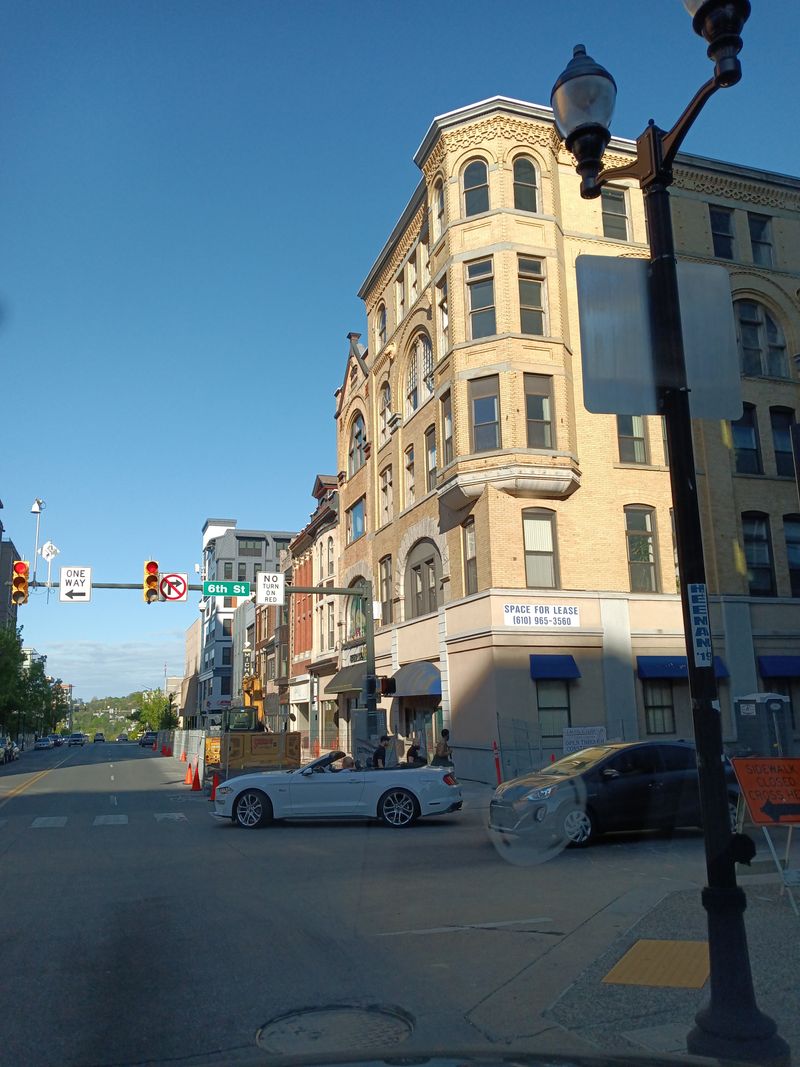
Allentown represents a different retirement pattern than Florida or Arizona destinations. Boomers make up a notable share of movers to this Pennsylvania city, often relocating from more expensive Northeastern metros like New York or Philadelphia.
The appeal lies in affordability, proximity to family, and familiarity with the region’s four-season climate.
Retirees find Allentown offers reasonable housing costs while maintaining access to big-city amenities within driving distance. The healthcare system is solid, with several major hospitals serving the region.
Cultural attractions like museums, theaters, and restaurants provide engagement without overwhelming crowds. For boomers who want to stay near children and grandchildren in the Northeast, Allentown offers a compromise between affordability and accessibility.
The slower pace compared to nearby cities appeals to those ready to downshift.
Young professionals see Allentown as economically stagnant and culturally uninspiring. The manufacturing base that once supported the city has largely disappeared, and job opportunities for college graduates are limited.
Philadelphia is close enough for commuting but far enough to make daily travel exhausting. The weather, with cold winters and humid summers, lacks appeal compared to Sunbelt destinations.
Millennials graduating from area colleges typically head to Philadelphia, New York, or out of state entirely for better career prospects. Allentown serves as an affordable retirement option for boomers familiar with the region, but it hasn’t reinvented itself to attract younger generations seeking innovation and opportunity.
13. Tyler, TX
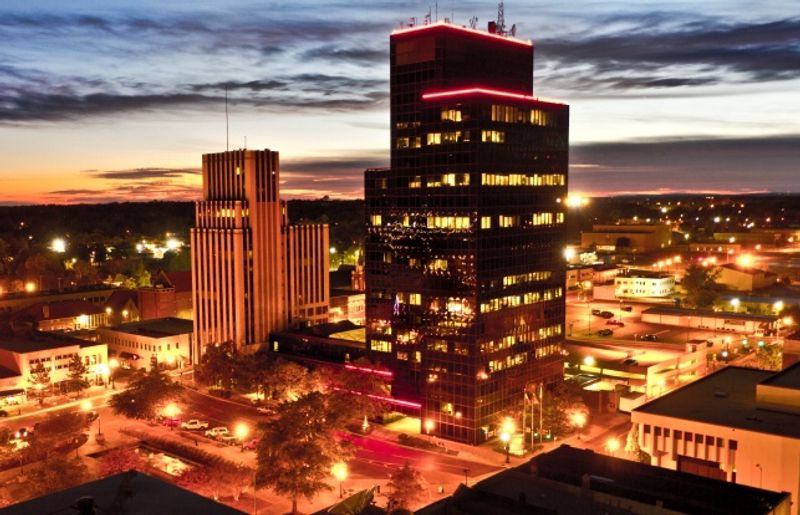
Known as the Rose Capital of America, Tyler has become a quiet retirement haven in East Texas. Boomer movers have discovered this city’s charm, attracted by low costs, Southern hospitality, and a manageable size.
The appeal is straightforward for retirees seeking simplicity without sacrificing comfort or access to healthcare.
Older adults appreciate Tyler’s affordability, with housing costs a fraction of what they’d pay in major Texas cities. The pace of life is decidedly slow, and the community is tight-knit with strong church presence and volunteer opportunities.
Medical facilities are excellent for a city of its size, and the mild winters are easier than Northern climates. Cultural offerings like the rose garden and local festivals provide engagement without overwhelming stimulation.
For boomers ready to leave the rat race behind, Tyler delivers peace and affordability.
Millennials find Tyler too small and career-limiting for their ambitions. Job opportunities are concentrated in healthcare, education, and retail, with few options for young professionals in tech, finance, or creative industries.
Dallas is about 100 miles west, and Austin is even farther, making the commute impractical for daily work. The cultural scene is limited, and the conservative atmosphere doesn’t appeal to all younger people.
College graduates from nearby universities typically leave for Dallas, Houston, or Austin where career opportunities and urban amenities abound. Tyler works beautifully as a retirement destination but hasn’t developed the economic diversity or cultural vibrancy to attract millennials looking to build careers and lives.
14. Las Cruces, NM

Tucked against the Organ Mountains in southern New Mexico, Las Cruces offers boomers an affordable Southwestern retirement with stunning natural beauty. Boomer in-migration has been reported consistently, with retirees drawn to the low cost of living, dry climate, and proximity to both mountains and desert.
The city provides a quieter alternative to Phoenix or Albuquerque while maintaining access to necessary amenities.
Retirees appreciate the year-round sunshine, outdoor recreation opportunities, and manageable size that makes navigating easy. Housing costs are among the lowest in the West, and property taxes remain reasonable.
The cultural blend of Mexican and American influences adds flavor to daily life through food, festivals, and art. Healthcare facilities serve the growing senior population adequately, and the university town atmosphere adds intellectual engagement through lectures and cultural events.
Younger people find Las Cruces economically limited and geographically isolated. Job opportunities center around New Mexico State University, agriculture, and service industries, with few high-paying positions for graduates.
The city sits about 45 miles from El Paso but lacks the job diversity of that larger metro. Cultural offerings, while present, are limited compared to cities millennials typically favor.
The isolation can feel oppressive for young people seeking connection to larger networks and opportunities. Cities like Albuquerque, Denver, or Phoenix pull younger talent away with better job markets and more dynamic urban environments.
Las Cruces thrives as an affordable retirement destination but struggles to offer the career pathways and cultural vibrancy that millennials prioritize.
15. Myrtle Beach, SC
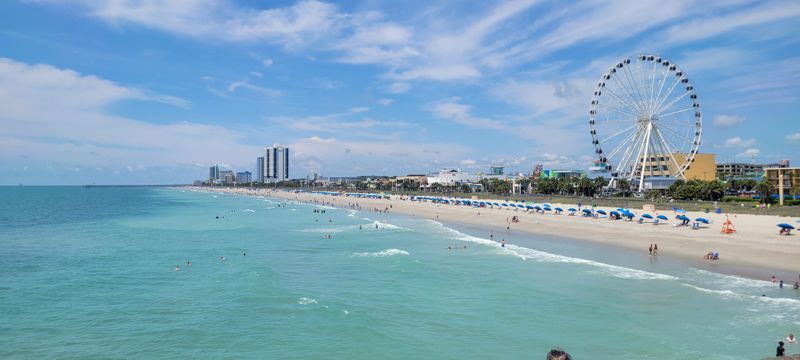
Myrtle Beach has transformed from a summer vacation spot into a year-round retirement destination. Census data shows rapid growth in the 65-plus segment, outpacing younger adult growth by a significant margin.
This coastal South Carolina city attracts boomers with its affordable beachfront living, mild winters, and endless entertainment options designed for older adults.
The appeal for retirees is obvious and powerful. Golf courses number in the dozens, restaurants offer early-bird specials everywhere, and the beach provides free entertainment year-round.
Housing costs remain reasonable compared to Florida, and South Carolina’s tax structure is favorable for retirees. Live entertainment theaters cater specifically to older audiences with nostalgic music and family-friendly comedy.
The healthcare infrastructure has expanded dramatically to serve the booming senior population, and social opportunities through clubs and organizations are abundant.
Millennials see Myrtle Beach as a place for family vacations, not career building. The economy revolves almost entirely around tourism, creating seasonal employment and low-wage service jobs with little advancement potential.
The cultural scene is geared toward families and retirees rather than young professionals. Housing costs have risen as boomers have flooded in, making affordability increasingly challenging for locals.
Charleston, about two hours south, offers better job diversity, cultural vibrancy, and career opportunities, pulling younger residents away. Myrtle Beach has successfully carved out its niche as a retirement paradise but has done so at the expense of economic diversity and millennial appeal.
Share this story