Europe is packed with bustling cities, but some of its most memorable spots are tiny towns that punch way above their weight. From Alpine villages mirrored in glassy lakes to medieval fortresses frozen in time, these small places deliver history, beauty, and charm in concentrated doses.
Whether you dream of storybook canals, cliffside fishing huts, or cobblestone lanes wrapped by ancient walls, this list will take you to corners of the continent where size doesn’t matter – only character does.
1. Hallstatt, Austria
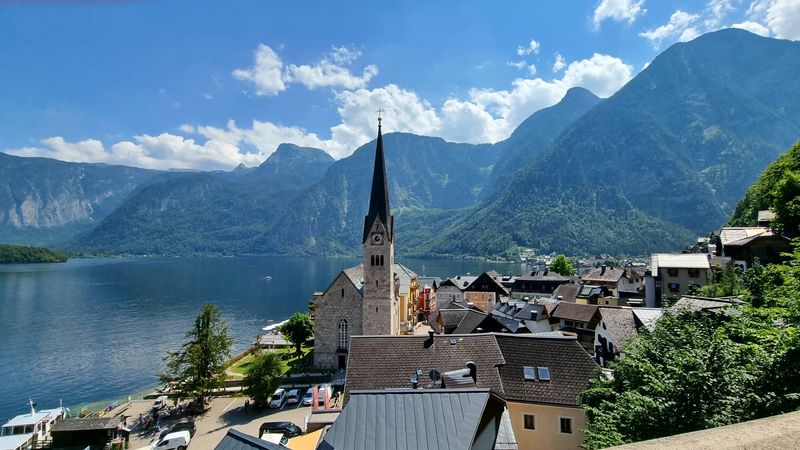
Wedged between towering mountains and a mirror-calm lake, Hallstatt feels like it was plucked from a fairy tale and dropped into the Austrian Alps. The town’s history runs deep—literally.
Salt mining here goes back thousands of years, and UNESCO recognizes the region for human activity that stretches into prehistoric times. Those ancient salt deposits built fortunes and shaped the landscape you see today.
Pastel houses line the waterfront, their reflections doubling in the lake on windless mornings. Narrow lanes twist upward from the shore, past flower boxes and wooden balconies that seem unchanged for centuries.
Every corner offers another postcard view, whether you’re gazing up at the peaks or down at the water.
Because of its beauty, Hallstatt can get crowded, especially in summer and on weekends. Arriving early in the morning or staying overnight lets you experience the town in quieter moments.
The lakeside path is perfect for a peaceful stroll, and the views from the Skywalk platform above town are worth the climb.
Hallstatt isn’t just pretty—it’s a living reminder of how geography and resources shape human settlement. The combination of natural drama and cultural heritage makes it one of Europe’s most iconic small towns.
2. Český Krumlov, Czechia
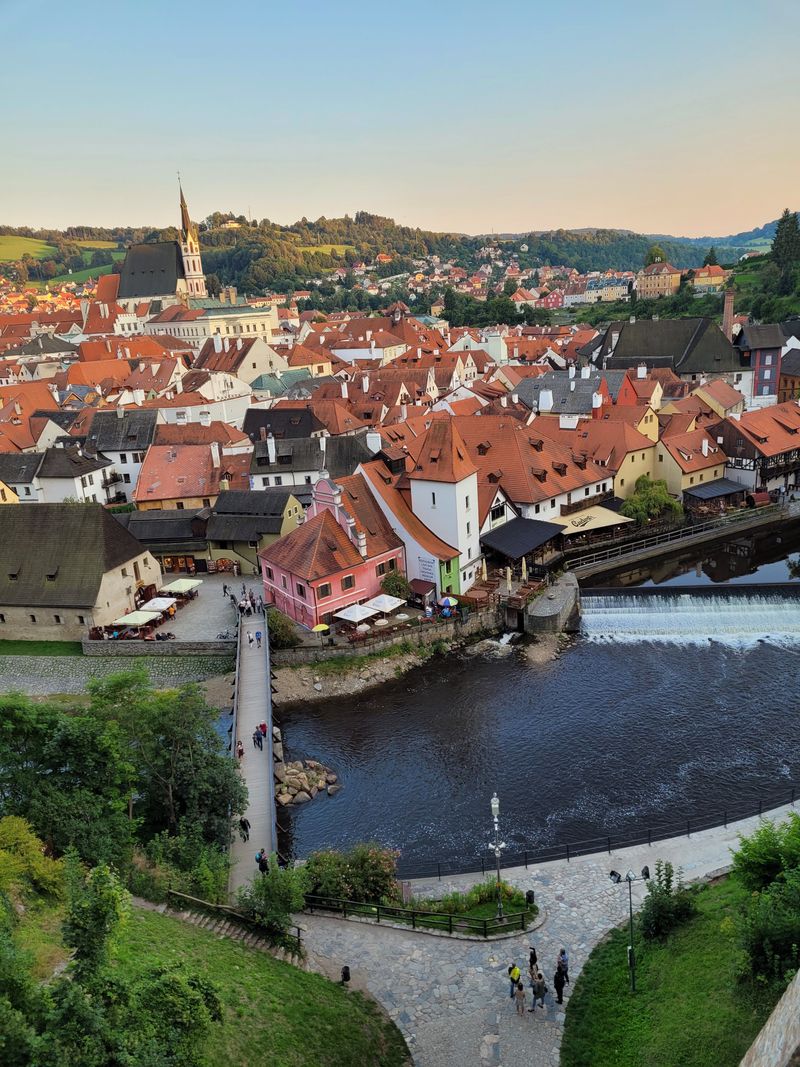
Wrapped in a horseshoe bend of the Vltava River, Český Krumlov looks like a medieval painting brought to life. The castle complex looms over red-tiled roofs, and the old town below has survived centuries with remarkably little change.
UNESCO highlights how this small Central European gem evolved peacefully over time, preserving its historic character without major disruption.
Wandering the cobbled streets feels like stepping back in time. Gothic, Renaissance, and Baroque buildings stand shoulder to shoulder, their facades painted in warm earth tones.
The town square buzzes with cafes and shops, but step into a side alley and you’ll find quiet courtyards and hidden gardens.
The castle itself is a major draw, with its painted tower visible from almost everywhere in town. Tours take you through grand halls, a Baroque theater, and gardens that stretch up the hillside.
If you visit in summer, check the schedule for open-air performances in the castle gardens—they’re magical.
Český Krumlov is small enough to explore in a day, but spending the night lets you enjoy the town after the day-trippers leave. Evening light on the river and castle creates scenes you won’t forget, and the town’s relaxed pace invites you to linger.
3. Rothenburg ob der Tauber, Germany
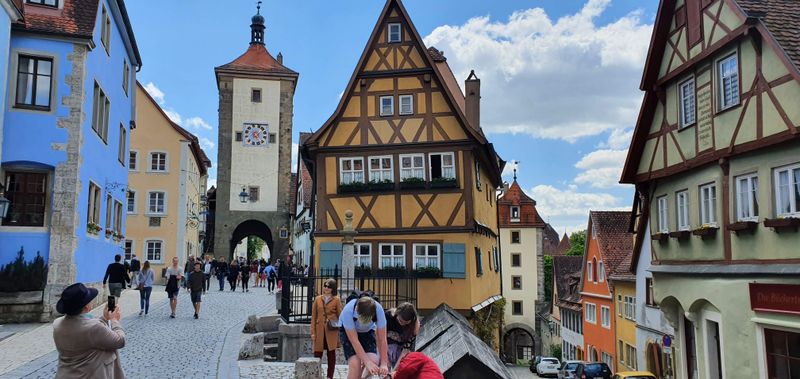
Walking the town wall in Rothenburg feels like patrolling a medieval fortress—because that’s exactly what you’re doing. This Bavarian gem is famous for its intact wall circuit, complete with towers, gates, and covered walkways.
The official tourism site proudly points to the Turmweg, a wall walk that circles the entire historic center and offers rooftop views at every turn.
Half-timbered houses lean over narrow lanes, their colorful facades creating a storybook atmosphere. The market square is anchored by the town hall, where you can climb the tower for even more sweeping views.
Every street corner seems designed for a photograph, and the town leans into its fairy-tale image without feeling overly touristy.
Rothenburg is especially enchanting during the Christmas season, when the famous Käthe Wohlfahrt Christmas store and seasonal markets draw visitors from around the world. But even in quieter months, the town retains its charm.
The Night Watchman tour is a fun, theatrical way to learn local history after dark.
Because Rothenburg is a popular stop on the Romantic Road tourist route, it can get busy during the day. Early mornings and evenings offer the best chance to enjoy the streets in peace and soak in the medieval ambiance without the crowds.
4. Colmar, France
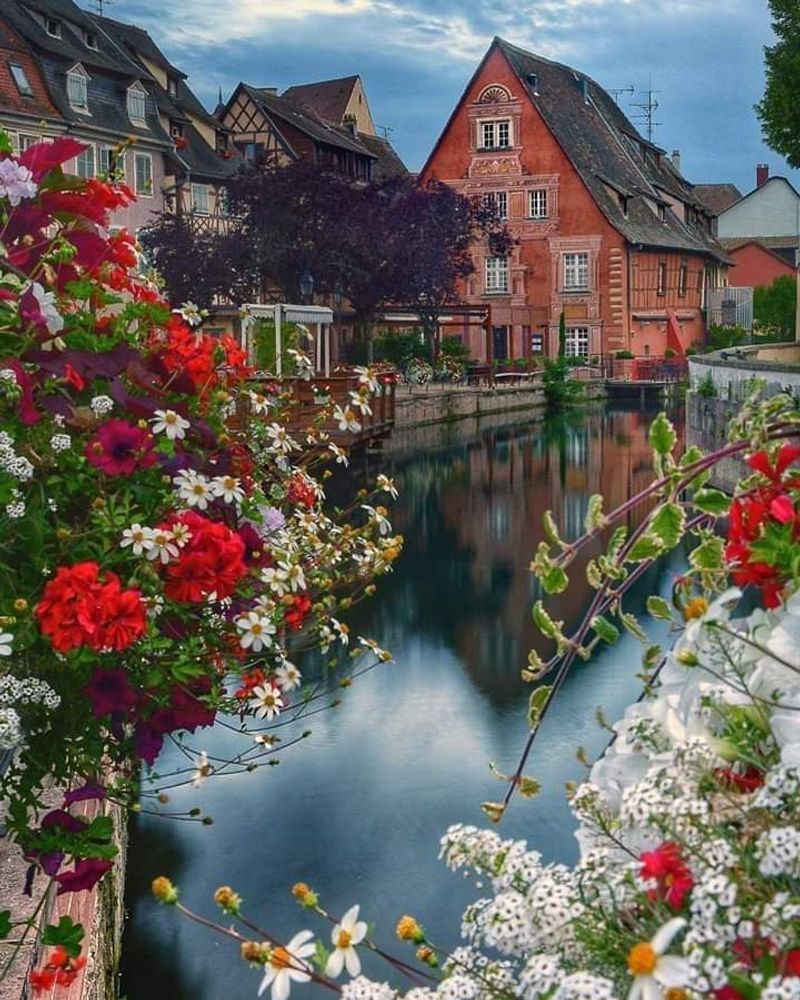
Colmar’s half-timbered houses look like they belong in an illustrated children’s book, with their slanted roofs, wooden beams, and flower-filled window boxes. Canals wind through the old quarter known as Little Venice, where pastel-painted buildings reflect in the water and stone bridges arch gracefully overhead.
France’s official tourism site specifically highlights these canals and timber-frame homes as the heart of Colmar’s romantic appeal.
Strolling through the old town is the main activity here, and it’s impossible to rush. Every street offers something worth stopping for—a bakery window filled with pretzels and kugelhopf, a courtyard fountain, or a gallery showcasing local art.
The architecture blends French and German influences, a reminder of Alsace’s complex history.
Colmar is also a gateway to the Alsace wine route, and many visitors use it as a base for exploring nearby vineyards. The town itself has excellent restaurants where you can sample regional specialties like tarte flambée and choucroute.
Pairing local Riesling with Alsatian cuisine is one of the simple pleasures that make Colmar memorable.
The town is compact and walkable, making it easy to see the highlights in a few hours. But the relaxed atmosphere and photogenic streets encourage you to slow down and savor the experience.
5. Giethoorn, Netherlands
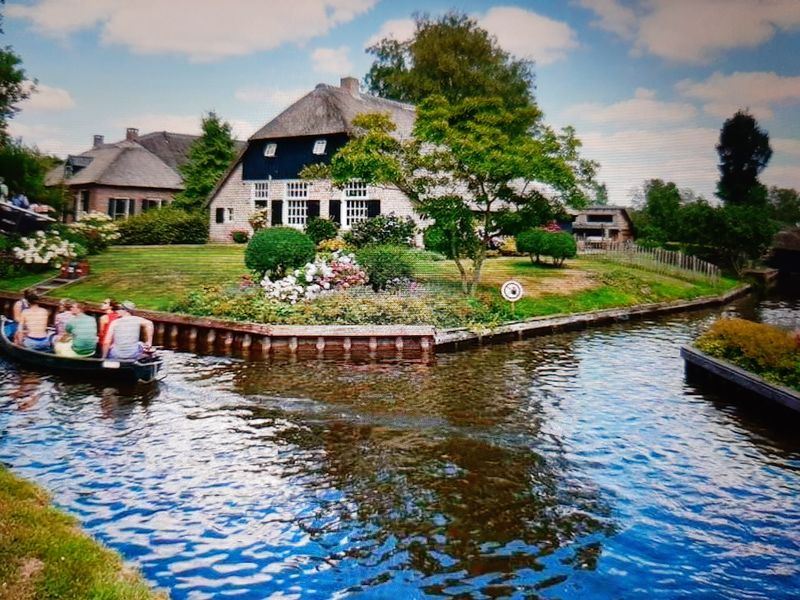
Giethoorn earned the nickname Venice of the North, but it’s quieter and greener than its Italian counterpart. National Geographic points out that the village core is effectively car-free, with no roads for vehicles—just canals, bike paths, and footbridges.
Residents and visitors get around by boat, bike, or on foot, creating a peaceful, almost timeless atmosphere.
Thatched-roof farmhouses line the waterways, surrounded by tidy gardens and wooden bridges. The main canal is wide and calm, perfect for renting a whisper boat (electric boat) and gliding past the houses at a leisurely pace.
It’s a uniquely Dutch experience, and the lack of engine noise makes it feel even more serene.
Cycling is another great way to explore Giethoorn and the surrounding countryside. Flat paths wind through fields and along smaller canals, offering views of windmills, grazing sheep, and endless Dutch skies.
The village is small, so combining a boat ride with a bike loop gives you a fuller picture of the area.
Giethoorn is a popular day trip from Amsterdam, so it can get busy in peak season. Visiting on a weekday or staying overnight gives you a better chance to enjoy the canals in peace and appreciate the village’s unique character without the crowds.
6. Bruges, Belgium
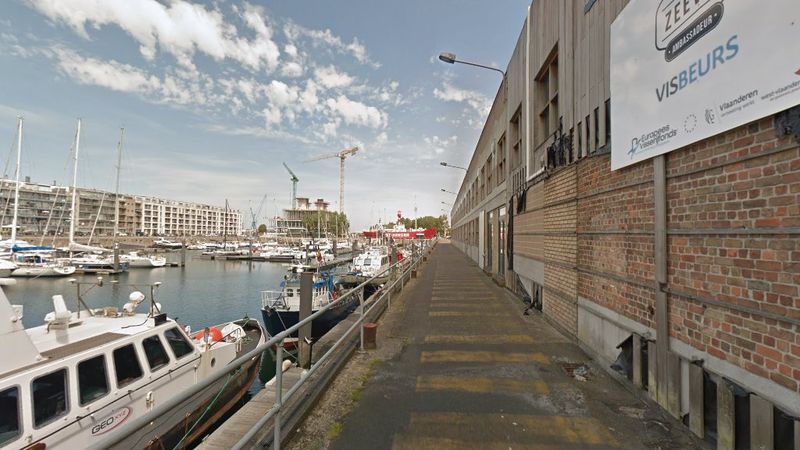
Bruges is the town that launched a thousand daydreams about medieval Europe. Its historic center is UNESCO-listed, celebrated for preserving its medieval character while evolving over centuries.
If you’ve ever imagined cobblestone streets, gabled houses, and canals framed by Gothic spires, Bruges delivers all of it in a compact, walkable package.
The Markt, or main square, is dominated by the towering Belfry, which you can climb for panoramic views over the red roofs and waterways below. Canals wind through the old town, crossed by stone bridges and lined with brick buildings that lean slightly with age.
Boat tours glide under low arches and past hidden courtyards, offering a different perspective on the city’s layout.
Bruges is also famous for chocolate, lace, and Belgian beer. Small shops sell handmade pralines and truffles, while cozy pubs serve abbey ales in the shadow of centuries-old churches.
The combination of history, craftsmanship, and culinary tradition makes Bruges feel both authentic and indulgent.
The town can get crowded, especially near the main square and popular canal spots. Exploring the quieter neighborhoods away from the center reveals residential streets and parks where locals go about their daily lives, offering a more relaxed side of Bruges that’s just as charming.
7. Sintra, Portugal
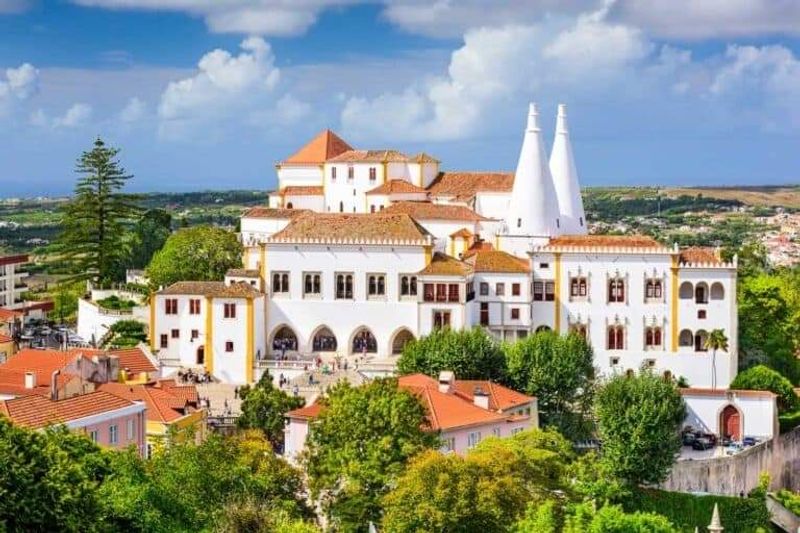
Sintra became a playground for European Romanticism in the 1800s, when kings and aristocrats built whimsical palaces and lush gardens in the misty hills above Lisbon. UNESCO highlights how Sintra’s architecture and landscape design influenced European tastes far beyond Portugal’s borders.
The result is a small town surrounded by some of the most imaginative and colorful buildings you’ll see anywhere.
Pena Palace is the star attraction, with its candy-colored towers and turrets perched high on a forested hill. The palace blends Moorish, Gothic, and Renaissance elements in a way that shouldn’t work but somehow does.
The surrounding park is filled with winding paths, exotic plants, and hidden viewpoints that reward exploration.
Sintra’s historic center is charming in its own right, with narrow streets, traditional pastry shops, and the former royal palace dominating the town square. Trying a travesseiro or queijada (local pastries) is practically mandatory, and the cool mountain air makes wandering the streets a pleasure even on hot days.
Because Sintra is close to Lisbon, it attracts many day-trippers. The town and palaces can feel crowded, especially at midday.
Arriving early, staying late, or even spending the night gives you more time to explore at your own pace and enjoy the magical atmosphere without the rush.
8. Bled, Slovenia
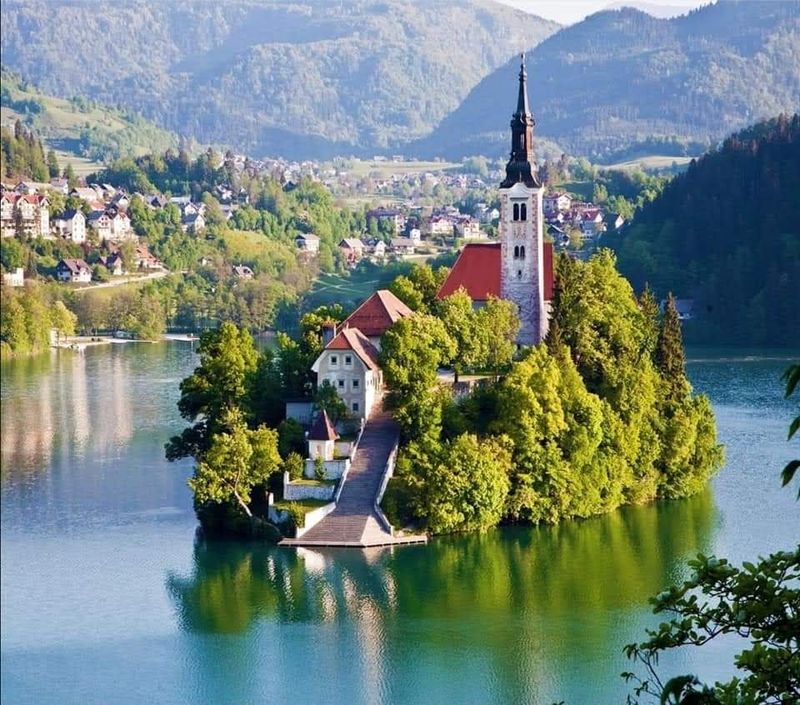
Bled’s glacial lake is one of those places that looks too perfect to be real, yet there it is—emerald water, a tiny island with a church, and a medieval castle clinging to a cliff above. A dedicated Bled travel site describes the lake as a glacial gem in the Julian Alps, with the island church and Bled Castle serving as the town’s signature sights.
Walking or cycling around the lake is the best way to take in the scenery from every angle. The full loop is about six kilometers and mostly flat, with benches and viewpoints along the way.
Traditional pletna boats ferry visitors to the island, where you can climb the church tower and ring the wishing bell—a ritual that’s both touristy and genuinely charming.
Bled Castle sits high on a rocky outcrop, offering sweeping views over the lake and surrounding mountains. The castle courtyard includes a small museum, a chapel, and a terrace restaurant where you can enjoy a meal with one of Europe’s best views.
Don’t leave town without trying kremšnita, Bled’s famous cream cake—rich, sweet, and perfectly indulgent.
Bled is a year-round destination. Summer brings warm weather and swimming, while winter can turn the landscape into a snowy wonderland.
No matter the season, the combination of natural beauty and postcard-perfect landmarks makes Bled unforgettable.
9. Mostar, Bosnia & Herzegovina
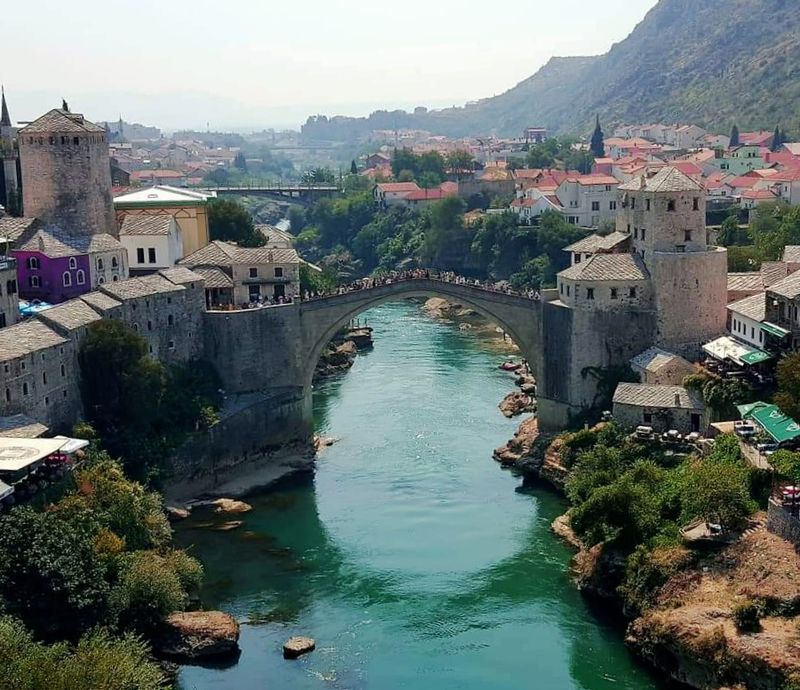
Mostar’s Old Bridge is one of the most recognized silhouettes in the Balkans—a graceful stone arch that leaps across the Neretva River, connecting two sides of a town with a complex history. UNESCO emphasizes the bridge’s symbolism: it represents reconciliation and coexistence after being rebuilt following its destruction in the 1990s.
The bridge isn’t just a landmark; it’s a statement.
The old town surrounding the bridge is a maze of cobbled lanes, Ottoman-era houses, and shops selling copper crafts and handwoven rugs. The river below is a striking turquoise, and in summer, local divers leap from the bridge in a tradition that draws crowds and cheers.
Watching a diver arc through the air and plunge into the water is a thrilling moment.
Mostar’s blend of East and West is visible everywhere, from the mosques and minarets to the cafes serving strong Bosnian coffee. The town’s history is layered and sometimes painful, but the resilience and warmth of its people shine through.
Conversations with locals often reveal stories of rebuilding and hope that add depth to any visit.
Mostar is small enough to explore in a few hours, but the atmosphere invites you to linger. Sunset on the bridge, with the call to prayer echoing across the valley, is a moment that captures the town’s unique spirit.
10. Kotor, Montenegro
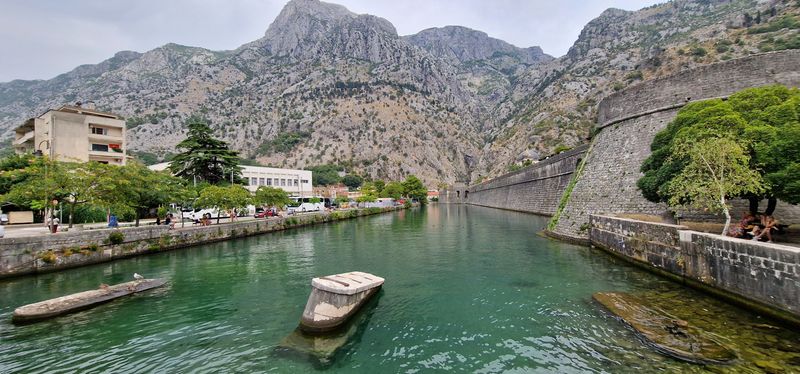
Kotor sits at the end of a deep fjord-like bay, where the Adriatic meets towering limestone cliffs. The UNESCO-listed old town is a tangle of medieval streets, Venetian palaces, and hidden squares, all enclosed by thick defensive walls.
UNESCO highlights the natural harbor and fortified townscape shaped by centuries of maritime trade and skilled craftsmanship. The setting alone makes Kotor unforgettable.
Climbing the fortress walls above town is a must-do, even though the 1,350 steps can be a workout. The views from the top are worth every step—looking down on the terracotta roofs, the shimmering bay, and the mountains beyond.
Early morning or late afternoon offers the best light and cooler temperatures for the climb.
Inside the old town, life unfolds at a relaxed pace. Cats lounge on sun-warmed stones, locals chat in doorways, and small restaurants serve fresh seafood and Montenegrin wine.
The blend of Venetian, Byzantine, and Balkan influences is visible in the architecture, and every corner reveals another photogenic detail.
Kotor is a popular cruise ship stop, so the town can feel crowded when ships are in port. Visiting in the evening or staying overnight lets you experience the old town in a quieter, more authentic light, when the day-trippers have left and the magic really comes alive.
11. Sighișoara, Romania
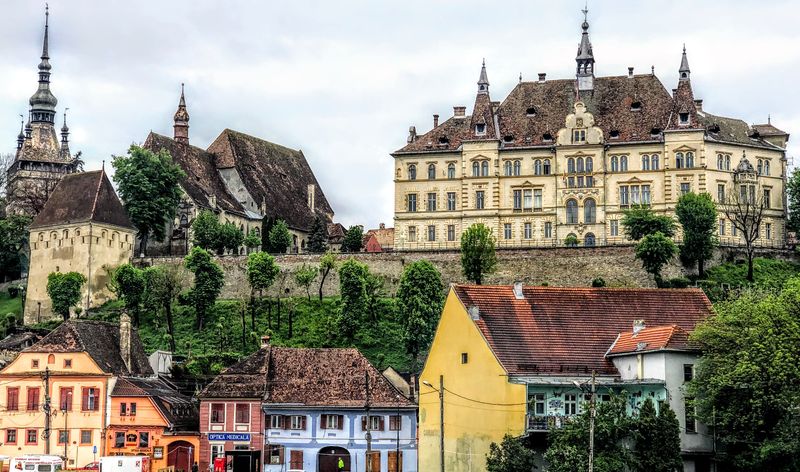
Sighișoara is one of the best-preserved medieval towns in Europe, and UNESCO describes it as a fine example of a small fortified settlement founded by Saxon craftsmen and merchants. The town played a strategic and commercial role for centuries, and that history is still visible in its towers, walls, and cobbled streets.
Walking through the old citadel feels like entering a living museum.
The Clock Tower dominates the skyline, its colorful roof tiles and wooden figurines marking the hours. Climbing to the top rewards you with views over the rooftops and surrounding hills.
The citadel’s steep lanes are lined with pastel-painted houses, artisan workshops, and small cafes where you can rest and take in the atmosphere.
Sighișoara is also known as the birthplace of Vlad the Impaler, the historical figure who inspired Dracula legends. His former house is now a restaurant, and while the connection is played up for tourists, it adds an intriguing layer to the town’s story.
Beyond the Dracula angle, Sighișoara’s real charm lies in its authenticity and preserved medieval character.
The town is quieter and less touristy than some other European medieval destinations, which makes it feel more genuine. Locals still live and work inside the citadel walls, and the pace of life is unhurried, giving visitors a chance to experience history without the crowds.
12. Alberobello, Italy
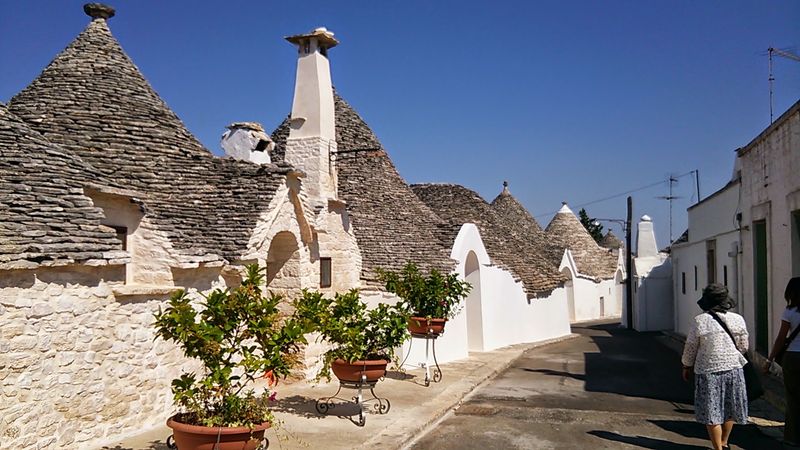
Alberobello is famous for one thing: trulli. These whitewashed stone huts with conical roofs dot the hillsides, creating a landscape unlike anywhere else in Europe.
UNESCO recognizes the town for its remarkable concentration of trulli—over 1,600 surviving examples—and the preserved layout of the historic quarters. The structures are built using a dry-stone technique, with no mortar holding the stones together.
Walking through the Rione Monti and Aia Piccola districts feels like stepping into a fairy tale. The trulli cluster together along narrow lanes, their roofs decorated with painted symbols that once held religious or mystical significance.
Some have been converted into shops, restaurants, and guesthouses, while others remain private homes where families still live.
The origins of the trulli are debated, but one popular theory suggests they were designed to be quickly dismantled to avoid taxes. Whatever the reason, the result is an architectural tradition that has survived for centuries and remains a source of local pride.
Visiting a trullo interior reveals surprisingly cool, thick-walled spaces perfectly suited to the hot Puglian climate.
Alberobello can get busy with tour groups during the day, but the town takes on a quieter, more magical quality in the early morning or evening. Staying overnight in a trullo is a unique experience and gives you time to explore the town at your own pace.
13. Manarola, Italy
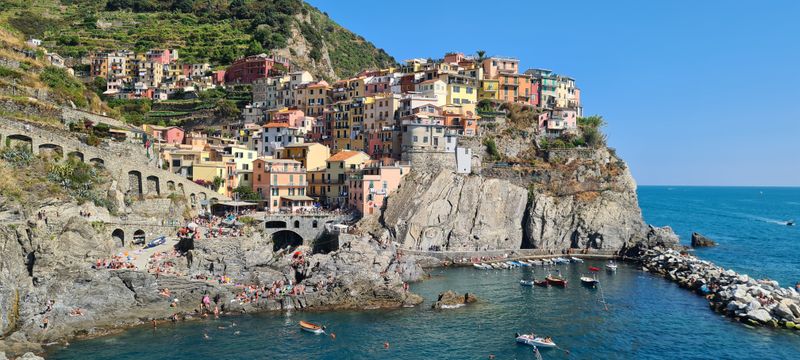
Manarola clings to the cliffs of the Italian Riviera like it’s defying gravity. As one of the five villages of Cinque Terre, it’s part of a UNESCO-listed cultural landscape celebrated for the way small towns were built into steep Ligurian terrain.
The colorful houses seem to stack on top of each other, rising from the rocky shore to the hillside vineyards above.
The main street winds through the village, lined with seafood restaurants, gelato shops, and tiny groceries selling local pesto and wine. At the bottom, a small harbor and swimming area offer a place to dip into the clear Mediterranean water.
The views from the harbor, looking back at the village, are postcard-perfect—especially at sunset when the buildings glow in warm light.
Hiking is a big part of the Cinque Terre experience, and the trail connecting Manarola to the other villages offers stunning coastal views. The Via dell’Amore, a famous clifftop path, has been partially closed for repairs, but other trails remain open and equally scenic.
The terraced vineyards above town produce a sweet dessert wine called Sciacchetrà, worth trying if you get the chance.
Manarola is small and can feel crowded, especially when cruise passengers and day-trippers arrive. Early morning or late evening offers the best chance to enjoy the village’s beauty in a more peaceful setting, with fewer people and softer light.
14. Óbidos, Portugal
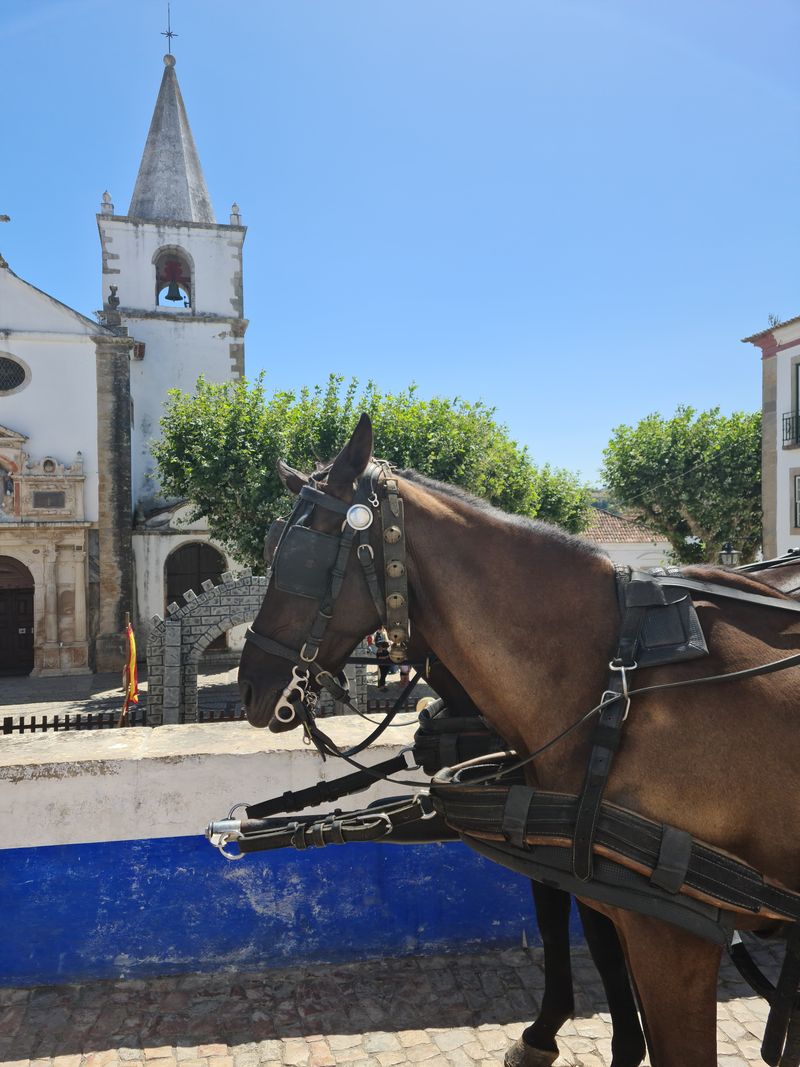
Óbidos sits on a hilltop, wrapped in medieval walls that you can walk along for a bird’s-eye view of the town and surrounding countryside. Portugal’s official tourism site describes it as one of the most characteristic and well-preserved medieval towns in the country, and that reputation is well earned.
The whitewashed houses, narrow lanes, and fortress walls create a scene that feels frozen in time.
Entering through the main gate, you step onto cobbled streets lined with shops selling ceramics, textiles, and the local cherry liqueur, ginjinha, often served in edible chocolate cups. The town is small enough to explore in an hour or two, but the charm of the place encourages you to slow down and wander without a set plan.
The castle at the top of the town has been converted into a luxury hotel, but non-guests can still admire the exterior and walk sections of the surrounding walls. The views from the ramparts stretch over terracotta roofs, olive groves, and distant hills, offering a sense of the strategic importance this hilltop once held.
Óbidos hosts a famous medieval fair each summer, where the town transforms into a living history festival with costumes, jousting, and market stalls. Even without the fair, the town’s preserved character and relaxed atmosphere make it a delightful stop on any tour of central Portugal.
15. Reine, Norway
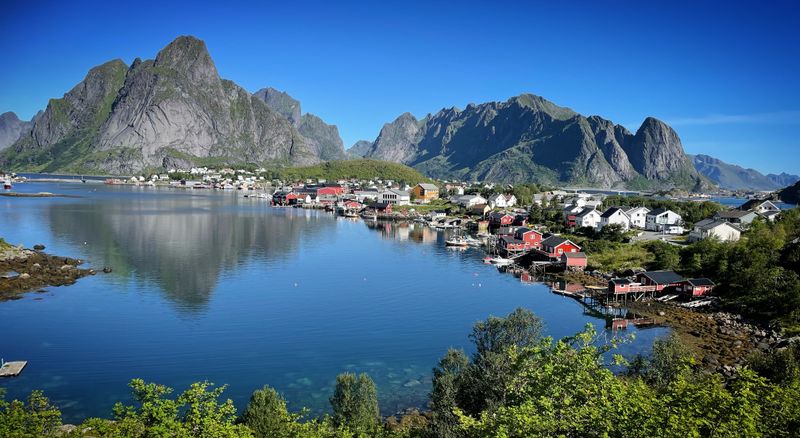
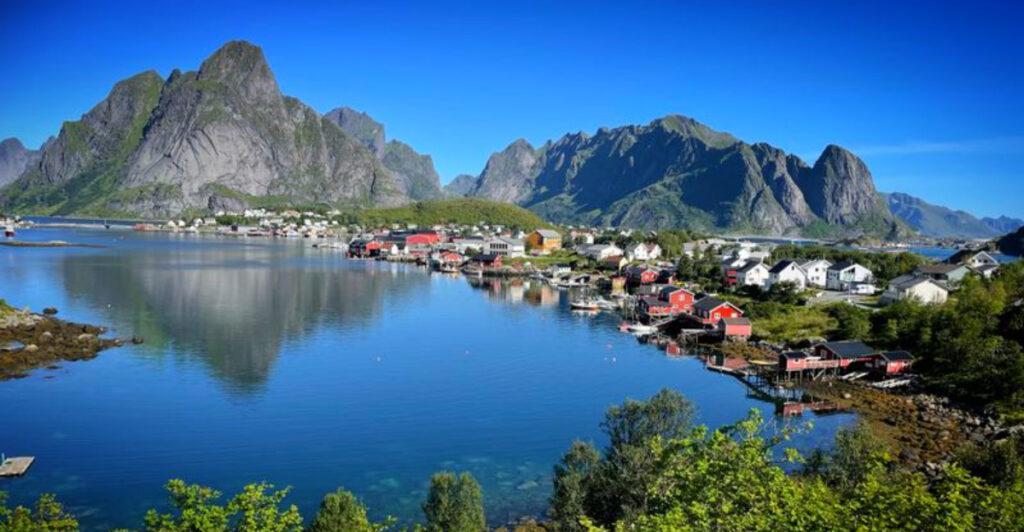
Reine is a tiny fishing village in Norway’s Lofoten Islands, where jagged peaks rise straight from the sea and red wooden cabins (rorbuer) dot the shoreline. Visit Lofoten describes Reine as an active little fishing village and one of the most beautiful places in Norway—a bold claim in a country known for dramatic scenery, but one that’s hard to argue with when you see it in person.
The village is small, with just a few hundred residents, but the setting is epic. Mountains tower over the water on all sides, their slopes streaked with snow even in summer.
The traditional rorbuer, once used by fishermen, are now rented out to visitors seeking an authentic Lofoten experience. Staying in one puts you right on the water, with views that never get old.
Fishing remains central to life in Reine, and you’ll see drying racks for stockfish (dried cod) lining the shore. Hiking trails lead up into the surrounding peaks, offering panoramic views over the fjords and islands.
The Reinebringen hike is steep but rewards climbers with one of the most photographed vistas in Norway.
Reine is accessible year-round, and each season offers something different. Summer brings the midnight sun and endless daylight, while winter offers a chance to see the northern lights dancing over the peaks.
No matter when you visit, Reine delivers raw natural beauty in a small, unforgettable package.
Share this story