Flagstaff surprises you the moment the pines rise and the air turns crisp at 7,000 feet. Forested trails, star soaked skies, and Route 66 neon mix into a city that feels adventurous yet cozy.
You get small town walkability with big sky wonder and serious history, from Pluto’s discovery to railroad roots. Ready to lace up, look up, and roll along the Mother Road in one unforgettable loop?
International Dark Sky City Designation
Flagstaff wears its International Dark Sky City status like a quiet crown, and you feel it the second the stars switch on. Streetlights are thoughtfully shielded, neighborhoods dim with purpose, and the Milky Way stretches like a river you can almost cup in your hands.
You step outside and look up, and suddenly the city feels like an observatory without walls.
What makes it special is how accessible the darkness is. You do not have to drive far to find velvet skies, yet even in town, constellations snap into focus more than you expect.
The community treats darkness as a shared resource, so lighting policies keep glare low and stargazing high.
It changes nightly rituals. Evening walks become sky tours, smartphones turn into star maps, and you notice seasonal shifts as Orion gives way to Scorpius.
If you have ever wondered what a truly dark sky feels like, Flagstaff invites you to experience it fully, safely, and often.
Lowell Observatory
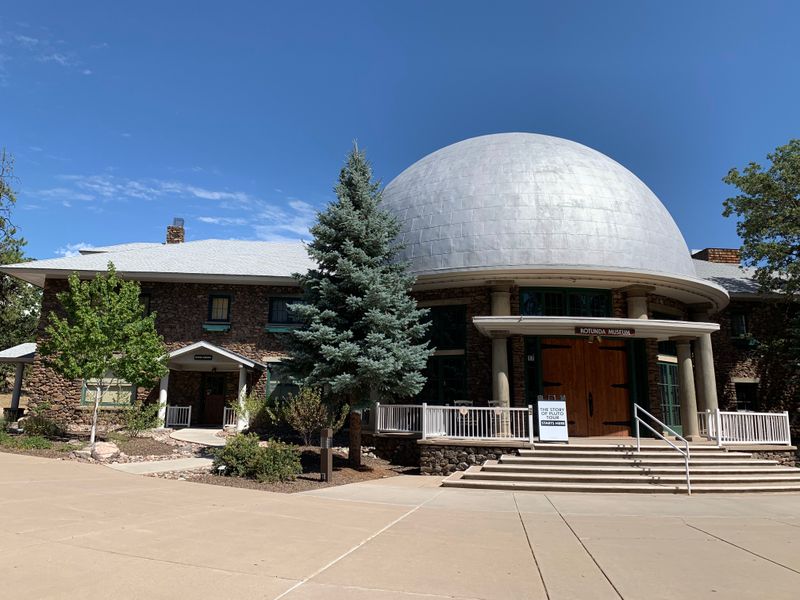
Lowell Observatory sits above town with a timeless hush, where domes gleam and history lingers in every rustle of pines. Founded in 1894, it is one of America’s oldest observatories, still welcoming curious minds to peer through world class instruments.
You wander the campus and feel both the past and the future breathing together.
Exhibits draw you into planetary science, while guided programs turn technical details into stories that stick. The Clark Telescope, with its elegant mechanics, feels almost like stepping into a novel.
When the night programs begin, the staff’s enthusiasm makes the stars feel personal.
You can stand where astronomers refined techniques, debated ideas, and changed how we think about our solar system. The observatory balances rigorous research with approachable outreach, so you learn without feeling lectured.
It is a place where wonder gets permission to stay, night after night.
Pluto’s Discovery Near Lowell
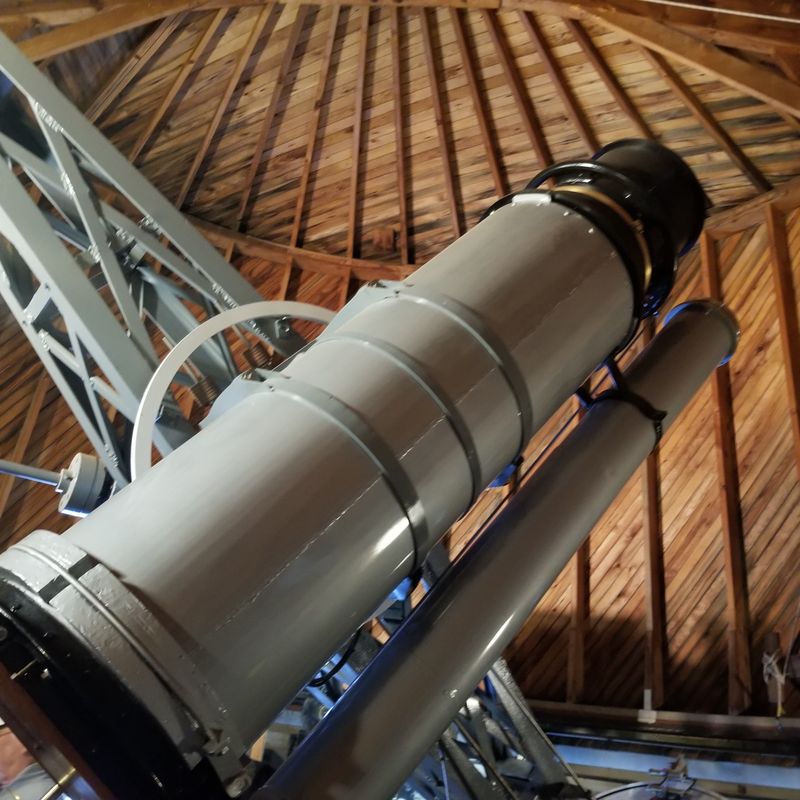
Near these domes, a quiet revolution happened in 1930. Clyde Tombaugh’s meticulous comparisons of sky plates revealed a tiny wanderer, later named Pluto, shifting between specks of starlight.
You can almost hear the soft click of the blink comparator and feel the moment the heavens yielded a secret.
Flagstaff’s streets hold pride in that discovery, not as a museum piece but as living heritage. Exhibits explain the hunt, the errors, and the triumph, showing how patience and craft still matter.
You leave understanding that science is not only equipment, but disciplined curiosity practiced night after night.
Whether you follow debates about planet status or not, the story lands. It is proof that a small city can shape big ideas, and that careful observation still breaks ground.
You look up afterward, half expecting another speck to whisper a new chapter.
Historic Route 66 Through Downtown
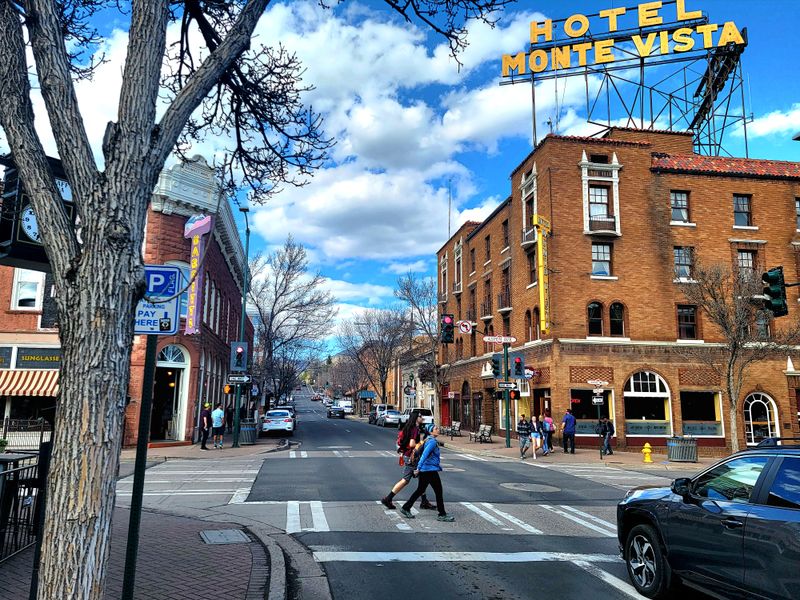
Route 66 threads right through downtown Flagstaff, stitching neon, brick, and railroad rhythm into a walkable strip. You catch the flicker of classic motel signs, murals splashed with Americana, and the steady beat of boots on old sidewalks.
It feels like a postcard that never stopped being mailed.
Shops and cafes lean into the Mother Road’s nostalgia without getting kitschy. There are honest burgers, modern coffee, vinyl spinning, and Navajo jewelry cases that glint like traffic lights at dusk.
The trackside cadence of freight trains adds an unscripted soundtrack.
As night settles, windows glow and conversations spill onto the streets. You can trace relics from the early 20th century while sipping a local brew, or chase down a milkshake after gallery browsing.
It is a corridor where memories keep pace with the present, mile by mile.
Ponderosa Pine Forest
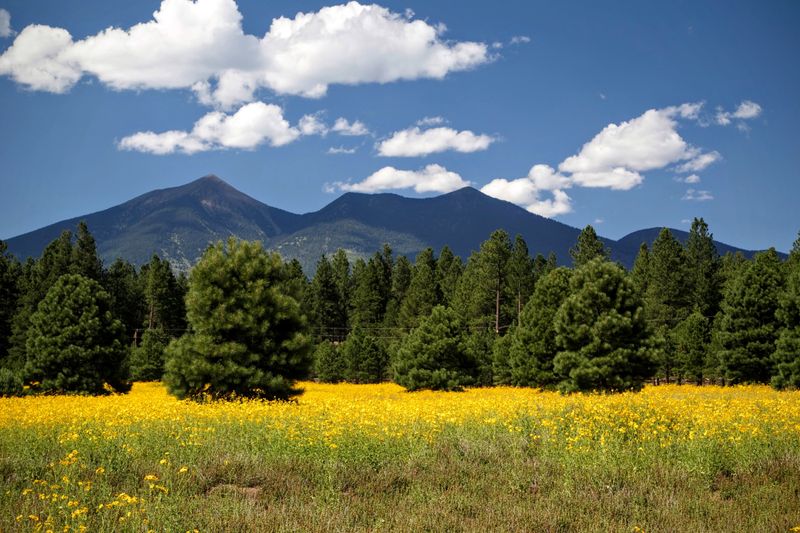
Flagstaff sits inside the largest contiguous stand of ponderosa pines on Earth, and the scent is almost a welcome mat. Vanilla notes drift from sun warmed bark as wind threads gently through the crowns.
You step onto a soft needle floor and the city suddenly exhales.
Trails weave easy grades, perfect for morning jogs, midday dog walks, or long contemplative loops. The forest changes tone with the light, from gold tipped sunrise to blue shadowed dusk.
Wildlife sign appears quietly, from flicker calls to elk tracks stamped like punctuation.
Unlike desert images many expect from Arizona, this is green, shady, and cool. Summer heat feels tempered, winters hush the branches, and shoulder seasons invite long rambles.
It is a living cathedral that makes you slow down, inhale, and listen for your own footsteps.
San Francisco Peaks and Humphreys Peak
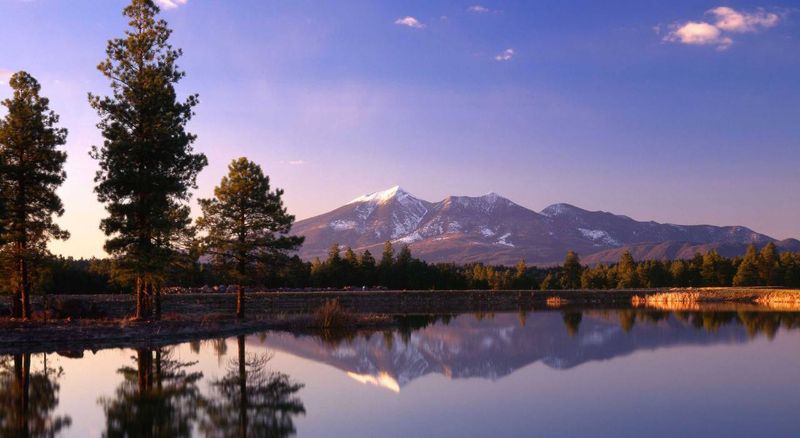
The San Francisco Peaks hold your gaze from almost anywhere in town, a jagged skyline with Humphreys Peak topping the state. Trails climb from aspen glades to alpine tundra, where each breath reminds you of the 12,000 plus foot reality.
You hike slow, steady, and rewarded with horizons that unravel for counties.
On crisp mornings, light scrapes across volcanic ridges, picking out cinder and meadow. Switchbacks test legs, but wildflowers and patchwork forests distract beautifully.
At the summit, wind speaks in short sentences, and every direction is a map you can read without words.
This is Flagstaff’s mountain heart, visible at breakfast and still calling by afternoon. Whether you bag the peak or picnic beneath it, the Peaks shape weather, moods, and weekend plans.
They are a compass needle that always points to adventure.
Sunset Crater Volcano National Monument
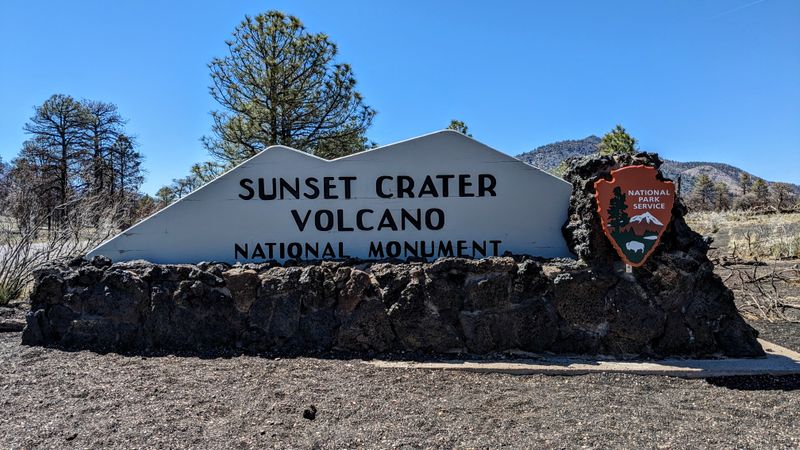
Just outside town, Sunset Crater Volcano spreads black cinders and lava waves like frozen surf. Trails crunch underfoot, and red hued slopes glow when evening light tips over the cone.
You move through a young landscape, geologically speaking, shaped a mere millennium ago.
The contrast is striking. Ponderosa edges give way to ash and sparse hardy plants, showing resilience in real time.
Interpretive signs translate the eruption’s story without overtalking the mystery that still hangs in the air.
It is a quick drive yet a different planet vibe. Photographers chase textures, families count colors in rocks, and night sky fans savor dark horizons nearby.
You leave with cinder dust on your shoes and the sense that Earth is still practicing new ideas.
Vibrant Historic Downtown
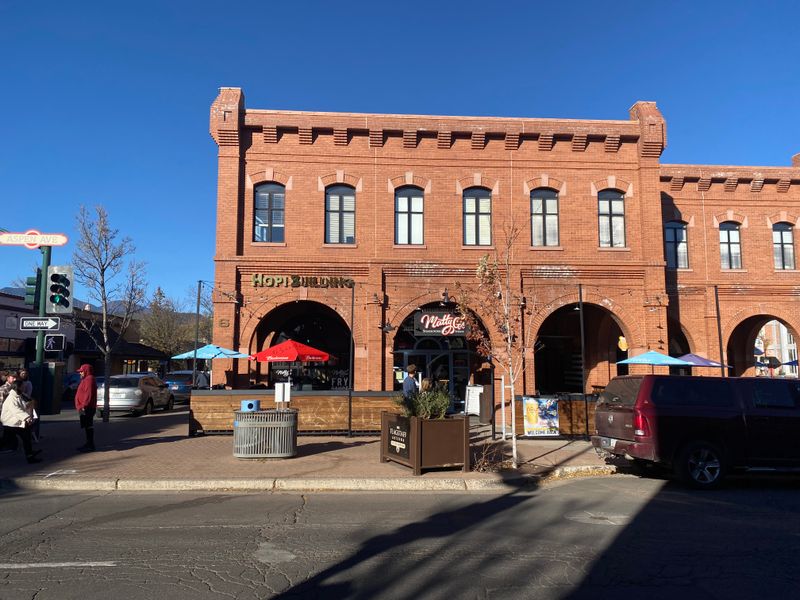
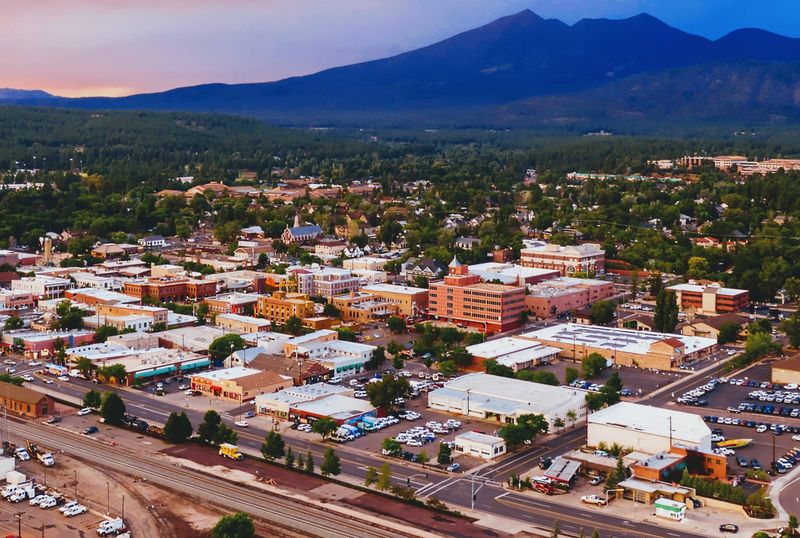
Downtown Flagstaff is compact and lively, a grid of brick, art, and patios that make lingering easy. You can bounce from gallery to bookstore to brewery without ever losing sight of the Peaks.
Sidewalk musicians and chalkboard menus keep the mood friendly and spontaneous.
Local makers fill shelves with wood, wool, and copper. Coffee shops double as community hubs where trail maps share table space with laptops.
As evening lands, string lights flicker on and conversations stretch comfortably across table edges.
This district is a daily ritual, not a staged set. You will find real errands next to real treats, and locals shoulder to shoulder with visitors.
Walk slow, look up at the facades, and let serendipity pick your next doorway.
Railroad Heritage and Depot
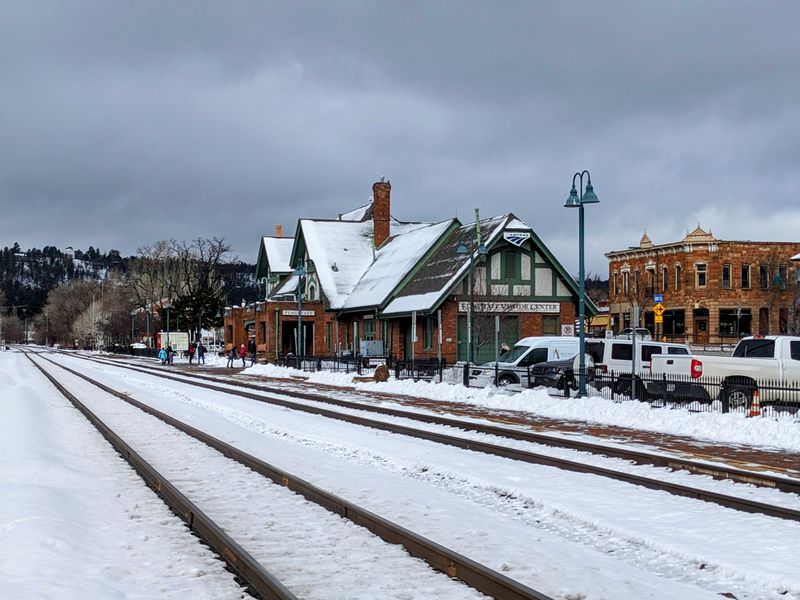
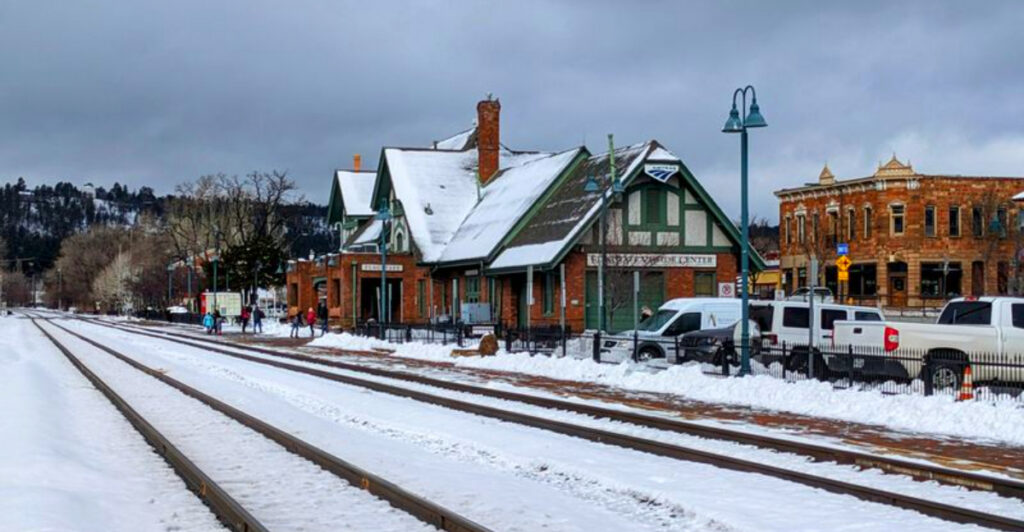
Flagstaff grew up with the railroad’s whistle, and the depot still anchors that story along the tracks. You can watch long freights slide by, counting cars like a meditative exercise.
The station’s architecture and exhibits nod to the era when timetables set the town’s pulse.
Rail lines brought timber, travelers, and a link to distant markets, shaping neighborhoods and livelihoods. Today, Amtrak still stops, connecting the past to the present in a very literal way.
Standing on the platform, you feel how movement built this place.
The railroad pairs naturally with Route 66 just steps away. It is easy to imagine early tourists stepping off trains to find motor courts and neon.
If the mountains are Flagstaff’s skyline, the rails are its underline, crisp and steady.
High Elevation Seasons and Climate
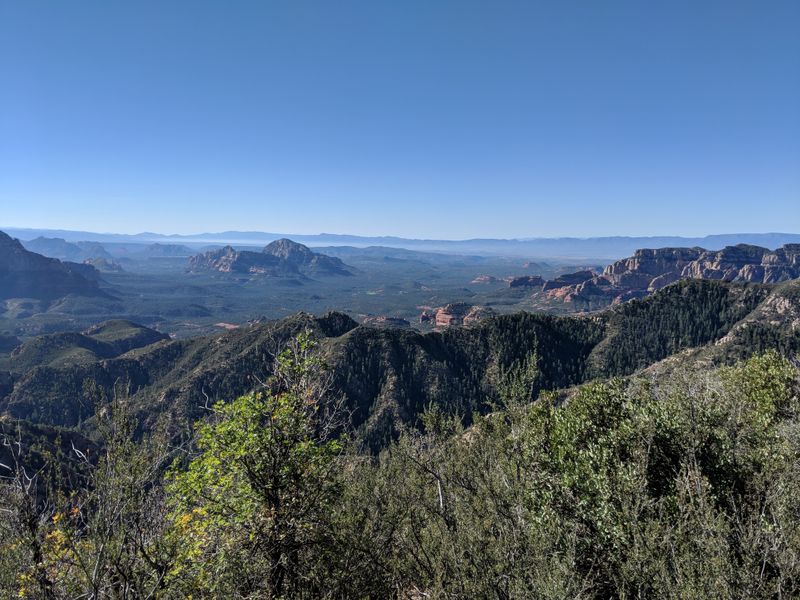
At about 7,000 feet, Flagstaff’s air feels lighter and the seasons draw bolder lines. Winter can drop quiet snow, spring coaxes aspen leaves like coins, and summer stays pleasantly cool.
By fall, golden patches spill down hillsides and sweaters finally see daylight.
That altitude shapes everything from trail choices to coffee orders. Hydration matters, sun hats matter, and weather can pivot with quick confidence.
You learn to love layers, to stash gloves, and to plan mornings for long efforts.
The reward is variety. A single year can hold powder mornings, patio afternoons, and leaf peeping weekends.
If you crave four distinct chapters in Arizona, Flagstaff turns the pages at just the right speed.
The Arboretum at Flagstaff
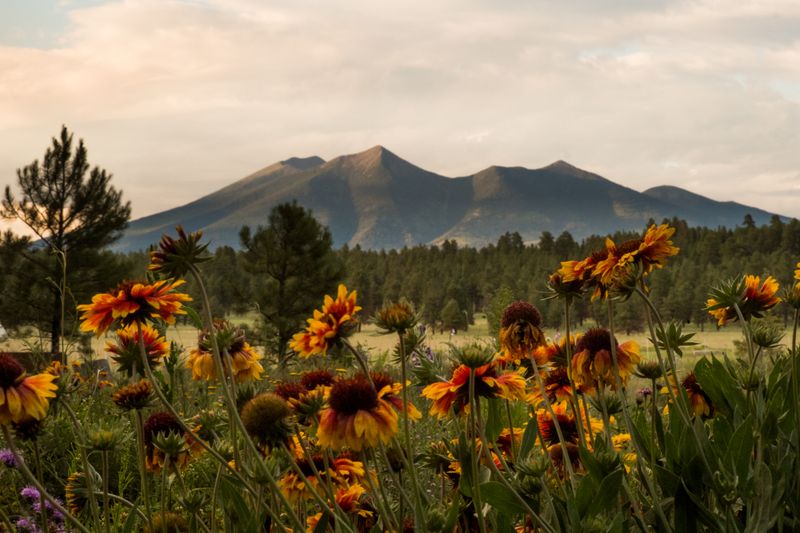
The Arboretum at Flagstaff gathers the Colorado Plateau’s plant stories in one peaceful loop. You wander past beds labeled with species that thrive at altitude, each plot a small lesson in resilience.
More than 2,500 species create a mosaic of color, texture, and pollinator buzz.
Trails slip from meadow to pine fringe, with viewpoints framing the Peaks like a painting. Seasonal blooms bring repeat visits, and workshops turn botany into a hands on adventure.
Kids chase butterflies while gardeners swap tips in the shade of greenhouse roofs.
It is quietly spectacular. You leave noticing more along every trail afterward, suddenly fluent in sage and penstemon.
The arboretum helps you read the landscape, and once you can read it, you never stop.
Buffalo Park Trails and Vistas
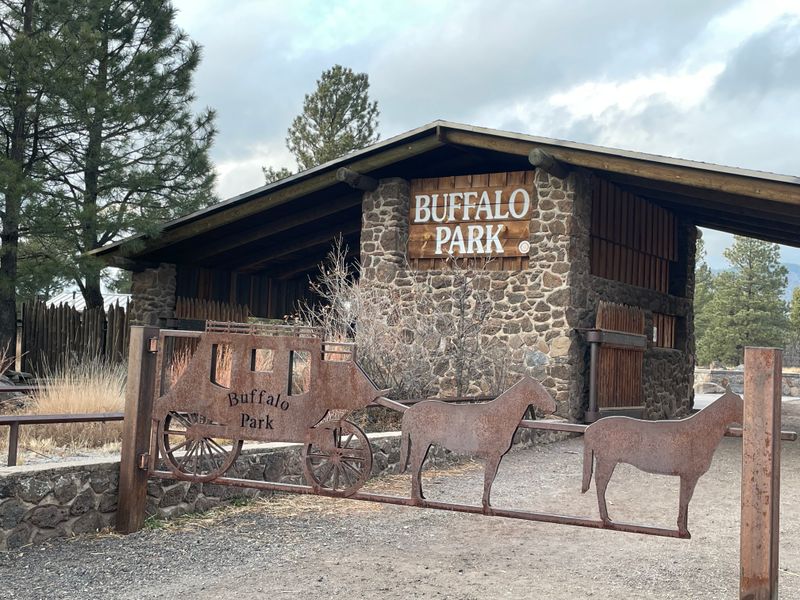
Buffalo Park is the easy button for Flagstaff views, a broad meadow loop with the Peaks staged perfectly. You can run, stroll, push a stroller, or stretch while clouds skitter overhead.
The wood entrance arch frames every entry like a photograph waiting to happen.
Wildflowers lace the path in season, and pronghorn occasionally flash far off like fast punctuation. Benches invite unhurried conversations, while sunrise regulars claim the best light.
Even quick laps deliver oversized scenery and a clear head.
Because it is central and open, the park becomes a habit. You find yourself returning for daily movement, then staying to watch shadows slide across the mountains.
When you want Flagstaff at a glance, this is the lens.
Nearby Wonders: Walnut Canyon, Wupatki, and Grand Canyon Region
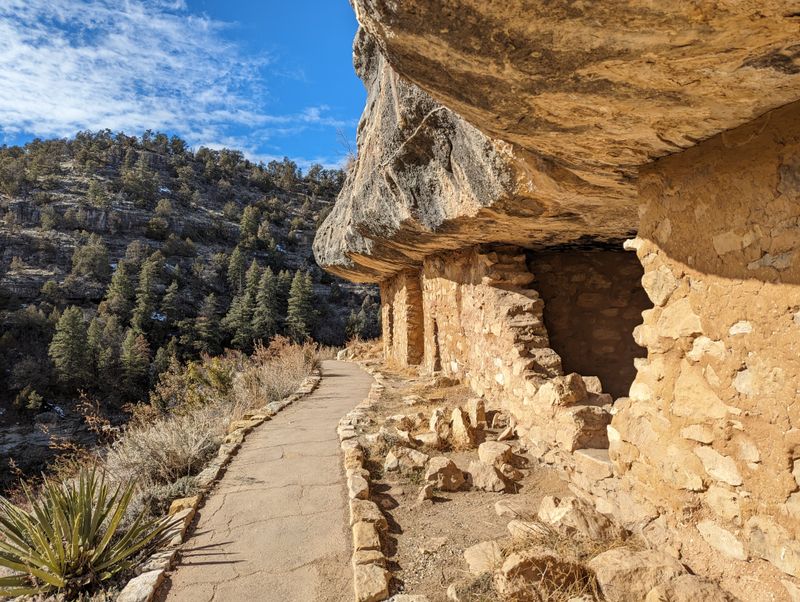
Flagstaff sits like a hub with spokes reaching remarkable landscapes in short drives. Walnut Canyon’s cliff dwellings stitch culture into stone, while Wupatki’s pueblos rise from red earth with stark elegance.
Beyond, the broader Grand Canyon region pulls the horizon open with impossible depth.
This proximity reshapes weekends. You can sip coffee downtown, then stand in a thousand year old room before lunch.
By sunset, a canyon rim might have turned lavender as ravens trace thermals with quiet grace.
The trick is choosing, not finding options. Pack water, respect sites, and give each place time to speak.
Flagstaff makes it easy to balance city comforts with wide angle wonder, day after day.
Route 66 Murals and Public Art
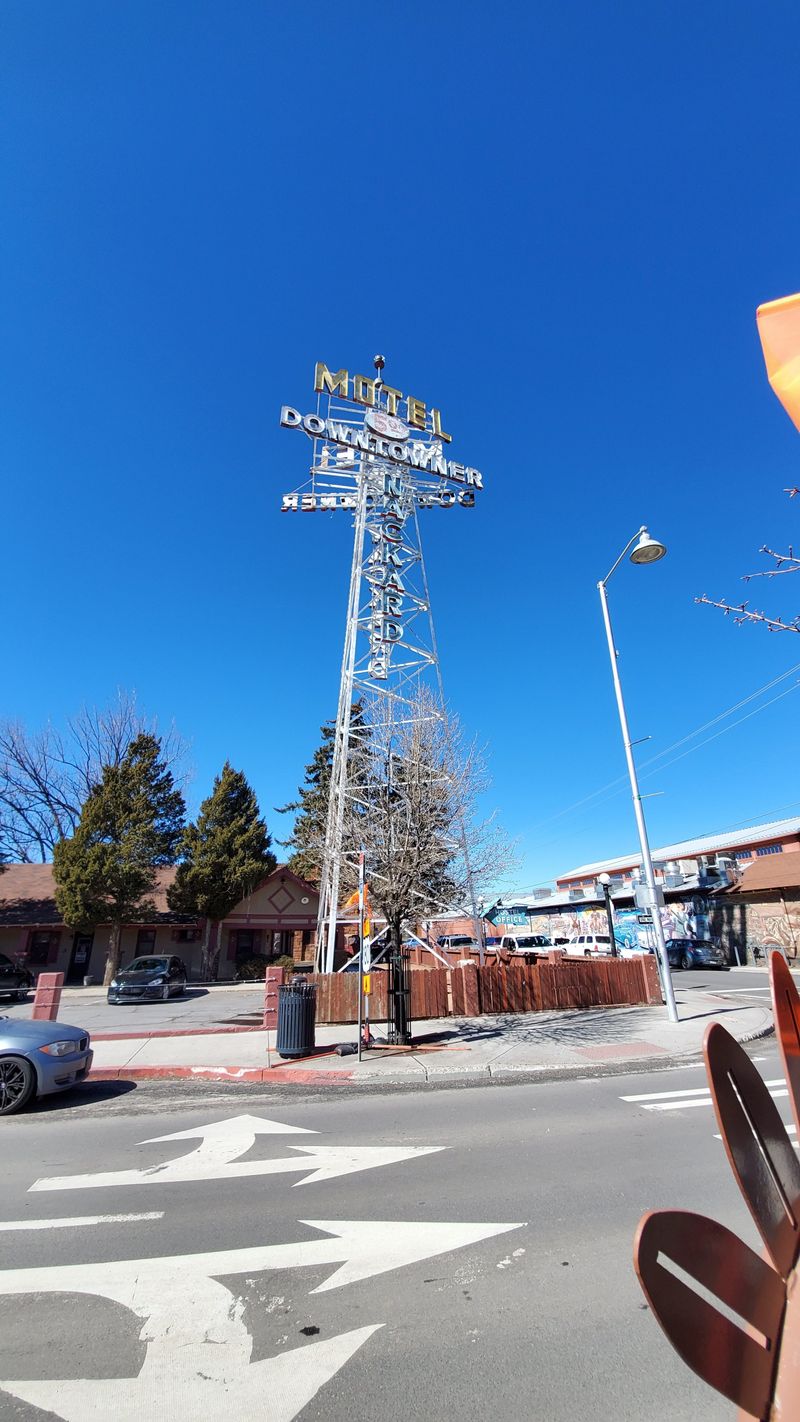
Murals wind along Flagstaff’s walls like a second Route 66, telling stories in paint and light. You spot chrome fins, neon arrows, and mountain silhouettes blending into bold Americana.
The art invites selfies, sure, but it also invites you to linger and listen.
Public pieces pop up near cafes and alleys, creating a scavenger hunt you complete by accident. Each mural feels like a handshake with the past, updated with today’s palette.
Kids point out details adults might miss, and everyone leaves with a favorite panel.
As daylight shifts, colors shift too, and night adds neon glow to the narrative. The city celebrates its Mother Road roots without getting stuck, using art to keep things moving.
Bring a camera, bring a friend, and let the sidewalks be your gallery map.
Dark Sky Photography Spots: Lake Mary Road and Beyond
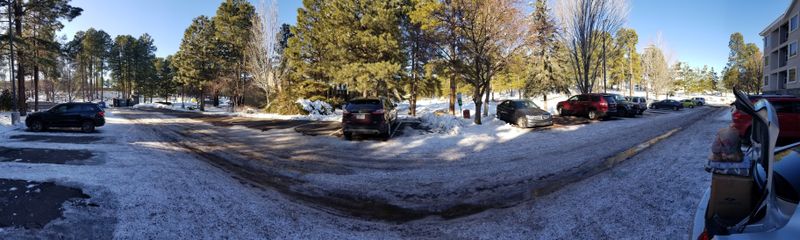
If you chase stars with a camera, Flagstaff gives you friendly coordinates. Lake Mary Road offers mirror calm water for Milky Way reflections, while pullouts keep you safely off traffic.
Sunset Crater areas turn into quiet studios where the sky does most of the composing.
Pack a tripod, dress warm, and let eyes adjust before clicking. Red headlamps protect night vision and courtesy for fellow shooters.
On new moon nights, you will hear shutters whispering like crickets across the dark.
The joy is how approachable it all feels. Even beginners come away with keepers, while veterans dial in foregrounds and timing.
With dark skies as your collaborator, the stars become more than subjects, they become conversation partners.
City of Flagstaff Overview
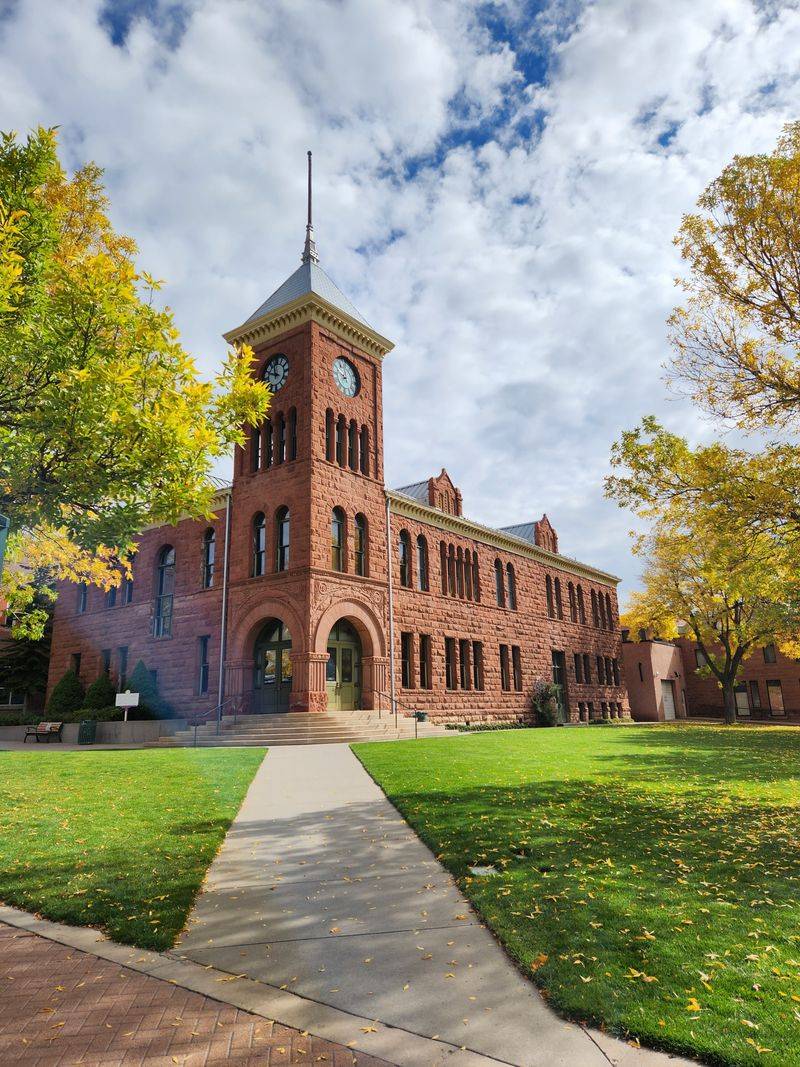
Flagstaff is a mountain city wrapped in pines, with a downtown heartbeat and a horizon stitched by peaks. It balances university energy, railroad cadence, and outdoor culture in easy proportions.
You can read its story in tree rings, timetables, and telescope domes.
The location is everything. From here, day trips reach canyons, pueblos, volcanoes, and lakes, while evenings return you to patios and music.
High altitude adds cool summers and honest winters, plus skies that invite looking up.
What you find most is coherence. Trails connect neighborhoods, history connects storefronts, and stars connect conversations.
If Arizona has many faces, Flagstaff is the one smiling through pine scented air.
Share this story