Walking from Africa to Russia sounds like the kind of adventure you’d see in a movie, but it’s technically possible if you follow the right roads and borders. The route spans more than 20,000 kilometers, crossing deserts, mountains, war zones, and some of the most extreme climates on Earth.
Despite being one of the longest continuous land journeys you can make on foot, no verified person has ever completed it from start to finish.
1. Cape Town, South Africa
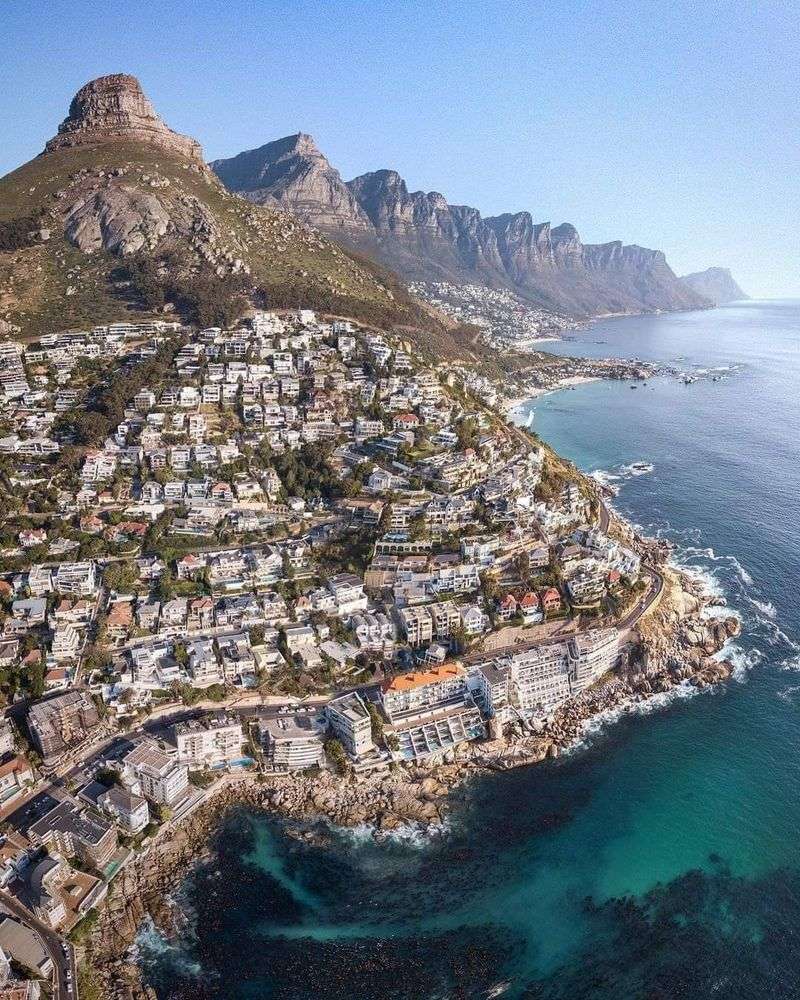
Perched at the southern tip of the African continent, Cape Town offers breathtaking coastal views and a vibrant urban landscape. Walkers beginning this epic journey here will start along well-maintained roads that hug the Atlantic shoreline.
The city itself is modern, with access to supplies, medical care, and a community of adventurers who understand the pull of the open road.
Once you leave the urban sprawl behind, the terrain shifts quickly. Rolling hills and vineyard-covered valleys give way to increasingly arid landscapes.
The infrastructure remains relatively strong in the Western Cape, but the psychological weight of knowing you have thousands of kilometers ahead can be daunting from day one.
Weather in Cape Town is mild compared to what lies ahead, but summer heat can still be intense. Coastal winds provide some relief, but dehydration becomes a real concern as you move inland.
Many who dream of this walk never make it past the first few hundred kilometers.
Starting here means committing to months, possibly years, of walking. The southern tip is symbolic, a place where oceans meet and continents begin.
It’s both a romantic and sobering launch point for an unfinished journey.
2. The Karoo (South Africa)
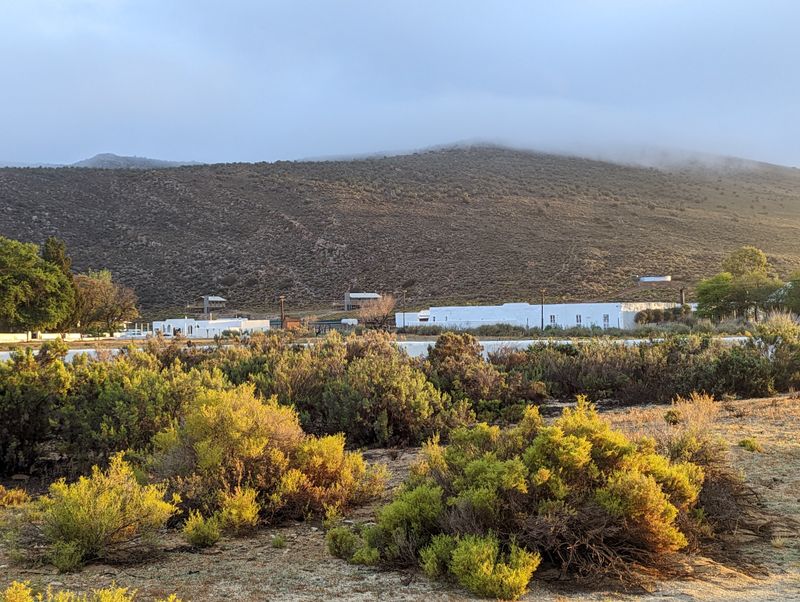
Stretching across the interior of South Africa, the Karoo is a semi-desert region that tests even seasoned travelers. Temperatures soar during the day and plummet at night, creating a brutal cycle that drains energy and morale.
Water sources are few and far between, and the landscape feels endless, with flat horizons that seem to mock your progress.
Small towns dot the region, but they can be 50 to 100 kilometers apart. Carrying enough water becomes a logistical puzzle, and resupply points require careful planning.
The Karoo’s beauty is stark and minimalist, with scrubby vegetation and wide-open skies, but its harshness is unforgiving.
Wildlife here includes snakes, scorpions, and insects that thrive in the heat. Nights can be eerily silent, with only the wind for company.
Many walkers find the isolation mentally exhausting, as the monotony of the landscape wears down their resolve.
This section is where the romanticized idea of the journey meets reality. The Karoo doesn’t care about your dreams or determination.
It simply exists, vast and indifferent, waiting to see if you’ll push through or turn back.
3. Botswana
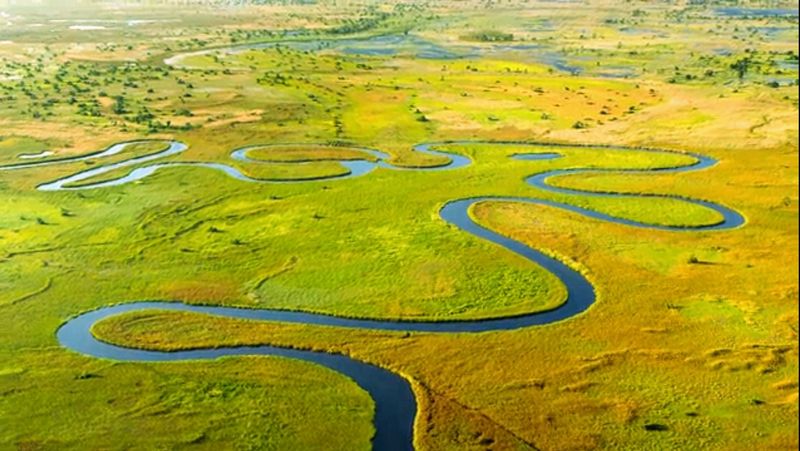
Botswana greets walkers with flat, open landscapes that stretch endlessly in every direction. The country is sparsely populated, with long stretches of road where you might not see another person for hours.
Wildlife is abundant in certain areas, particularly near the Okavango Delta, but most of the walking route follows quiet highways through scrubland.
The heat here is relentless, especially during the dry season. Shade is rare, and the sun beats down with intensity that makes every step feel heavier.
Villages offer brief respite, with small shops and friendly locals who are often curious about foreign travelers on foot.
Road conditions vary, but many sections are paved and relatively easy to navigate. The challenge is more mental than physical in Botswana.
The sameness of the scenery can lull you into a trance, and the lack of dramatic landmarks makes it hard to measure progress.
Botswana is also politically stable and safe, which is a relief after some of the more volatile regions further north. Walkers can focus on the physical demands of the journey without worrying about security.
Still, the sheer distance and monotony make this a tough leg of the route.
4. Zimbabwe
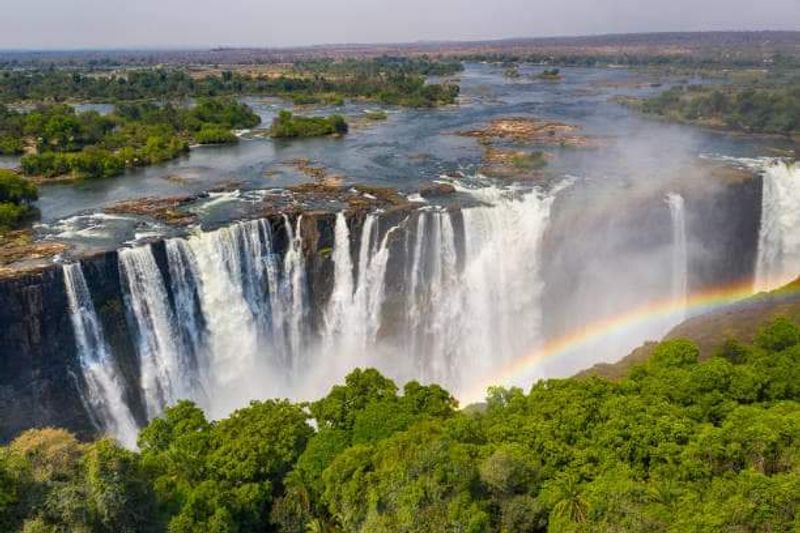
Crossing into Zimbabwe brings a noticeable change in scenery. The flat expanses of Botswana give way to rolling hills, river valleys, and patches of lush vegetation.
The landscape feels more alive, with farms, villages, and signs of human activity becoming more frequent.
River crossings become a regular feature of the route. Some are bridged, while others require creative problem-solving or detours.
The climate is warmer and more humid than the dry regions to the south, and walkers need to adjust to the increased moisture in the air.
Zimbabwe’s infrastructure has seen better days, but the roads are generally passable. Local communities are welcoming, though economic challenges mean resources can be limited in rural areas.
Walkers need to carry supplies and plan carefully for resupply points.
The country’s natural beauty is a welcome change after the monotony of the desert. Victoria Falls, one of the world’s most famous waterfalls, lies near the northern border and serves as a symbolic milestone.
For those still on the journey, Zimbabwe offers a brief moment of inspiration before the challenges of East Africa loom ahead.
5. Zambia
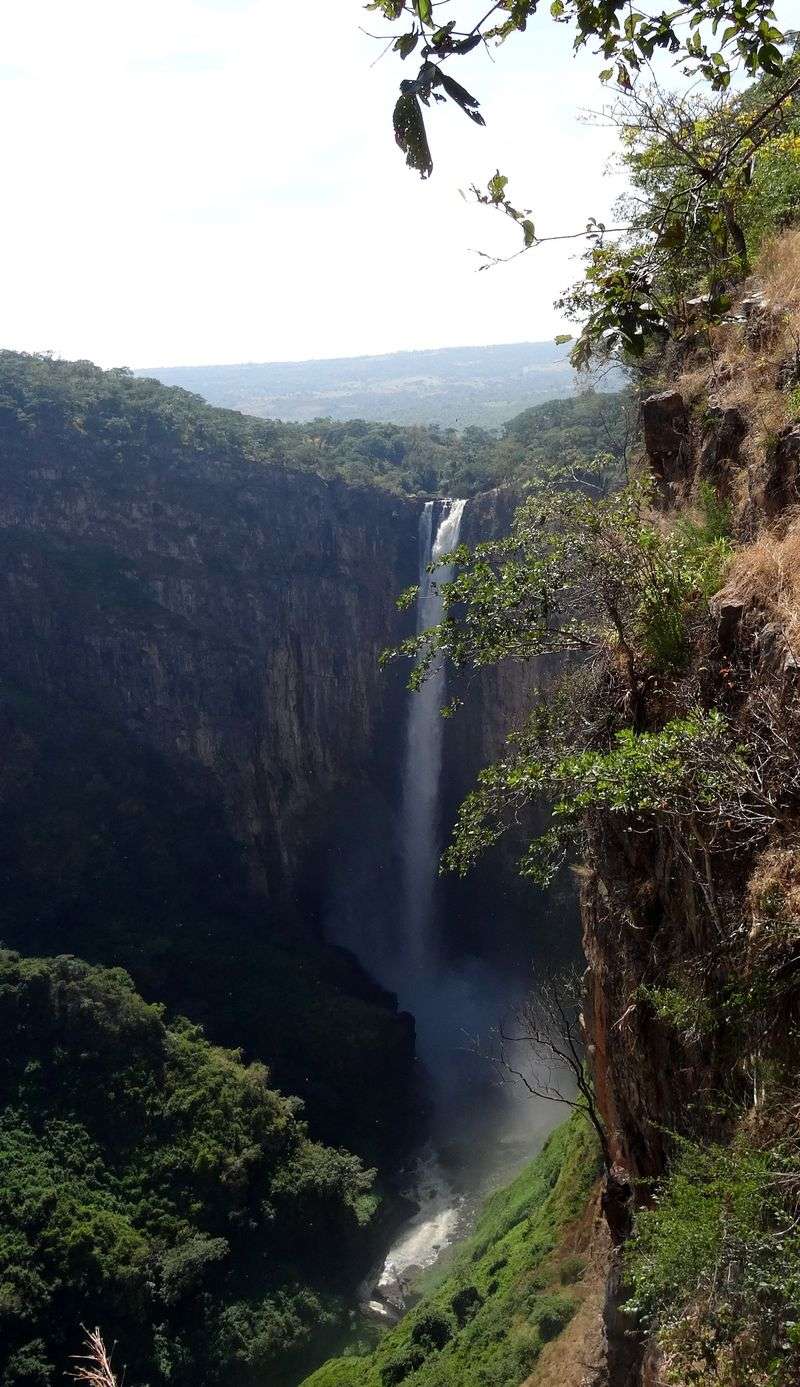
Zambia’s rural roads wind through a landscape shaped by rivers, forests, and seasonal rains. The rainy season can turn dirt roads into muddy quagmires, making walking difficult and sometimes impossible.
Timing your journey through Zambia is crucial, as the wrong season can add weeks of delays.
Villages are more frequent here, and the population is generally friendly and curious about travelers. However, infrastructure is patchy, and medical facilities are limited outside major towns.
Walkers need to be self-sufficient and prepared for emergencies.
River systems dominate the geography, and crossing them can be a logistical challenge. Some rivers have ferries or bridges, while others require hiring a local boat or finding a shallow crossing point.
The humidity and heat can be oppressive, and insect-borne diseases like malaria are a constant concern.
Zambia is a country of contrasts, with stunning natural beauty alongside significant poverty. Walkers often find themselves humbled by the resilience of local communities.
The journey through Zambia is as much about human connection as it is about physical endurance, offering lessons in gratitude and perspective.
6. Tanzania
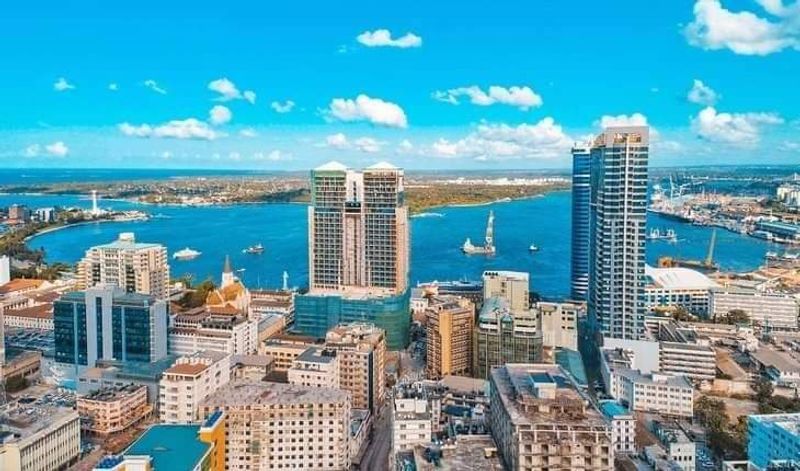
Tanzania’s savannas and agricultural regions create a diverse walking environment. The route passes through areas where wildlife roams freely, and walkers need to stay alert for elephants, lions, and other animals.
Remote stretches alternate with populated corridors, offering a mix of solitude and social interaction.
The terrain is generally flat to gently rolling, with occasional hills and river valleys. Roads vary in quality, with some sections paved and others little more than dirt tracks.
The climate is hot and humid, especially near the coast, and rain can be frequent during certain times of the year.
Tanzania is a large country, and crossing it on foot takes weeks or even months. The Serengeti and other famous parks lie to the west of the main route, but walkers still encounter plenty of wildlife.
Nights can be tense, as the sounds of the bush remind you that you’re not alone out here.
Local communities are generally welcoming, though language barriers can be a challenge. Swahili is widely spoken, and learning a few phrases goes a long way.
Tanzania offers a taste of East Africa’s beauty and complexity, preparing walkers for the tougher terrain ahead.
7. Kenya
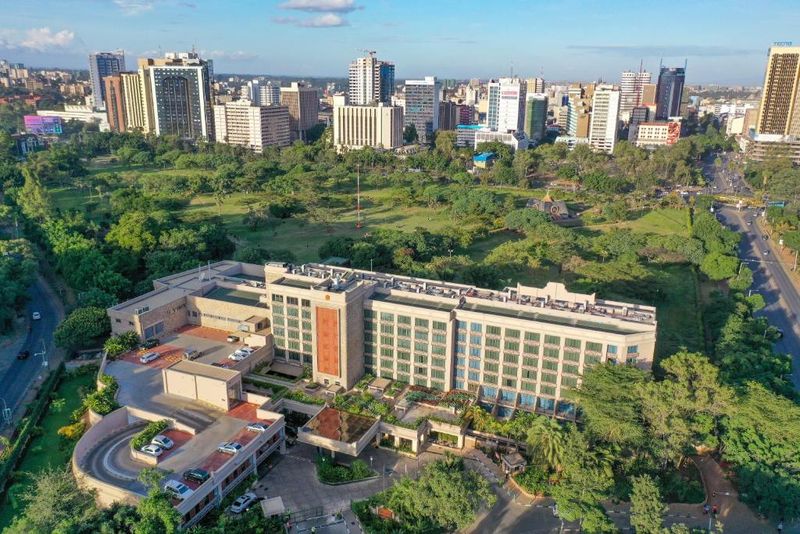
Kenya’s highlands bring a welcome change in elevation and climate. The air is cooler and fresher, and the landscape is dotted with farms, forests, and bustling market towns.
The route passes through areas of stunning natural beauty, including the Great Rift Valley, which offers dramatic views and challenging terrain.
Wildlife regions are a major feature of Kenya, and walkers need to be cautious. Elephants, buffalo, and predators are common in certain areas, and it’s not always possible to avoid them.
Local guides or armed rangers are sometimes necessary for safe passage through national parks.
The infrastructure in Kenya is relatively good compared to other African countries on the route. Roads are often paved, and towns have supplies, medical facilities, and communication networks.
However, the highlands also bring steep climbs and descents that test your physical fitness.
Nairobi, Kenya’s capital, is a major milestone on the journey. It’s a modern city with all the amenities a weary walker could need.
For many, reaching Nairobi feels like a significant achievement, though it’s still only a fraction of the total distance to Russia.
8. Ethiopia
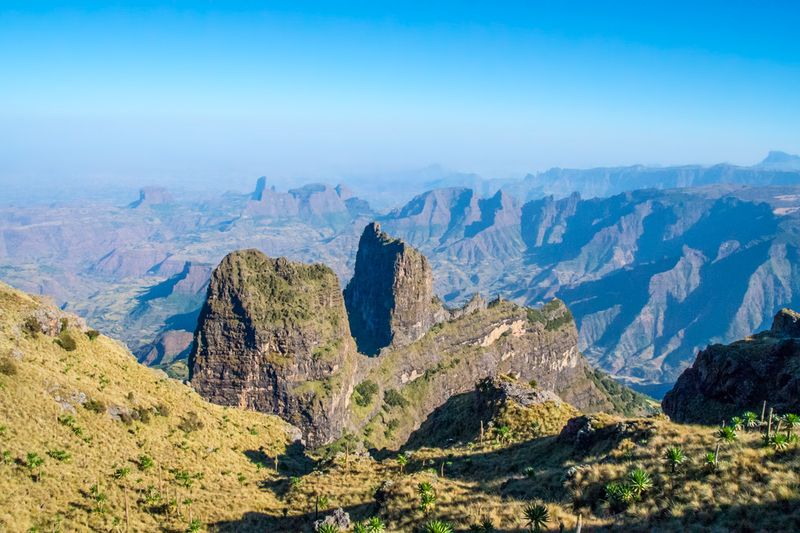
Ethiopia’s highlands are among the most challenging sections of the entire route. The terrain is rugged and mountainous, with steep climbs and descents that can take days to navigate.
Elevation gains are sustained and brutal, leaving even fit walkers gasping for breath in the thin mountain air.
The landscape is breathtaking, with dramatic cliffs, deep valleys, and ancient churches carved into rock faces. Ethiopia’s cultural heritage is rich and unique, and walkers often find themselves welcomed into communities with warmth and curiosity.
However, the remoteness of many areas means supplies are limited and medical help is far away.
Weather in the highlands can be unpredictable. Mornings might be cool and misty, while afternoons bring intense sun.
Rain is common during certain seasons, turning trails into slippery, treacherous paths. The altitude can also cause health issues, and acclimatization is essential.
Ethiopia is a deeply spiritual country, and the journey through its highlands feels almost pilgrimage-like. The physical demands are matched by a sense of awe at the landscape and culture.
For those who make it through, Ethiopia leaves a lasting impression.
9. Sudan
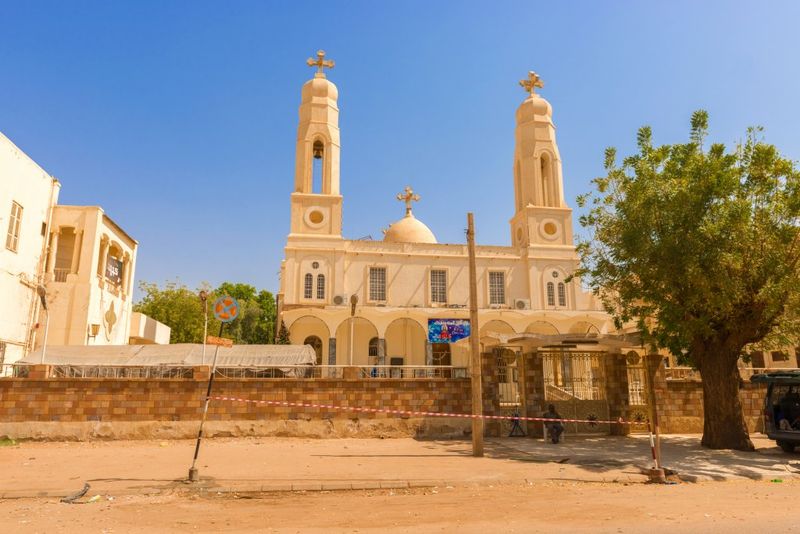
Sudan’s deserts are a brutal test of endurance. Long stretches of sand and rock stretch to the horizon, with minimal infrastructure and almost no shade.
Temperatures regularly exceed 40 degrees Celsius, and the sun is relentless. Water becomes the most precious resource, and walkers must plan every step carefully to avoid running out.
Towns and villages are few and far between, sometimes separated by hundreds of kilometers. When you do find a settlement, it’s often little more than a cluster of buildings with limited supplies.
The isolation is profound, and the mental challenge of crossing Sudan is as significant as the physical one.
Political instability and security concerns add another layer of difficulty. Certain areas are off-limits or dangerous for foreigners, and navigating bureaucracy can be frustrating.
Walkers need to be well-informed and cautious, with contingency plans for emergencies.
Despite the harshness, Sudan’s people are often hospitable and generous. Sharing tea with locals in a roadside shelter can be a highlight of the journey.
Sudan strips away any illusions about the ease of this walk, forcing you to confront your limits and dig deep for resilience.
10. Egypt
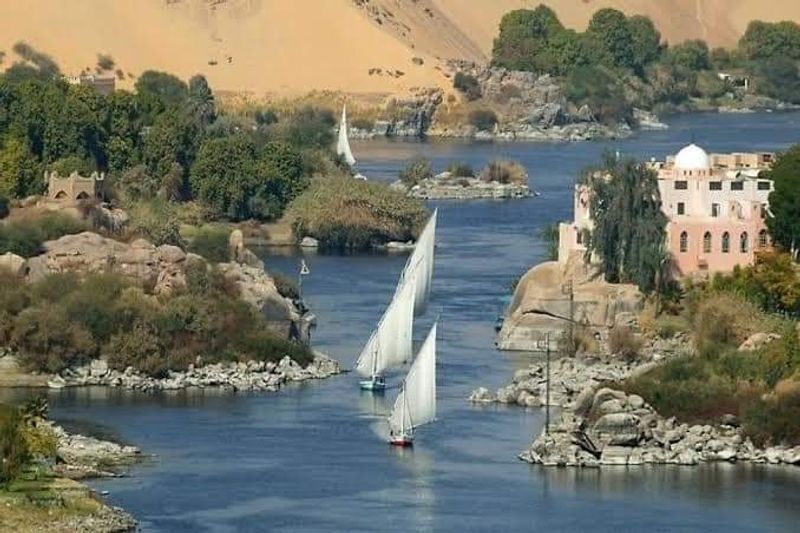
Egypt offers a change of pace after the deserts of Sudan. The route follows road networks near the Nile, where civilization has thrived for thousands of years.
Towns and cities are more frequent, and the infrastructure is significantly better. Walkers can resupply easily and enjoy a brief respite from the extreme isolation of the previous sections.
The Nile Valley is lush and green, a stark contrast to the surrounding desert. The river provides water, food, and a sense of life that has been missing for weeks.
Ancient monuments and temples dot the landscape, reminding you of the deep history of this region.
However, Egypt is also crowded and chaotic, especially near major cities like Cairo. Navigating busy roads and dealing with traffic can be stressful after the solitude of the desert.
Security checkpoints are common, and bureaucracy can be a headache for foreign travelers.
Leaving Egypt means transitioning from Africa to the Middle East, a significant psychological milestone. The journey is far from over, but reaching this point feels like a major achievement.
Egypt offers a moment to reflect on how far you’ve come and steel yourself for what lies ahead.
11. Israel – Palestine Corridor
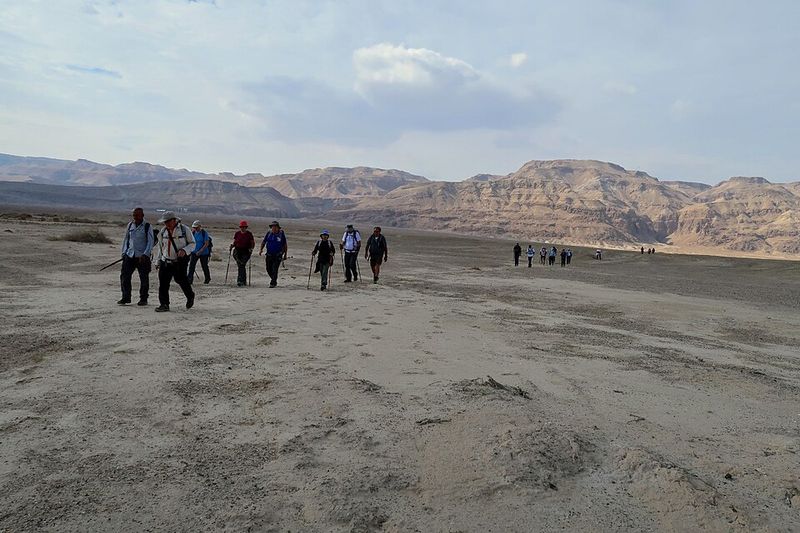
This section of the route passes through Israel and the Palestine, making it one of the shortest but most complex segments of the entire walk. Geographically, distances are modest compared to Africa or Central Asia, but movement is shaped by checkpoints, border crossings, restricted roads, and permit requirements.
Walkers would pass through highly urbanized and densely populated areas, with frequent towns, cities, and infrastructure. Unlike remote desert or wilderness sections, this corridor offers regular access to food, water, and shelter – but also requires careful planning.
Some roads are restricted to certain groups, pedestrian access can be limited in places, and border crossings may require advance approval.
Political conditions can change quickly, and routes that appear walkable on maps may be temporarily closed or inaccessible. While physically easier than many other stretches, this corridor is considered one of the most logistically sensitive parts of the entire journey and would demand flexibility, awareness, and up-to-date local information.
12. Jordan
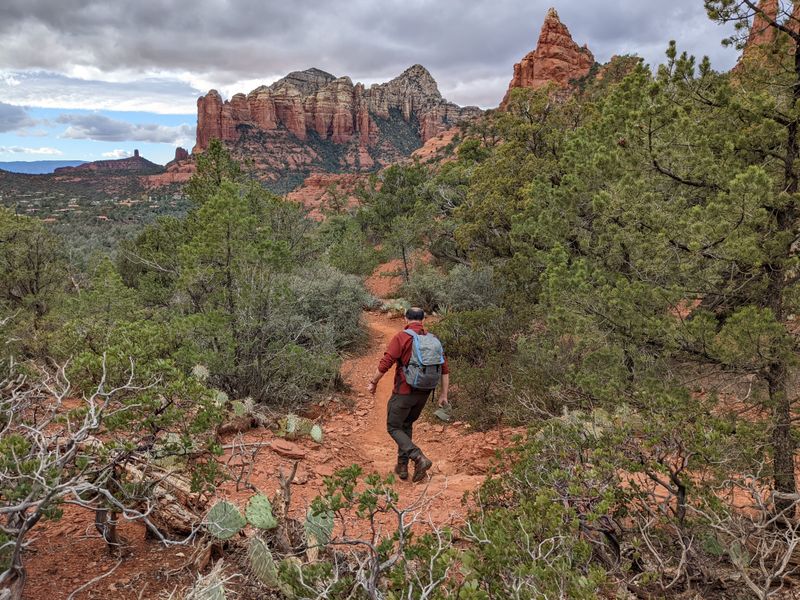
Jordan’s arid landscapes and ancient trade routes offer a glimpse into the Middle East’s history. The terrain is mostly desert, with rocky hills and valleys that have been crossed by travelers for millennia.
The famous King’s Highway and Desert Highway provide modern routes through this ancient land.
Water is scarce, and temperatures can be extreme, especially in summer. Towns like Petra and Wadi Rum are famous tourist destinations, offering a chance to rest and resupply.
The hospitality of Jordanians is legendary, and walkers often find themselves invited for tea or meals by curious locals.
The landscape is starkly beautiful, with red sandstone cliffs, deep canyons, and vast expanses of sand. Nights are cold, and the silence of the desert is profound.
Jordan’s deserts feel timeless, a place where the past and present coexist.
Crossing Jordan is relatively straightforward compared to some of the more challenging sections, but the heat and aridity still demand respect. The country serves as a bridge between Africa and Asia, marking a transition in the journey’s character and challenges.
13. Turkey
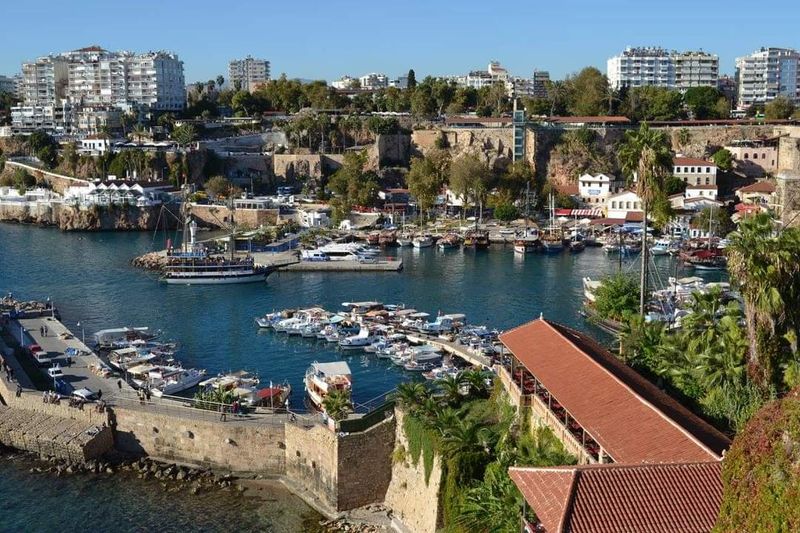
Turkey is one of the longest country segments on the entire route, and crossing Anatolia is a marathon in itself. The landscape is incredibly diverse, ranging from coastal plains to high mountains, from fertile plateaus to arid steppes.
Major cities like Istanbul, Ankara, and Erzurum offer modern amenities and a chance to rest.
The terrain is challenging, with significant elevation changes and long distances between towns in some areas. Roads are generally good, but traffic can be heavy, especially near cities.
The climate varies dramatically depending on the season and elevation, with scorching summers and freezing winters.
Turkey’s culture is a fascinating blend of East and West, and walkers experience this firsthand as they move from the Mediterranean coast to the mountains near the Georgian border. The food is excellent, and the hospitality is warm, making Turkey a highlight for many despite the physical demands.
Crossing Turkey takes weeks or even months, and the sheer scale of the country can be daunting. However, the infrastructure and support systems make it more manageable than many other sections.
Turkey is a test of stamina and patience, but it’s also a rewarding and memorable part of the journey.
14. Georgia
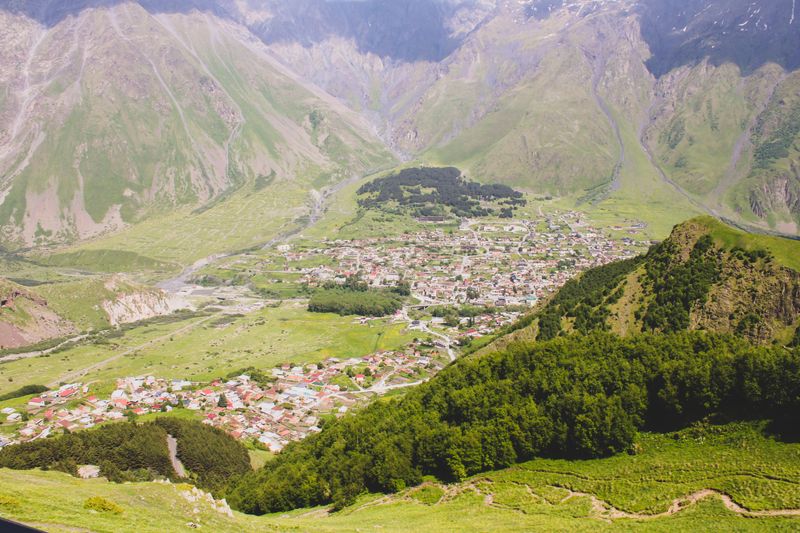
Georgia’s mountain passes and narrow valleys mark a dramatic transition between Europe and Asia. The landscape is rugged and beautiful, with snow-capped peaks, rushing rivers, and ancient stone villages clinging to hillsides.
The terrain is steep and challenging, with climbs that test your legs and lungs.
The culture in Georgia is distinct and welcoming. Georgian hospitality is famous, and walkers are often treated to traditional feasts and homemade wine.
The food is hearty and delicious, providing much-needed fuel for the demanding terrain. Language can be a barrier, as Georgian is unique and not widely spoken elsewhere.
Roads in the mountains can be narrow and winding, with drop-offs that make you nervous. Weather is unpredictable, with sudden storms and temperature swings.
The beauty of the landscape is breathtaking, but the physical demands are relentless.
Georgia feels like a turning point on the journey. You’re no longer in the Middle East, and the character of the route shifts toward the challenges of Central Asia and Siberia.
The mountains of Georgia are a fitting prelude to what lies ahead, offering both inspiration and a stern warning.
15. Kazakhstan
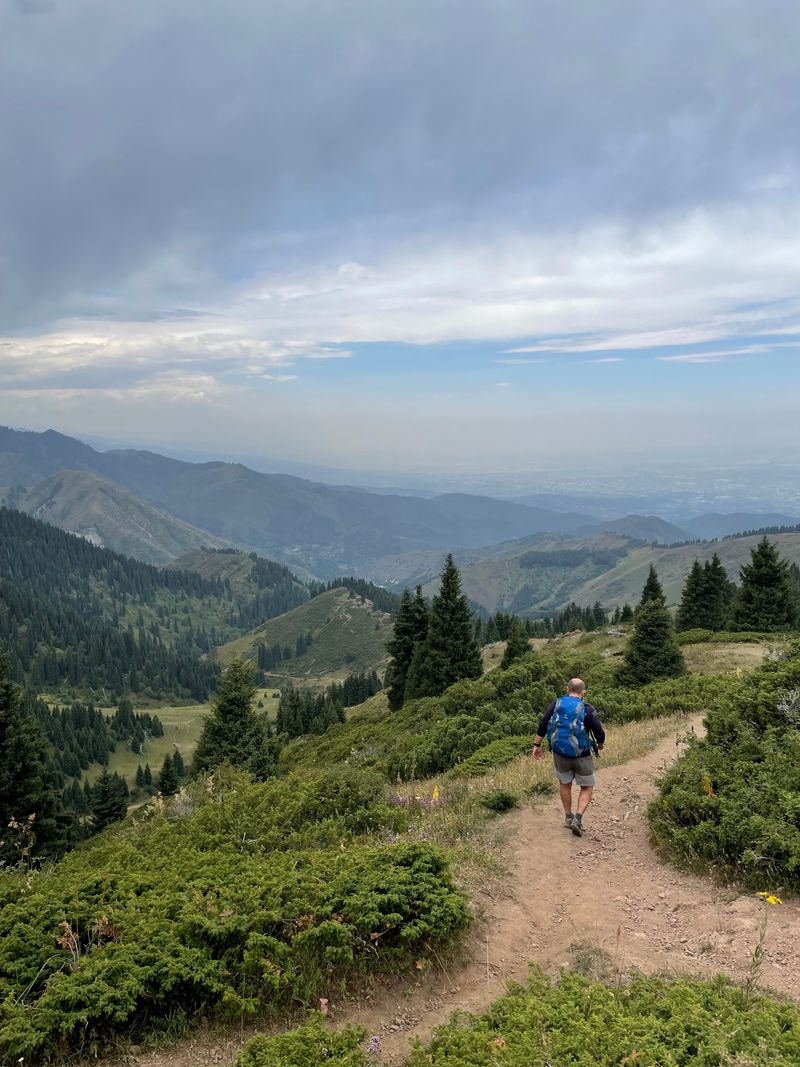
Kazakhstan’s endless steppe is a vast, flat expanse that seems to go on forever. The distances between towns are enormous, often hundreds of kilometers, and the landscape offers little variety.
The monotony can be mentally exhausting, as the horizon never seems to get any closer.
Weather in Kazakhstan is extreme, with scorching summers and brutally cold winters. Spring and autumn offer brief windows of moderate temperatures, but even then, sudden storms can catch you off guard.
The wind is a constant companion, sometimes helping, often hindering.
Infrastructure is sparse, and walkers need to be highly self-sufficient. Water and food must be carried in large quantities, and resupply points require careful planning.
The isolation is profound, and you can go days without seeing another person.
Despite the challenges, the steppe has a stark beauty. The sky feels infinite, and the sunsets are spectacular.
Kazakhstan is a test of mental toughness as much as physical endurance. The sheer scale of the country and the harshness of the environment make this one of the most difficult sections of the entire journey.
16. Mongolia (optional routing)
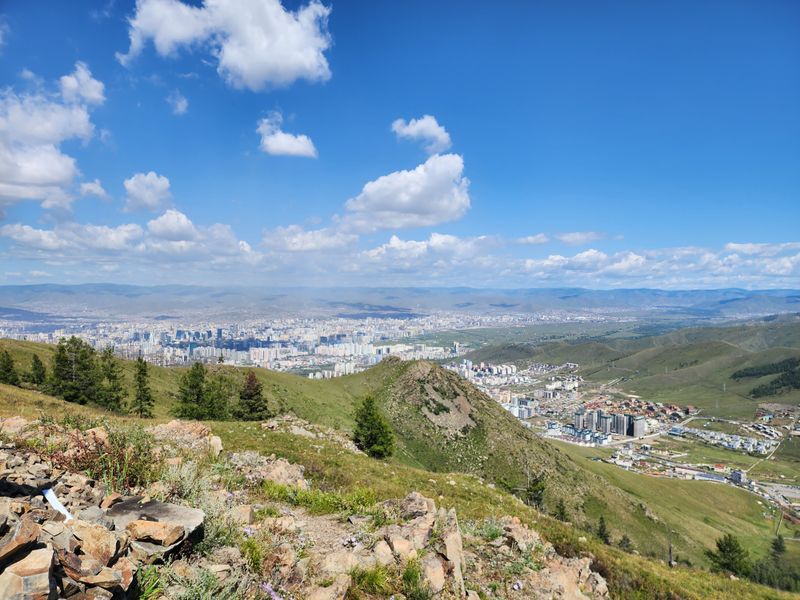
Some versions of the route pass near or through Mongolia, adding another layer of remoteness and challenge. Mongolia’s terrain is rugged and varied, with mountains, deserts, and vast grasslands.
The country is one of the least densely populated on Earth, and walkers can go weeks without seeing significant settlements.
Gravel road networks connect towns, but they’re often in poor condition. Weather is extreme, with short, hot summers and long, freezing winters.
The nomadic culture of Mongolia is fascinating, and encountering herders with their livestock is a common experience. Hospitality is genuine, and a warm ger (traditional tent) can be a lifesaver in harsh conditions.
Wildlife is abundant, including wolves, eagles, and vast herds of horses. The landscape feels untouched and wild, offering a sense of freedom that’s rare in the modern world.
However, the remoteness also means that help is far away if something goes wrong.
Mongolia is not for everyone, and many walkers choose routes that bypass it. For those who include it, the experience is unforgettable.
The country’s beauty and isolation offer a unique chapter in the journey, but the challenges are significant and should not be underestimated.
17. Siberia, Russia
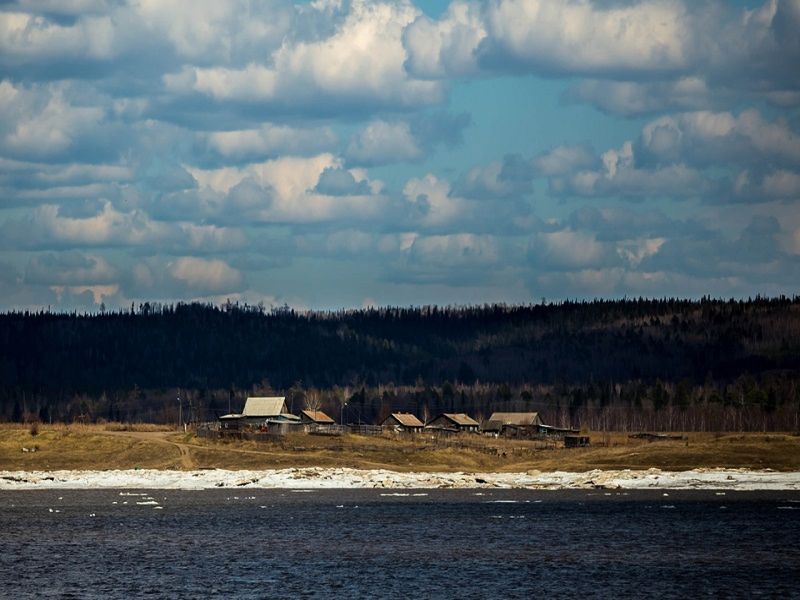
Siberia is the most punishing section of the entire route. The taiga forests stretch for thousands of kilometers, dense and unforgiving.
In summer, the heat and humidity are oppressive, and swarms of mosquitoes and biting flies make every step miserable. In winter, temperatures plummet to deadly lows, and walking becomes nearly impossible without specialized gear.
Roads in Siberia are often dirt tracks that turn into mud bogs during the rainy season. Permafrost creates uneven terrain, and river crossings can be treacherous.
Towns are few and far between, and when you do find one, it’s often isolated and poorly supplied.
The isolation is extreme. Days or even weeks can pass without seeing another person.
The mental toll of Siberia is immense, and many who make it this far find themselves questioning whether to continue. The landscape is hauntingly beautiful, with vast forests, rivers, and skies that seem to go on forever.
Siberia is where dreams of completing the route often die. The combination of extreme weather, isolation, and logistical challenges is overwhelming.
For the rare few who push through, Siberia becomes the defining chapter of their journey, a testament to human endurance and willpower.
18. Magadan, Russia
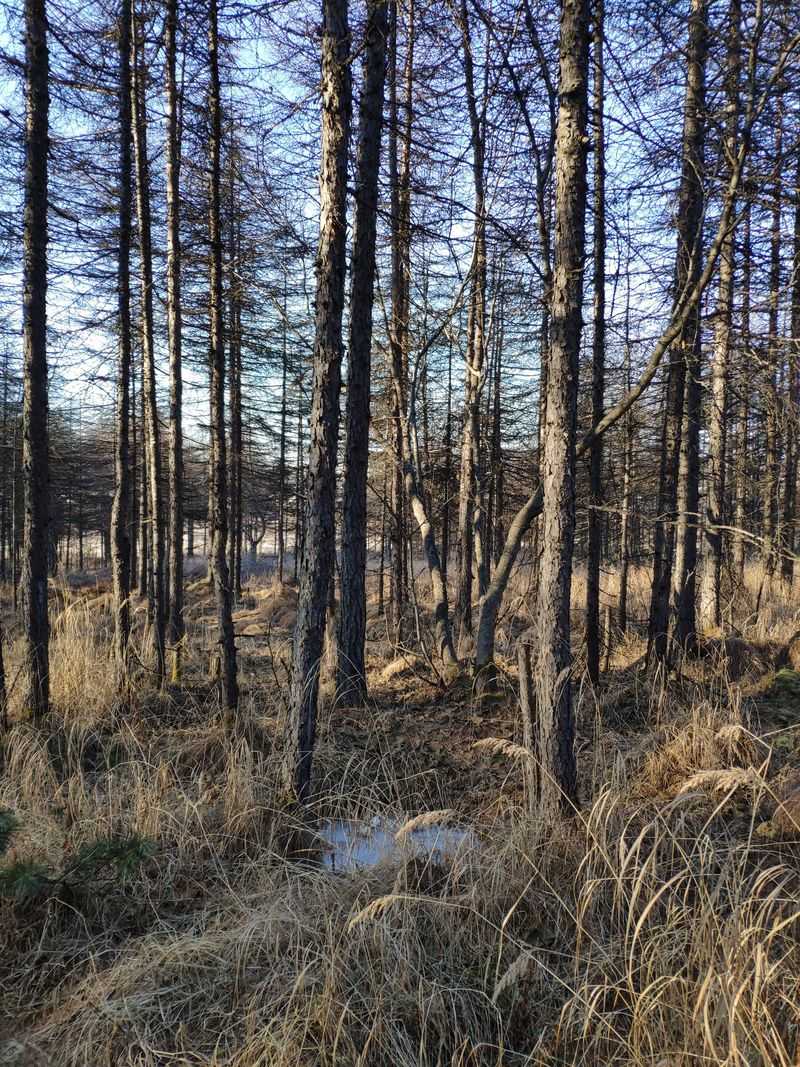
Magadan sits on the Sea of Okhotsk, one of Russia’s most remote and isolated cities. Reaching it on foot is a monumental achievement, assuming anyone ever completes the journey.
The city is reachable by road, but the infrastructure leading to it is minimal, and the surrounding wilderness is vast and unforgiving.
Historically, Magadan was infamous as a hub for Soviet labor camps during the Stalin era. The city’s dark past adds a somber note to the journey’s end.
Today, it’s a small, cold city with a population that has adapted to life in one of the harshest environments on Earth.
The climate in Magadan is brutal, with long, freezing winters and short, cool summers. The sea provides some moderation, but the wind and cold are relentless.
For anyone who makes it here, the achievement is almost beyond comprehension, representing years of walking and countless obstacles overcome.
Magadan is more than just a destination; it’s a symbol of human ambition and the limits of endurance. The fact that no one has verifiably completed the walk from Africa to this remote Russian city speaks to the immense challenges of the route.
Magadan remains a distant dream for most, a place that represents the ultimate test of will and determination.
Share this story