Rock history is full of surprises, and some of the biggest hits were never meant to be taken seriously. Many legendary songs started as jokes, throwaway tracks, or sarcastic experiments that bands tossed off without a second thought.
Yet somehow, these accidental anthems caught fire and became the very songs that defined entire careers and movements.
1. Paranoid by Black Sabbath (1970)
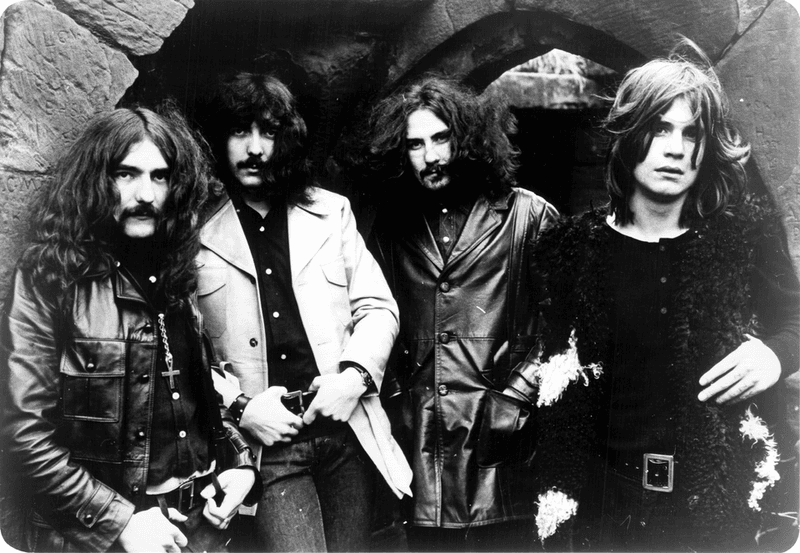
Black Sabbath had just finished recording their second album when they realized they needed one more track to fill out the vinyl. With studio time running out and the clock ticking, guitarist Tony Iommi came up with a simple riff, and the band knocked out the entire song in roughly 20 minutes.
Nobody thought much of it at the time.
The band never imagined this rushed filler track would become a single, let alone a hit. But their record label heard something special in the raw energy and paranoid lyrics that captured the anxiety of the era.
Radio stations started playing it, and fans went wild.
Today, Paranoid stands as Black Sabbath’s signature song and one of the most recognizable anthems in heavy metal history. The frantic riff and Ozzy Osbourne’s urgent vocals became blueprints for countless metal bands that followed.
What started as a last-minute afterthought turned into a defining moment for an entire genre, proving that sometimes the best songs come from pure spontaneity rather than careful planning.
2. Werewolves of London by Warren Zevon (1978)
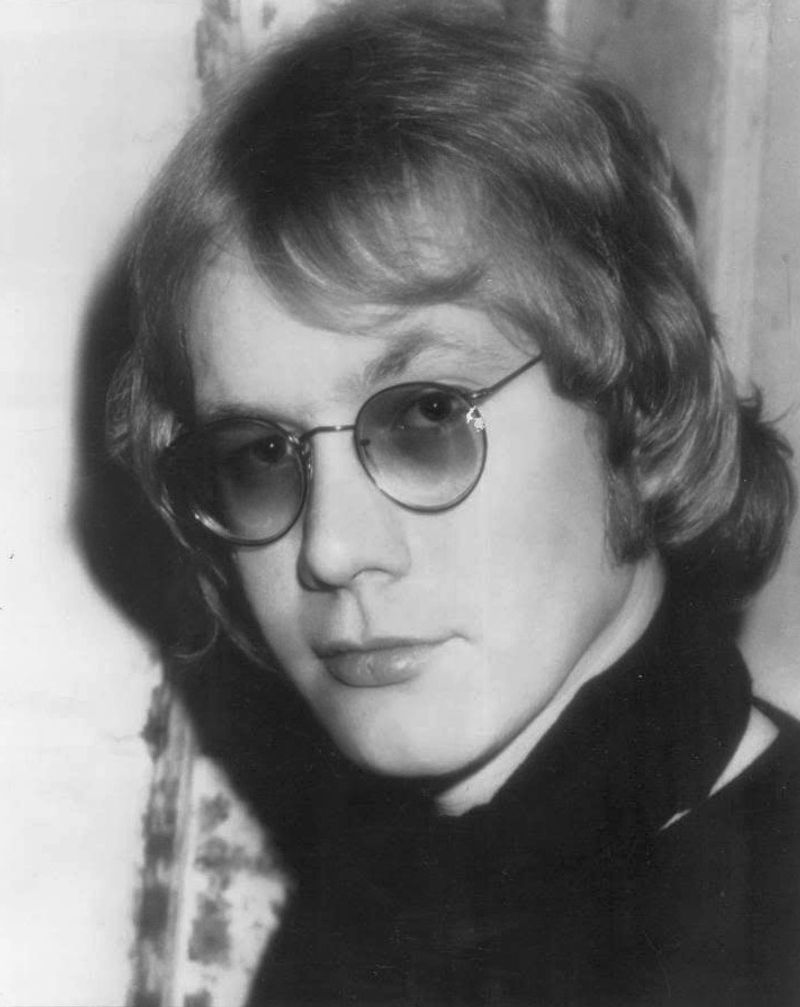
Warren Zevon wrote this song during a drunken jam session with friends LeRoy Marinell and Waddy Wachtel. They were deliberately mocking horror movie clichés and having a laugh about werewolves dressed in fancy London clothes.
The whole thing was meant to be ridiculous, and Zevon himself openly called it a novelty track that he never took seriously.
The catchy piano riff and absurd lyrics about a werewolf with perfect hair drinking piña coladas at Trader Vic’s were intentionally over the top. Zevon was known for his darker, more literary songwriting, so this goofy tune seemed completely out of character.
He worried it would overshadow his more serious work.
Unfortunately for Zevon’s artistic concerns but fortunately for his bank account, Werewolves of London became his biggest hit. Radio loved it, and it climbed the charts despite his mixed feelings about the song.
For the rest of his career, crowds demanded he play it at every show, even though he had dozens of songs he considered far superior and more meaningful to his legacy.
3. All the Small Things by Blink-182 (1999)

Blink-182 was tired of hearing polished, overproduced pop songs dominating the radio. So bassist Mark Hoppus decided to write the most stereotypical, cliché pop song he could imagine as a joke.
The band filled it with every predictable pop punk trope they could think of, from the na-na-na chorus to the syrupy sweet lyrics about romance.
They’ve confirmed in multiple interviews that All the Small Things was pure satire, poking fun at boy bands and commercial radio hits. The music video reinforced this with scenes parodying Backstreet Boys and 98 Degrees videos.
Everything about it screamed intentional mockery of mainstream pop culture.
Ironically, their parody became their biggest commercial success, reaching number six on the Billboard Hot 100. Radio stations played it constantly, completely missing or ignoring the satirical intent.
Pop fans embraced it unironically, while punk purists accused the band of selling out, which made the whole situation even more absurd. Blink-182 had accidentally created the exact kind of hit they were making fun of, and it launched them into mainstream superstardom whether they liked it or not.
4. Rock Lobster by The B-52’s (1978)
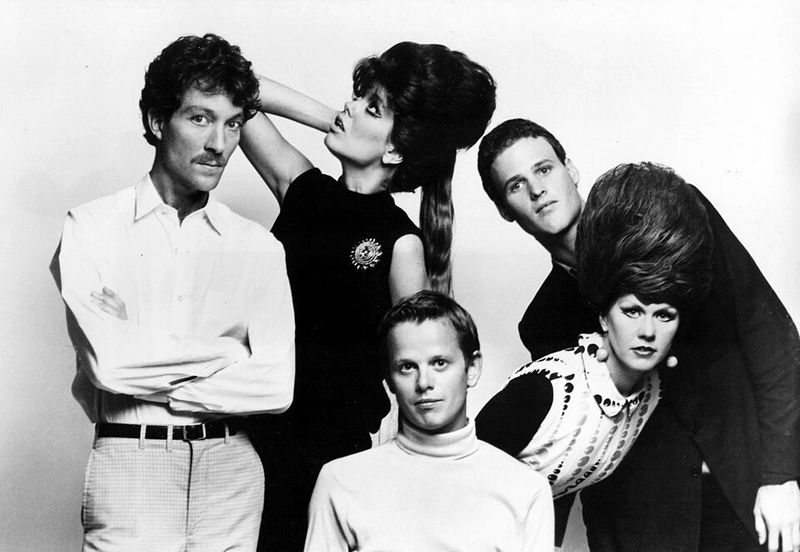
Fred Schneider and the rest of The B-52’s were jamming in their practice space when they started improvising the most absurd lyrics they could think of. Rock lobster, dogfish chasing catfish, bikini whale.
None of it made any sense, and that was exactly the point. They wanted to create something surreal and ridiculous that would make people laugh and scratch their heads simultaneously.
The song was meant to sound like a fever dream set to a dance beat, with Kate Pierson’s wild vocal squeals adding to the deliberately weird atmosphere. Everything about it screamed goof-off party music with zero serious artistic pretensions.
They recorded it for their independent debut, expecting it to be a fun novelty for their local Athens, Georgia scene.
Instead, Rock Lobster became an underground sensation that eventually broke into the mainstream and helped launch the entire new wave movement. John Lennon reportedly heard it and was so excited by its fresh sound that it inspired him to return to the recording studio.
What started as improvised nonsense became one of the most influential songs of the late seventies, proving that weird and wonderful can sometimes beat serious and conventional.
5. Blitzkrieg Bop by Ramones (1976)
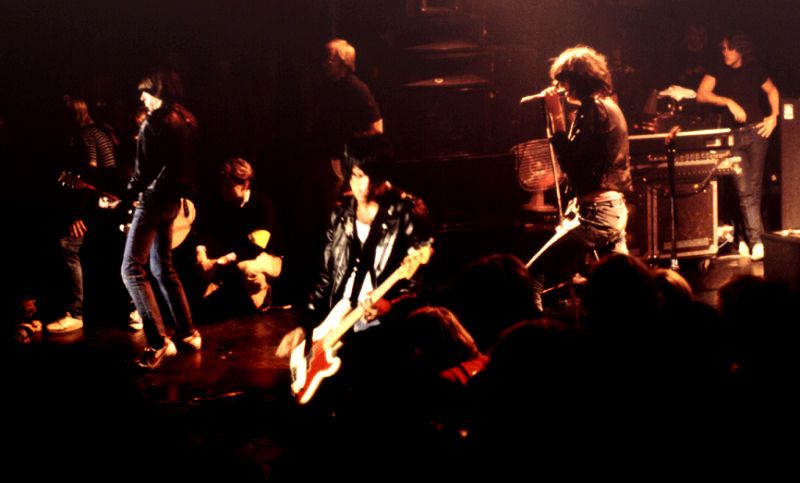
Joey Ramone came up with the famous Hey! Ho!
Let’s go! chant as a deliberate parody of cheerleader chants and football stadium anthems. The Ramones wanted to strip rock music down to its most basic, almost stupid-simple elements as a reaction against the overly complicated progressive rock that dominated the mid-seventies.
Everything about the song was intentionally dumbed down.
The lyrics barely made sense, the chord progression was as simple as possible, and the whole thing lasted less than two and a half minutes. Critics at the time didn’t know what to make of this deliberately primitive approach to rock music.
Some thought it was brilliant; others thought the band simply couldn’t play their instruments properly.
Blitzkrieg Bop became punk rock’s most famous anthem and one of the most recognizable opening riffs in music history. That silly cheerleader chant now gets shouted at sporting events, concerts, and parties around the world.
The Ramones proved that sometimes less really is more, and their intentionally simplistic joke song helped create an entirely new genre that would influence countless bands for decades to come, from Green Day to The Offspring.
6. My Best Friend’s Girl by The Cars (1978)
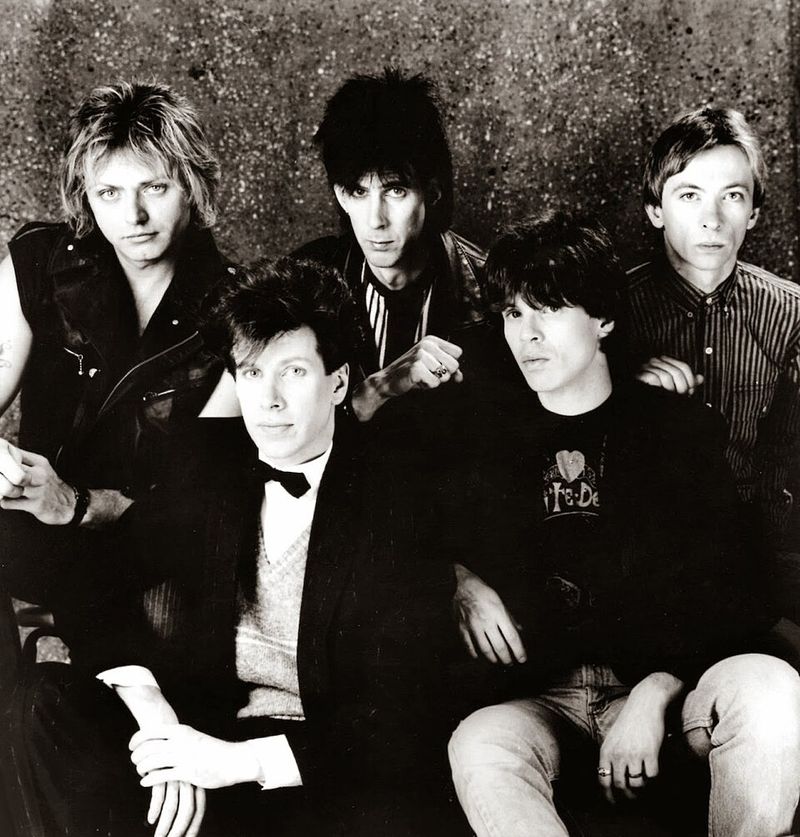
Ric Ocasek crafted this song as a tongue-in-cheek pastiche of 1950s rock and roll, complete with doo-wop influenced harmonies and retro guitar licks. He wasn’t trying to write a serious emotional ballad about lost love.
Instead, he was playfully mimicking the innocent, simplistic love songs from decades earlier, adding a modern new wave twist to make it sound fresh yet familiar.
The Cars were known for their cool, detached style and synthesizer-driven sound, so this throwback track stood out as something different in their catalog. Ocasek later explained in interviews that he wasn’t pouring his heart out about an actual romantic situation.
The whole thing was more of a stylistic exercise and a nod to the music he grew up listening to on oldies radio.
Despite its origins as a pastiche rather than genuine heartbreak, My Best Friend’s Girl became a Top 40 hit and one of The Cars’ most beloved songs. Radio programmers and fans didn’t care about the ironic intent behind it.
They just heard a catchy, infectious tune with a memorable hook that got stuck in their heads for days, proving once again that sincerity isn’t always necessary for commercial success in pop music.
7. Spirit in the Sky by Norman Greenbaum (1970)
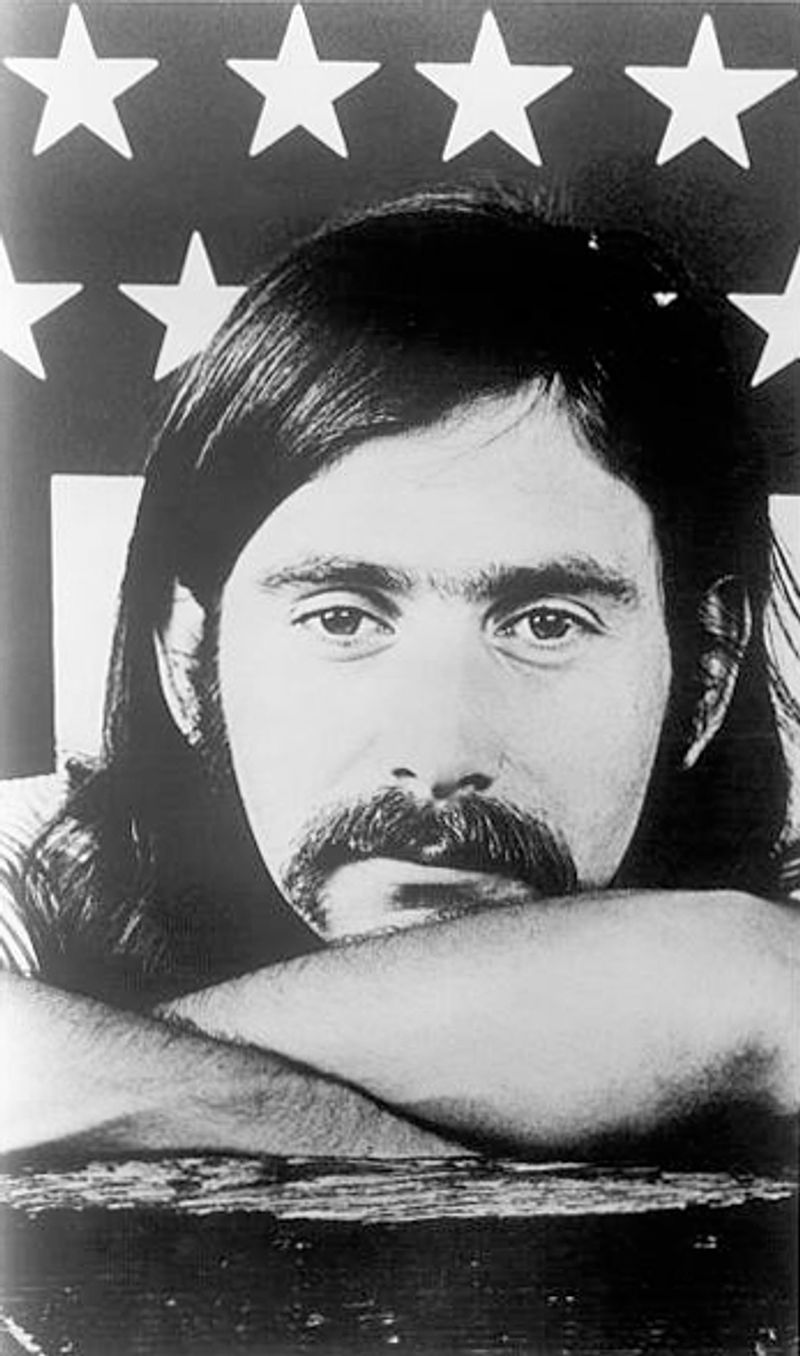
Norman Greenbaum was a Jewish musician who had never written a gospel song in his life when he decided to create a parody of the genre. He was watching a TV show featuring gospel singers and thought it would be funny to write his own version despite having no personal connection to Christian themes.
The religious tone was intentionally ironic coming from someone outside that tradition.
Greenbaum crafted the song with a fuzzy guitar riff and lyrics about Jesus and heaven, delivered with a style that mimicked gospel fervor. He later admitted he was more interested in creating a cool sound than making any spiritual statement.
The whole thing was a musical experiment based on a genre he found interesting but didn’t personally practice.
Spirit in the Sky became a massive international hit, reaching number three on the Billboard Hot 100 and topping charts in several countries. Churches and religious radio stations played it constantly, completely embracing the song despite its ironic origins.
Greenbaum’s one-hit wonder turned into a timeless classic that still gets played at funerals, weddings, and church gatherings. His playful genre exercise became more successful and enduring than anything he wrote with serious intentions, which must have been both gratifying and slightly bewildering.
8. Tainted Love by Soft Cell (1981)
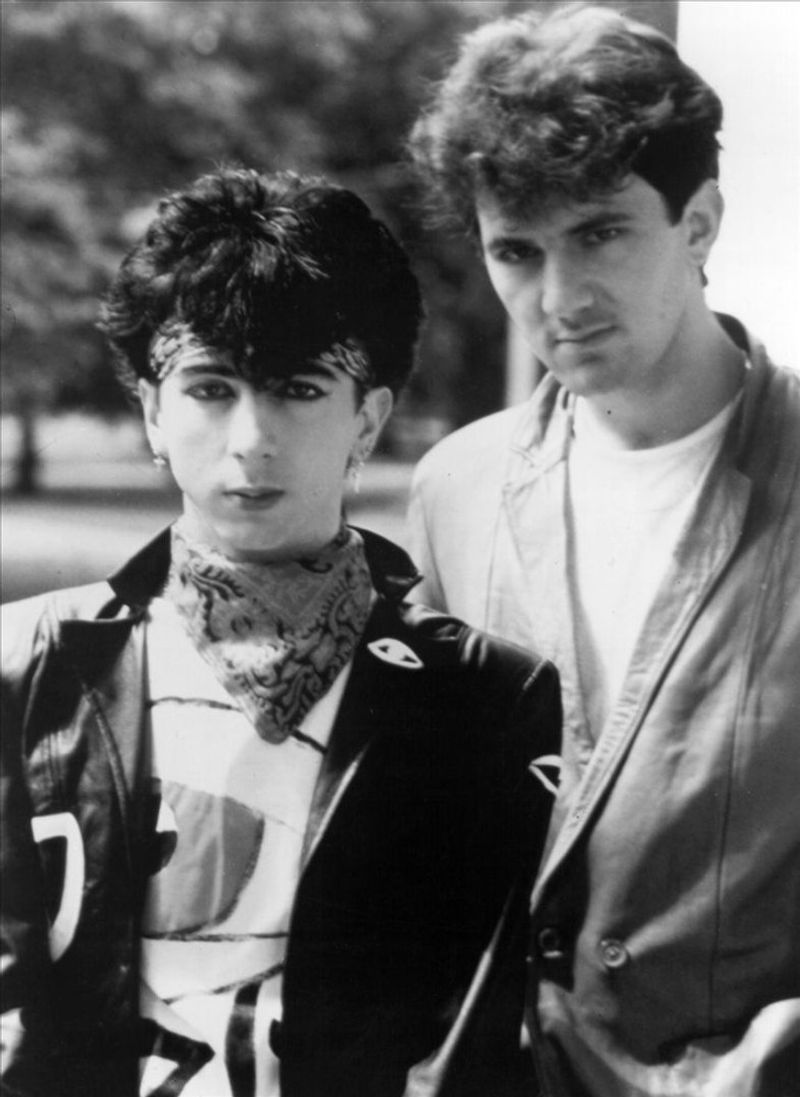
Marc Almond and Dave Ball chose to cover an obscure 1964 soul song by Gloria Jones specifically because it seemed campy and forgotten. They wanted to transform it into something deliberately exaggerated and synthetic, using synthesizers to create a dark, ironic version that sounded nothing like the warm original.
Everything about their approach screamed intentional artificiality and detachment.
The duo recorded it with a cold, mechanical production that emphasized the synthetic nature of their electronic instruments. Almond’s vocal delivery was purposely dramatic and over the top, turning a straightforward soul song about heartbreak into something that felt more like performance art.
They expected it might get some attention in underground clubs but never imagined mainstream success.
Instead, Tainted Love became a global number one hit and one of the defining songs of the early eighties synth-pop movement. It spent a record-breaking 43 weeks on the Billboard Hot 100, and its influence can still be heard in electronic music today.
Soft Cell’s ironic revival of a forgotten B-side became far more famous than the original version ever was, and it launched them from obscure art students to international pop stars practically overnight, completely changing the trajectory of their lives and careers.
9. Pump It Up by Elvis Costello (1978)
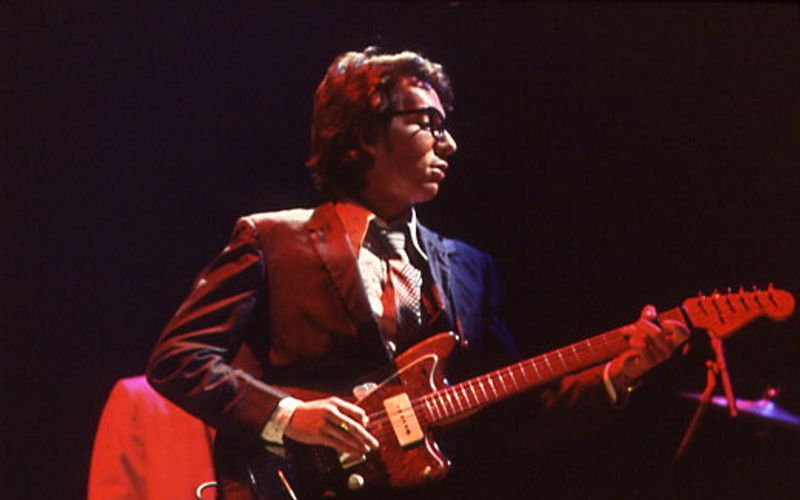
Elvis Costello was frustrated with the macho posturing he saw in rock music, so he wrote Pump It Up as a sarcastic jab at those tropes. The aggressive energy and repetitive structure were meant to mock the very thing they appeared to celebrate.
Costello has stated in interviews that the song was intentionally over the top, pushing rock and roll clichés to their absurd extreme.
The driving beat and urgent vocals sound like typical rock swagger, but the lyrics are actually criticizing mindless consumption and empty aggression. Costello was being deliberately ironic, creating something that sounded like a straightforward rocker on the surface while actually subverting the entire genre.
He expected listeners to pick up on the satirical edge and recognize it as commentary rather than celebration.
Most people completely missed the sarcasm and embraced Pump It Up as a genuine rock anthem. It became one of his best-known and most-played songs, with crowds pumping their fists and singing along without realizing they were celebrating a song that was making fun of that exact behavior.
Costello must have felt both amused and frustrated watching his satirical critique become exactly what he was criticizing, but the song’s success helped establish him as a major artist regardless of whether audiences understood his intentions.
10. Come On Eileen by Dexys Midnight Runners (1982)
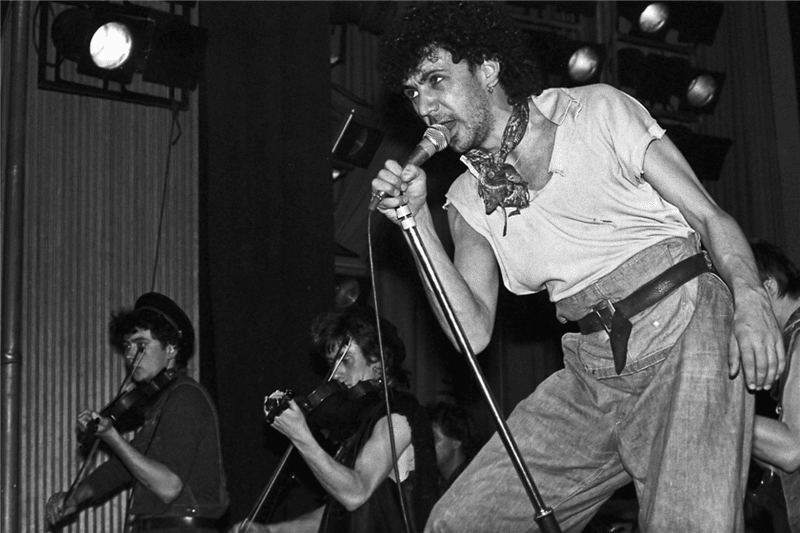
Kevin Rowland built this song around an old folk tune called Irish Washing Day, adding exaggerated vocal delivery and an intentionally awkward structure. He later described the whole thing as playful and knowingly strange, mixing Celtic influences with soul music in a way that shouldn’t have worked but somehow did.
The band wore overalls and looked like they’d just come from a farm, adding to the deliberately odd presentation.
The song shifts tempos, features fiddles alongside synthesizers, and includes lyrics that jump around without following typical pop song logic. Rowland’s vocal performance sounds almost unhinged at times, shouting and pleading with theatrical intensity.
Everything about Come On Eileen felt messy and unconventional compared to the polished production dominating early eighties radio.
Despite or perhaps because of its strange construction, the song became a worldwide number one hit and remains one of the most recognizable songs of the decade. Its weird energy and passionate delivery connected with listeners who were tired of overly slick production.
Dexys Midnight Runners created something that felt genuinely human and emotional precisely because it wasn’t trying to be perfect or conventional. Their playful experiment became a timeless classic that still fills dance floors whenever it comes on, proving that authenticity and weirdness can triumph over polish and predictability.
11. I’m Too Sexy by Right Said Fred (1991)

Brothers Fred and Richard Fairbrass wrote this song as a complete joke mocking the ridiculous posturing they witnessed in fashion culture. Fred had worked as a gym trainer and was surrounded by people taking themselves way too seriously, so he decided to create the most absurdly arrogant character imaginable.
The entire song is one long, tongue-in-cheek celebration of narcissism taken to comedic extremes.
The duo never expected radio stations to actually play it. They recorded it as a laugh, with deadpan delivery that made the joke even more obvious.
The lyrics about being too sexy for shirts, cars, and even Milan were so over the top that surely everyone would recognize the satire, right?
Wrong. I’m Too Sexy topped charts in six countries and became a global phenomenon, with many listeners embracing it completely unironically.
Dance clubs played it constantly, and people sang along without recognizing or caring about the satirical intent. Right Said Fred went from complete unknowns to international stars based on a song they wrote as a goof.
The brothers must have been simultaneously thrilled by the success and bewildered that their obvious parody was being taken at face value by millions of fans worldwide who just thought it was a fun dance track.
12. Video Killed the Radio Star by The Buggles (1979)
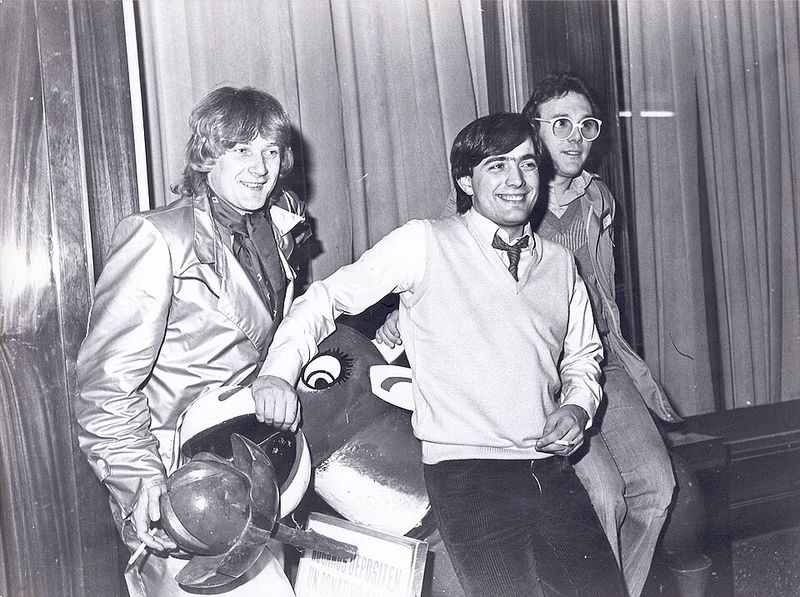
Trevor Horn and Geoff Downes wrote this song as a self-aware parody of nostalgia itself, creating a deliberately ironic commentary on how new technology replaces old media. The lyrics mourned the death of radio stars at the hands of video technology, but the whole thing was presented with such synthetic production that it was clearly poking fun at the very concept of authentic nostalgia.
Everything about it was intentionally artificial.
The Buggles were essentially a studio project rather than a traditional band, which made the song’s themes even more meta and ironic. They were using the latest recording technology to create a song about technology destroying authenticity.
Horn later explained that the entire concept was meant to be tongue-in-cheek rather than a genuine lament for a lost era.
Video Killed the Radio Star became a hit and earned a permanent place in pop culture history as the first music video ever played on MTV when the channel launched in 1981. The irony of a song about video killing radio becoming famous specifically because of video was not lost on anyone.
The Buggles’ ironic concept piece became the perfect symbol for a new era in music, and it remains one of the most recognizable songs from the late seventies new wave movement.
13. Take On Me by a-ha (1985)
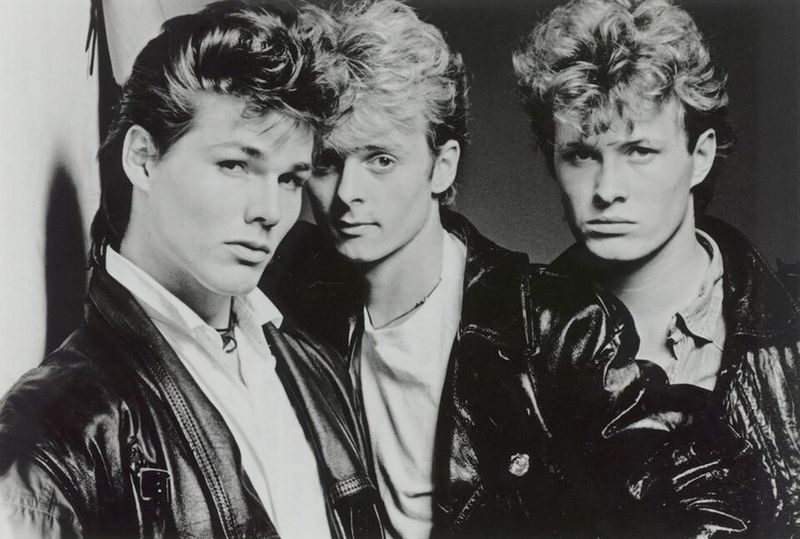
A-ha struggled with this song for years, recording multiple versions that nobody seemed interested in. The early versions were considered disposable synth fluff even by the band members themselves, and they nearly gave up on it entirely.
Producer after producer tried different arrangements, but nothing clicked, and the song seemed destined for the trash bin of failed experiments.
Then producer Alan Tarney suggested a radical reworking with a faster tempo and that distinctive synthesizer riff that would become instantly recognizable. Even with the new arrangement, the band wasn’t entirely confident it would succeed.
They’d already released it twice in different versions without much success, so their expectations were pretty low by the third attempt.
The combination of the innovative animated music video and the perfected arrangement finally made Take On Me explode into one of the biggest hits of the entire decade. It topped charts worldwide and became a defining song of the eighties synth-pop era.
What the band had nearly abandoned as throwaway fluff became their signature song and earned them a permanent place in pop music history. The lesson here is that sometimes persistence and the right production can transform something from forgettable to unforgettable, even when the creators themselves have given up hope.
14. Safety Dance by Men Without Hats (1982)

Ivan Doroschuk wrote this song as a sarcastic response to club bouncers who kept telling people to stop pogoing and slam dancing at new wave shows. He was frustrated by the arbitrary rules about how people were allowed to move to music, so he created an intentionally exaggerated anthem about the freedom to dance however you want.
The whole thing was dripping with sarcasm and irony.
The lyrics sound cheerful and innocent on the surface, but they’re actually a middle finger to authority figures trying to control youth culture. Doroschuk’s delivery was intentionally over the top, almost childlike, which made the rebellious message even more pointed.
The band expected it to resonate with club kids who’d experienced similar frustrations, but they never imagined mainstream success.
Safety Dance became a new wave classic and a Top 10 hit in multiple countries, with the quirky music video featuring medieval imagery getting heavy rotation on MTV. Most casual listeners had no idea about the sarcastic origins or the deeper meaning about personal freedom.
They just heard a catchy, fun song with memorable lyrics and a danceable beat. Men Without Hats turned their specific frustration with nightclub policies into a universal anthem that transcended its original sarcastic intent and became genuinely beloved by millions.
15. She Blinded Me with Science by Thomas Dolby (1982)

Thomas Dolby created this track as a nerdy novelty song celebrating his love of technology and science with deliberately over-the-top enthusiasm. He recruited Magnus Pyke, an eccentric British scientist and TV personality, to shout Science! and other exclamations throughout the song in the most exaggerated way possible.
The whole thing was meant to be funny and quirky rather than a serious artistic statement.
Dolby was known for his technological innovations in music production, but this song took his geek credentials to comedic extremes. The music video featured lab coats, bubbling beakers, and Pyke acting like a mad scientist while Dolby played the role of a lovesick nerd.
Everything about it screamed intentional novelty, from the spoken word sections to the cartoonish sound effects scattered throughout.
MTV embraced the video’s visual humor, playing it constantly and helping push the song into the Top 10 on the Billboard Hot 100. She Blinded Me with Science became Dolby’s biggest hit and his signature song, even though he had other work he considered more musically sophisticated.
His nerdy novelty track connected with audiences who appreciated both the humor and the genuine love of science behind the joke. Sometimes embracing your inner geek and not taking yourself too seriously is exactly the recipe for unexpected mainstream success.
16. In a Big Country by Big Country (1983)

Guitarist Stuart Adamson was experimenting with effects pedals when he accidentally created a guitar sound that mimicked Scottish bagpipes. He thought it was a cool trick but never expected it to become the defining characteristic of his band’s entire sound.
The effect was achieved through careful use of compression and echo, making the electric guitar sound like traditional Celtic instruments in a way nobody had really done before.
Big Country recorded In a Big Country featuring this bagpipe-like guitar prominently throughout the song. The band members weren’t sure how audiences would react to such an unusual sound in a rock context.
They worried it might seem gimmicky or too weird for mainstream radio, but they decided to go with it anyway because it sounded distinctive and powerful.
The gamble paid off spectacularly. In a Big Country became their signature song and a Top 20 hit in multiple countries, with that distinctive guitar sound becoming instantly recognizable.
The band had accidentally stumbled onto something that set them apart from every other rock act of the early eighties. What began as a studio experiment with effects pedals became the sound that defined their entire career and influenced countless other musicians to explore unconventional guitar tones and textures in their own work.
Share this story