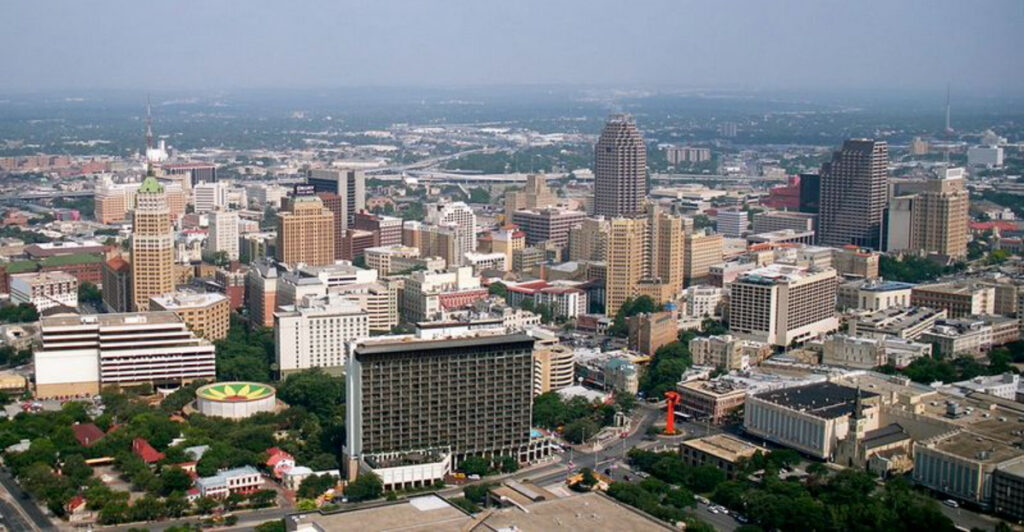
Across the American Southwest and Texas borderlands, a handful of towns pulse with a rhythm that feels more Mexico City than Main Street USA. These communities blend Spanish colonial architecture, vibrant murals, bustling mercados, and mission-era history into everyday life.
Walking their plazas and tasting their food, you might forget which side of the border you are on.
1. Laredo, Texas
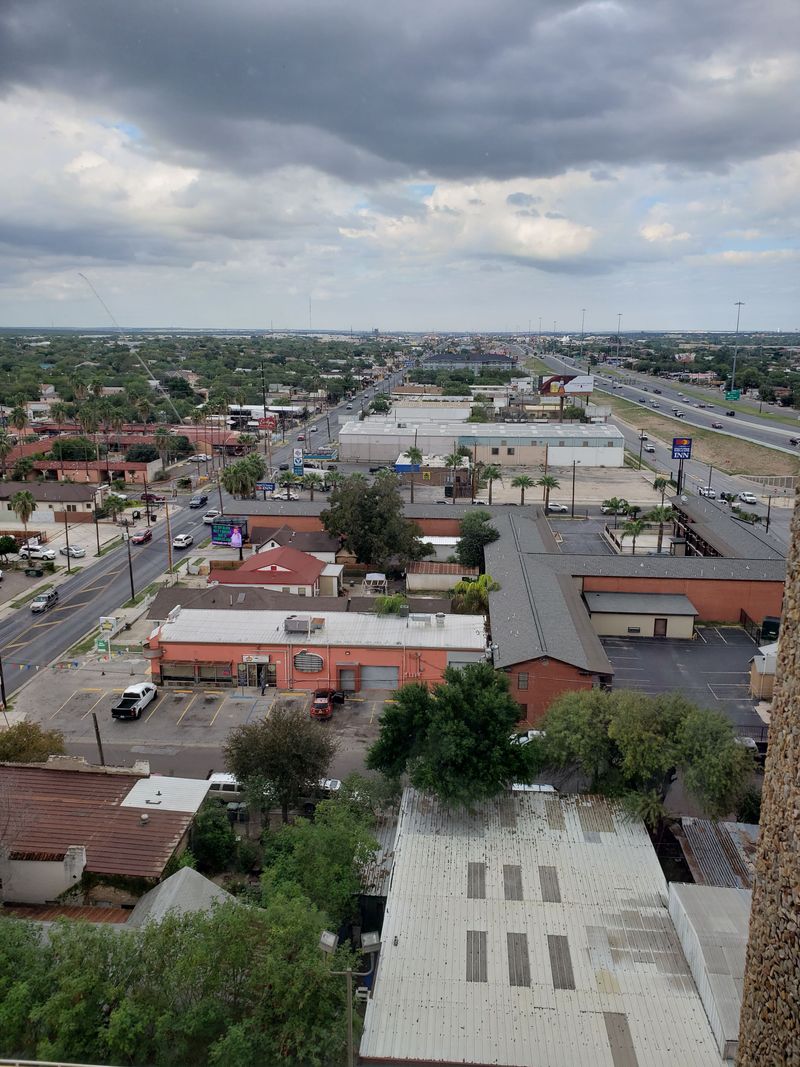
Laredo lives and breathes border culture every single day. With 95.2% of its population identifying as Hispanic or Latino, this city does not toggle between American and Mexican identities.
It simply is both, all at once. Spanish and English blend seamlessly in conversations at grocery stores, gas stations, and city offices.
Family sits at the center of Laredo’s rhythm. Multigenerational households are common, and weekends often mean big gatherings with homemade tamales and carne asada.
The city’s music scene reflects its cross-border roots, with norteño, Tejano, and regional Mexican styles dominating local radio and live venues.
Downtown Laredo pulses with a distinctly borderlands vibe. Brightly painted storefronts line the streets, and vendors sell everything from fresh produce to handcrafted leather goods.
The influence of neighboring Mexico is not subtle. It shapes daily routines, business practices, and even the pace of life.
For visitors, Laredo offers an authentic immersion into a culture that refuses to be neatly categorized. This is not a tourist attraction mimicking Mexico.
It is a living, breathing community where the border is less a dividing line and more a shared space where two nations meet, mingle, and create something entirely their own.
2. Eagle Pass, Texas
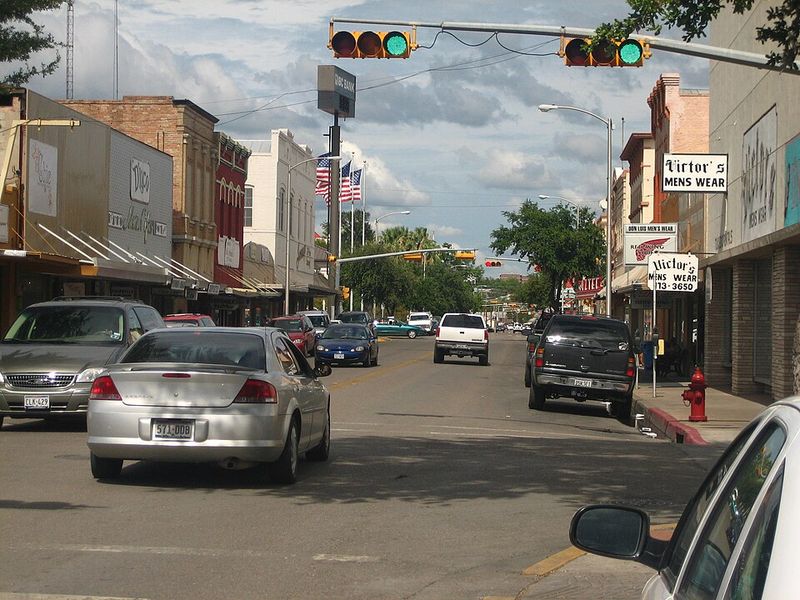
Eagle Pass operates on the shared heartbeat of two nations. This small border city, where 95.5% of residents identify as Hispanic or Latino, thrives on its connection to Piedras Negras, Mexico, just across the Rio Grande.
The city actively encourages visitors to experience both sides, treating the border as a bridge rather than a barrier.
Public riverfront areas offer stunning views of the water that divides and connects these twin communities. Families picnic along the banks, and locals cross back and forth for work, shopping, and family visits.
The sense of interconnectedness is palpable, especially downtown where street life mirrors the rhythms found in Mexican border towns.
Spanish dominates daily conversations, and cultural traditions from both countries blend effortlessly. Quinceañeras, Dia de los Muertos celebrations, and Fourth of July fireworks all find space on the community calendar.
Food reflects this duality too, with menus offering everything from barbacoa to brisket, often served side by side.
Eagle Pass challenges the idea of borders as hard lines. Instead, it demonstrates how communities can exist in a beautiful in-between space, honoring dual identities without choosing one over the other.
The result is a town that feels authentically binational, offering visitors a rare glimpse into true cross-border living.
3. San Antonio, Texas
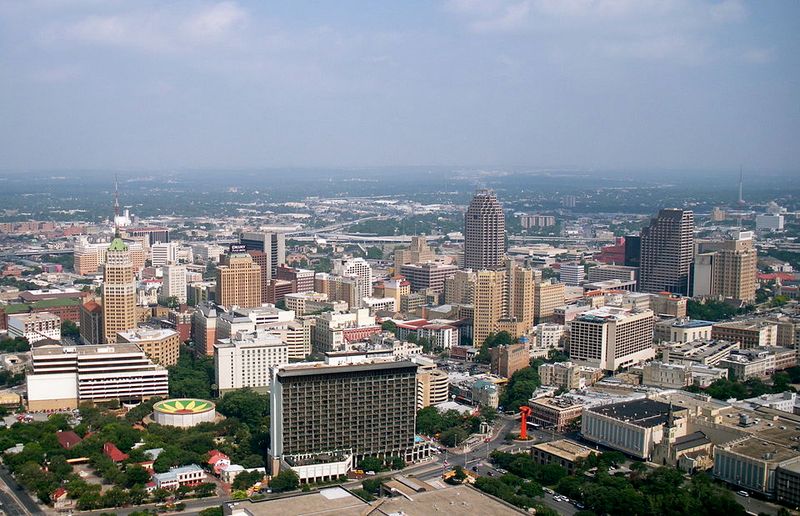
San Antonio carries centuries of Spanish and Mexican heritage in its bones, and the world has taken notice. In 2015, the San Antonio Missions earned UNESCO World Heritage Site status, cementing their global importance.
These five mission complexes tell the story of Spanish colonial settlement, complete with churches, residences, and elaborate water systems that kept frontier communities alive.
Walking the missions corridor feels like stepping into another era. The stone walls, arched doorways, and open courtyards echo architectural styles found across Mexico.
Each mission sits near the San Antonio River, creating a scenic path that connects history with natural beauty.
Beyond the missions, San Antonio’s downtown hums with borderlands energy. Market Square (El Mercado) buzzes with vendors selling handmade goods, and Tex-Mex flavors dominate restaurant menus.
Spanish flows as freely as English in many neighborhoods, reinforcing the city’s deep cultural ties.
Families gather in plazas, mariachi bands perform at festivals, and murals splash color across building facades. San Antonio does not just preserve its Mexican roots.
It celebrates them daily, making history feel alive and accessible to anyone willing to explore its streets and stories.
4. Brownsville, Texas
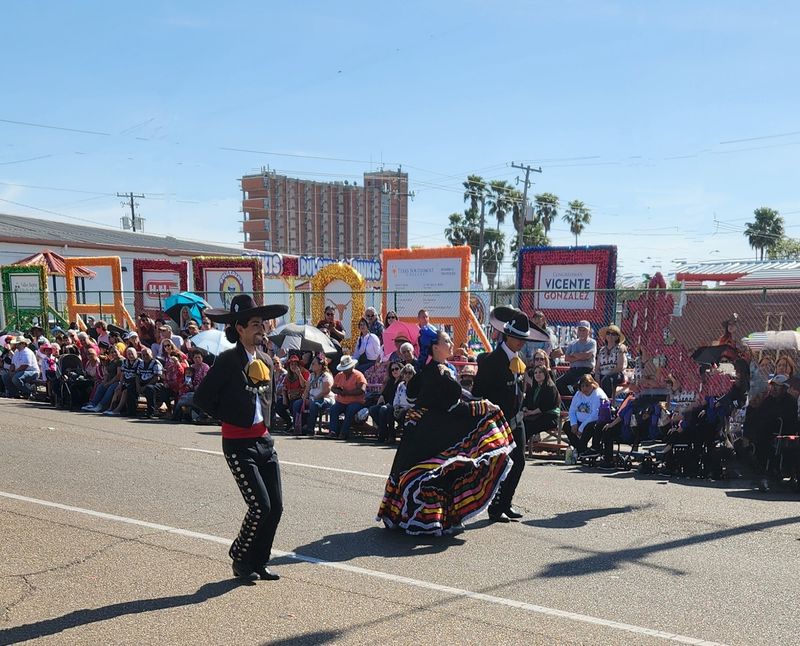
Brownsville sits at the southernmost tip of Texas, where the Gulf Coast meets the border. With 94.2% of its population identifying as Hispanic or Latino, this city feels deeply Mexican in language, culture, and everyday community life.
Spanish is the primary language in many homes, and traditions passed down through generations remain vibrant and central to identity.
History runs deep here. Just outside town, Palo Alto Battlefield National Historical Park preserves the site of the first major battle of the U.S.-Mexico War, fought on May 8, 1846.
Walking these grounds offers a sobering reminder of the complex, often painful history that shaped the borderlands. The park’s exhibits provide context that textbooks often gloss over.
Downtown Brownsville mixes historic architecture with modern border energy. Colorful murals decorate building walls, and local markets sell fresh tortillas, pan dulce, and handmade crafts.
The coastal-border atmosphere creates a unique vibe you will not find anywhere else, blending beach town relaxation with cross-border vitality.
For anyone seeking to understand how culture, history, and geography intersect along the border, Brownsville delivers. This is not a sanitized tourist version of Mexican culture.
It is the real thing, lived daily by people who call this complicated, beautiful region home.
5. El Paso, Texas
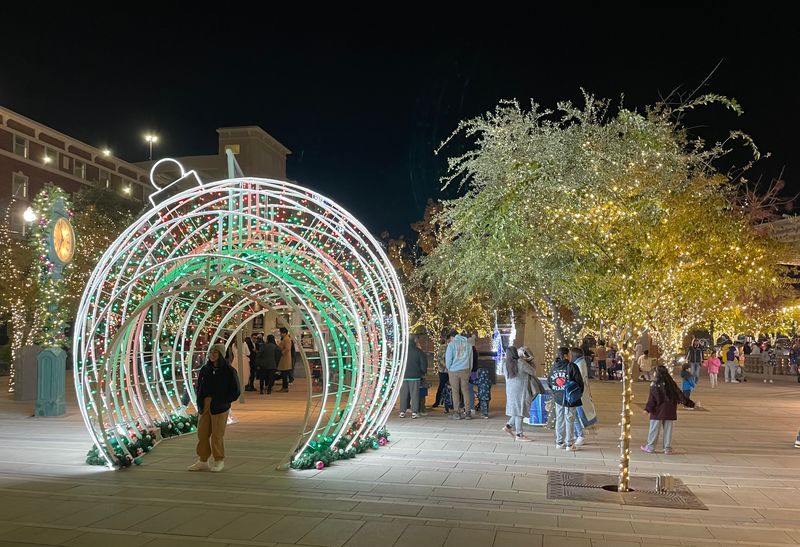
El Paso stands as one of the largest border cities in the United States, where Mexican culture is not a theme park attraction but the fabric of daily existence. With 81.3% of the population identifying as Hispanic or Latino, the city operates bilingually, and family-centered traditions shape community life.
The border is not just nearby. It defines the city’s layout, economy, and identity.
Chamizal National Memorial offers a meaningful stop for anyone interested in borderlands history. The park commemorates the peaceful resolution of a century-long boundary dispute between the U.S. and Mexico, celebrating diplomacy over conflict.
It is a rare example of two nations working together to solve a problem that could have easily turned ugly.
El Paso’s neighborhoods reflect a blend of architectural styles, from adobe-inspired homes to modern developments. Street vendors sell elotes and raspados, while restaurants serve everything from authentic Mexican cuisine to Tex-Mex fusion.
The Franklin Mountains provide a dramatic backdrop, adding natural beauty to the urban landscape.
Music, art, and festivals here draw heavily from Mexican traditions. Mariachi performances, folklorico dancing, and Dia de los Muertos altars are common sights.
El Paso does not try to be something it is not. It embraces its bicultural identity fully, creating a city that feels both American and Mexican in equal measure.
6. Nogales, Arizona
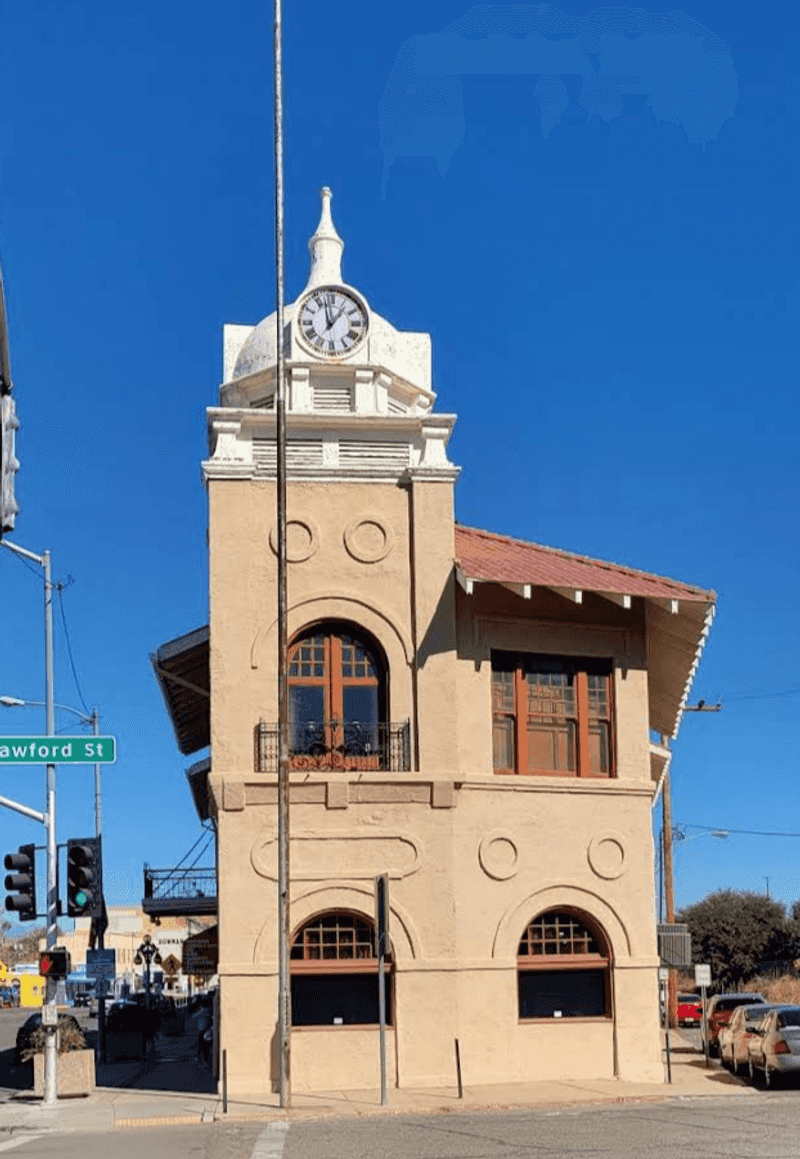
Nogales delivers one of the clearest experiences of Mexico without crossing the border. This classic twin-city environment sits directly adjacent to Nogales, Sonora, creating a seamless cultural flow between two nations.
With 94.4% of residents identifying as Hispanic or Latino, Spanish is the dominant language, and the town operates on a distinctly cross-border rhythm.
Downtown Nogales hums with border commerce energy. Shoppers move between stores selling everything from electronics to handcrafted pottery, and street vendors offer fresh fruit and snacks.
The proximity to Mexico means many residents cross daily for work, family visits, or shopping, blurring the lines between two countries in ways that feel natural rather than forced.
Architecture in Nogales reflects its borderlands identity, with colorful buildings, wrought-iron details, and signage in both languages. The pace of life feels more relaxed than typical American towns, with afternoon siestas still respected by some local businesses.
Family gatherings often include dishes from both sides of the border, creating a culinary fusion that is both familiar and unique.
For visitors, Nogales offers an authentic taste of border life without the need for a passport. The town does not cater to tourists with manufactured experiences.
Instead, it simply exists as it is: a community where two cultures meet, mix, and create something entirely their own.
7. Yuma, Arizona
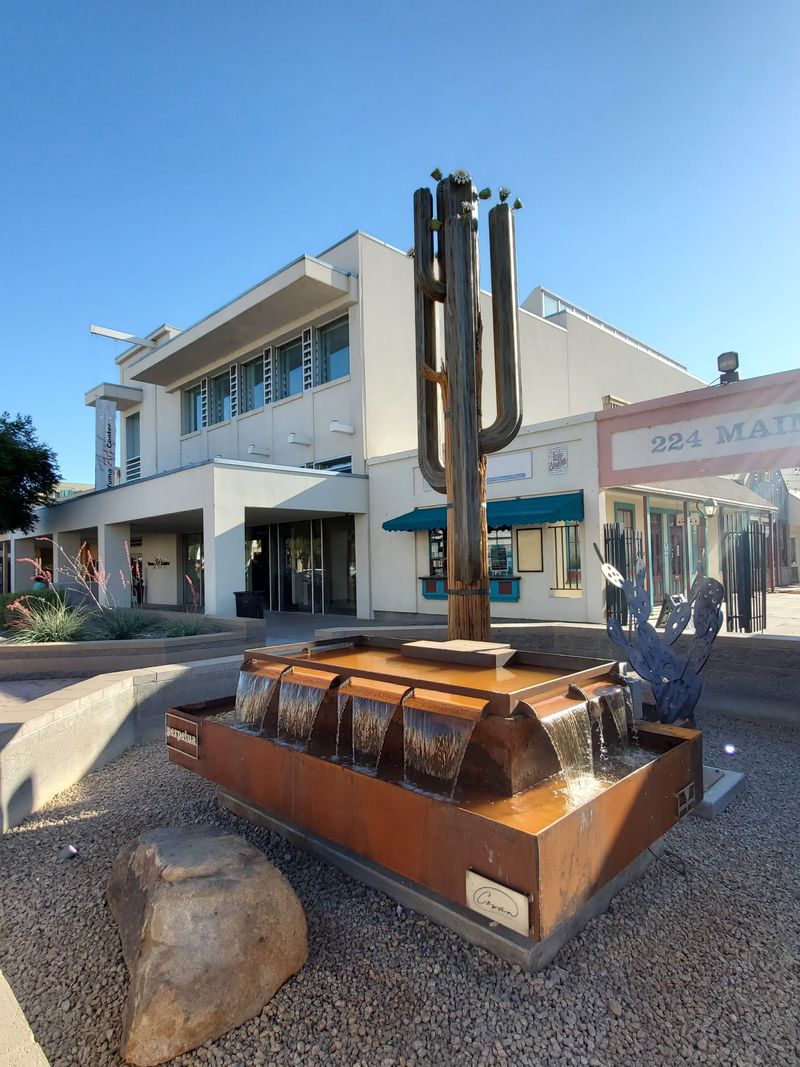
Yuma blends Sonoran Desert beauty with borderlands history in a way few other towns can match. Sitting beside one of the most historically significant crossings in the Southwest, this city has long served as a gateway between nations and cultures.
Today, 61.1% of its population identifies as Hispanic or Latino, and Mexican influence runs through its food, festivals, and daily life.
The Yuma Crossing National Heritage Area highlights the historic Colorado River crossing that played a major role in the development of the region. Spanish explorers, Mexican settlers, and American pioneers all passed through here, leaving layers of history that visitors can still explore today.
Riverfront trails offer scenic walks where you can imagine what those early crossings must have felt like.
Yuma’s downtown features a mix of old and new, with historic buildings standing alongside modern shops and restaurants. The desert landscape provides a stunning backdrop, with saguaro cacti and rugged mountains framing the city.
Local markets sell Mexican goods, and food trucks serve tacos, burritos, and aguas frescas that rival anything you would find south of the border.
The city celebrates its binational heritage through annual events that honor both Mexican and American traditions. Yuma does not shy away from its complex history.
Instead, it embraces the stories of all the people who have called this desert crossroads home.
8. Calexico, California
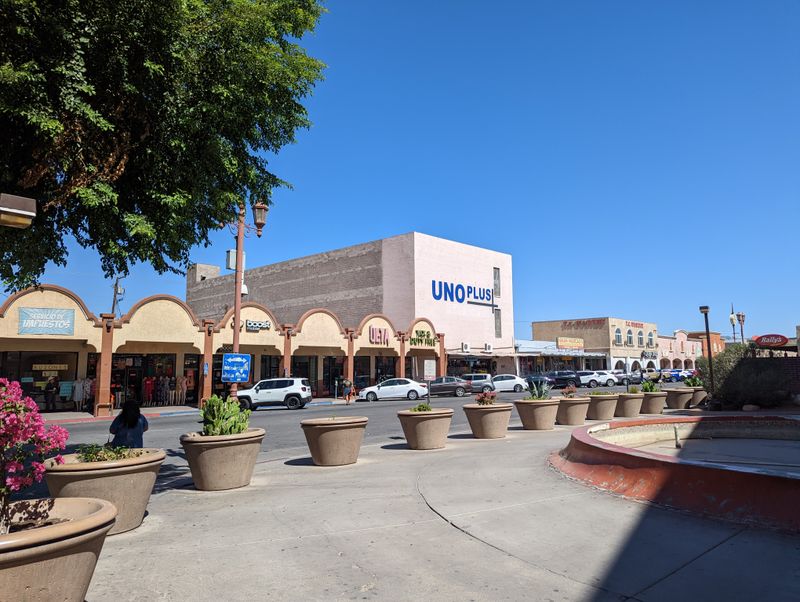
Calexico practically defines border-blended culture. The city describes itself as a delightful mix of American and Mexican influences, and the numbers back that up.
With 97.6% of residents identifying as Hispanic or Latino, this small town operates almost entirely in Spanish, and daily life revolves around cross-border connections with its sister city, Mexicali, just across the fence.
Bilingual signage covers every storefront, and businesses cater to customers from both countries. Families cross back and forth for work, school, shopping, and family gatherings, treating the border as a minor inconvenience rather than a cultural divide.
The twin-city atmosphere is genuine and small-town friendly, making visitors feel welcome whether they speak Spanish, English, or both.
Calexico’s downtown buzzes with activity, especially on weekends when shoppers flood in from both sides. Street vendors sell everything from fresh produce to handmade jewelry, and restaurants serve authentic Mexican dishes alongside American classics.
The smell of carne asada and fresh tortillas fills the air, mixing with the sounds of norteño music spilling from car windows.
For anyone seeking an authentic border experience on a manageable scale, Calexico delivers. This is not a tourist trap or a manufactured cultural experience.
It is a real community living the reality of binational life every single day, proving that borders can connect as much as they divide.
9. Mesilla, New Mexico
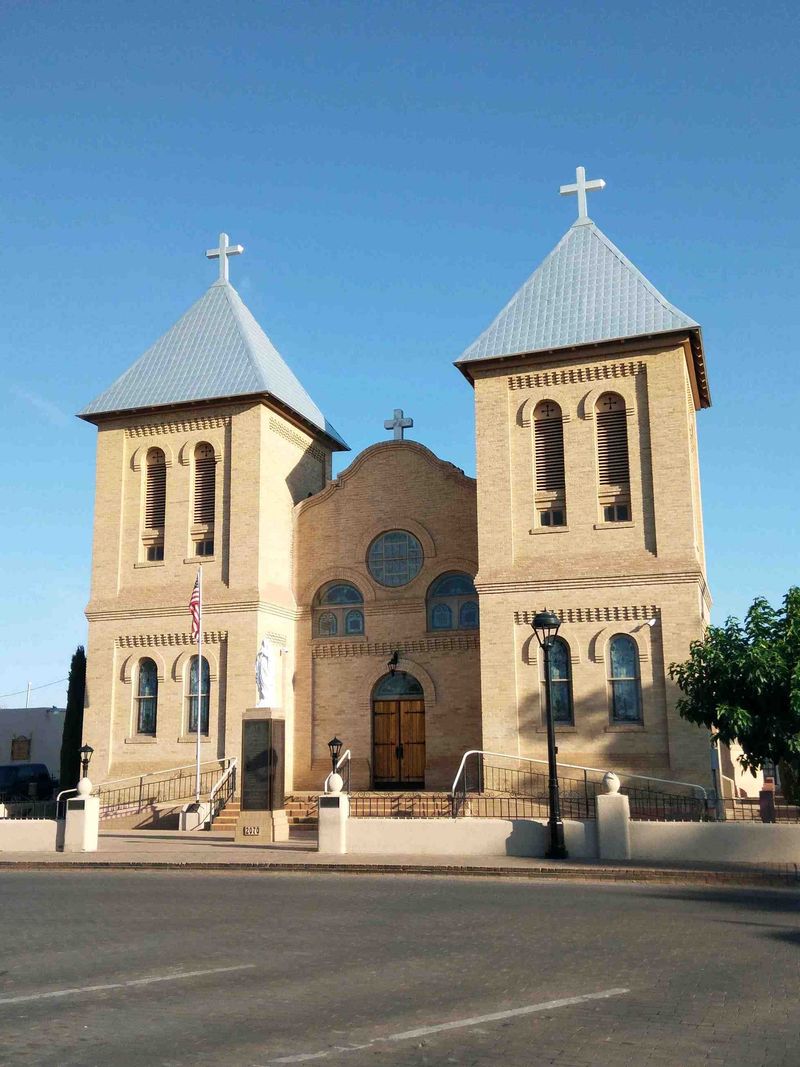
Mesilla feels like stepping into a Mexican plaza town, and there is a good reason for that. Founded in 1848, Mesilla was designed around a central plaza in the traditional Spanish colonial style.
The Mesilla Historic District, recognized as a National Historic Landmark by the National Park Service, preserves this layout beautifully, with adobe buildings and territorial architecture surrounding a walkable town square.
The plaza remains the heart of community life. Locals gather under shady trees, artisans sell handmade goods, and restaurants serve New Mexican cuisine with deep Mexican roots.
The pace here invites lingering, whether you are browsing shops, sipping coffee, or simply people-watching from a bench. There is no rush, no pressure to move along.
Mesilla operates on its own relaxed timeline.
History buffs will appreciate the layers of stories embedded in Mesilla’s streets. The town has flown under multiple flags, including Mexico’s, and its architecture reflects centuries of cultural exchange.
Adobe walls, wooden vigas, and hand-carved doors showcase building techniques passed down through generations.
Mesilla does not feel like a museum or a tourist attraction trying too hard. It simply exists as it has for over a century and a half, a plaza town where Mexican and American influences blend so thoroughly that separating them feels pointless.
The result is a place that feels both timeless and welcoming.
10. Chimayó, New Mexico
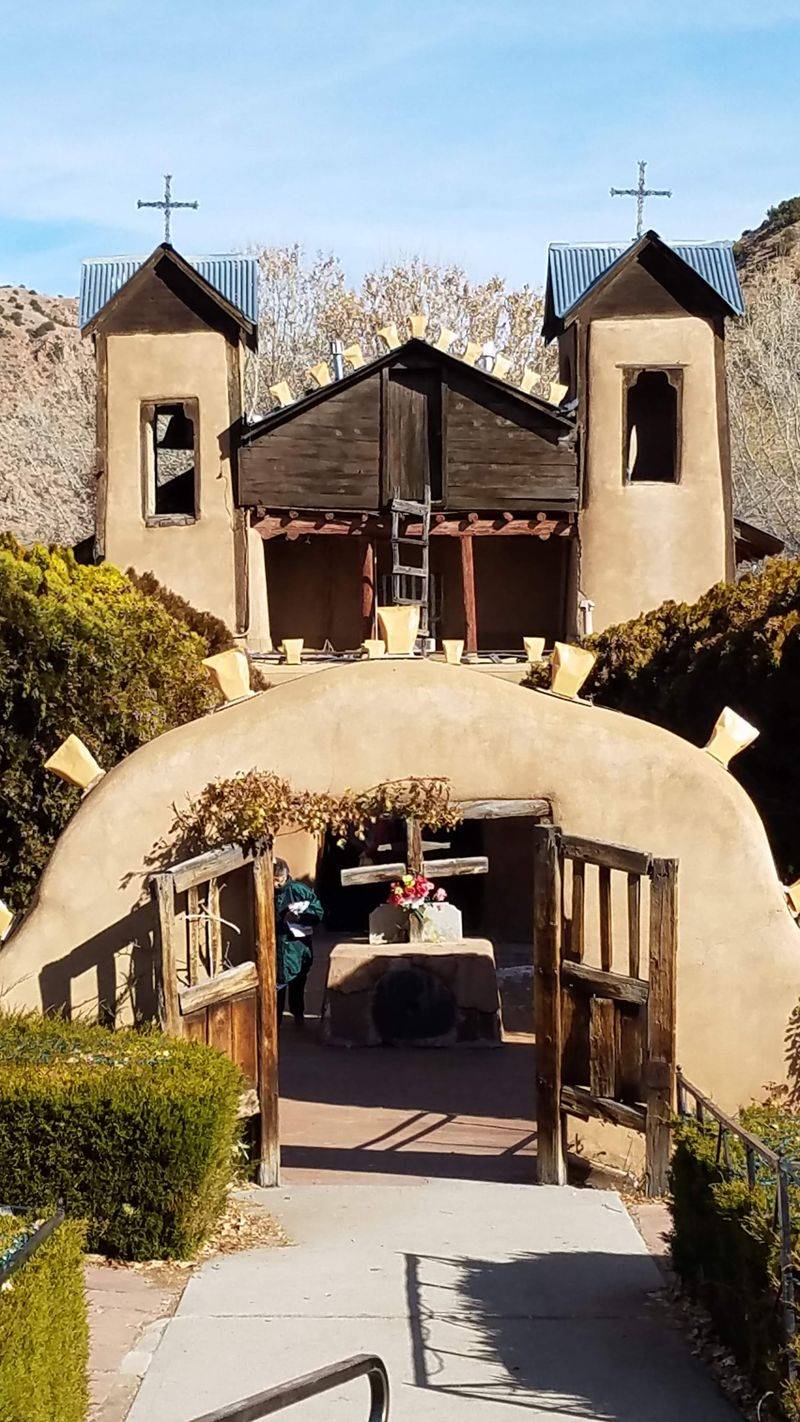
Tiny Chimayó packs a powerful cultural punch through Spanish colonial tradition and deep religious devotion. El Santuario de Chimayó, built in the early 1800s and recognized as a National Historic Landmark by the National Park Service, draws thousands of pilgrims each year.
Many walk miles to reach the chapel, especially during Holy Week, following a tradition that echoes pilgrimage practices across Mexico and Latin America.
The adobe church, with its twin bell towers and hand-carved wooden doors, feels transported from another time and place. Inside, devotional art covers the walls, including retablos and bultos created by local artisans using techniques passed down through generations.
The sanctuary’s humble beauty and spiritual atmosphere create a sense of reverence that transcends language and denomination.
Beyond the church, Chimayó’s landscape reinforces its connection to Mexican and Spanish colonial heritage. Adobe homes dot the hillsides, and traditional acequia irrigation systems still water local fields.
Family-owned businesses sell woven textiles and red chile ristras, staples of northern New Mexico culture with roots stretching back centuries.
Chimayó does not advertise itself or try to compete with flashier tourist destinations. It simply exists as a place of faith, tradition, and quiet beauty.
For visitors seeking a genuine connection to the Spanish colonial past and Mexican religious traditions, this small village delivers an experience that feels both sacred and authentic.
11. Tucson, Arizona
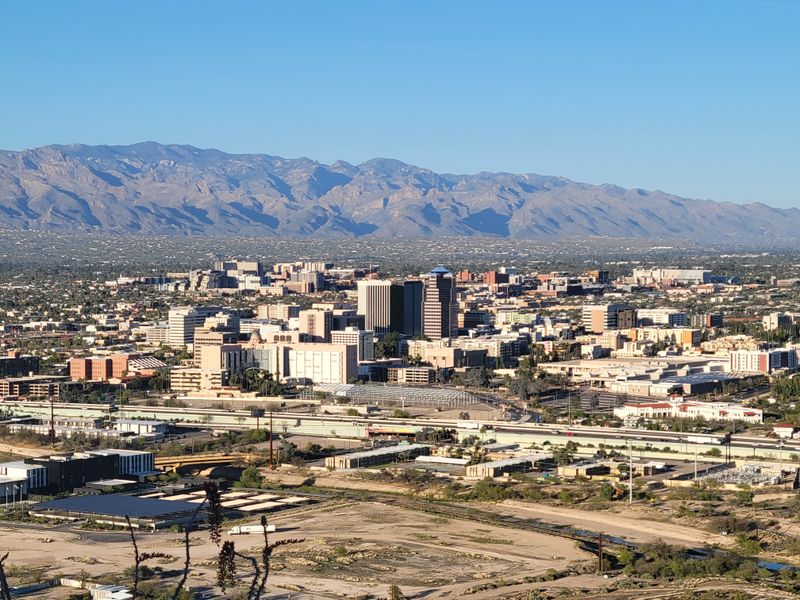
Tucson’s food scene earned international recognition when it became a UNESCO City of Gastronomy, a designation that highlights its unique culinary heritage. The city’s foodways reflect centuries of cultural exchange between Indigenous, Mexican, and Spanish traditions, creating flavors you will not find anywhere else.
Sonoran hot dogs, carne seca, and mesquite-grilled meats dominate local menus, blending techniques and ingredients from both sides of the border.
The Sonoran Desert surrounds Tucson, shaping not just the landscape but also the culture. Saguaro cacti stand like sentinels across the valley, and the desert’s beauty influences everything from architecture to art.
Adobe-style homes, shaded courtyards, and outdoor living spaces reflect adaptations to the climate that have roots in Mexican and Spanish colonial design.
Downtown Tucson mixes historic barrios with modern development. Murals celebrating Mexican heritage cover building walls, and mercados sell fresh produce, handmade tortillas, and traditional crafts.
Spanish flows freely in many neighborhoods, and cultural festivals celebrate everything from mariachi music to Dia de los Muertos.
Tucson does not try to separate its Mexican influences from its American identity. Instead, it embraces the overlap, recognizing that its location in the Sonoran Desert creates a natural connection to northern Mexico.
The result is a city where borderlands culture is not an add-on but the foundation of daily life.
12. San Luis, Arizona
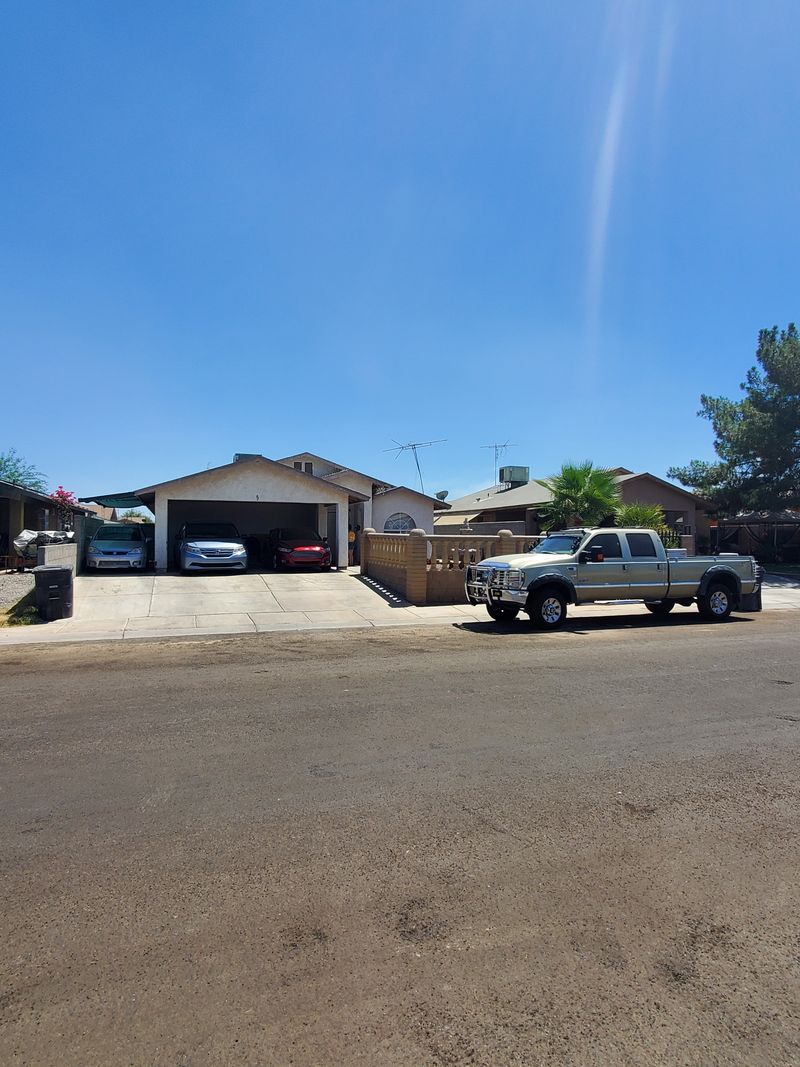
San Luis offers one of the most linguistically immersive border experiences in the United States. With 93.0% of residents identifying as Hispanic or Latino and one of the highest rates of Spanish spoken at home in the country, this small town operates primarily in Spanish.
English is available, but Spanish dominates street signs, business transactions, and everyday conversations.
Located in the far southwestern corner of Arizona, San Luis sits directly on the border, creating a natural flow of culture, commerce, and family connections between nations. Many residents have relatives on both sides, and crossing for work, shopping, or family visits is a routine part of life.
The border here feels less like a barrier and more like a neighborhood dividing line.
Downtown San Luis reflects its binational character. Colorful storefronts line the streets, vendors sell fresh produce and Mexican goods, and restaurants serve authentic Sonoran-style food.
The pace of life feels relaxed, with afternoon heat slowing things down and family time taking priority over strict schedules.
For visitors seeking total language and cultural immersion without leaving the U.S., San Luis delivers. This is not a place where Mexican culture is celebrated occasionally or reserved for special events.
It is the everyday reality, shaping everything from how business is conducted to how neighbors greet each other on the street. The result is a town that feels genuinely Mexican in its rhythms and routines.
Share this story