You say these phrases without a second thought, but their roots are darker, stranger, and far more human than you might expect. Once you know the backstories, you will never hear them the same way again.
From war tents and stormy decks to boxing rings and bustling markets, everyday speech hides vivid scenes of pain, wit, and survival. Get ready to spot hidden history every time you open your mouth.
1. Bite the Bullet
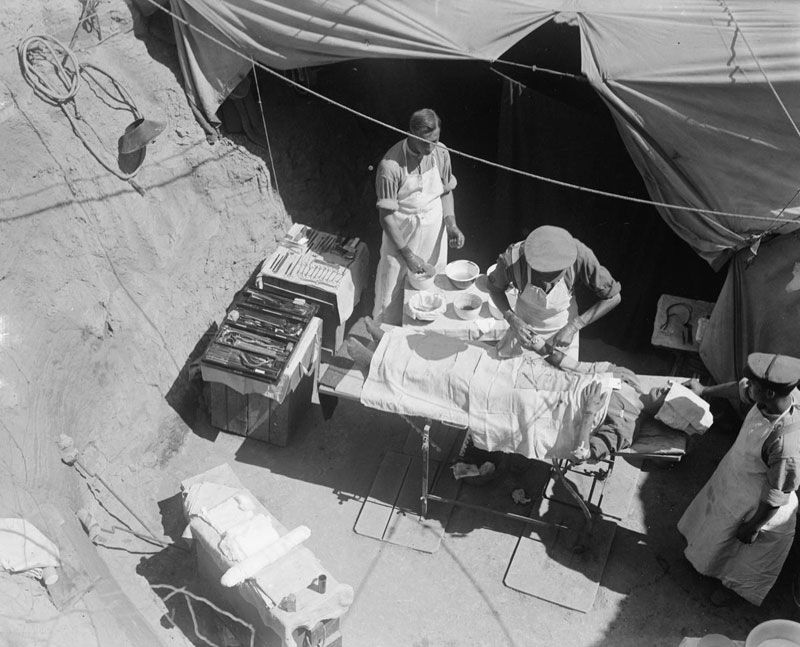
When you bite the bullet, you brace for pain, just like soldiers did before anesthesia. Field surgeons worked under canvas tents, and a hard metal slug kept teeth from clamping down on tongues.
Picture the grit, the breath held, the jaw clenched.
Today, you use it when you schedule that dentist appointment or start the tough conversation you have avoided. The metal is gone, but the courage remains.
You take a breath, steady your nerves, and accept discomfort for a greater good.
2. Let the Cat Out of the Bag
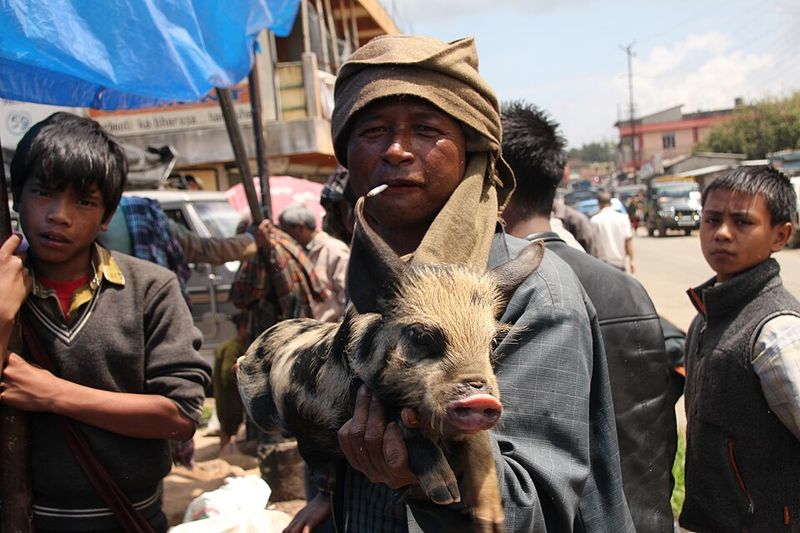
Let the cat out of the bag started in noisy medieval markets, where sly sellers swapped piglets for cats. Buyers discovered the trick the moment the bag opened and a hissing cat bolted into the crowd.
The scam was exposed, secret revealed.
Now, when you accidentally share a surprise or leak a plan, the old marketplace echoes. You have popped the knot, and the truth darts out.
It is messy, sudden, and impossible to stuff back inside.
3. Spill the Beans
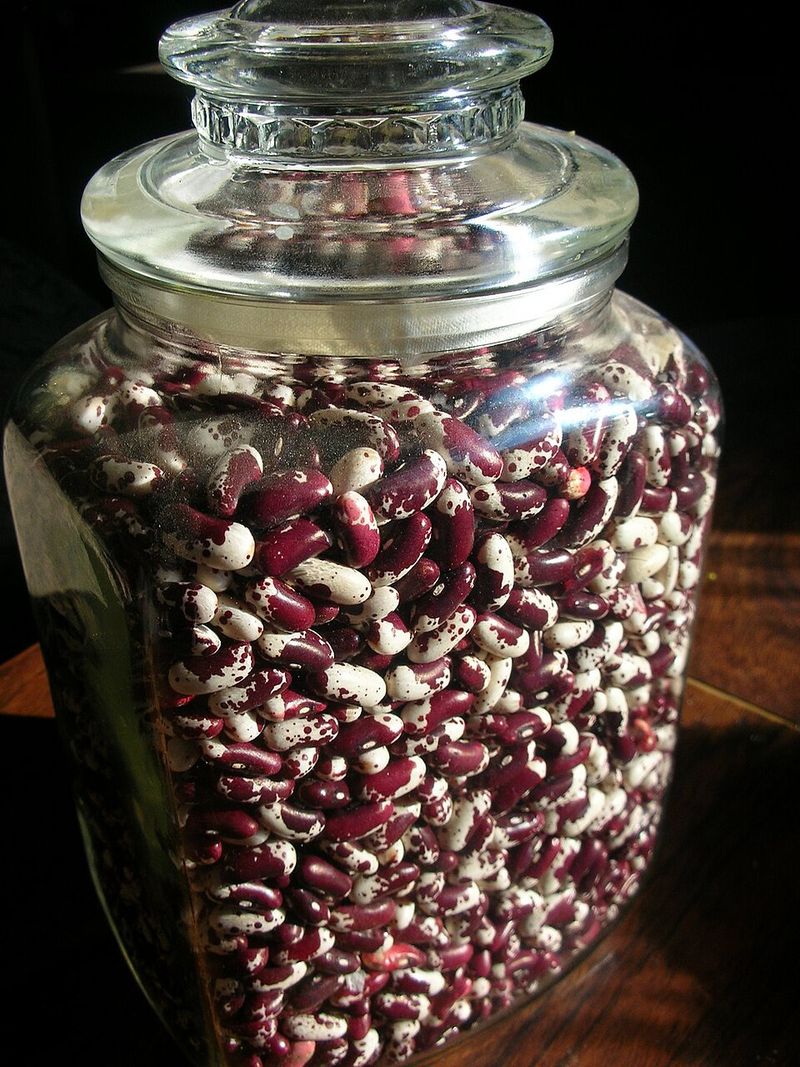
Spill the beans likely goes back to ancient Greek voting, when colored beans in a jar kept decisions secret. One knock, and the polished pebbles or beans skittered across the floor, exposing results for everyone to see.
Privacy gone, outcome revealed.
When you urge a friend to confess, you echo that clatter. Secrets feel tidy until a moment of clumsiness scatters them.
You cannot unspill what spreads across the floor of conversation.
4. Break the Ice

Break the ice began with real ships and real danger. Icebreakers smashed frozen barriers so trade and travel could continue, carving channels that others could follow safely.
Steel met winter, and progress followed the crack.
In conversation, you do the same thing. You ask the first question, offer a joke, or share a small truth that lets others move.
The room warms, the surface fractures, and connection flows where it was once stuck.
5. Caught Red-Handed
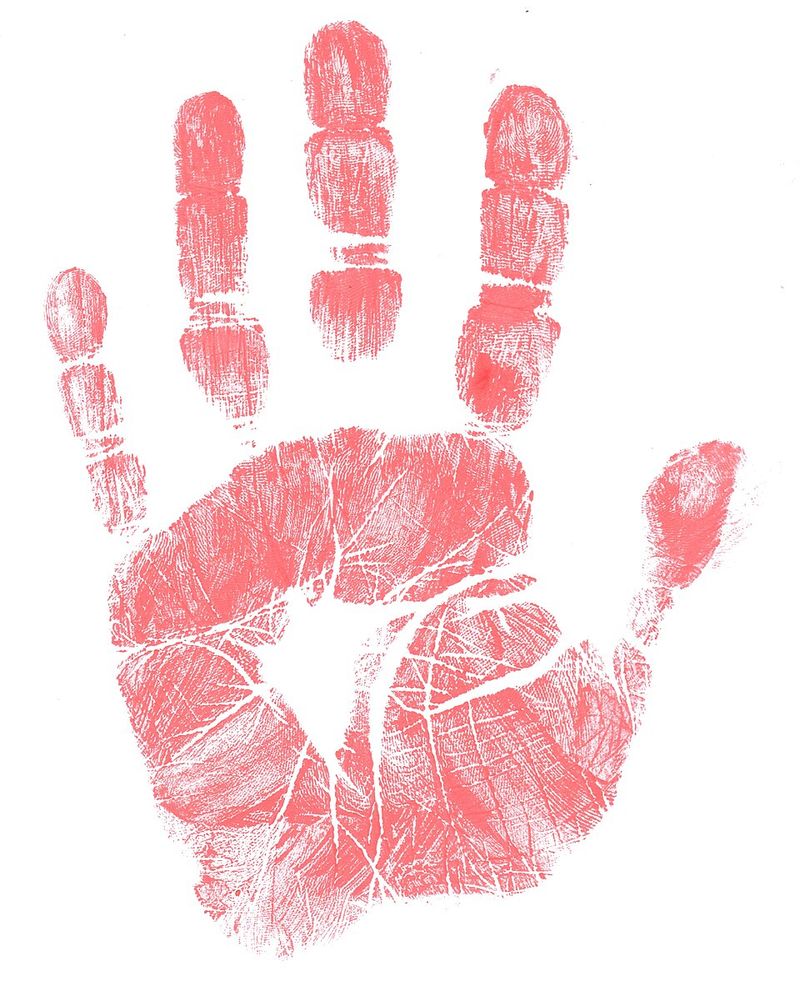
Caught red-handed once meant exactly that. In 15th century Scotland, laws punished those found with blood on their hands or clothes after a crime.
Evidence stained the skin, and excuses washed away.
When you say it now, you point to undeniable proof. There is no wiggle room, no clever alibi to scrub the mark.
Guilt is not abstract, it is visible, and it sticks like a color you cannot hide.
6. Saved by the Bell
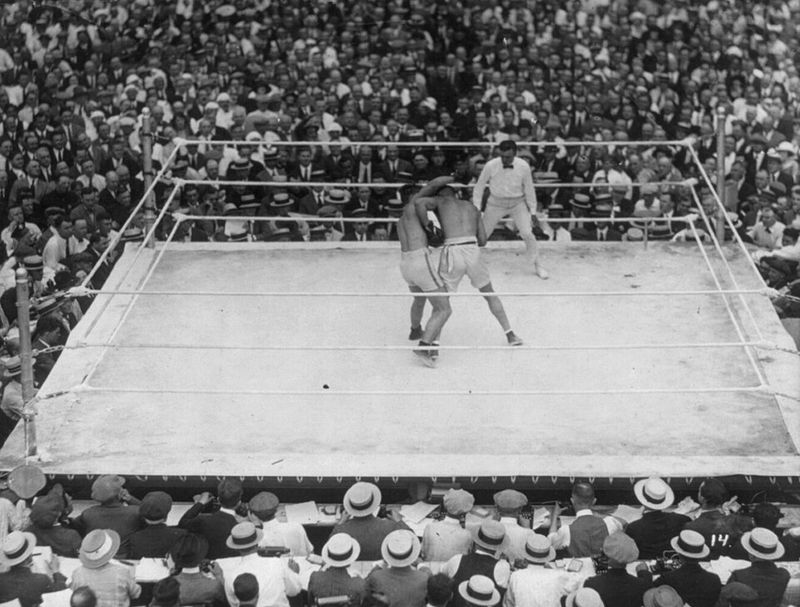
Saved by the bell rings loudest in boxing. A fighter teeters, the count begins, and then the bell splits the air, rescuing him for one more round.
The clock steps in like a friend.
When you use it, a meeting ends, a call interrupts, or the elevator opens just in time. You are spared a moment longer.
Relief floods in, and you get a chance to regroup before facing the next punch.
7. Turn a Blind Eye
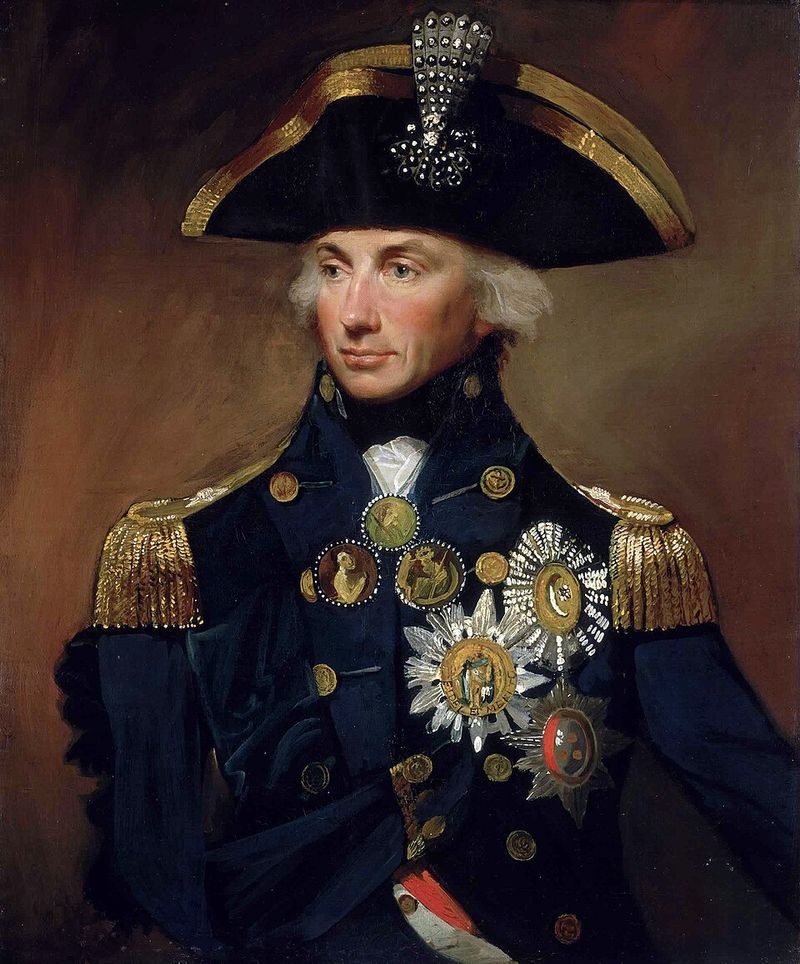
Turn a blind eye sails from Admiral Horatio Nelson. During the Battle of Copenhagen, he lifted a telescope to his blind eye and claimed not to see the signal to withdraw.
Defiance became legend, and the phrase stuck.
Today, you sometimes ignore a rule, a flaw, or a warning when it suits your purpose. You choose not to see, and action continues as if the flag never flew.
It is willful, risky, and often effective.
8. Feeling Under the Weather
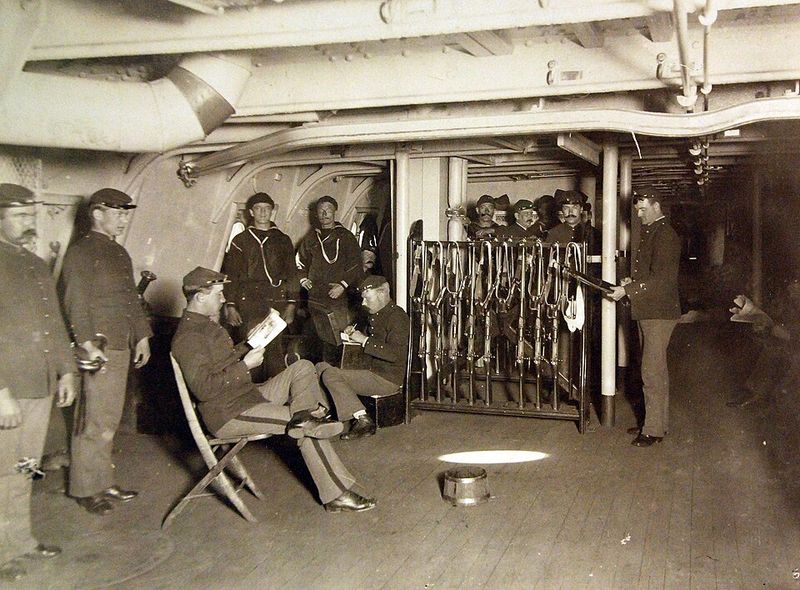
Feeling under the weather began at sea. Sick sailors were sent below deck, literally under the worst of the wind and rain, to recover in the dim sway of hammocks.
Storm above, queasiness below.
You use it now for any off day, a headache or malaise that makes the world tilt. Land or ocean, the body still heeds the barometer.
You step back, lie down, and wait for the pressure to pass.
9. Blessing in Disguise
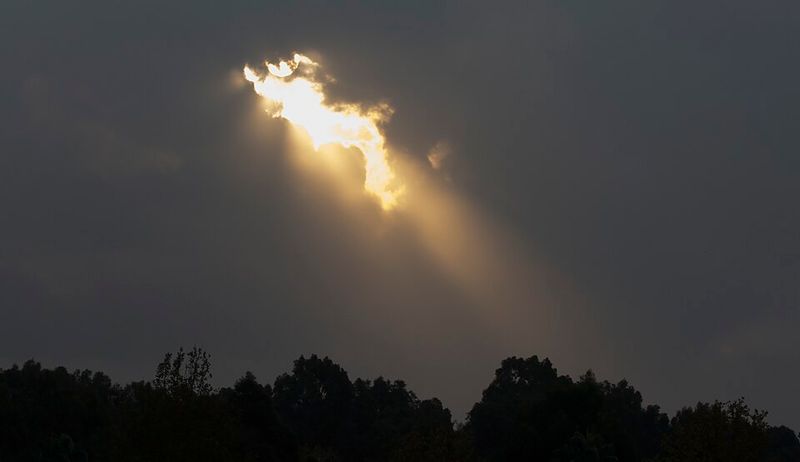
Blessing in disguise comes from devotional language. Writer James Hervey used it to suggest that hardship can veil unexpected good, like sunlight hidden behind rough weather.
Suffering wears a mask that time may remove.
When your plan collapses and a better path appears, you feel the phrase fit. The disguise slips, and gratitude replaces frustration.
You were delayed, rerouted, and somehow this was the road you needed.
10. Beat Around the Bush
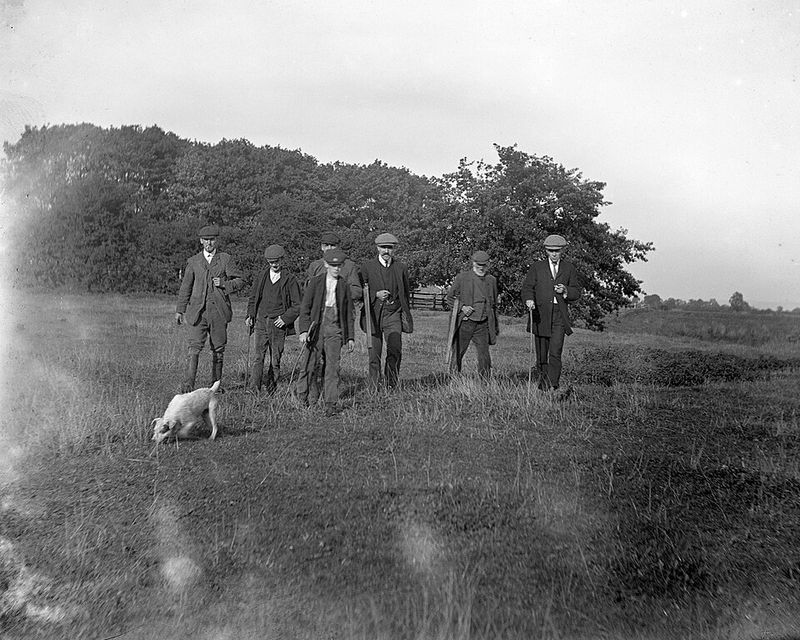
Beat around the bush began with hunting parties. Helpers thrashed the undergrowth to flush birds toward the main archer, avoiding a direct approach.
Noise first, target later.
In conversation, you do the same when you hesitate. You circle your point, test reactions, and keep the risk at arm’s length.
Finally, you stop rustling and say what you mean.
11. Kick the Bucket
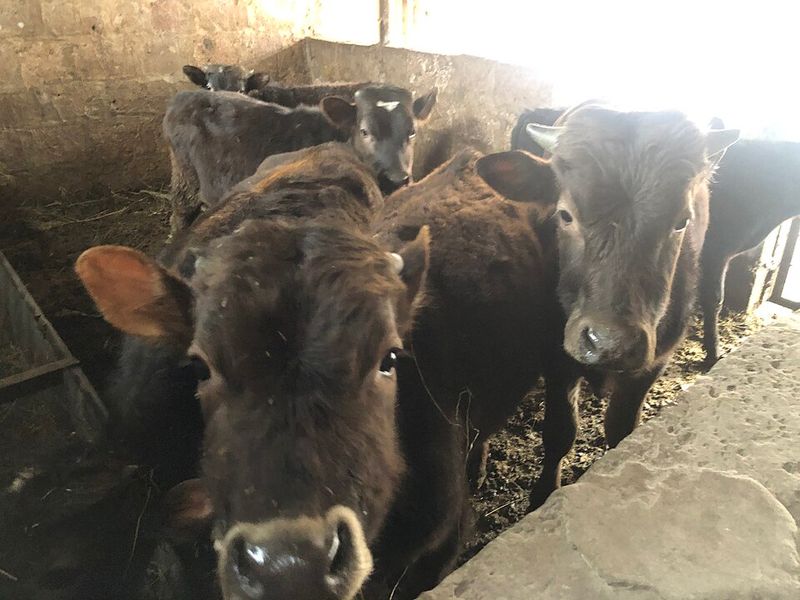
Kick the bucket has debated roots, but one vivid story sticks. Animals hung from a beam sometimes called a bucket would kick in their final moments.
The image turned into a gentle euphemism for death.
When you use it, you soften a hard truth with familiarity. Humor provides distance, and grief gets a cushion.
The phrase nods to mortality without staring it down too long.
12. Raining Cats and Dogs
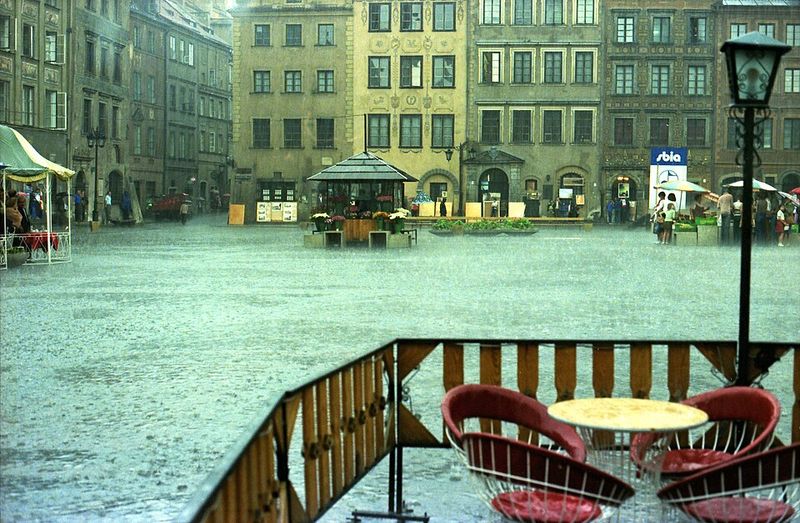
Raining cats and dogs paints a chaotic storm. In old European cities, heavy rain could wash debris and dead animals from rooftops and streets into rushing gutters.
People swore the sky had dropped creatures.
Now you reach for it when the downpour pounds windows and swallows sidewalks. Hyperbole feels honest in weather like that.
You dash, splash, and admit the clouds are not playing around.
13. The Proof Is in the Pudding
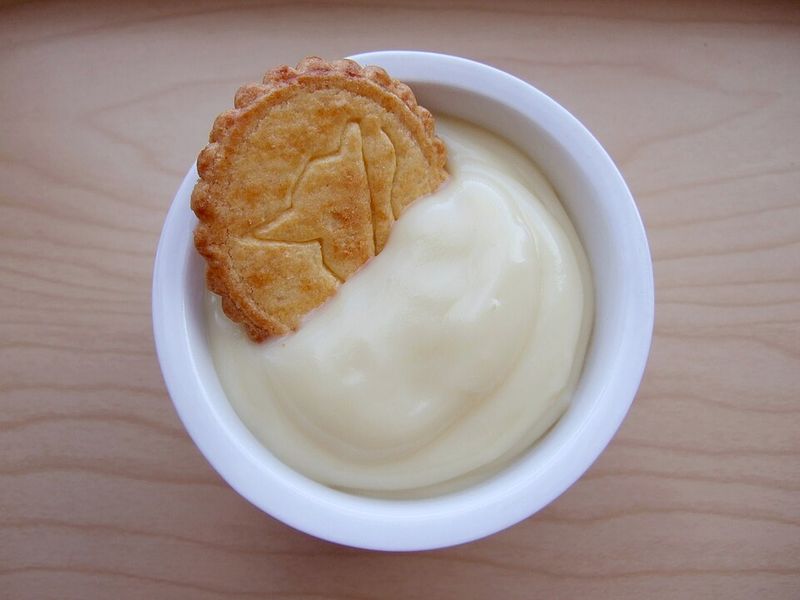
The proof is in the pudding trims a longer proverb: the proof of the pudding is in the eating. In other words, results outrank promises.
Taste decides, not talk.
When you say it, you nudge action over hype. You want the demo, the beta, the first bite that proves the recipe.
Only performance, not polish, settles the question.
14. Bite the Dust
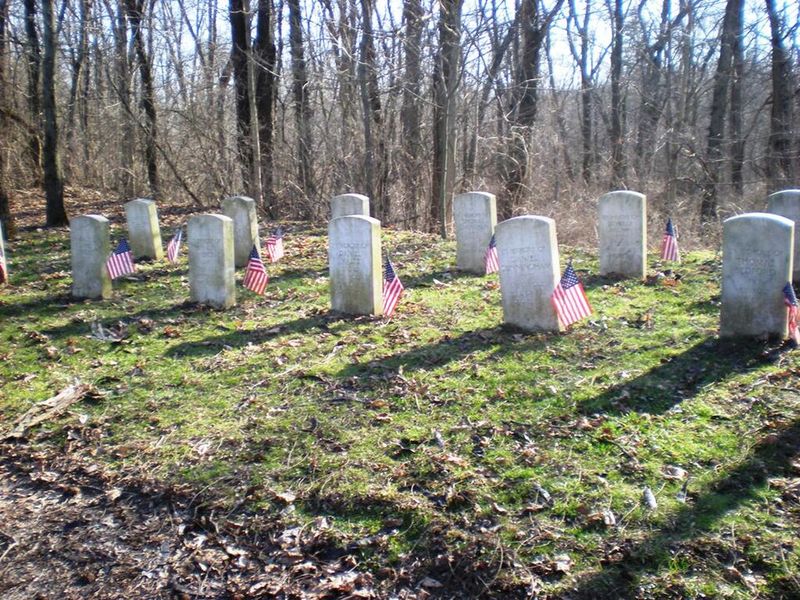
Bite the dust lands in battlefields and ballads. A fighter falls face-first, mouth in the grit, and the phrase gains a blunt physical truth.
Literature spread it, but the ground gave it force.
When a project collapses, the wording fits. You taste failure, cough, and stand again.
The dust never asked for poetry, yet it keeps getting quoted.
15. Chew the Fat
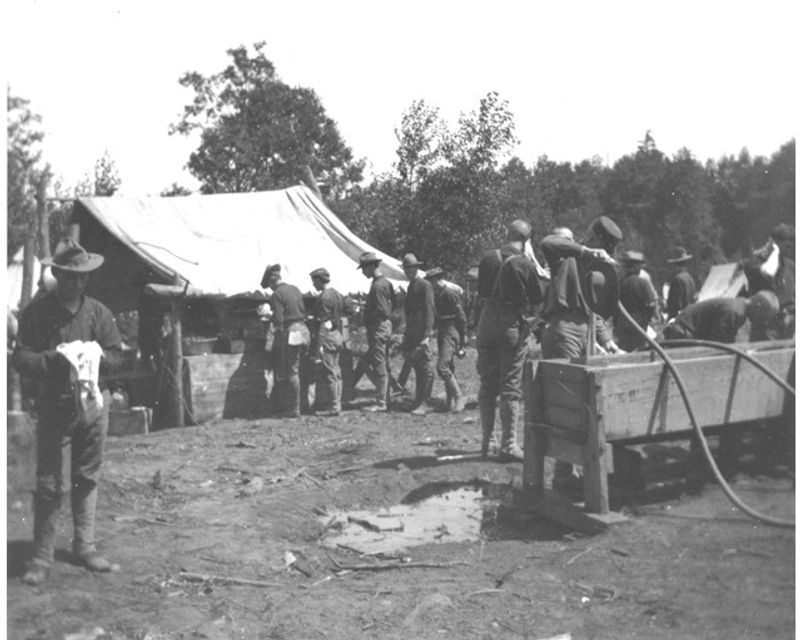
Chew the fat likely grew from barracks and mess tents. Soldiers joked and lingered over tough scraps, mouths working as slowly as the conversation.
Words stretched like gristle between teeth.
When you do it now, you linger on a porch or over coffee, letting talk take the long way. No rush, no agenda, just human time.
The flavor is in the pace as much as the topic.
Share this story