Remember when technology just worked without needing updates, subscriptions, or Wi-Fi passwords? Many of us do, and we miss it.
From phones that played music without dongles, older tech had a simplicity and reliability that modern gadgets often lack. This list celebrates those classic features that, despite all our smart innovations, still hold their own against today’s high-tech alternatives.
1. Classic Windows (XP/7 Era): Fast, Familiar, and Not Constantly Pushing Updates
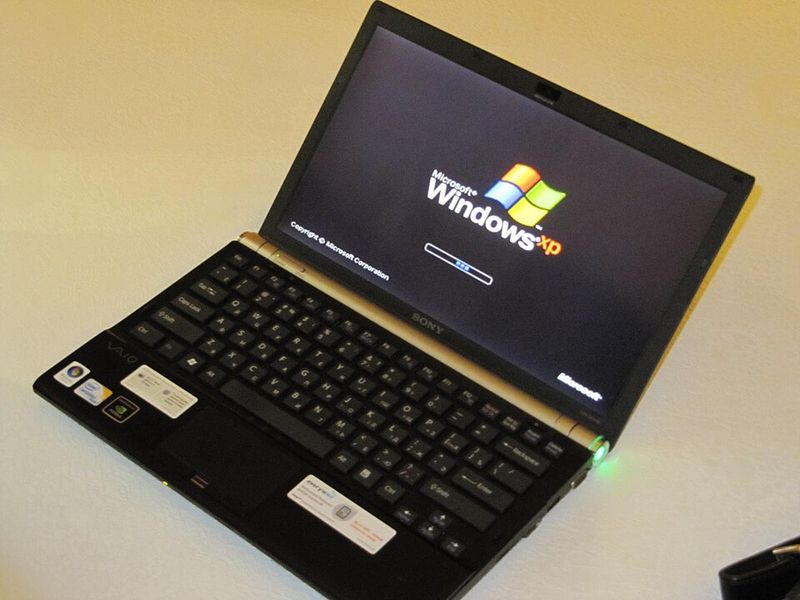
Boot up in seconds, work for hours, shut down without drama. Windows XP and Windows 7 delivered exactly that kind of experience.
You could install the operating system, customize it how you liked, and then just use your computer without constant interruptions asking you to restart or update.
Modern Windows versions come loaded with features many people never asked for. Cortana, constant security patches, forced reboots during work hours, and bloatware that slows everything down have become the norm.
Back in the XP and 7 days, your computer felt like yours, not a billboard for Microsoft’s latest services.
Everything had a familiar place. The Start Menu made sense.
Control Panel settings were straightforward. You did not need to hunt through multiple settings apps to change your wallpaper or adjust your sound.
Sure, older systems had security risks if left unpatched, but many users appreciated having control over when and how updates happened. The interface was clean, snappy, and intuitive.
For countless users who just wanted to browse, write documents, or play games, Windows XP and 7 represented the sweet spot between functionality and simplicity. Those were the glory days of personal computing.
2. Phones With Headphone Jacks: Plug In, Press Play, Done
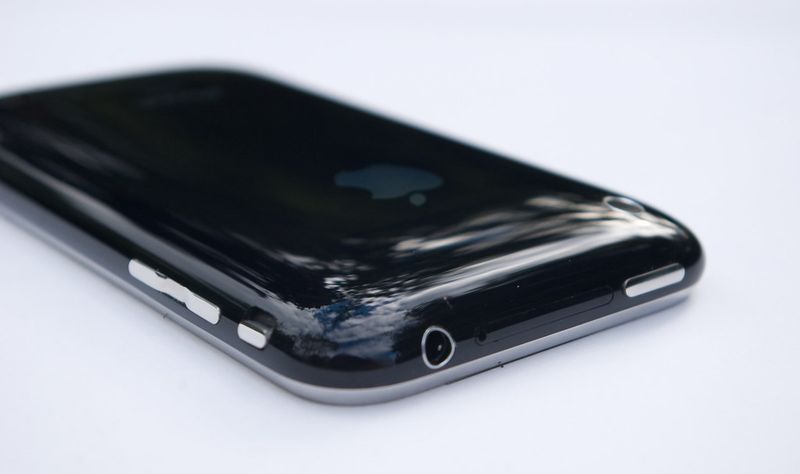
Wireless earbuds are convenient until they die mid-commute or one falls down a subway grate. Phones with headphone jacks never had that problem.
You grabbed your favorite wired earbuds, plugged them in, and your music started instantly. No pairing, no charging case, no connectivity issues.
Wired headphones also offered consistent sound quality without compression or latency. Gamers and musicians especially appreciated the direct connection, which eliminated the slight delay that Bluetooth introduces.
Plus, you could use any pair of headphones you wanted, from cheap gas station buds to high-end studio monitors.
Losing the headphone jack meant buying dongles, which are easy to misplace and annoying to carry. It also meant relying on battery-powered accessories that add one more thing to charge every night.
For people who just wanted to listen to music or podcasts without fuss, the headphone jack was perfect.
Phone manufacturers claimed removing the jack saved space and improved water resistance, but many users saw it as a cash grab to sell wireless earbuds. The simplicity and reliability of a 3.5mm jack cannot be beaten.
Plug in, press play, done. No apps, no updates, no dead batteries.
Just music.
3. Game Cartridges & Discs: Instant Play Without Huge Downloads

Pop in a cartridge or disc, wait maybe thirty seconds for a logo screen, and you were playing. No day-one patches, no mandatory installs eating up hard drive space, no waiting hours for a download to finish.
Physical game media delivered instant entertainment, exactly as advertised.
Modern gaming often means buying a game and then waiting while it downloads tens or even hundreds of gigabytes. Even physical discs now frequently require massive updates before you can start playing.
For anyone with slow internet or data caps, this is incredibly frustrating.
Cartridges and discs also gave you true ownership. You could lend games to friends, trade them in, or resell them when you were done.
Digital games are tied to accounts and platforms, meaning you never really own them in the same way.
Sure, cartridges could not be patched if they had bugs, but developers had to get things right the first time. That led to tighter, more polished games at launch.
Discs offered better graphics and sound while still keeping load times reasonable. Physical game media represented a simpler era when buying a game meant playing it right away, not starting a lengthy installation process.
Plug and play was the ultimate feature.
4. Physical Store Shopping: Try It, Buy It, Bring It Home Today

Walk into a store, see the product in person, touch it, try it on, ask questions, and walk out with it in a bag. Physical shopping offered instant gratification and the ability to inspect what you were buying before handing over your money.
No wondering if the color would match the photos or if the size chart was accurate.
Online shopping is convenient, but it comes with trade-offs. You wait days for delivery, deal with porch pirates, and often end up returning items that do not fit or match expectations.
Returns mean repackaging, printing labels, and waiting even longer for refunds.
Stores also provided a social experience. You could shop with friends, get opinions from salespeople who knew the products, and discover things you were not specifically searching for.
Browsing a physical store often led to finding unexpected treasures.
Sure, stores had limited inventory compared to the entire internet, but what they stocked was right there for you to evaluate. You knew exactly what you were getting.
Plus, supporting local businesses kept money in your community. Physical store shopping combined immediacy, certainty, and satisfaction in a way online retail still struggles to match.
Sometimes the old way really was the better way.
5. Dedicated Digital Cameras: Real Zoom, Real Photos, No “Beauty Filters”
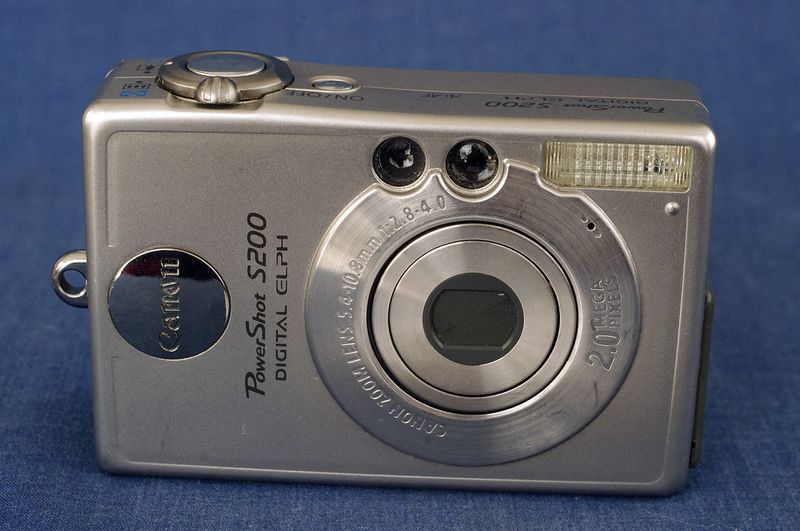
Point-and-shoot cameras and DSLRs captured moments as they actually happened. Colors looked natural, skin looked like skin, and optical zoom let you get close to distant subjects without pixelation.
Photography felt authentic, not like a cartoon version of reality.
Smartphone cameras have improved dramatically, but they often over-process images with aggressive sharpening, smoothing, and color boosting. Beauty filters have become so automatic that many people do not even realize their phone is altering their appearance in every selfie.
Dedicated cameras also offered superior zoom capabilities. Optical zoom actually magnifies the image through glass lenses, while smartphone digital zoom just crops and enlarges pixels.
For wildlife, sports, or concerts, a real camera made all the difference.
Battery life was another advantage. Cameras could shoot all day without dying, while phone cameras drain batteries quickly.
Plus, cameras had physical buttons and dials that let you adjust settings without navigating touchscreen menus.
Sure, carrying a separate device was less convenient, but the photo quality and control made it worthwhile. Your memories looked real and vivid, not filtered and fake.
Dedicated digital cameras represented a time when photography was about capturing truth, not creating an idealized version of it. Real zoom, real photos, real memories.
6. Mattresses Without Tech: No Apps, No Wi-Fi, Just Sleep

Lie down, get comfortable, fall asleep. That was the entire process with traditional mattresses, and it worked perfectly for centuries.
No apps to download, no firmware to update, no sleep scores to stress over. Just a comfortable surface designed for one purpose: rest.
Smart mattresses promise to track your sleep, adjust firmness automatically, and sync with your smart home. But they also introduce complexity, subscription fees, privacy concerns, and potential technical failures.
Imagine your mattress crashing or needing a software patch before you can sleep comfortably.
Traditional mattresses were also more affordable and lasted just as long, if not longer. Without electronics to fail, they kept doing their job year after year.
You did not worry about obsolescence or compatibility with future technology.
Sleep quality depends on comfort, support, and personal preference, not on algorithms and sensors. A good old-fashioned mattress provided all of that without collecting data on your sleeping habits or requiring an internet connection.
Plus, regular mattresses did not raise questions about who had access to your sleep data or whether your bed was vulnerable to hacking. Sleep is supposed to be restful and private.
Mattresses without tech respected both of those needs perfectly. Sometimes the best technology is no technology at all.
Just sleep.
7. Cars Without Touchscreens: Buttons and Knobs You Can Use by Feel

Adjust the temperature, change the radio station, or turn up the volume without taking your eyes off the road. Physical buttons and knobs made driving safer and less frustrating.
Your fingers learned where everything was, and muscle memory took over.
Modern cars increasingly rely on touchscreens for everything, forcing drivers to look away from traffic to navigate menus. Want to adjust the air conditioning?
Tap through three screens. Need to skip a song?
Hope you hit the right spot on the glass while bouncing down the road.
Touchscreens also get smudged, glare in sunlight, and can lag or freeze like any computer. Buttons and knobs worked instantly, every time, in any lighting condition.
They provided tactile feedback, so you knew when you had successfully made an adjustment.
Cold weather was another issue. Touchscreens can be sluggish or unresponsive in freezing temperatures, and they are impossible to use with gloves on.
Physical controls worked regardless of weather or what you were wearing.
Sure, touchscreens look sleek and modern, but they sacrifice usability for style. Buttons and knobs were intuitive, reliable, and designed with the driver in mind.
Cars without touchscreens let you focus on driving, not on figuring out which menu hides the defrost setting. Safety and simplicity won.
8. Physical Car Keys: Simple, Reliable, and Cheaper to Replace
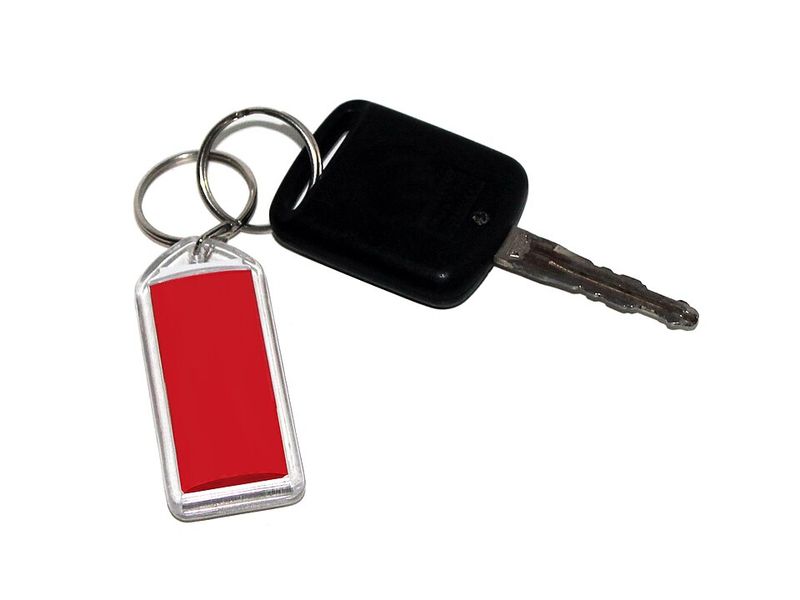
Metal key meets ignition, turns, engine starts. Physical car keys were straightforward, durable, and easy to understand.
They did not need batteries, firmware updates, or proximity sensors. You could duplicate them at any hardware store for a few dollars, and they fit comfortably on a keychain with your house keys.
Modern key fobs offer convenience like remote start and keyless entry, but they come with serious downsides. Replacing a lost or broken fob can cost hundreds of dollars, and programming requires a trip to the dealership.
Batteries die at inconvenient times, leaving you stranded until you swap in a fresh one.
Key fobs are also vulnerable to hacking and signal amplification theft. Thieves can capture the wireless signal and unlock or start your car without ever touching the fob.
Physical keys required actual physical possession to steal a vehicle, adding a layer of security.
Durability was another advantage. Metal keys could survive drops, water exposure, and years of use without issue.
Fobs are fragile electronics that can break if dropped or exposed to moisture.
Sure, fumbling for keys in your pocket was slightly less convenient than push-button start, but the trade-off was worth it. Physical car keys were reliable, affordable, and secure.
Simple often means better, and car keys proved that every single day.
9. Swipe Credit Cards: The “Swipe and Go” Checkout Era
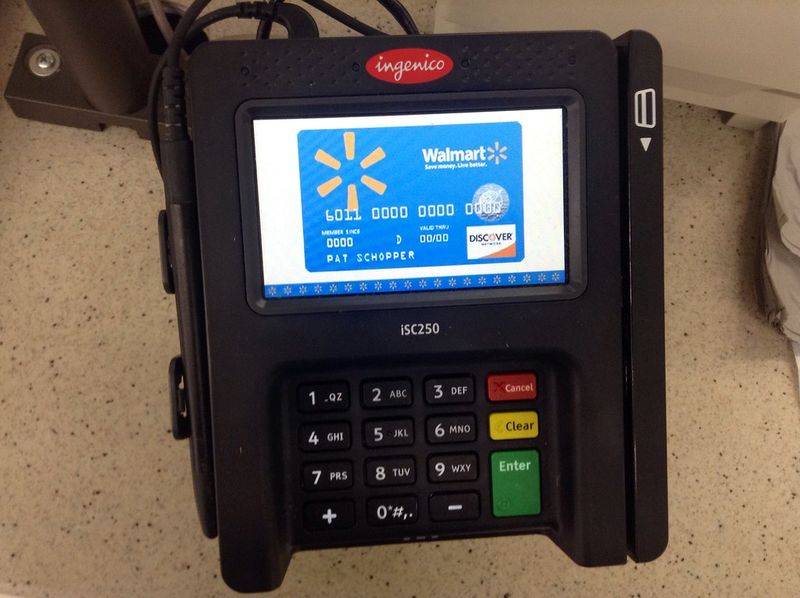
Swipe your card through the reader, sign the receipt, and you were done. Credit card transactions took seconds, and the technology was mature and reliable.
Cashiers and customers both understood the process, making checkout smooth and predictable.
Chip cards promised better security, but they also brought longer transaction times. Insert the card, wait, wait some more, remove the card, sometimes try again if it did not read properly.
What used to take two seconds now takes ten or fifteen, multiplying frustration during busy shopping trips.
Contactless payments and mobile wallets added more options, but also more complexity. Now you have to figure out which payment method a store accepts and whether your phone or card supports it.
Swipe cards worked everywhere, every time, with zero confusion.
Security concerns were valid, but for everyday purchases, the speed and simplicity of swiping made life easier. Fraud protection improved over time even with swipe technology, and most issues were resolved quickly by card companies.
The swipe and go era represented efficiency at the checkout line. No waiting for chips to authenticate, no fumbling with phones, no wondering if the reader supports your preferred method.
Just swipe, sign, and continue with your day. Sometimes faster really is better, and swipe cards proved it every single transaction.
10. Landline Phones: Clear Calls Without Battery Stress

Pick up the phone, hear a dial tone, make a call with crystal-clear audio. Landline phones delivered reliable communication without worrying about signal strength, battery life, or data plans.
Conversations sounded natural, with none of the compression or dropouts common on cell networks.
Cell phones are incredibly convenient, but call quality often suffers. Calls drop, voices sound robotic, and background noise interferes.
Landlines provided consistently clear connections because they used dedicated copper wires rather than crowded wireless frequencies.
Battery anxiety did not exist with landlines. The phone drew power from the line itself, so it worked during power outages as long as the phone company’s equipment stayed online.
You could talk for hours without worrying about your battery dying mid-conversation.
Landlines also offered better privacy and security. Calls were harder to intercept than wireless signals, and you did not have to worry about your phone company tracking your location or selling your data to advertisers.
Sure, landlines tied you to one location, but that also meant you were fully present during calls. No texting, browsing, or getting distracted by notifications.
Conversations felt more focused and meaningful.
For reliability, clarity, and simplicity, landlines were hard to beat. Clear calls without battery stress made communication straightforward and dependable.
Sometimes being connected to a wire meant being truly connected to the person on the other end.
11. Basic Flashlights: One Button, One Job, Always Works

Press the button, light turns on. Press it again, light turns off.
Basic flashlights did exactly what you needed without complexity or confusion. They were reliable, durable, and required nothing more than fresh batteries to function perfectly for years.
Modern flashlights often include multiple brightness modes, strobe functions, SOS signals, and rechargeable batteries. While these features sound useful, they add complexity that can backfire.
Cycling through modes in the dark becomes annoying when you just need light immediately. Rechargeable batteries are great until they die and you have no spare standard batteries as backup.
Basic flashlights with a simple on-off switch never left you guessing. You knew exactly how they worked, and so did everyone else in your household.
Hand it to a kid, a grandparent, or a guest, and they could use it instantly without instructions.
Durability was another strength. Simple flashlights had fewer parts to break.
Drop one and it kept working. Leave it in a drawer for years and it was ready when you needed it.
Modern rechargeable models can lose charge over time or suffer battery degradation.
Emergency situations demand reliability, and basic flashlights delivered. One button, one job, always works.
No apps, no charging cables, no modes to cycle through. Just dependable light exactly when and where you needed it.
Simplicity meant reliability, and that mattered most when the lights went out.
12. DVD Collections: Entertainment You Actually Owned
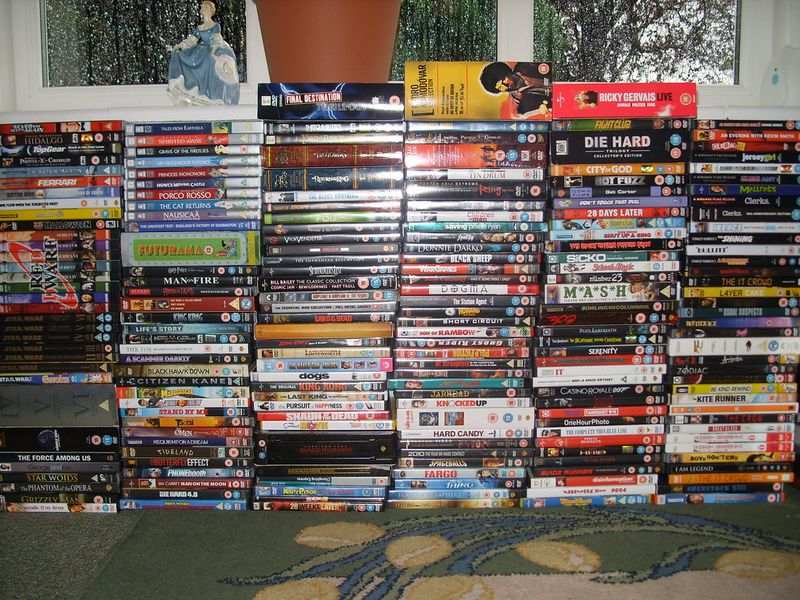
Build a shelf full of your favorite movies and shows, knowing they would be there whenever you wanted to watch them. DVD collections represented true ownership.
No subscription fees, no content disappearing because of licensing disputes, no internet required. You bought it, you owned it, forever.
Streaming services offer convenience and variety, but they also take away control. Movies and shows vanish without warning when contracts expire.
Services raise prices, split content across multiple platforms, and remove features. Your favorite film might be available today and gone tomorrow.
DVDs came with bonus features that streaming often skips: director commentaries, behind-the-scenes documentaries, deleted scenes, and bloopers. These extras added value and deepened your appreciation for the content.
Streaming services rarely include such bonuses, focusing only on the main feature.
Physical media also offered better video and audio quality in many cases. DVDs and especially Blu-rays delivered uncompressed content, while streaming quality depends on your internet speed and can suffer from buffering or compression artifacts.
Building a DVD collection was a hobby and a source of pride. You curated your library, displayed it, and shared it with friends and family.
Streaming libraries are invisible and temporary, lacking the tangible satisfaction of ownership.
Entertainment you actually owned meant freedom and permanence. DVD collections let you watch what you wanted, when you wanted, without ongoing costs or corporate decisions affecting your access.
True ownership still beats renting forever.
13. Laundry Machines Without Wi-Fi: Fewer Errors, Less Fuss

Turn the dial, select your settings, press start, and your laundry gets done. Traditional washing machines and dryers were mechanical marvels that required no internet connection, smartphone app, or software updates.
They just worked, load after load, year after year, with minimal fuss.
Smart laundry machines promise remote monitoring, custom cycles, and integration with smart homes. In reality, they introduce new problems.
Wi-Fi connectivity can fail, apps can crash, and firmware updates can introduce bugs. Machines that used to be bulletproof now have more ways to malfunction.
Traditional machines also had straightforward controls. Physical dials and buttons gave clear feedback and were easy to understand.
Anyone could walk up and start a load without consulting a manual or downloading an app. Smart machines often bury simple functions behind touchscreens and menus.
Repair was simpler too. Mechanical parts could be fixed by local appliance technicians.
Smart machines require specialized knowledge and proprietary parts, often making repairs more expensive or impossible without manufacturer support.
Privacy is another concern. Do you really need your washing machine connected to the internet, potentially collecting data about your household routines?
Traditional machines respected your privacy by design because they had no way to phone home.
Laundry machines without Wi-Fi delivered reliability, simplicity, and privacy. Fewer errors, less fuss, and clothes just as clean.
Sometimes the best appliances are the ones that just do their job without trying to be smart.
Share this story