Think you know World War II inside and out? Freshly declassified files, rediscovered artifacts, and long silent witnesses are rewriting parts of the story.
As you read, you will spot clever deceptions, ethical gray zones, and unsung heroes that transform familiar timelines. These finds will change how you talk about the war from this day forward.
1. The Ghost Army Was a Purposeful Deception Unit
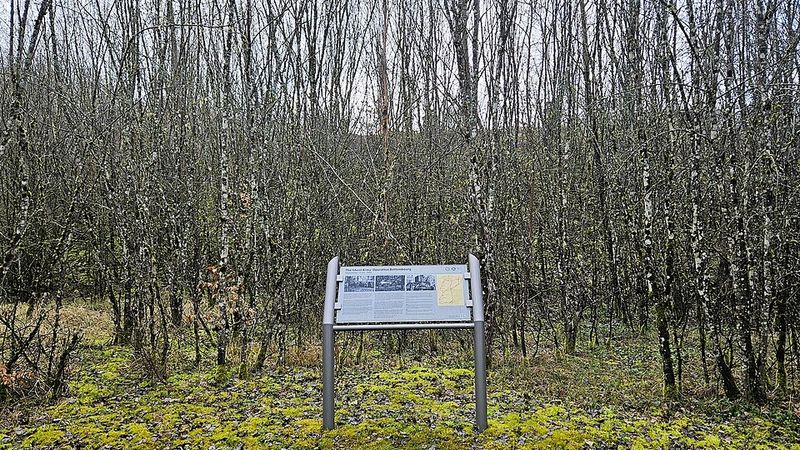
The U.S. Army’s 23rd Headquarters Special Troops, commonly called the “Ghost Army,” conducted organized deception operations in the European Theater from 1944 to 1945.
This specialized unit employed inflatable tanks, rubber aircraft, prerecorded sounds, dummy radio traffic, and staged maneuvers to mislead German reconnaissance and divert attention from genuine Allied troop concentrations. Until the 1990s, many of the unit’s activities remained classified, and veterans were bound by nondisclosure agreements.
Declassified records and veteran interviews now confirm the intentional and systematic nature of these operations, which were planned at high command levels. Historians estimate these deceptions contributed to operational success in multiple campaigns by drawing enemy resources away from strategic targets, reducing Allied casualties, and buying critical time for advancing forces.
2. The Tizard Mission Transferred Key British Technology to the United States
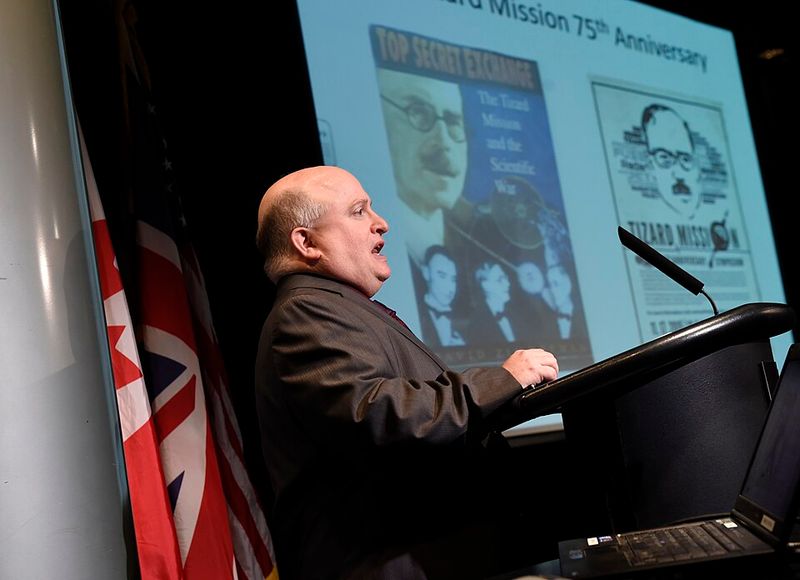
In September 1940, at a critical phase of World War II, the British government initiated the Tizard Mission, formally the “Scientific Mission to the United States.” Its purpose was to share advanced military technology with American scientists and engineers before Britain’s industrial base was overwhelmed. The mission brought several high‑priority innovations, most notably the cavity magnetron, which dramatically improved radar range and reliability; early jet engine designs; and detailed plans for the proximity fuse.
Archival documents, including mission diaries and government memoranda, show that this transfer accelerated U.S. research and hastened production of effective air defense systems. The collaboration strengthened Allied technical cooperation, significantly improved radar‑guided detection and interception capabilities, and helped lay the groundwork for postwar scientific partnerships between the two nations.
3. The Oslo Report Provided Early German Weapons Intelligence
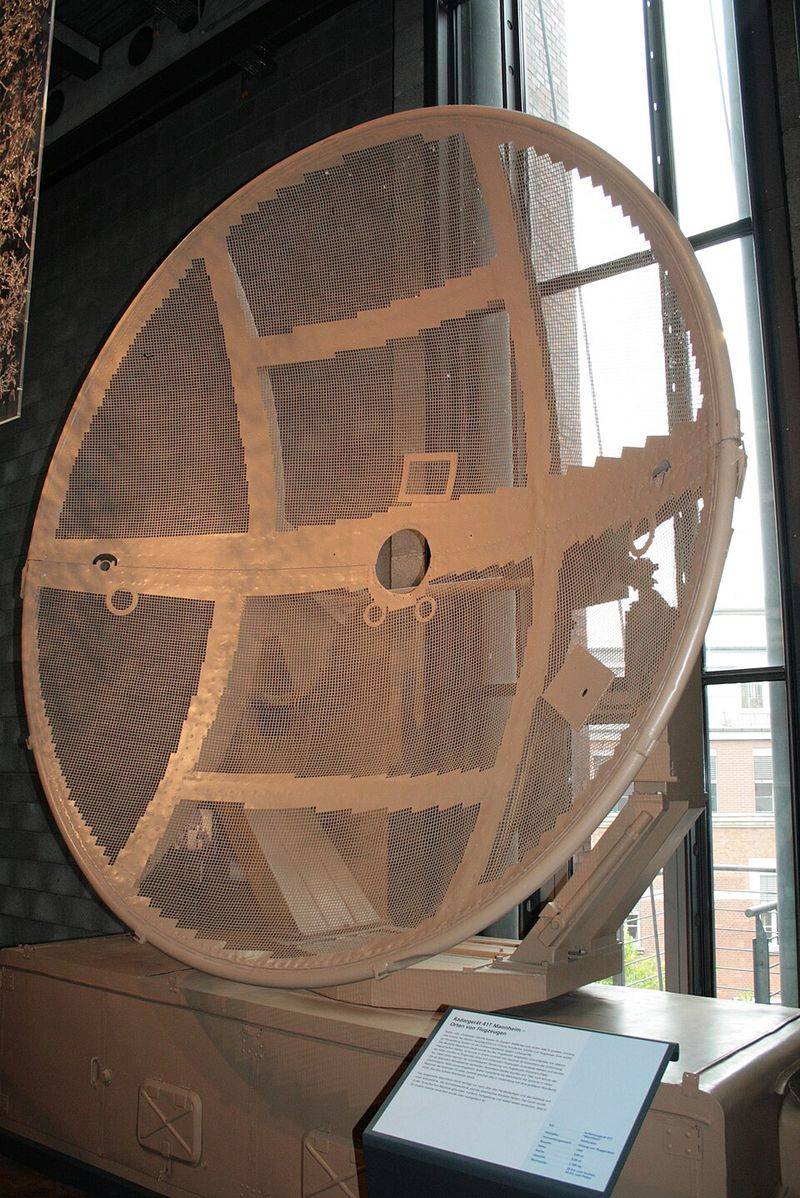
In November 1939, British intelligence received an unsolicited report later known as the Oslo Report. An anonymous German scientist provided detailed descriptions of new German weapon systems, including radar, guided munitions, and airframe developments.
Initial British assessments treated the report with skepticism because the source was unknown and motives unclear. Subsequent declassified intelligence correspondence reveals that many details in the document were later validated against captured equipment and battlefield observations, confirming its accuracy.
The report influenced early Allied technical requirements and defensive preparations. Recent scholarship, based on correspondence and counter‑intelligence files, highlights the methodological challenges Allied analysts faced in incorporating such sensitive information, underscoring the interplay of human judgment and empirical verification in wartime intelligence work.
4. Allied Forces Prioritized Seizing German Cryptographic Material
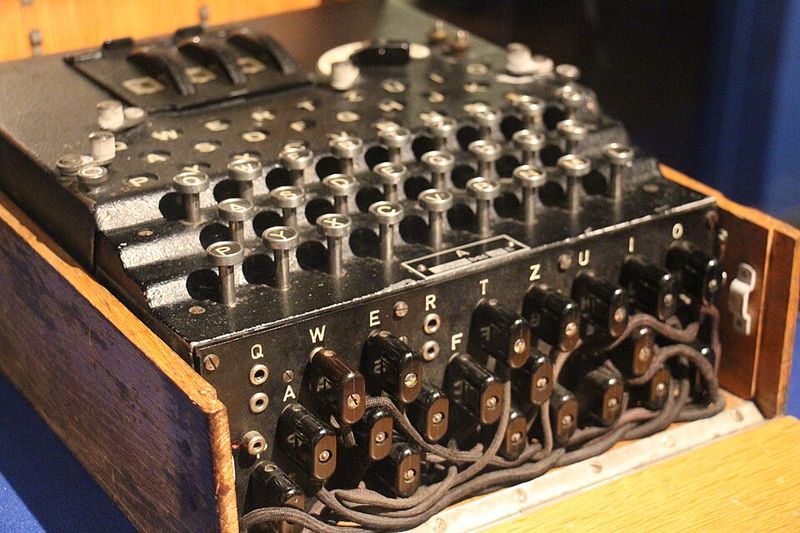
As Nazi Germany’s defeat became inevitable, Allied commanders initiated Operation TICOM (Target Intelligence Committee) to capture German cryptographic machinery, documentation, and personnel. German cipher devices such as Enigma and Lorenz machines, along with associated codebooks and encryption manuals, were at risk of destruction.
TICOM teams, composed of cryptanalysts and linguists, moved rapidly into formerly occupied territory to secure this material before it could be lost. Declassified interrogation transcripts, operation reports, and unit logs show that these efforts yielded substantial intelligence assets that influenced both postwar codebreaking practices and early Cold War cryptanalysis.
The operation also included debriefing of German cryptographers, contributing to Allied understanding of enemy communications processes and shaping postwar intelligence collaboration among Western nations.
5. German Scientists Contributed to U.S. Military and Space Programs
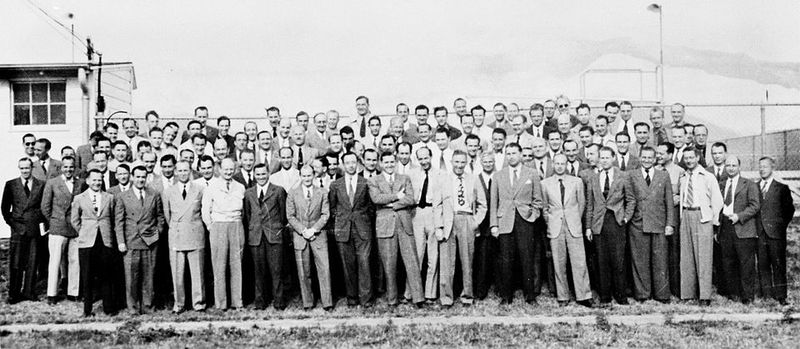
After the war, the U.S. government instituted Operation Paperclip to recruit German scientists, engineers, and technicians with expertise in aeronautics, rocketry, and advanced weapons systems. More than 1,600 personnel were brought to the United States, with Wernher von Braun among the most prominent.
These scientists had previously worked on the V‑2 ballistic missile program. Declassified personnel files and U.S.
Army reports reveal that their expertise was integrated into American missile development and, later, the U.S. space program. While their technical contributions were significant, historical research has also emphasized the ethical complexities, including involvement in wartime forced‑labor programs.
Recent publications balance recognition of scientific achievement with critical examination of how wartime affiliations were managed in peacetime policy decisions.
6. Japanese Soldiers Continued Fighting After Japan’s Surrender
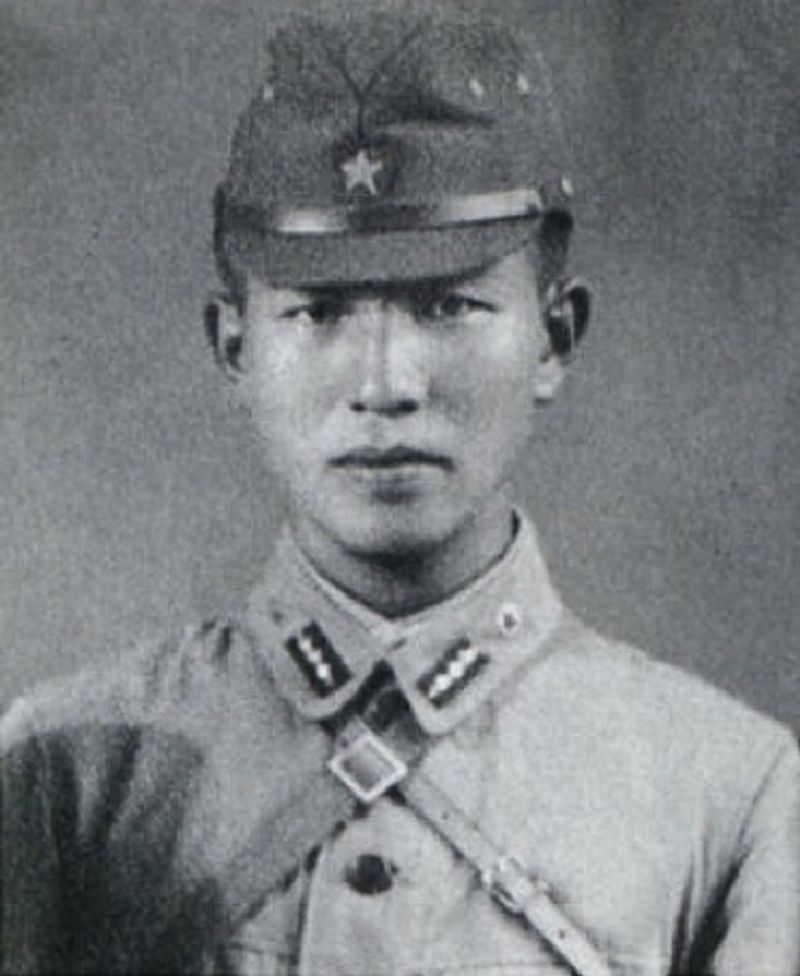
Following Japan’s formal surrender on 15 August 1945, isolated Japanese soldiers continued resistance in remote Pacific locations for years. These holdouts, unaware or skeptical of surrender announcements, persisted in jungle and island environments, believing combat orders remained in effect.
The most documented case is that of Hiroo Onoda, who did not surrender until 1974 on Lubang Island, Philippines. Newly digitized local police reports, missionary writings, and contemporary newspapers have helped historians reconstruct how information reached — or failed to reach — isolated units.
These sources show that environmental isolation combined with strict military discipline contributed to delayed awareness. The phenomenon illustrates the challenges of disseminating official orders in wartime conditions and highlights the personal dimensions of military obedience and belief.
7. Japanese Human Experimentation Extended Beyond Unit 731
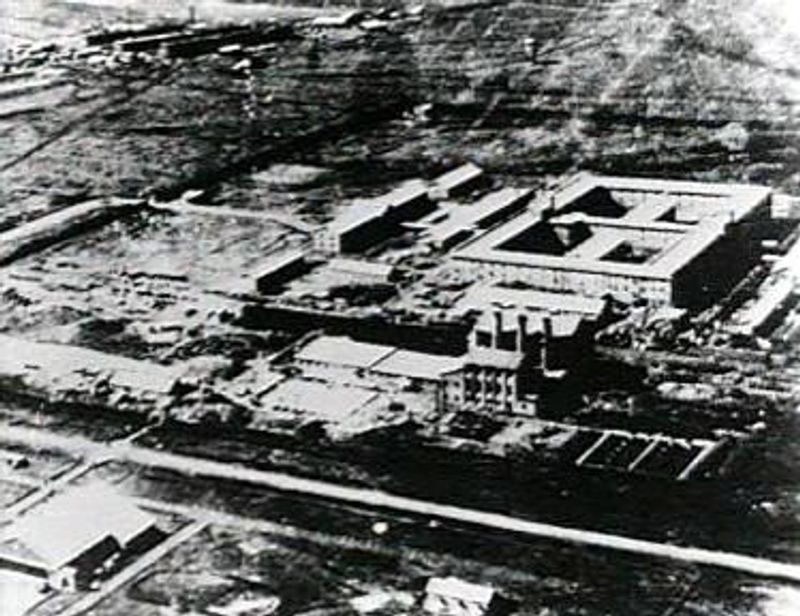
Unit 731, the Japanese biological warfare research facility in Manchuria, is widely known for conducting lethal human experiments. However, recent archival research indicates that additional units and programs engaged in similar activities.
Examining military logistics records, supply requisitions, and survivor testimonies, historians have identified evidence that points to a network of subordinate research detachments with overlapping personnel, materials, and objectives. Court documents and testimonies from postwar tribunals further show how these programs were integrated into Japanese military planning.
Attention to these broader structures challenges narratives that isolate atrocities to a single location, emphasizing the importance of systemic analysis in understanding the scale of wartime abuses and the varied administrative frameworks that supported them.
8. Animals Served Documented Roles in Military Operations
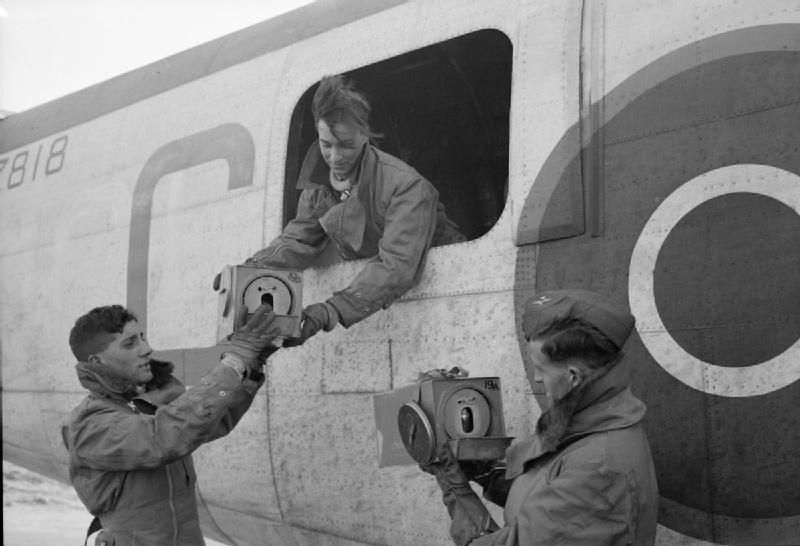
Military forces in World War II employed animals in a range of operational contexts, and documentation now provides a clearer picture of those roles. Homing pigeons carried messages when radio silence was essential or aerial communications failed, with service records detailing release points, recovery times, and mission outcomes.
Dogs were trained for tasks including mine detection and sentry duties, with training manuals describing methodologies and conditioning protocols. Other animals, including rats and marine mammals, were trialed for specialized detection or logistical functions.
Unit diaries and after‑action reports quantify performance and often assess effectiveness relative to human alternatives. While some animal roles were experimental, the archival record affirms that systematic planning and evaluation informed decisions to deploy them in various theaters.
9. British Rationing Was Organized to Maintain Nutrition and Morale
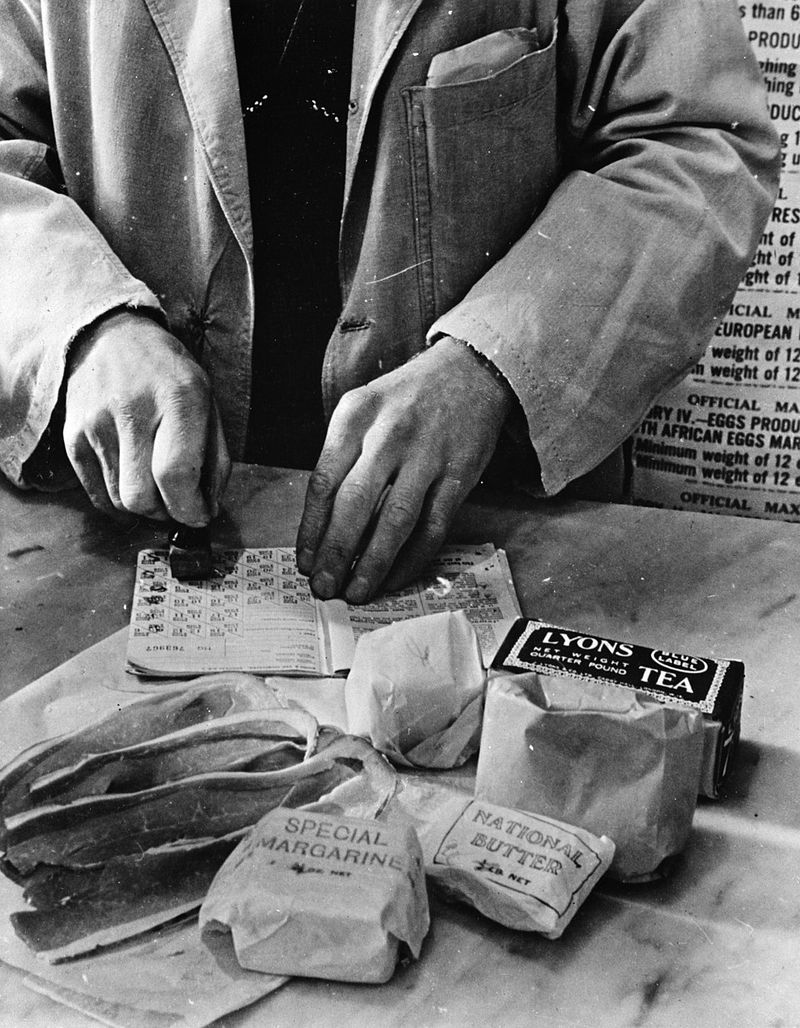
Contrary to assumptions about widespread hunger, British rationing during World War II was administered with careful attention to nutritional adequacy and equitable distribution. Governmental planning incorporated nutritional science, statistical projections, and coordinated imports from the Empire to mitigate shortages.
Ration books, calorie tables, and Ministry of Food publications indicate that civilian diets, while limited in variety, met essential dietary requirements. Oral histories and contemporary diaries suggest that monotony and constrained choices were common themes, but widespread starvation was largely avoided.
Comparative studies show that food security in Britain during the war was stronger than in many occupied European regions. Recent research underscores how logistical planning and public cooperation contributed to sustaining both physical health and morale under extended rationing.
10. Bletchley Park Codebreakers Maintained Decades of Secrecy
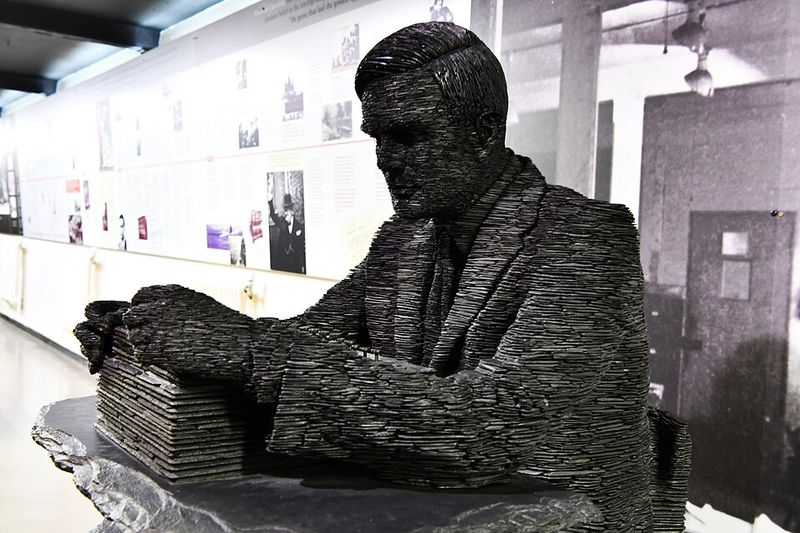
At Bletchley Park in the United Kingdom, Allied cryptanalysts conducted pivotal work breaking encrypted Axis communications, including Enigma and Lorenz ciphers. Although the importance of this work was known within intelligence communities, personnel were bound by the Official Secrets Act and similar oaths, precluding public disclosure for many years after the war.
Declassified files from the UK Government Communications Headquarters (GCHQ) and personal papers have since illuminated the scale and sophistication of the operation. These sources also highlight the substantial contributions of women cryptanalysts, many of whom managed complex computations and pattern analysis.
Their delayed recognition underscores how secrecy policies shaped both wartime effectiveness and postwar narratives about technological innovation and gender roles in intelligence work.
11. Resistance Sabotage Across Occupied Europe Had Strategic Effects
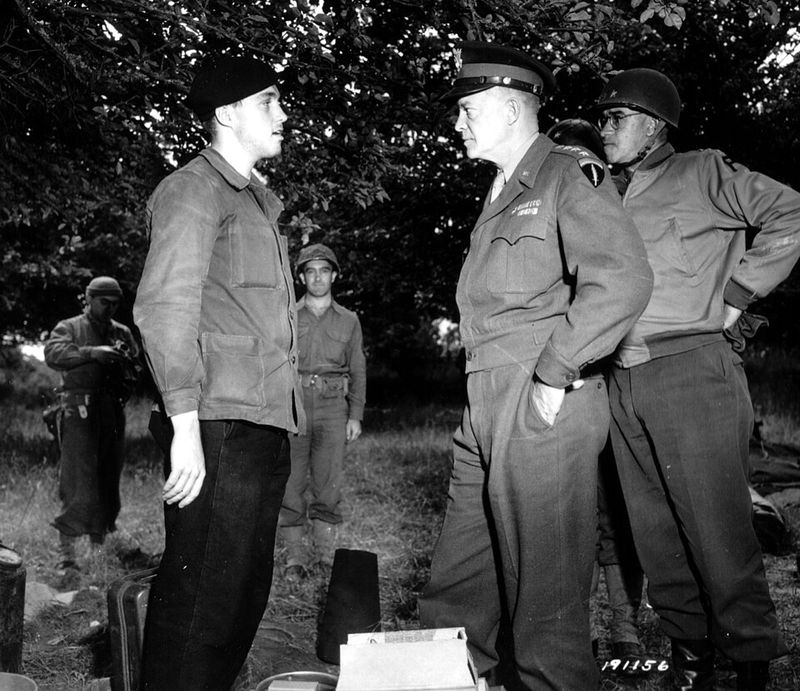
Resistance movements throughout occupied Europe conducted coordinated sabotage against Axis military infrastructure, including railway lines, bridges, and supply depots. Historical mapping of these operations, based on mission logs, partisan group rosters, and intercepted communications, shows that sabotage activities disrupted transport networks integral to German troop movements.
By delaying reinforcements and creating logistical complications, these efforts imposed cumulative strategic costs on Axis operations. Allied liaison records reveal collaboration between external command structures and local resistance groups, providing training, explosives, and intelligence support.
The systematic documentation of individual missions and outcomes, now available in declassified collections, demonstrates how dispersed partisan actions contributed measurably to broader Allied military objectives.
12. Nazi Gold and Looted Assets Remain Only Partially Accounted For
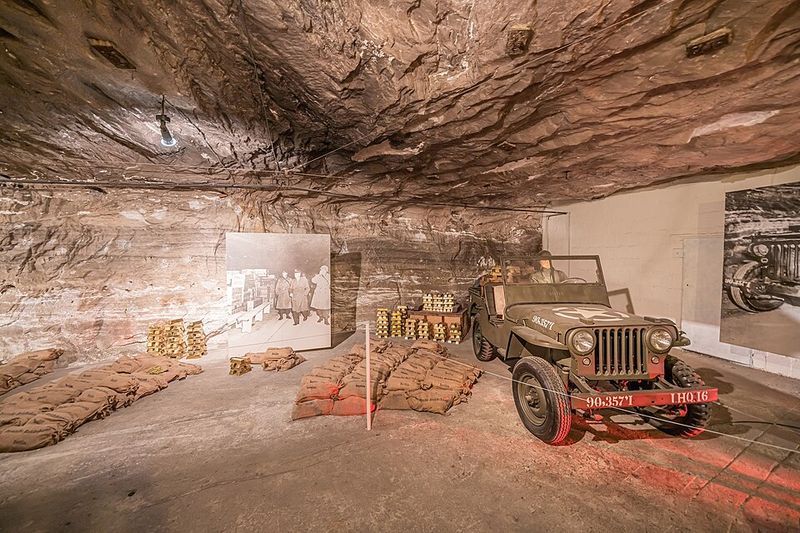
During and after World War II, Axis powers accumulated significant quantities of gold, currency, and other valuable assets through state‑sponsored looting. Although Allied forces recovered substantial caches during occupation and postwar trials, some assets were never fully documented or returned.
Continued historical research, drawing on financial records, bank archives, and restitution claims, indicates that portions of these materials remain unaccounted for. This includes documented but unlocated reserves transported or hidden in transit as the Third Reich collapsed.
While popular legend often exaggerates specific rumored hoards, scholarly analysis emphasizes the complexity of piecing together fragmented wartime financial records. Ongoing inquiry into these assets contributes to understanding the economic dimensions of war and the challenges of postconflict restitution.
13. The Ritchie Boys’ Intelligence Contributions Are Now Recognized
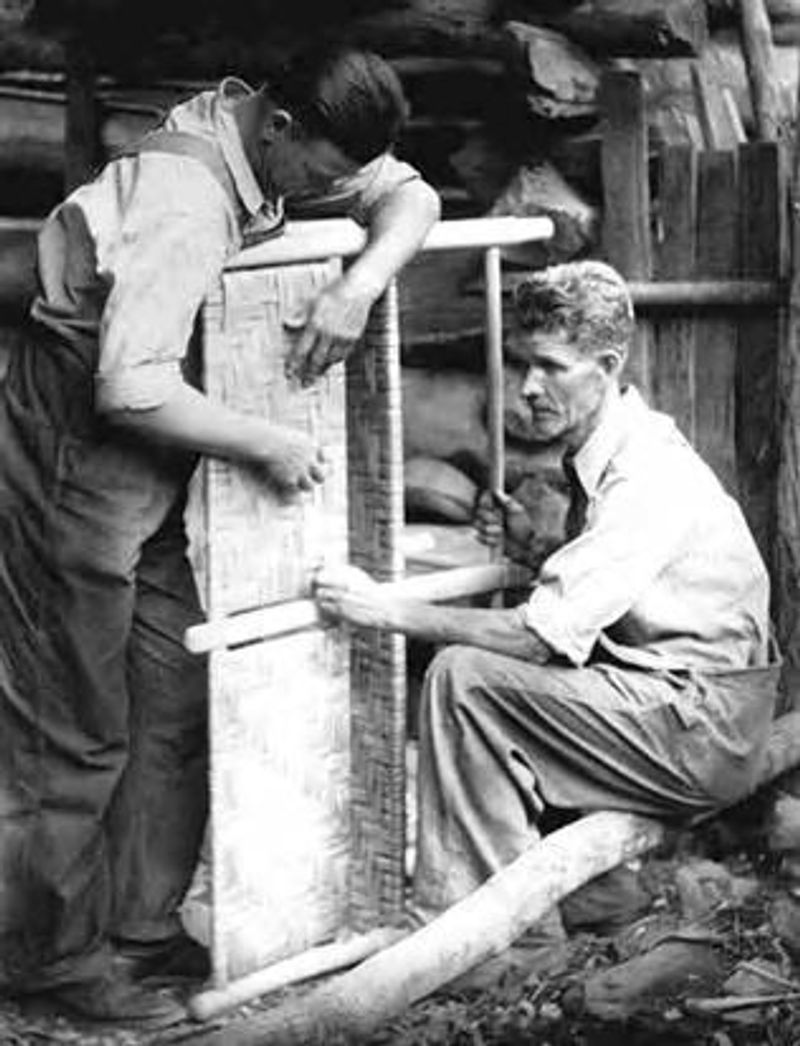
The U.S. Army’s 99th Infantry Division Intelligence Section, known informally as the Ritchie Boys, comprised predominantly émigrés from German‑speaking Europe, many of whom were Jewish refugees.
Trained in interrogation, document analysis, and psychological operations, they applied linguistic skills and cultural understanding to extract actionable intelligence from prisoners, civilian sources, and captured documents. Declassified debrief reports and rosters show their involvement in major campaigns from Normandy through the Battle of the Bulge.
Oral histories gathered in recent decades have further documented their impact on operational decisions and battlefield outcomes. Recognition of their service has grown as archival evidence makes clear the value of specialized human intelligence in complex, multilingual environments.
14. Allied Art Preservation Missions Were Officially Organized
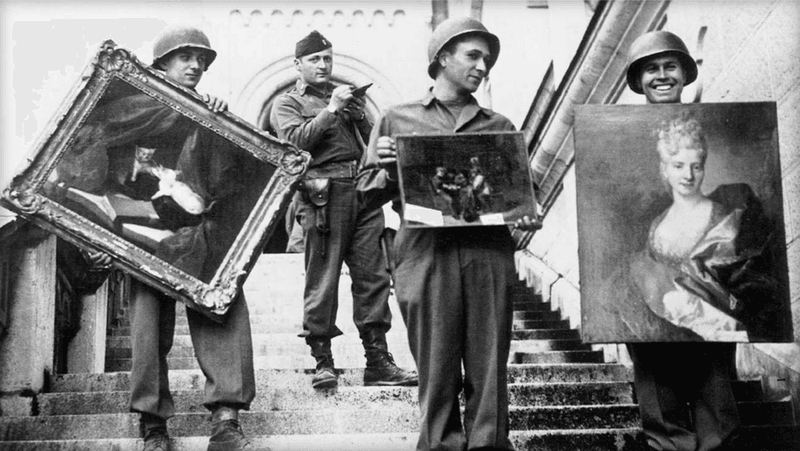
The Monuments, Fine Arts, and Archives program (MFAA), commonly known as the Monuments Men, was established by Allied governments to identify, protect, and recover cultural property threatened by military operations and looting. Personnel included art historians, museum curators, and archivists tasked with safeguarding heritage sites and recovering stolen works.
Archival inventories, correspondence, and recovered object records document systematic efforts to locate and return thousands of artworks and cultural artifacts. The program’s work extended across France, Germany, Italy, and other regions liberated from Axis control.
Recent digitization of MFAA files has enabled comprehensive tracking of provenance and restitution history, demonstrating how cultural preservation became an integral component of broader postwar reconstruction and legal accountability for wartime theft.
15. Wartime Artifacts Continue to Be Discovered and Documented
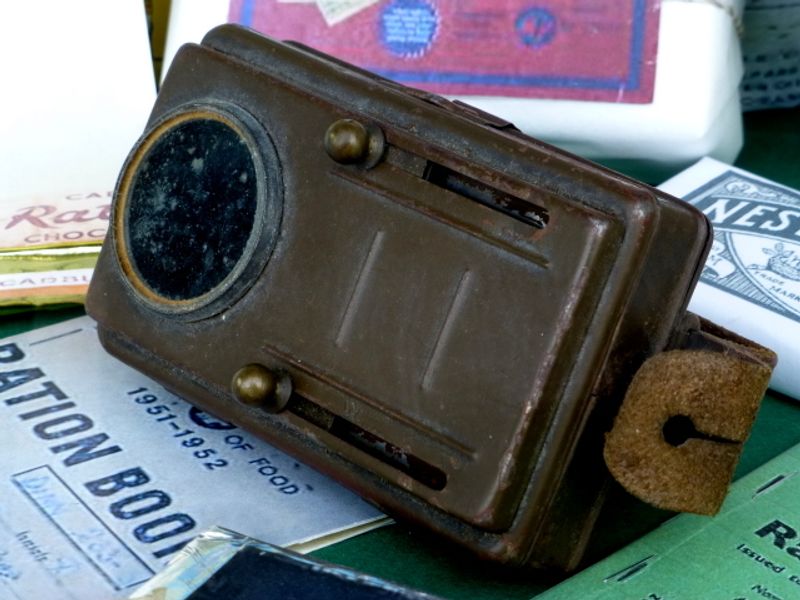
Construction work, agricultural activities, and deliberate archaeological surveys periodically uncover World War II‑era objects, including personal letters, equipment, uniforms, and insignia. Museums and heritage organizations now collaborate with archaeological teams and families to authenticate and preserve these finds.
Provenance research and material analysis place individual items within operational contexts, extending understanding of soldier movements, unit deployments, and daily life. For example, recovered documents and photographs have provided new insight into specific battles, midpoint decisions, and logistical arrangements.
By integrating these artifacts into broader interpretive frameworks, historians can enhance both public education and scholarly databases, ensuring that material culture contributes to comprehensive accounts of wartime experience.
16. Declassified Archives Highlight Previously Overlooked Victim Groups
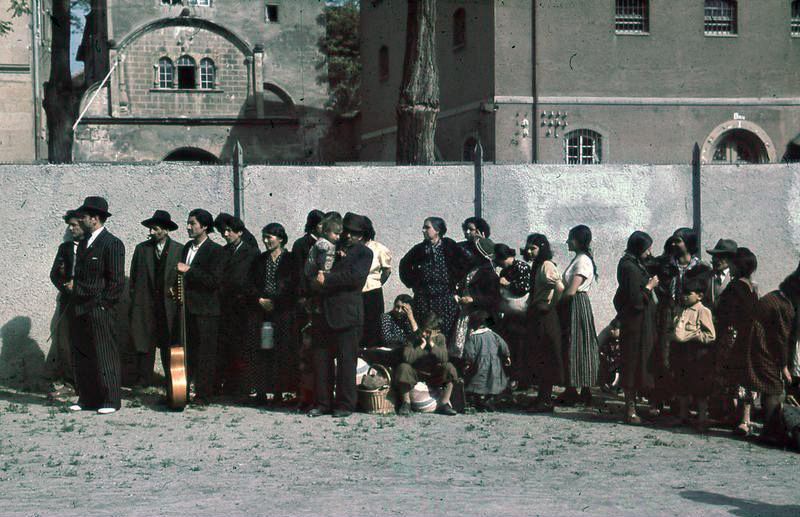
Recent releases of government records have expanded documentation of persecution beyond traditionally emphasized groups. Files relating to Romani communities, civilians with disabilities, and LGBTQ+ individuals subject to discriminatory policies have provided historians with case files, administrative correspondence, and judicial proceedings previously unavailable for study.
These records contextualize the mechanisms of exclusion and violence within broader systems of state policy and military occupation. Cross‑referencing advocacy group archives and survivor testimonies with official documents has been critical in reconstructing individual and community experiences.
This work has informed revisions in educational materials and memorialization practices, underlining the importance of inclusive historical accounts that recognize the full spectrum of victims affected by wartime policies.
Share this story