Some keyboardists do more than play notes. They redraw the sonic map, making pianos, organs, and synths feel like living, breathing voices.
As you move through this list, you will hear eras shift, genres collide, and technology bend to human touch. Get ready to revisit legends and discover why their fingerprints are still on the keys you hear today.
1. Ray Manzarek (The Doors)
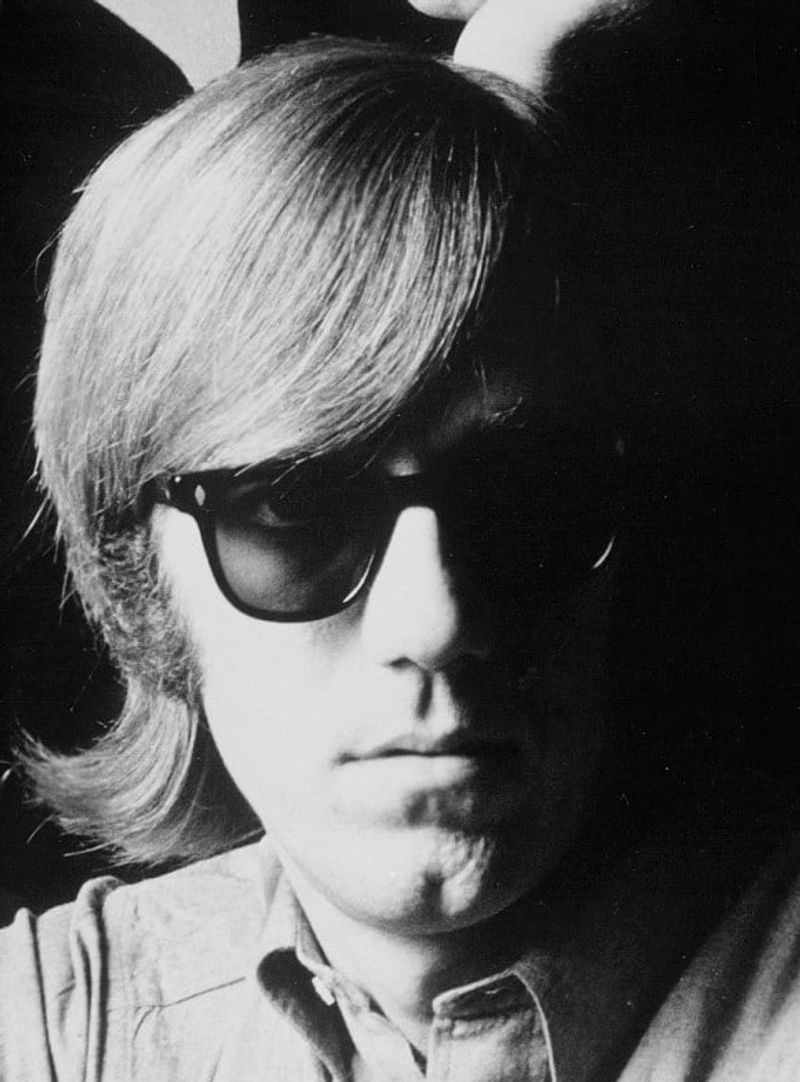
Ray Manzarek turned the organ into a lead singer. With his left hand walking bass on a Fender Rhodes Piano Bass and his right hand carving hypnotic lines on a Vox Continental, he gave The Doors their unmistakable drive.
You can feel his parts act like a compass, guiding Jim Morrison’s poetry through deserts of reverb and sudden bursts of carnival color.
Listen to Light My Fire, where the solo unfurls like a kaleidoscope, showing how modal flavor can become a pop anthem. His touch had bite yet carried churchy warmth, blending garage rock grit with jazz cool.
Without a bassist onstage, his coordination forced a new template for rock arrangements and club sound systems.
His influence still echoes in indie and psych revival scenes, where organ drones and serpentine riffs suggest mystery without bloating the mix. He proved keyboards could be rebellious, not just supportive.
When you hear a band drive a song with keys instead of guitar, Manzarek’s blueprint is showing.
2. Keith Emerson (Emerson, Lake & Palmer)
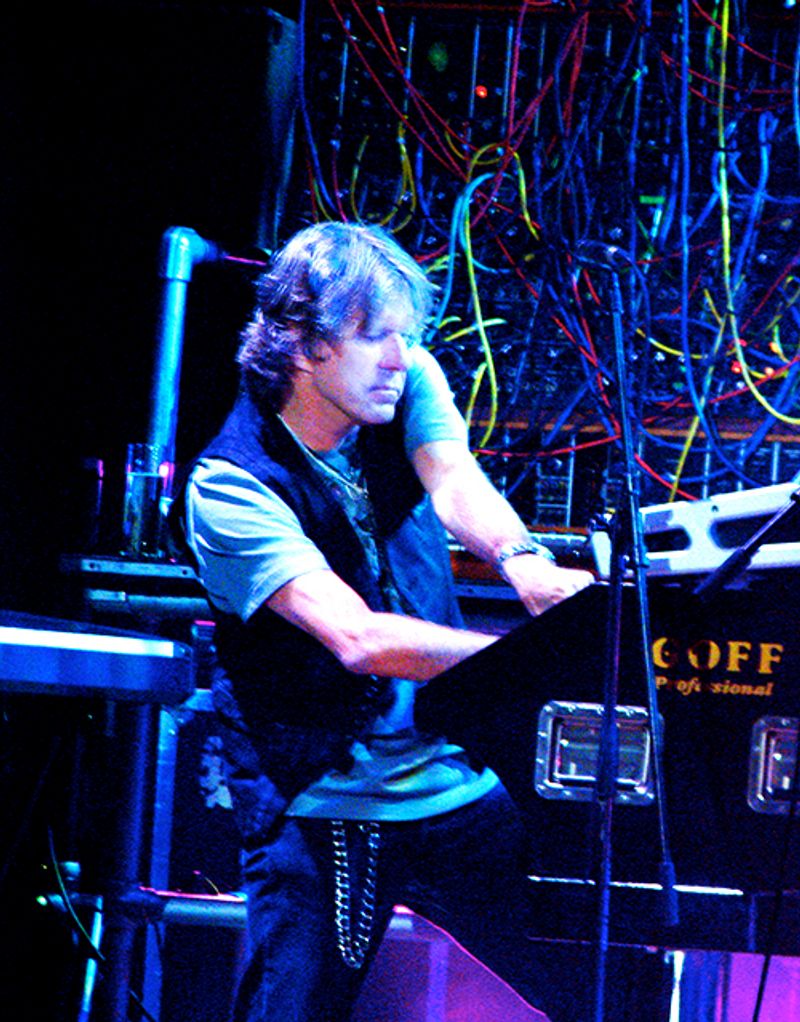
Keith Emerson played like a stunt pilot, looping through classical cadenzas, blues grit, and machine-age noise. His Moog modular roared, swooped, and sang, while the Hammond screamed under knives and feedback.
It was spectacle and scholarship at once, making virtuosity feel dangerous yet joyous.
Tracks like Tarkus and Karn Evil 9 display counterpoint and massive harmonic landscapes without losing rhythmic urgency. He fused Bartok and Ginastera with rock muscle, teaching generations that keyboards can conquer arenas.
Those stacked synth lines and percussive glissandos redefined what stage performance could be.
Producers and film composers still borrow his layering tricks for impact. When you tweak a filter for drama or stack octaves for a heroic theme, you echo Emerson’s fearless curiosity.
He unlocked the synthesizer as an expressive beast, not a novelty.
3. Rick Wakeman (Yes)
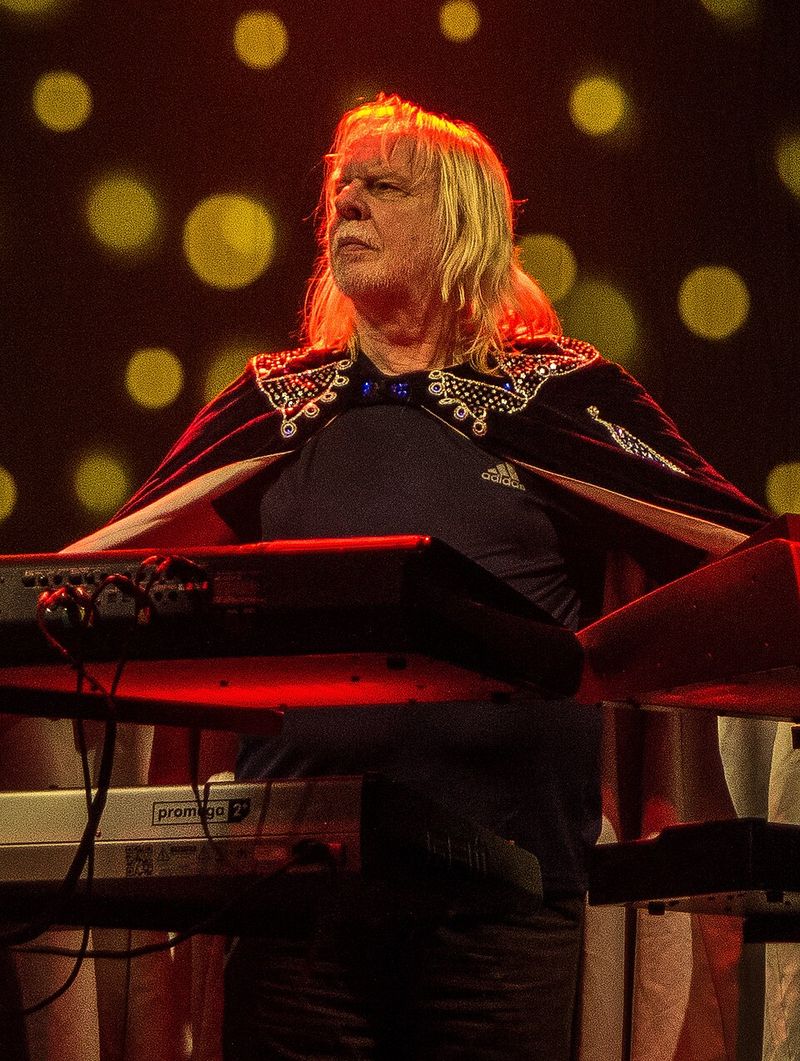
Rick Wakeman made keyboards feel like a cathedral and a spaceship in the same breath. With Mellotron choirs, Minimoog leads, and crystalline piano runs, he covered orchestral roles while keeping rock swagger.
His passages felt architectural, each chord voicing a flying buttress holding melodies aloft.
On Close to the Edge and The Six Wives of Henry VIII, you hear flamboyance balanced with compositional clarity. He stacked timbres to paint scenes, then broke them with a witty run that reset expectations.
It showed you can be theatrical without losing the thread of a song’s heart.
Modern prog and film scoring borrow his blend of grandeur and groove. When pads lift a chorus and a synth thread weaves through harmony like stained glass, Wakeman’s palette is at work.
He made virtuosity conversational, inviting rather than intimidating.
4. Herbie Hancock
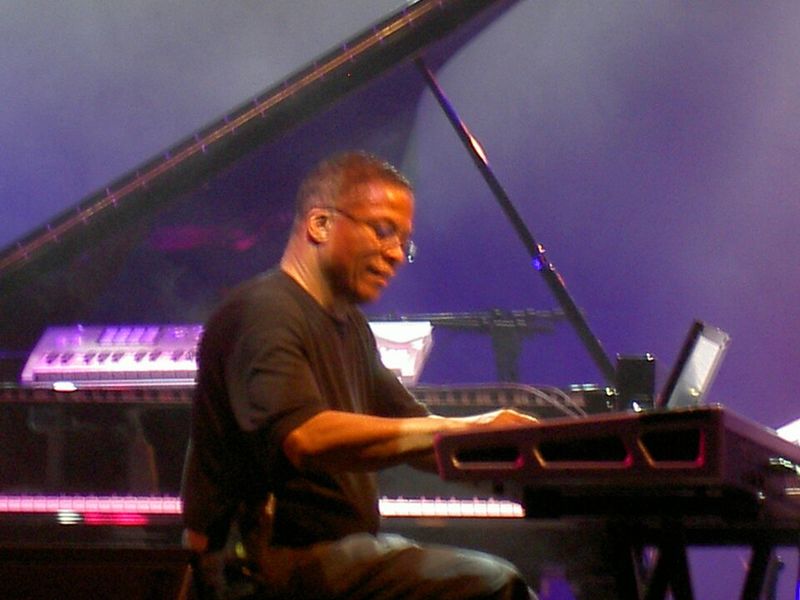
Herbie Hancock treats technology like a language and groove like gravity. From Maiden Voyage to Headhunters, he moves between acoustic lyricism and electric funk with startling ease.
The Fender Rhodes became his brush, painting chords that felt liquid and luminous.
He embraced synths early, shaping tones that breathed and bubbled rather than sitting stiff. Rockit and later records showed how hip hop, jazz, and electronic textures could dance together.
Each left-hand accent feels like a nudge to your spine, pulling you deeper into the pocket.
His curiosity encourages you to break categories and honor feel above labels. Producers, beatmakers, and concert pianists still study his voicings and timing.
When you choose sound design that serves a human pulse, you are following Herbie’s compass.
5. Stevie Wonder
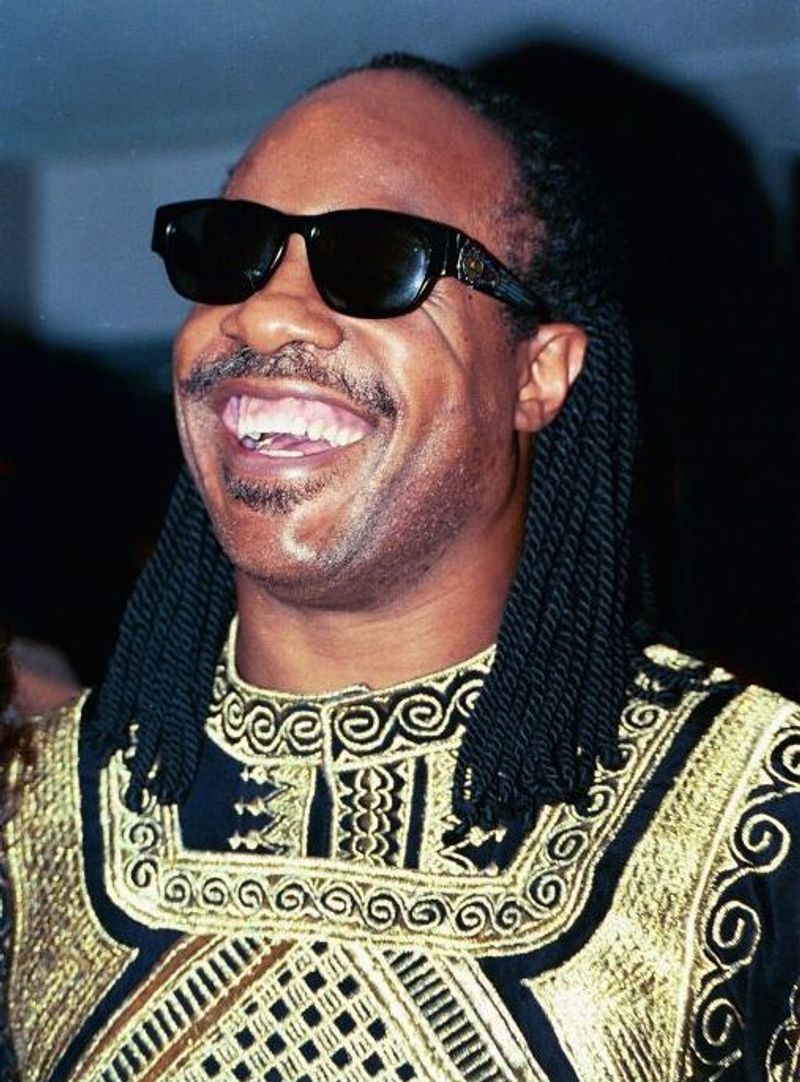
Stevie Wonder writes melodies that lodge in your chest, then programs synths that make them move. His Hohner Clavinet on Superstition turned funk into a percussive thunderclap.
With TONTO and layered synth lines, he built entire bands from keys, making rhythm, bass, and harmony converse.
Albums like Innervisions and Songs in the Key of Life are masterclasses in arranging with feel. His chord choices surprise, yet always resolve like a smile you were expecting.
You can dance, cry, and learn harmony all at once, guided by his timing and touch.
Modern R&B and pop still chase his blend of groove and spirit. When you hear synth bass sing rather than thud, you are hearing his legacy.
He proved keys could be the full canvas, not just the frame.
6. Joe Zawinul (Weather Report)
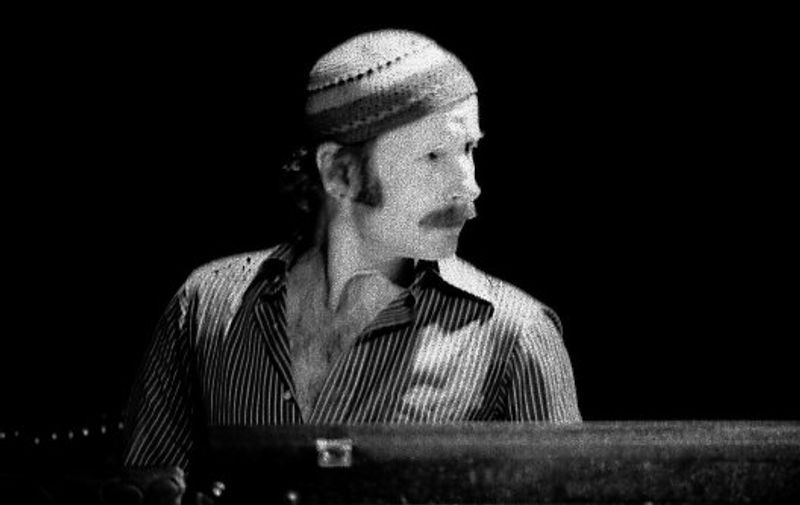
Joe Zawinul sculpted weather systems from electricity. With a Fender Rhodes and ARP synths, he created swirling microclimates of tone where grooves could breathe.
Birdland sparkles because his voicings leave space for melody to land and take off again.
He favored touch-sensitive tones that curled like smoke, blurring line and texture. The result was fusion that respected silence as much as notes.
You could hear street rhythm, church resonance, and European lyricism meeting in a single phrase.
Producers still chase his way of making synths feel conversational. When your patch swells with air, or your comping shapes a cityscape at dusk, that is Zawinul’s outlook.
He taught that electronics can be intimate, even when they pull the sky open.
7. Tony Banks (Genesis)
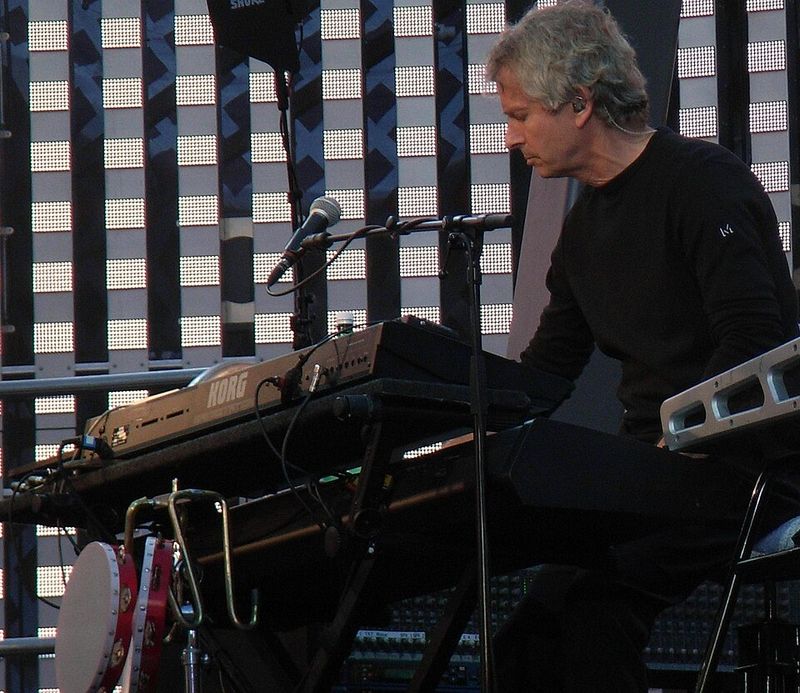
Tony Banks writes progressions that feel like doors opening into new rooms. His chord sequences anchor Genesis, weaving Mellotron haze with piano clarity and pointed synth leads.
You can sense the architect at work, balancing tension and release with patient craft.
On Firth of Fifth and The Cinema Show, the piano becomes storyteller, while synths add quiet urgency. He prefers lines that unfold rather than shout, which makes climaxes feel earned.
Those suspended chords and voice-leading choices taught pop how to be complex and still singable.
Modern prog-pop borrows his elegance, from layered pads to melodic counterlines tucked beneath vocals. When a chorus blooms from harmonic logic instead of brute force, Banks is whispering in the blueprint.
He proved that subtlety can roar without raising its voice.
8. Billy Preston
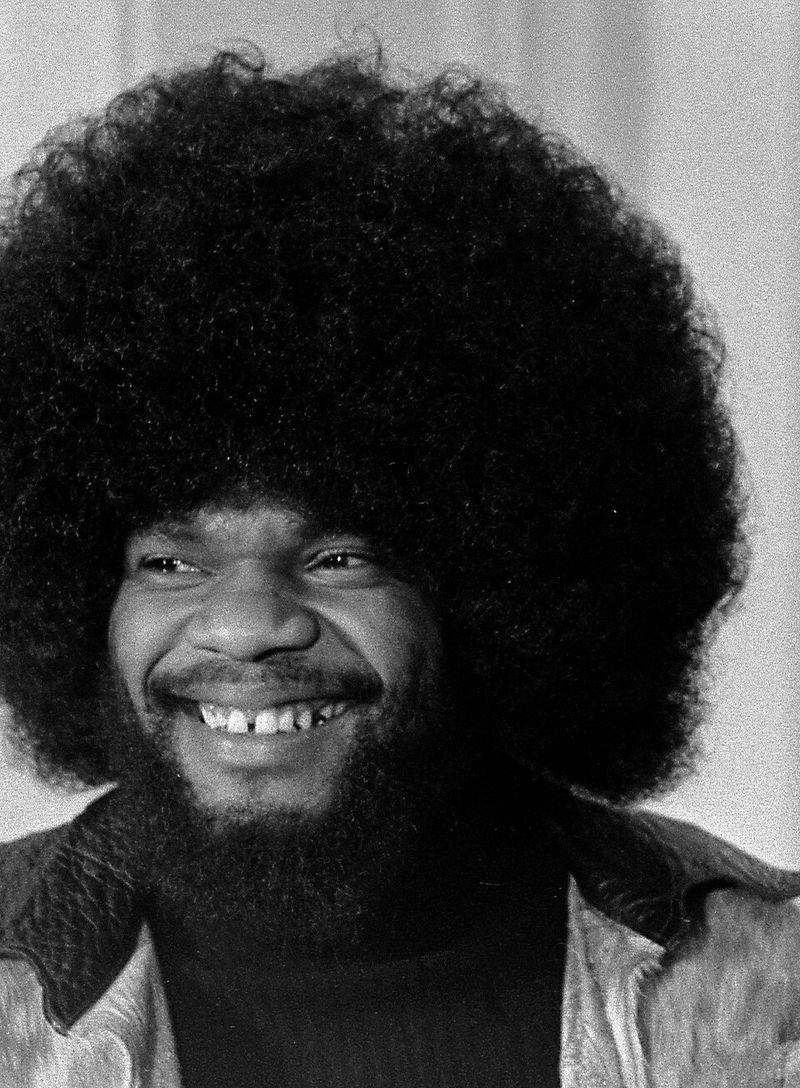
Billy Preston brought church fire to rock studios. His Hammond B3 lines pump oxygen into tracks, turning grooves into conversations.
You feel faith, fun, and fearless timing wrapped into every swell and staccato jab.
He lit up Get Back with The Beatles and traded sparks with the Rolling Stones. As a solo artist, Outa-Space beams with synth cheekiness and organ grit.
He could sit inside a pocket so deep it felt bottomless, then float above it with a playful riff.
Session players still study how he supports singers without crowding them. When your organ swells nudge a chorus higher and your comping leaves room for breath, you are channeling Preston.
He proved that joy is a technique, not just an emotion.
9. Bernie Worrell (Parliament-Funkadelic)
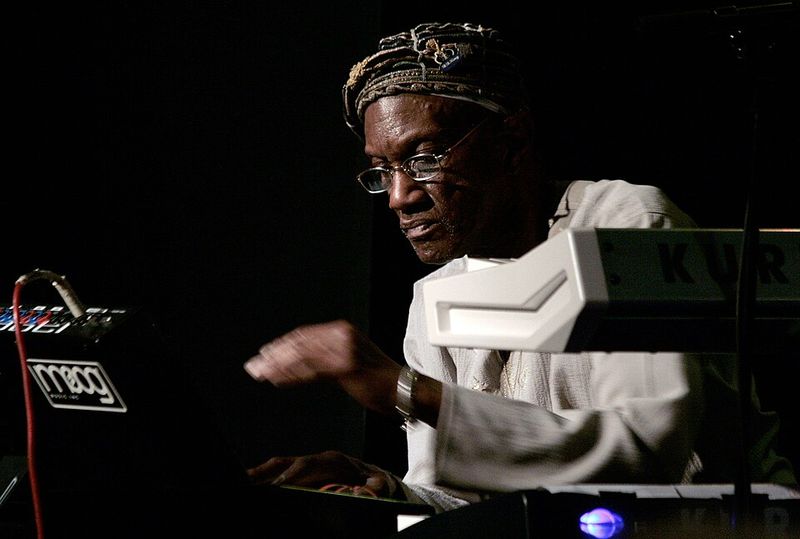
Bernie Worrell turned the Minimoog into a funk animal. His synth bass slithered and stomped, hugging kick drums and daring guitars to keep up.
With Parliament-Funkadelic, he painted neon jungles where rhythm sections could prowl.
He also played delicate piano and clavinet, proving his touch could whisper as well as roar. Listen to Flash Light to hear architecture and attitude merge into a seismic hook.
Later work with Talking Heads showed how his ear could rethink any band’s DNA.
Producers in hip hop and dance music still sample and emulate his textures. When your bass patch talks, not just thumps, you are quoting Worrell’s vocabulary.
He taught that synthesis is personality, and groove is a science of smiles.
10. Richard Wright (Pink Floyd)
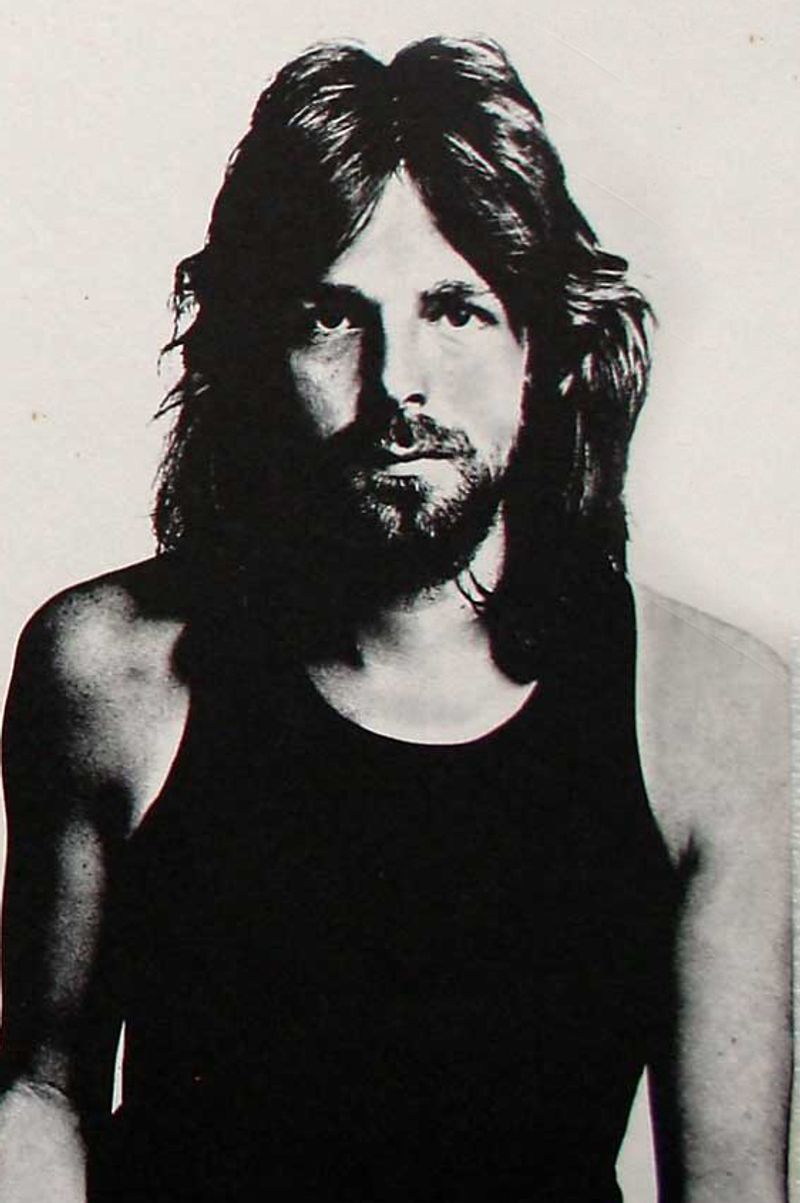
Richard Wright was the quiet architect of space. His chords drifted like tides, giving Pink Floyd songs emotional weather.
With organs, Rhodes, and synths, he built rooms where guitars could echo and voices confess.
On The Great Gig in the Sky and Shine On You Crazy Diamond, he composes with patience and air. Each inversion feels like a window opening, letting light change the room’s color.
He made atmosphere a narrative force, not decoration.
Film composers and ambient producers echo his restraint. When you let a pad bloom slowly and a piano phrase arrive like a memory, you are following Wright’s map.
He proved that silence, shaped well, is a powerful instrument.
11. Booker T. Jones (Booker T. & the M.G.’s)
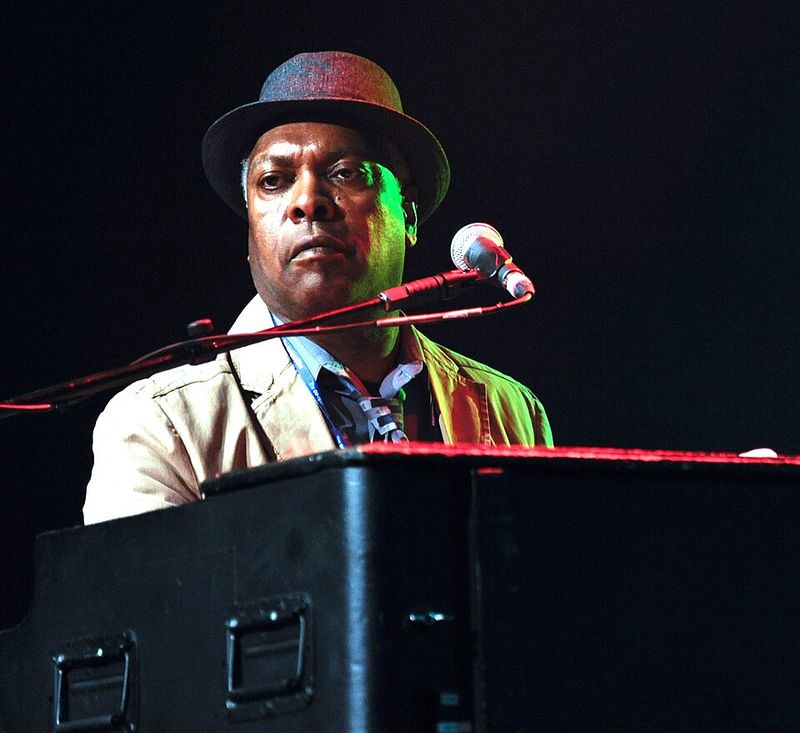
Booker T. Jones speaks groove in full sentences.
Green Onions is a masterclass in economy, each organ phrase a perfectly placed eyebrow raise. He made the Hammond breathe like a singer, shaping swell, grit, and grace into one voice.
At Stax, his playing anchored hits with pocket-first wisdom. Guitar, bass, and drums snapped tighter because his chords told them where to lean.
The result was soul that felt both disciplined and free, built for dancing and daydreaming.
Modern session players still quote his voicings and the art of leaving space. When your comping says just enough and makes the band taller, you are using Booker’s rulebook.
He proved less can groove harder, and taste is a lifelong instrument.
12. Garth Hudson (The Band)
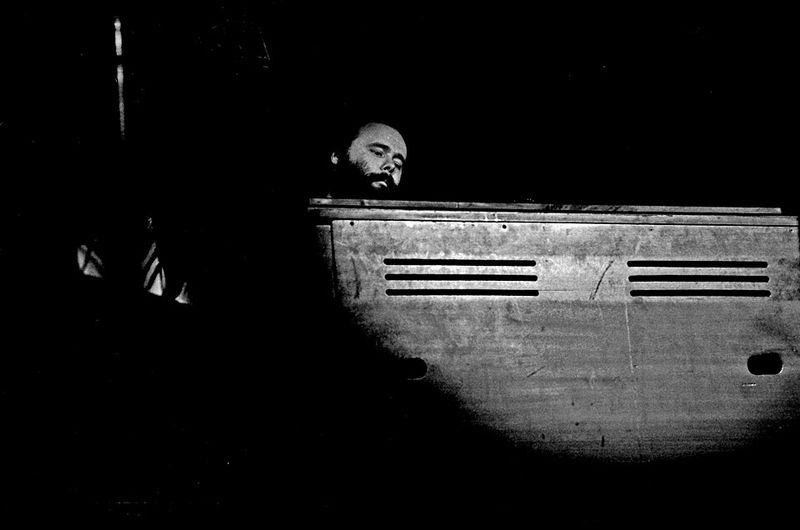
Garth Hudson treated the organ like a storyteller with a thousand regional dialects. His Lowrey tones shimmered, wheezed, and laughed across The Band’s records.
Each line seemed to know folk songs, barroom waltzes, and church hymns by heart.
On Chest Fever and The Weight, he braids counterpoint that lifts voices without stealing focus. He is both historian and prankster, nudging harmonies into unexpected alleys.
That curiosity brought roots rock a palette beyond basic chord stacks.
Americana artists still study his blend of texture and melody. When you hear an organ that sounds like a friendly ghost guiding the narrative, you feel Hudson’s touch.
He showed that keyboards can be community memory set to music.
13. Jan Hammer
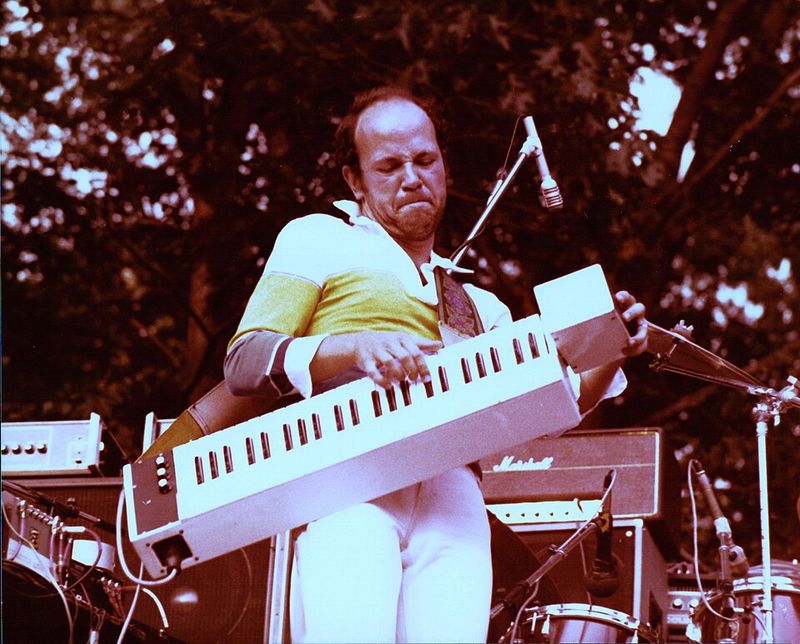
Jan Hammer made synths talk like guitars and sing like violins. His Minimoog leads bent notes with human phrasing, carving melodies that felt vocal.
In the Mahavishnu Orchestra and beyond, he fused speed with soul.
Miami Vice themes later showed his cinematic instinct for sleek tension. He used pitch wheel nuance and touch to sell emotion, not just flash.
The result was fusion that reached radio and reshaped TV soundscapes.
Today’s lead-synth players trace their bends and vibrato back to his approach. When your melody curves instead of stepping, you are inside Hammer’s lesson.
He taught that technique should serve character, and character should move you.
14. Jordan Rudess (Dream Theater)
Jordan Rudess turns technique into theater and design into dialogue. His runs are liquid metal, yet his sounds feel sculpted for the song’s architecture.
With controllers, apps, and custom instruments, he treats the rig as a playground.
In Dream Theater, solos thread complex rhythms without losing melodic aim. He can pivot from grand piano poetry to granular synth growls in a bar.
That agility pushes heavy music to accept vulnerability and color.
Modern players follow his curiosity into MPE, poly aftertouch, and evolving rigs. When you chase expressive control and still honor hooks, you are walking Rudess’s path.
He proves innovation is a habit, not a headline.
15. James Booker
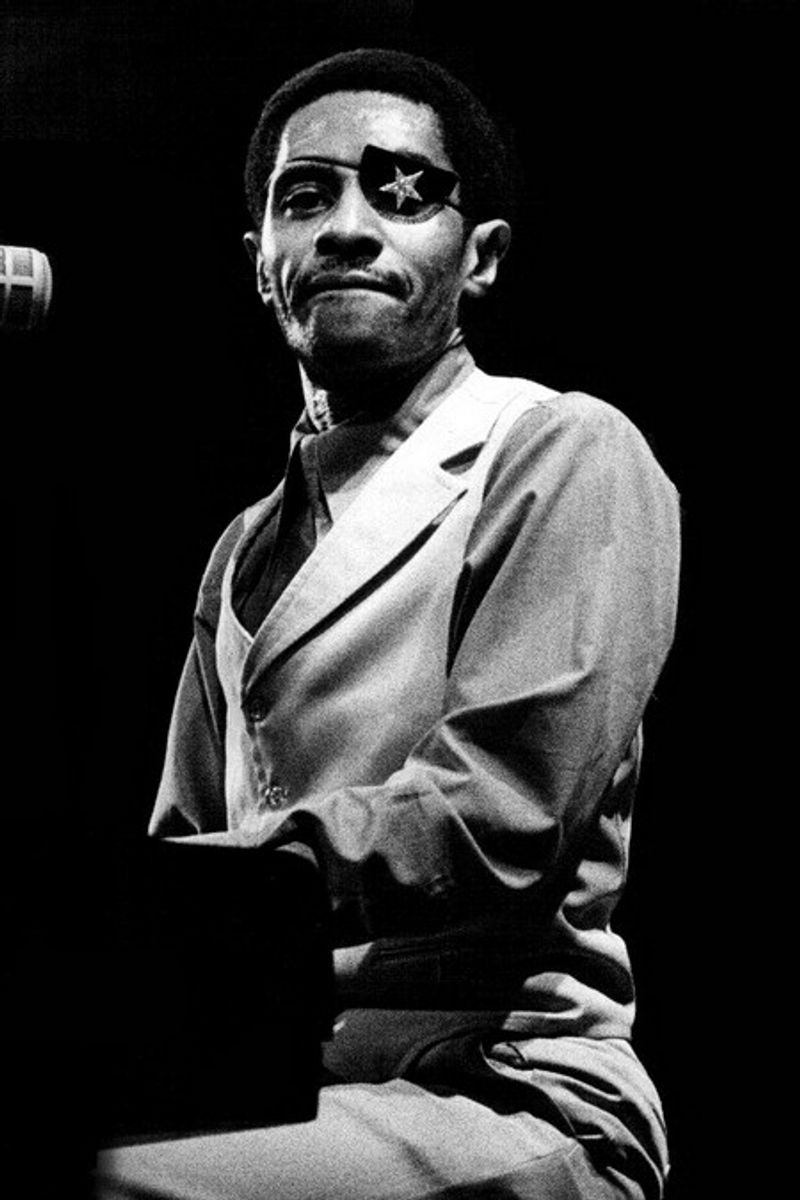
James Booker played as if the Mississippi decided to become a piano. His left hand marched like a parade, while the right hand threw beads of impossible filigree.
Gospel, classical, and R&B collided in a single grin of syncopation.
Listen to Junco Partner or Black Night for voicings that sparkle then sting. He could turn reharmonization into theater, flipping a standard on its head mid-verse.
Every run carried street wisdom and conservatory chops in secret handshake.
New Orleans players and beyond still carry his fingerprints. When your groove struts and your chords flirt with danger, you are hearing Booker’s lesson.
He showed that virtuosity can laugh and cry in the same bar.
Share this story