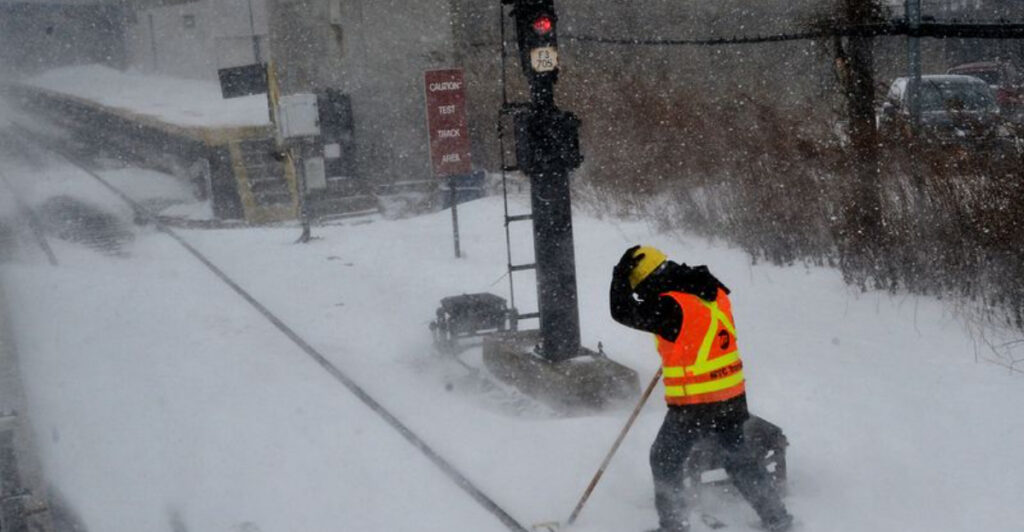
A sprawling winter storm is charging toward dozens of states, threatening power lines, travel, and daily routines just as temperatures plunge. You can feel the tension rising as forecasts shift from maybe to likely, and families rush to stock up.
The real question is whether emergency systems will hold under pressure while politics swirl around FEMA’s readiness. Keep reading to see what is at stake and how to prepare before snow, ice, and wind arrive together.
FEMA Under Scrutiny Over Workforce Cuts Ahead of Storm
As this winter storm barrels across multiple states, FEMA faces tough questions about whether recent workforce cuts will slow response. Reports note fewer hands available for surge operations, just as ice and heavy snow threaten power and roads across a broad swath of the country.
You may be wondering if federal help will reach small towns fast enough when every hour matters.
Axios describes this as the first major multistate test since the administration changed and pushed more responsibility to states. Critics worry reductions in programs like BRIC will ripple into weaker local preparation when the storm peaks.
They warn that stretched staffing could complicate cross-state logistics, from fuel convoys to shelter support.
Officials counter that assistance is evaluated case by case under the Stafford Act and insist politics do not drive decisions. That reassurance matters, but communities still need clarity on who brings generators, plows, and crews when phones go dark.
If you live in the path, plan assuming delays are possible, even if the cavalry is coming.
Charge batteries, document medications, and identify warming centers before roads glaze over. Local readiness buys time while federal support scales.
Preparation now can bridge any gap.
Federal Action and Emergency Preparedness Steps
Despite staffing concerns, FEMA has moved early to brace for impacts. According to Axios, the agency positioned Incident Management Assistance Teams and embedded more than 20 personnel in state emergency operations centers.
That puts federal eyes and expertise close to local decision makers while the storm evolves.
Governors can request Urban Search and Rescue teams if collapses or stranded motorists overwhelm locals. National and Regional Response Coordination Centers are monitoring power loads, road closures, and hospital statuses in real time.
Shuttle drivers and logistics crews are being staged to shuttle supplies, relieve exhausted workers, and move people safely.
DHS also paused some planned FEMA staffing cuts while the storm approaches. That reprieve signals recognition that capacity on the margins matters when conditions deteriorate fast.
You can expect coordination calls to tighten timelines around fuel deliveries, shelter openings, and mutual aid routes.
Still, staging does not replace preparedness at home. Fill gas tanks, check generators outdoors only, and gather three days of water and shelf stable food.
If you commute, pack an emergency kit with blankets, snacks, and a phone charger. Early steps reduce risk when roads turn treacherous.
Debate Over Federal Disaster Policy and Preparedness
This storm has reignited the debate over who should do what when disaster strikes. Some leaders argue local control works best, but gaps can open in rural or cash strapped areas when needs outpace resources.
You can see the challenge when power, plows, shelters, and medical transfers all require coordination beyond county lines.
Supporters of the current approach emphasize investing in local resilience and mitigation so disasters hit softer and recovery runs smoother. They say smarter building codes, microgrids, and community funds reduce the urgency for federal surge.
Critics counter that massive winter systems demand seasoned federal logistics and communications that states cannot replicate quickly.
In practice, the answer usually blends both. Strong local prep handles the first critical hours while federal assets backstop regional shortfalls.
The tension comes when funding cuts shrink the safety net right as needs spike.
For residents, the policy argument translates into practical choices. Know your county alert systems and where regional shelters are located.
Track utility outage maps and report hazards so responders can prioritize. Personal readiness gives flexibility while the policy gears grind.
Why It Matters for Americans This Weekend
The storm matters because it will test how well agencies juggle simultaneous problems across many states. Travel will snarl, power may flicker, and emergency lines could backlog as crews push through ice and wind.
You need a plan that assumes help could take longer than usual, even with teams prepositioned.
Start with heat and light. Stock batteries, charge devices, and place flashlights where you can find them in the dark.
Keep generators outside, far from windows, and check carbon monoxide alarms. If you rely on medical devices, coordinate backup power or alternate locations now.
On the road, avoid travel during peak icing, and tell someone your route if you must go. Pack a winter kit with blankets, water, snacks, a scraper, and traction aids.
Drive slowly and leave extra stopping distance when plows are working.
Finally, communicate. Follow local alerts, verify information before sharing, and check on neighbors who might need help.
Small actions done early can prevent emergencies later. With smart preparation and steady coordination, communities can ride out the storm and recover faster when skies finally clear.
Share this story