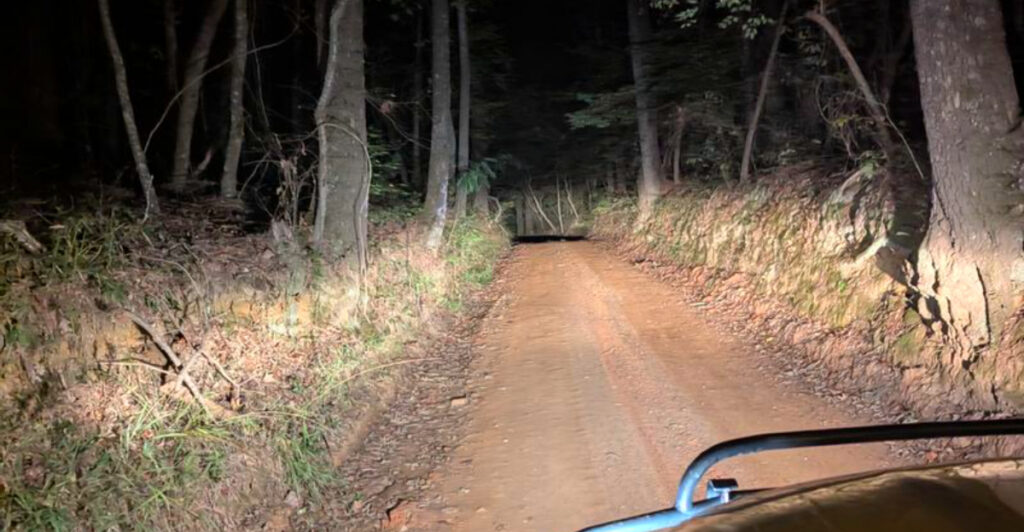
America’s backroads can be breathtaking by day and downright unnerving after dark. Locals swap warnings about blind curves, ghostly hitchhikers, and long stretches with zero signal or shoulders.
You might feel brave until fog rolls in, lights vanish behind you, or wildlife appears out of nowhere. If you’re planning a late drive, these notorious routes deserve your full respect or a hard pass.
1. Highway 666 (U.S. Route 491) – New Mexico
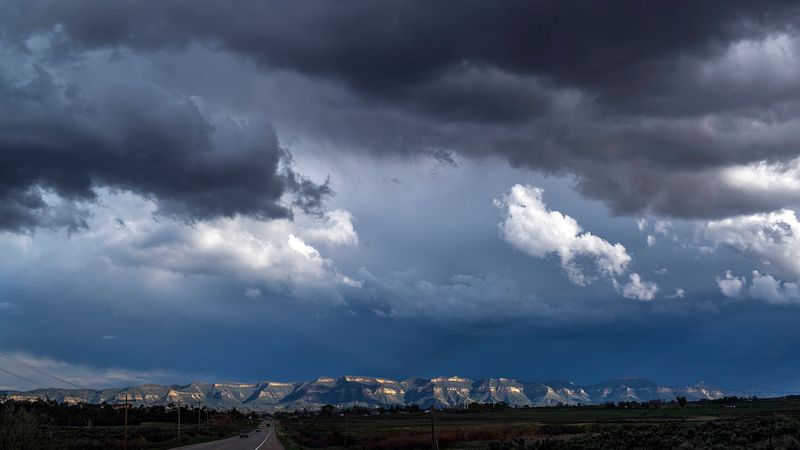
It used to wear the Devil’s number, and the name stuck to the pavement like heat shimmer. Long desert stretches lull you, then a sudden dip, a curve, or stray cattle snaps you awake.
Locals mention phantom headlights snaking behind you, then vanishing as if swallowed by sand.
Out here, services are scarce and distances lie. Night winds push your car, and mirages play tricks on depth perception.
If your tires are tired, rethink the trip. Fuel up early, carry water, and hold your line.
New name or not, the psychology of this highway still pricks the back of your neck.
2. Clinton Road – West Milford, New Jersey
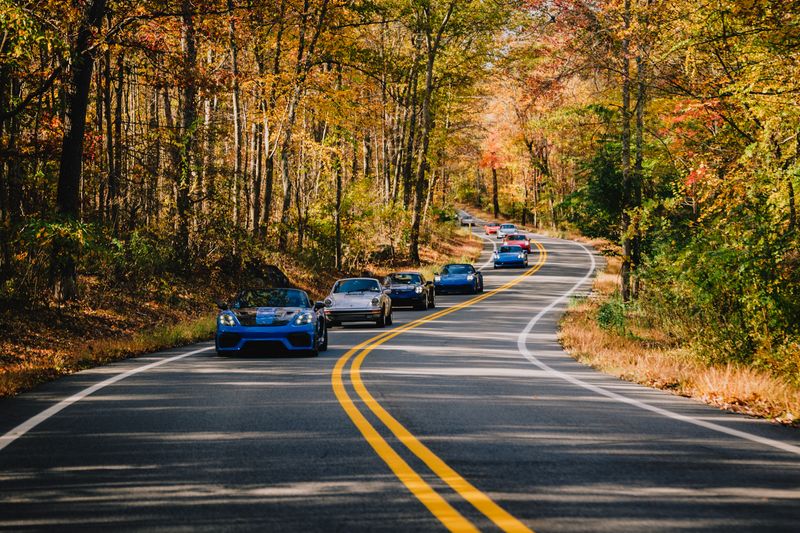
Clinton Road is where your nerves volunteer as test subjects. Ten miles of pitch-black trees, a lonely bridge, and stories about coins tossed to a ghost boy.
Drivers report phantom trucks tailing them, then dissolving like mist. Even if you do not believe, the isolation presses on your chest.
The pavement is narrow and poorly lit, with wildlife darting across at awful angles. GPS can lag, and shoulders feel like suggestions.
If you go, keep moving and avoid pulling over. Lock your doors, mind your mirrors, and ignore any dare to stop at midnight.
Locals do not linger here.
3. The Tail of the Dragon – NC/TN Border
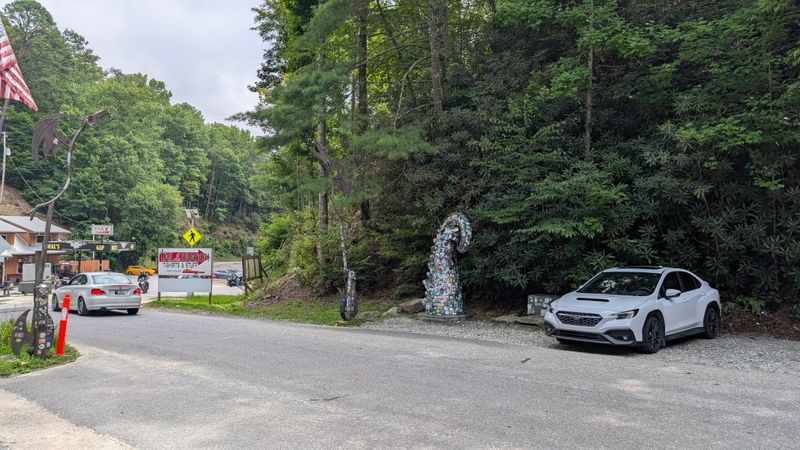
Three hundred eighteen curves in eleven miles sounds thrilling until darkness clips your vision. The Dragon rewards precision and punishes impatience, with no forgiveness in its guardrail-free edges.
Bikes, sports cars, and trucks mingle uneasily. When deer or fog appears, reaction time shrinks to heartbeats.
Cell coverage drops, tow trucks take time, and adrenaline masks fatigue. Locals ride it early morning rather than late night.
If you cannot see far, you are already behind. Brake before corners, hold a clean line, and skip heroics.
The roadside memorials explain the rest, softly, without saying a word.
4. Route 375 (Extraterrestrial Highway) – Nevada
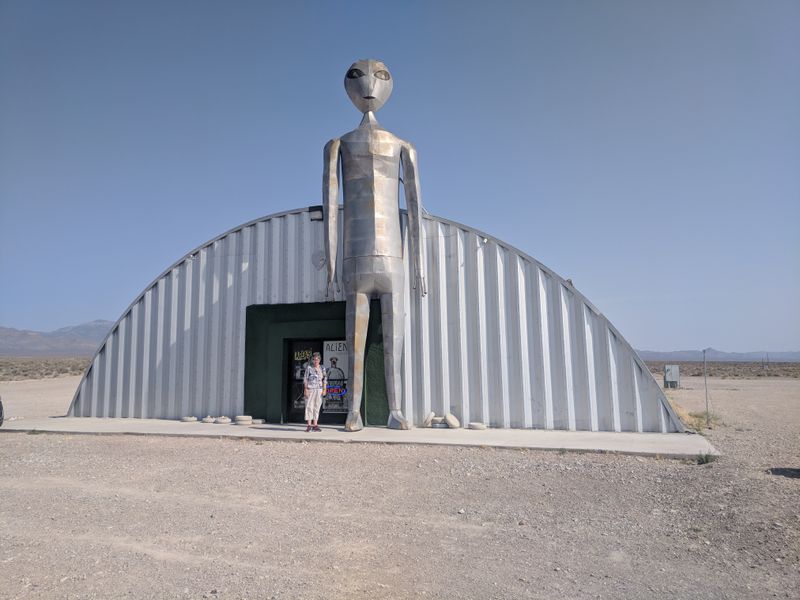
Sand, stars, and silence stretch for hours on Nevada’s Route 375. You will stare at the sky more than the road if you let curiosity drift.
Strange lights tempt you to pull over, but shoulder space is minimal and rattlesnakes sometimes claim the warm asphalt. Cell service is unreliable.
Fatigue creeps in without traffic to keep you alert. If a coyote crosses at speed, you will not see it until the final blink.
Fuel up in advance, carry extra water, and treat the vastness with respect. The only thing scarier than a UFO out here is an empty tank.
5. Ortega Highway (State Route 74) – California
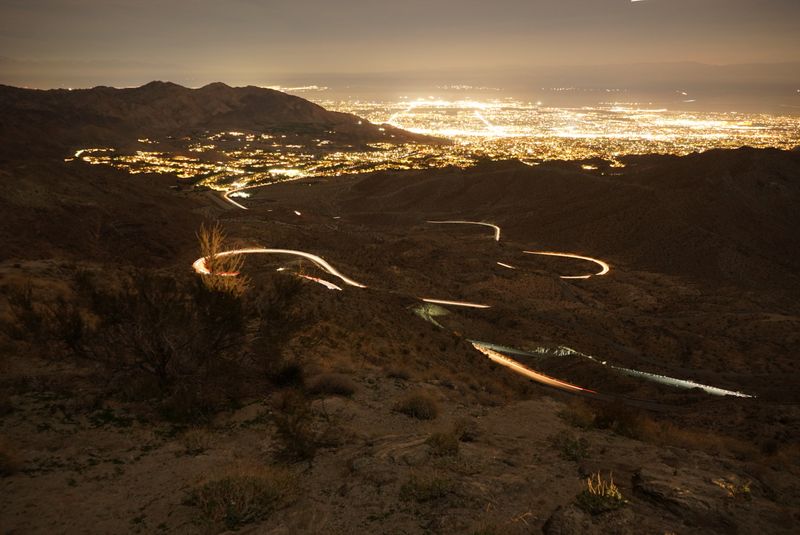
Ortega twists between Orange County and Riverside with cliffside drops and sudden blind corners. By night, headlights bounce off rock walls, hiding oncoming motorcycles until they blast past.
Locals know the rhythm: brake, set, roll. Tourists misjudge and drift wide, where there is very little forgiveness.
Rockfall is not rare, and speeding meets CHP attention fast. Fog can tuck into saddles and erase taillights.
If your brakes smell, pull off safely at daylight instead. This is a sunrise road, not a midnight dare.
Keep your lines tight and your expectations tighter.
6. Moki Dugway – Utah
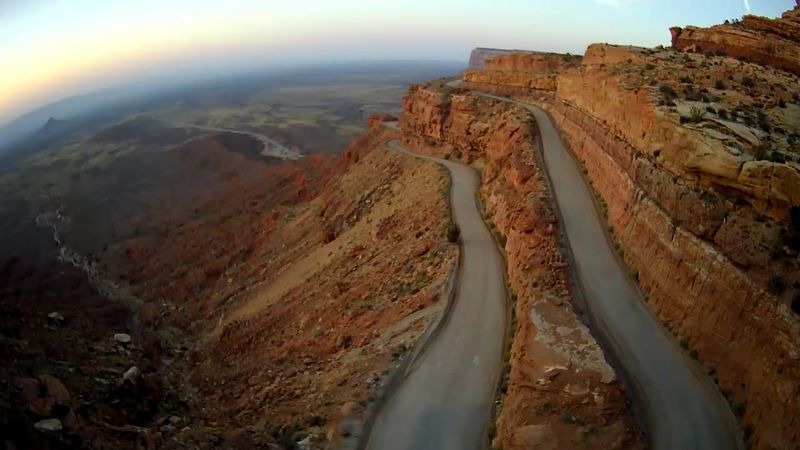
Gravel switchbacks chiseled into a cliff sound dramatic because they are. The Moki Dugway stacks narrow shelves above vast desert, with drop-offs that make your palms sweat.
No guardrails. At night, your world shrinks to a tunnel of dust and headlight beams, and backing up is not an option.
Large vehicles struggle, and washboard ruts rattle judgment loose. Wind can shove your bumper at the worst spots.
If you fear heights, choose daylight. Downshift, crawl, and commit cleanly to turns.
This road rewards patience and punishes swagger, especially after sunset.
7. Hells Gate Road – Talladega, Alabama
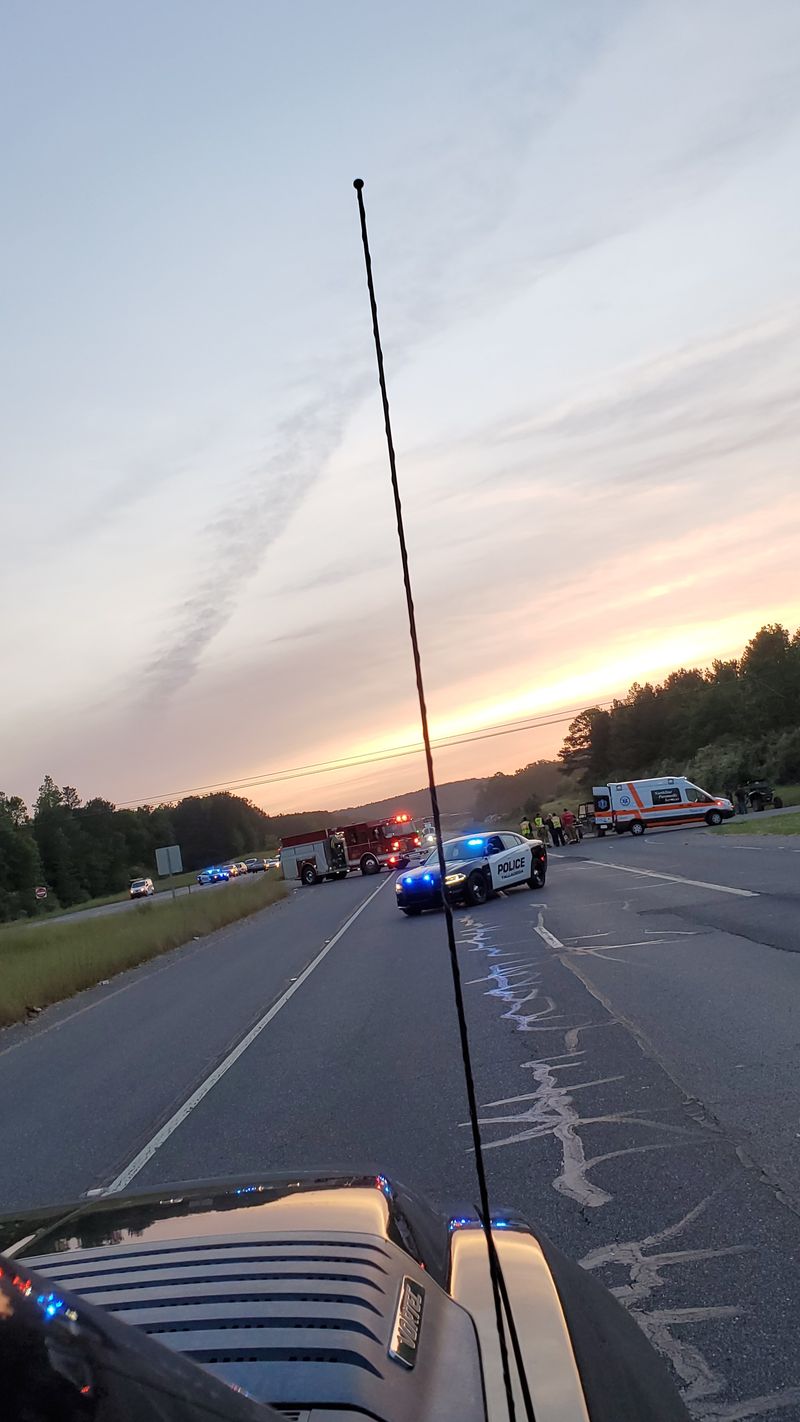
Skirting Talladega National Forest, Hells Gate Road feels empty until the woods lean in. Stories talk about stalled engines and footsteps where no one should be.
Whether or not you believe, your flashlight beam feels too short, and the gravel can swallow traction fast.
Service is spotty, and recovery takes time. Locals warn against exploring alone, especially after rain.
If you break down, lock up and wait for daylight rather than wandering off-trail. Bring a charged battery pack, tell someone your route, and keep the tank topped.
Courage is great, but caution brings you home.
8. Shades of Death Road – Warren County, New Jersey
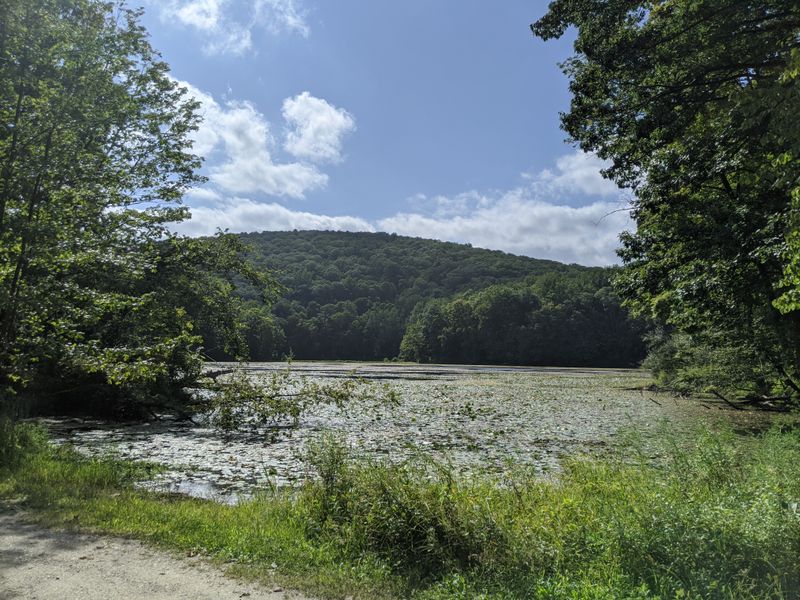
The name alone chills conversation, and the legends do the rest. Shadowy figures, sudden temperature drops, and that uncanny fog near Ghost Lake.
Even skeptics grip the wheel tighter as branches scrape the roof. Practical concern: the lanes are narrow, lighting scarce, and wildlife bold.
Locals avoid dawdling or parking for photo ops after dark. If you go, keep your windows up and your route simple.
The road’s past is messy, but the present is risky enough. Respect the pace, stay alert, and let the lake keep its secrets until morning.
9. U.S. Route 6 – Pennsylvania
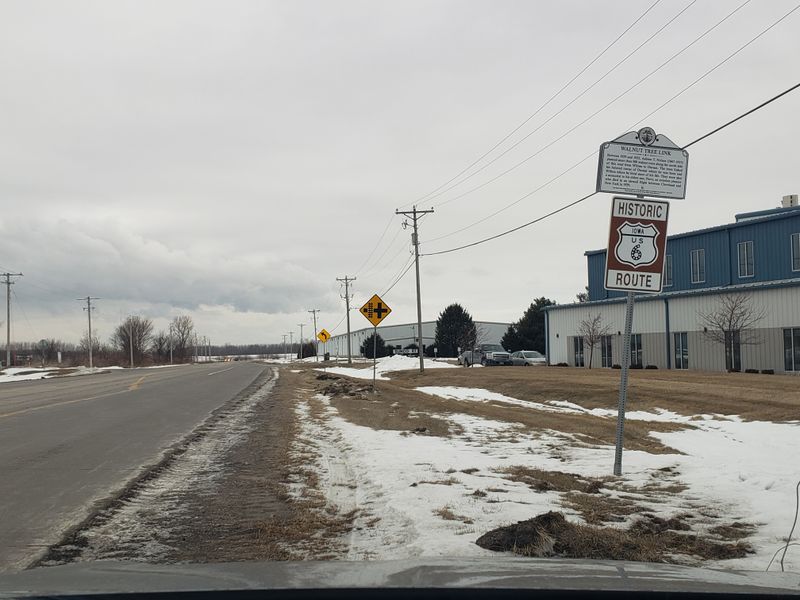
Route 6 drifts through rolling hills and long forest corridors where headlights vanish fast. Locals call it lonely for a reason.
Gas stations close early, and fog sits heavy over valleys. If your car coughs, help may be many miles away.
Deer love these lanes and do not signal.
At night, distances feel elastic, and speed creeps up without company to pace you. Keep it slow, plan fuel stops, and set navigation offline.
If you have a spare flashlight, you will feel smarter than the darkness when you need it. This road rewards patience and prep.
10. Stagecoach Road – Marshall, Texas
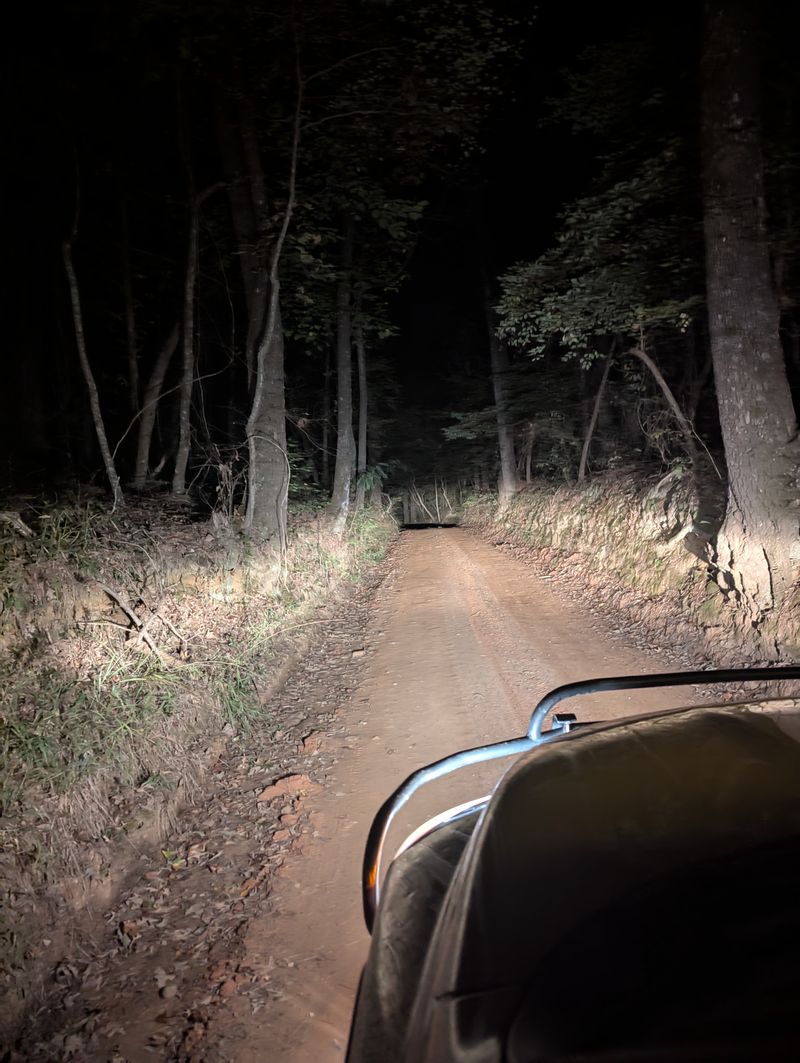
This old route gathers ghost tales like dust. People report floating lights and silent figures melting into trees.
Whether myth or misread fireflies, your nerves will not care when the road narrows and shoulders crumble. It is easy to overcorrect when something startles you.
Locals suggest staying steady, eyes forward, and skipping midnight joyrides. The pavement can be patchy, and signage sparse.
If you stop, do it at a safe turnout, not the middle of lore. Bring a friend, let someone know your plan, and keep the engine running smoothly.
11. Route 2A – Haynesville, Maine
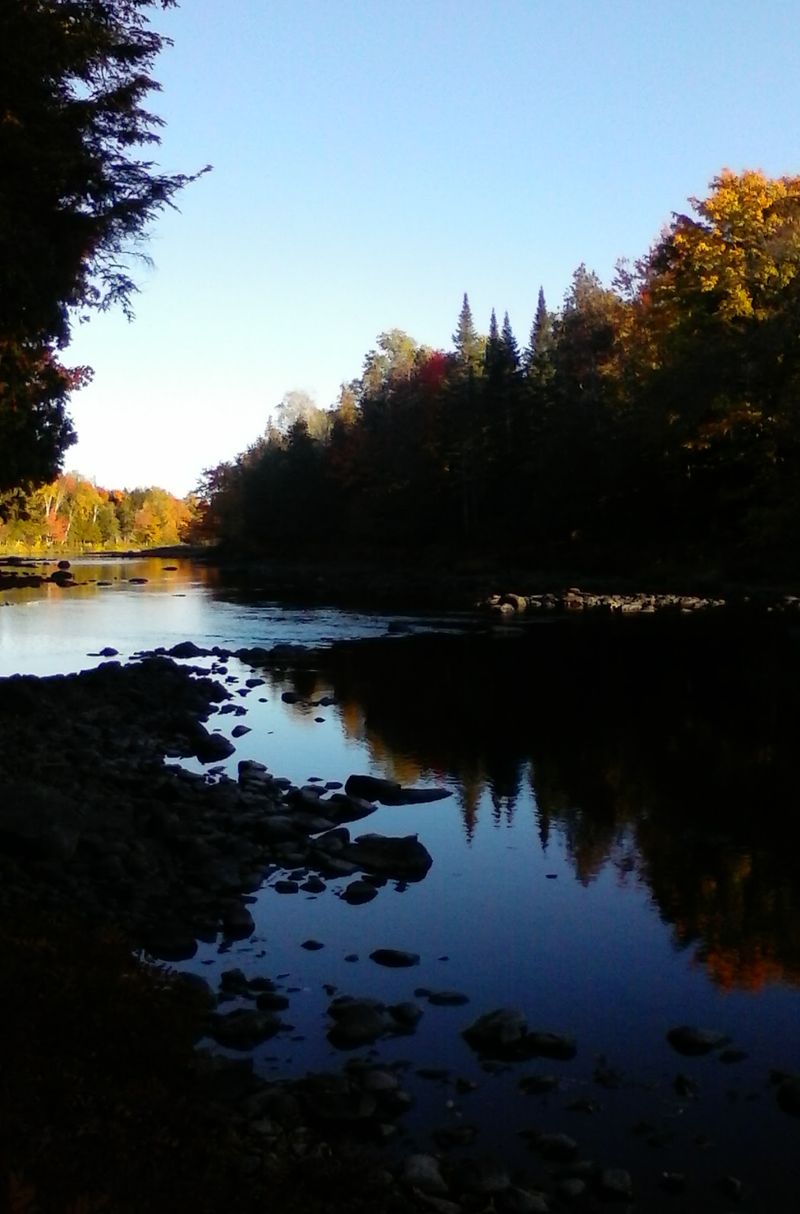
Way up in northern Maine, Route 2A slips through deep woods where headlights barely bite the dark. Locals whisper about ghostly hitchhikers, including a grieving woman who vanishes before you can speak.
The road is remote, shoulders are narrow, and winter throws ice like marbles under your tires.
You will not love losing signal out here, especially when fog erases the centerline. Trucks barrel through at odd hours, and wildlife leaps without warning.
If you must cross at night, slow down, keep your brights ready, and skip stopping for strangers. The legends linger because the stakes feel real.
12. Loop Road – Big Cypress Preserve, Florida
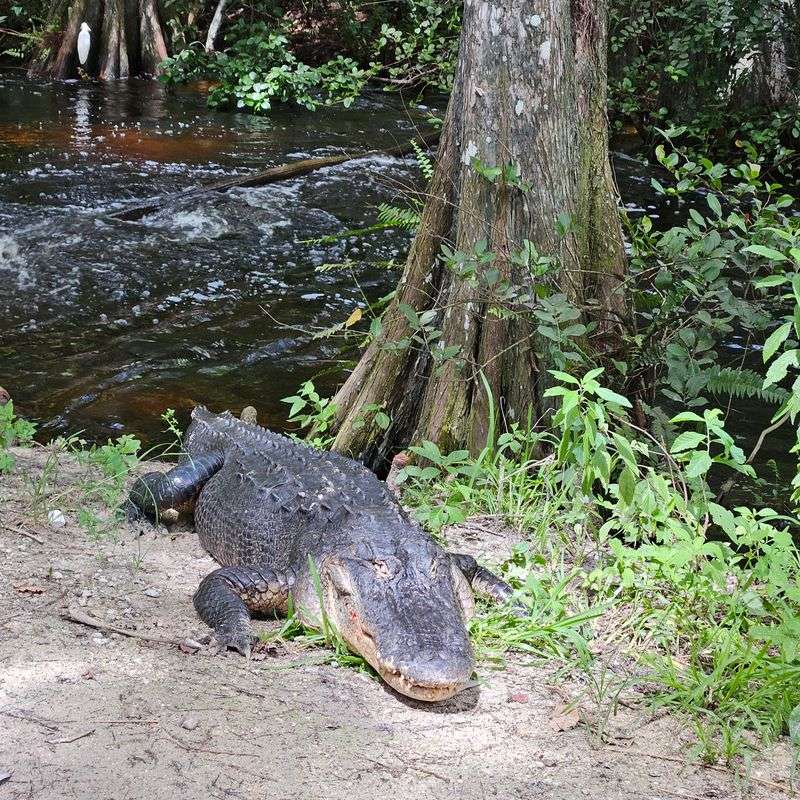
Loop Road feels like a hallway through the Everglades, narrow and intimate. Mist clings to ditches, and eyes glitter back from palmetto shadows.
The surface alternates between pavement and rough patches, and shoulders are soggy traps. When the chorus of frogs drowns everything, you will feel profoundly alone.
Locals warn about punctures, stalled engines, and wildlife lounging in the lane. Night erases safe turnaround options.
Air down for rough sections only if you know how, and carry a real spare. Do not tempt fate with low fuel.
This loop can become a long wait for daylight.
13. Wolf Creek Pass – Colorado
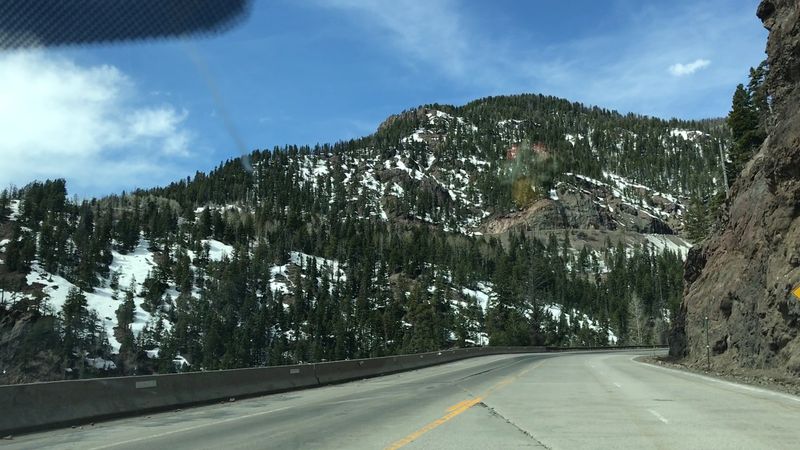
High altitude, steep grades, and sudden weather swings make Wolf Creek Pass a white-knuckle trip after dark. Snow and fog arrive with little warning, and black ice lurks in shaded stretches.
Truckers downshift aggressively, and runaway ramps are not decoration.
If you are new to mountain driving, wait for daylight. Use low gears, keep speeds conservative, and do not ride your brakes.
Watch for elk wandering across without negotiation. Locals plan around storms because the pass does not negotiate back.
Respect the signs and the slope.
14. Bloody Lane (Antietam Battlefield) – Sharpsburg, Maryland
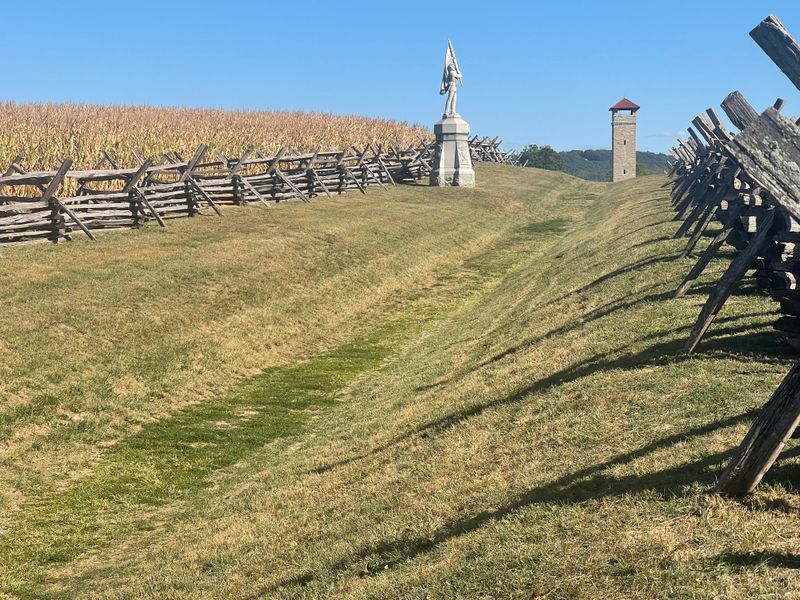
By daylight, it is history. By night, the quiet feels heavy enough to press on your ribs.
People whisper about ghost soldiers, drumbeats in the wind, and voices that do not belong to anyone living. The lane itself is narrow and poorly lit, with stone walls crowding your path.
Turnarounds are cramped, and trespass rules matter here. If curiosity wins, stay respectful and keep to open hours.
Safety-wise, slow to a crawl, use hazards if needed, and avoid stopping where visibility disappears. The past is close, and the present deserves your caution.
15. U.S. Route 19 – Florida (Pasco to Pinellas)
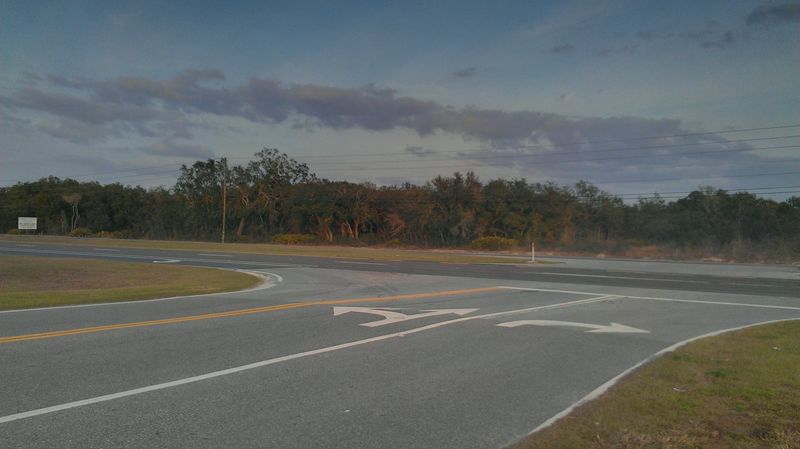
Route 19 is not haunted so much as hazardous. Heavy traffic, fast speeds, and constant pedestrian crossings create chaos after dark.
Studies show fatality numbers that make locals pick alternate routes when possible. Distractions multiply under neon and rain-slicked pavement.
If you must take it, drive defensively: scan crosswalks early, expect sudden turns, and leave extra space. Avoid the curb lane near bus stops at night.
Slow is smart here, not timid. This stretch punishes impatience more than superstition ever could.
16. Bear Camp Road – Oregon
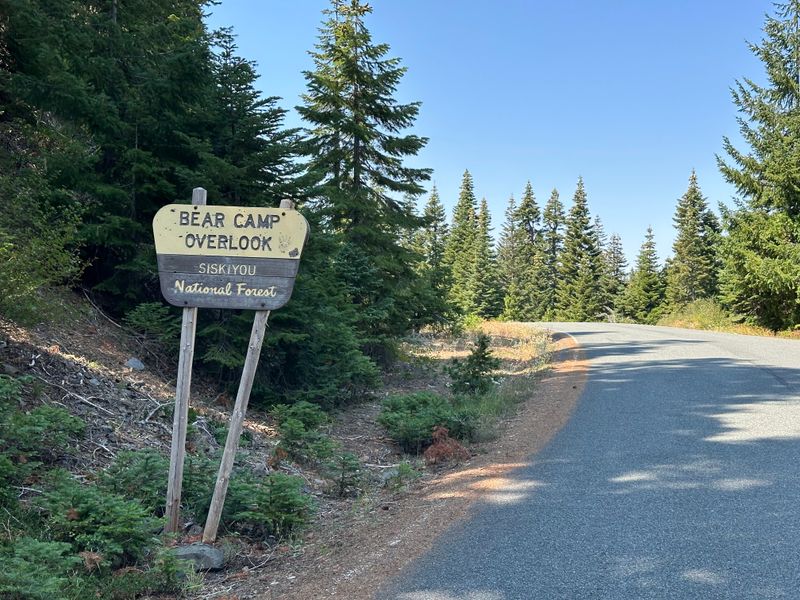
Bear Camp Road looks innocent on a map and brutal in real life. It is narrow, remote, and snow can trap you when forecasts look harmless.
In 2006, a family’s tragedy etched warnings into local memory. At night, hairpins stack like dominoes and landmarks vanish.
GPS has misled travelers here, and recovery can be slow. Carry chains in season, a full tank, and extra layers.
If a sign suggests turning back in winter, believe it. Choose caution over curiosity, and you will have a better story to tell.
Share this story